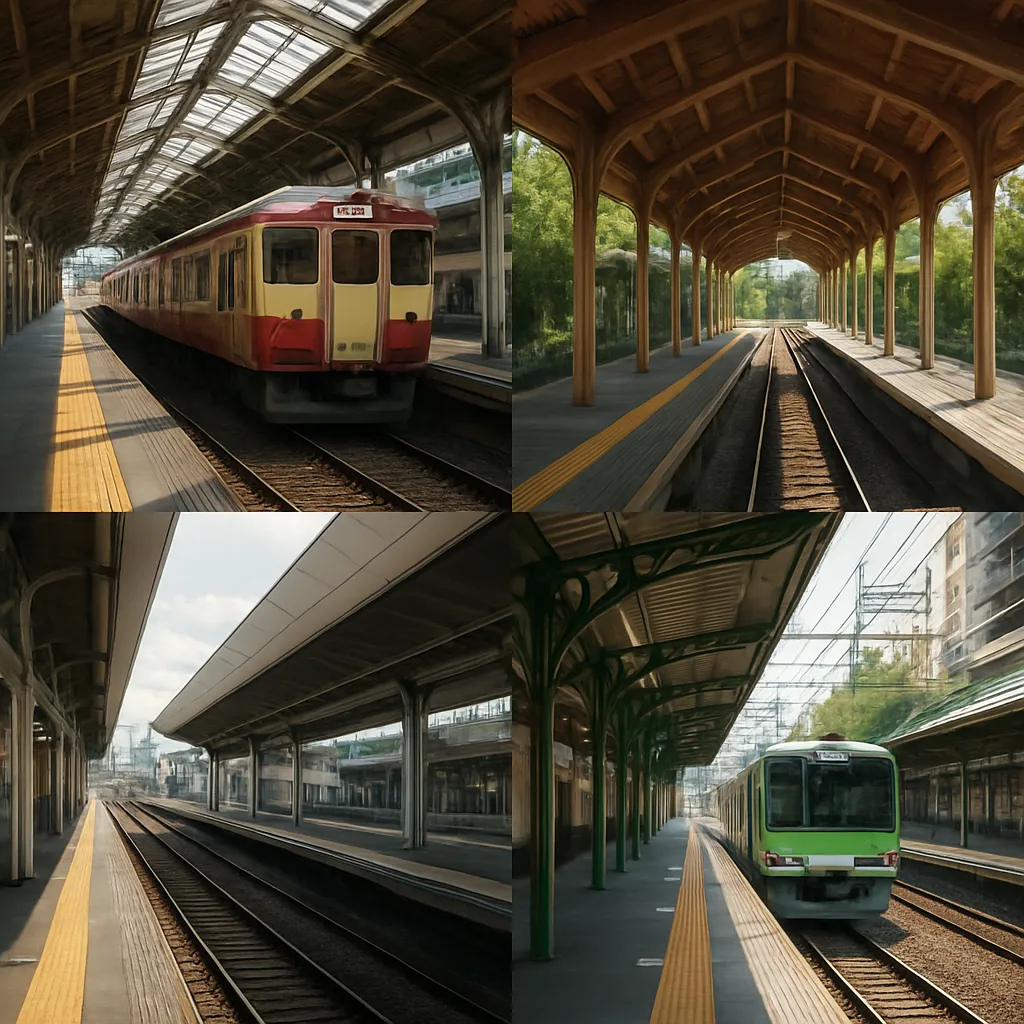
Tokyo’s urban landscape is a photographer’s playground, and its train stations stand out as some of the city’s most photogenic landmarks. From historic facades to ultramodern interiors, each station tells a story of design innovation, cultural evolution, and daily life in the Japanese capital. Whether you’re armed with a smartphone or a full-frame mirrorless camera, these stations offer endless opportunities for capturing unique perspectives and dramatic scenes.
Shibuya Station and the Vibrant Scramble Crossing
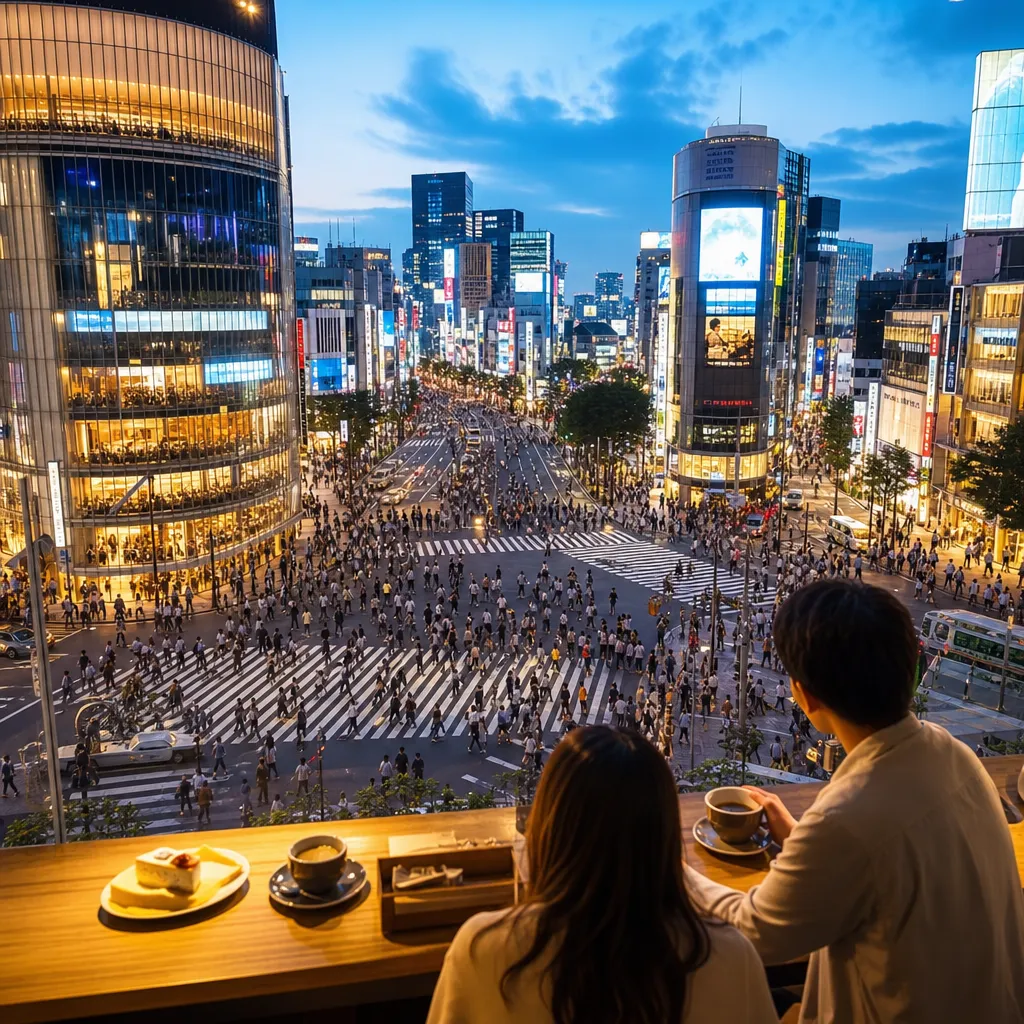
Shibuya Station is legendary among both travelers and city dwellers. The surrounding intersection, known as the “Shibuya Scramble,” sees thousands of pedestrians cross in all directions each time the signal turns green. From an elevated vantage point inside the station’s gallery windows, photographers can freeze the moment when hundreds of people punctuate the checkerboard of asphalt.
- Time your shot for early evening when neon signs create a captivating glow.
- Use a slightly slower shutter speed to introduce motion blur, emphasizing the human tide.
- Look for symmetrical lines in the crosswalk pattern to frame your composition.
Inside the station, the architecture blends sleek metal panels with traditional ticket gates, offering contrasting textures. Hidden stairwells with fluorescent lighting make ideal backdrops for street portraits and fashion shots.
Tokyo Station’s Timeless Red Brick Façade
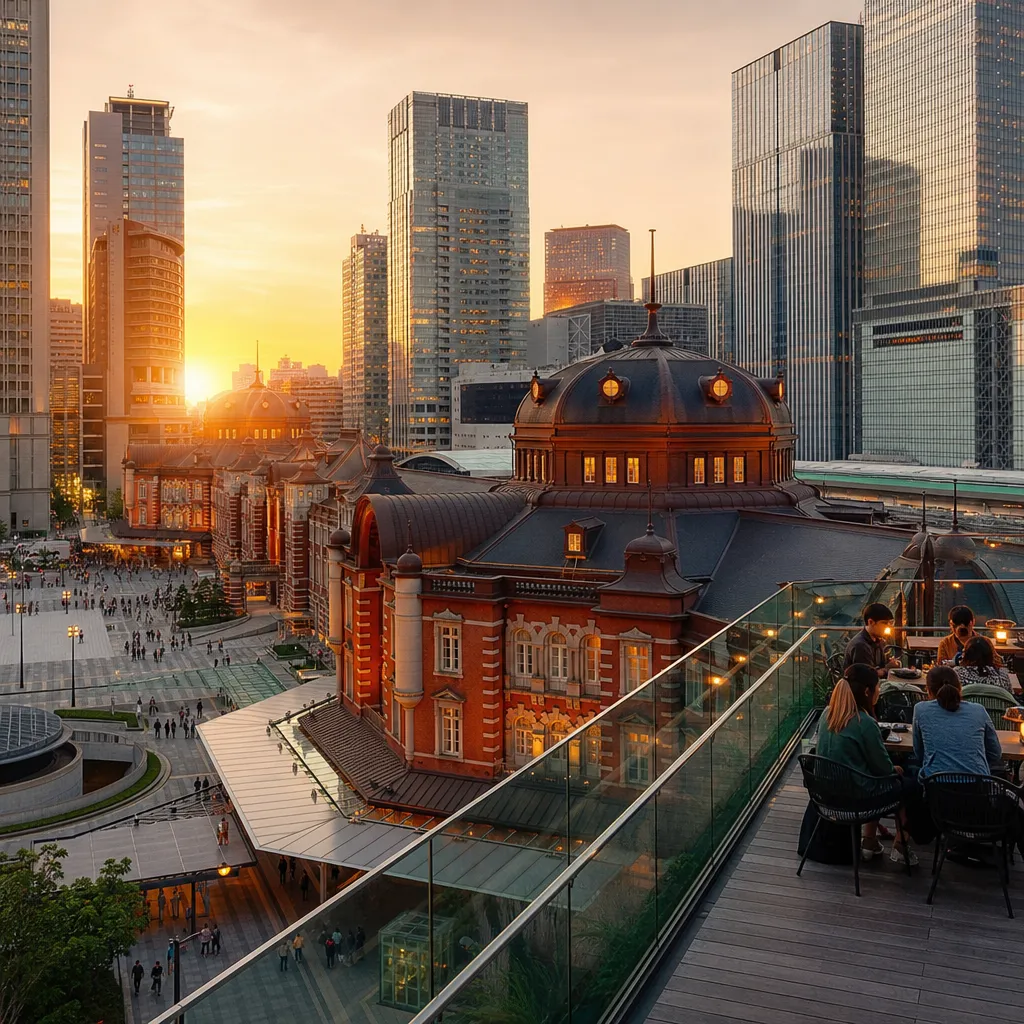
Tokyo Station Marunouchi building is a prime example of early 20th-century European-inspired architecture. Its deep-red brick walls, granite columns, and copper-domed roofs have been painstakingly restored to their original splendor. This station is both a landmark and a living museum.
- Visit on a clear day to bring out the rich hues of the brickwork.
- Frame the reflection of the façade in the water fountains near the plaza.
- Capture the station at dawn, when the rising sun casts timeless shadows across the portico.
Inside, the vaulted ceilings of the ticket hall feature intricate wood beams and chandeliers. These elements offer an elegant, almost regal setting for portrait photography and architectural studies.
Nakano Station and the Colorful Manga Mosaic
Nested in a lively neighborhood known for its pop culture scene, Nakano Station features a large mural celebrating manga and anime characters. The wall’s vibrant panels are a kaleidoscope of color, showcasing fan-favorite heroes and villains against dynamic backdrops.
- Use a wide-angle lens to include both the mural and the waiting passengers.
- Experiment with close-ups on individual characters to highlight brush strokes and color gradations.
- Incorporate reflections in the glossy tile floor for an added layer of visual interest.
This station is a bold clash of pop art and everyday life, making it ideal for photographers who seek dynamic, high-energy compositions.
Omotesando Station’s Futuristic Design
Omotesando Station in Harajuku embodies the area’s avant-garde spirit. Its interior features undulating concrete waves, polished stainless steel, and floor-to-ceiling glass panels. Light filters through skylights to produce ever-changing shadows on the curving walls.
- Shoot during midday to maximize natural light streaming from above.
- Highlight the contrast between soft concrete and gleaming metal finishes.
- Use minimalist compositions to emphasize the station’s sweeping design lines.
For a truly immersive experience, position your camera low to capture the dramatic convergence of floor, wall, and ceiling lines, giving viewers a sense of being inside an art installation.
Akasaka-Mitsuke Station’s Mystical Tunnel Passage
Akasaka-Mitsuke Station features a network of underground tunnels with softly lit corridors and tiled arches. The gently curving passages create a sense of mystery and depth, reminiscent of European catacombs.
- Long exposures work wonders here—use a tripod to preserve sharpness.
- Experiment with black-and-white to accentuate the texture of aged tiles and stone.
- Capture commuters as silhouettes against illuminated signboards for a dramatic effect.
The station’s quiet corners and echoing footsteps invite photographers to explore themes of solitude and perspective in urban environments.
Kyoto Shimbashi Station: Blending Traditional and Modern Elements
Despite its name, Kyoto Shimbashi Station is located in Tokyo’s historic Yanaka district. Its platform walls display wooden latticework and paper lantern-inspired lighting fixtures, merging heritage craftsmanship with contemporary functionality.
- Shoot at night to capture the soft glow of lantern-style lamps.
- Use shallow depth of field to isolate carved wooden beams against sleek, modern signboards.
- Include local commuters wearing traditional attire to emphasize cultural continuity.
The station’s blend of old and new makes it an ideal setting for fashion editorials and cultural storytelling.
Tips for Mastering Station Photography
Railway stations can be challenging environments: crowded, fast-paced, and often restricted in certain areas. Follow these guidelines for professional results:
- Preparation: Scout your location in advance and note opening hours.
- Equipment: Bring a lightweight tripod, a fast prime lens, and extra batteries.
- Permissions: Respect posted rules; avoid tripods or flashes in prohibited zones.
- Timing: Visit during off-peak hours for cleaner shots with fewer people.
- Composition: Look for leading lines, reflections, and patterns to create dynamic images.
By combining technical know-how with a creative eye, you can transform everyday transit hubs into gallery-worthy scenes.
Insider Recommendations for Beyond the Main Platforms
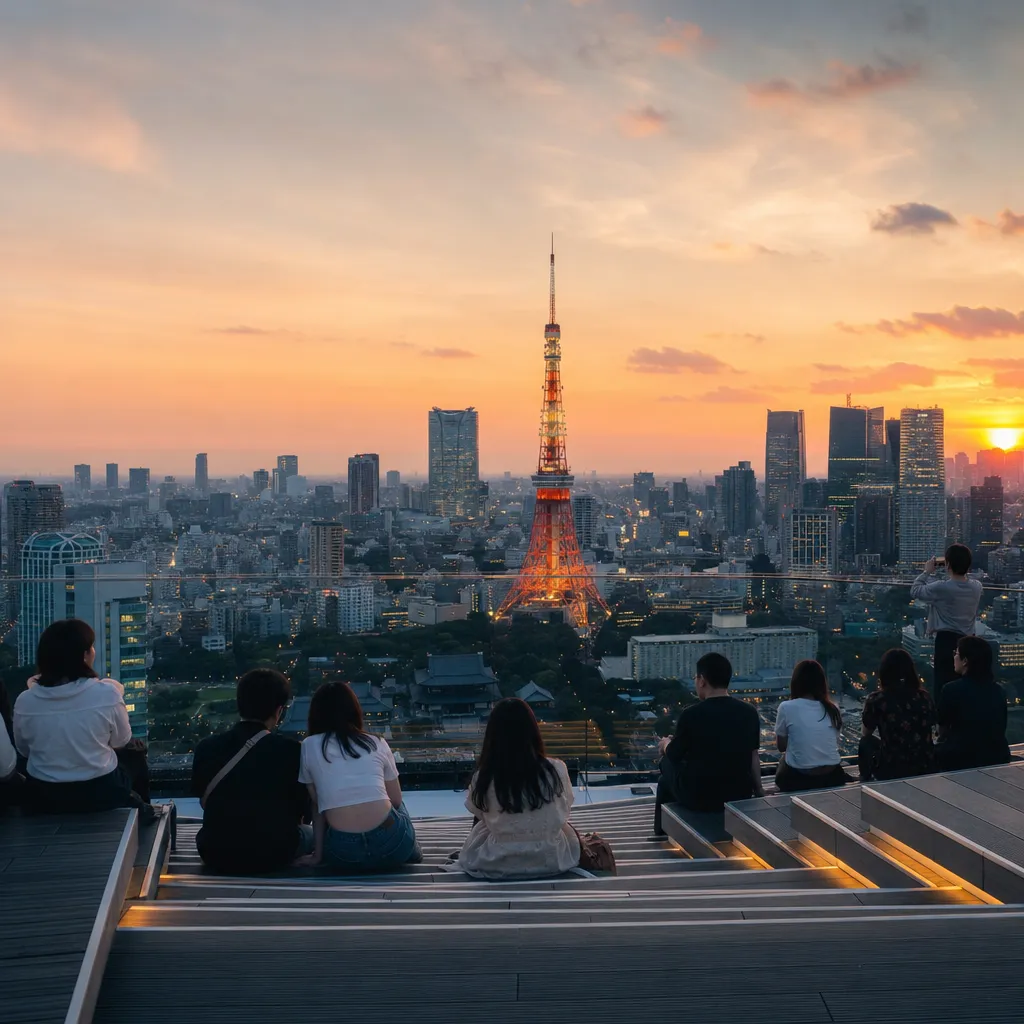
- Explore station rooftops (where accessible) for panoramic views of the city’s skyline.
- Seek out small cafes and kiosks inside larger stations to capture candid portraits of local patrons.
- Visit nearby shopping arcades or underground malls for atmospheric lighting and unique storefronts.
- Use station maps to locate maintenance corridors—these often have raw, industrial aesthetics.
Traveling with a flexible approach and an adventurous spirit will lead you to hidden gems tucked away beyond ticket gates and information booths.