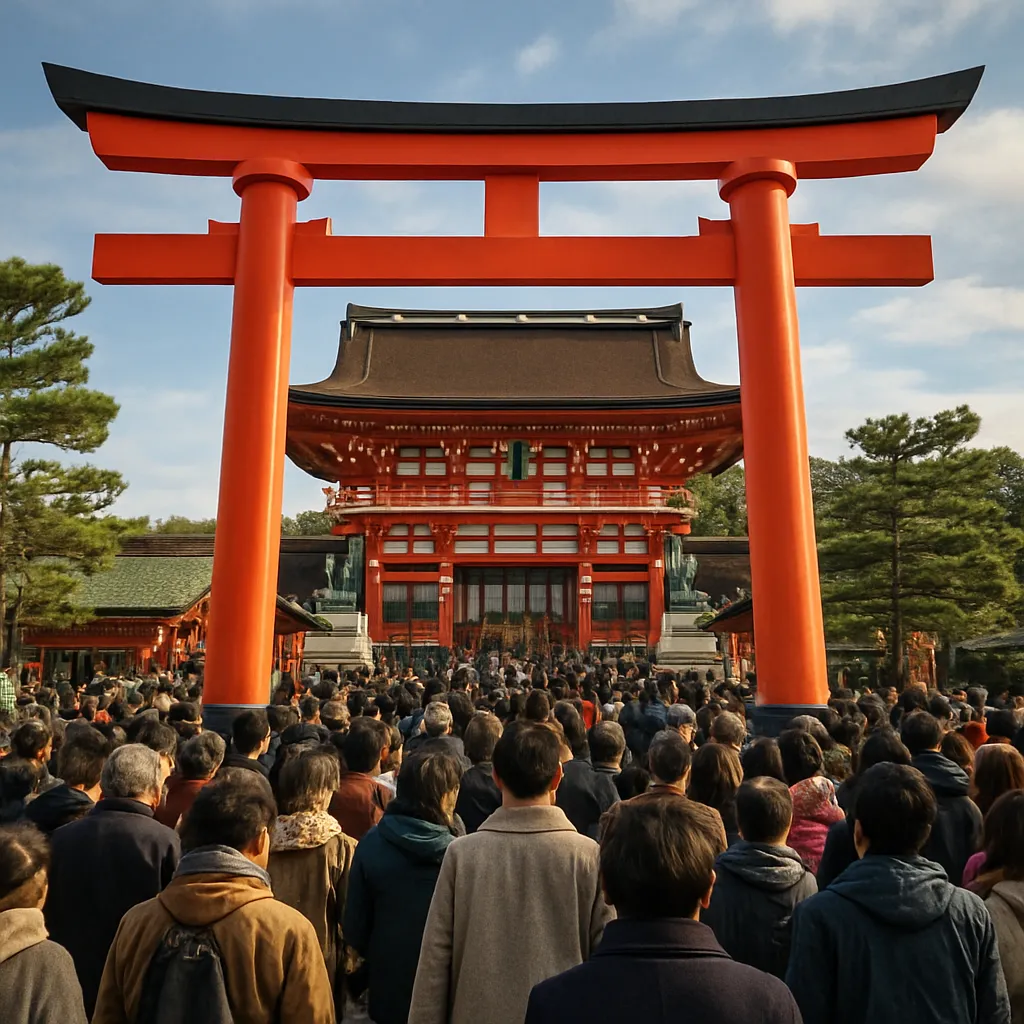
Tokyo offers a mesmerizing blend of ancient customs and modern energy, making it a prime destination for those eager to experience the vibrant festivities of New Year. As the city ushers in a fresh start, its famed shrines become epicenters of celebration, drawing millions for the annual ritual of Hatsumode. From the serene forest setting of Meiji Jingu to the bustling precincts of Sensoji, visitors encounter a tapestry of rituals, traditions, and heartfelt prayers for good fortune. This guide unveils the must-visit shrines in Tokyo during New Year, along with insider tips to make your experience truly memorable.
Exploring the Iconic Shrines
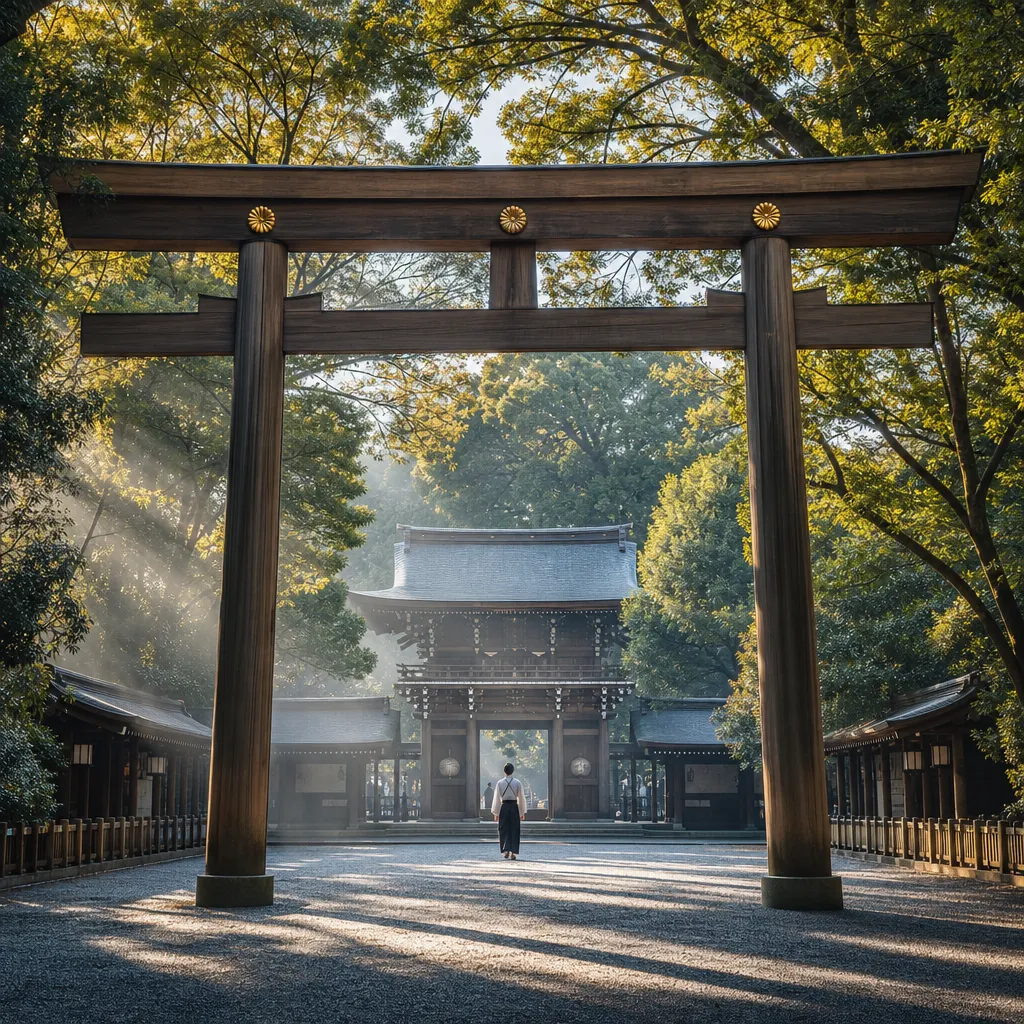
Meiji Jingu – A Tranquil Spiritual Haven
Located adjacent to Harajuku’s trendy streets, Meiji Jingu stands as one of Tokyo’s most revered shrines. Dedicated to Emperor Meiji and Empress Shoken, it is enveloped by a lush forest of over 100,000 trees donated from across Japan. Each New Year, millions gather here between January 1st and 3rd for Hatsumode, the first shrine visit of the year.
- Atmosphere: Serene pathways, towering torii gates, and the rhythmic clink of purification water.
- Highlights: Writing wishes on ema (wooden plaques), shaking the fortune-laden omikuji, and observing traditional performances.
- Tip: Arrive early (before 8 AM) to beat the peak crowds and enjoy the mystical forest ambiance in relative peace.
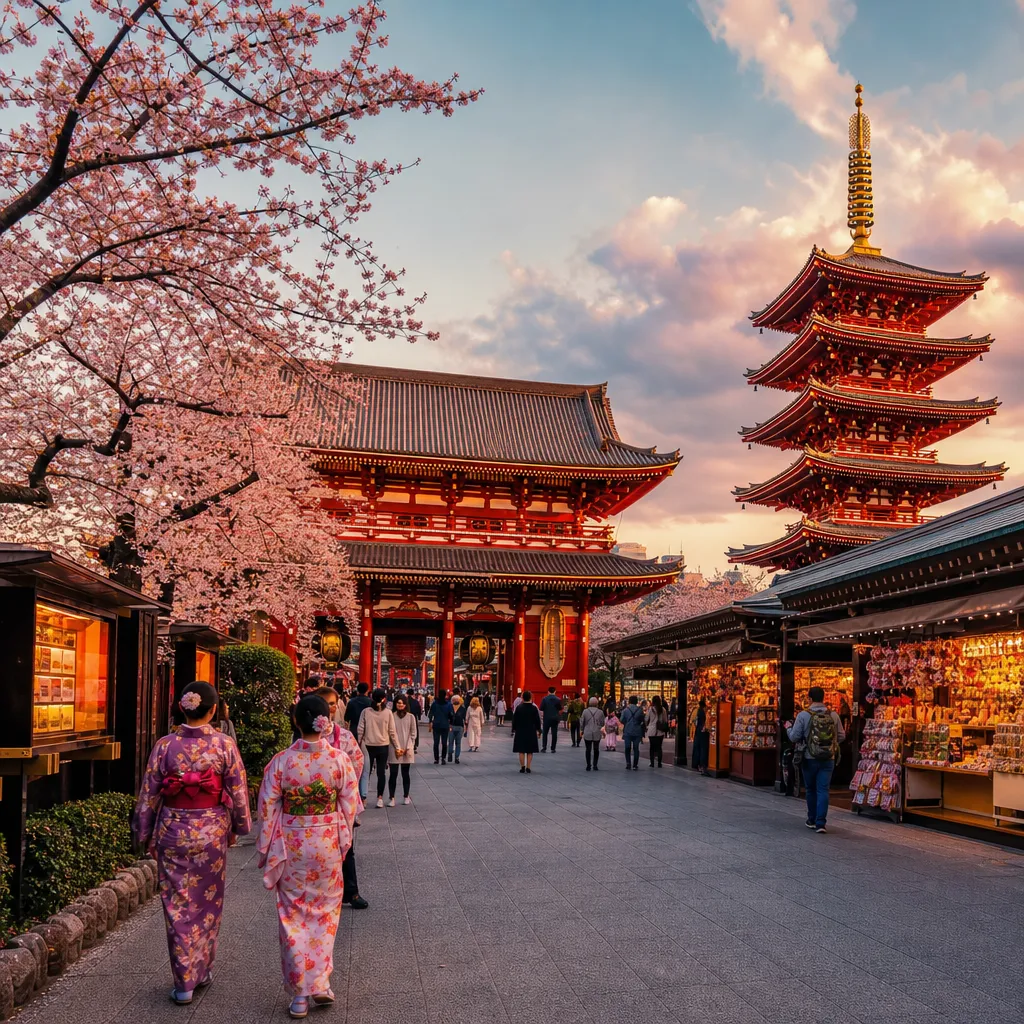
Sensoji – Tokyo’s Oldest Temple
In the heart of Asakusa lies Sensoji, Tokyo’s oldest Buddhist temple, founded in 645 AD. Though technically a temple rather than a shrine, its entrance is marked by the iconic Kaminarimon gate and the bustling Nakamise shopping street, creating a dynamic blend of history and commerce.
- Atmosphere: Lantern-lit corridors, lively stalls selling traditional snacks, and the heady scent of incense.
- Highlights: Casting water over the giant incense burner for purification and purchasing lucky charms for the New Year.
- Tip: Sample ningyo-yaki (sweet cakes) and ningyo-senbei (rice crackers) from the stalls while waiting in line for blessings.
Kanda Myojin – A Blend of Business and Blessings
Strategically located near Akihabara, Kanda Myojin has become famous for its prayers for prosperity, especially among tech enthusiasts and office workers. Its vibrant vermilion buildings and statues of dragons create a festive backdrop.
- Atmosphere: Lively crowds of salarymen, tourists, and tech geeks offering prayers for success in the upcoming year.
- Highlights: Buying electronic-themed omamori (amulets), such as those for safe driving and business success.
- Tip: Pair your visit with a stroll through Akihabara’s gadget markets to experience Tokyo’s ultramodern side.
Hatsumode Traditions and Rituals
Hatsumode—the first shrine or temple visit of the year—is steeped in centuries-old customs meant to cleanse past misfortunes and invite fresh blessings. Understanding these rituals enhances the experience and fosters deeper appreciation for Japanese culture.
Purification and Prayer
- Approach the chozuya (water pavilion) and use the ladle to rinse hands and mouth, symbolically purifying body and mind.
- Stand before the main hall, toss a coin into the offering box, bow twice, clap twice, and bow once more while making a personal wish.
- Take care to keep your wish sincere and respectful, whether for health, happiness, or success.
Fortune-Telling with Omikuji
Drawing omikuji is a key feature of any shrine visit. These paper fortunes range from great blessings to minor curses:
- Shake a cylindrical box until a numbered stick falls out.
- Match the number to your fortune slip, and read it carefully.
- If the fortune is unfavorable, tie the strip to a nearby rack to leave bad luck behind.
Writing Ema and Purchasing Omamori
Ema and omamori are tangible tokens of your prayers:
- Ema: Wooden plaques on which you write personal wishes before hanging them on a designated rack.
- Omamori: Colorful amulets for various purposes—academic success, safe travel, love, and health.
- Both make meaningful souvenirs and gifts for friends and family.
Practical Tips for Your Shrine Visit
Timing Your Arrival
- Early Bird Advantage: Visiting between midnight and dawn (known as “joya no kane”) offers a uniquely intimate experience, often with fewer crowds.
- Peak Hours: Expect large crowds from 10 AM to early afternoon on January 1st; plan accordingly to avoid long waits.
Dress Code and Etiquette
- Opt for smart-casual attire. Avoid overly casual streetwear or revealing outfits out of respect for sacred grounds.
- Silently observe the actions of locals to master proper etiquette—bowing, clapping, and offering coins.
- Carry small change (5- to 10-yen coins are customary) for offerings.
Navigating Crowds and Lines
During Hatsumode, some queues can extend for hours. Consider these strategies:
- Scout less-famous shrines like Hie Shrine or Nezu Shrine for a more relaxed atmosphere.
- Use real-time navigation apps to check crowd density and choose alternate routes.
- Schedule visits on January 2nd or 3rd to avoid the absolute peak of January 1st.
Combining Sightseeing and Spirituality
Tokyo’s layout allows seamless transitions from sacred sites to cultural hotspots:
- After Meiji Jingu, explore Harajuku’s Takeshita Street for colorful street fashion.
- Pair a Sensoji visit with a Sumida River cruise for panoramic city views.
- Combine Kanda Myojin with Akihabara to experience the intersection of old and new Tokyo.
Beyond the Shrines: New Year Festivities
While shrine visits are the centerpiece of Tokyo’s New Year, a wealth of additional activities enriches the celebration:
Traditional Japanese New Year Cuisine
- Osechi-ryori: Luxurious boxed meals containing symbolic foods like kazunoko (herring roe) and kuromame (sweet black beans).
- Ozoni: A comforting soup with mochi rice cakes, varying by region.
- Toshikoshi Soba: Eaten on New Year’s Eve to symbolize longevity and the cutting of past regrets.
Cultural Performances and Illuminations
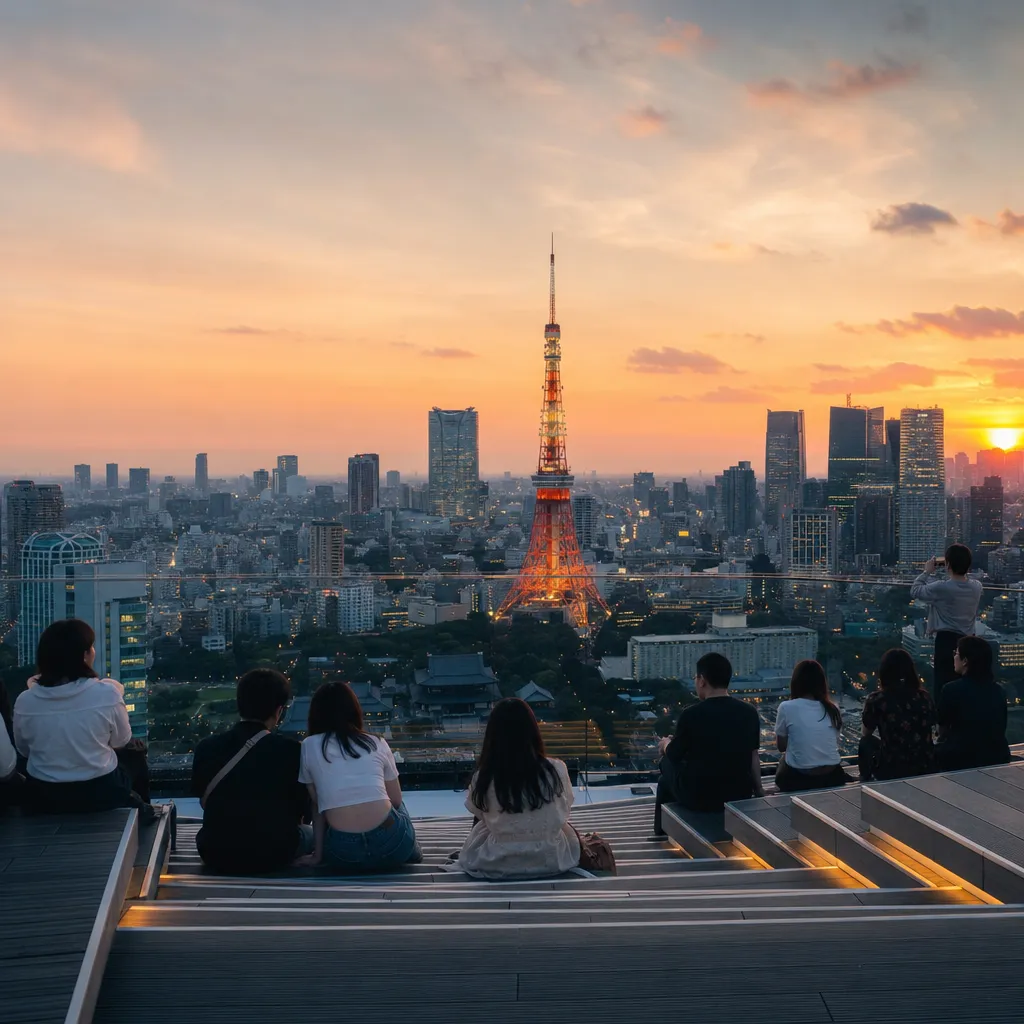
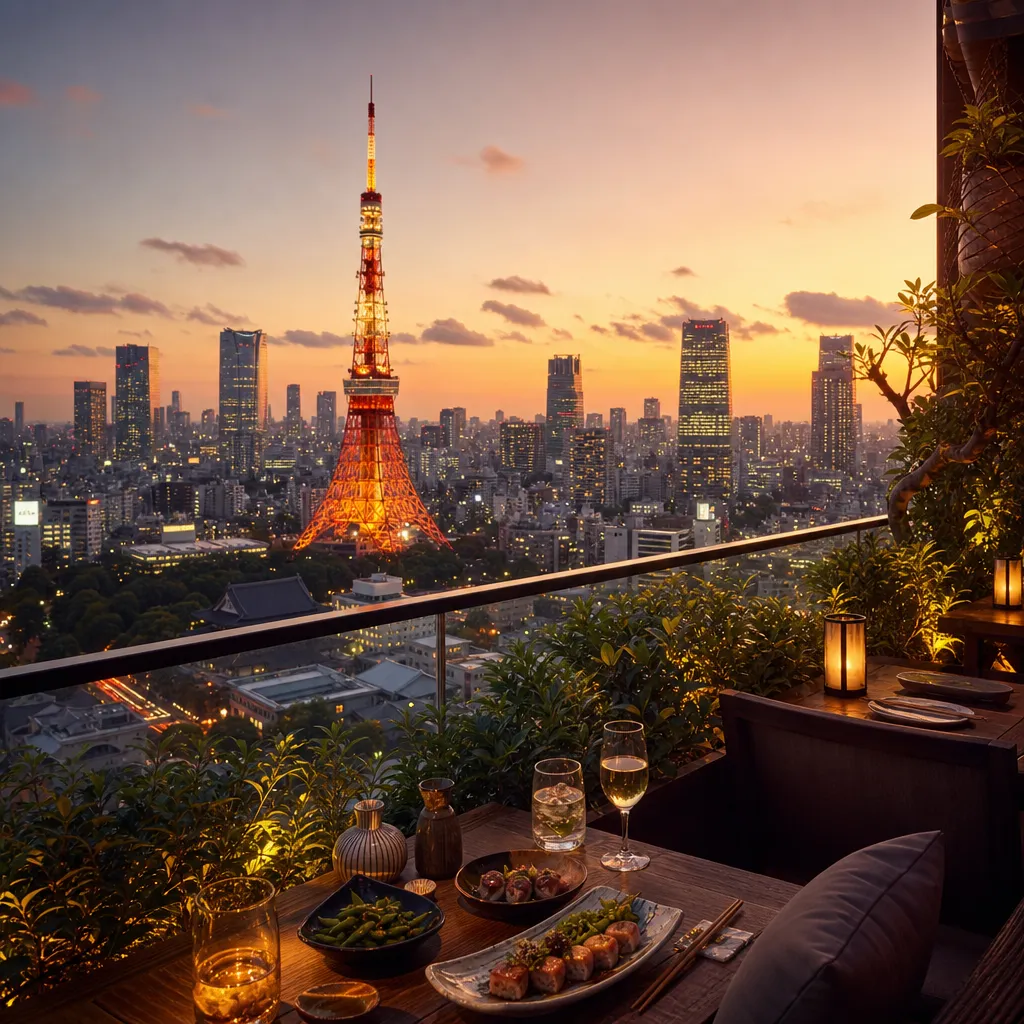
- Visit Tokyo Tower or Roppongi Hills for dazzling New Year light displays.
- Catch a traditional Shishi-mai (lion dance) or taiko drumming performance at local shrines.
- Attend kabuki or noh theater productions at well-known venues like the National Theatre.
Modern Celebrations and Fireworks
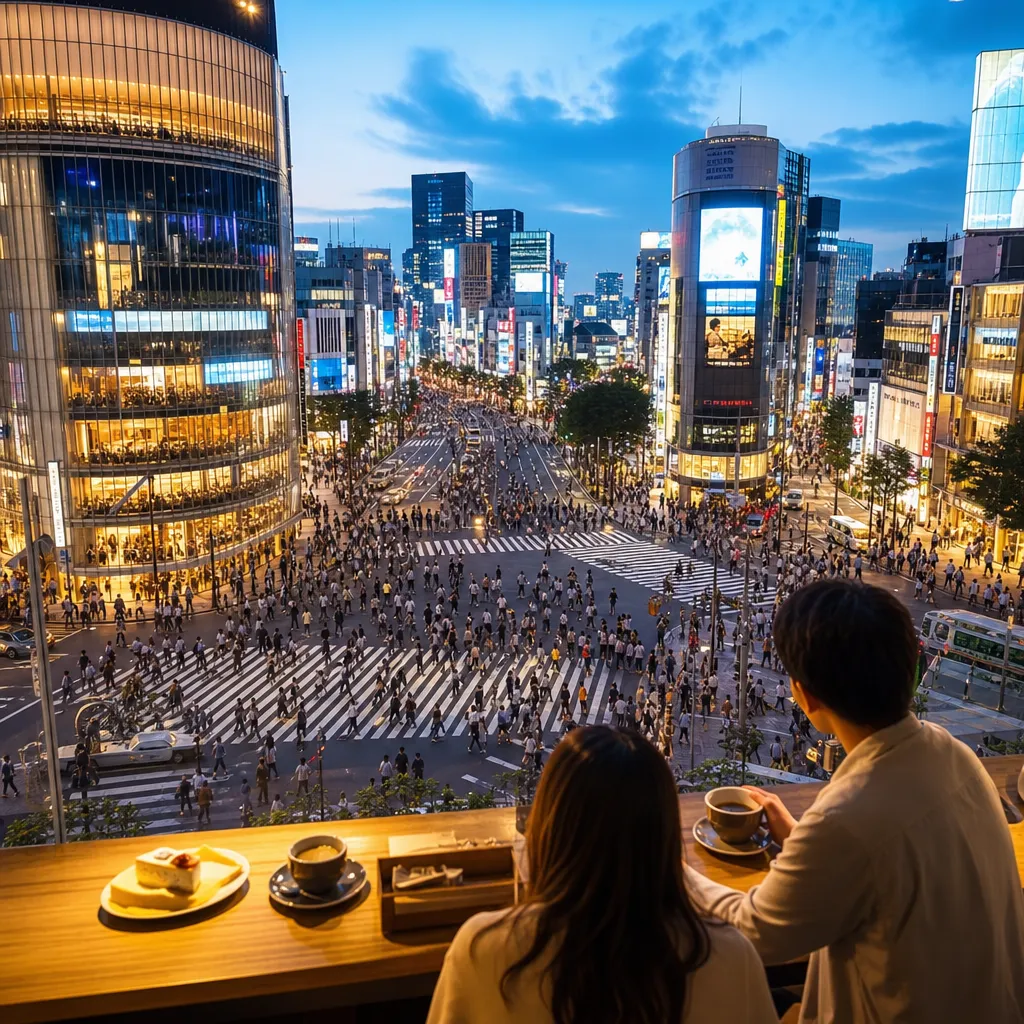
- Count down at popular spots like Shibuya Crossing, where youth gather for an electrifying atmosphere.
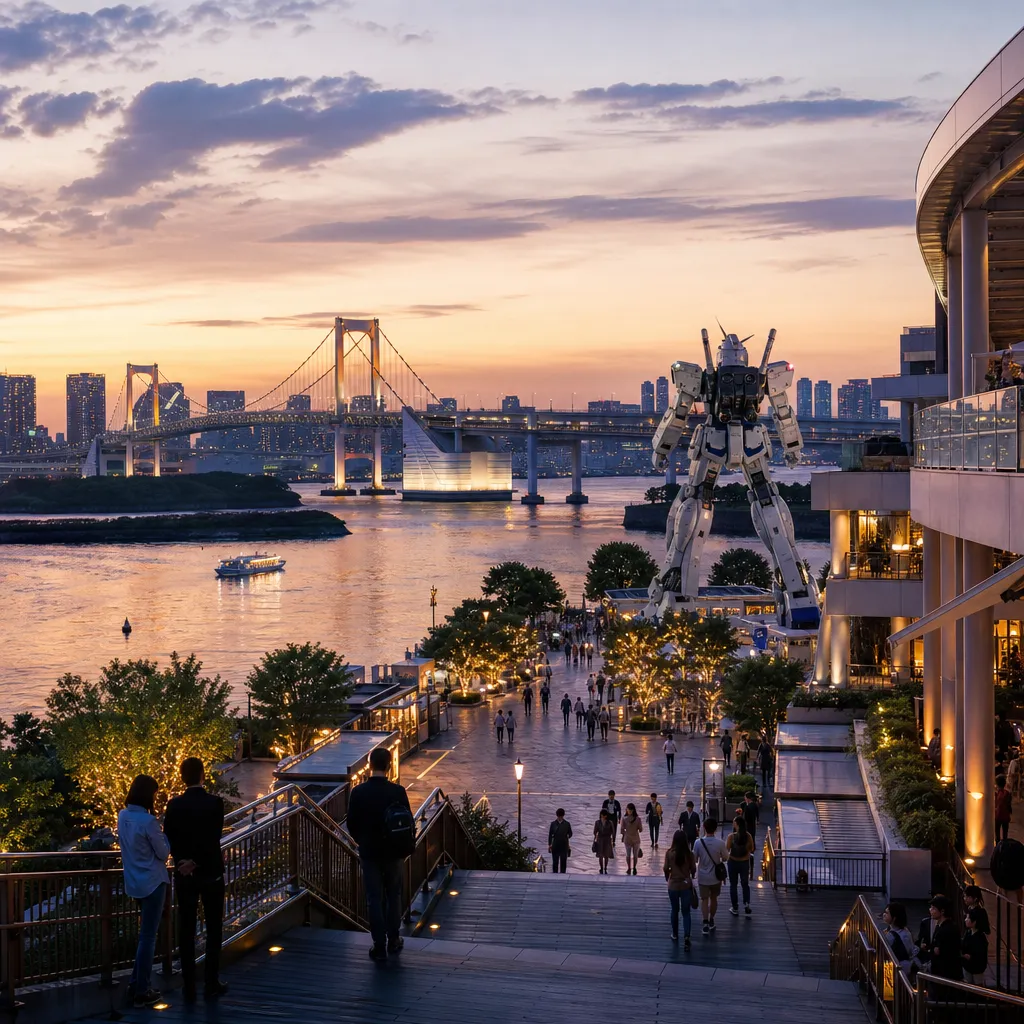
- Enjoy fireworks over Tokyo Bay, visible from Odaiba’s waterfront.
- Participate in club and rooftop parties showcasing Tokyo’s dynamic nightlife scene.