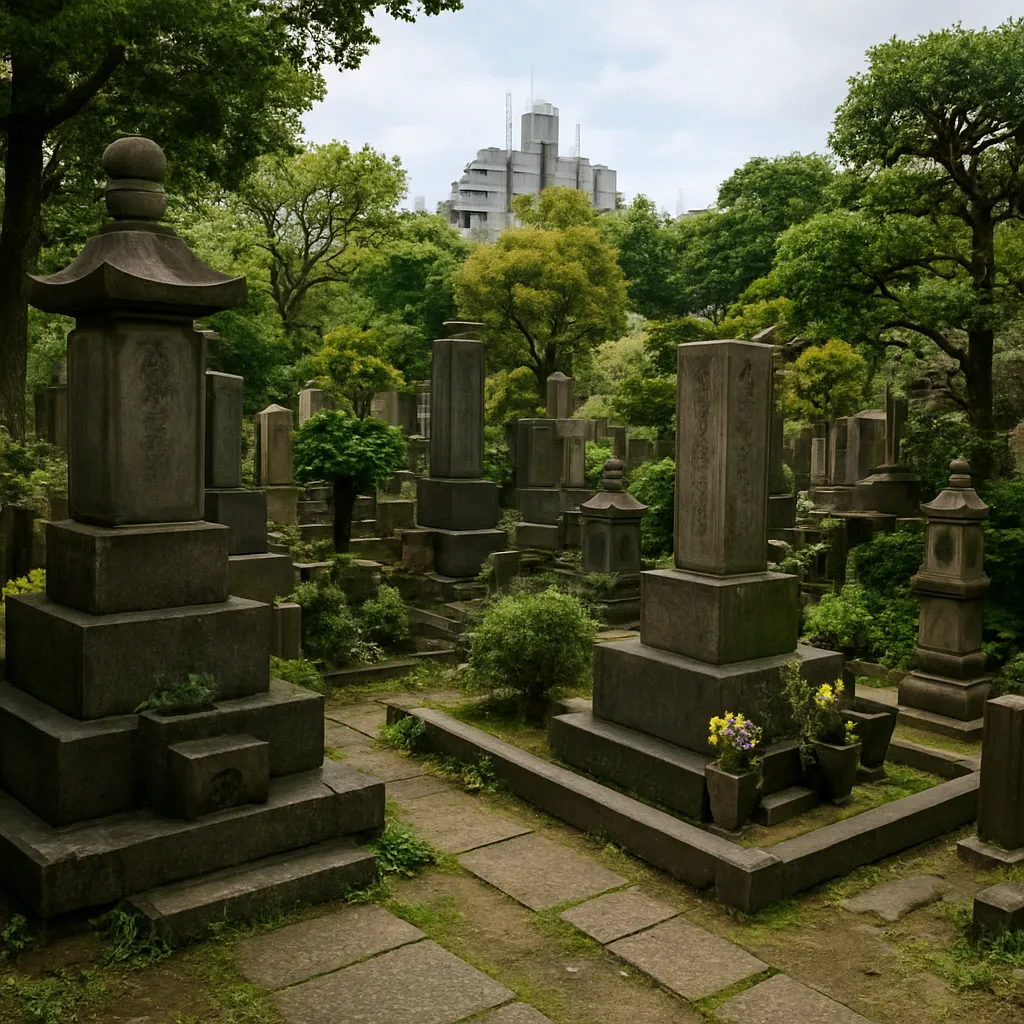
Tokyo’s cemeteries are more than resting places; they reveal heritage, cultural depth, and the city’s shifting relationship with life and death. Nestled between neon districts and serene parks, these burial grounds offer serenity amid metropolitan chaos. This article explores several remarkable sites where each monument speaks a story of resilience and communal memory, inviting every visitor on a contemplative journey.
Exploring Tokyo’s Oldest Cemeteries and Timeless Monuments
Steeped in centuries of tradition, some of Tokyo’s most historic graveyards originated in the Edo period, serving as communal hubs as well as final resting places. Aoyama Cemetery, established in 1872, stands out for its elegant row of cherry trees and Western-style tombs, reflecting the era’s fascination with foreign architecture. Wander through winding stone paths to discover the graves of political leaders, samurai families, and cultural icons whose legacy still resonates in modern Japan.
Yanaka Cemetery, located in the charming Yanaka district, spans nearly 100,000 square meters of gently sloping hills. This site survived the Great Kantō Earthquake of 1923 and the bombings of World War II, preserving countless family burial plots. Visitors can find traditional lanterns and moss-covered headstones arranged under a canopy of towering trees. During spring, the explosion of cherry blossoms against ancient gravestones creates an unforgettable ambiance of renewal and remembrance.
- Key features of Aoyama Cemetery:
- European-style graves and memorials
- Wide avenues lined with maples and pines
- Iconic monuments for prominent Meiji-era figures
- Highlights of Yanaka Cemetery:
- Restored temple gates dating back to the Edo period
- Quiet stone bridges and hidden garden spaces
- Seasonal observances during equinoxes and Obon
Modern Memorial Parks and Contemporary Design
In contrast to the historic graveyards, Tokyo’s newer cemeteries blend park-like landscapes with innovative architecture. Zoshigaya Cemetery, opened in 2005, employs minimalist pavilions and sculptural columbaria, creating a tranquil environment that feels more like a public garden than a traditional graveyard. Large fields of grass lawns and recycled granite walls offer a calm backdrop for reflective strolls.
Tama Cemetery, one of the largest national cemeteries, extends across verdant hills in western Tokyo. It integrates sports fields and picnic areas, encouraging families to spend quality time outdoors. While walking its broad promenades, one encounters memorials dedicated to firefighters, war heroes, and local philanthropists. A series of modern sculptures commemorates the courage and dedication of those who served the nation.
Innovations in Memorial Architecture
- Use of eco-friendly materials in columbarium design
- Integration of solar lighting along pathways
- Open-air chapels designed with natural acoustics for ceremonies
These spaces reflect a growing trend toward personalized memorials: small family plots with custom headstones, digital epitaphs displayed on discreet screens, and even interactive QR codes that link to biographical websites.
Hidden Niches: Secret Tombs and Spiritual Pathways
Beyond the well-known sites lie tiny, almost forgotten cemeteries tucked behind temples and alleyways. Sengakuji Temple is famous for the graves of the forty-seven rōnin, vendetta samurai who have become the subject of enduring folklore. Pilgrims flock annually to pay homage, participating in solemn tea ceremonies and reciting sutras. The atmosphere is charged with the aura of loyalty and sacrifice.
In Shibuya’s backstreets, the unassuming Jogenji Cemetery offers a contrasting vibe. It is renowned for the ancient gravestones of tea masters and Zen monks, some bearing cryptic inscriptions that hint at deeper philosophical teachings. Closer to the Sumida River, the Bunshi-in site features lantern-lit pathways leading to hillside niches where poets and artists are interred. Here, soft breezes carry the faint sound of water, lending each gravestone an almost mystical presence.
- Noteworthy hidden cemeteries:
- Sengakuji – site of the forty-seven rōnin memorial
- Jogenji – resting place of tea ceremony masters
- Bunshi-in – hillside graves of Edo-period literati
- Spiritual rituals observed:
- Monthly sutra chanting sessions
- Seasonal lantern festivals illuminating the grounds
- Private meditation retreats held in temple halls
Seasonal Wonders and Cultural Events in Cemetery Grounds
All year round, Tokyo’s cemeteries host events that fuse respect for the departed with communal celebration. During the Obon festival in mid-August, families decorate lantern-lined memorials and perform traditional Bon Odori dances. At Yanaka Cemetery, the Autumn Equinox yields monuments bathed in golden sunset hues, prompting local photographers to capture fleeting moments of light and shadow.
In spring, guided walks through Aoyama Cemetery coincide with peak cherry blossom viewing, transforming the somber landscape into a scene of poetic contrast. Historians lead small groups in storytelling sessions, animating the lives of figures buried beneath each tree. Meanwhile, Zoshigaya Cemetery’s annual “Garden of Remembrance” event invites landscape artists to install ephemeral floral sculptures along its promenades, underscoring the elegant interplay between nature and memory.
- Cemetery festivals and highlights:
- Obon lantern procession and dance performances
- Equinox memorial ceremonies with incense offerings
- Seasonal garden installations by contemporary artists
- Tips for visitors:
- Wear comfortable shoes for uneven terrain
- Check temple schedules for guided tours
- Observe quiet hours and respectful photography rules