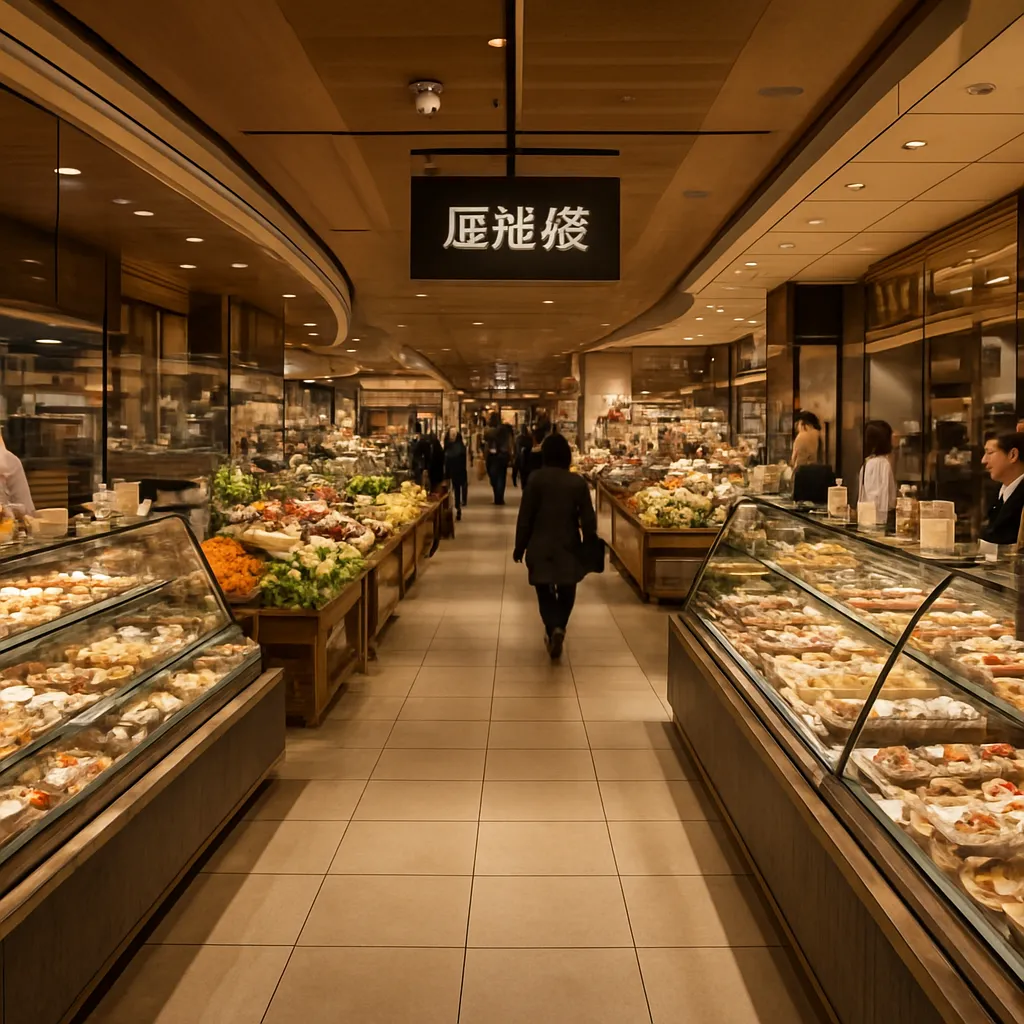
Tokyo’s urban tapestry weaves an unforgettable journey through bustling streets, neon-lit avenues, and most importantly, its extraordinary network of food halls and depachika. These subterranean paradises and multi-level dining emporiums offer an unparalleled spectrum of flavor, showcasing the culinary genius and craftsmanship of local artisans. Each visit reveals a new dimension of Tokyo’s gastronomic identity, where history meets modernity, and every bite tells a story.
Legendary Food Halls of Tokyo
At the heart of Tokyo’s retail giants lie the food halls—expansive, brightly lit spaces devoted to edible delights. Typically situated on basement floors (the word “depachika” itself combines “depa” from department store and “chika” meaning basement), these halls transform shopping into a full-fledged gourmet adventure. From tidbits fit for a quick snack to elaborate gourmet meals, Tokyo’s food halls blur the line between convenience and haute cuisine.
Shinjuku’s Samplings of Perfection
Shinjuku Station, a labyrinthine transport hub, conceals under its skyscrapers a concentration of food halls unrivaled elsewhere in the city. Here you’ll find sleek stalls offering everything from freshly grilled yakitori to exquisite wagashi sweets. The atmosphere is electric, with chefs behind open counters demonstrating knife skills worthy of theatrical performance. Patrons wander through aisles adorned with colorful packaging, ready to savor bites on the go or select meticulously boxed gifts for friends back home.
Ginza’s Refined Culinary Theater
Step into Ginza’s department stores—Mitsukoshi, Matsuzakaya, and Wako—and you’ll enter a world where tradition meets futuristic design. Each vendor curates a unique presentation: delicate sashimi arranged like art, ikura eggs glistening in lacquered bowls, and artisanal chocolates shaped as cherry blossoms. Seasonal ingredients take center stage—crab in winter, sakura-infused sweets in spring—creating a symphony of flavors that celebrate Japan’s fourfold seasons.
The Captivating Depths of Depachika
Descending into a depachika feels akin to opening a treasure chest of taste sensations. Unlike casual markets, these basement floors uphold a strict code of quality. Every item must exemplify the highest standards of presentation and diversity. Here are a few reasons why depachika culture shines:
- Artisanal Craftsmanship: Handmade mochi, smoked meats carved to order, and pastries baked fresh each morning.
- Seasonal Showcases: Limited-time offerings, such as chrysanthemum-flavored confections in autumn and sweet potato tartlets in fall.
- Global Flair: International pop-ups featuring French macarons, Italian prosciutto, and Spanish tapas alongside local specialties.
Whether you’re drawn to the savory allure of bento boxes or the sweet seduction of gelato stands, a depachika is more than a food court—it’s a microcosm of Tokyo’s unending appetite for innovation.
Odakyu Department Store, Shinjuku
Famous for its sprawling basement, Odakyu’s food floor features over 200 vendors. One corner presents steaming bowls of ramen from Hokkaido, another showcases intricate kaiseki-style lunch sets packed in reusable wooden boxes. Don’t miss the eel counter, where chefs grill unagi over charcoal, painting each fillet with a shimmering tare sauce.
Seibu Ikebukuro’s Sweet Haven
This depachika is renowned for its patisseries. Here, strawberry shortcakes are layered with snowy peaks of whipped cream, and taiyaki fish-shaped waffles ooze molten chocolate. Knowledgeable staff guide visitors to seasonal flavors—melon in summer, chestnut in autumn—ensuring every purchase feels fresh and timely.
Navigating Heat and Flavor: Open Kitchens
Food halls often feature open-kitchen concepts, turning chefs into performers and dishes into spectacles. The interplay of sizzling woks, hissing grills, and pounding mochi equipment heightens the sensory experience:
- Live Teppanyaki: Watch as cuts of Wagyu beef sear on an iron griddle, then cut and served piping hot.
- Takoyaki Stands: Balls of batter enveloping tender octopus, flipped with precise flicks of the wrist.
- Sushi Counters: Masters slice through blocks of tuna and yellowtail, offering nigiri with a bow and a smile.
Even the queue becomes part of the entertainment, as visitors chat, sample bites, and compare notes on which stall delivers the crispiest karaage or the fluffiest melonpan.
Insider Tips for Food Hall Exploration
To fully appreciate Tokyo’s subterranean delicacies, consider these strategies:
- Visit on Weekdays: Weekends draw crowds, making aisles congested. A Tuesday morning trip offers a calmer vibe and easier access to popular stalls.
- Bring Reusable Bags: Packaging here is often exquisite but plentiful. A sturdy tote reduces waste and keeps purchases intact.
- Try Sample Stations: Many vendors provide small tastes. Sampling allows you to compare similar products—like different matcha chocolates—before committing.
- Check Limited Editions: Keep an eye out for holiday-themed sweets or regional collaborations. These fleeting items capture the spirit of Tokyo’s ever-evolving scene.
- Align Meals with Train Schedules: If you plan on grabbing a bento for the Shinkansen, arrive an hour before departure to avoid last-minute rushes.
Armed with these pointers, you’ll unlock hidden corners of Tokyo that tourists often overlook. Whether you’re chasing the umami of an aged soy-marinated egg or the floral notes of cherry-infused mochi, each bite resonates with the city’s boundless passion for food.