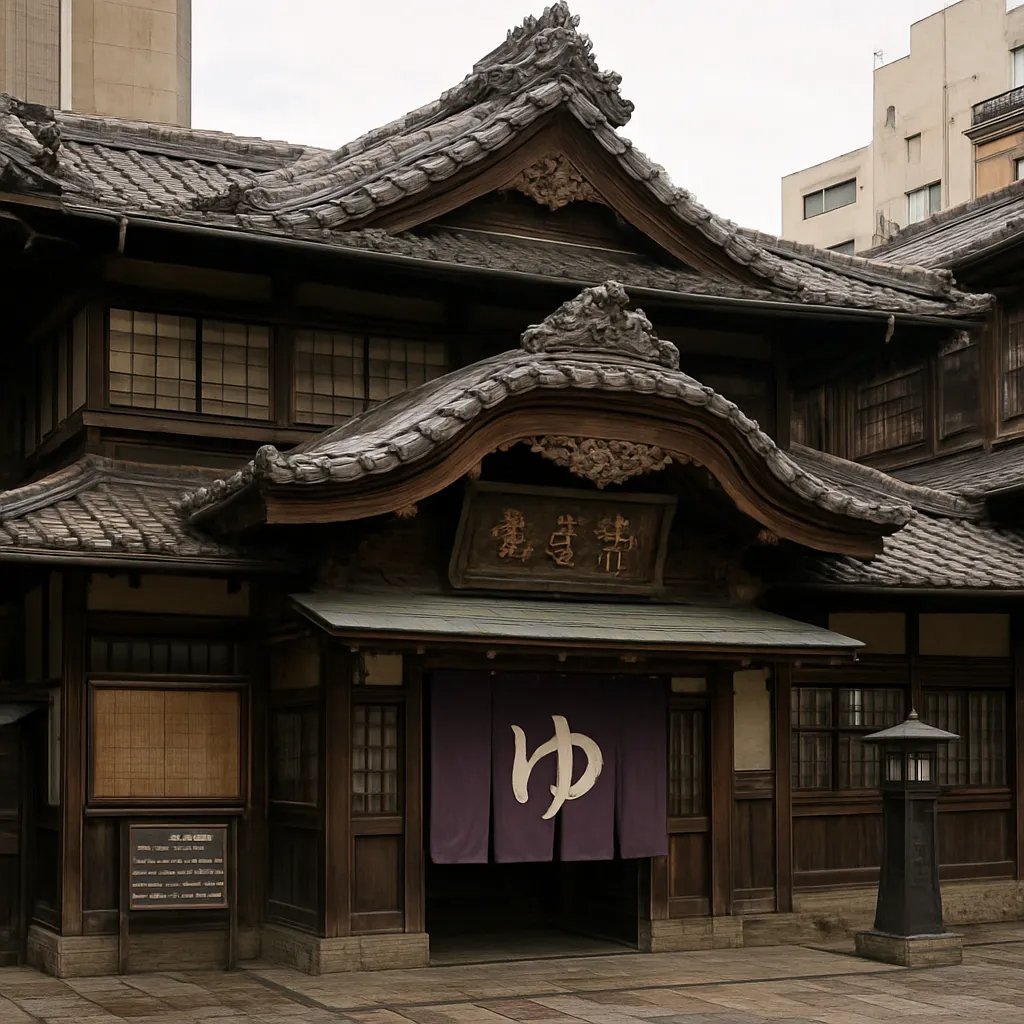
Tokyo’s vibrant neighborhoods hide a treasure trove of historic bathhouses where locals and travelers alike can immerse themselves in traditional bathing rituals. These facilities, known as sentō, have endured for over a century, showcasing exquisite architecture, intricate tile murals, and a deep-rooted sense of community. Visiting one of these sanctuaries offers more than mere relaxation—it provides a window into the city’s evolving culture and the timeless pursuit of well-being.
Origins of Tokyo’s Sentō Heritage
The concept of communal bathing in Japan dates back to the Nara and Heian periods, but it wasn’t until the Edo era (1603–1868) that sentō became widespread in urban centers. In a city where most homes lacked private bathing facilities, public bathhouses emerged as essential hubs for hygiene and socialization. Over time, their designs incorporated both practical and aesthetic elements:
- Wooden tubs carved from fragrant cypress woods
- Elaborate ceramic and mosaic murals depicting Mount Fuji, koi fish, or streams
- Showa-period neon signage and stained-glass windows
Each sentō reflected the neighborhood’s character. Working-class districts favored sturdy wood and stone, while more affluent areas boasted opulent tile work and spacious changing rooms. Despite modernization pressures, a handful of these bathhouses have survived, preserving the tradition and offering a glimpse of Tokyo’s bygone days.
Must-Visit Heritage Bathhouses
Here are several renowned sentō where you can still bathe in the footsteps of Tokyo’s ancestors:
-
Yakumo-yu (Meguro)
Established in 1929, Yakumo-yu retains its original wooden structure and cast-iron tubs. The turquoise tile mosaic of Mount Fuji above the baths is a local icon. Patrons admire its gentle water temperature and the calming aroma of hinoki wood.
-
Fuji-yu ( Taishō era style )
A smaller, family-run sentō founded in 1936. Fuji-yu’s firsthand charm lies in its red-brick exterior and antique faucets. Inside, polite staff offer handmade soaps, preserving the community spirit of mutual care.
-
Kodenma-yu (Taito)
This 1927 gem is famous for its cheerful tilework depicting carp and autumn leaves. Kodenma-yu welcomes English speakers and provides simple guides for first-time visitors, blending tradition with modern accessibility.
-
Daikoku-yu (Toshima)
Opened in 1951, Daikoku-yu boasts an ornate neon sign and a pair of deep baths—one hot, one cool—catering to different preferences. The pink and blue tile patterns create a retro atmosphere that transports you back half a century.
-
Tanakaya (Sumida)
Tanakaya’s spacious interior and elegant stained-glass windows are the result of a 1934 renovation. The facility also features a rooftop open-air bath, offering rare skyline views amid cedar planks and gentle breezes.
Etiquette, Rituals, and Design Details
Understanding sentō manners enhances your experience and shows respect for local customs. Key points include:
- Remove shoes at the entrance and store them in a locker or shoe cubby.
- Thoroughly cleanse your body at the washing stations before entering the communal baths. Use the provided stools, buckets, and handheld showers.
- Keep your towel out of the bathwater. Small towels are often used to maintain modesty on the way to the tubs.
- Refrain from loud conversations and splashing. Sentō are places of quiet contemplation and mutual respect.
Architecturally, classic sentō balance functionality with artistry. Many feature raised platform floors with slatted wood, allowing water to drain easily. The mosaic murals often cover entire walls, with each tile painstakingly hand-painted decades ago. Preservation efforts have maintained these artworks, even as plumbing and heating systems receive modern upgrades.
Community, Wellness, and Preservation
Bathhouses have long served as more than bathing facilities—they are vital social spaces. Elderly patrons gather daily to chat, workers unwind after long shifts, and visitors connect with local narratives. In recent years, grassroots initiatives have formed to support these nearly-forgotten landmarks:
- Volunteer-led restoration projects cleaning centuries-old tilework
- Workshops teaching traditional bathhouse design and maintenance
- Collaboration with artists to host small exhibitions inside disused areas
Through these programs, sentō continue to evolve without losing their authenticity. Some have introduced vegan soaps, essential-oil infusions, and heated stone floors to attract younger visitors. Yet, the heart of each establishment remains rooted in communal bathing and mindful rituals.
Planning Your Sentō Adventure
When you’re ready to experience Tokyo’s venerable bathhouses, keep these tips in mind:
- Carry small bills and coins. Many heritage sentō still use simple coin-operated machines for entry.
- Check neighborhood maps—sentō are often tucked away on narrow side streets or behind storefronts.
- Respect gender-segregated areas. Most sentō have separate facilities for men and women, though some modern ones allow mixed bathing at specific times.
- Consider visiting during off-peak hours (early morning or late evening) to appreciate the serene ambience.
Whether you’re drawn by the architectural marvels, the healing properties of hot water, or the promise of local camaraderie, these historic bathhouses offer an unforgettable glimpse into Tokyo’s enduring legacy. Step through their doors, follow the age-old bathing rites, and discover a quieter side of Japan’s booming metropolis.