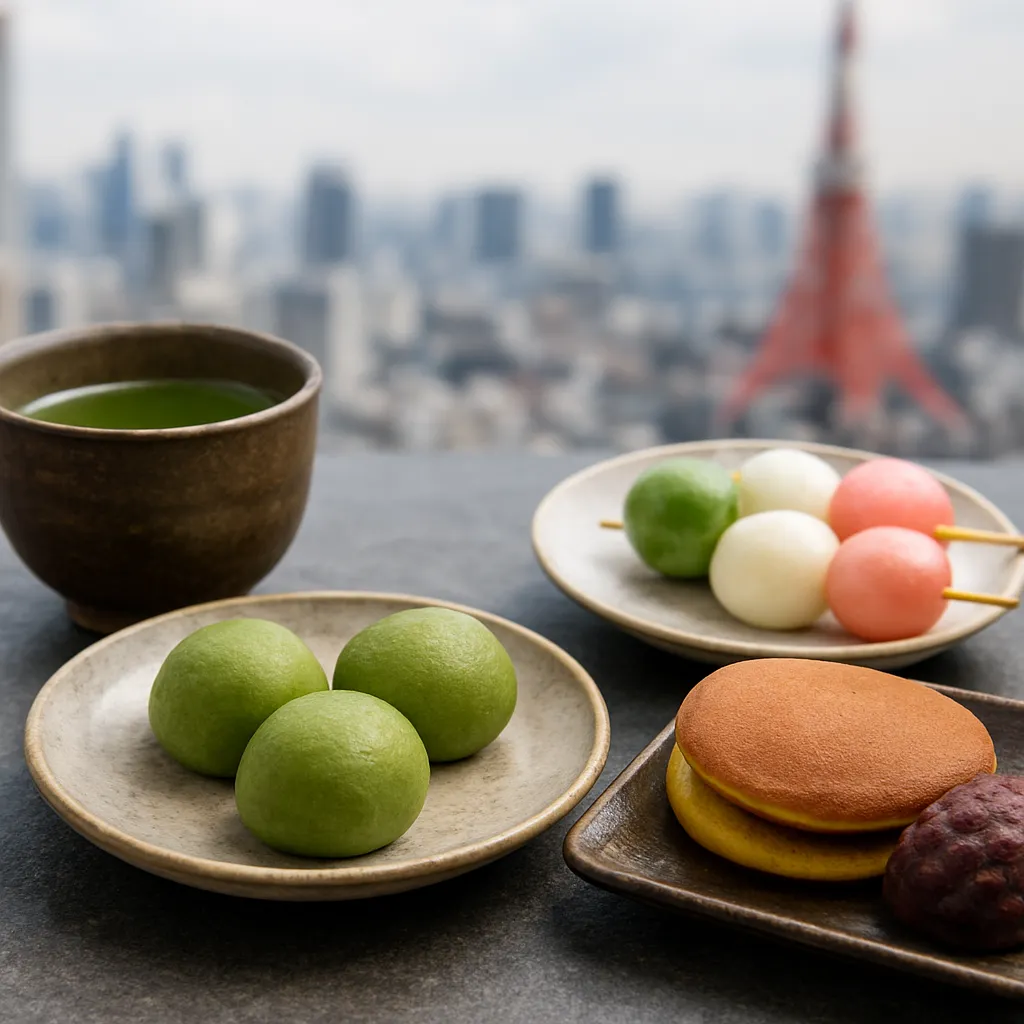
Tokyo’s centuries-old confectionery scene offers a journey through history, culture, and craftsmanship. From the teahouses of Ueno to the bustling lanes of Asakusa, traditional sweets delight both locals and visitors. This article highlights unforgettable destinations, ingredients, and experiences that reveal the heart of Japan’s sweet artistry.
Historical Origins of Tokyo’s Traditional Sweets
The story of Tokyo’s confectionery heritage unfolds alongside the city’s own transformation from Edo to a global capital. In the early 17th century, as the Tokugawa shogunate ushered in a prolonged era of peace, demand for refined treats skyrocketed. Merchants began specializing in hand-crafted wagashi, delicate sweets served at tea ceremonies. These confections often featured glutinous rice flour, sweet beans, and local delicacies. Over time, ingredients like mochi and anko (sweet red bean paste) were perfected to complement the bitter edge of matcha tea.
Many of the oldest sweet shops still operating today were founded during the Edo period. They retained recipes passed down through generations, preserving the balance between texture and flavor. The ritual of enjoying a fresh sweet with a bowl of green tea became an art form. Artisans would carve intricate patterns into confections, resembling cherry blossoms or seasonal motifs, making each creation a miniature masterpiece.
By the Meiji era, Western influence introduced new textures and techniques. The invention of Taiyaki in the late 19th century—fish-shaped cakes filled with bean paste—marked a fusion of traditional flavors and novel shapes. Energy from modern factories accelerated production, yet many masters still insist on kneading and shaping dough by hand to ensure authenticity.
Must-Visit Sweet Shops and Neighborhood Gems
Exploring Tokyo’s diverse neighborhoods unveils hidden gems where centuries-old methods thrive. Here are some not-to-be-missed spots:
- Asakusa Nakamise Street
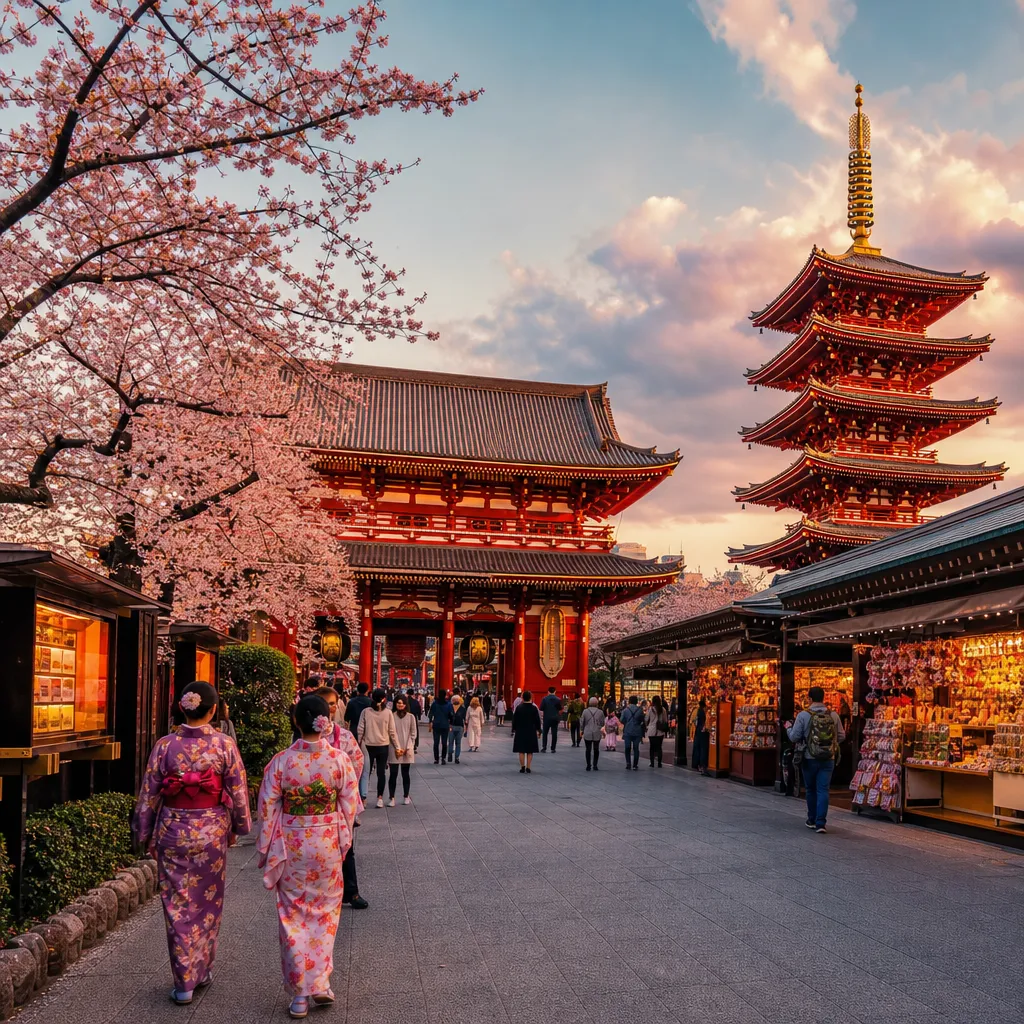
Lining the approach to Senso-ji Temple, Nakamise offers crowds of stalls peddling Kuzumochi, mochi cakes, and crispy rice crackers. Try the chewy, slightly fermented kuzumochi, topped with sweet syrup and soybean flour, for an authentic Edo treat. - Tsukiji Outer Market
Famous for fresh seafood, Tsukiji also features exceptional wagashi stalls. Sample grilled mochi skewers, known as dango, or the colorfully layered yokan jelly. These treats balance natural sweetness and a light texture ideal for pairing with green teas. - Kagurazaka
A former geisha district, Kagurazaka boasts refined teahouses and intimate shops. Here you can find exquisite seasonal confections shaped like maple leaves or plum blossoms. Many ateliers offer private tea ceremonies where visitors learn the etiquette of serving and eating wagashi. - Ueno Ameyoko Market
Amid fishmongers and discount stalls, look for street vendors selling dorayaki pancake sandwiches filled with luscious anko. Their thick, fluffy cakes encase rich bean paste in every bite. Often, a hint of citrus is added to the filling, creating a refreshing counterpoint.
Seasonal Delights and Festivals
Tokyo’s four distinct seasons inspire confections that mirror nature’s cycles. Spring ushers in sakura-flavored sweets at parks like Yoyogi and Shinjuku Gyoen. Pink-colored mochi with cherry leaf wrappers are popular hanami treats. During summer matsuri (festivals), stalls light up streets with cold sweet soups called shiruko, brimming with azuki beans and small rice cakes to refresh visitors.
Autumn brings chestnut and sweet potato wagashi, often molded into realistic fruit shapes. Many shops collaborate with local farms to ensure the freshest ingredients. At Edo-Tokyo Open Air Architectural Museum, seasonal fairs showcase these masterpieces alongside demonstrations of bean-paste sculpting. Winter favorites include warm oshiruko, rich bean porridge topped with toasted mochi, ideal after ice-skating at urban rinks or viewing illuminations in Marunouchi.
Festival Highlights
- Sanja Matsuri (May) – Indulge in freshly grilled taiyaki near Asakusa Shrine.
- Kanda Festival (Even years, May) – Try limited-edition festival-themed yokan inside pop-up stalls.
- Shichi-Go-San (November) – Families purchase special celebratory sweets shaped like turtles and cranes, symbols of longevity.
Experiencing Wagashi Workshops
For an immersive adventure, enroll in a wagashi-making class. Many studios in neighborhoods like Yanaka and Omotesando welcome visitors with little or no prior experience. Under the guidance of a master, participants learn to handle rice flour dough, knead anko, and sculpt seasonal motifs. The process deepens appreciation for the precision and patience required in traditional confectionery arts.
Workshops often conclude with a tea ceremony, where guests serve their own creations. Sharing freshly made sweets alongside frothy matcha creates memories that linger long after the workshop ends. Some programs even combine calligraphy with wagashi craft: writing a seasonal haiku and then shaping a sweet to match its imagery.
Whether sampling treats on the bustling streets of Asakusa, tracing centuries-old recipes in Kagurazaka, or crafting your own wagashi masterpiece, Tokyo’s traditional sweets scene invites exploration at every turn. Each bite offers a taste of history, a touch of artistry, and a moment of pure indulgence in the heart of Japan’s vibrant capital.