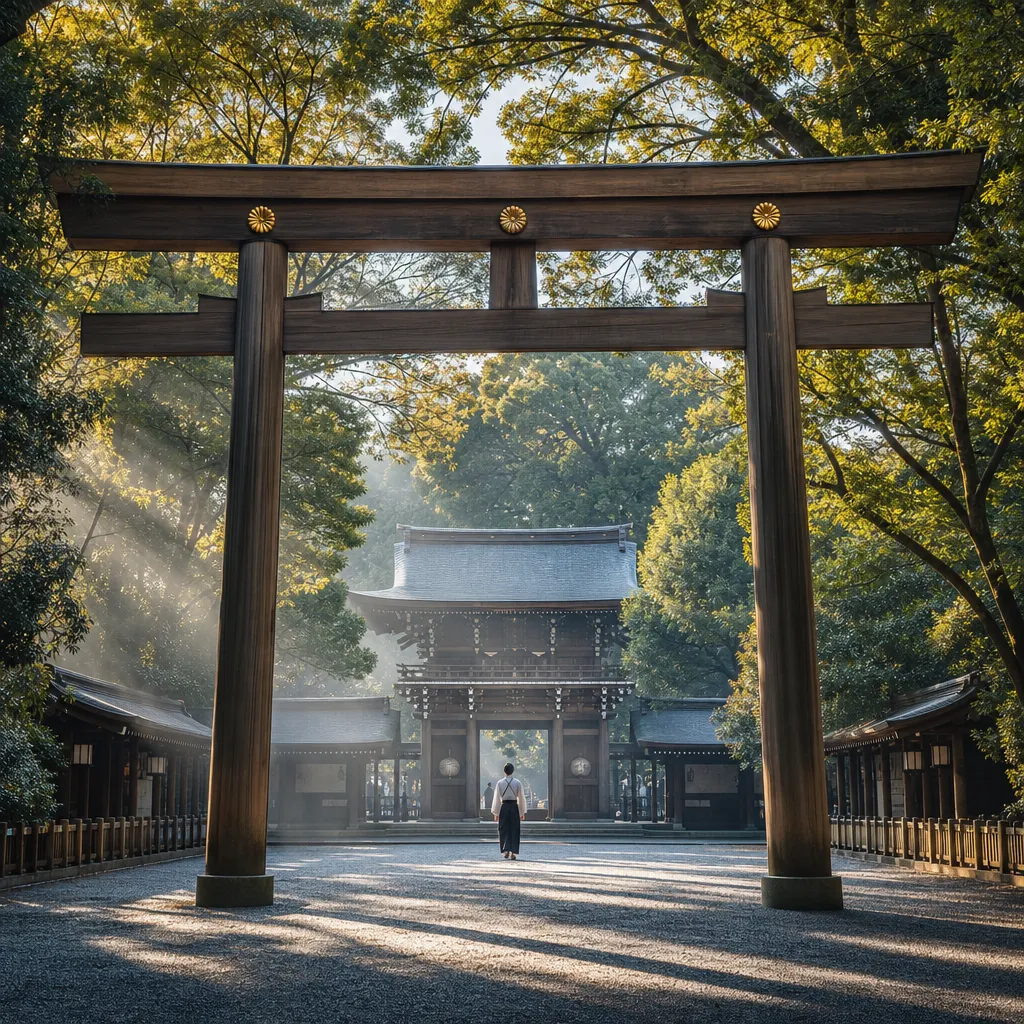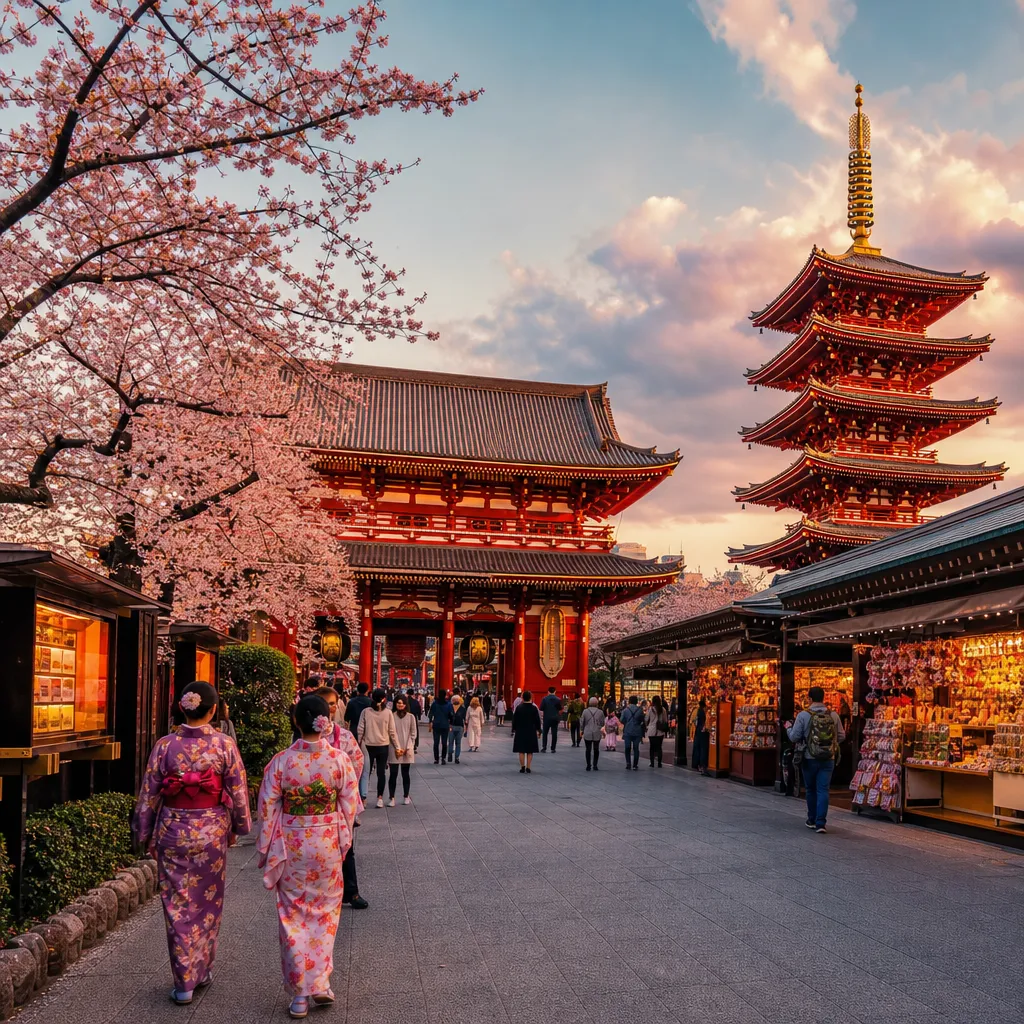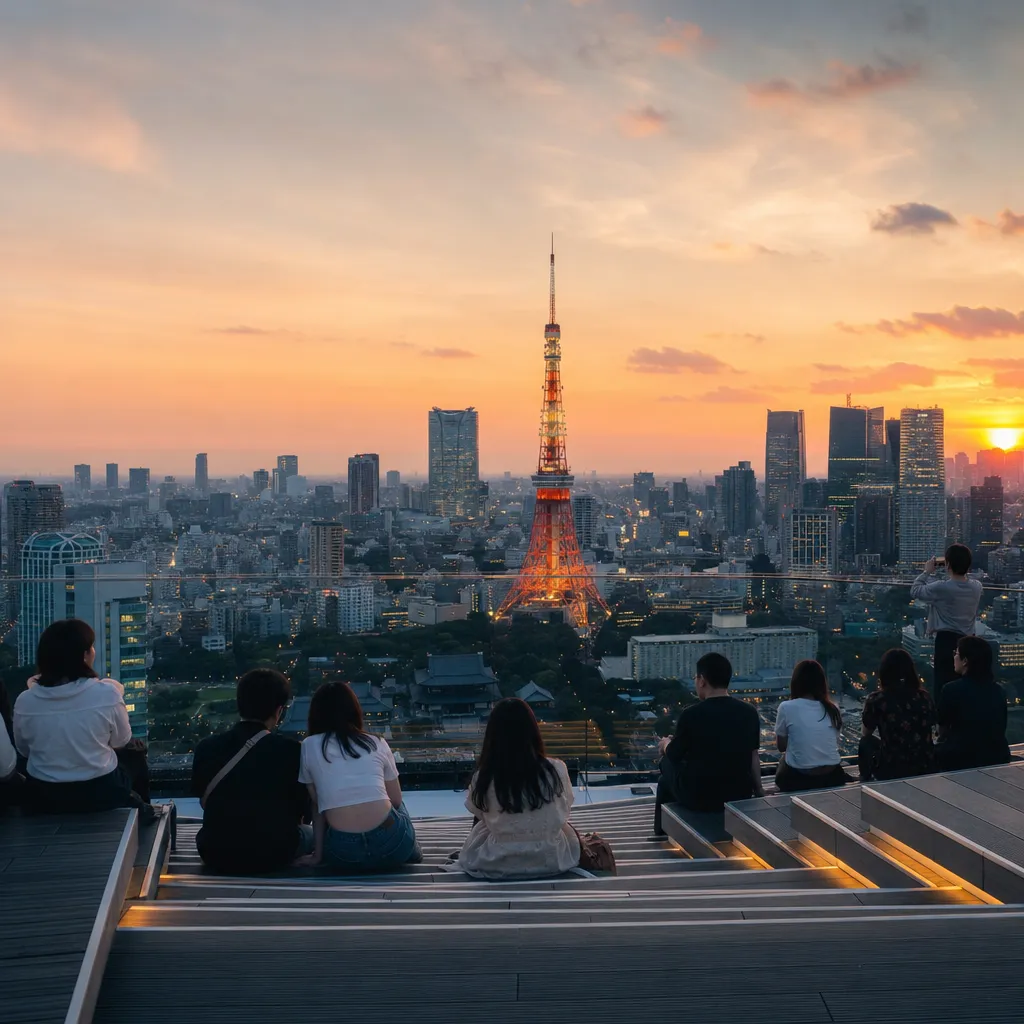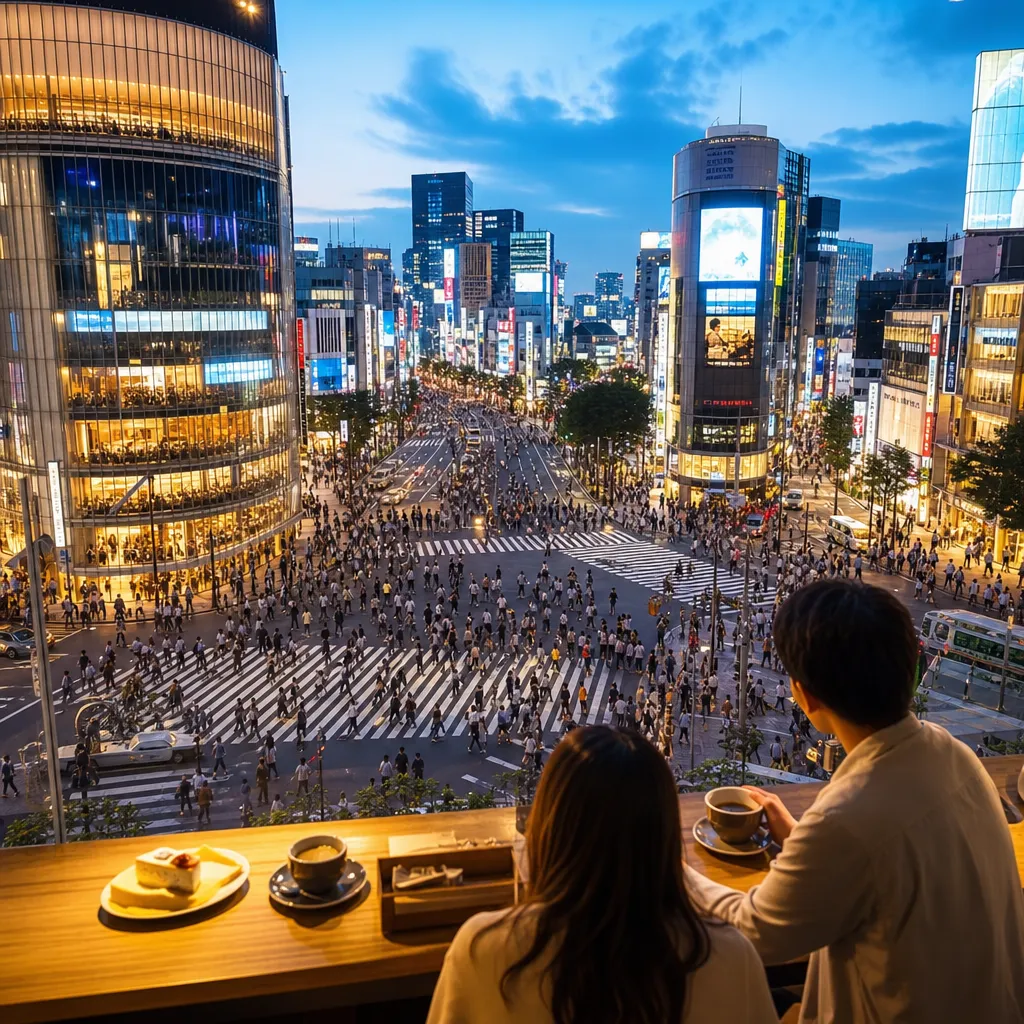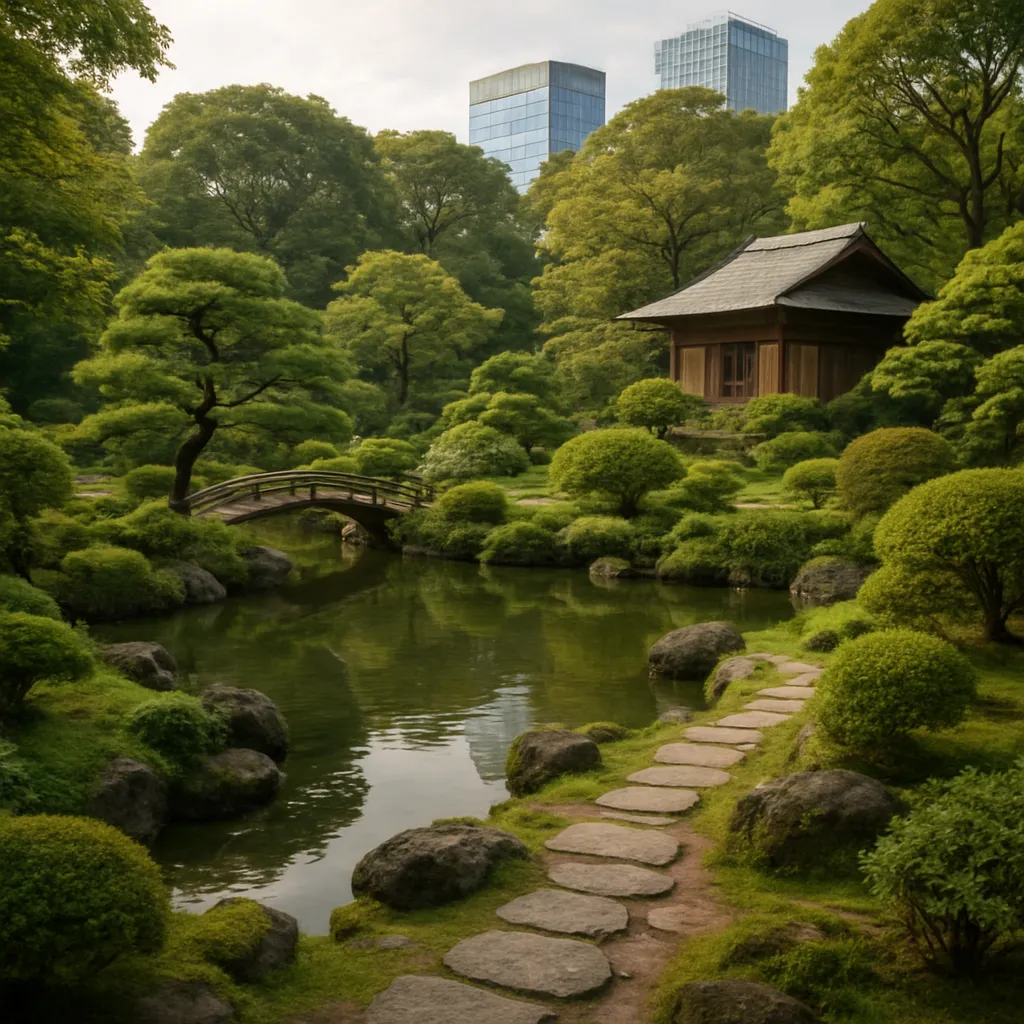
Tokyo’s sprawling urban fabric hides a wealth of tranquil green enclaves that offer visitors a chance to step away from the city’s energetic pulse. From centuries-old promenades to lush valleys tucked between high-rise towers, these hidden gardens embody the perfect blend of traditional Japanese design and contemporary hospitality. Embark on a journey through five of Tokyo’s most enchanting secret oases and discover why each sanctuary has earned its place among the city’s botanical crown jewels. Whether you seek serenity in morning mist, a weekend photo escape or a cultural dive into centuries-old customs, these gardens promise a rejuvenating retreat far from the well-trodden tourist paths.
Koishikawa Korakuen: A Timeless Retreat
History and Design
Constructed in 1629 under the patronage of the Mito Tokugawa family, Koishikawa Korakuen is one of Tokyo’s oldest landscapes, showcasing elements inspired by Chinese Ming dynasty gardens. Winding paths, artificial hills and carefully placed ponds create an ever-changing tableau that harmonizes with the seasonal cycle. In spring, cherry blossoms frame the reflection in the water; in autumn, maple leaves set the garden ablaze with fiery hues.
Main Attractions
- Stone bridges arching over serene ponds
- Tea houses offering matcha ceremonies
- Meticulously sculpted rock formations
- Picturesque viewpoints for landscape photography
Visiting Tips
Arrive early to savor the tranquility of the garden before crowds build. Purchase a matcha set at the Tosui-tei tea house and take a seat on the wooden veranda overlooking the main pond. Weekdays are best for a quieter stroll, while cherry blossom season often draws large numbers of locals and tourists alike.
Happo-en: Elegance Amidst the Cityscape
An Oasis of Floral Artistry
Nestled near Shirokanedai Station, Happo-en spans seven acres of exquisitely maintained landscapes featuring centuries-old camphor trees and koi-filled ponds. The name “Happo-en” translates to “garden of eight views,” reflecting its design philosophy of capturing nature’s beauty through carefully composed scenes. Each corner of the garden invites visitors to pause and admire the intricate balance between architectural elements and verdant greenery.
Unique Features
- A historic camphor tree towering over 500 years old
- Traditional teahouses serving seasonal wagashi sweets
- Photogenic stone lanterns and bamboo groves
Why It’s a Top Pick
Happo-en is a favorite spot for intimate weddings and cultural events. The garden’s blend of Edo-era authenticity and modern hospitality makes it an oasis of culture in one of the world’s busiest capitals. Book a guided stroll to learn about the symbolism behind each element, from stone placement to plant selection.
Kyu Furukawa Gardens: Western Meets Eastern Harmony
Architectural Fusion
Created in the early 20th century by British architect Josiah Conder, Kyu Furukawa Gardens is a rare example of Meiji-era fusion design. The estate features a two-story Western-style mansion overlooking a Japanese garden with a large pond and cascading waterfalls. Strolling paths invite you to switch perspectives: one moment you’re admiring European arches and the next you’re crossing a classic Japanese wooden bridge.
Highlights
- Brick façade mansion with detailed lattices
- Manicured rose garden in front of the Western building
- Stepping stones leading across a winding pond
Photo Opportunities
The contrast between rose blooms and Japanese maple makes for unforgettable shots. In spring, cherry blossoms complement the roses; in autumn, fiery foliage contrasts with the mansion’s brick walls. For the best light, visit around golden hour when the sun casts warm hues across both garden styles.
Todoroki Valley Garden: A Riverside Escape
Nature Carved by Water
Located in Setagaya ward, Todoroki Valley surprises with a lush ravine running along the Yazawa River. A designated green space within Tokyo’s zoning, the valley offers a shaded trail beneath towering trees that shelter tiny shrines, bamboo groves and stepping-stone pathways. Listen to the soothing murmur of flowing water as you walk through this secluded wilderness.
Points of Interest
- Peaceful riverside picnic spots
- Historic Fudo-do Temple nestled within rock formations
- Stone lanterns marking hidden shrines
Best Times to Visit
Summer is ideal for escaping Tokyo’s heat, as the valley maintains cooler temperatures. In autumn, fallen leaves swirl around your feet in a vibrant carpet. Wear sturdy shoes and bring insect repellent; the lush environment can be home to seasonal bugs. A midweek visit ensures you’ll have the trail largely to yourself.
Kyu Shiba Rikyu Garden: Edo Elegance Preserved
A Glimpse into the Edo Period
Once the villa of a feudal lord, Kyu Shiba Rikyu Garden is one of Tokyo’s oldest surviving examples of a daimyo’s strolling garden. Opened to the public in 1979, this green space features a large central pond, an artificial island, cascading streams and a teahouse set atop a rock embankment.
Garden Highlights
- Azalea blooms framing the main waterway
- Stone bridges providing scenic crossings
- Thatched-roof teahouse offering matcha and sweets
Insider Advice
Visit during azalea season (April–May) to witness the garden awash in pink and white blossoms. Stop by at midday for a matcha break in the teahouse, then circle the pond for vantage points that reveal the garden’s meticulous heritage and design symmetry.
Practical Planning and Etiquette
While each garden offers unique charms, sharing a few general tips will ensure a memorable experience:
- Check opening hours and entry fees in advance – some gardens close one day per week.
- Respect on-site rules such as no picnicking on lawns and no loud music.
- Rent a bicycle or use Tokyo’s efficient subway system for seamless travel between gardens.
- Carry small bills and exact change for entry fees and tea ceremonies.
Each of these hidden gardens encapsulates Tokyo’s ability to nurture pockets of tranquility within its urban sprawl, offering visitors an unforgettable blend of natural beauty and cultural depth. Venture off the beaten track to feel the city’s quieter side and discover why these secret green havens continue to captivate both locals and travelers alike.