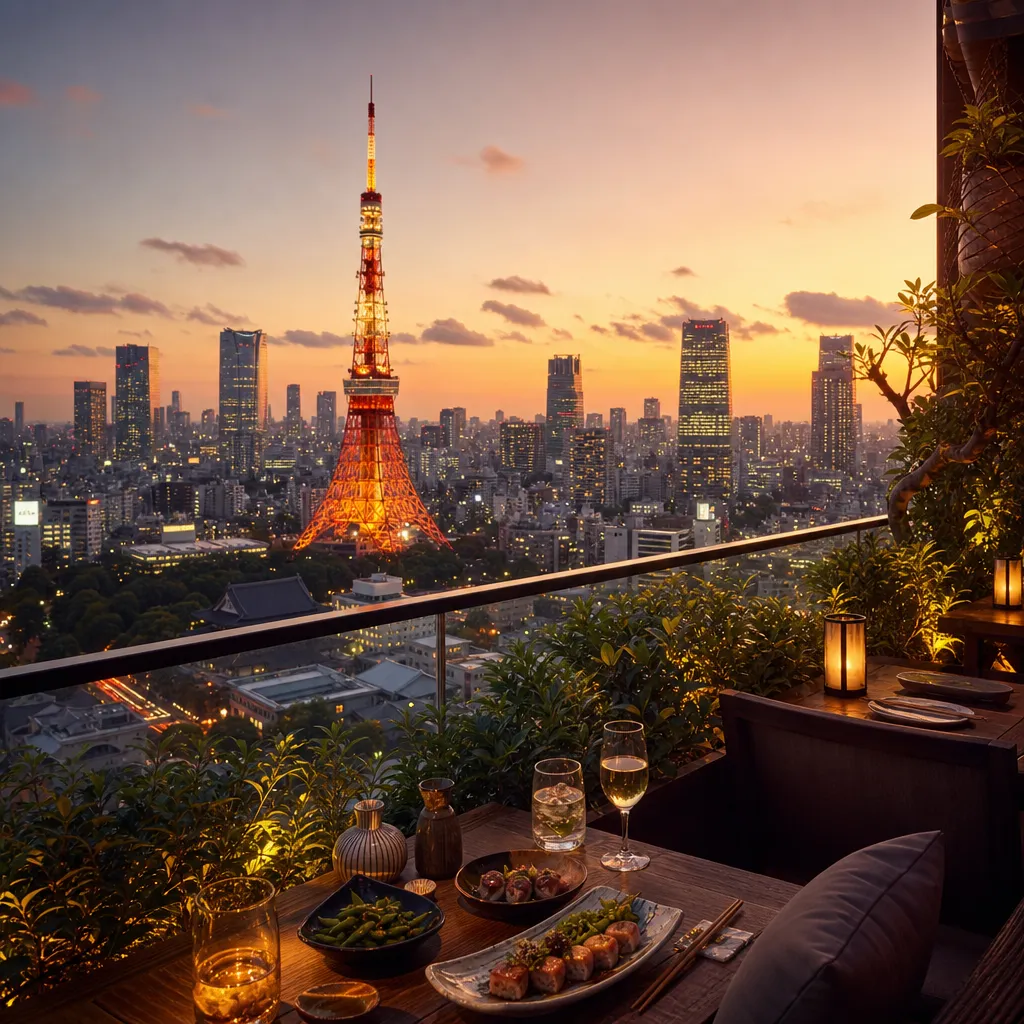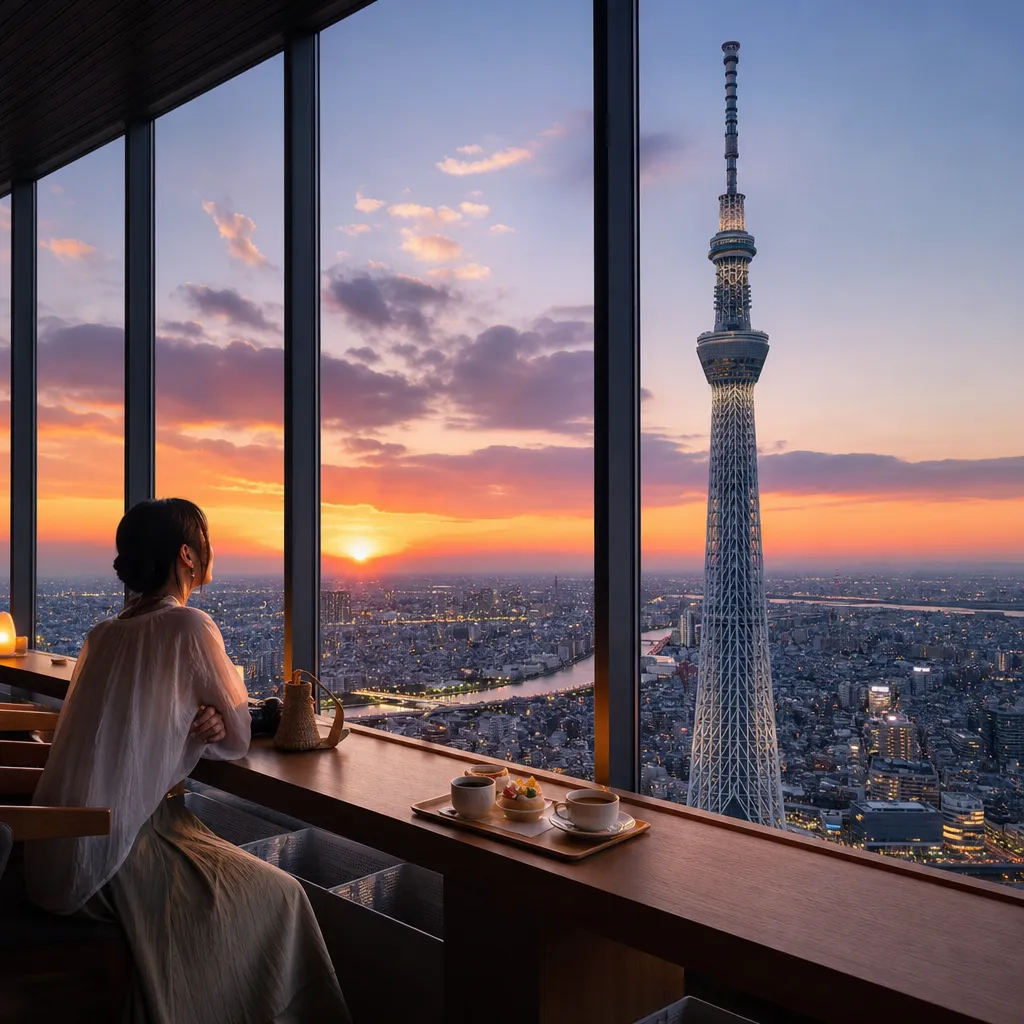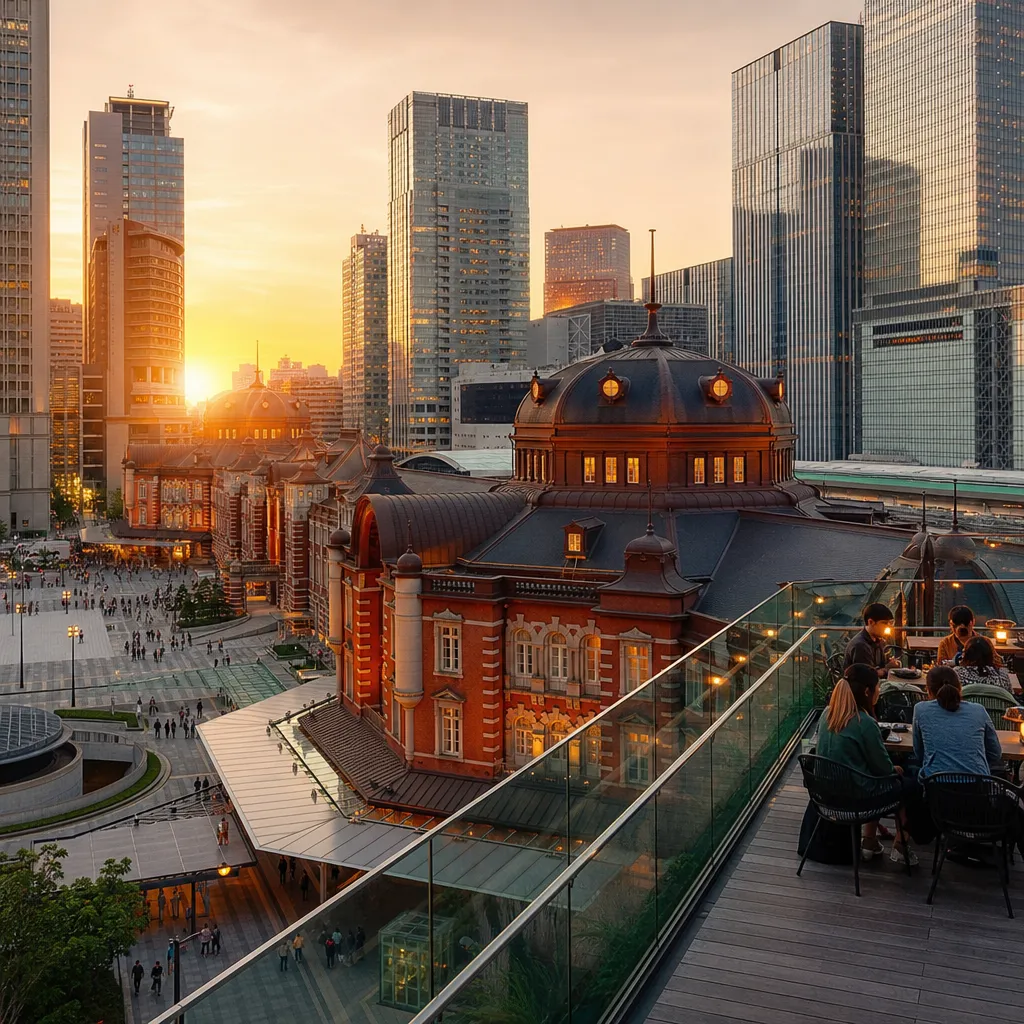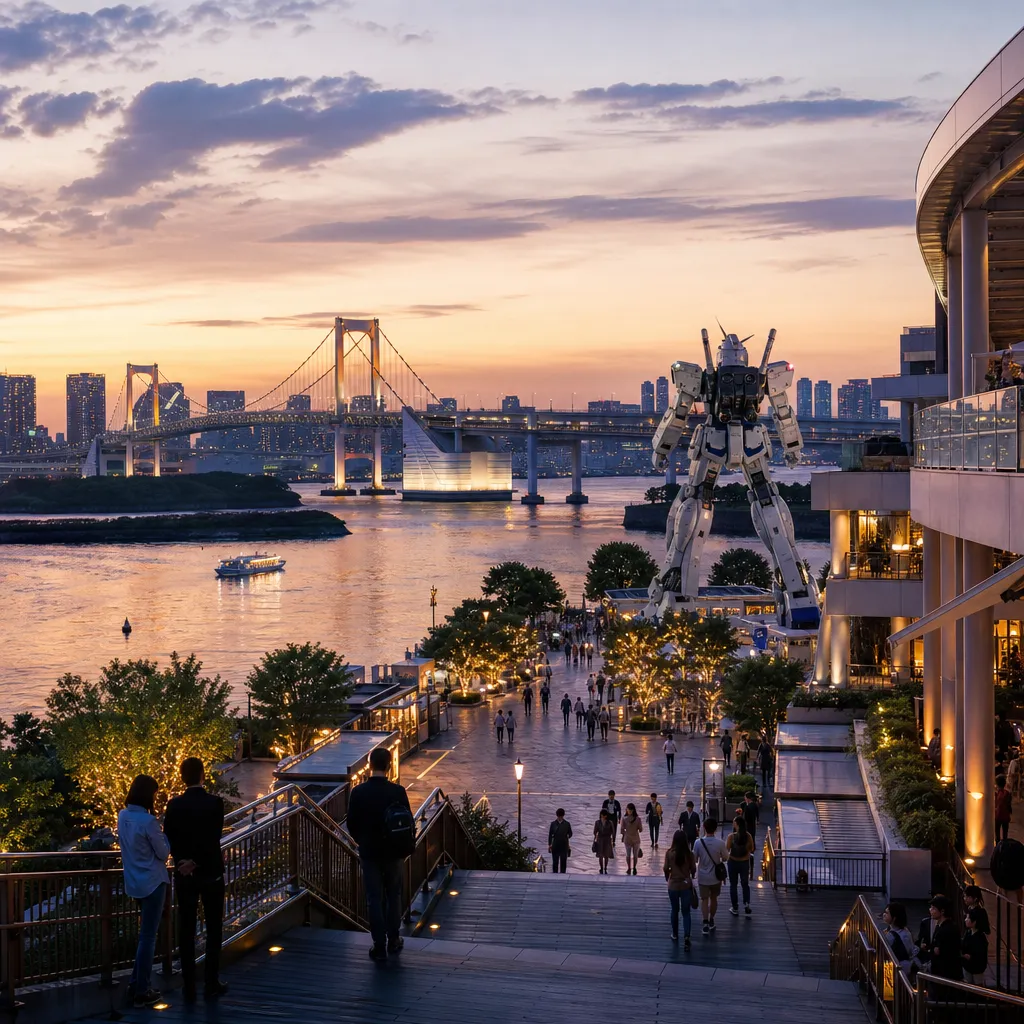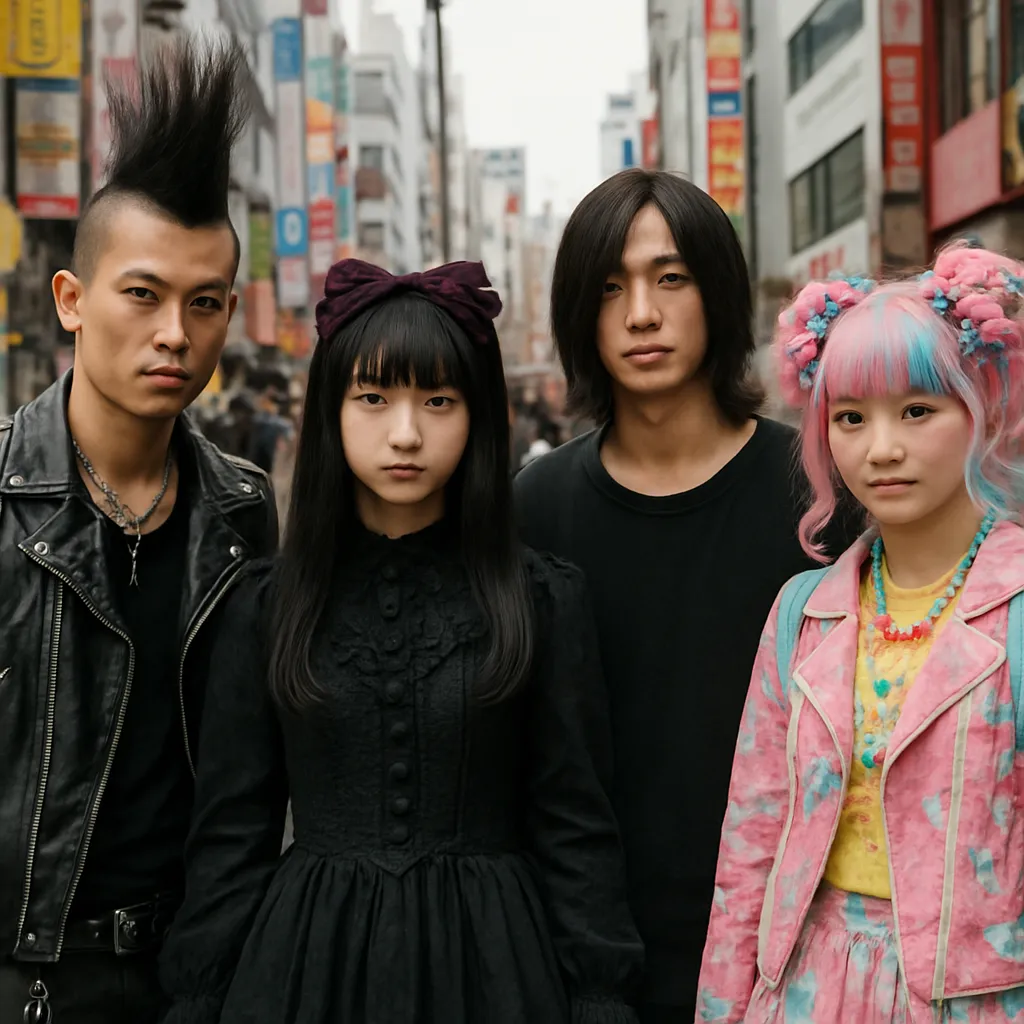
Tokyo’s sprawling metropolis is not just a center of commerce and technology; it’s a kaleidoscope of cultures where every alleyway and district tells a story of innovation, creativity, and rebellion. Beneath the neon glow and towering skyscrapers lies a world where individuals carve out unique identities through fashion, art, and music. By diving into these subcultures, visitors can discover Tokyo’s most **vibrant** and **distinctive** communities, each offering an escape into realms of **creativity** and **expression** unlike anywhere else on earth.
Harajuku Fashion Revolution
Harajuku, located between Shibuya and Shinjuku, has long been the epicenter of Tokyo’s street style. Every weekend, Takeshita Street becomes a runway where Tokyoites showcase their boldest ensembles. From pastel-clad decora enthusiasts to avant-garde cyber goths, this district embraces all forms of fashion as a canvas for self-expression.
- Decora fashion: Characterized by layers of colorful accessories, smiling charms, and candy-colored hair, decora represents a youthful rebellion against minimalism. Each outfit is a playful assault on the conventional, where more is always more.
- Gyaru culture: With its sun-kissed skin, voluminous hair, and dramatic makeup, gyaru fashion emerged in the 1990s as a celebration of Western influences. Substyles like hime-gyaru (princess gyaru) emphasize princess-like elegance, while kogal focuses on schoolgirl chic.
- Ura-Harajuku streetwear: Beneath the tourist crowds lie hidden boutiques offering limited-edition drops and exclusive collaborations between local designers and international brands. Fans line up at dawn for the chance to snag rare sneakers or graphic tees that fuse Japanese pop culture with skate influences.
Akihabara’s Otaku Wonderland
Akihabara, often dubbed Electric Town, is the beating heart of Japan’s otaku scene. From multi-story arcades to mecha-themed cafes, the district caters to enthusiasts of anime, manga, and retro gaming. Here, obsession transforms into a thriving economy of collectibles, events, and fan gatherings.
Anime and Manga Meccas
- Mandarake: This multi-level paradise houses thousands of rare manga volumes, vinyl figures, and doujinshi (fan-made comics). Collectors can spend hours tracing elusive editions and vintage merchandise.
- Animate Flagship Store: Offering the latest in anime DVDs, character goods, and cosplay accessories, Animate is the go-to spot for fans wanting to immerse themselves in current series and seasonal releases.
Cafés and Themed Experiences
Otaku culture isn’t limited to the shelves. Specialty cafés bring fictional worlds to life:
- Maid Cafés: Waitresses clad in frilly costumes perform choreography and speak in cutesy dialects to pamper guests. This playful service style taps into a niche of **nostalgia** and fantasy.
- Gaming Bars: Venues like Super Potato Café allow patrons to enjoy classic consoles from the 1980s and 1990s while sipping themed cocktails. It’s a **unique** blend of retro gaming and social nightlife.
Underground Music and Club Scenes
Beyond the glossy image of pop idols lies a dynamic undercurrent of experimental sounds. Tokyo’s nightlife caters to every musical palate, from pounding techno in Shibuya’s hidden basements to shoegaze sessions in Pokopon.
- Techno and House: VENUEs such as Contact in Shibuya showcase international DJs alongside rising Japanese talent. Its labyrinthine layout and state-of-the-art sound system create an immersive dance experience where music becomes collective energy.
- Visual Kei: Born in the 1980s, Visual Kei blends rock music with androgynous makeup and elaborate costumes. Bands like Malice Mizer and The Gazette built loyal followings through theatrical performances and passionate fan clubs.
- Noise and Avant-Garde: Artists such as Merzbow and Zbigniew Karkowski push sonic boundaries with abrasive textures and improvisation. Intimate venues like Zher the Zoo in Shimokitazawa act as incubators for these experimental performances.
Lolita and Rococo Elegance
In stark contrast to streetwear’s raw edge, Tokyo’s Lolita scene celebrates historical elegance with a playful twist. Inspired by Victorian and Rococo eras, practitioners wear elaborate dresses with petticoats, bonnets, and lace gloves to carve out a whimsical reality.
- Classic Lolita: Focused on subdued colors and refined patterns, this style highlights modesty and grace. Tea parties and fashion events at venues like Baby, The Stars Shine Bright headquarters offer opportunities to showcase collections.
- Sweet Lolita: Bursting with pastel hues, whimsical prints, and sugary motifs, sweet Lolita outfits evoke fairy tales come to life. Brands like Angelic Pretty specialize in confection-themed designs that border on surreal.
- Gothic Lolita: Embracing darker palettes and ornate décor, gothic Lolita merges Victorian gloom with Japanese flamboyance. Venues such as Cafe RonRon in Harajuku host evenings where black-lace meets decadent desserts.
Urban Explorers and Abandoned Spaces
For those drawn to Tokyo’s hidden depths, urban exploration reveals forgotten buildings and industrial relics. Known as haikyo, these excursions blend photography, history, and a dash of **rebellion**.
- Yokohama Dockyards: Once a bustling port, these crumbling warehouses now echo with footsteps of explorers and shutter clicks. Graffiti and rusted machinery tell stories of an industrial past.
- Gunkanjima (Battleship Island): A UNESCO site accessible via guided tours, this abandoned mining island offers a surreal glimpse into Japan’s rapid modernization and sudden desertion.
- Subway Network: Tokyo’s labyrinthine metro hides disused stations and service tunnels. Only seasoned urban adventurers attempt to map these off-limits passages under the city’s surface.
Hikikomori: Solitude and Digital Realms
The hikikomori phenomenon, where individuals withdraw from society for extended periods, reflects another side of Tokyo’s complex social tapestry. Driven by **pressure**, **isolation**, and the lure of online worlds, these reclusive residents forge connections through virtual communities.
- Virtual Reality Cafés: Spaces like VR Park Tokyo invite even the most reclusive individuals to step into immersive digital realms, fostering social interaction in controlled environments.
- Online Support Networks: Platforms on social media and specialized forums provide safe havens for hikikomori to share experiences, exchange encouragement, and access resources for reintegration.
- Therapeutic Cafés: Unique establishments offer counseling services alongside coffee, aiming to ease the transition from isolation back into public life through gentle social engagement.