Tokyo’s bustling streets often conceal pockets of profound calm, where centuries-old traditions meet the rhythm of modern life. Wandering through winding alleys, visitors can stumble upon serene oases offering respite from the city’s ceaseless energy. These sacred sites invite travelers to pause, reflect, and connect with a heritage that spans generations. Each temple stands as a testament to Tokyo’s enduring cultural tapestry, blending architecture, ritual, and natural beauty into a harmonious experience.
Central Sanctuaries Amid Urban Hustle
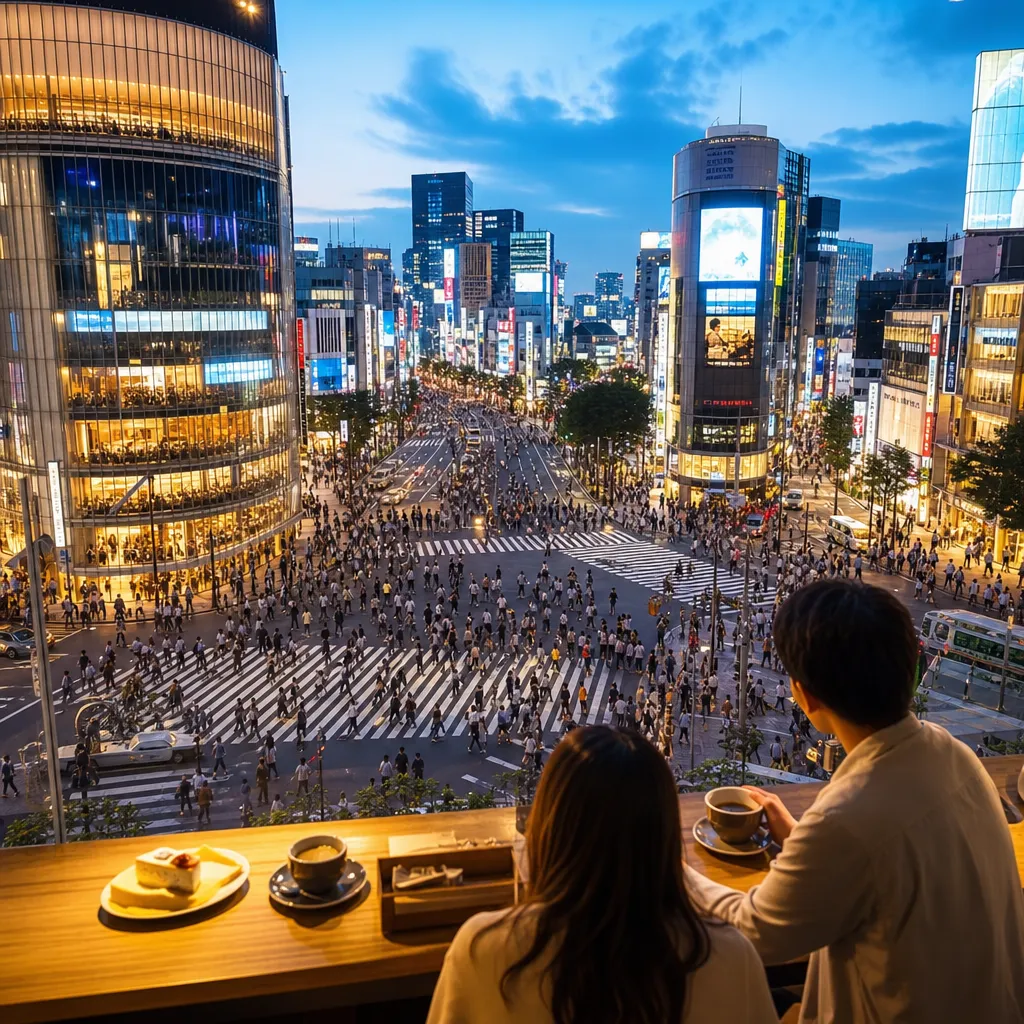
In the heart of Tokyo, skyscrapers and neon signs dominate the skyline, yet just a short stroll reveals ancient temples that have witnessed the city’s transformation. These central sanctuaries are prized for their accessibility and the stark contrast they provide to the surrounding urban environment.
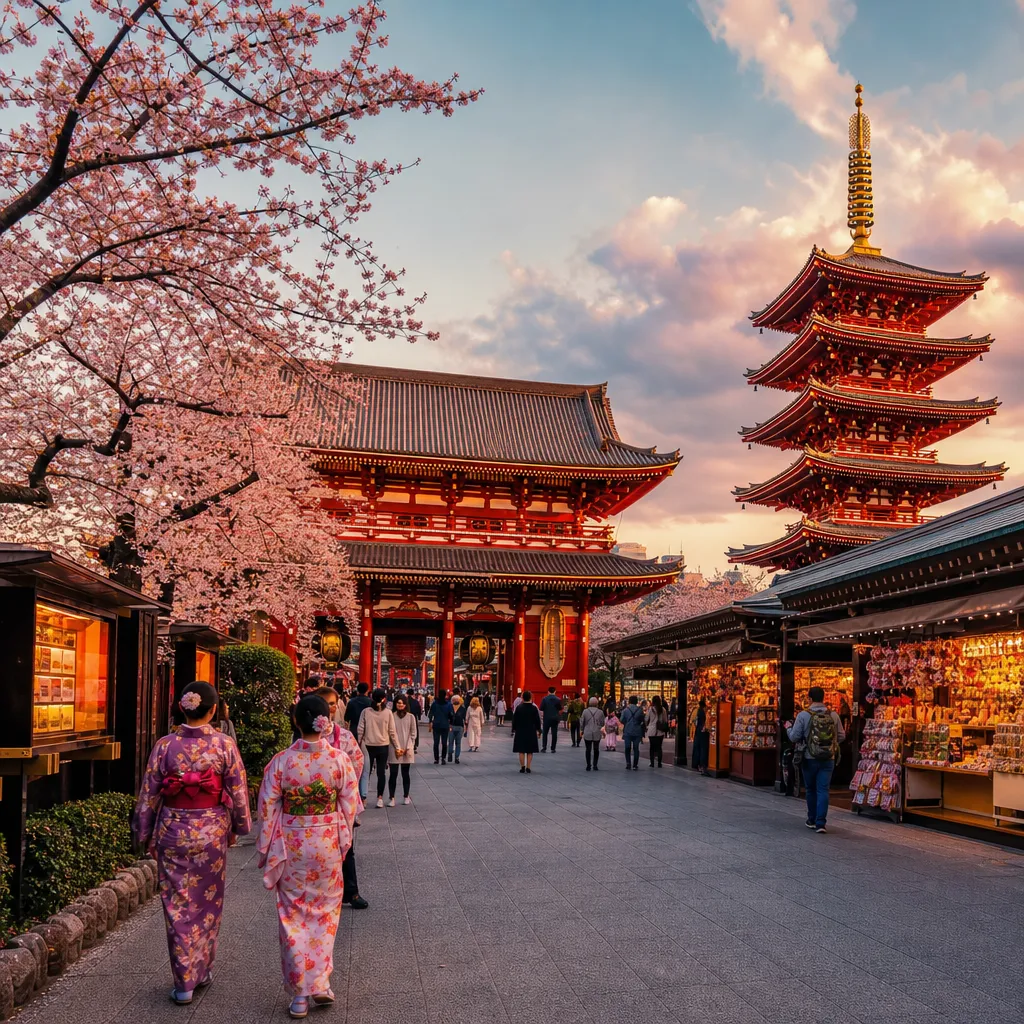
Senso-ji Temple in Asakusa
As Tokyo’s oldest Buddhist temple, Senso-ji carries an aura of unwavering tradition. Founded in the 7th century, it draws pilgrims and tourists alike to its imposing Kaminarimon gate, completed by centuries of devotion. Beyond the majestic architecture, Senso-ji’s inner courtyard welcomes worshippers to cleanse their spirits with fragrant incense. Visitors can:
- Wave incense smoke over oneself for purification
- Consult omikuji (fortune slips) for guidance
- Offer coins at the main altar to express gratitude
At dusk, the lanterns glow softly, bathing the temple in a warm embrace that quiets even the most restless mind.
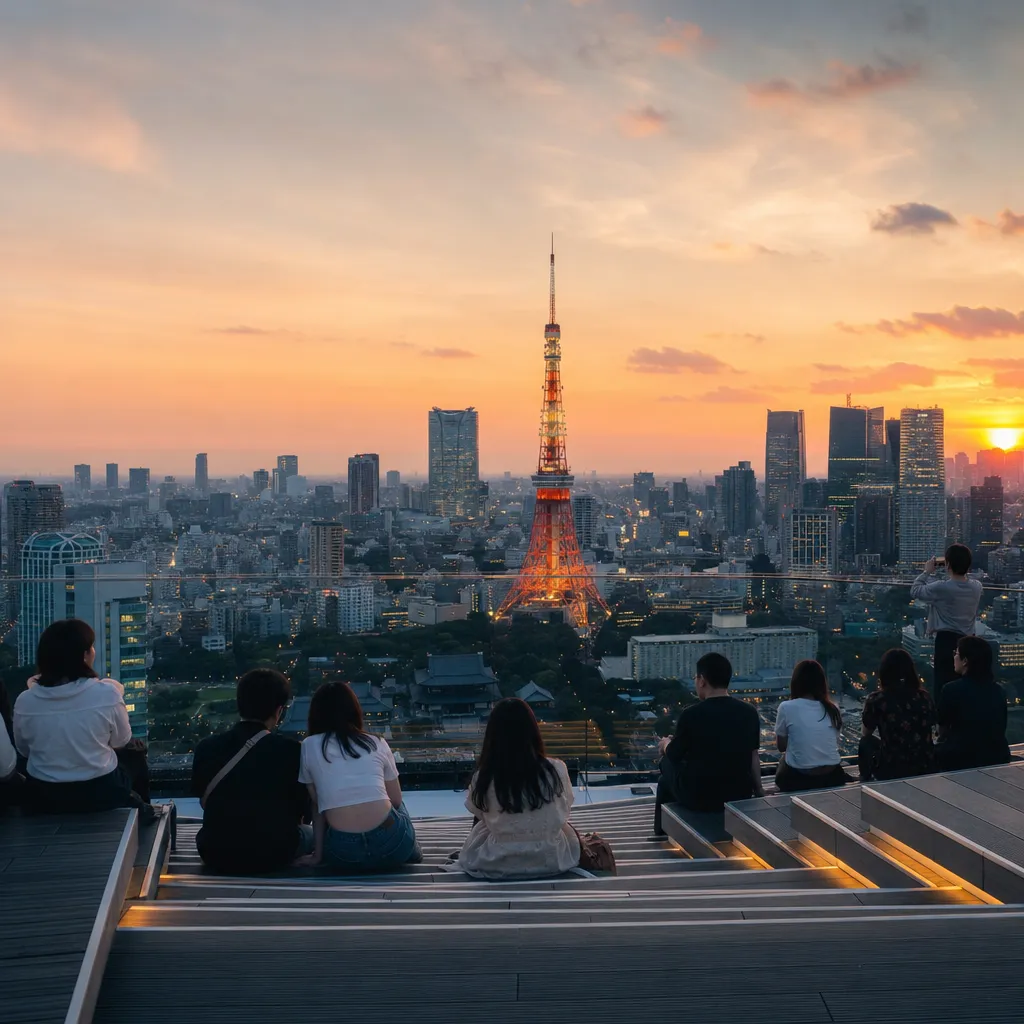
Zojo-ji Temple at the Foot of Tokyo Tower
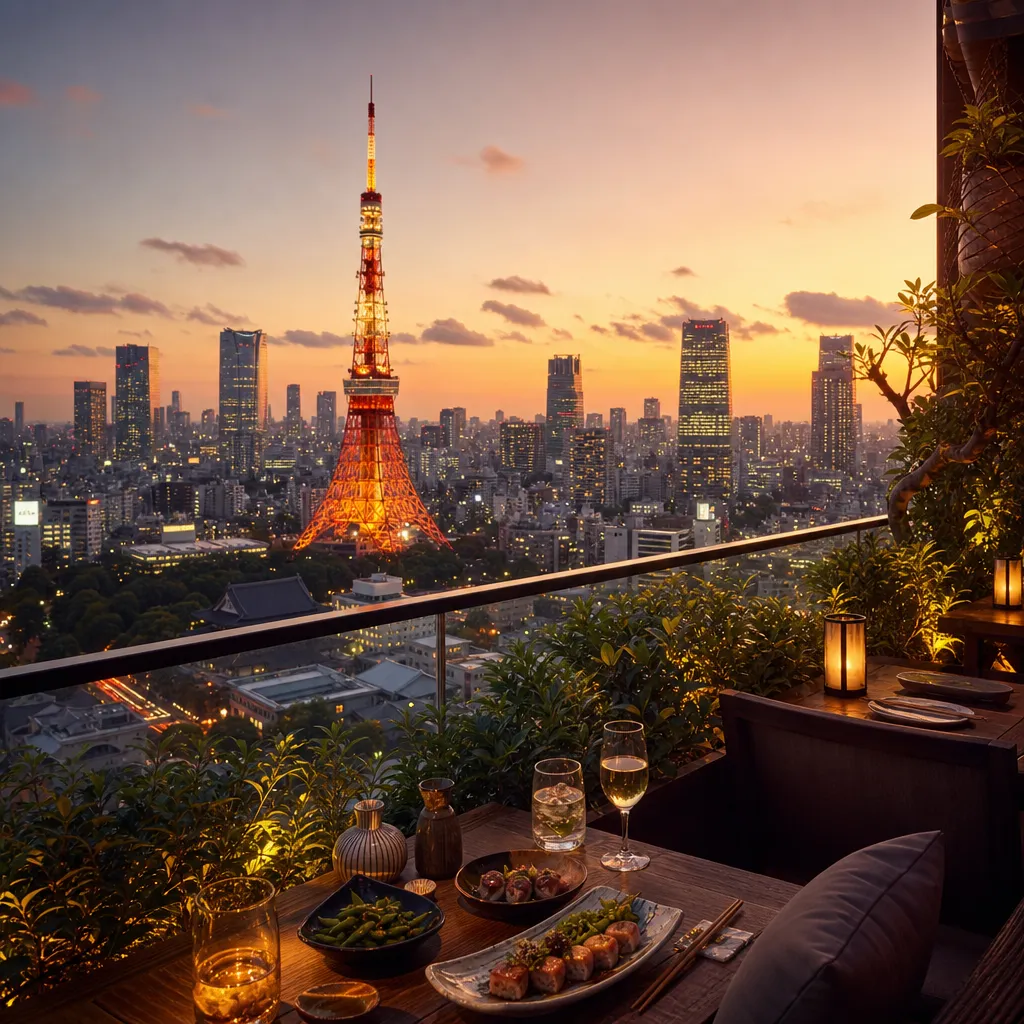
Nestled beneath the iconic Tokyo Tower, Zojo-ji fuses traditional Buddhist teachings with modern symbolism. The contrast between the crimson temple halls and the tower’s gleaming silhouette offers a striking visual representation of Tokyo’s dual identity. Highlights include:
- The solemnity of the Shoro bell tower, rung to mark anniversaries and festivals
- The serene environment of the Jokoro Garden, perfect for silent meditation
- Visits to the mausoleums of the Tokugawa shoguns, showcasing Edo-period heritage
With fewer crowds than more famous neighbors, Zojo-ji remains a quiet retreat for those seeking contemplation in an urban setting.
Suburban and Hidden Havens
Venturing beyond central Tokyo reveals an array of smaller temples tucked away in residential neighborhoods and wooded hillsides. These hidden retreats often require a deliberate journey, but the reward is an intimate encounter with tranquil spaces that rarely appear on tourist maps.
Gotoku-ji: Origin of the Maneki-neko
Known as the birthplace of the famed beckoning cat, Gotoku-ji Temple blends a playful legend with genuine peacefulness. Rows of white and calico cat statues line the grounds, each symbolizing charm and good fortune. Visitors can explore:
- The moss-covered lanterns that nod to the temple’s historic ambiance
- The quiet paths meandering through maple trees, ideal for autumn leaf viewing
- The main hall, where prayers are offered for prosperity and well-being
Gotoku-ji’s blend of folklore and serenity makes it a beloved sanctuary for both families and solo travelers.
Jindaiji: Tokyo’s Oldest Second Temple
In Chofu, Jindaiji stands as Tokyo’s second oldest temple, enveloped by dense woodlands and clear streams. Far from the city’s center, its secluded setting offers a true escape:
- Streams where visitors can cool their feet and listen to the gentle flow of water
- Shops selling buckwheat soba, a regional specialty served in historic thatched-roof huts
- Small shrines dedicated to local deities, each with its own unique story
The air here carries the scent of pine and earth, inviting deep breaths and a sense of renewal.
Seasons of Ritual and Reflection
Rituals and festivals breathe life into Tokyo’s temples, each season bringing distinct celebrations that highlight the city’s spiritual calendar. Whether participating in sunrise prayers or admiring illuminated lanterns, visitors can experience the living traditions that sustain these sacred sites.
New Year’s Hatsumode
The first temple visit of the year, known as Hatsumode, draws millions who seek blessings for health and prosperity. Temples such as Meiji Jingu and Yasukuni become focal points for prayer, charity, and communal spirit. Local vendors set up stalls selling:
- Amulets and charms for various intentions, from academic success to safe travel
- Colorful omamori pouches, each intricately crafted
- Traditional snacks like sweet roasted chestnuts and kagami mochi
Despite the crowds, the collective sense of hope and renewal fosters a shared feeling of Wabi-sabi, embracing impermanence and beauty in every moment.
Cherry Blossom Blessings
Spring ushers in the celebrated cherry blossom season, and temples like Nezu Shrine become epicenters of floral worship. Petals drift like pink snow, creating ephemeral canopies over stone lanterns and ancient cedar trees. Visitors may join:
- Special prayer services under blooming sakura
- Guided meditations focused on mindfulness and the transient nature of life
- Evening illuminations, where soft light transforms the gardens into dreamscapes
The cherry blossoms’ fleeting beauty serves as a poignant reminder to cherish each breath and every encounter.
Autumn Lantern Festivals
As leaves turn fiery red and gold, temples such as Senso-ji and Kiyomizu in nearby Kyoto—though outside Tokyo’s borders—host nighttime lantern festivals. While Kiyomizu is not in Tokyo, local Tokyo temples echo this tradition on a smaller scale. The lanterns’ gentle glow creates a corridor of light inviting reflection on the year’s journey. Attendees often:
- Carry handcrafted lanterns into the temple grounds
- Partake in tea ceremonies illuminated by candlelight
- Listen to traditional music performed by shamisen and shakuhachi artists
These luminous evenings foster a sense of communal harmony and respect for the passing seasons.
Etiquette and Tips for Visitors
To fully appreciate Tokyo’s temple culture, understanding proper etiquette is essential. Observing respectful practices enhances personal experience and honors the sanctity of these spaces.
- Remove shoes before entering main halls and walk on designated pathways only.
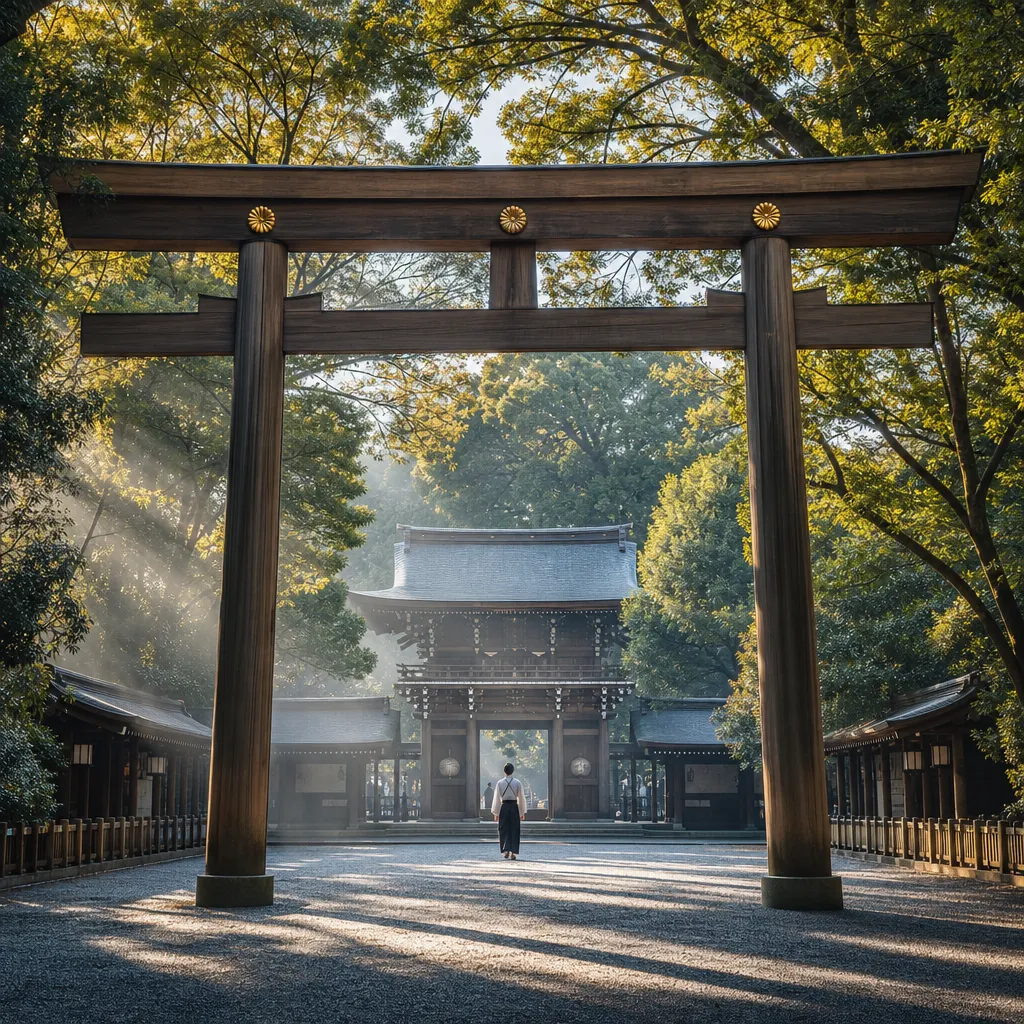
- Bow gently at the torii (shrine gates) or temple entrance to show reverence.
- Use provided water basins for hand and mouth cleansing before offering prayers.
- Speak softly, avoiding loud conversations or phone calls to maintain serenity.
- Dress modestly; avoid bare shoulders and exposed midriffs in sacred areas.
- Refrain from taking photos where signs prohibit imaging, especially during rituals.
Following these simple guidelines ensures a respectful and meaningful visit for both individuals and the wider community.
Embracing Inner Stillness
Tokyo’s temples provide more than architectural marvels; they offer portals to calm reflection and spiritual exploration. Whether nestled in the urban core or hidden among suburban greenery, each site encourages visitors to disconnect from distractions and immerse themselves in the present moment. Through ceremony, natural beauty, and the weight of history, these temples reveal a side of Tokyo that resonates with tranquility and inner peace.