Tokyo, a dazzling metropolis where neon lights dance over centuries-old streets, offers more than just futuristic skyline views. Tucked away in tranquil enclaves, the city hosts a myriad of Shinto shrines, each promising unique avenues for seeking blessings and prosperity. Whether you’re a seasoned traveler or a curious local, embarking on a spiritual pilgrimage to Tokyo’s sacred sites unveils layers of tradition and heritage that endure through modernity. In this guide, we explore the allure of these holy grounds, present our top ten picks for invoking good luck, and share practical insights to enrich your visit.
Cultural Significance of Shinto Shrines in Tokyo
Shinto, Japan’s indigenous faith, venerates kami—divine spirits that embody nature and ancestral forces. Each shrine stands as a physical conduit between the human world and the realm of the kami, serving as a sanctuary for rituals that foster harmony and communal cohesion. Tokyo’s evolution from Edo-era castle town to global megacity has woven countless cultural threads into its tapestry, and its architecture reflects both ancient aesthetics and contemporary design. Visiting these shrines is not merely a touristic attraction; it’s an opportunity to witness living customs passed down over a millennium.
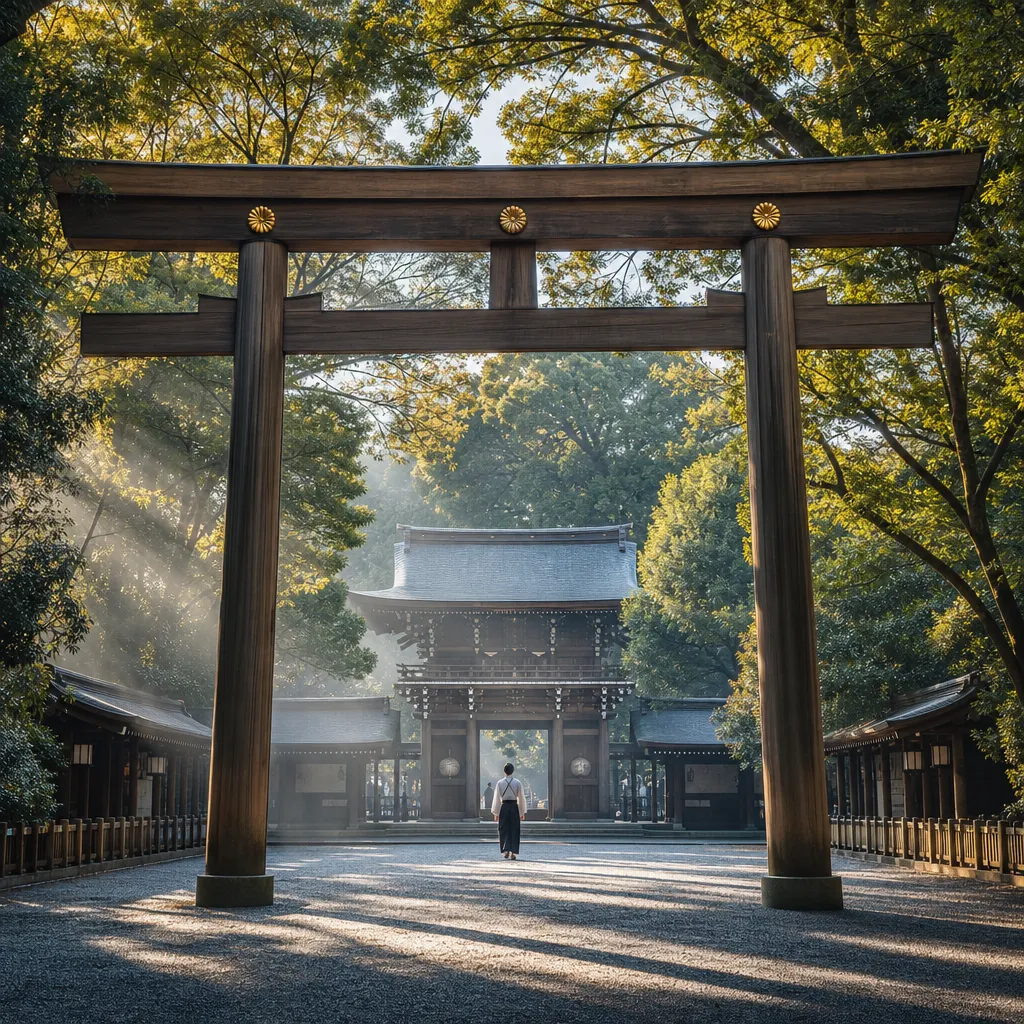
Key elements you’ll encounter include the torii gate—marking the threshold between sacred and profane space—and the honden, the main hall where worshippers present offerings. Purification troughs, or temizuya, invite guests to cleanse hands and mouth, symbolizing removal of impurities. Observing local devotees, you may hear the rhythmic clacking of wooden prayer bells and the rustle of ema (votive plaques) inscribed with hopes for good fortune. These practices underscore Shinto’s emphasis on spirituality, respect for nature, and mindfulness in daily life.
Top 10 Shrines for Good Luck
Below is our carefully curated list of shrines in Tokyo renowned for bestowing blessings in areas ranging from academic success to business ventures and family harmony. We’ve selected locales that combine historical resonance with celebrated rituals, ensuring that every seeker of fortune finds an auspicious stop on their journey.
1. Meiji Jingu
Located near Harajuku Station, Meiji Jingu is dedicated to Emperor Meiji and Empress Shoken. Set within a lush forest of over 100,000 trees donated from across Japan, this shrine exemplifies the fusion of imperial dignity and natural splendor. Visitors write wishes on ema and shake omikuji (paper fortunes) to discover predictions about their future. The tranquil pathways offer respite from city bustle while inviting contemplation of Japan’s modern transformation.
2. Yushima Tenmangu (Yushima Tenjin)
Also known as the “Shrine of Learning,” Yushima Tenmangu in Bunkyo Ward honors Sugawara no Michizane, the deity of scholarship. Students flock here before exams, offering ume (plum) blossoms and stationery. The shrine hosts Ume Matsuri in February, celebrating the flowering trees and drawing an atmosphere of hope and academic aspiration. Placing a wooden charm in your backpack is said to sharpen memory and focus.
3. Kanda Myojin
Positioned near Akihabara’s electric town, Kanda Myojin bridges tech culture and ancient beliefs. Since 730 AD, this shrine has protected Tokyoites against misfortune and blessed their businesses with fortune. Many tech entrepreneurs visit to receive charms for successful ventures and data protection. The annual Kanda Matsuri parade, one of Tokyo’s three great festivals, electrifies central streets with elaborate floats and powerful mikoshi (portable shrines).
4. Hie Shrine
Hidden in Akasaka’s wooded hills, Hie Shrine is famed for its red torii steps that resemble Kyoto’s Fushimi Inari. Dedicated to Oyamakui-no-kami, it grants prosperity in trade and career progression. Families also come to pray for safe childbirth, making it a hub of joyous celebrations. During the Sanno Matsuri, the shrine’s rituals are believed to ward off disasters and invite lasting peace.
5. Asakusa Shrine (Sanja-sama)
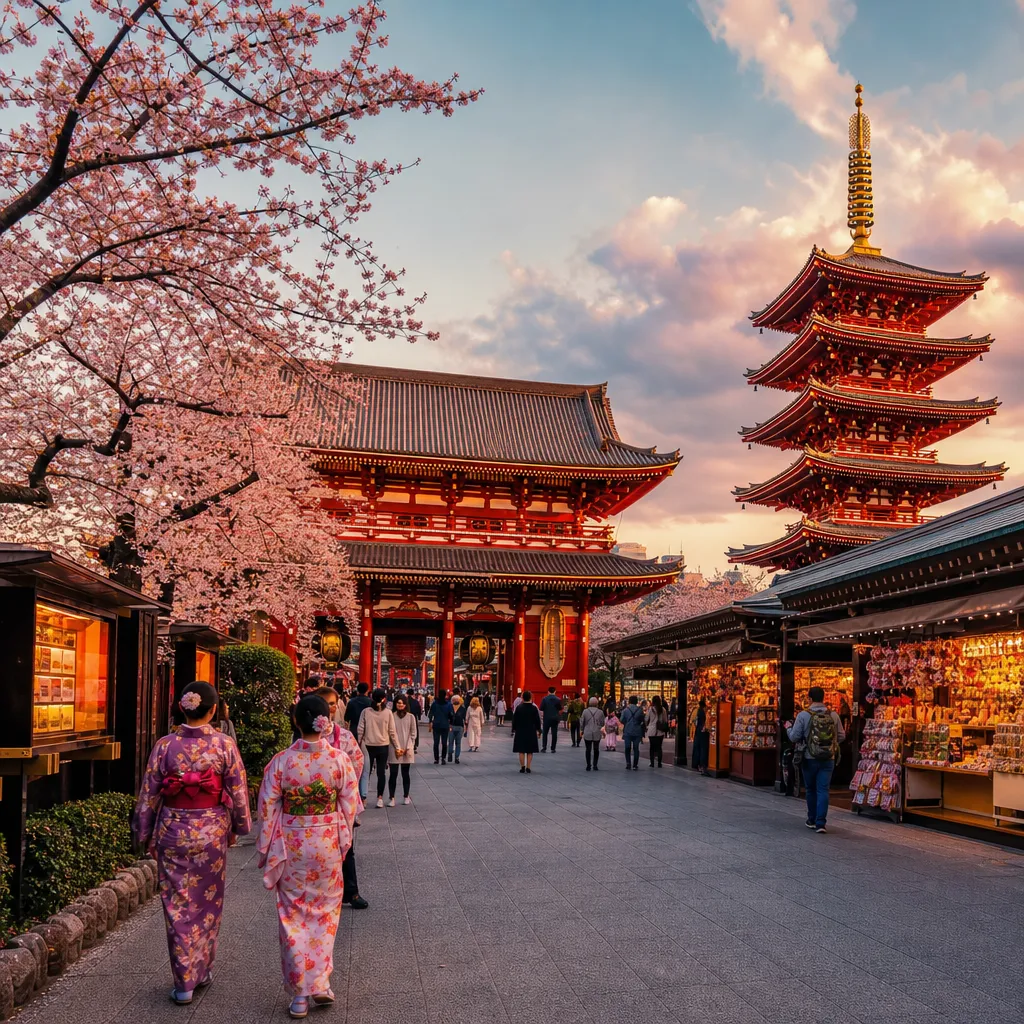
Rebuilt by Tokugawa Iemitsu, Asakusa Shrine pays homage to the three fishermen who found the golden statue of Kannon, the goddess of mercy. Though overshadowed by the neighboring Senso-ji temple, it retains a fervent following for its three revered deities. Worshippers seek business success and ∫family welfare. The shrine’s Sanja Matsuri in May is one of Tokyo’s liveliest street parties, where participants carry mikoshi and chant through narrow alleys.
6. Nezu Shrine
Nezu Shrine stands out with its vermillion gates and azalea gardens blooming vibrantly in April and May. Dedicated to Yamato Takeru no Mikoto, it offers divine favor for victory in contests and competitive endeavors. Photographers and art lovers flock to capture the interplay of floral bursts against classical structures. A stroll through this shrine evokes a sense of timeless heritage and seasonal renewal.
7. Gotokuji Temple (Lucky Cat Shrine)
Though technically a Buddhist temple, Gotokuji in Setagaya is famous for its unlimited rows of beckoning cats, or maneki-neko, symbolizing good luck and fortune. Visitors purchase miniature cats or offer them in hope of inviting financial success. The quirky yet heartfelt tradition emphasizes the fluid boundaries between Shinto and Buddhist practices in Japan’s religious landscape.
8. Ōmiya Hachiman Shrine
Tucked in the foothills of Tama, Ōmiya Hachiman Shrine worships Hachiman, the goddess of war turned guardian of community welfare. People pray here for victory in exams, projects, and sports. The shrine’s serene pond and carp are believed to mirror life’s currents—encouraging visitors to navigate challenges with grace.
9. Hanazono Inari Shrine
In Shinjuku’s bustling Kabukicho district lies Hanazono Inari, a tranquil spot amidst neon signs. As an Inari shrine, it appeals to those seeking success in commerce and agriculture. Many local business owners and entertainers frequent this place, hoping to invoke the deity’s favor for prosperity and creative inspiration. The crisp fox statues (kitsune) guard hidden passageways and beckon passersby to explore further.
10. Suitengu Shrine
Near Tokyo Station, Suitengu specializes in blessings for childbirth and maternal health. Couples striving for family growth attend ceremonies and secure talismans for safe delivery. The water deity enshrined here is believed to protect life’s beginnings, making it a sanctuary of both tenderness and hope.
Tips for Visiting and Making Wishes
To ensure respectful engagement with these sacred spaces, follow these etiquette pointers:
- Approach the torii gate calmly, bow slightly before entering, and maintain a low volume to preserve the sanctity of the shrine grounds.
- Perform purification at the temizuya: scoop water with the ladle, rinse your left hand, right hand, mouth (don’t touch the ladle’s edge), then both hands again.
- Offer a small coin (typically 5 yen) at the saisen-bako (offering box), bow twice, clap twice, and bow once more while making your prayer.
- Purchase omamori charms for specialized blessings—traffic safety, academic success, business growth—and renew them annually to sustain their protective power.
- Respect photography rules; some inner halls prohibit images. Always observe posted signs and follow staff guidance.
- Plan visits during festivals for immersive experiences. Check shrine websites for event dates and special ceremonies to witness centuries-old rituals in action.
Dive into Tokyo’s spiritual heart by exploring these top shrines, and you may find your own fortune amplified through ancient tradition and heartfelt devotion. Each vermillion gate leads to a world shaped by reverence, continuity, and the enduring hope for harmony and luck.