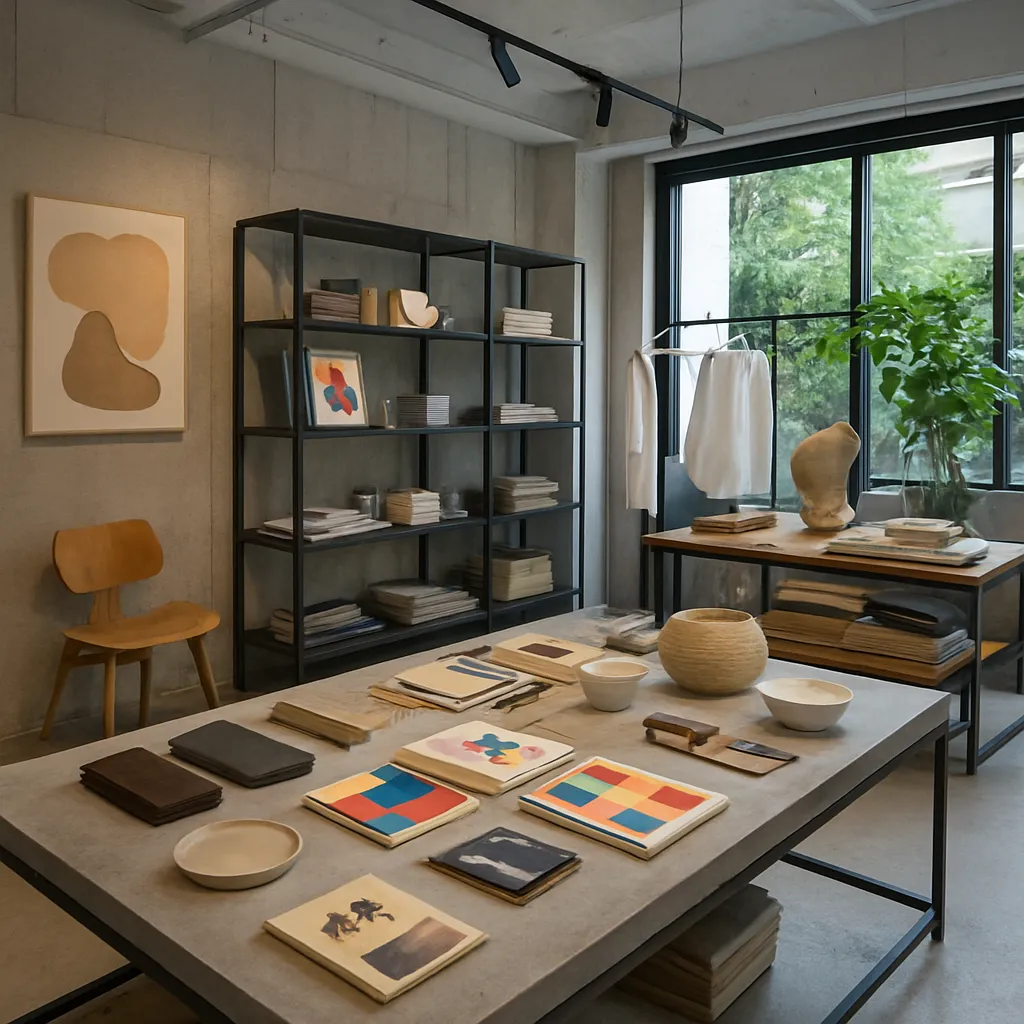
Tokyo’s retail landscape transforms shopping into a sensory journey, where each corner blends art, technology, and storytelling. From the vibrant streets of Harajuku to the sleek avenues of Aoyama, the city is home to an array of innovative concept stores that challenge traditional notions of commerce. By merging creativity with cutting-edge design and immersive experiences, these venues become destinations in their own right. Shoppers don’t just browse products—they engage with art installations, interactive displays, and thematic spaces that evoke wonder and curiosity. Whether you’re a local trendsetter or a traveler seeking inspiration, Tokyo’s most creative concept stores offer a glimpse into the future of retail, where experiential environments and carefully curated merchandise redefine the act of purchasing.
Harajuku’s Trendsetting Boutique Playground
Harajuku has long been synonymous with youth culture and bold self-expression. Here, concept stores take center stage, pushing boundaries with avant-garde collaborations and whimsical interiors. The neighborhood pulsates with energy, inviting visitors to explore spaces where innovation meets pop culture.
-
Pod
Pod resembles a secret laboratory where fashion, art, and technology converge. Products are displayed in translucent cubes, each lit with subtle neon hues. Limited-edition sneakers, handmade accessories, and experimental streetwear share shelf space with interactive screens that unveil design stories. This space celebrates craftsmanship and the spirit of discovery.
-
6%DokiDoki
Founded by artist Sebastian Masuda, 6%DokiDoki is a carnival of color that embodies Harajuku’s kawaii aesthetic. Visitors are greeted by towering plush sculptures and kaleidoscopic walls. Merchandise ranges from quirky stationery to extravagant fashion pieces, all under a roof that feels like a living art installation. This store emphasizes creativity as a form of self-expression.
-
Candy Show Time
“Candy Show Time” is a multi-sensory delight. The concept merges confectionery arts with chic design—glass cabinets showcase jellybean sculptures, while LED-lit counters present gourmet sweets crafted in neon shapes. Every purchase includes a tiny, hand-poured candy as an edible souvenir. This sweet spot demonstrates how thematic retail can turn simple treats into a memorable experience.
-
Secret Base
True to its name, Secret Base feels like a hidden hideout. The store’s entrance resembles a metal hatch, opening into a minimalist space filled with high-concept streetwear. Brands collaborate here on capsule collections that emphasize collaboration between local artists and global talents. Dark walls and industrial fixtures amplify the exclusivity of the offerings.
Shibuya’s Immersive Retail Environments
Shibuya stands as a crossroads of tradition and futurism, where digital art installations and neon lights coexist with time-honored boutiques. In this district, concept stores elevate retail by incorporating interactive technologies, pop-up galleries, and thematic cafes, making every shopping trip an immersive adventure.
-
Shibuya PARCO
Reinvented as a multi-dimensional hub, Shibuya PARCO houses an eclectic mix of indie labels, classic names, and digital art spaces. The 6th floor is dedicated entirely to experimental brands—augmented reality mirrors allow customers to virtually try on outfits, while projection-mapped walls showcase live art performance to complement seasonal collections.
-
Donguri Republic
For Studio Ghibli enthusiasts, Donguri Republic is akin to stepping into an animated dream. The store is lined with handmade figures, character-inspired home goods, and limited-run plush toys. Detailed murals on the ceiling immerse visitors in the world of Totoro and Kiki’s Delivery Service, emphasizing a seamless fusion of heritage and retail.
-
Nayuta
Nayuta spans multiple floors, each curated by different designers. It’s part gallery, part clothing store, and part café. One level might feature experimental jewelry crafted from recycled electronics, while another serves artisan coffees from Tokyo’s top micro-roasters. This interwoven concept highlights the interdisciplinary nature of modern retail.
-
Magnet by Shibuya 109
Targeting Gen Z shoppers, Magnet blends fashion with social media-ready backdrops. Neon signs, vibrant murals, and Insta-worthy cafes create a dynamic environment tailored for digital influencers. Limited-edition collaborations drop exclusively here, drawing crowds eager to snag the next viral piece.
Aoyama’s Design-Driven Sanctuaries
Aoyama’s tree-lined avenues host a collection of stores where architecture and interior design are as pivotal as the merchandise. These sanctuaries prioritize aesthetic harmony, incorporating natural materials, soft lighting, and art objects to craft spaces that soothe the senses while showcasing premium goods.
-
Spiral Market
Spiral Market, located within the Spiral Building designed by Fumihiko Maki, is a concept store that melds art exhibitions with lifestyle products. Each season, local designers and artisans present limited-run items—ceramics, textiles, and prints—alongside rotating gallery exhibits. The result is a gentle interplay between commercial space and cultural showcase.
-
Omotesando Koffee
Housed in a traditional machiya townhouse, Omotesando Koffee is the epitome of minimalist charm. The interior strips back all distractions—bare wooden counters, soft natural light, and precisely crafted espresso drinks. Though not a boutique in the conventional sense, its unwavering focus on quality transforms coffee consumption into a refined ritual.
-
Dover Street Market
An international pioneer of the concept store format, Dover Street Market in Aoyama is a labyrinth of installations that shifts with each season. Walls are adorned with ever-changing artworks, and floors showcase avant-garde collections alongside cult labels. This dynamic space thrives on the element of surprise.
-
MUJI Flagship
MUJI’s Aoyama location expands beyond retail to include a printing workshop, a library of design books, and a restaurant serving local produce. The store’s modular layout adapts to community events and designer collaborations, reinforcing MUJI’s ethos of simplicity and functional design.