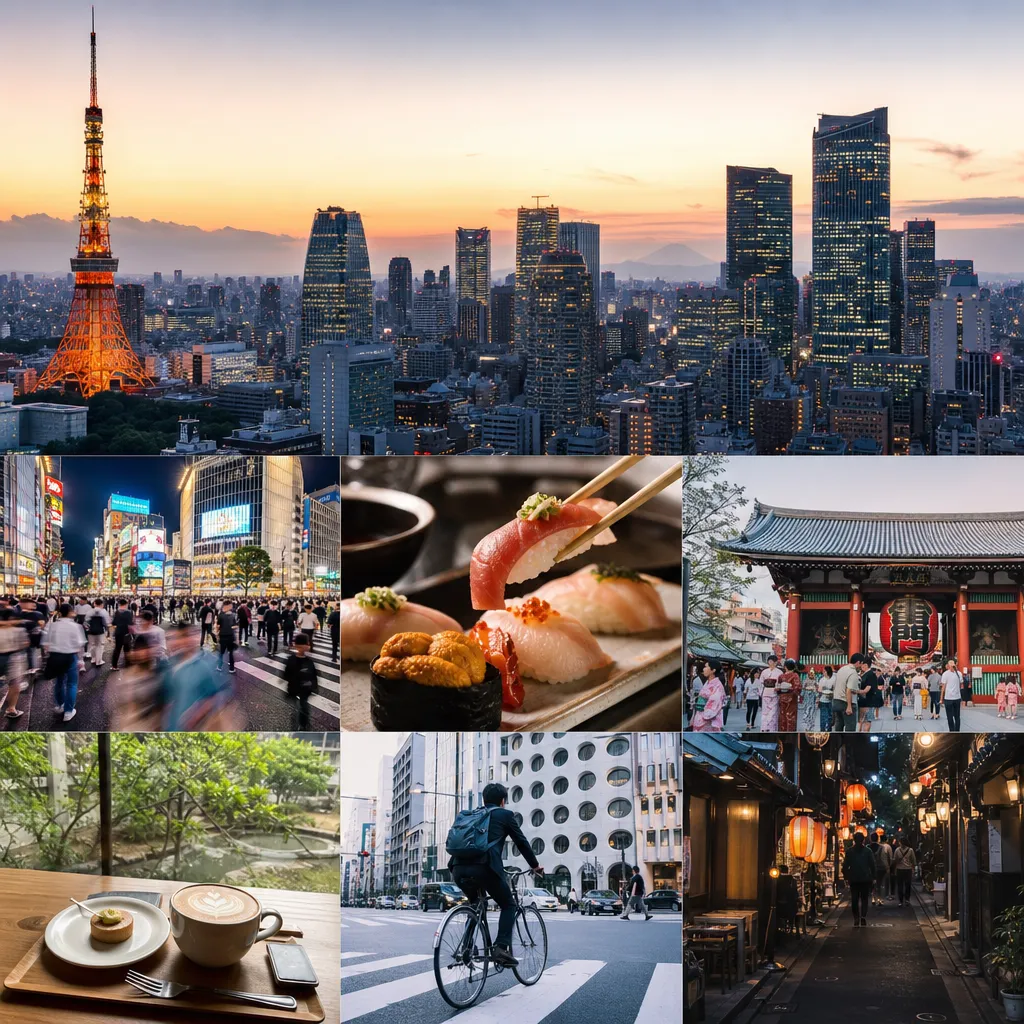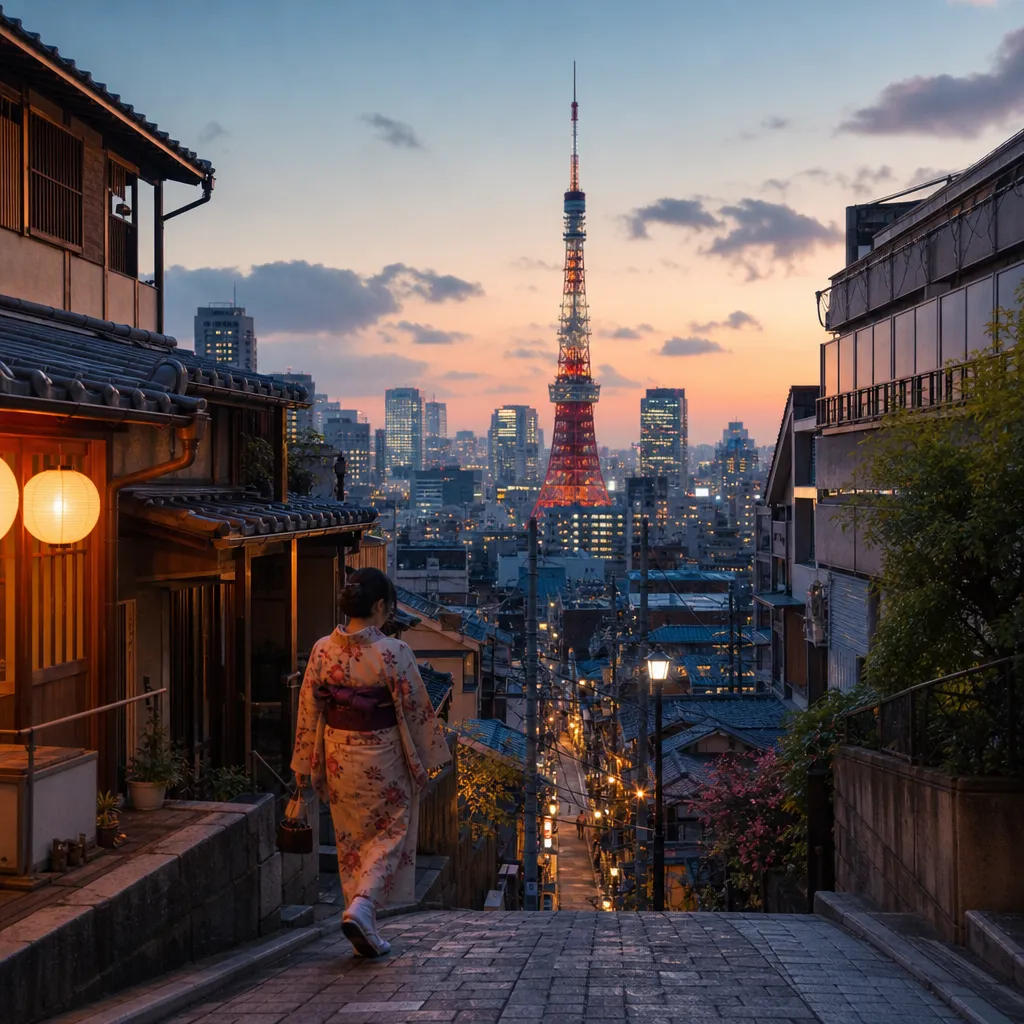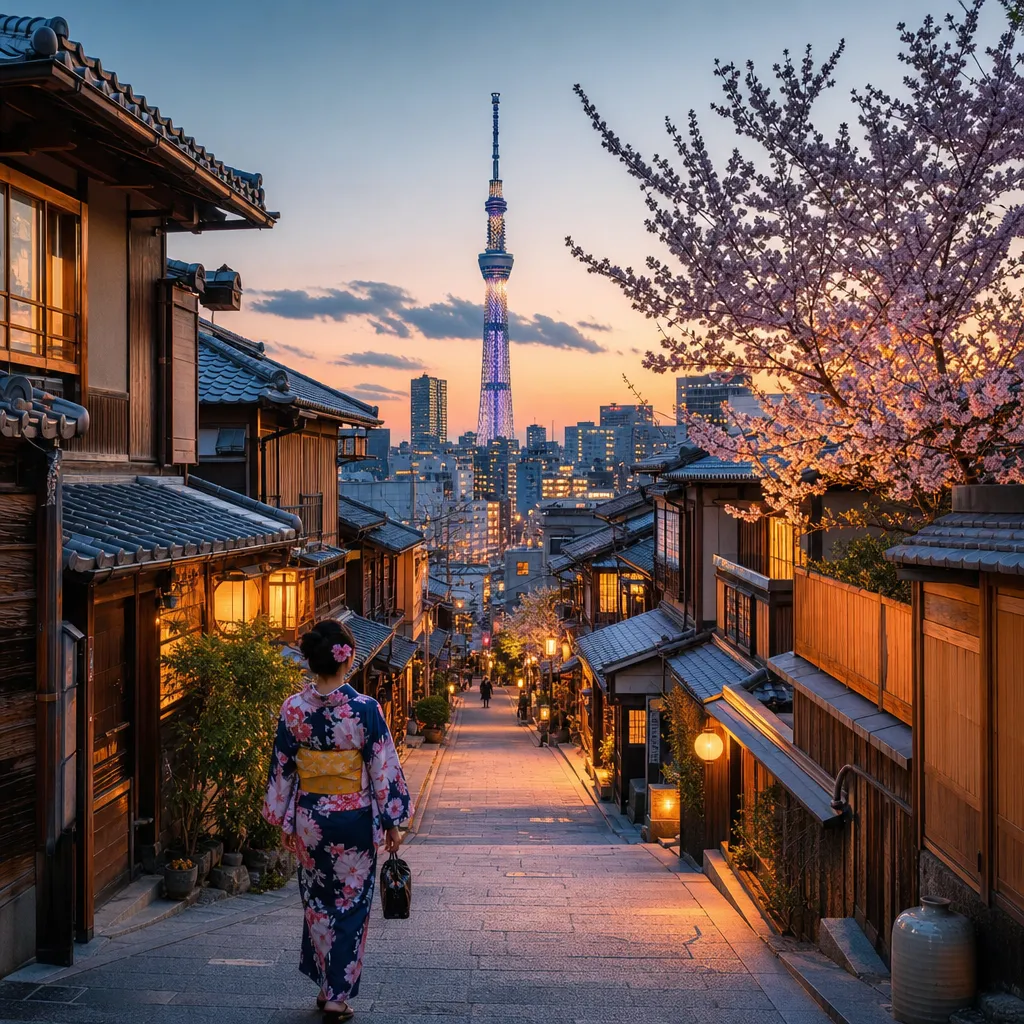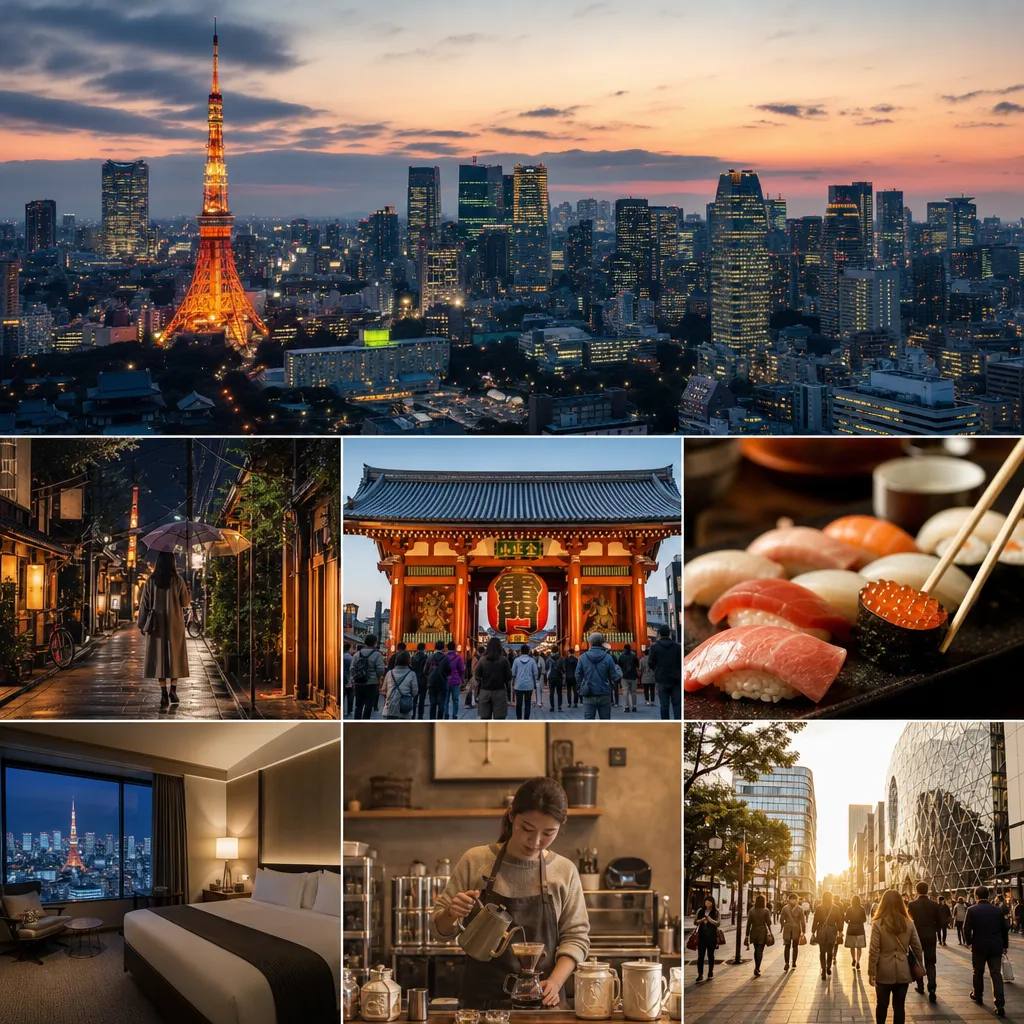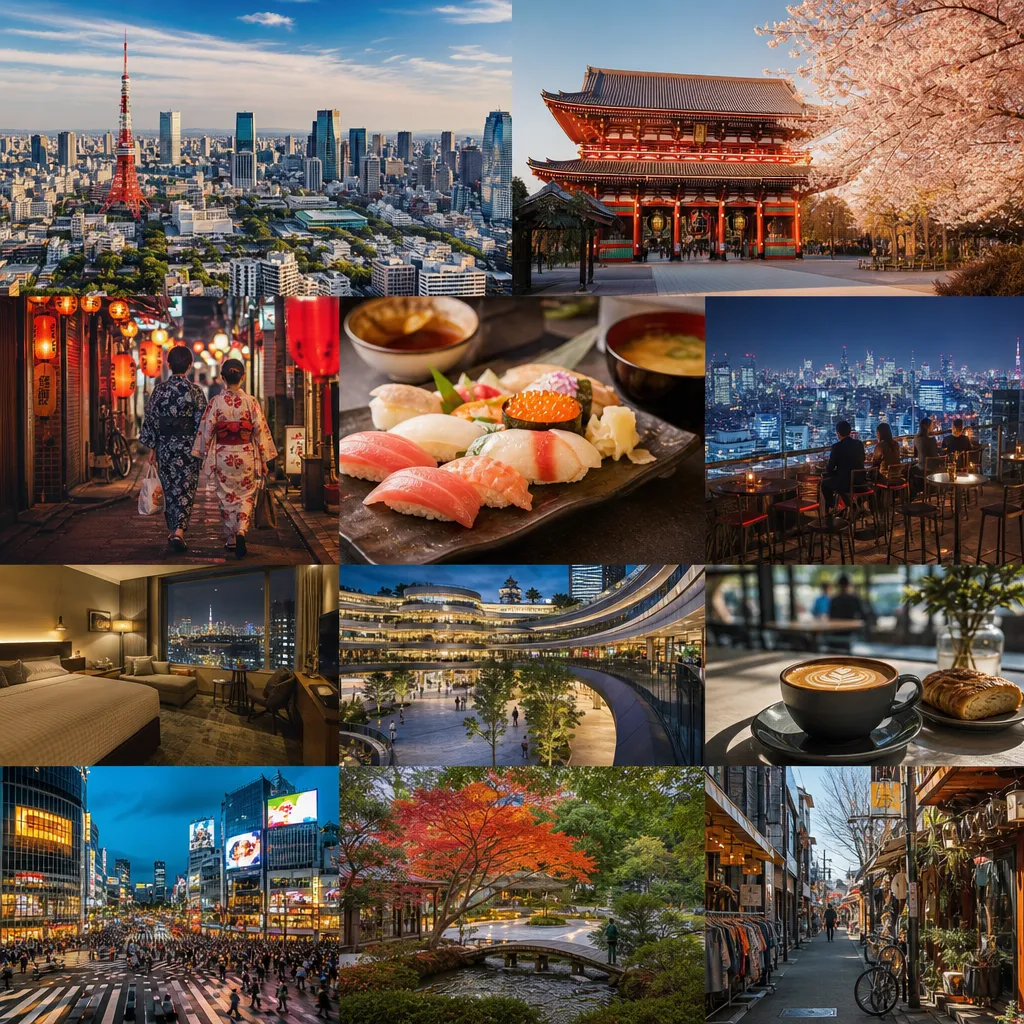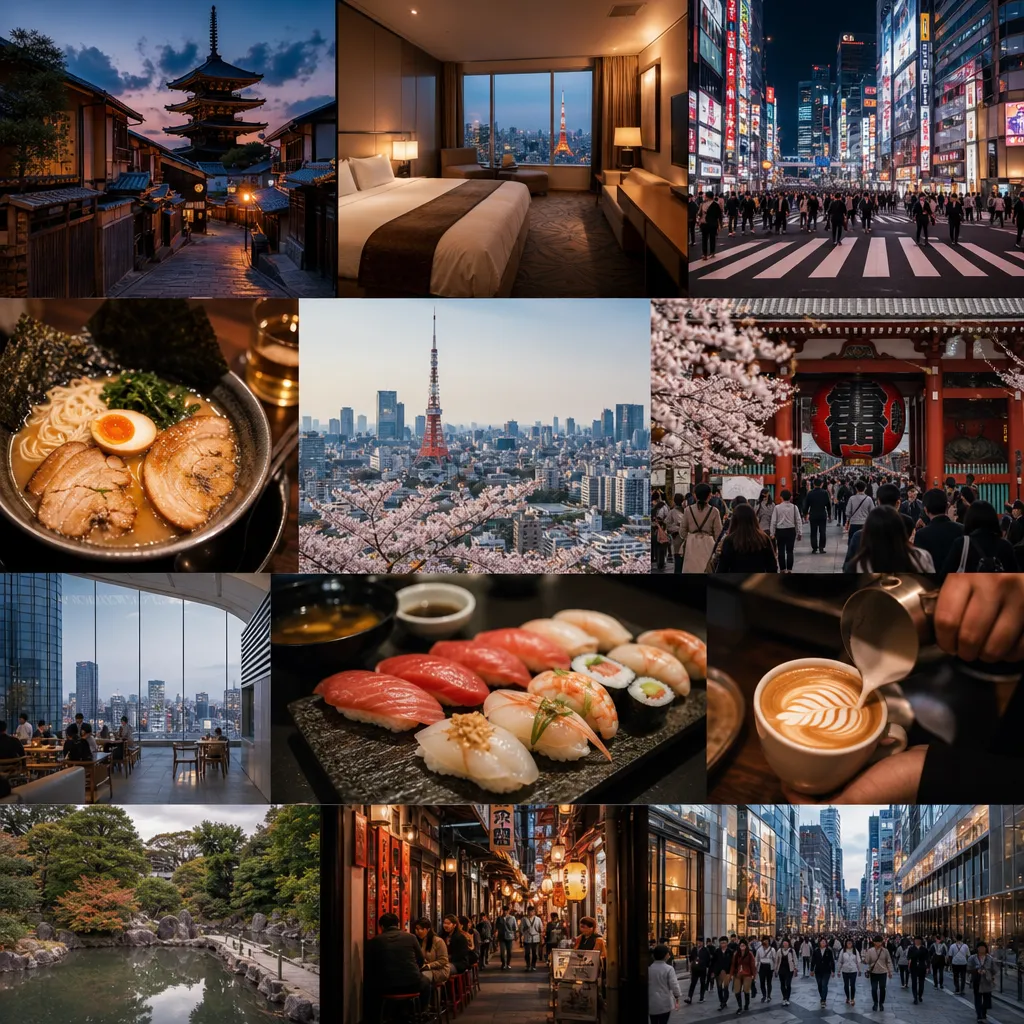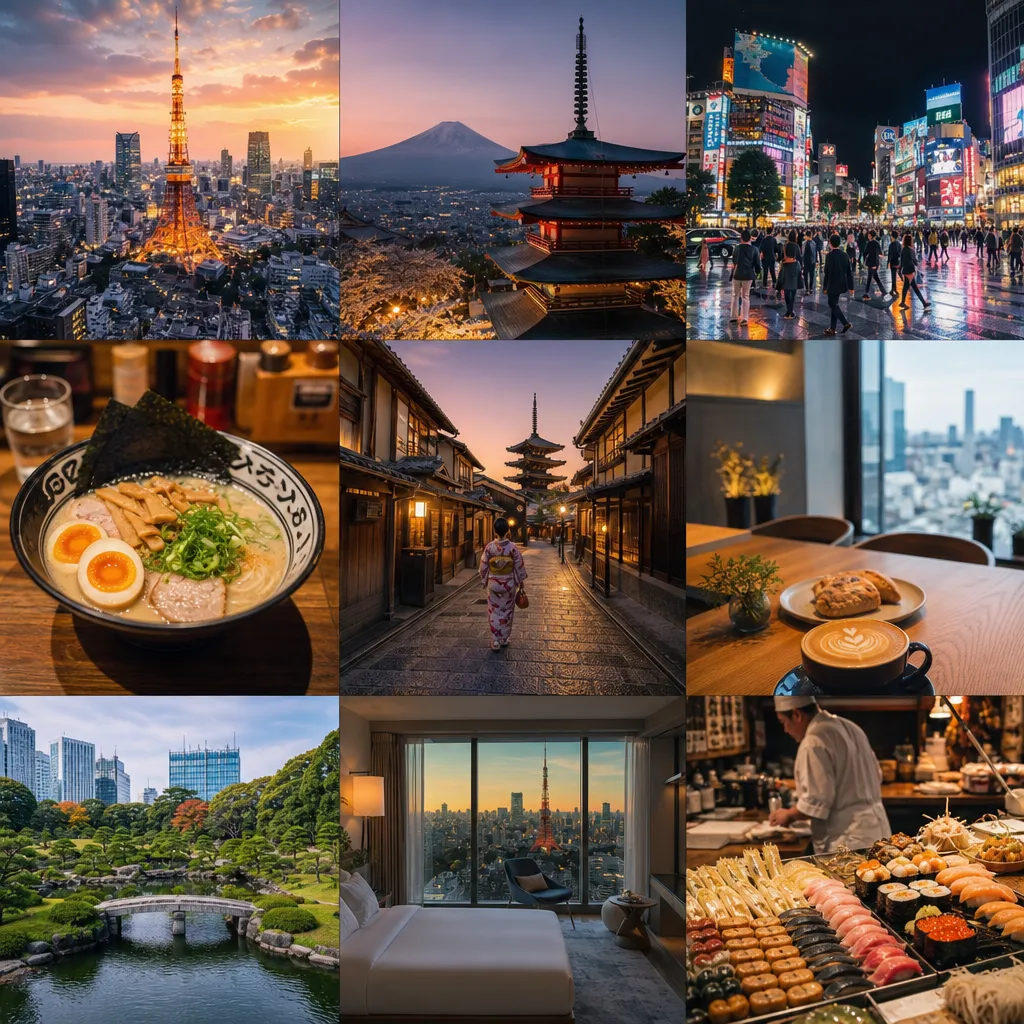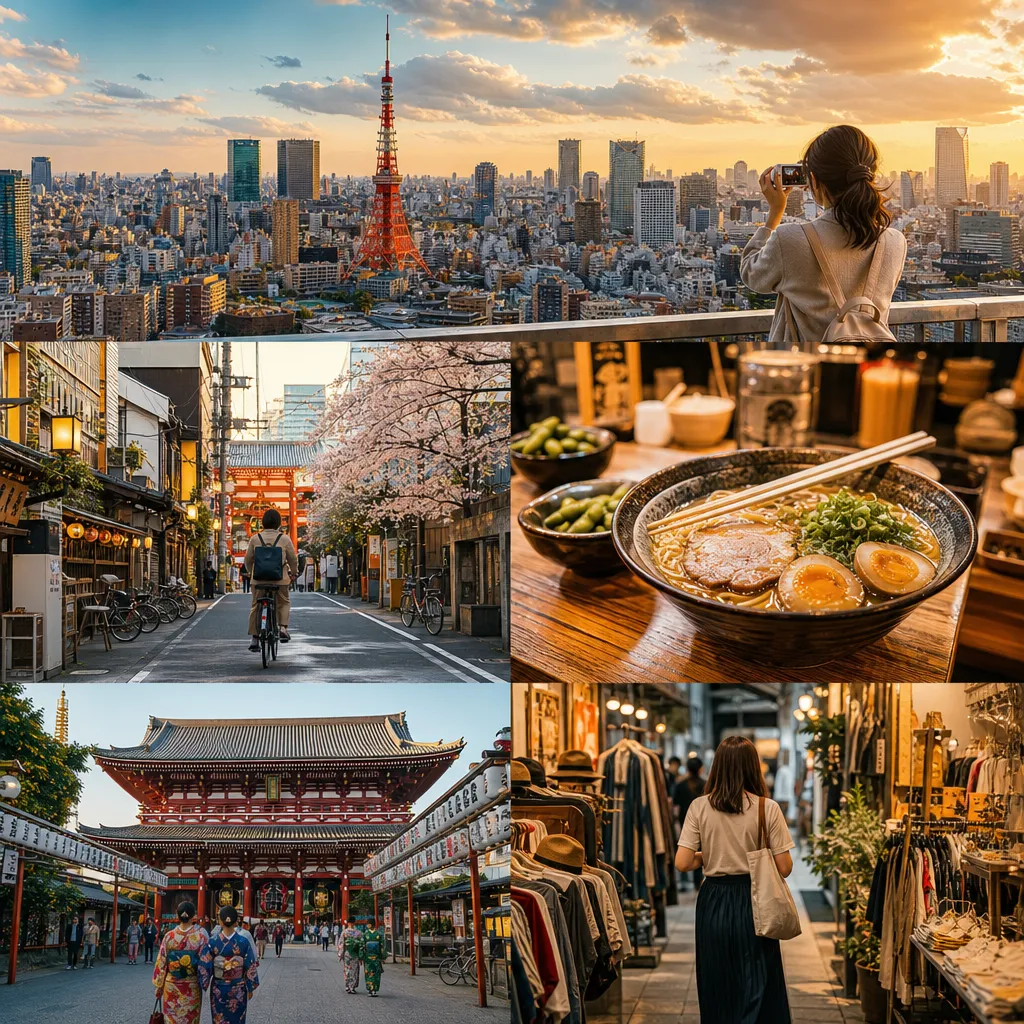
Tokyo has plenty to do without paying an admission fee, but the best free experiences are not all the obvious postcard sights. A good plan mixes major public landmarks with neighborhoods, gardens, architecture, shrine grounds, and observation spaces that cost nothing but still feel distinctly local. The most useful approach is to group free activities by area, so you can combine them into a realistic day rather than crossing the city for a single photo stop. The places below are all real, easy to understand on the ground, and practical for first-time visitors as well as repeat travelers.
Most of these spots are in central Tokyo or on straightforward rail routes. A few are strongest at sunrise or after dark, while others work best as daytime breaks between museums, shopping streets, or meals. Because opening access and event schedules can change, it is still worth checking official information for any indoor viewpoint, garden opening, or seasonal illumination before you go.
| Place | Area | Type | Best For | Key Feature |
|---|---|---|---|---|
| Tokyo Metropolitan Government Building observatories | Nishi-Shinjuku | Observation deck | City views on a budget | Free skyline panorama |
| Meiji Jingu | Shibuya ward / Harajuku-Yoyogi area | Shrine grounds | Traditional atmosphere | Forest approach in central Tokyo |
| Senso-ji outer grounds and Nakamise approach | Asakusa | Temple district | Classic Tokyo streetscape | Historic gate, lanterns, shopping street atmosphere |
| Shibuya Scramble Crossing | Shibuya | Street experience | Urban energy and photography | One of the city’s signature crossings |
| Yebisu Garden Place Sky Lounge | Ebisu | Observation space | Quieter free view | Indoor panorama away from the biggest crowds |
| Imperial Palace East Gardens | Chiyoda | Garden and historic grounds | Walking and seasonal scenery | Castle remains and landscaped space near Tokyo Station |
| Kanda Myojin | Kanda-Surugadai/Akihabara area | Shrine | Culture between neighborhoods | Easy stop between Akihabara and Ochanomizu |
| Odaiba Seaside area | Tokyo Bay | Waterfront walk | Bay views and evening skyline | Open waterfront with bridges and city backdrop |
Free observation decks and skyline views
Tokyo Metropolitan Government Building observatories in Nishi-Shinjuku are the most useful free city view for many travelers. The towers sit in the west side of central Tokyo’s business district, near Shinjuku, surrounded by high-rises and broad avenues rather than old streets. If you want a high view without paying for a tower ticket, this is usually the first place to consider.
The experience is straightforward: security checks may apply, queues can vary, and weather matters. On clear days, the value is obvious; on cloudy days, it is still useful for understanding the scale of the city. It suits solo travelers, first-time visitors, photographers, and anyone already exploring Shinjuku’s skyscraper district. Check current access rules before going, as opening patterns can change.
Yebisu Garden Place Sky Lounge in Ebisu is a quieter alternative. Ebisu, south of Shibuya, has a more polished and less chaotic atmosphere than Shinjuku or Shibuya, with offices, restaurants, and residential blocks nearby. The free indoor view is not as famous, which is exactly why some visitors prefer it.
This is a good option if you are already in Ebisu, Daikanyama, or Meguro and want an easy evening stop. It works especially well for couples, casual photographers, and travelers who want a break from larger tourist crowds. Because it is part of a commercial complex, confirm current public access before building your evening around it.
Shrines and temples that cost nothing to visit
Meiji Jingu, between Harajuku and Yoyogi, offers one of the clearest contrasts in the city: busy fashion streets outside, broad forested shrine approaches inside. This is a Shinto shrine, not a temple, and the atmosphere is more about space, gravel paths, wooden gates, and ritual calm than about urban spectacle. Entry to the main shrine grounds is free, though some attached garden areas may require separate admission.
It is especially good in the morning, when the approaches feel cooler, quieter, and more ceremonial. Harajuku Station and the Yoyogi side both make practical access points depending on what else is in your day. Visitors should stay respectful around worshippers, avoid blocking paths for photos, and observe signs about restricted areas.
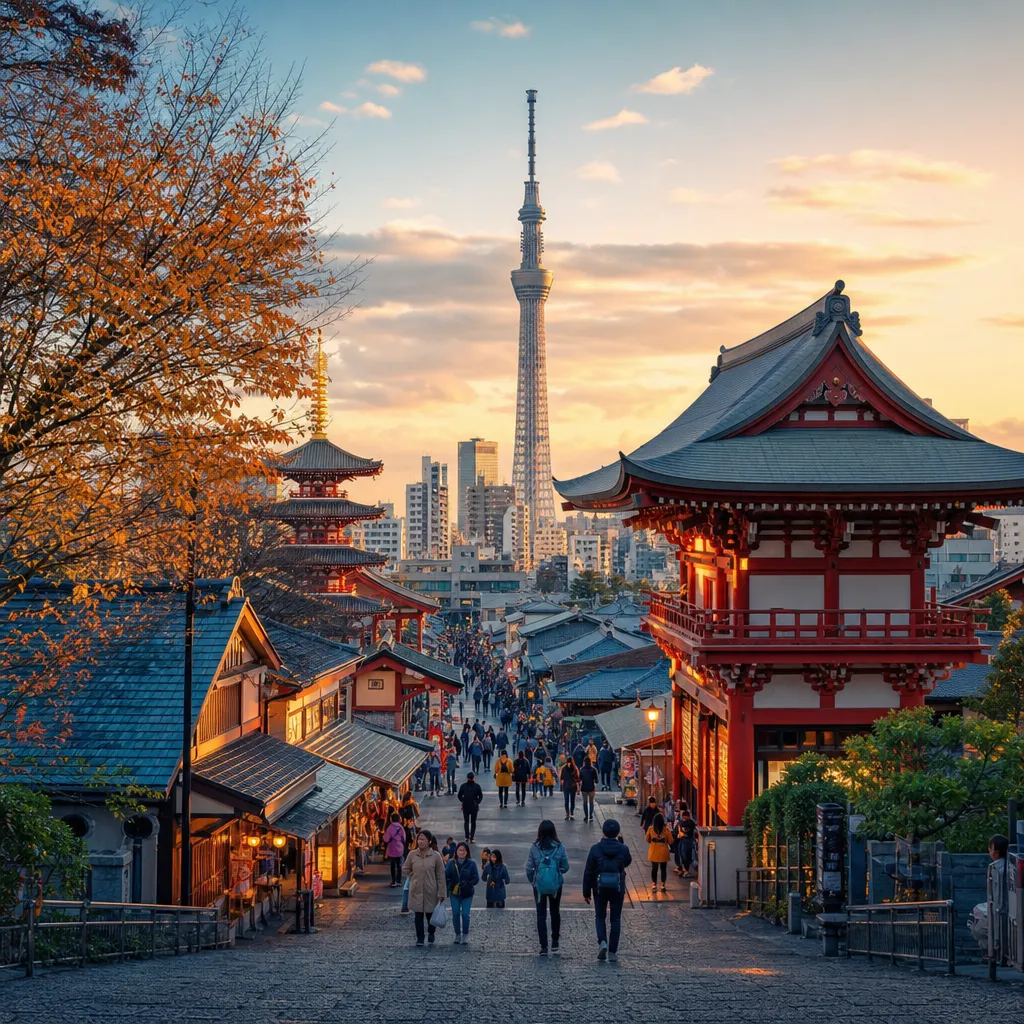
Senso-ji in Asakusa is a very different experience. This is a Buddhist temple complex in one of the city’s most visited historic districts, and the free part includes the major gates, the temple grounds, and the Nakamise approach. The surrounding area is one of the easiest places to get a traditional-streetscape feel without paying admission.
Go early if you want cleaner photos and less crowding, or go in the evening for illuminated buildings and a calmer mood after day-trippers leave. Asakusa is one of the best areas for first-time visitors because it combines food, river walks, shopping streets, and temple architecture in a compact zone.
Kanda Myojin is another strong free stop, especially if your day includes Akihabara or Ochanomizu. The shrine sits on elevated ground in the wider Kanda area and feels less overwhelming than the city’s most famous religious sites. It suits visitors interested in blending contemporary and traditional Tokyo in one walk.
Historic, civic, and garden spaces with no admission
Imperial Palace East Gardens in Chiyoda are among the best free landscaped spaces in central Tokyo. Near Tokyo Station and the Otemachi business district, the gardens occupy part of the former Edo Castle grounds. That makes them interesting not only for greenery but also for history, stone walls, gates, and changing seasonal scenery.
This works well for travelers who want a calm walk between Marunouchi, Ginza, or nearby museums. The atmosphere is more spacious and orderly than most neighborhood parks. It is especially useful if you are staying around Tokyo Station and want a serious sightseeing stop that does not require a ticket.
Marunouchi and the Tokyo Station area also deserve mention as a free architectural walk. The red-brick station building, broad plazas, and office towers create a very different urban character from older districts like Asakusa or Ueno. By itself this is not a formal attraction, but it is one of the easiest no-cost ways to enjoy early 20th-century station architecture alongside modern redevelopment.
Street scenes and neighborhood walks that define the city
Shibuya Scramble Crossing is free because it is just a crossing, but that does not make it trivial. The junction outside Shibuya Station remains one of the clearest expressions of the city’s speed and scale. For first-time visitors, simply walking through it and then watching the flow from a legal public vantage point nearby can be enough.
The surrounding neighborhood is dense with department stores, fashion buildings, chain eateries, music venues, and constant foot traffic. It is best for people-watching, short-form photography, and urban atmosphere rather than quiet exploration. Even if you do not stay long, it is easy to integrate into almost any central itinerary.
Takeshita Street and Omotesando approaches near Harajuku are another useful free walk, especially if you are interested in youth culture and retail streetscapes. Takeshita Street is narrow, busy, and highly commercial; Omotesando is broader and more architectural, with flagship buildings and tree-lined stretches. Together they show how quickly the city changes from one block to the next.
Yanaka Ginza and the wider Yanesen area are often a better fit for travelers who want everyday low-rise Tokyo rather than giant intersections. In the northeast side of central Tokyo, around Nippori and Sendagi, this area offers local shopping streets, older houses, temples, and a slower pace. It is free to wander and especially pleasant in late afternoon.
Waterfront and riverside places to explore for free
Odaiba Seaside area gives you open sky, bay air, and a skyline perspective that contrasts sharply with inland Tokyo. Odaiba sits on artificial islands in Tokyo Bay, reached easily by rail, including the scenic Yurikamome line. The area is commercial and leisure-oriented, but many of its best pleasures cost nothing: the waterfront promenade, views toward Rainbow Bridge, and the sense of space.
It is strongest in the late afternoon into evening, when lights begin to reflect across the water. Families, couples, and photographers usually get the most from it. If you want a tight, traditional itinerary, Odaiba may feel out of the way; if you want breathing room and city views, it is worth the trip.
Sumida River walks around Asakusa are another smart free option. You can move away from the busiest temple streets and follow the river for wider views, boats, bridges, and a different angle on the district. This is especially good if you want photos that mix skyline, water, and older neighborhoods without paying for a cruise.
Free museums, galleries, and design-oriented stops
Tokyo does have some museums and cultural institutions with free permanent admission or free access to parts of their facilities, but these policies can change more often than travelers expect. Rather than rely on a long list that may date quickly, the safest free cultural strategy is to look at public galleries, civic exhibition spaces, department-store galleries when free access applies, and university-linked museums before your trip.
One especially reliable category is public architecture and design browsing. In districts such as Omotesando, Ginza, and Marunouchi, some of the most interesting experiences are simply entering large commercial or civic buildings and spending time with the interior spaces. This will not replace a major paid museum, but it gives design-focused travelers a real sense of the city’s visual culture at no cost.
If you want a fully free indoor attraction on a specific day, it is best to confirm current admission directly with the institution rather than assume an old policy still applies.
Seasonal free experiences worth timing your visit around
Cherry blossom viewing is the most obvious seasonal free activity, and major parks and riversides become destinations in their own right. Ueno Park, the Chidorigafuchi area near the Imperial Palace, Sumida Park in Asakusa, and Meguro River are among the better-known examples, each with a different mood. Ueno is lively and crowded, Chidorigafuchi is scenic and formal, Sumida ties well into temple sightseeing, and Meguro is more about the linear canal-side walk through a fashionable part of the city.
Autumn foliage also creates excellent free outings, though fewer visitors plan around it with the same care. Garden edges, shrine grounds, university campuses, and avenues such as the ginkgo-lined stretches near central districts can all be rewarding without an entry fee. Timing varies from year to year, so it is worth checking local forecasts.
Festivals and matsuri can be free to watch from public space, even though food stalls, special seating, or related activities may cost money. Neighborhood shrines, larger temples, and civic districts host processions and seasonal events throughout the year. Dates and routes change, so always confirm current schedules through official tourism or shrine information.
How to build a free day by area
If you want an efficient day, combine places that naturally fit together. Shinjuku pairs the Tokyo Metropolitan Government Building with the surrounding skyscraper district and nearby parks or department stores. Harajuku and Shibuya combine Meiji Jingu, Omotesando, Takeshita Street, and Shibuya Crossing into one full urban-contrast route.
Asakusa is one of the easiest free days in the city: Senso-ji, Nakamise atmosphere, side streets, and the Sumida riverside all work without paid admission. Tokyo Station and Chiyoda combine the East Gardens, Marunouchi architecture, and civic walking routes. Ebisu and Odaiba make sense as more evening-oriented plans if your priority is skyline or waterfront atmosphere.
These routes also help with budgeting beyond admission fees. You can save not only on tickets but also on transport by limiting cross-city backtracking.
Practical tips before you go
- Start early for shrine grounds, temple precincts, and major photo spots if you want a calmer experience.
- Check access in advance for free observatories and indoor public spaces, since maintenance, weather, or security can affect entry.
- Carry some cash even on a free day, since you may want drinks, snacks, or transit top-ups in areas where smaller vendors still prefer it.
- Respect worship spaces by keeping voices low, following photo rules, and not stepping into restricted ritual areas.
- Use free time strategically: expensive neighborhoods often have excellent no-cost architecture and people-watching, even if you do not shop there.
- Do not overpack the day. Free places often look close on a map but become more enjoyable when you allow time to wander.
What area is best for free sightseeing if I only have half a day?
Asakusa is one of the easiest choices because Senso-ji, historic streets, and the river area are close together. Harajuku and Shibuya are another strong option if you prefer a mix of shrine atmosphere and modern city energy.
Are free observation decks in Tokyo worth it?
Yes, especially the Tokyo Metropolitan Government Building observatories. They offer real skyline views without a ticket, though weather and access conditions matter.
Can I enjoy Tokyo’s shrines and temples without paying?
Many major shrine and temple grounds are free to enter, including Meiji Jingu and Senso-ji. Some attached gardens, museums, or special halls may require separate admission.
What is the best free activity for photographers?
That depends on your style. Shibuya works for urban motion, Asakusa for traditional streetscape, Odaiba for bay views, and Meiji Jingu for quieter architectural and natural compositions.
Are these free places suitable for families?
Most are. Odaiba, the Imperial Palace East Gardens, Meiji Jingu, and Asakusa are especially manageable for families because they provide space to move around and easy access to food and rest stops nearby.
Do I need to reserve anything for free activities?
Usually no for outdoor places, shrine grounds, and neighborhood walks. For indoor observation spaces or special access areas, it is wise to check current official information in case of restrictions.
Is it easy to visit these places without speaking Japanese?
Yes. Major stations and famous sightseeing districts are generally navigable with English signage, and the free places listed here do not require complicated procedures.
What should I check before visiting?
Check weather, seasonal conditions, and whether any observatory, garden, or public building has temporary closure or adjusted entry hours. This matters most for skyline views and seasonal outings.
Sources
- GO TOKYO (Tokyo Convention & Visitors Bureau)
- Tokyo Metropolitan Government
- Japan National Tourism Organization