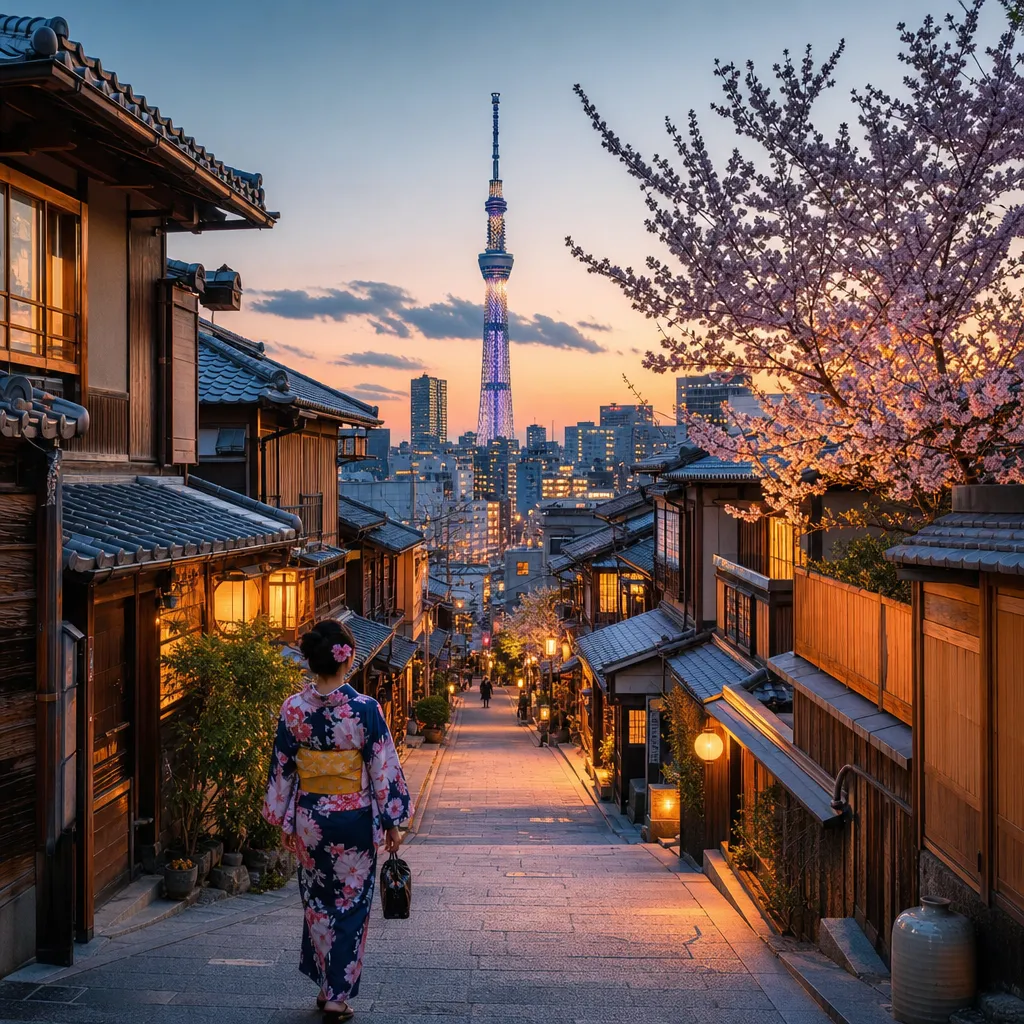
Traveling in Tokyo on a budget is easier than many first-time visitors expect, but it works best when you understand where the cheap pleasures actually are. The city rewards people who mix inexpensive neighborhoods, efficient transport, free viewpoints, casual food chains, public parks, and a few carefully chosen paid attractions. Rather than chasing only famous districts with premium prices, it helps to build your days around areas where low-cost meals, walkable sights, and good rail connections sit close together. This guide focuses on practical choices that keep costs under control without turning the trip into a compromise.
A budget trip here does not mean eating badly or staying far from everything. It usually means choosing business hotels or hostels near useful stations, relying on lunch sets and standing eateries, visiting shrines, parks, markets, and observation decks that cost little or nothing, and planning your transport rather than riding at random. Tokyo is large, so neighborhood choice matters almost as much as the daily budget.
How to Keep Costs Down Without Making the Trip Harder
The biggest budget mistake is not food or attractions but logistics. If you stay in a convenient area and group your sightseeing by district, you spend less time and money moving around. Areas such as Ueno, Asakusa, Ikebukuro, and parts of Shin-Okubo or Kanda can be more forgiving on accommodation than places like central Ginza or the core of Shibuya.
- Prioritize station access: Staying near a JR Yamanote Line stop or a major interchange usually saves both time and transport complexity.
- Use lunch strategically: Many restaurants offer better-value lunch sets than dinner service.
- Mix free and paid sights: A museum ticket is easier to justify when the rest of the day includes parks, shrines, or observation decks with no admission fee.
- Watch convenience-store spending: Konbini food is useful, but repeated snack and drink purchases add up quickly.
- Check current ticket options: Depending on your itinerary, day passes from Tokyo Metro, Toei, or JR can help, but they are not always automatically cheaper.
Best Budget-Friendly Areas to Base Yourself
Not every affordable district suits every traveler. Some work best for first-time visitors, while others are better for nightlife, local dining, or easy airport access.
| Area | Part of Tokyo | Best For | Budget Strength | Useful Transport Context |
|---|---|---|---|---|
| Asakusa | Taito City, east side | First-time visitors, traditional atmosphere, riverside walks | Wide range of hostels, simple hotels, casual dining | Good subway access; useful for reaching Ueno, Ginza area, and eastern Tokyo |
| Ueno | Taito City, northeast of central core | Museums, park time, rail convenience | Often strong value on business hotels and cheap eats around Ameyoko | Major JR and Shinkansen link; easy for Narita access via Keisei nearby |
| Ikebukuro | Toshima City, northwest side | Shopping, nightlife, broad transport access | Large stock of business hotels and everyday dining | Excellent JR, subway, and private railway connections |
| Shin-Okubo | Near Shinjuku, central-west | Food-focused stays, younger atmosphere | Can be cheaper than staying directly around Shinjuku Station | JR Yamanote access; walkable to wider Shinjuku area |
| Kanda | Chiyoda City, central | Business-hotel convenience, easy citywide access | Practical rather than scenic, often better value than nearby Tokyo Station area | Very strong rail access to central districts |
Asakusa
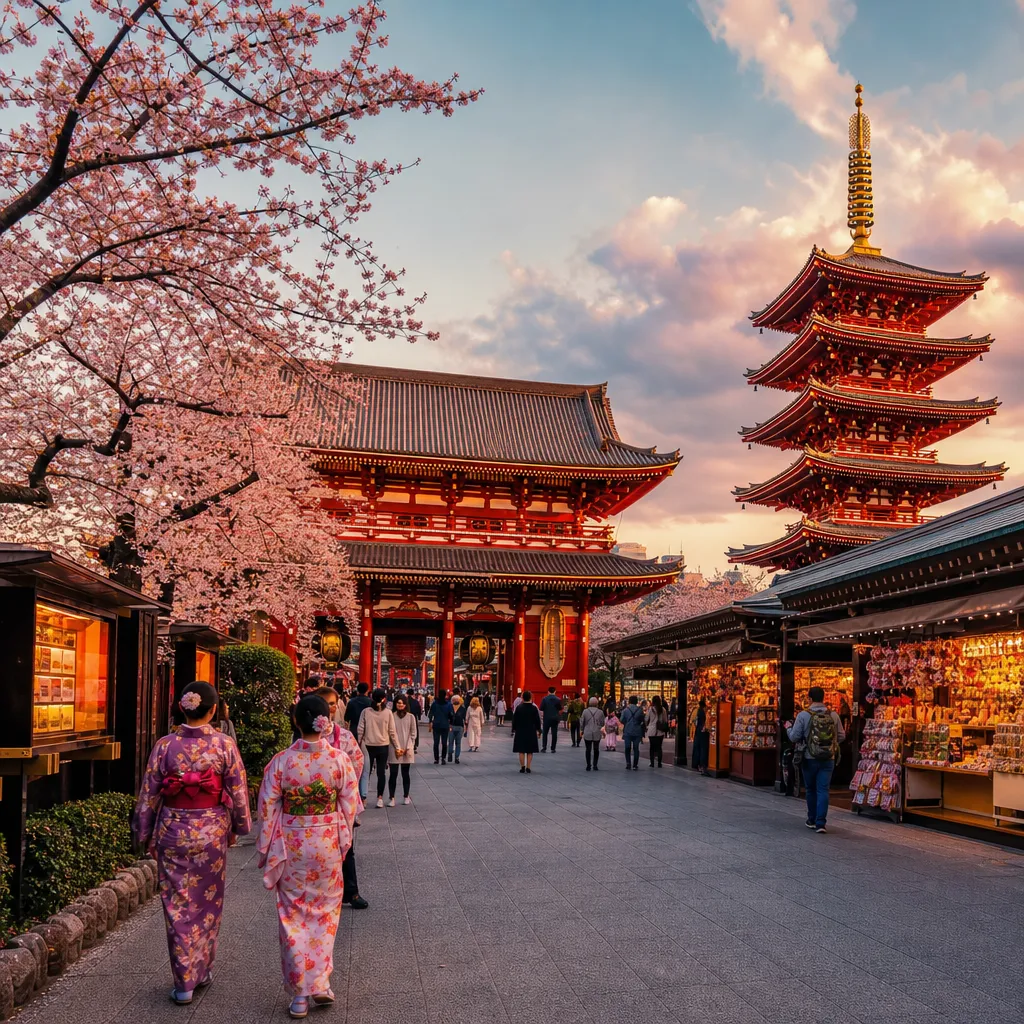
Asakusa, in Taito City, is one of the easiest low-cost bases for a first visit. The area around Senso-ji draws crowds in the daytime, but accommodation is often more affordable than in western nightlife districts. You can fill an entire day here with temple grounds, river views, simple local meals, and walks toward Kappabashi or Sumida Park.
Ueno
Ueno works especially well for travelers who want transport convenience and low-cost sightseeing. Ueno Park contains several major museums, and the wider area has plenty of down-to-earth food options. The streets around Ameyoko feel busy and practical rather than polished, which is exactly why the area is useful for budget travel.
Ikebukuro
Ikebukuro is a good fit if you want city energy without paying Shibuya or central Shinjuku rates. It is a huge transport hub in the northwest side of the city, with department stores, arcades, casual ramen, curry, and chain restaurants. It is less traditionally scenic, but highly efficient.
Budget Accommodation Styles That Actually Make Sense
For affordable stays, the most reliable category is the Japanese business hotel. These are usually compact, functional, and well located near stations. Room sizes can be small by international standards, but for solo travelers or couples who spend most of the day exploring, they are often the best balance of privacy and price.
- Business hotels: Best for couples, solo travelers, and short stays. Look in Ueno, Kanda, Asakusa, Ikebukuro, or around lesser-known stations on major lines.
- Hostels and guesthouses: Strong value in Asakusa and parts of Taito City. Good for solo travelers, but check whether you want a dorm, private room, or shared bathroom setup.
- Capsule hotels: Efficient for one-night or solo stays, especially if location matters more than room space. They can be excellent for late arrivals or before an early departure.
- Apartment-style stays: Sometimes useful for families or longer trips, but transport access matters more than floor area.
If you are arriving from Narita Airport, Ueno and Asakusa are often especially convenient. For Haneda Airport, areas on the Asakusa Line or with easy Yamanote connections can reduce hassle. Before booking, check not only the station name but also whether the property is near a major station or in a quieter sub-area farther away.
Where to Eat Well for Less
Budget dining in Tokyo works because cheap food is often genuinely good. The easiest savings come from choosing specialist shops, standing counters, depachika food halls later in the day, chain restaurants with consistent quality, and neighborhood shopping streets rather than destination dining districts.
Ueno and Ameyoko
The Ameyoko market area near Ueno Station is one of the simplest places to eat cheaply without much planning. You will find ramen, curry, teishoku set meals, casual izakaya food, takoyaki, snacks, and discount shops. It suits travelers who want flexibility rather than a single famous booking.
Asakusa
Asakusa is useful for more than old Tokyo atmosphere. Side streets around the main temple approach and the broader district have soba shops, tempura options across different budgets, melon pan, street snacks, and simple breakfast choices. Prices near the most tourist-heavy lanes can be higher, so it is worth stepping one or two streets away.
Kanda and Jimbocho
Kanda is a business district with many practical lunch options, and nearby Jimbocho is well known for curry, coffee shops, and student-friendly eating. This part of central Tokyo is less showy than Ginza, but smarter for budget-conscious diners who still want character.
Chain restaurants worth using
Tokyo’s dependable low-cost chains can be extremely useful. Sukiya, Matsuya, and Yoshinoya are common for quick rice bowls; Hanamaru Udon and similar udon chains are solid for inexpensive meals; standing soba shops around stations can be fast and satisfying. These places are ideal for solo travelers, early starts, or nights when you do not want to queue.
For sushi on a budget, conveyor-belt or casual chain-style counters can be practical, but pricing and quality vary by branch and time. Rather than chasing a fixed “cheap sushi” promise, confirm current menus and seasonal availability on the day.
Free and Low-Cost Things To Do
Some of the best budget days in the city combine several places that cost little or nothing. Tokyo is full of strong public spaces if you know where to go.
Senso-ji and the wider Asakusa area
Senso-ji in Asakusa is free to enter and easy to combine with Nakamise, Sumida Park, or a riverside walk. Visit early in the morning for a calmer atmosphere and better photos. Remember that this is an active Buddhist temple, so basic respect matters even when the area feels busy and commercial.
Meiji Jingu
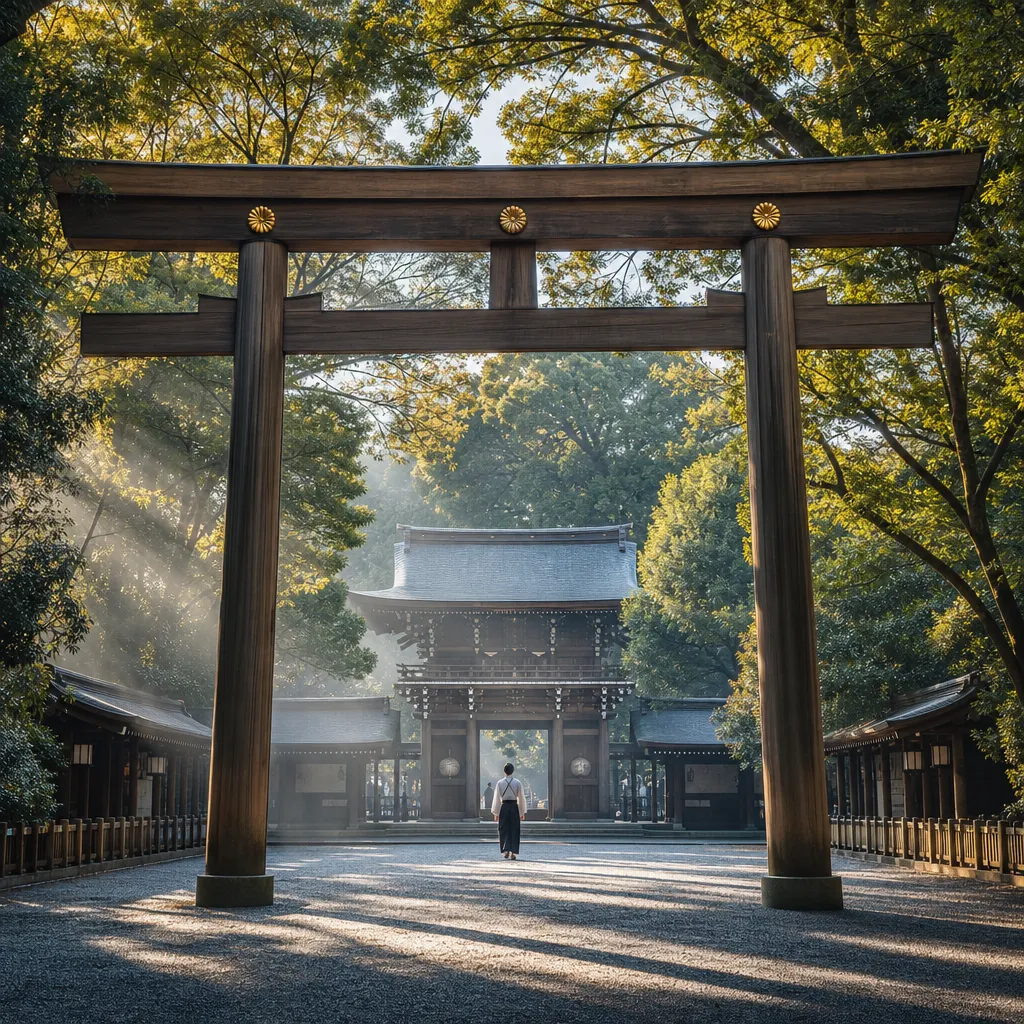
Near Harajuku and Yoyogi, Meiji Jingu offers a very different mood from the surrounding retail districts. The shrine grounds are spacious and wooded, making them useful when you need a low-cost break from dense urban sightseeing. It combines well with Omotesando architecture or Yoyogi Park.
Ueno Park
Even if you do not enter every museum, Ueno Park itself is a worthy low-cost stop. The park is especially appealing in cherry blossom season, but it works year-round for walking, people-watching, and combining multiple attractions in one area.
Tokyo Metropolitan Government Building observation decks
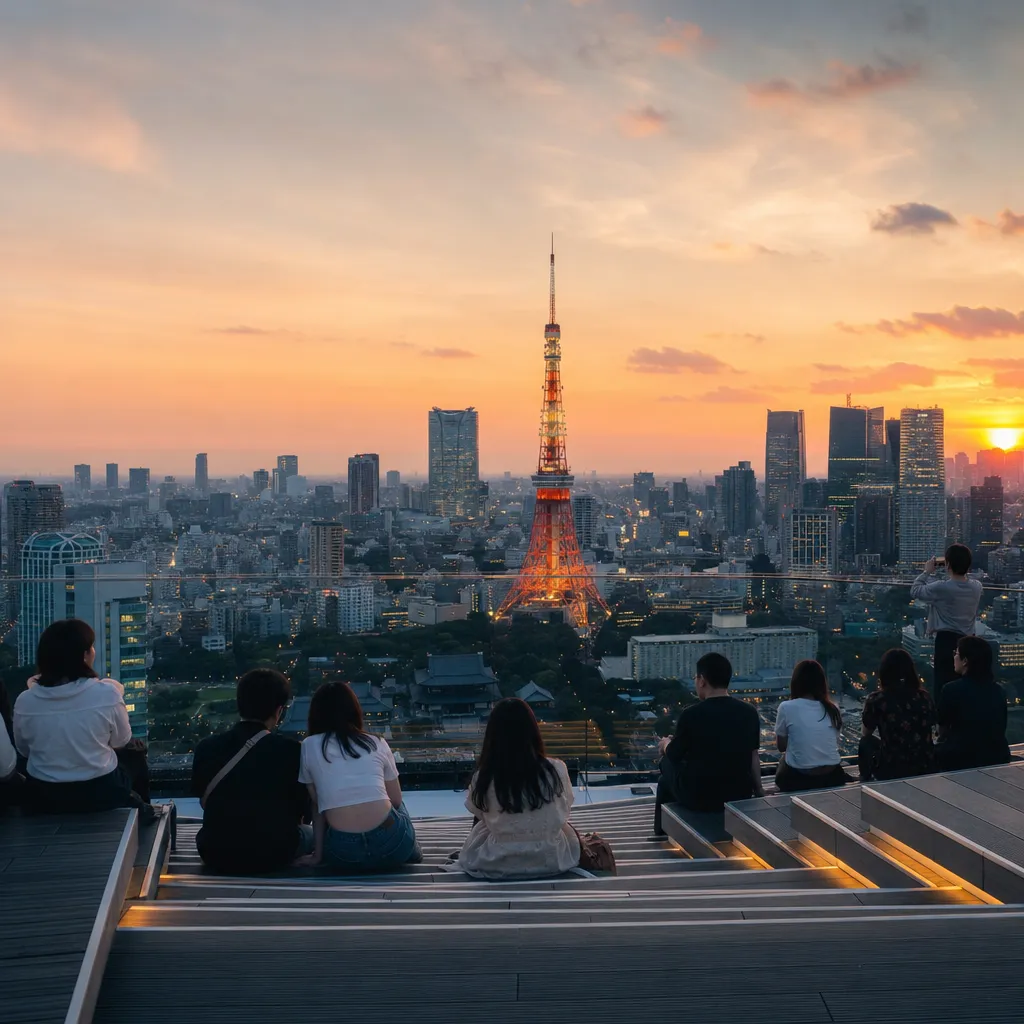
In Shinjuku, the Tokyo Metropolitan Government Building is one of the classic free city viewpoints. It is practical for travelers who want skyline views without paying for a premium tower. Visibility changes with weather and time of day, so clear afternoons and evenings are usually the most rewarding.
Imperial Palace East Gardens
The East Gardens, in the Marunouchi and Otemachi side of central Tokyo, are a peaceful option near Tokyo Station. They are better for a relaxed walk than for flashy sightseeing, and they pair well with free architectural wandering in Marunouchi.
Best Paid Attractions for Budget Travelers
When you do spend money on attractions, choose places with clear value rather than buying tickets every day.
- Tokyo National Museum: In Ueno Park, this is one of the smartest paid visits for travelers interested in Japanese art, history, and cultural context. It suits half-day visits and rewards slow looking.
- National Museum of Nature and Science: Also in Ueno, this is especially good for families, science-minded travelers, and rainy days.
- Edo-Tokyo Open Air Architectural Museum: In Koganei, farther west of central Tokyo, this open-air museum is worth the trip if you are interested in architecture and urban history. Because it is outside the central core, it works best as a dedicated half-day outing.
- teamLab Planets TOKYO: In Toyosu, this is not a budget attraction in itself, but it can be worth including if you want one high-impact contemporary experience. Advance booking is often wise.
If you are trying to control spending, avoid stacking multiple major ticketed attractions in the same day. Pair one museum with a park, shrine, neighborhood walk, or inexpensive food district.
Cheap Views, Walks, and Neighborhood Days
One of the best ways to save money is to treat the city itself as the attraction. A neighborhood day can be richer than an expensive itinerary.
Yanaka
Yanaka, in Taito City, is one of the most pleasant low-cost walking areas. Around Nippori or Sendagi access points, you get residential lanes, small temples, local shops, and a slower pace than major tourist districts. It suits photographers, solo travelers, and anyone who prefers wandering to shopping malls.
Kappabashi
Between Ueno and Asakusa, Kappabashi is famous for kitchenware and restaurant-supply stores. You do not need to buy anything for the area to be interesting. It is especially good if you enjoy food culture, ceramics, or practical souvenirs.
Marunouchi to Ginza on foot
If you want a more polished city walk, starting around Tokyo Station and moving through Marunouchi toward Ginza gives you architecture, department stores, and commercial streets without requiring admission fees. Budget travelers may not shop much here, but the walk itself is rewarding.
Transport Tips That Save Money
Tokyo transport is excellent, but budget travelers should keep it simple. Overusing taxis or zigzagging across the city can make a cheap trip expensive.
- Group sights by area: For example, pair Ueno with Yanaka, Asakusa with Kappabashi, or Harajuku with Shibuya.
- Use IC cards: Suica or Pasmo keeps travel straightforward, even if you are not using a special pass.
- Compare day passes with your actual route: They help most when you are making multiple rides on the same network.
- Walk between nearby districts: In central areas, walking can be more efficient than one-stop train rides.
- Check airport routes in advance: The cheapest route is not always the easiest with luggage.
Late-night transport matters too. If you stay out after the last trains, the money saved elsewhere can disappear into a taxi fare. For nightlife, it is often smarter to stay in or near the district where you expect to be out late.
Sample Budget Day Plans
Classic east-side day
Start in Ueno with a simple breakfast or coffee, walk through Ueno Park, visit one museum if it interests you, eat around Ameyoko, then head to Asakusa for Senso-ji and an evening riverside walk. This is easy, varied, and efficient.
Low-cost culture day
Visit Meiji Jingu in the morning, walk through Omotesando to enjoy architecture without shopping pressure, continue to Shibuya on foot, and finish with a free observation deck or an inexpensive dinner in a backstreet area rather than on a landmark avenue.
Slow neighborhood day
Spend a morning in Yanaka, browse local shops, stop at a café, continue toward Nippori or Sendagi, and keep the rest of the day open. This works especially well if your trip already includes several busy, high-traffic districts.
FAQ
What area of Tokyo is best for budget travelers?
For many visitors, Asakusa and Ueno are the easiest starting points because they combine relatively practical accommodation, inexpensive food, and worthwhile sightseeing. Ikebukuro and Kanda are also strong options if transport access matters most.
How much should I budget per day in Tokyo?
It depends on accommodation and how many paid attractions you include. A careful traveler using budget lodging, simple meals, and mostly free sights can spend far less than someone doing premium dining and multiple ticketed experiences. Build your estimate around hotel cost first, then transport, then one or two flexible categories such as food and admissions.
Do I need restaurant reservations for budget dining?
Usually not for chain restaurants, standing eateries, casual ramen shops, or market-area meals. Reservations become more relevant for popular izakaya, trend-driven cafés, or specialty counters with limited seating.
Is public transport enough, or should I use taxis sometimes?
Public transport is usually enough. Taxis are most useful for very early or late hours, heavy luggage, or reaching a place with awkward transfers. For budget travel, trains and subways are normally the better choice.
Are free viewpoints worth it compared with paid towers?
Yes, especially if you simply want a broad city view. Places such as the Tokyo Metropolitan Government Building can give you a rewarding skyline experience without admission costs. Paid towers make more sense if the tower itself or a specific panorama is important to you.
Is Tokyo good for solo budget travelers?
Very much so. Solo dining is normal, transport is easy to use, and business hotels, hostels, and counter-service restaurants are well suited to independent travel.
What should I check before visiting budget attractions or museums?
Check current opening days, ticket policies, seasonal closures, and whether advance booking is recommended. This matters especially for museums, special exhibitions, and popular immersive attractions.
Sources
- GO TOKYO (Tokyo Convention & Visitors Bureau)
- Japan National Tourism Organization
- Tokyo Metro