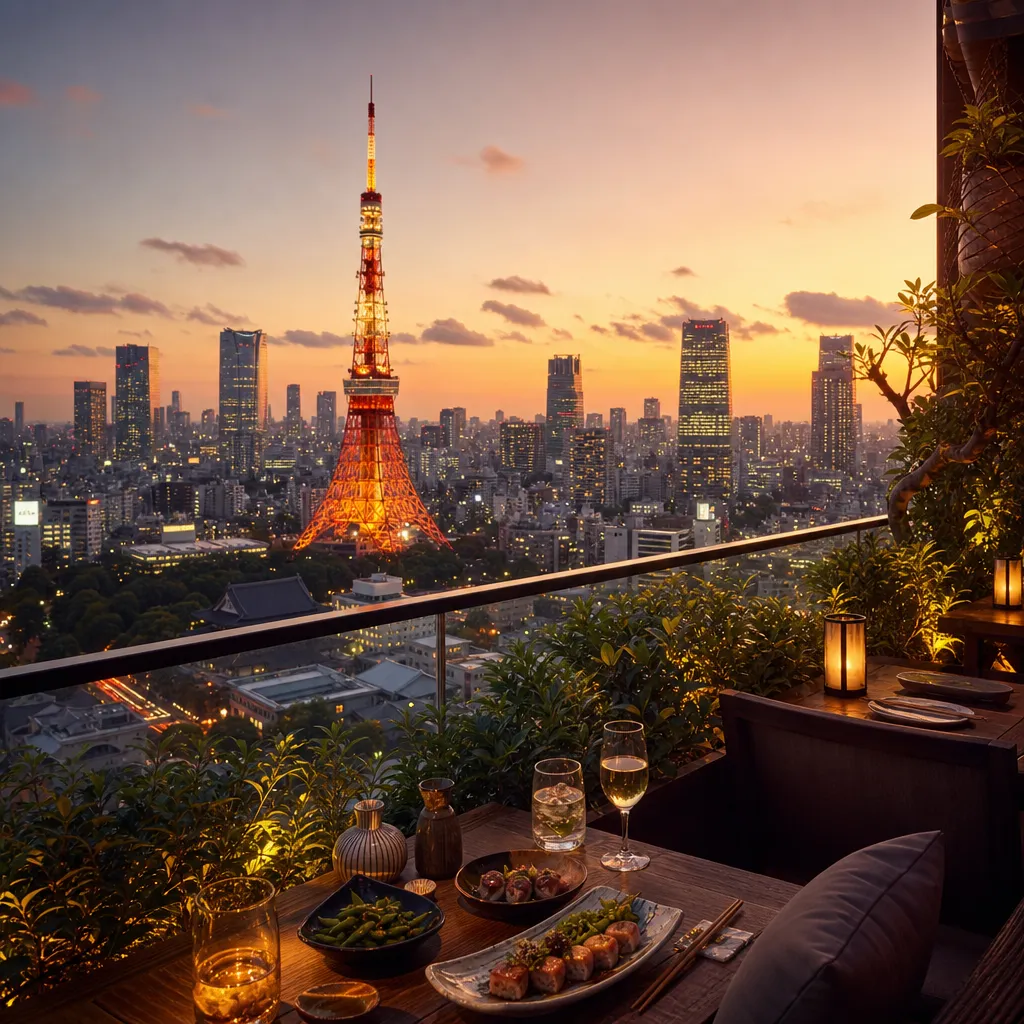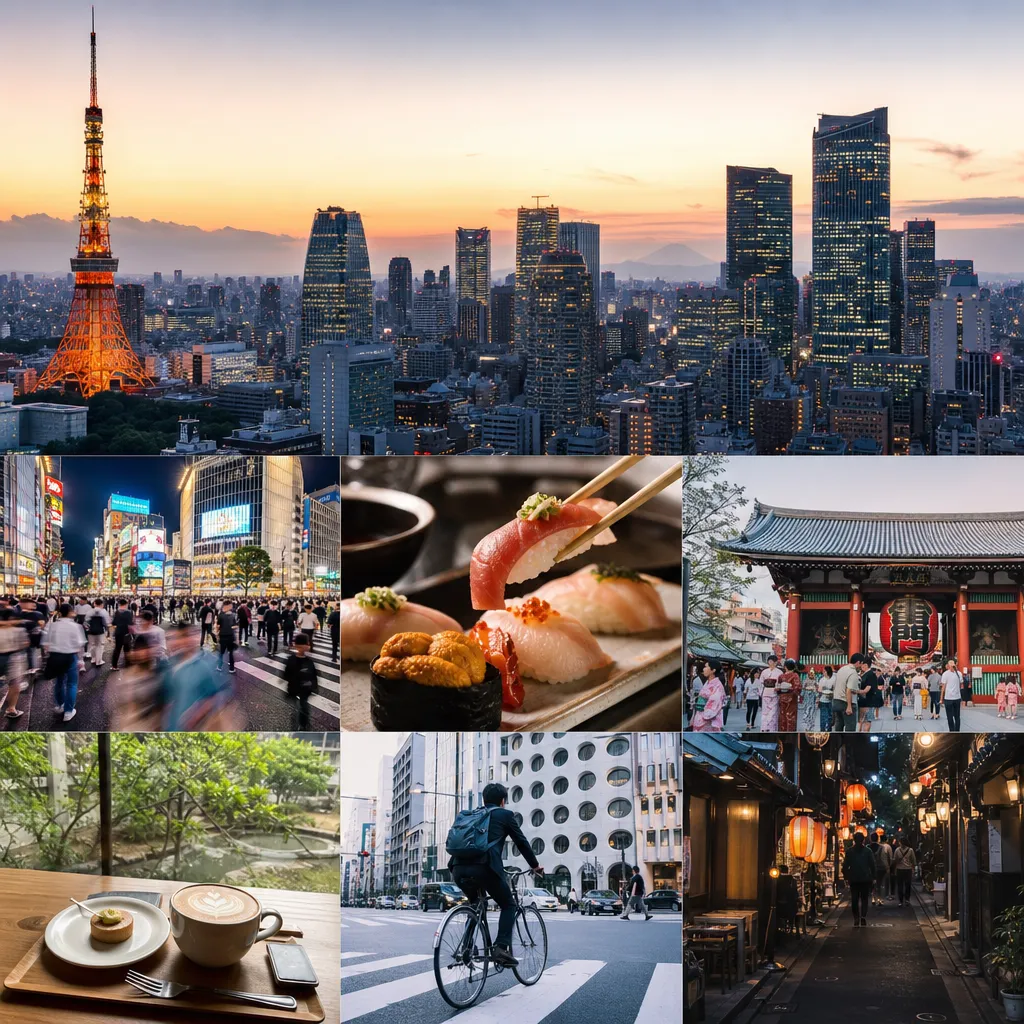
If you are trying to choose a short list of places that genuinely justify time in Tokyo, it helps to mix major landmarks with neighborhoods that show how the city actually works day to day. The most rewarding itinerary usually combines historic districts, contemporary architecture, museums, gardens, food streets, and at least one high viewpoint. Tokyo is large enough that location planning matters, so this guide focuses on places that are not only worthwhile but also practical to reach by train or subway. Rather than chasing every famous spot, it is smarter to group visits by area and visit at the right time of day.
Quick comparison table
| Place | Area | Type | Best For | Key Feature |
|---|---|---|---|---|
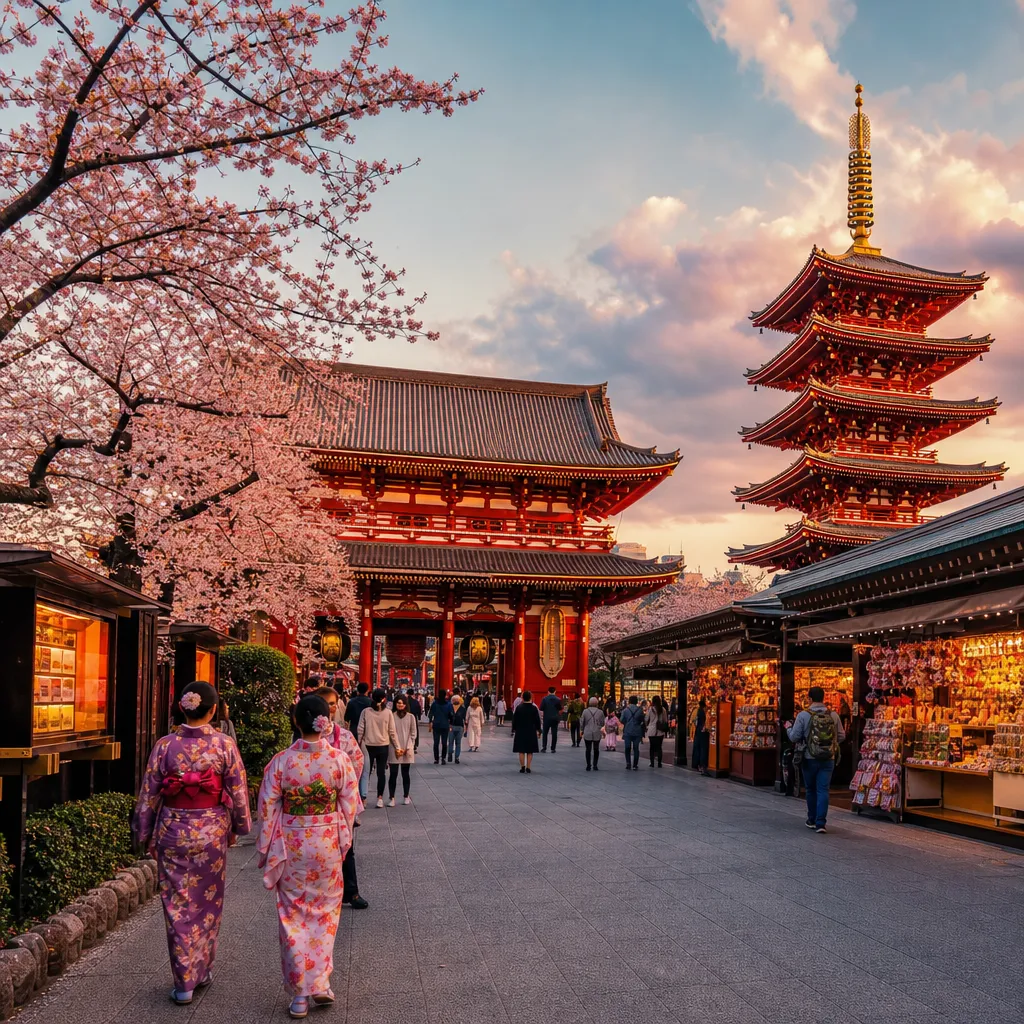
| Senso-ji | Asakusa, Taito | Temple district | First-time visitors, culture, street photography | Historic temple approach and classic downtown atmosphere |
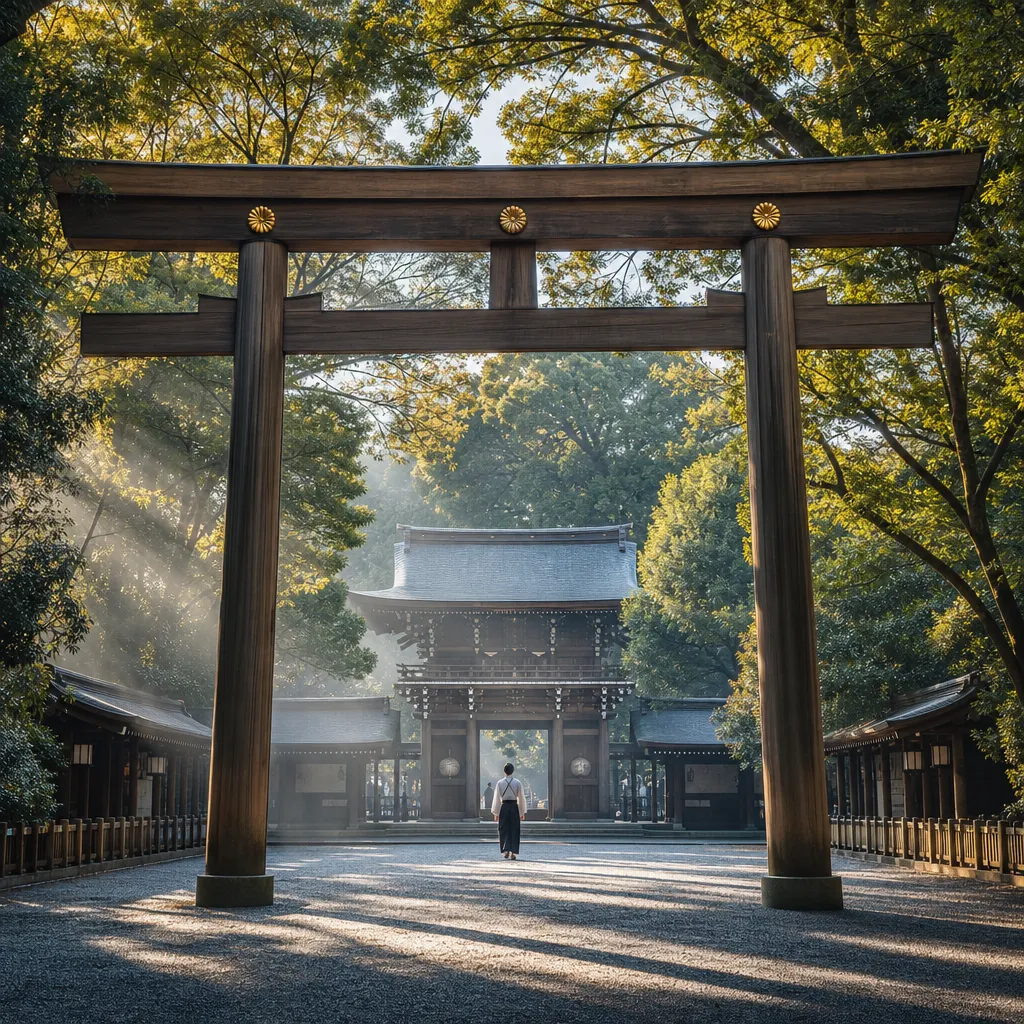
| Meiji Jingu | Shibuya ward, near Harajuku/Yoyogi | Shinto shrine | Quiet morning visits, cultural context | Large forested grounds in central Tokyo |
| Tokyo National Museum | Ueno, Taito | Museum | Art, history, rainy days | Best broad introduction to Japanese art and objects |
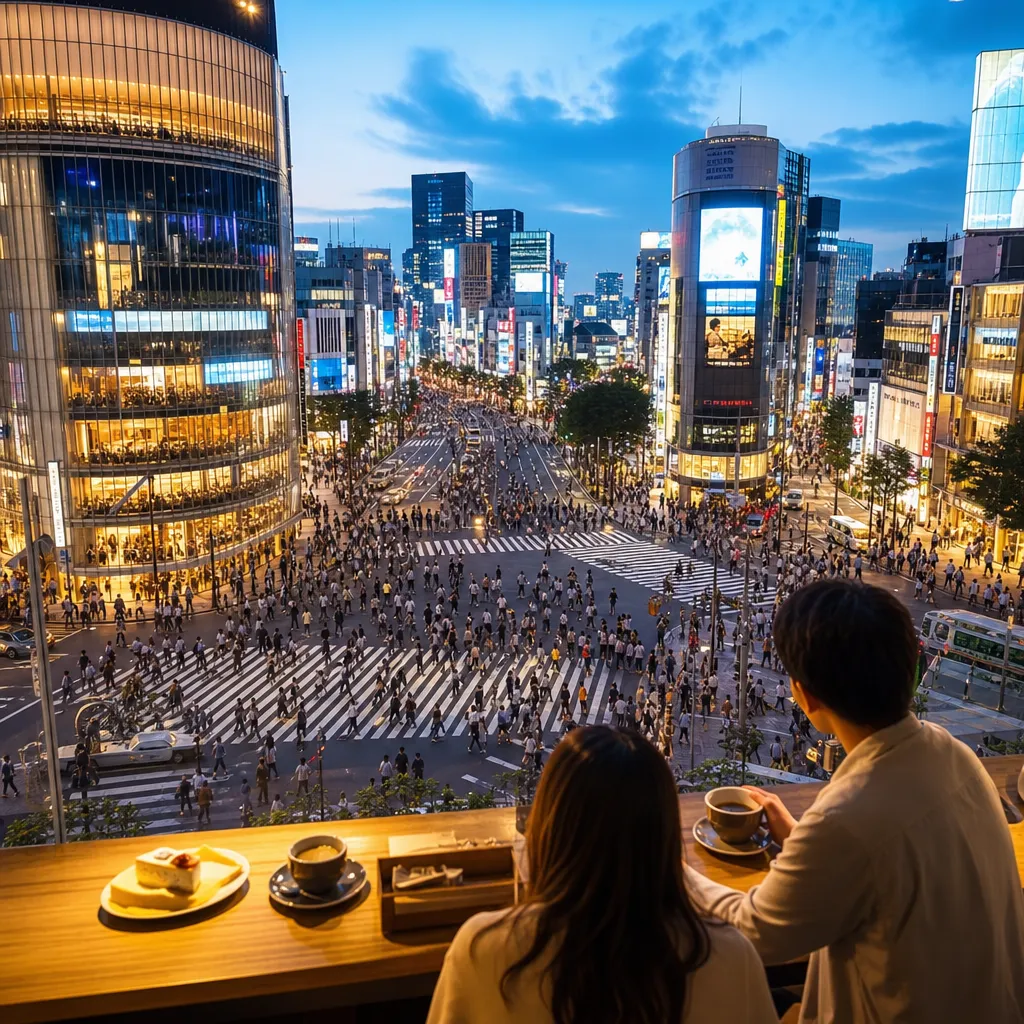
| Shibuya Scramble Crossing & Shibuya Sky | Shibuya | City view and streetscape | Night views, photography, urban energy | Strong contrast between street chaos and rooftop perspective |
| teamLab Planets TOKYO DMM | Toyosu, Koto | Immersive digital art | Indoor activity, contemporary art, couples | Interactive installations designed around movement and space |
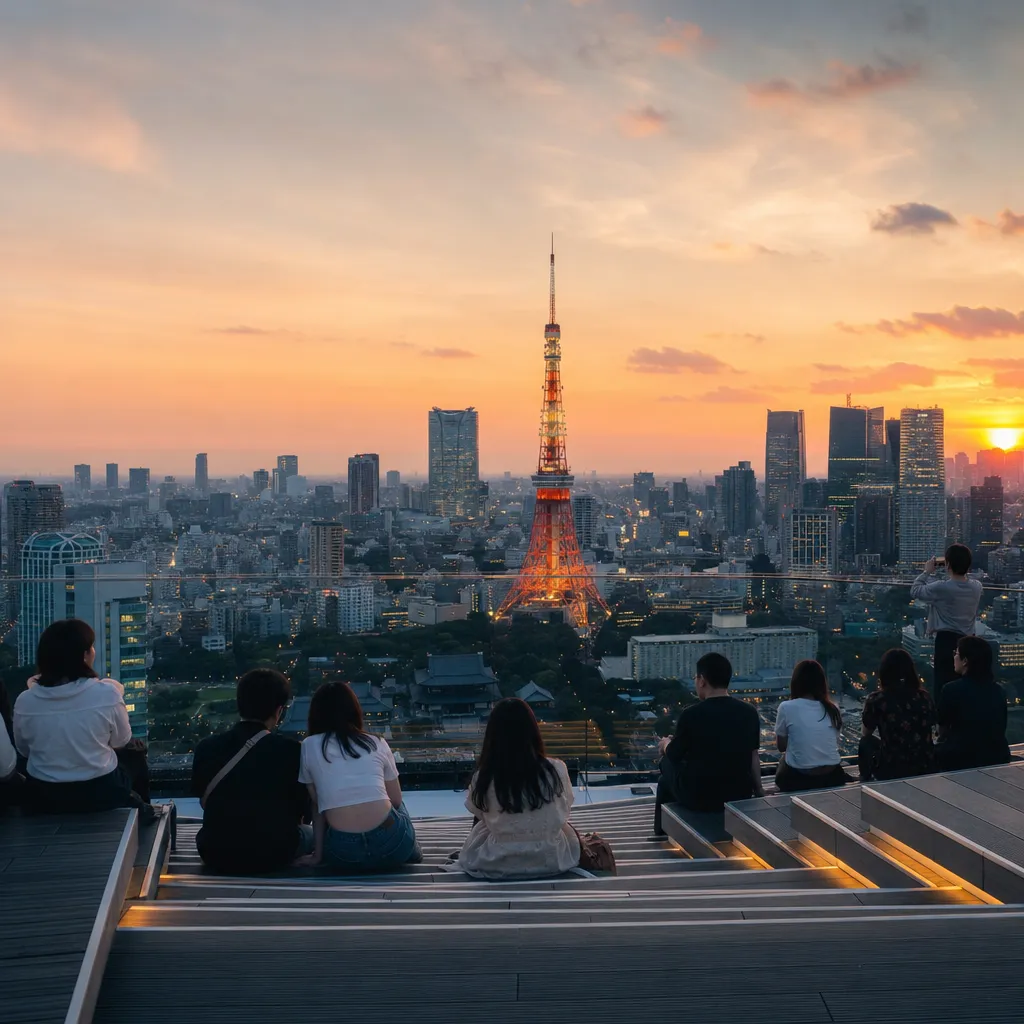
| Tokyo Skytree area | Oshiage, Sumida | Viewpoint and complex | Families, skyline views, evening visits | Very wide panoramic view over eastern Tokyo |
| Imperial Palace East Gardens | Chiyoda | Garden and historic grounds | Walks, history, central base sightseeing | Castle remnants and green space near Tokyo Station |
| Ginza | Chuo | Shopping and architecture district | Department stores, food halls, design | Polished streetscape with major retail and dining options |
Senso-ji and the wider Asakusa district
Senso-ji, in Asakusa in Taito ward, is the obvious historic starting point for many visitors, but it remains worth seeing because the larger district still feels distinct from western Tokyo’s commercial centers. The temple is approached through Kaminarimon and Nakamise, a traditional shopping street that can be very crowded in the middle of the day.
This area works best for travelers who want a first look at older-style Tokyo streets, temple architecture, snack stalls, and riverside walks. Morning is the most comfortable time if you want cleaner photos and a calmer atmosphere before tour groups build up.
The nearest access point for most visitors is Asakusa Station, served by several lines. From there, you can also continue on foot toward the Sumida River or combine the visit with Kappabashi, the kitchenware district, if you are interested in Japanese knives, tableware, or restaurant supply culture.
Remember that Senso-ji is a Buddhist temple, so basic etiquette matters: avoid blocking worshippers, be respectful near incense and prayer areas, and keep voices down in the main hall zone.
Meiji Jingu and the Harajuku–Omotesando contrast
Meiji Jingu sits in a large wooded precinct in Shibuya ward, close to Harajuku Station and also convenient from the Yoyogi side. It is one of the easiest places in central Tokyo to understand the difference between shrine space and the surrounding city. The approach, with long gravel paths and towering trees, creates a sense of separation from nearby commercial streets.
This is a Shinto shrine, not a temple, and the experience is less about dense ornament and more about ritual space, gates, and approach. It suits early risers, travelers interested in Japanese religious culture, and anyone who needs a pause from crowded shopping districts.
A practical strategy is to visit Meiji Jingu in the morning, then move into Harajuku or Omotesando afterward. Harajuku around Takeshita Street is busy, youth-oriented, and often crowded; Omotesando is broader, more design-focused, and stronger for architecture, flagship stores, and cafés.
Photography is straightforward on the approach paths, but as always, be discreet around active worship. If you are lucky, you may witness part of a ceremonial event, though schedules and access vary.
Ueno Park and the Tokyo National Museum
For visitors who want one place that combines culture, green space, and practical transport access, Ueno is hard to beat. Ueno Park, in Taito ward near Ueno Station, contains several important museums as well as open-air paths, seasonal greenery, and a more relaxed daytime rhythm than the major shopping hubs.
The standout for most international visitors is the Tokyo National Museum. It is the best general museum in the city for understanding Japanese art, archaeology, Buddhist sculpture, screens, ceramics, armor, and historical objects in one institution. If you only have time for one major museum, this is usually the strongest choice.
This area works well on rainy days and also for travelers who prefer structured sightseeing to neighborhood wandering. It suits solo travelers, couples, older visitors, and families with older children who can handle galleries calmly.
Do not try to rush too much into one visit. Ueno Park’s scale and museum density make it easy to overload your schedule. It is usually better to focus on one museum and leave time for a walk through the park and nearby food options around Ueno Station or Ameyoko.
Shibuya Scramble Crossing and Shibuya Sky
Shibuya is one of the clearest expressions of contemporary Tokyo: dense pedestrian movement, giant screens, rail infrastructure, and constant commercial energy. The crossing outside Shibuya Station is famous, but it is not a full sightseeing stop by itself. What makes the area worthwhile is combining the street-level experience with a high view.
Shibuya Sky, on top of the Shibuya Scramble Square complex, is one of the city’s most practical viewpoints because it places you directly above one of Tokyo’s busiest districts. It is especially strong near sunset and after dark, when the city grid becomes more legible and the contrast between rooftops and street traffic is strongest.
This stop suits photographers, first-time visitors, couples, and anyone who wants that modern urban Tokyo feeling. Because the observation deck is popular, advance booking is often wise when available, especially for sunset time slots.
At street level, the area around Center-gai and surrounding roads is busy well into the evening. If crowds are stressful, come earlier in the day. If your interest is nightlife-adjacent people-watching rather than clubs or bars themselves, early evening is ideal.
Tokyo Skytree and the Sumida riverside side of the city
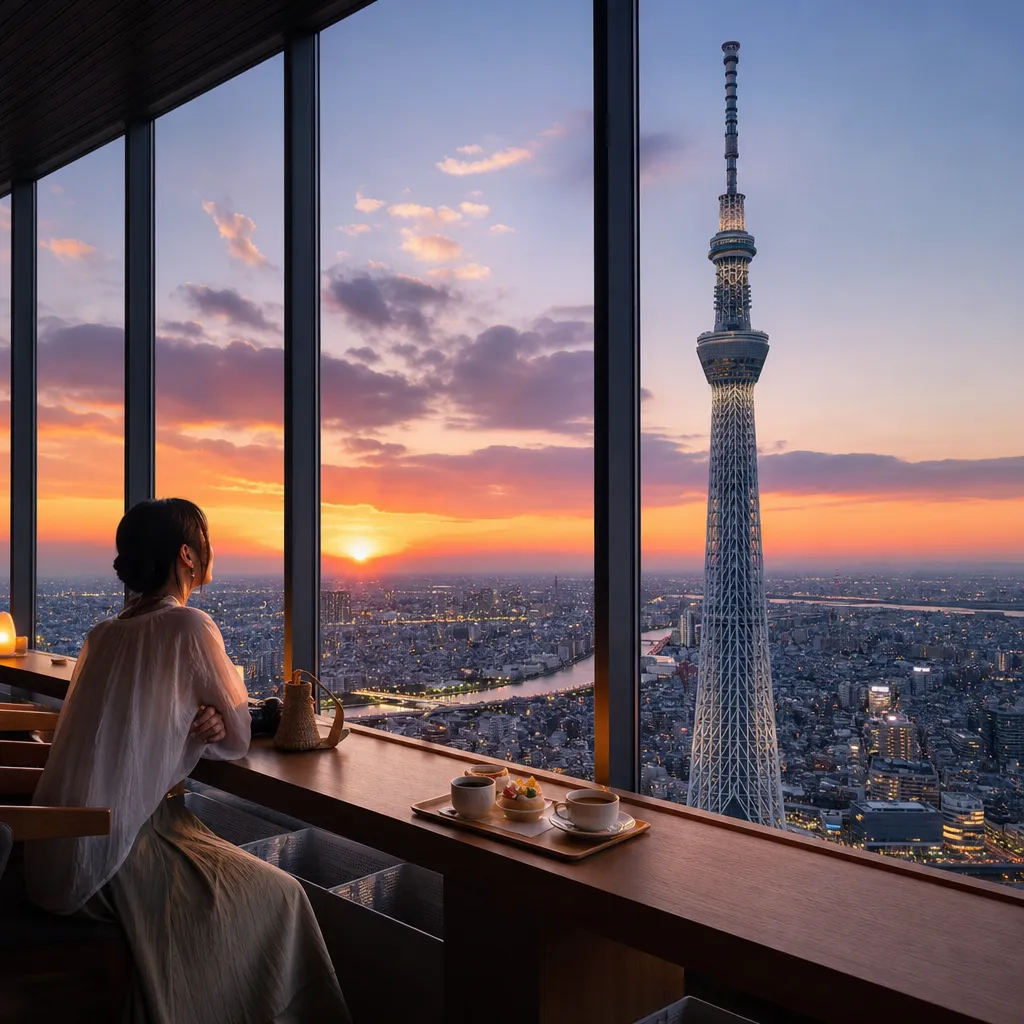
In Oshiage in Sumida ward, Tokyo Skytree is the most prominent landmark on the eastern side of the city. Even travelers who do not usually prioritize towers may find it useful because the surrounding area is easy to navigate and combines a major viewpoint with shopping, dining, and access to nearby traditional districts.
The observatories offer a broad panorama over eastern Tokyo, with the city stretching in a way that helps visitors understand just how extensive the metropolis is. Visibility depends on weather, so clearer days are naturally better, but evening also works well for city lights.
The area is family-friendly compared with some busier nightlife districts, and it is practical for travelers staying near Asakusa or on the east side. It combines naturally with Senso-ji, the Sumida River area, or a cruise if that fits your itinerary.
If you want exterior photos of the tower rather than the view from it, the neighboring streets and riverside perspectives can be more rewarding than going straight inside. Check current ticketing and entry conditions in advance if the observatory is a priority.
Imperial Palace East Gardens and Marunouchi
Near Tokyo Station in Chiyoda, the Imperial Palace East Gardens provide one of the easiest central walks for visitors who want greenery without leaving the core city. These gardens occupy part of the former Edo Castle area and are most rewarding for travelers interested in urban history, stone walls, gates, and open space rather than floral spectacle alone.
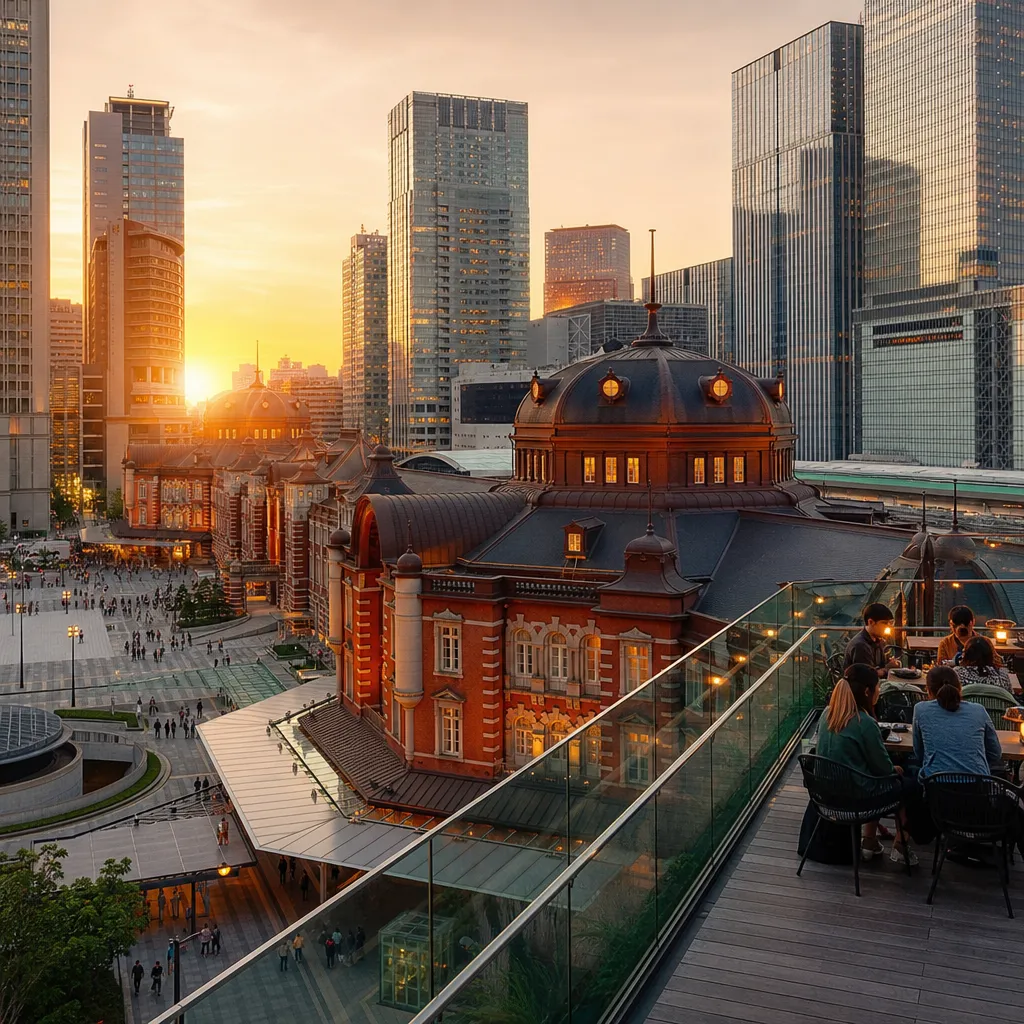
This is a strong daylight stop before or after exploring Marunouchi, the polished business and shopping district on the west side of Tokyo Station. Marunouchi is worth attention for its brick station building, wide avenues, and a more orderly cityscape compared with the intensity of Shinjuku or Shibuya.
The East Gardens suit walkers, couples, and travelers with limited time who are staying near Tokyo Station, Ginza, or Nihombashi. They are less suitable as a rainy-day activity and not ideal if your main interest is nightlife or shopping.
Because this is part of a historically and politically important zone, follow posted guidance carefully. Seasonal conditions matter: summer afternoons can be hot and exposed, while spring and autumn are generally more comfortable.
Ginza for department stores, food halls, and urban polish
Ginza, in Chuo ward, is one of the best places to experience Tokyo through shopping, architecture, and food rather than monuments. It is not only for luxury buyers. Even if you are not planning major purchases, the district is useful for department store basements, careful urban design, flagship buildings, stationery, sweets, and refined browsing.
Major department stores and commercial buildings around Ginza Station and nearby Yurakucho offer food halls that are particularly helpful for travelers who want high-quality takeaway meals, sweets, or gifts without committing to a full restaurant booking. This can be one of the easiest ways to sample polished everyday food culture.
Ginza suits visitors who enjoy retail observation, design, and a more composed atmosphere. It is especially convenient in bad weather because so much of the district is structured around large buildings and underground access.
The area differs from Shibuya or Harajuku by feeling more formal and less youth-driven. Evening works well for lit-up streets and dinner, while afternoons work better if your focus is shopping and architecture.
teamLab Planets TOKYO DMM in Toyosu
For a contemporary indoor experience that is very different from Tokyo’s historical sites, teamLab Planets TOKYO DMM in Toyosu, Koto ward, remains one of the city’s most distinctive art attractions. It is built around immersive digital installations that involve walking through dark spaces, reflective surfaces, water elements, and light-driven environments.
This is not a conventional museum with framed objects and wall labels. It is better understood as a choreographed sensory experience. It is a strong choice for couples, groups of friends, and travelers who want a visually memorable indoor activity.
Because the visit involves movement through the installations, practical clothing matters. You should expect to remove shoes in some areas and follow the venue’s instructions carefully. Booking ahead is often sensible because timed entry is common for popular immersive attractions.
Toyosu is farther from some classic sightseeing districts than places like Ueno or Asakusa, but it can be combined with the bay area if you want a more contemporary side of the city.
How to group these places into a realistic itinerary
The biggest planning mistake in Tokyo is crossing the city too many times in one day. These places work better when grouped geographically.
- East side day: Senso-ji, nearby Asakusa streets, then Tokyo Skytree in Oshiage.
- North-central cultural day: Ueno Park and the Tokyo National Museum, possibly followed by Ameyoko.
- West side day: Meiji Jingu, then Harajuku or Omotesando, finishing in Shibuya and Shibuya Sky.
- Central day: Imperial Palace East Gardens, Tokyo Station area, then Ginza for dinner or department store food halls.
- Indoor contemporary day: teamLab Planets TOKYO DMM with other bay-area sightseeing if desired.
If you only have two or three days, do not try to do everything. One historic district, one museum, one major viewpoint, and one modern neighborhood usually create a more memorable trip than checking off landmarks too quickly.
Practical tips before you go
- Start temples, shrines, and gardens early: mornings are generally calmer and better for photos.
- Book popular viewpoints and immersive attractions ahead when possible: sunset slots and weekends are especially in demand.
- Use stations as planning anchors: Tokyo Station, Ueno Station, Shibuya Station, Harajuku Station, Asakusa Station, and Oshiage are more useful than vague map pins.
- Keep neighborhood energy in mind: Ginza is polished, Asakusa is traditional, Shibuya is fast-paced, Ueno is practical, and Toyosu is contemporary and more spacious.
- Check current operating information: observation decks, museums, and special-entry attractions can change ticketing or reservation systems.
What area of Tokyo is best for first-time visitors?
If you want the broadest introduction, split your time between the east side and west side. Asakusa and Ueno give you history and museums, while Shibuya, Harajuku, and Omotesando show modern city life.
Do I need reservations for these places?
For shrines, temples, gardens, and most district walks, no. For major observation decks and immersive attractions such as Shibuya Sky or teamLab Planets, advance booking is often the safer choice.
Which places are best in the evening?
Shibuya and Tokyo Skytree work well after dark, especially for views and illuminated streets. Ginza is also pleasant in the evening if your interest is dining, shopping, or seeing the district lit up.
Which places are most suitable for families?
Asakusa, Ueno Park, Tokyo Skytree, and teamLab Planets are usually the easiest picks. teamLab Planets is especially appealing for children and teenagers, though families should check current visit rules and physical considerations.
Are these places manageable without speaking Japanese?
Yes. All of these are major visitor areas with strong transport access and generally enough English support for independent travel, though it still helps to have place names saved on your phone in advance.
What should I prioritize on a rainy day?
The Tokyo National Museum, department stores and food halls in Ginza, and teamLab Planets are the strongest rain-proof options in this list. Outdoor shrine and garden visits are still possible, but less rewarding in heavy rain.
When is the best time for photography?
Early morning is best for Asakusa and Meiji Jingu if you want fewer people. Late afternoon into blue hour is best for Shibuya Sky and many city-view shots.
What should I check before visiting?
Check current admission systems, temporary closures, and weather conditions for viewpoints. For museums, also check whether any galleries are temporarily unavailable on the day you plan to visit.
Sources
- GO TOKYO (Tokyo Convention & Visitors Bureau)
- Japan National Tourism Organization
- Official websites of Tokyo National Museum, Meiji Jingu, Senso-ji, Tokyo Skytree, and SHIBUYA SKY