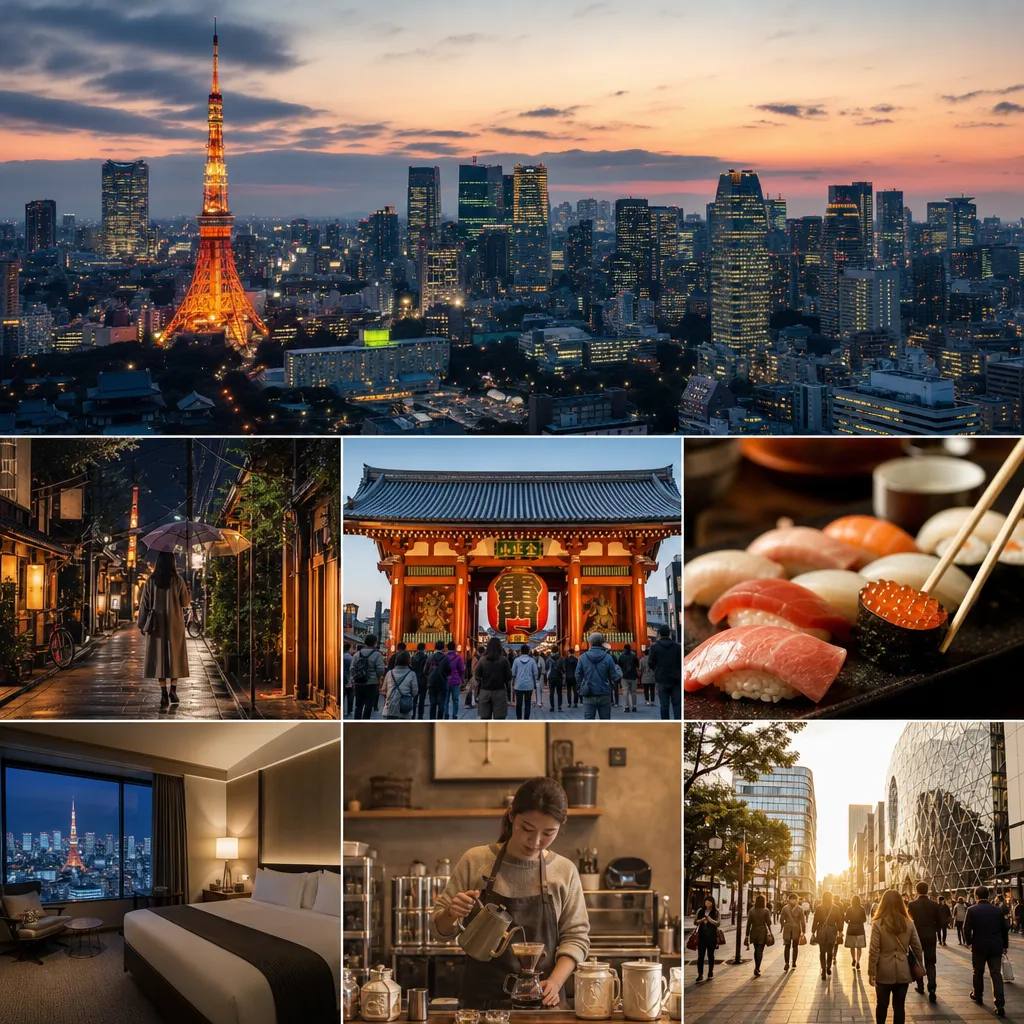
A Tokyo trip can be surprisingly flexible: you can spend very little if you lean on rail passes, business hotels, convenience-store breakfasts, and free sights, or you can spend heavily on luxury stays, tasting menus, and late-night taxi rides. For most visitors, the real challenge is not whether the city is expensive, but where the money goes. Neighborhood choice, transport habits, and how often you book popular restaurants affect the budget more than many first-time travelers expect. This guide breaks down realistic cost patterns so you can plan by travel style, not guesswork.
Tokyo is spread out, but public transport is efficient enough that you do not need to stay in the most famous districts to enjoy the city. Areas around major stations such as Ueno, Asakusa, Shinagawa, Ikebukuro, and parts of eastern Tokyo often help control lodging costs while keeping sightseeing practical. Central districts like Ginza, Shibuya, Shinjuku, and Roppongi usually push hotel and dining budgets higher, especially on weekends and during peak seasons such as cherry blossom and autumn foliage periods.
Prices and policies change, so think of the figures below as planning ranges rather than guarantees. They are most useful for comparing travel styles: budget, mid-range, and comfort-focused.
What a Tokyo trip usually costs
The simplest way to estimate your spending is by day. Accommodation is usually the largest variable, followed by food. Transport inside the city is often manageable if you group your sightseeing by area rather than crossing the city repeatedly.
| Travel Style | Typical Daily Range | Best For | What It Usually Includes |
|---|---|---|---|
| Budget | Roughly ¥8,000–¥15,000 per person | Solo travelers, backpackers, short city breaks | Hostel or simple business hotel, inexpensive meals, rail/subway travel, mostly free or low-cost sights |
| Mid-range | Roughly ¥15,000–¥30,000 per person | Most couples, friends, first-time visitors | Comfortable hotel, mix of casual and nicer meals, museum visits, moderate shopping, efficient transport |
| Comfort / Higher-end | ¥30,000+ per person | Special trips, food-focused itineraries, luxury stays | Upscale hotel, destination dining, bars, taxis, premium shopping, more paid attractions |
If you are visiting as a couple and sharing a room, the per-person cost can drop significantly compared with solo travel. Families often save on per-person lodging if children share rooms, but attraction, transport, and food costs can rise fast depending on ages and itinerary style.
Accommodation: the biggest budget decision
Where you stay matters as much as what kind of hotel you book. In central Tokyo, rooms near major hubs like Shibuya Station, Shinjuku Station, Tokyo Station, or the Ginza area tend to cost more because they are convenient for shopping, nightlife, and intercity connections. These areas suit travelers who want to be out late and back quickly without worrying about last trains.
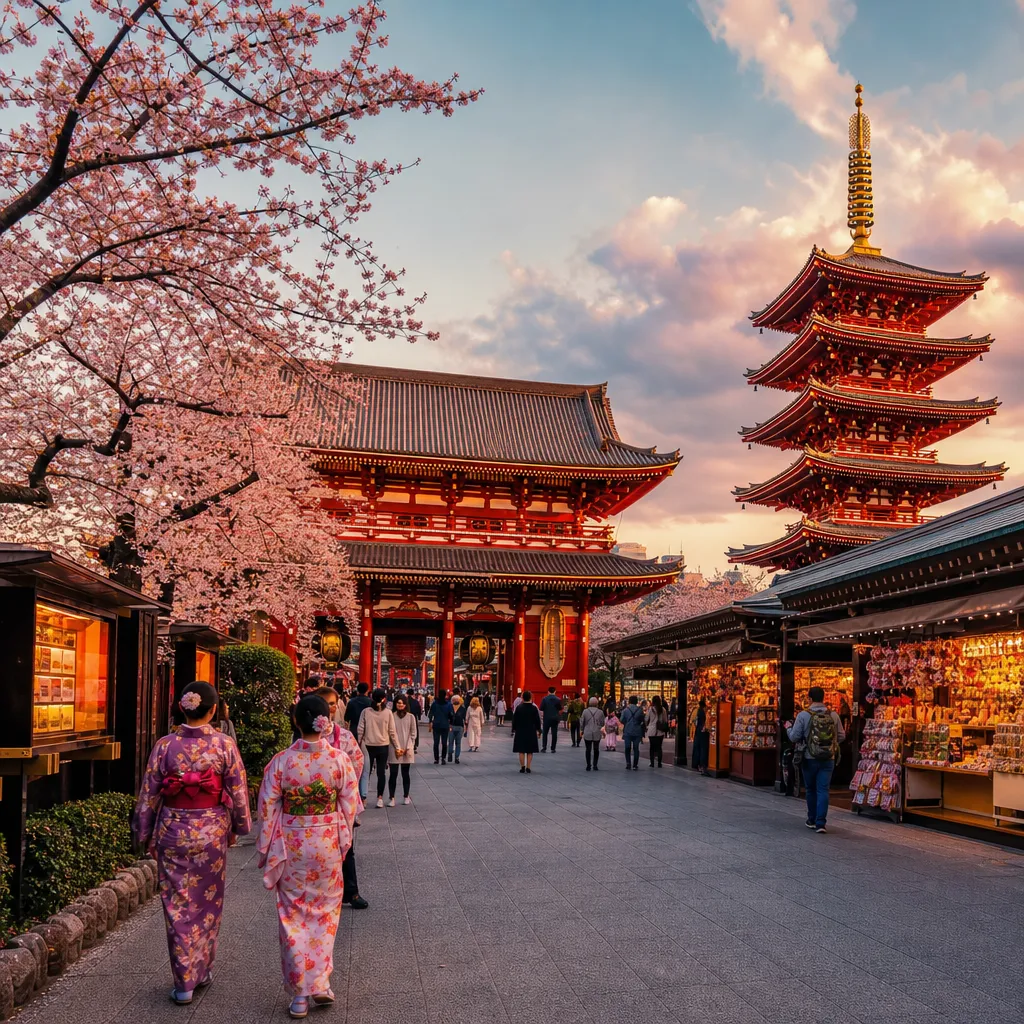
For better value, look at Ueno and Okachimachi in Taito ward, the wider Asakusa district, Ikebukuro in Toshima ward, or around Shinagawa. Ueno is especially practical for museum visits, airport access via Keisei services from nearby areas, and easy movement around the northeast side of the city. Asakusa has a more traditional atmosphere and is attractive for visitors who want temple surroundings early in the morning or after day-trippers leave.
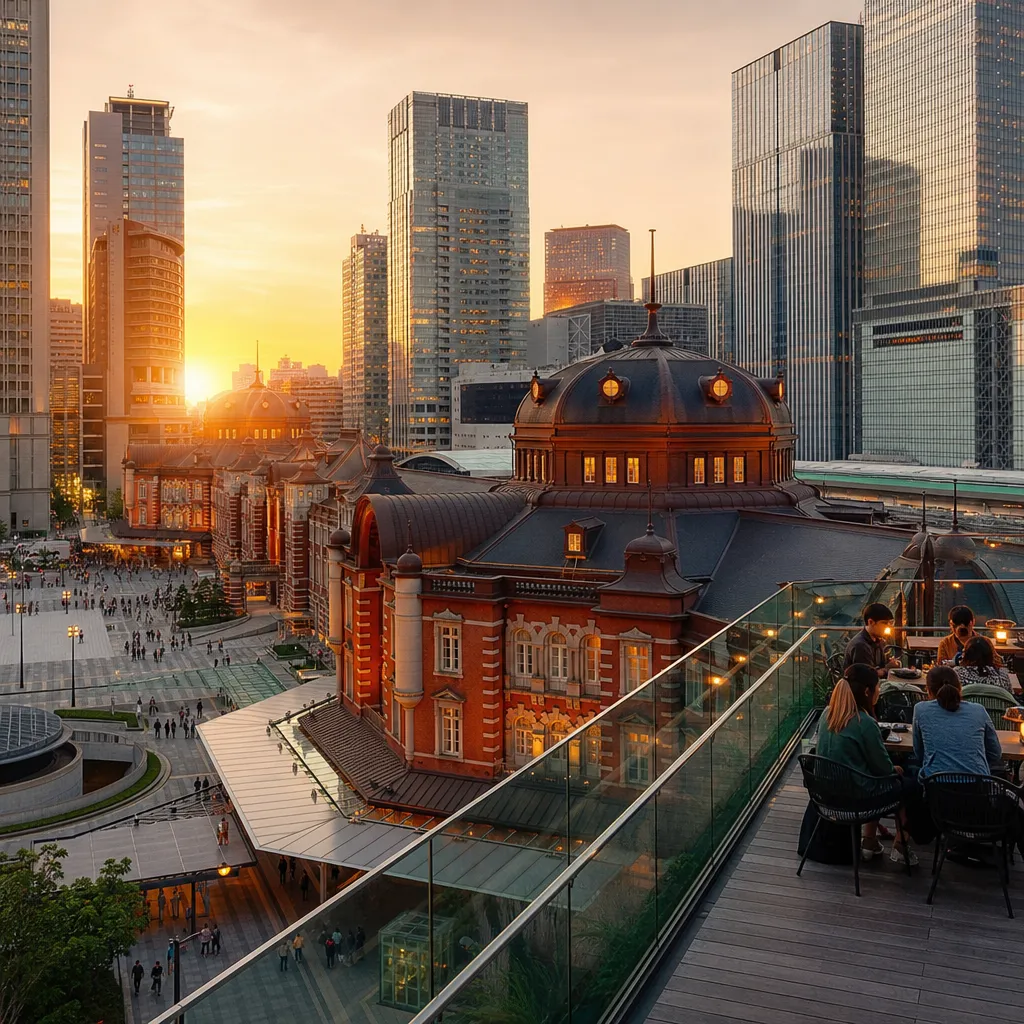
Business hotels are often the key mid-budget option: private rooms, compact layouts, reliable cleanliness, and useful station access. Hostels, capsule-style properties, and very small budget hotels can lower costs further, especially in areas such as Asakusa, Ueno, and parts of eastern Tokyo. At the higher end, districts like Marunouchi, Ginza, Otemachi, and parts of Roppongi and Toranomon tend to be associated with luxury inventory.
Seasonality is important. Prices often rise during cherry blossom season, Golden Week, summer school holidays, major event periods, and autumn foliage weekends. Booking earlier usually matters more in Tokyo than trying to hunt for last-minute bargains.
Food costs: easy to control if you mix your meals
Tokyo can be one of the easiest major cities to eat well on a moderate budget. You do not need to book famous sushi counters to enjoy the food scene. A cost-effective strategy is to mix inexpensive everyday meals with one or two more memorable splurges.
Breakfast can be very affordable if you use bakeries, coffee chains, kissaten-style cafés, or convenience stores. Department store food halls in places like Ginza, Shinjuku, Nihombashi, and Ikebukuro can also be useful for takeaway meals, though some premium counters are expensive.
For lunch, set meals are one of the best values in the city. Tonkatsu shops, soba specialists, curry chains, ramen shops, tempura counters, and casual sushi restaurants often offer lower lunch pricing than dinner. Office districts such as Marunouchi, Otemachi, Shinbashi, and Akasaka can be especially good for weekday lunch options, though some venues target the business crowd and may close earlier in the evening.
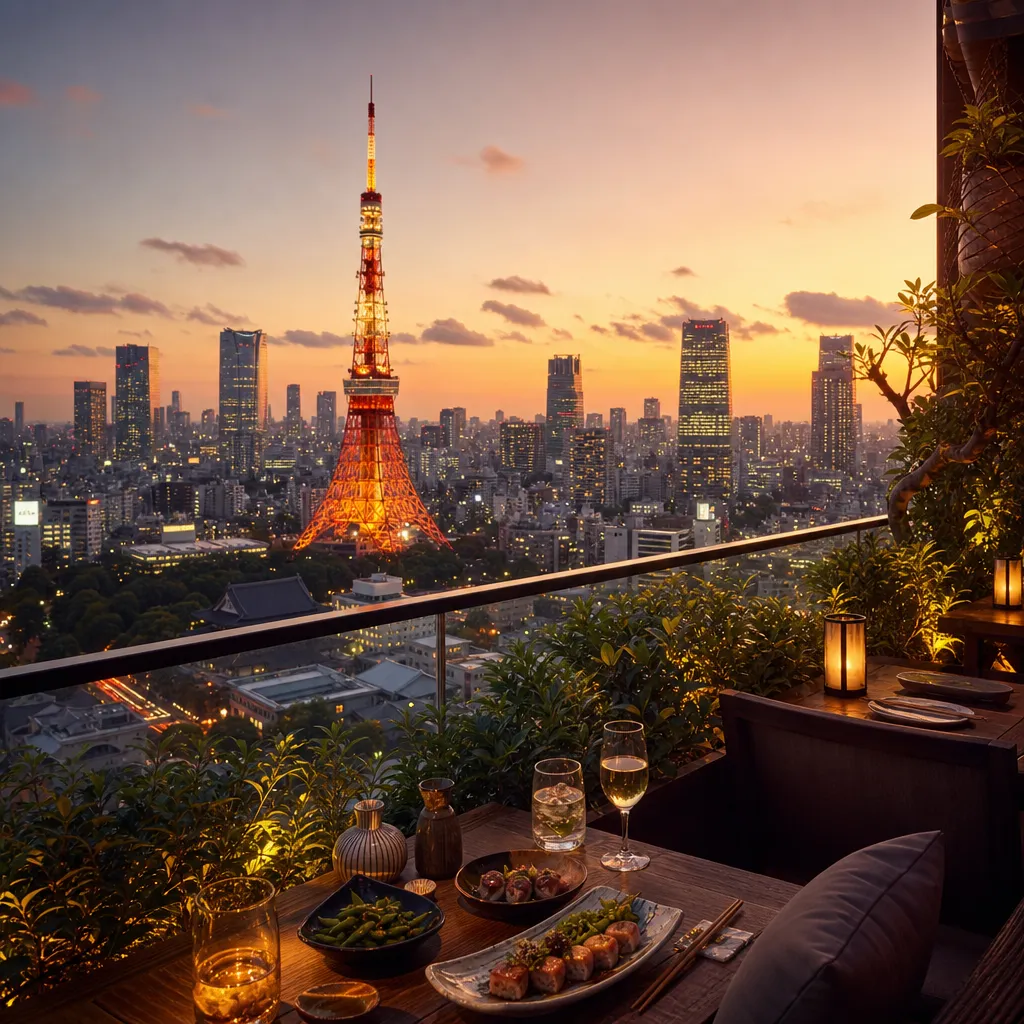
Dinner budgets vary much more. Yakitori in places like Omoide Yokocho near Shinjuku or traditional drinking areas around Yurakucho and Shinbashi can be moderate, but drinks add up. Sushi ranges from conveyor-belt chains and casual standing counters to high-end omakase experiences that can dominate an entire day’s budget. If dining is a priority, plan for it separately instead of treating it as ordinary daily spending.
Convenience stores are genuinely useful for keeping costs reasonable, especially for breakfast, snacks, drinks, and late-night food after trains stop feeling convenient. They are not a replacement for Tokyo’s dining scene, but they are a practical part of many smart itineraries.
Transport within the city
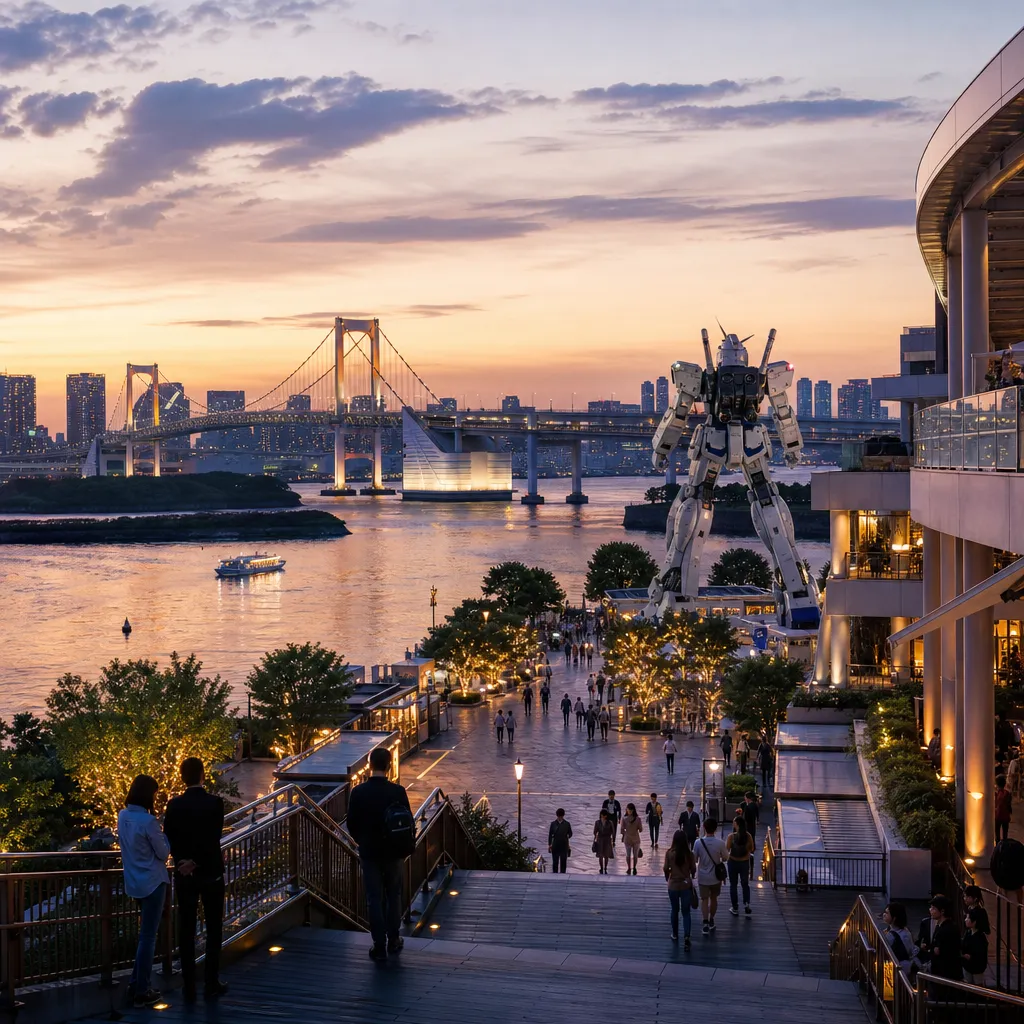
For most visitors, Tokyo transport costs are manageable rather than extreme. The city is large, but trains and subways usually cost far less than relying on taxis. The most common budgeting mistake is not daily rail spending itself, but unnecessary crisscrossing: Asakusa in the morning, Nakameguro for lunch, Odaiba in the afternoon, Shinjuku for dinner, and then a late return can cost both money and time.
Group nearby attractions together. For example, pair Ueno Park museums with Yanaka, combine Meiji Jingu with Harajuku and Omotesando, or visit Asakusa with nearby Sumida-side areas. This helps contain transport spending and makes days less tiring.
Airport transfers matter too. Narita is farther from central Tokyo than Haneda, so both cost and travel time are generally higher. If you are comparing flights, a cheaper airfare to Narita may not always be the cheapest overall option once transfer time and expense are included.
Taxis are helpful late at night, in bad weather, or for travelers with children or luggage, but they change the budget quickly. If you plan nightlife in Shibuya, Shinjuku, or Roppongi, it is usually cheaper to stay near a major rail connection or remain aware of last-train timing.
Sightseeing and activity costs
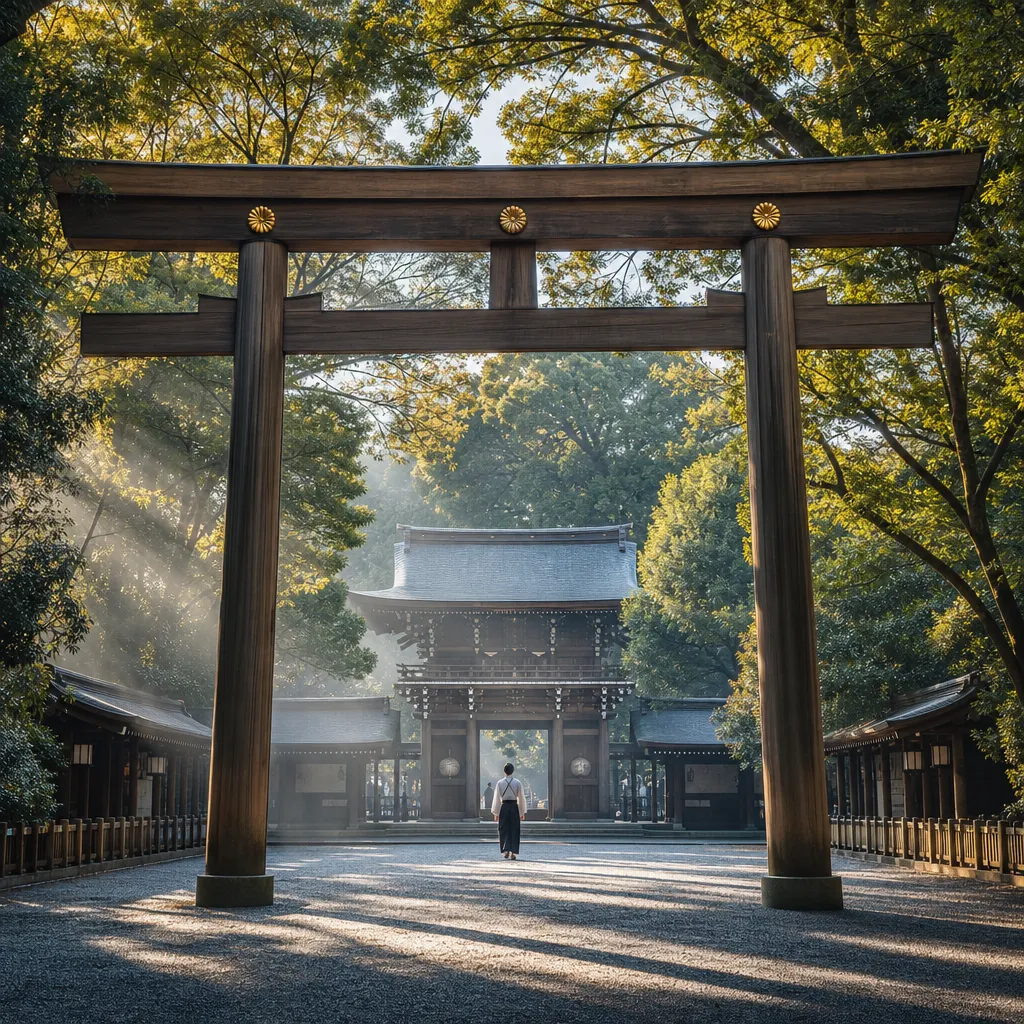
Tokyo is good for travelers who like free urban experiences. Many of the city’s most worthwhile places cost little or nothing to enter: Meiji Jingu in the Harajuku area, Senso-ji in Asakusa, the grounds around the Imperial Palace East Gardens, contemporary architecture walks in Omotesando, and neighborhood wandering in places such as Kagurazaka, Yanaka, and Kiyosumi-Shirakawa.
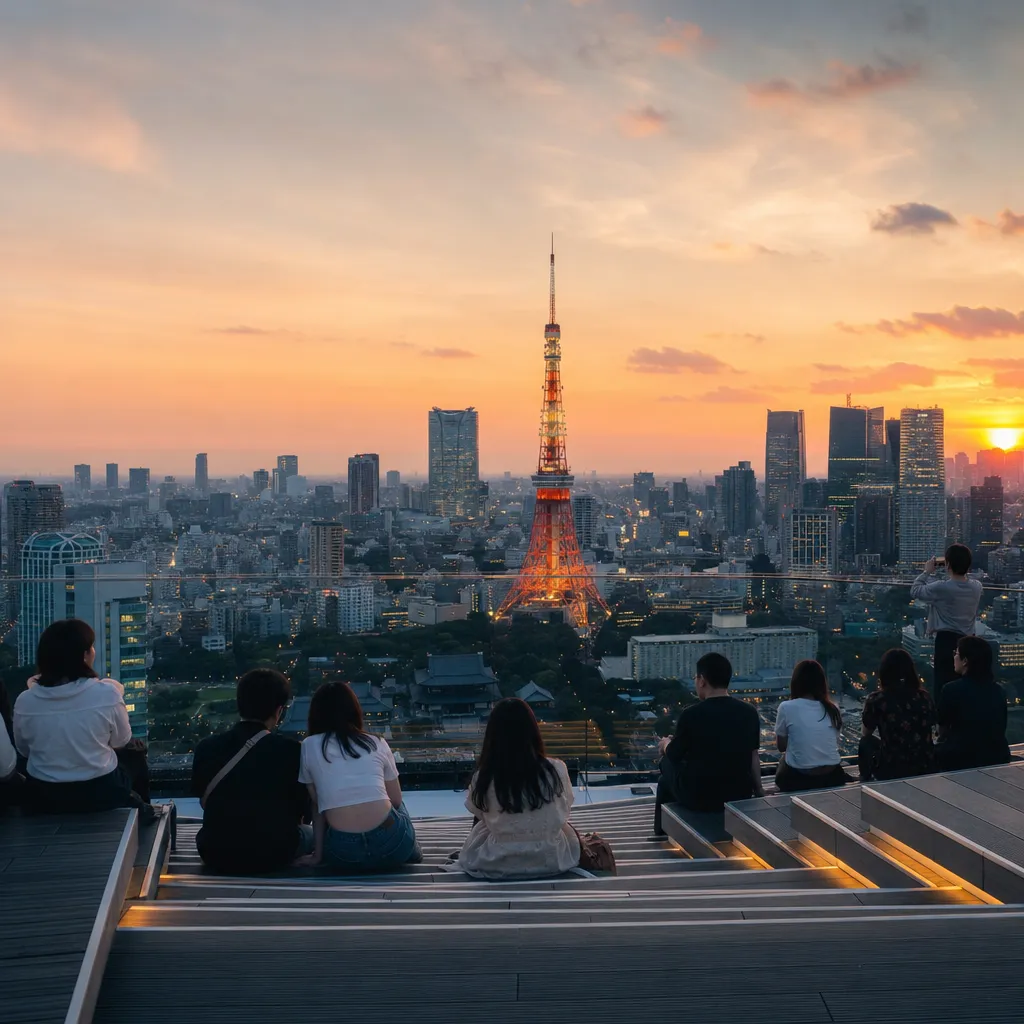
Museums and observation decks can still add up if you plan several in one week. Ueno Park is a good example: it concentrates multiple major museums in one area, making it efficient both financially and logistically. TeamLab-style digital art venues, special exhibitions, aquariums, and family attractions are usually where activity spending rises most quickly.
For shoppers, the cost issue is less entry fees than temptation. Areas with distinct spending patterns include Ginza for department stores and luxury retail, Akihabara for electronics, anime, and collectibles, Shimokitazawa for vintage-oriented browsing, and Kappabashi between Ueno and Asakusa for kitchenware. Even if shopping is not your main goal, it helps to identify which districts are likely to trigger impulse purchases.
How neighborhood choice changes your total spend
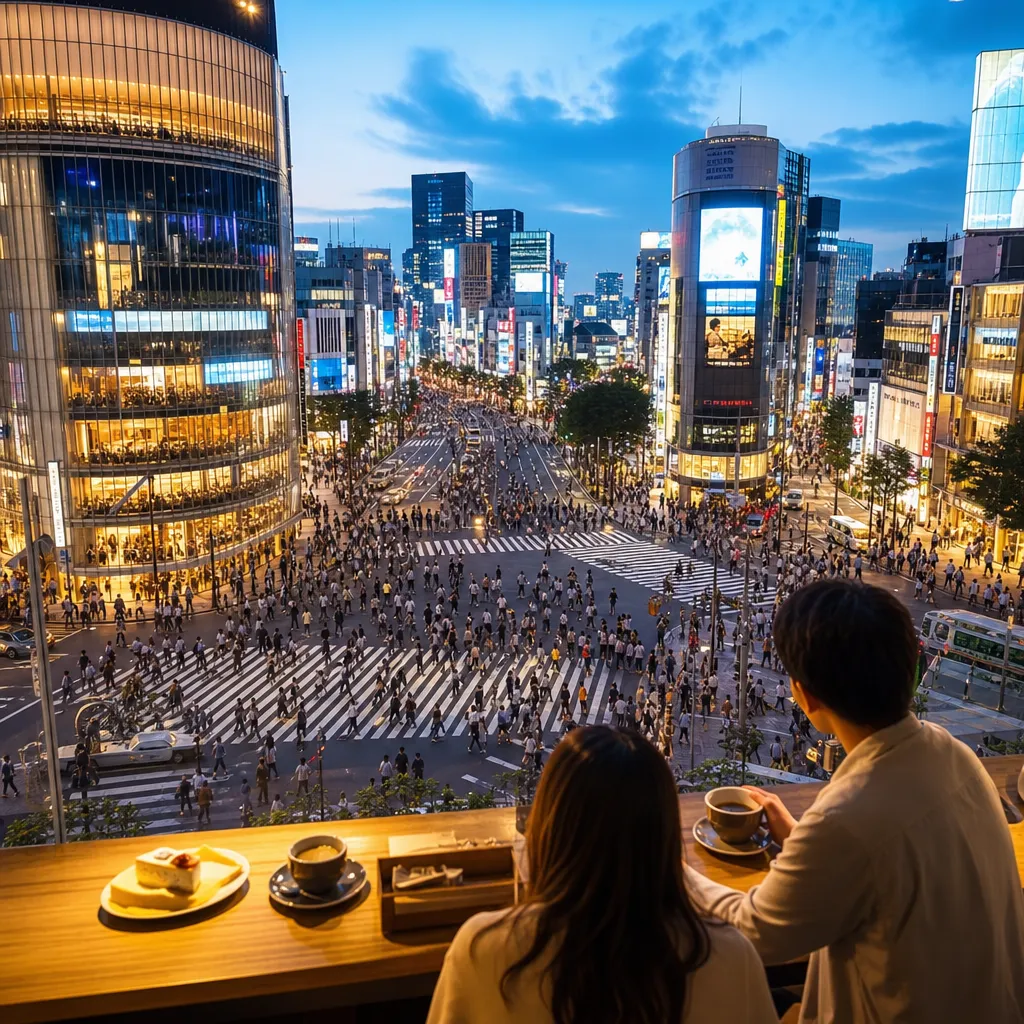
Choosing the right base can save money every day. Shinjuku and Shibuya suit travelers who prioritize nightlife, bars, and fast access to multiple lines, but lodging and evening food budgets can drift upward simply because the surroundings encourage spontaneous spending. Ginza and Marunouchi are polished and very convenient for business or premium travel, yet they rarely feel budget-oriented.
Ueno is often one of the strongest value bases for first-time visitors. It is practical for museums, market streets around Ameyoko, access toward Asakusa, and broader train connectivity. Asakusa suits travelers who prefer a slower evening atmosphere, older streetscapes, and easier access to eastern Tokyo. Ikebukuro can also work well for visitors who want a major transport hub without paying Shibuya or central-Shinjuku rates.
If you want café culture, independent shops, and a more residential feel, places such as Kiyosumi-Shirakawa or parts of western Tokyo can be appealing, but they may not reduce costs if you then spend more on transport and destination dining. “Cheaper area” only helps if it still fits your itinerary.
Sample budgets by trip style
Budget 3-day city break
Stay in a hostel or simple hotel in Asakusa, Ueno, or Ikebukuro. Eat inexpensive breakfasts, choose ramen, curry, donburi, soba, and set lunches, and focus on neighborhoods, shrines, parks, and a small number of paid sights. Use trains and subways, avoid taxis, and keep shopping selective. This is the easiest way to see the city on a restrained budget without feeling deprived.
Mid-range 5-day first trip
Choose a business hotel near a major station, include a few museum tickets, one booked dinner, one observation deck or special attraction, and moderate shopping. This is the range where most international visitors land. It offers enough flexibility to enjoy cafés, better dinners, and occasional spontaneous stops without turning every meal into a calculation.
Food-focused or higher-end week
Expect the budget to rise quickly if you build the trip around sushi omakase, tasting menus, cocktail bars, premium wagyu, or designer hotels. In this style of trip, food and nightlife often exceed accommodation as the main expense. Bookings also matter more, particularly in sought-after neighborhoods such as Ginza, Azabu-Juban, Ebisu, and parts of Shibuya and Minato ward.
Practical ways to keep costs reasonable without missing the city
- Stay near a useful station, not necessarily the most famous one. Good transport access saves both time and taxi money.
- Use lunch strategically. Tokyo’s lunch sets often offer much better value than dinner menus.
- Plan by area. One neighborhood-focused day is cheaper and more enjoyable than constant cross-city travel.
- Mix free sights with paid attractions. Temples, shrines, architecture walks, and markets can balance museum and ticket expenses.
- Watch late-night spending. Bars, cover charges in some nightlife settings, and taxis after the last train can transform a moderate day into an expensive one.
- Book accommodation early in peak seasons. Waiting rarely helps during high-demand periods.
- Keep shopping neighborhoods separate from sightseeing days if needed. Ginza, department stores, and specialty districts can distort the budget quickly.
When Tokyo feels expensive
The city usually feels expensive under specific conditions: peak-season hotel demand, frequent taxis, premium dining, cocktails in nightlife districts, and shopping without a plan. Visitors sometimes overestimate the cost of trains and underestimate the cost of eating and drinking in popular evening areas.
Another common issue is trying to do too much in too many far-apart districts. That style of trip leads to more snacks on the go, more coffee stops to recover, and more temptation to use taxis. A realistic daily rhythm is one of the easiest forms of budget control.
Tokyo can therefore be both expensive and good value at the same time. It rewards travelers who plan neighborhood by neighborhood and know when they want to splurge.
FAQ
How much money do I need per day for Tokyo?
A practical planning range is roughly ¥8,000–¥15,000 for budget travel, ¥15,000–¥30,000 for a comfortable mid-range trip, and more than ¥30,000 for higher-end travel. Accommodation style makes the biggest difference.
What area is best to stay in for a lower-cost Tokyo trip?
Ueno, Asakusa, Ikebukuro, and Shinagawa are often good places to start. They usually offer useful transport access without always carrying the same hotel premium as top nightlife or luxury districts.
Is food in Tokyo expensive?
It can be, but it does not have to be. Casual meals such as ramen, soba, curry, set lunches, and everyday sushi can be quite manageable, while omakase, wagyu, and bar-heavy evenings raise costs quickly.
Do I need a rail pass for a Tokyo trip?
Many visitors do not need a long-distance Japan rail pass just for time inside the city. Local train and subway spending is often reasonable if you group your sightseeing efficiently.
Is Tokyo expensive for families?
It depends on accommodation and attractions. Shared rooms can help, but family-oriented attractions, convenience purchases, and easier taxi use may increase the daily total compared with solo travel.
When is Tokyo most expensive?
Cherry blossom season, Golden Week, major holiday periods, and autumn weekends often push hotel prices higher. Booking early is especially important for these periods.
Can I enjoy Tokyo on a budget without speaking Japanese?
Yes. Major stations, chain eateries, many museums, and common visitor districts are generally manageable for international travelers. Basic route planning and checking current information in advance will make things smoother.
Sources
- GO TOKYO (Tokyo Convention & Visitors Bureau)
- Japan National Tourism Organization
- Tokyo Metropolitan Government