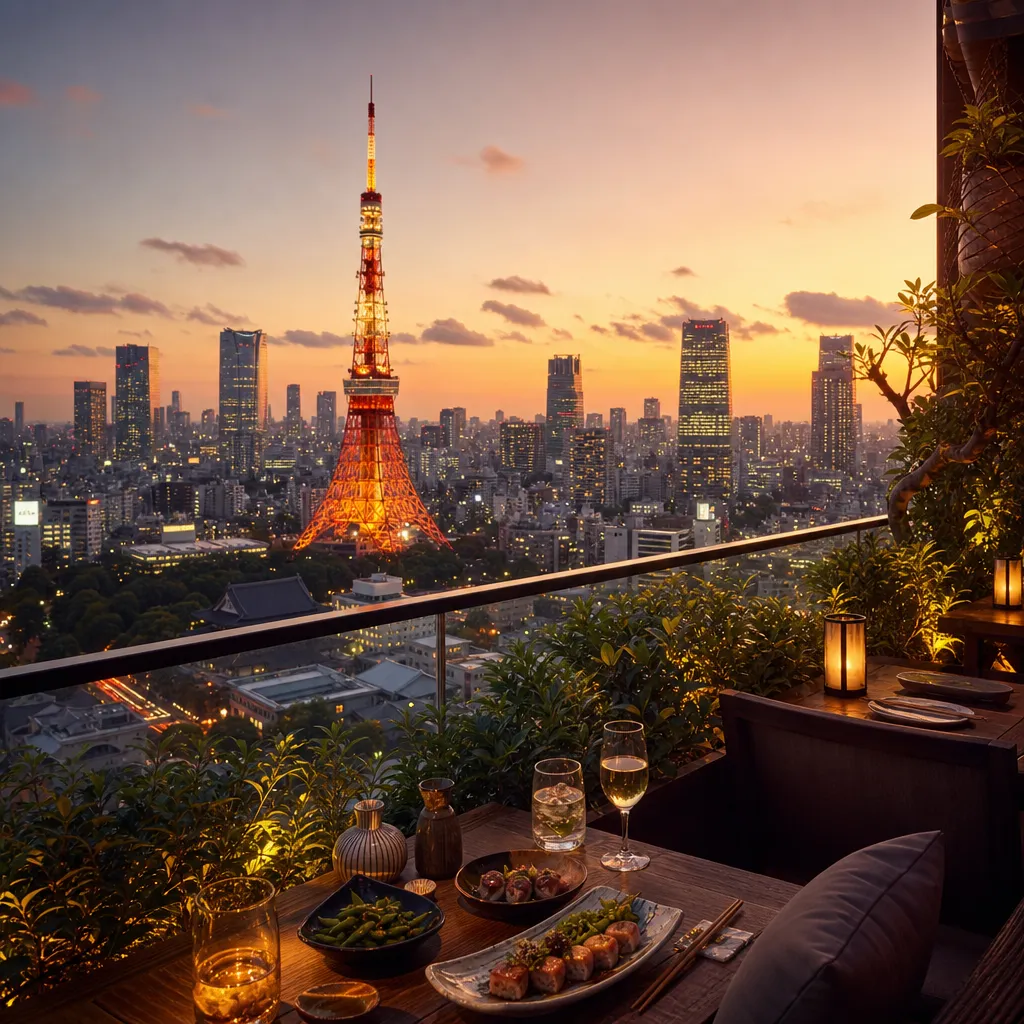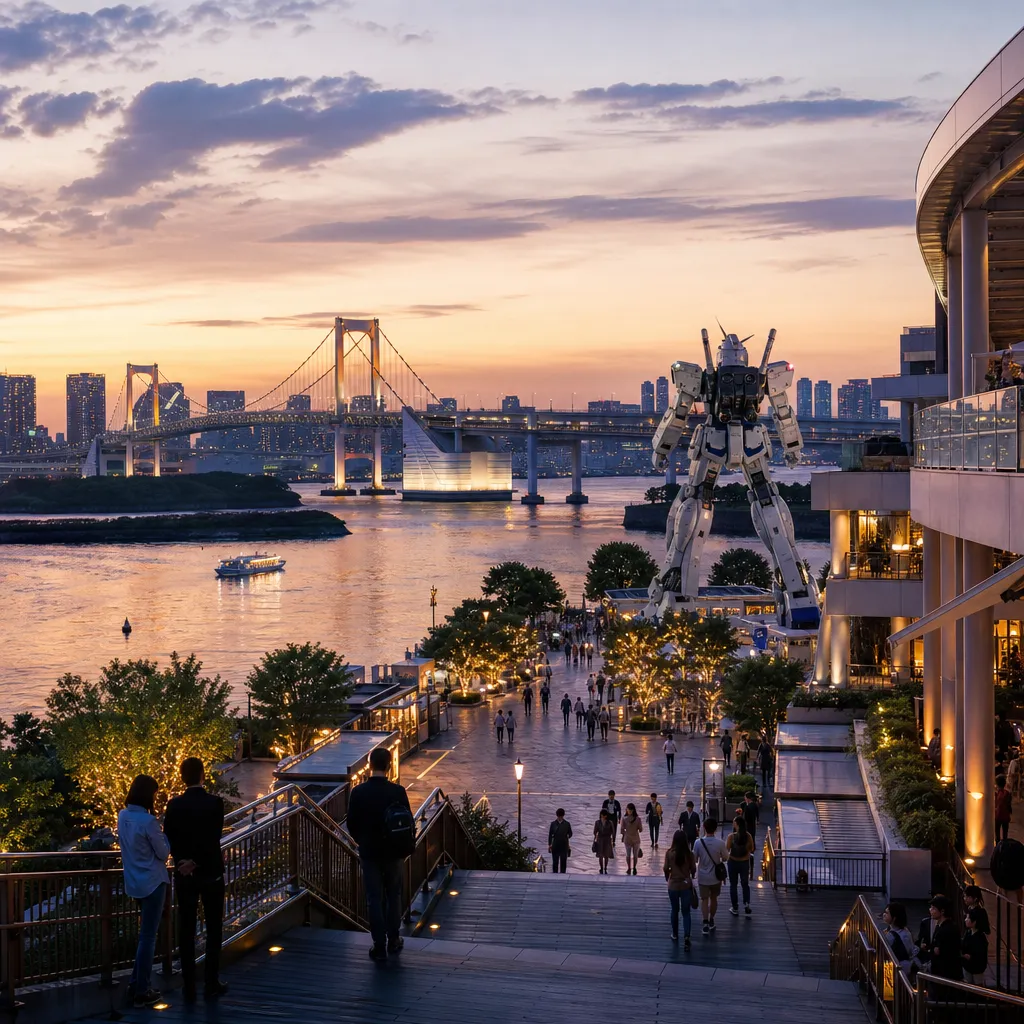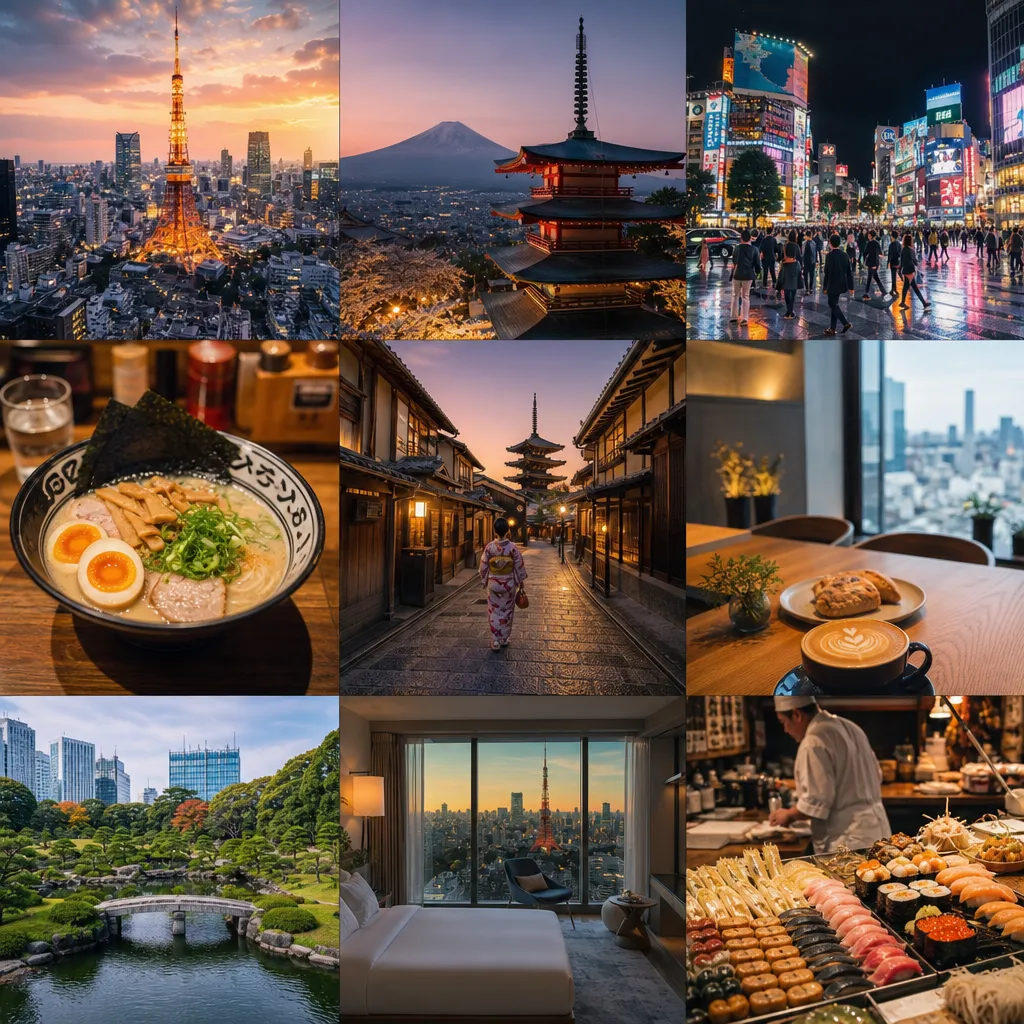
Three days is enough to get a strong feel for Tokyo if you avoid trying to cross the city for every meal and attraction. This itinerary keeps each day relatively coherent by area, mixing major sights with places that help you understand the city’s neighborhoods, food culture, and daily rhythm. It is designed for first-time visitors who want a practical plan, but it also leaves room for detours if a museum, shop, or café catches your attention. Use IC card transit, start early where possible, and check current opening days for museums, restaurants, and observatories before you go.
How this 3 day itinerary is organized
The plan balances older Tokyo, central modern districts, and western neighborhoods with a more local feel. Day 1 focuses on Asakusa, Ueno, and nearby central east-side districts. Day 2 moves through Harajuku, Omotesando, Shibuya, and evening viewpoints. Day 3 combines a market-style morning, a polished central district, and a final neighborhood depending on your interests.
If you want to slow the pace, the easiest adjustment is to cut one museum or one shopping district each day. If you are traveling with children, swap some shopping time for parks, aquariums, or hands-on museums. If food is a priority, make advance reservations for one dinner, especially in busy areas such as Shibuya, Ginza, or Roppongi.
| Day | Main Areas | Best For | Evening Style |
|---|---|---|---|
| Day 1 | Asakusa, Ueno, Tokyo Skytree area or Sumida side | Historic atmosphere, temples, museums, classic city views | Relaxed riverside or traditional streets |
| Day 2 | Meiji Jingu, Harajuku, Omotesando, Shibuya | Contemporary Tokyo, fashion, cafés, architecture, nightlife | Views, bars, late shopping, urban streets |
| Day 3 | Toyosu or Tsukiji area, Ginza, Marunouchi, optional Kichijoji or Roppongi | Food, polished shopping, museums, final skyline or neighborhood walk | Refined dinner or museum district evening |
Day 1: Asakusa, Ueno, and Tokyo’s older layers
Morning: Senso-ji and the Asakusa area
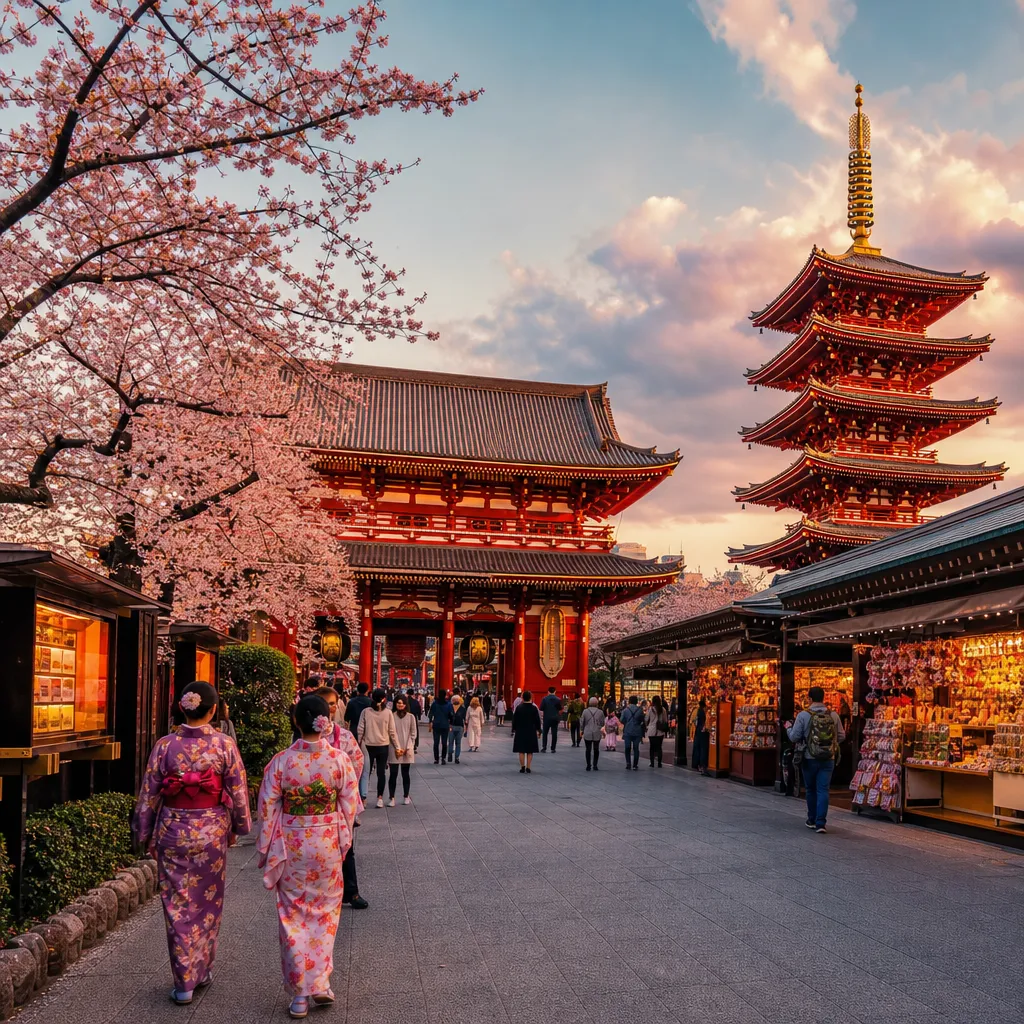
Start in Asakusa, in Taito ward on the northeastern side of central Tokyo. The most useful transport point is Asakusa Station, served by several lines, making it easy to reach from many hotel districts. This part of the city is one of the clearest introductions to prewar and traditional imagery, though it is also a busy visitor area.
Begin at Senso-ji, Tokyo’s best-known Buddhist temple. Enter through Kaminarimon and walk up Nakamise, the shopping street leading toward the main hall. Early morning is best if you want lighter crowds and better photographs of the gate, lantern, and temple buildings. This is a temple, not a shrine, so basic courtesy matters: keep to the side when others are praying, avoid blocking entrance areas, and dress respectfully.
If you want breakfast nearby, Asakusa has kissaten-style coffee shops, bakeries, and casual Japanese options. This is also a good area to try snacks such as ningyo-yaki or senbei from long-running local vendors, though individual shop lines vary through the day.
Late morning: Kappabashi or Sumida views
From Senso-ji, you have two strong options. If you enjoy kitchenware, ceramics, and food culture, go to Kappabashi Dougu Street, between the Asakusa and Ueno sides of Taito ward. It is a specialist shopping street known for knives, tableware, lacquerware, and restaurant supply stores. It suits cooks, photographers, and anyone who wants practical souvenirs rather than generic gifts.
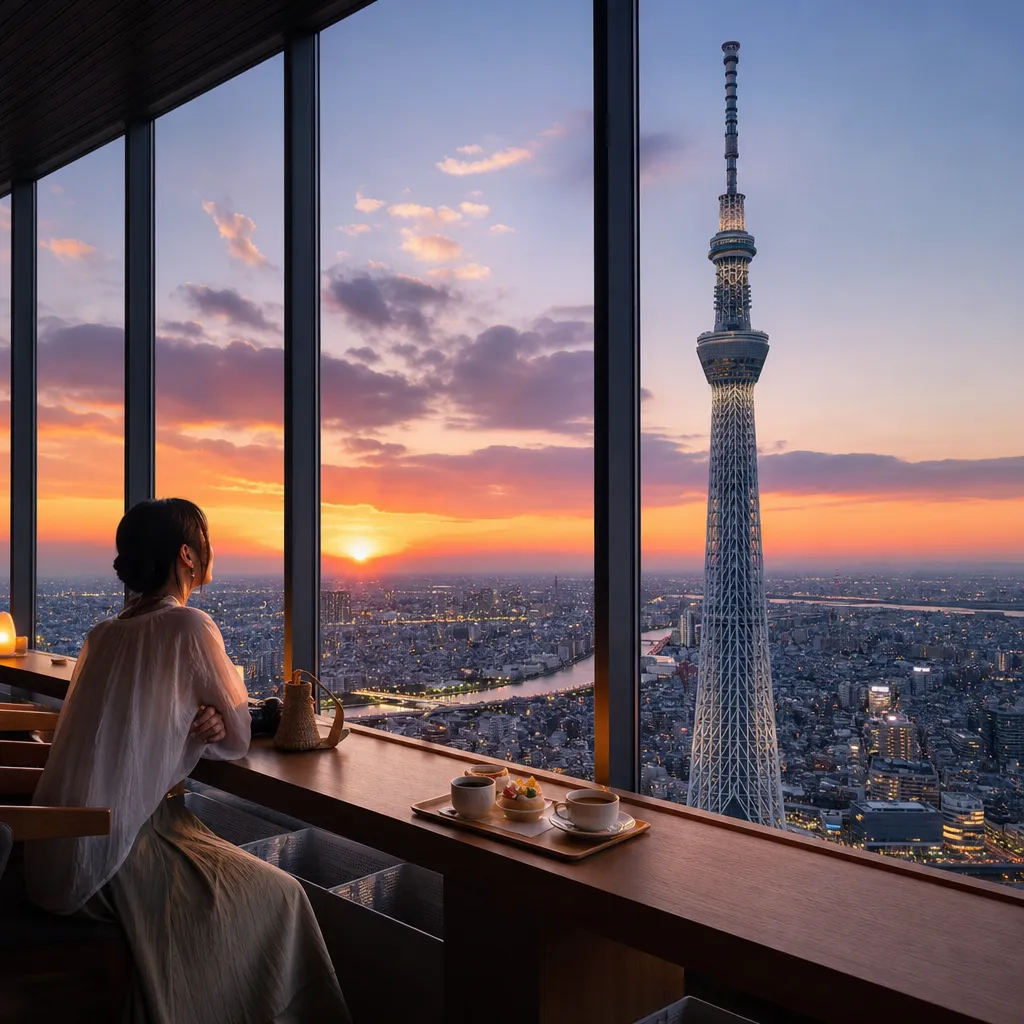
If you prefer a big-city panorama, head toward the Tokyo Skytree area in Sumida ward. The Skytree is farther east across the river and works well if you want an observation deck and a larger commercial complex. Views depend on weather and haze, so clear daytime or after-dark visits are usually most rewarding.
Afternoon: Ueno Park and museums
Spend the afternoon in Ueno, another Taito ward district centered on Ueno Station, one of the city’s most useful rail hubs. The area has a more everyday feel than Asakusa around the station approaches, but Ueno Park is one of Tokyo’s key cultural zones.
Good museum choices include the Tokyo National Museum for Japanese art and cultural history, the National Museum of Nature and Science for families and general-interest visitors, and the Tokyo Metropolitan Art Museum for changing exhibitions. Do not try to do them all. Pick one based on your interests and allow enough time.
If you want a livelier street scene before dinner, walk through Ameya-Yokocho, the market-style shopping area near Ueno Station. It is busy, informal, and visually dense, with food stalls, discount shops, and casual places to eat. It is better for atmosphere than for a polished meal.
Evening: Traditional dinner or riverside finish
For dinner, staying in Asakusa or Ueno keeps the day efficient. Asakusa suits those who want tempura, soba, or a more traditional setting. Ueno offers a broader casual range including izakaya and ramen. If you want a quieter end to the day, the Sumida riverside areas can be pleasant for a post-dinner walk, especially with illuminated bridges and skyline views.
Day 2: Meiji Jingu, Harajuku, Omotesando, and Shibuya
Morning: Meiji Jingu and Yoyogi edge
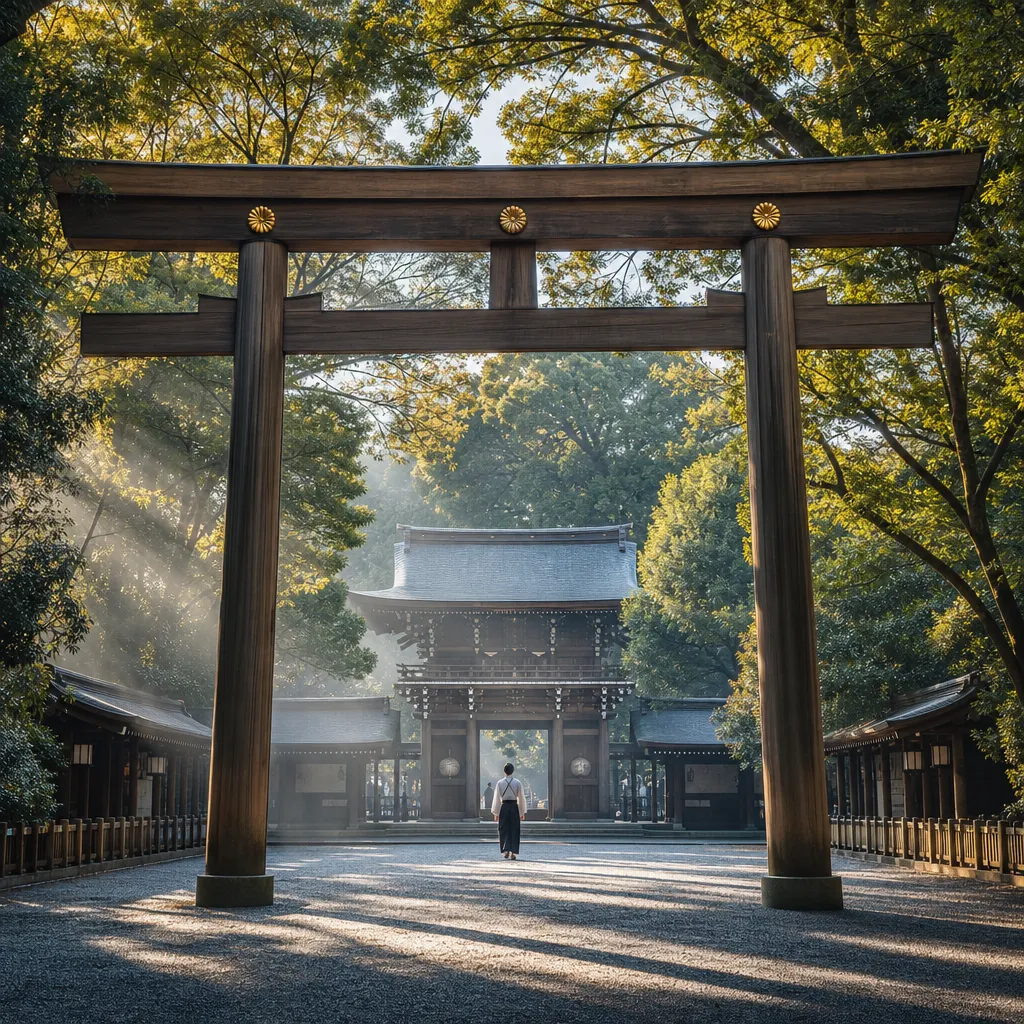
Start at Meiji Jingu, in Shibuya ward near Harajuku Station and Yoyogi. This Shinto shrine sits in a large forested precinct that feels surprisingly separate from the city around it. Visiting early makes the approach quieter and cooler in warmer months.
This is a shrine, not a temple. Visitors usually cleanse hands at the purification fountain and bow respectfully at the main worship area. Photography is generally easier on the paths and outer grounds than directly in front of worshippers.
If you have time, the nearby Yoyogi Park edge offers a contrast between formal sacred space and central city leisure. It works especially well if you are traveling with children or simply want open space before moving back into busy streets.
Late morning to lunch: Harajuku backstreets and Omotesando
From the shrine, move into Harajuku. The area immediately around Takeshita Street is youth-focused, crowded, and energetic. It can be fun for people-watching, but many adult visitors prefer the lanes branching away from the busiest strip. Those side streets have independent fashion, coffee shops, and smaller boutiques.
Then continue to Omotesando, which sits between Harajuku and Aoyama and has one of the city’s best concentrations of modern retail architecture. Even if you do not shop much, the streetscape is worth attention. Buildings by major architects, broad tree-lined avenues, and polished storefronts make this a good district for urban photography.
Lunch here can mean high-end dining, stylish cafés, or basement food halls in department-store-style complexes. Reservations may be useful for more formal restaurants, but casual lunch is usually flexible if you avoid the busiest midday window.
Afternoon: Shibuya crossings, viewpoints, and department stores
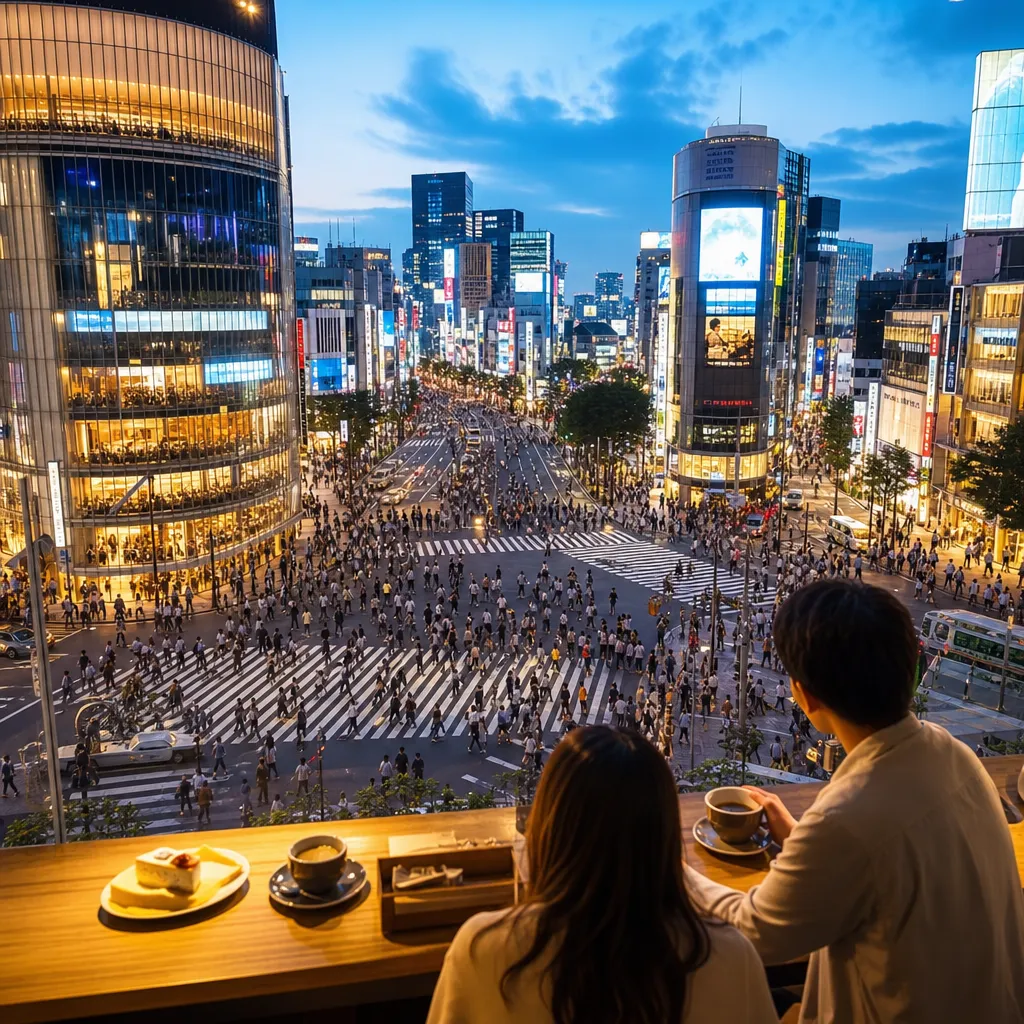
Spend the afternoon in Shibuya, one of the city’s major transport and commercial centers. The area around Shibuya Station is dense and changing quickly, with large-scale redevelopment, retail complexes, and famous street crossings. It suits first-time visitors who want the concentrated energy of contemporary Tokyo.
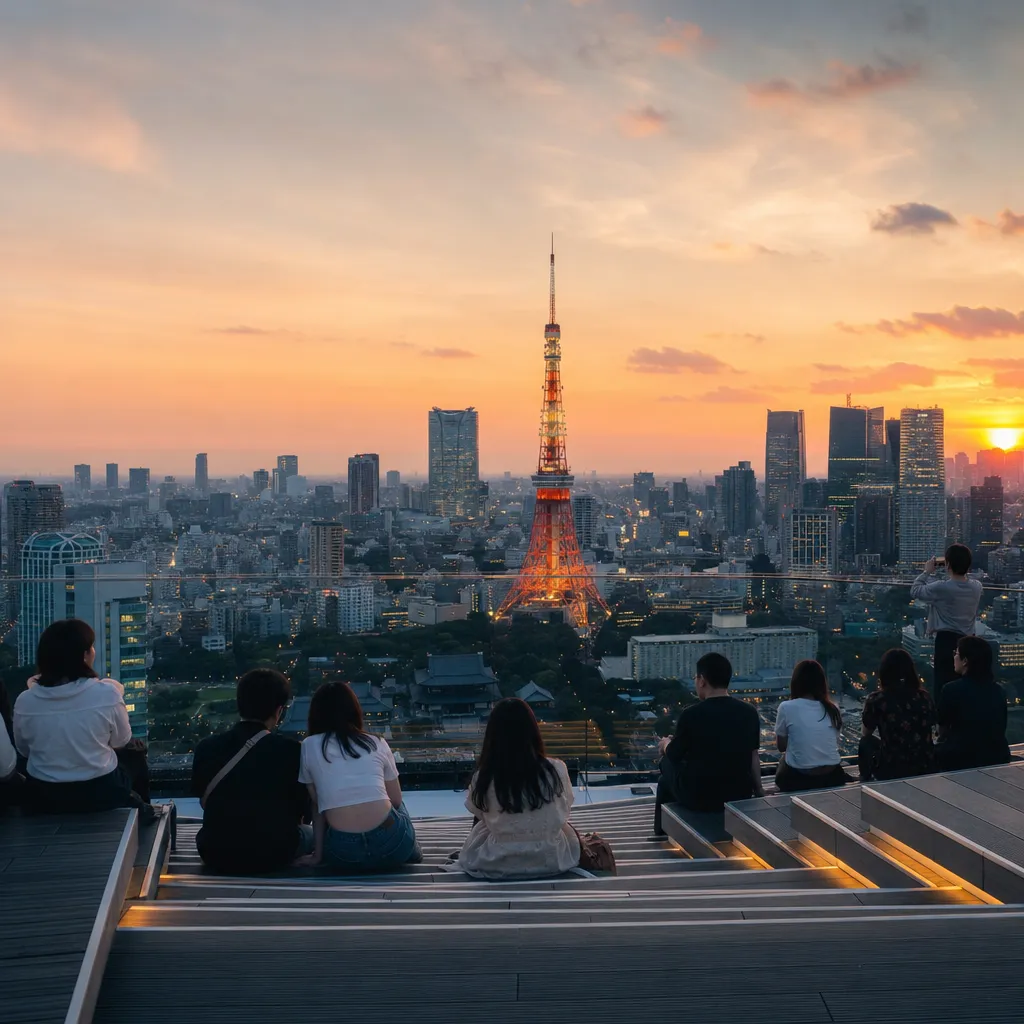
Useful stops include the area around Shibuya Scramble Crossing, the Shibuya Sky observation deck if you want high views, and major shopping complexes for fashion, design, and food floors. For Shibuya Sky, booking ahead is often wise because sunset periods are especially popular. Weather matters because part of the experience is open-air.
If you prefer a more design-oriented break from crowds, walk uphill toward quieter streets on the edge of Shoto or drift toward the Aoyama side rather than staying in the station core all afternoon.
Evening: Dinner and drinks in Shibuya or nearby
Shibuya is one of the easiest places for a varied evening. You can choose yakitori, sushi, izakaya, listening bars, cocktail bars, or a more polished dinner. Reservations are sensible for small or well-known places, especially on weekends. If you want a less hectic atmosphere, nearby Ebisu or Daikanyama can be better for couples, quieter dinners, and more relaxed wine bars.
Late-night visitors should still expect some places to close earlier than they might in other global nightlife cities. Always check current operating hours rather than assuming all bars serve very late.
Day 3: Market morning, central Tokyo, and a flexible final evening
Option A morning: Toyosu Market
If food is a trip priority, begin at Toyosu Market in Koto ward, on the bay side of Tokyo. It is farther from classic central sightseeing zones, but accessible by public transport and useful for visitors interested in seafood distribution, market infrastructure, and sushi breakfasts. The atmosphere is modern and functional rather than nostalgic.
This is the successor to the inner wholesale functions of Tsukiji. It suits travelers who want to see a working market environment and eat seafood early in the day. Check current visitor access rules before going, as market procedures can change.
Option B morning: Tsukiji Outer Market
If you prefer a more walkable visitor-oriented morning, choose Tsukiji Outer Market in Chuo ward instead. It is easier to combine with Ginza and central sightseeing. The area is known for seafood shops, knives, tea, Japanese ingredients, and casual breakfast or lunch stops. It can be very crowded, so arriving earlier helps.
Tsukiji is better for grazing and street-level atmosphere. Toyosu is better if you specifically want the current wholesale-market setting.
Midday and afternoon: Ginza and Marunouchi
After Toyosu or Tsukiji, continue to Ginza, in Chuo ward, one of Tokyo’s classic upscale commercial districts. The nearest stations depend on where you start, but the area is very well connected. Ginza works well for department stores, stationery, design goods, basement food halls, and refined cafés. It feels more spacious and composed than Shibuya.
Serious shoppers should look at major department stores and specialty buildings rather than focusing only on luxury flagship stores. Food halls are especially useful for lunch, sweets, or high-quality take-away gifts.
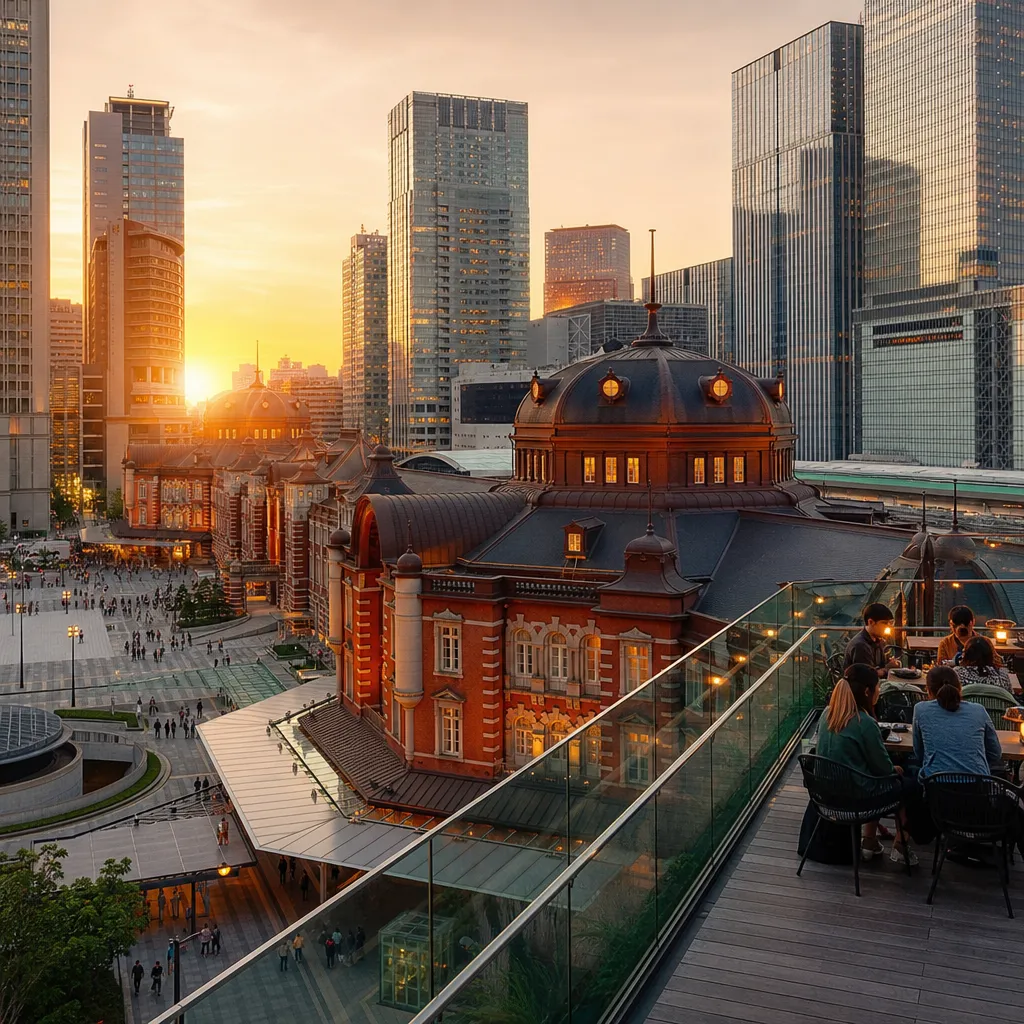
From Ginza, it is easy to move to Marunouchi near Tokyo Station. This central business district is one of the best places to appreciate the contrast between the red-brick station facade and the surrounding modern office towers. The station building area and nearby commercial complexes are convenient if you want polished final shopping, easy train connections, or a smart dinner before departure.
Final evening choice: Kichijoji or Roppongi
Your last evening depends on your style.
- Kichijoji, in western Tokyo near Kichijoji Station, is a popular local-feeling district with shopping streets, bars, and access to Inokashira Park. It suits travelers who want a break from the biggest central hubs and a neighborhood atmosphere.
- Roppongi, in Minato ward, suits those who want a more international evening with art museums, upscale dining, bars, and observation decks such as the area around Roppongi Hills. It is a practical final-night option for city views and later dining.
Where to stay for this itinerary
If this is your first visit, staying near a major station will save time. Shinjuku is excellent for transport range, dining, and nightlife, though parts of it are intense and busy. Tokyo Station/Marunouchi is efficient for train travel and suits business-style convenience with a more orderly atmosphere. Ginza is a strong option for shopping, restaurants, and easy access to eastern and central districts.
Ueno is practical for budget-conscious travelers and easy access to museums and airport rail links, while Shibuya suits visitors who want modern city energy and plenty of dining nearby. If you want quieter boutique-style surroundings, Ebisu and Daikanyama can be appealing, though they are often less central for first-time sightseeing.
Practical transport and timing tips
- Use a rechargeable IC card or mobile transit payment where available for trains and subways.
- Try to cluster visits by district instead of repeatedly crossing the city.
- Start shrine, temple, and market visits early; save shopping complexes and nightlife districts for later.
- Major stations such as Shinjuku, Tokyo, Shibuya, and Ueno are large and can take time to navigate.
- Restaurant reservations are most useful for dinner, especially for sushi counters, popular yakitori, and small specialty places.
- Museum closing days vary, and some attractions require timed entry or benefit from advance booking.
How to adapt this itinerary by interest
For food-focused travelers: spend longer in Tsukiji, Toyosu, Kappabashi, and department store food halls, and reserve at least one dinner in advance.
For museum lovers: give more time to Ueno Park museums and add the Mori Art Museum area in Roppongi or a design-focused stop in central Tokyo.
For families: keep Day 1 centered on Ueno Park and Day 2 split between Meiji Jingu, Yoyogi Park, and Shibuya only briefly. Day 3 can include teamLab Planets in Toyosu if that type of immersive attraction appeals, but check current booking requirements first.
For photographers: prioritize early Asakusa, late afternoon Omotesando streets, dusk in Shibuya, and night views from a deck such as Shibuya Sky or a Roppongi observation point depending on weather and current access.
FAQ
Is 3 days enough for a first trip?
Yes, if you focus on key districts rather than trying to see the entire metropolitan area. Three days is enough for a strong introduction to historic sites, modern neighborhoods, and good food.
Which area is best to stay in for this itinerary?
Shinjuku, Ginza, Tokyo Station/Marunouchi, Ueno, and Shibuya are the most practical bases. The best choice depends on whether you prioritize transport, nightlife, shopping, or a slightly calmer atmosphere.
Do I need restaurant reservations?
For casual ramen, soba, and many lunch spots, walk-ins are often realistic. For small sushi counters, well-known yakitori places, and popular dinner spots in Shibuya, Ginza, or Roppongi, reservations are often a good idea.
Should I visit Toyosu Market or Tsukiji Outer Market?
Toyosu is better if you want the current wholesale-market setting and an early seafood-focused start. Tsukiji Outer Market is easier for casual eating, browsing, and combining with Ginza.
What is the best time for observation decks?
Late afternoon into sunset usually gives the broadest experience, but booking may be important for popular decks. Clear winter days often offer sharper visibility than humid summer days.
Is this itinerary suitable for families?
Yes, with a few adjustments. Ueno Park, shrine grounds, department store food halls, and larger parks work well, while very late evenings and heavy shopping stretches may be less appealing for younger children.
Can I do this itinerary without speaking Japanese?
Yes. Major stations, museums, department stores, and many restaurants in visitor-heavy districts are manageable for English-speaking travelers, though patience and basic courtesy still go a long way.
What should I check before visiting?
Check current museum opening days, observation deck booking systems, market access rules, restaurant reservation policies, and weather conditions for view-dependent plans.
Sources
- GO TOKYO
- Japan National Tourism Organization
- Tokyo Metropolitan Government