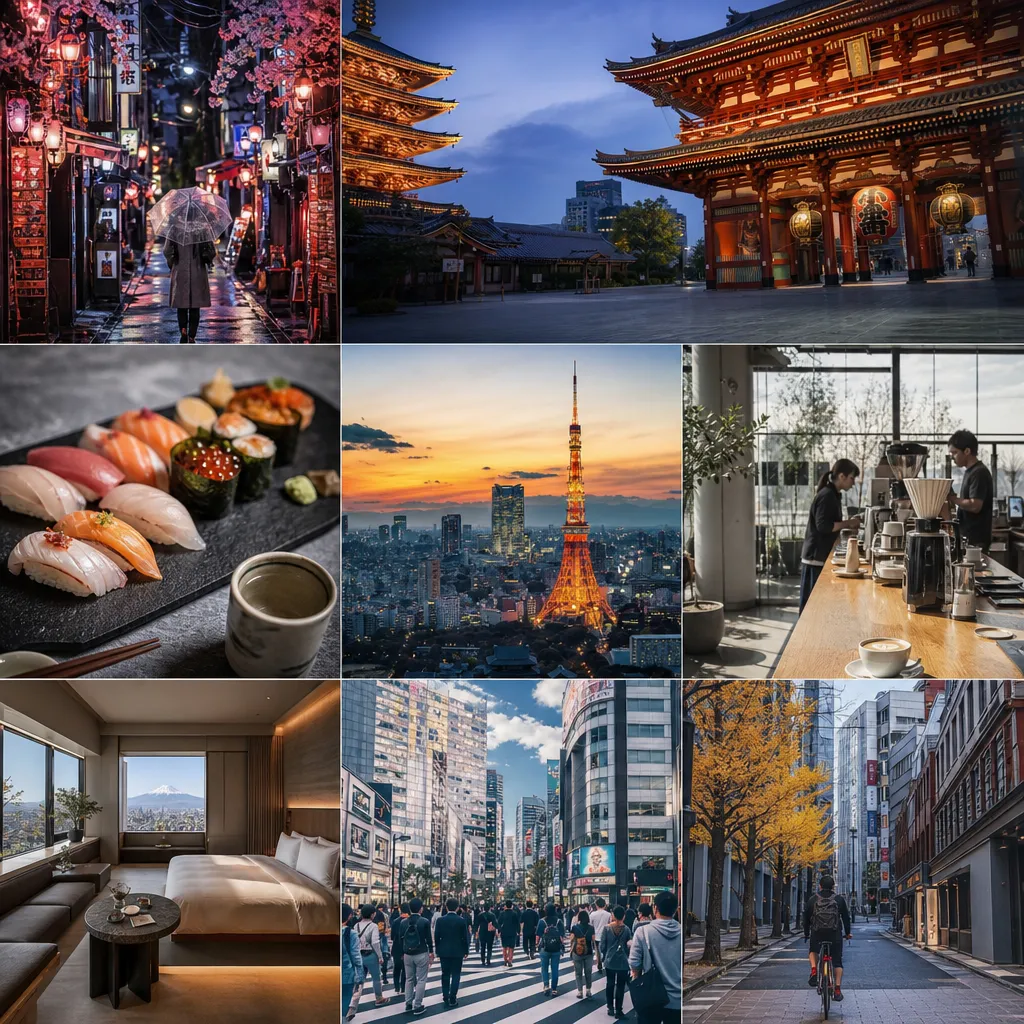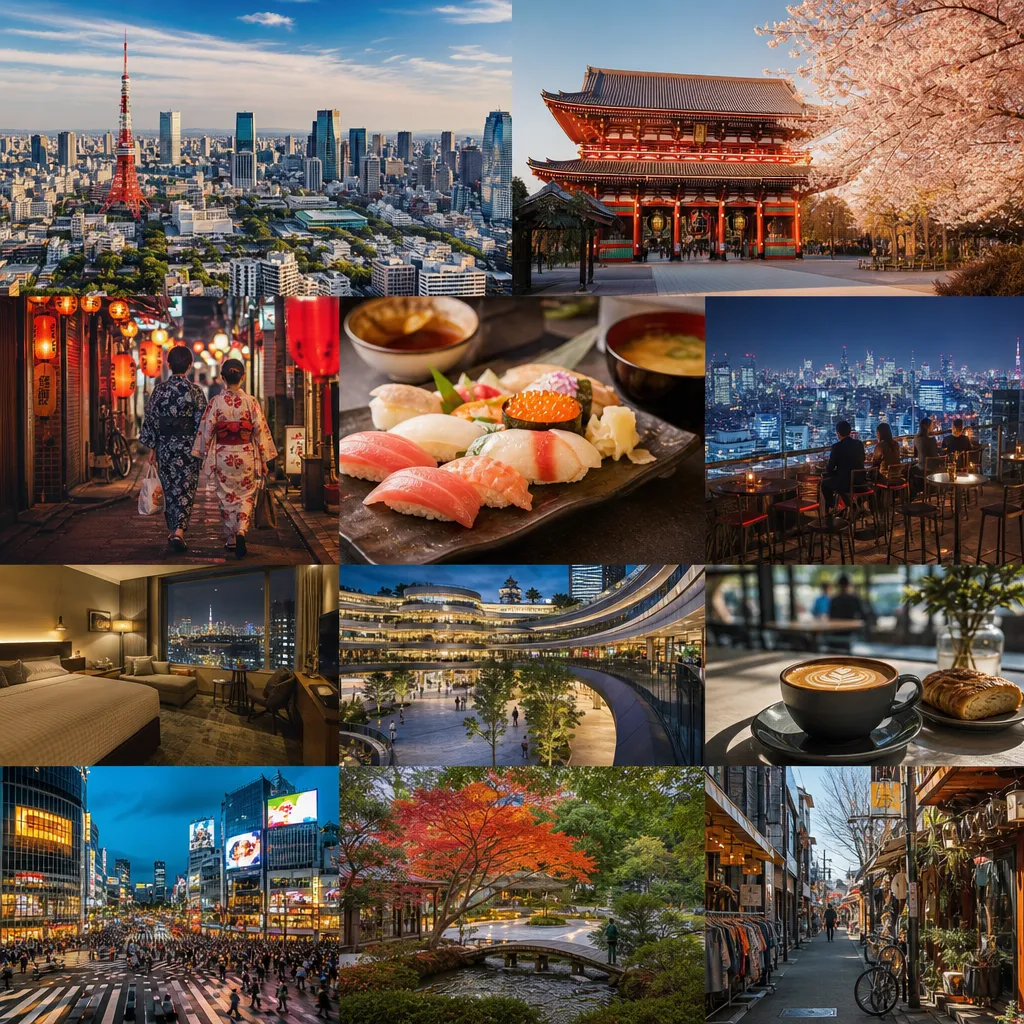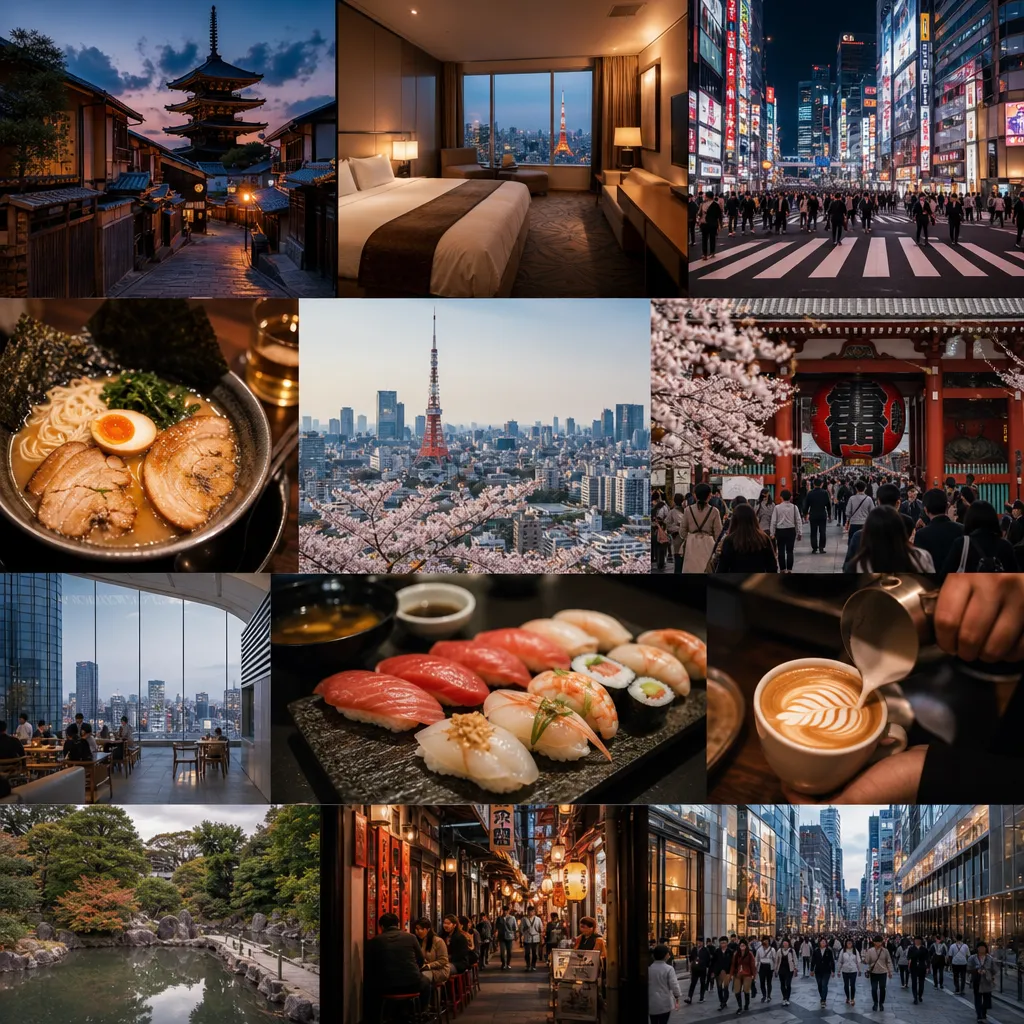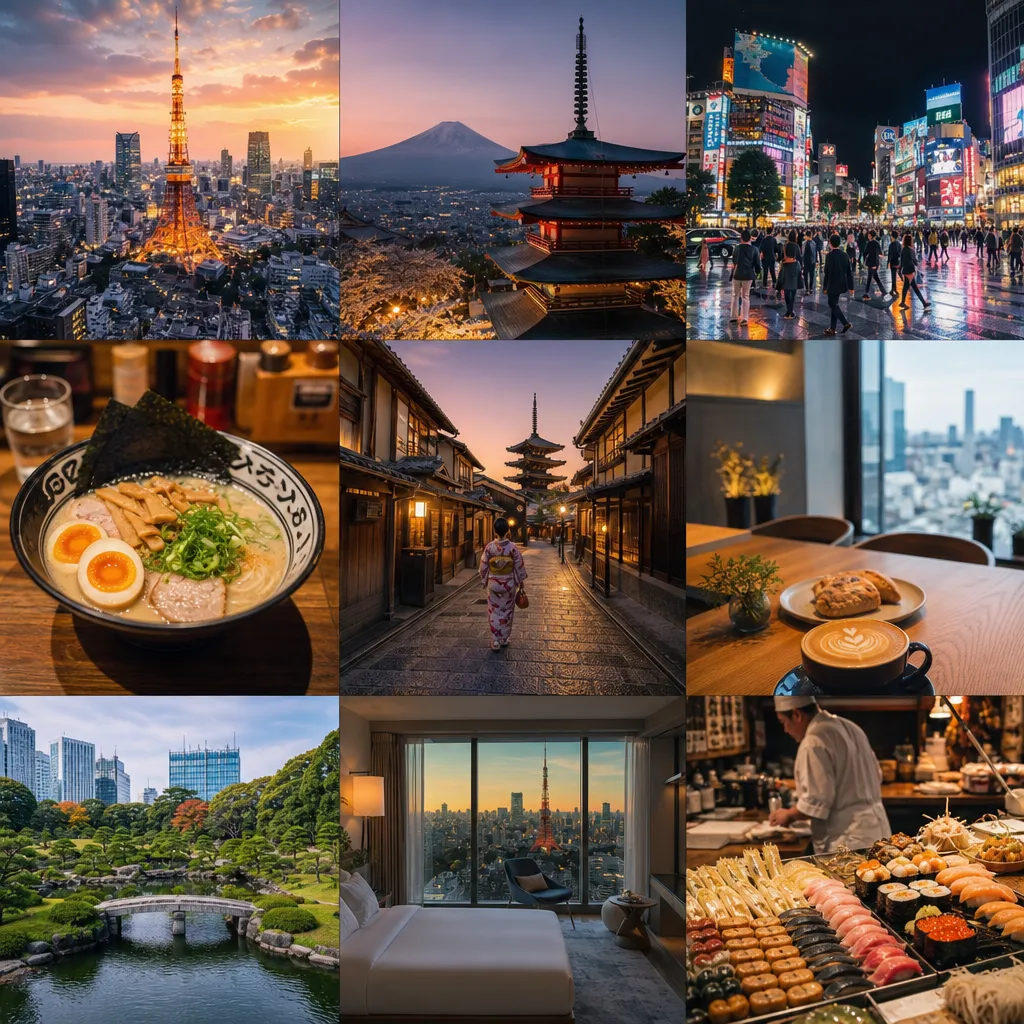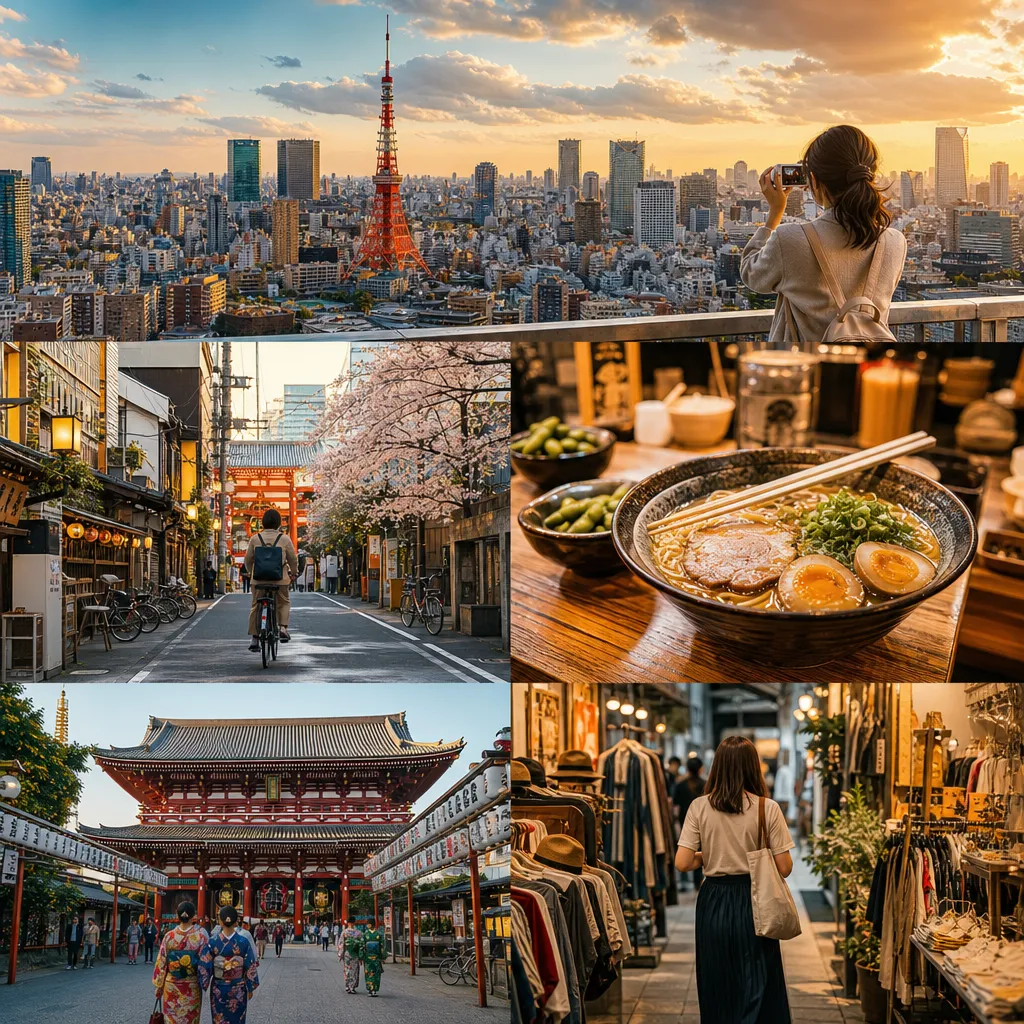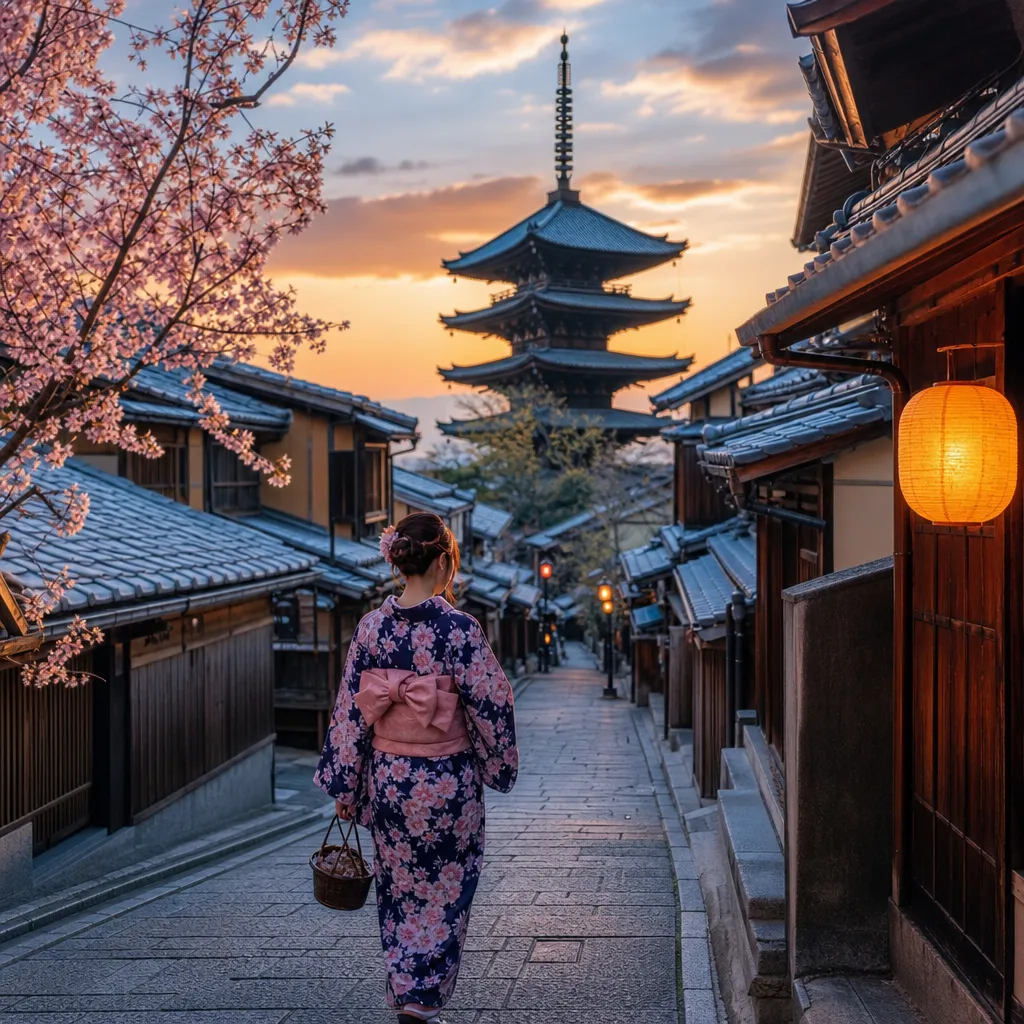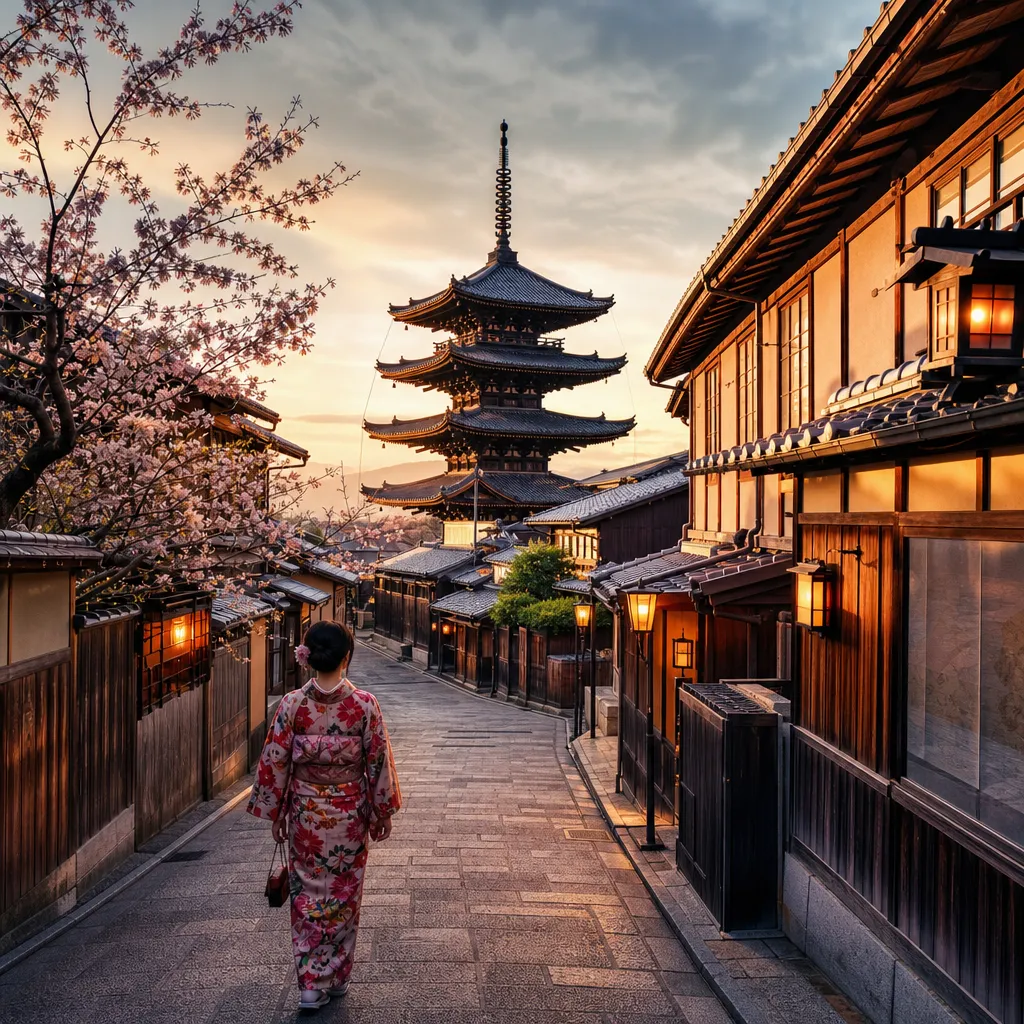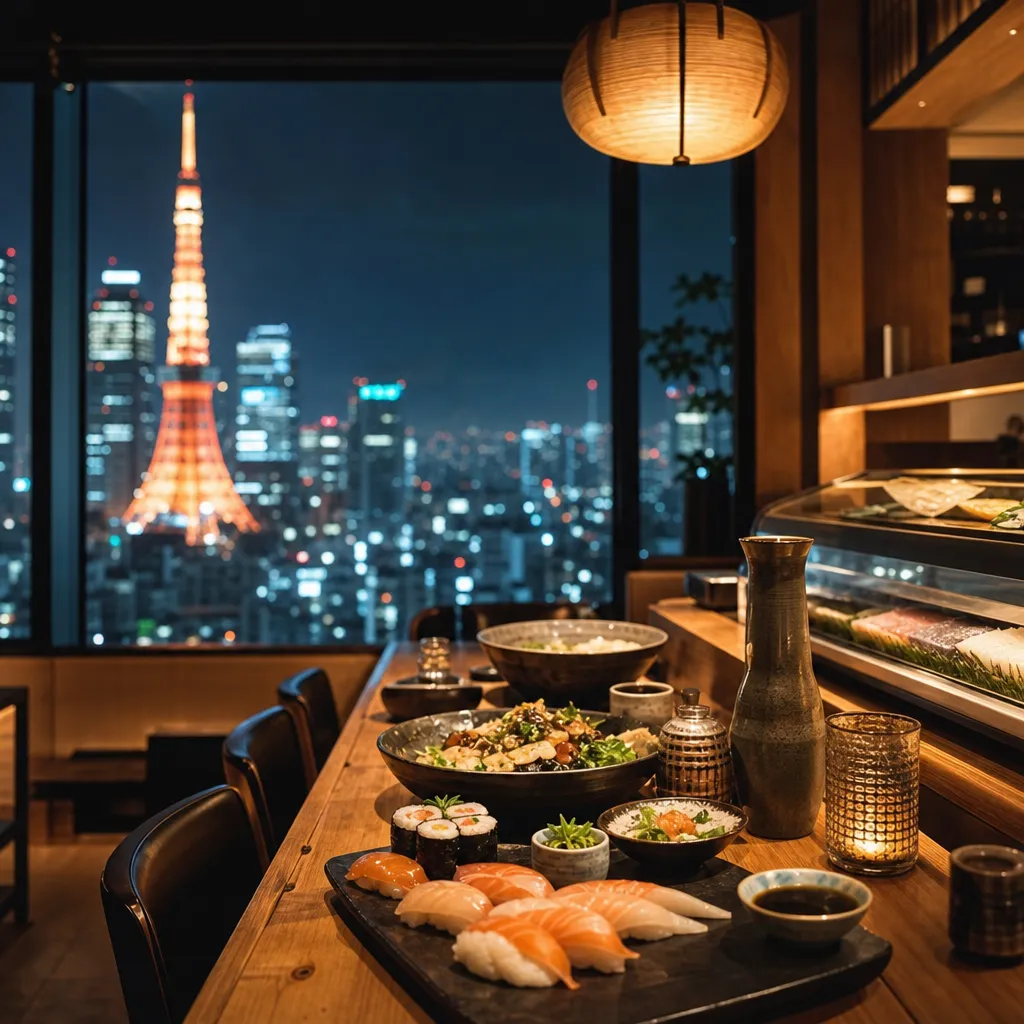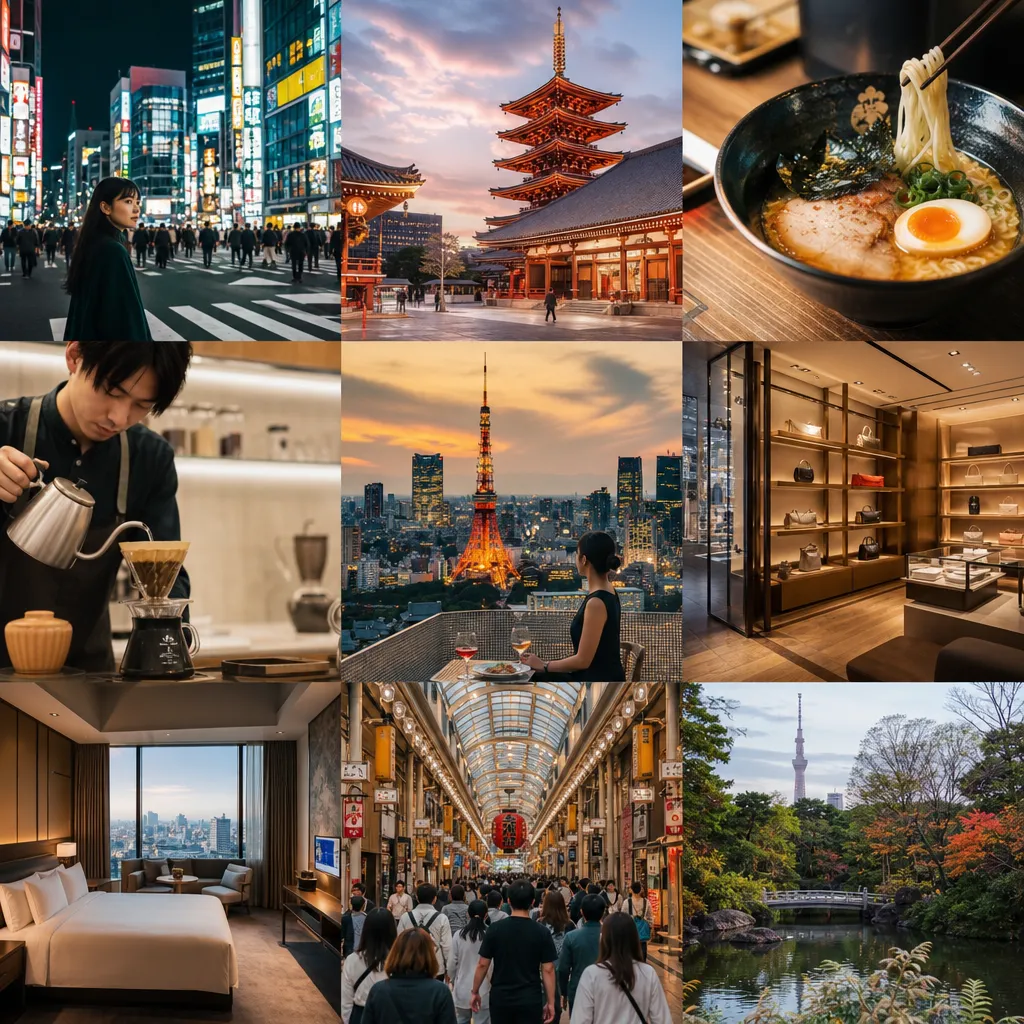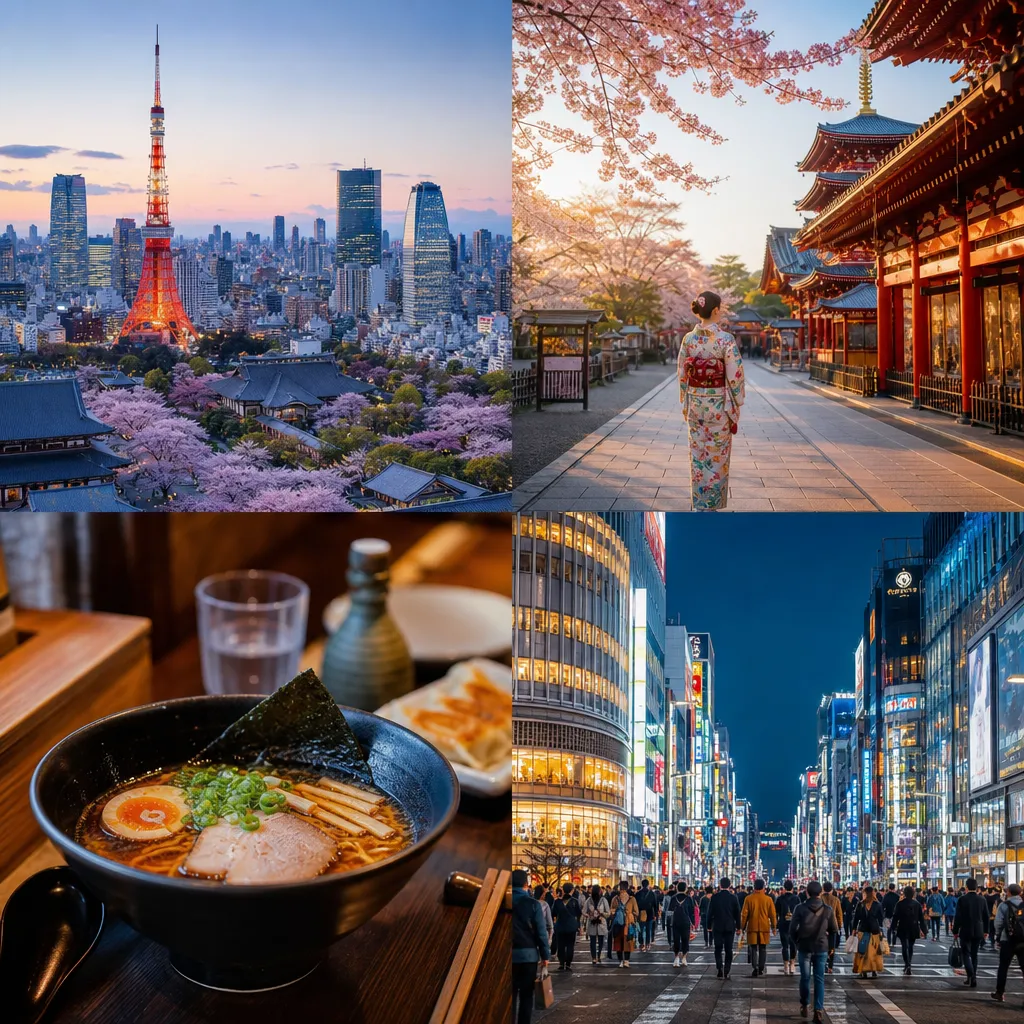
The best time to visit Tokyo depends less on a single “perfect” month and more on what kind of trip you want. The city changes dramatically with the seasons: cherry blossoms and mild weather in spring, major festivals and intense humidity in summer, crisp light and foliage in autumn, and clear skies with fewer crowds in winter. Practical details matter too, because school holidays, Golden Week, and year-end travel periods can affect hotel prices, crowd levels, and how enjoyable certain neighborhoods feel. If you want a well-balanced first trip, late March to April and late October to November are usually the easiest starting points, but each season has clear strengths.
Tokyo is a year-round city, with excellent museums, department stores, covered shopping streets, observation decks, and food experiences in any weather. What changes most by season is how comfortable it is to walk, when parks look their best, and how crowded major sightseeing districts become. Choosing the right time can make the difference between a trip built around parks and neighborhoods, or one focused more on indoor culture, dining, and seasonal events.
At a glance: when each season is best
| Season | Best For | What to Expect | Main Drawback |
|---|---|---|---|
| Late March to April | Cherry blossoms, parks, classic first-time trips | Mild weather, lively atmosphere, heavy demand in popular areas | Crowds and higher accommodation pressure |
| May | Comfortable walking weather after blossom season | Green parks, pleasant temperatures, good for neighborhood exploring | Golden Week can be busy if your timing overlaps |
| June | Hydrangeas, quieter sightseeing days, indoor culture | Rainy season conditions, humid air | Less reliable weather for long outdoor days |
| July to August | Festivals, fireworks, evening food and nightlife | Energetic city atmosphere, hot and very humid days | Heat can make daytime sightseeing tiring |
| Late October to November | Autumn color, clear weather, photography | Comfortable temperatures, strong light, pleasant evenings | Popular foliage spots can still get crowded |
| December to February | Museums, city views, lower-key sightseeing | Cool to cold, often sunny and dry, strong visibility | Shorter daylight and colder mornings/nights |
Spring: best for classic Tokyo scenery
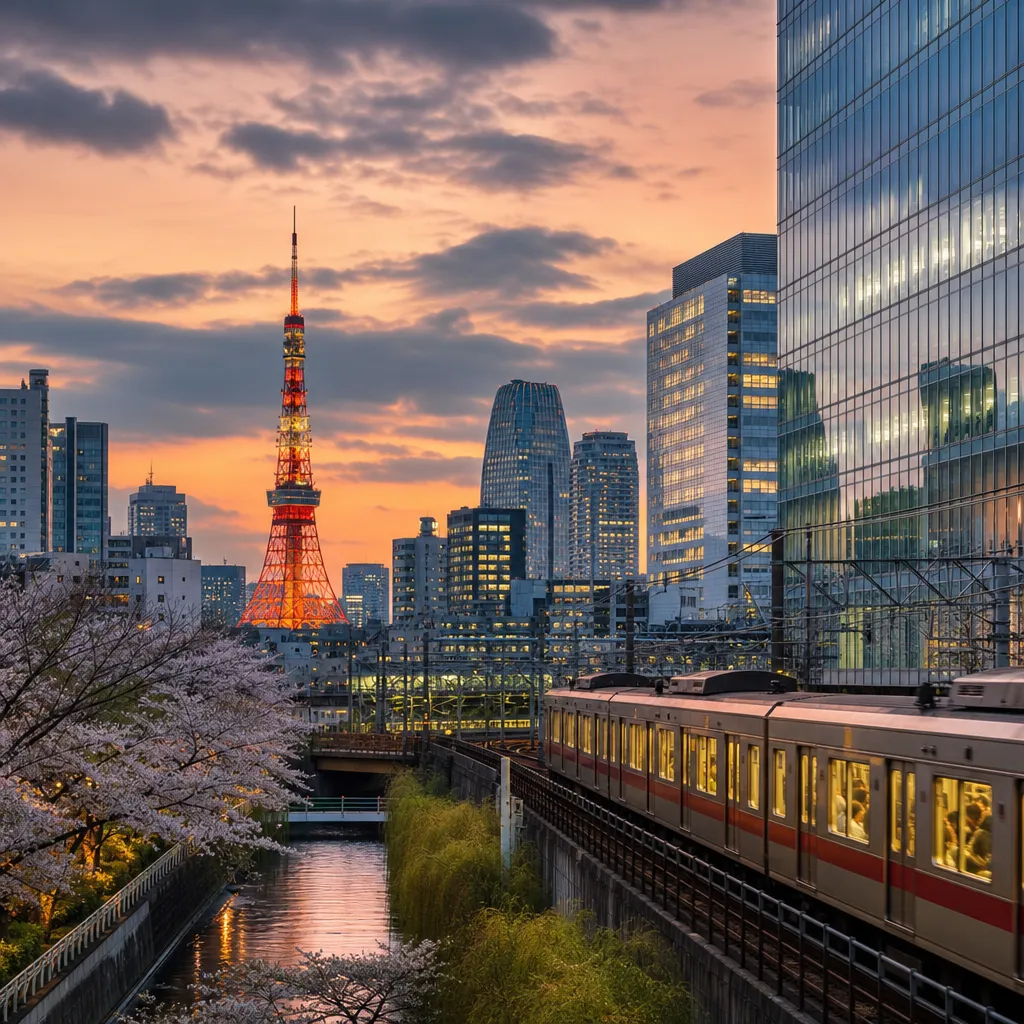
For many visitors, spring is the easiest recommendation. Late March to early April is the usual cherry blossom period, though exact timing changes every year. If your trip centers on parks, riverside walks, and seasonal photography, this is when the city feels most recognizably “spring Tokyo.”
Popular blossom areas include Ueno Park in Taito ward near Ueno Station, which is central, busy, and convenient if you also want museums. Chidorigafuchi, near the Imperial Palace area and accessible from Kudanshita or Hanzomon, is better for scenic water-and-trees compositions and evening atmosphere. Meguro River in the Nakameguro area, southwest of central Tokyo, suits travelers who want cafés, boutiques, and a more urban blossom walk rather than a formal park.
The trade-off is crowding. Ueno, Asakusa, Shibuya, and Nakameguro can all feel packed during peak blossom weekends. Hotel demand also rises. If you want spring weather without the heaviest blossom crowds, mid to late April and May are often more practical. Parks stay green and comfortable, and neighborhoods like Kichijoji, Yanaka, and Kagurazaka become easier to enjoy at a slower pace.
Who spring suits best
- First-time visitors
- Photographers
- Travelers planning park-heavy days
- Couples and multi-generational family trips
Summer: best for festivals, fireworks, and nightlife energy
Summer in Tokyo is atmospheric but demanding. July and August bring matsuri season, beer gardens, fireworks, and long evenings, but also serious heat and humidity. This is a strong time to visit if your priorities are food, festivals, and night views rather than all-day walking.
Major summer experiences often happen in or around central sightseeing districts. Sumida River Fireworks Festival, associated with the Asakusa and Sumida area near Asakusa Station and surrounding transport hubs, is one of the city’s best-known events. Schedules and viewing conditions should always be checked in advance because crowd control and access can change. Koenji Awa Odori, in western Tokyo around Koenji Station, offers a neighborhood festival atmosphere that feels very different from the large commercial center districts.
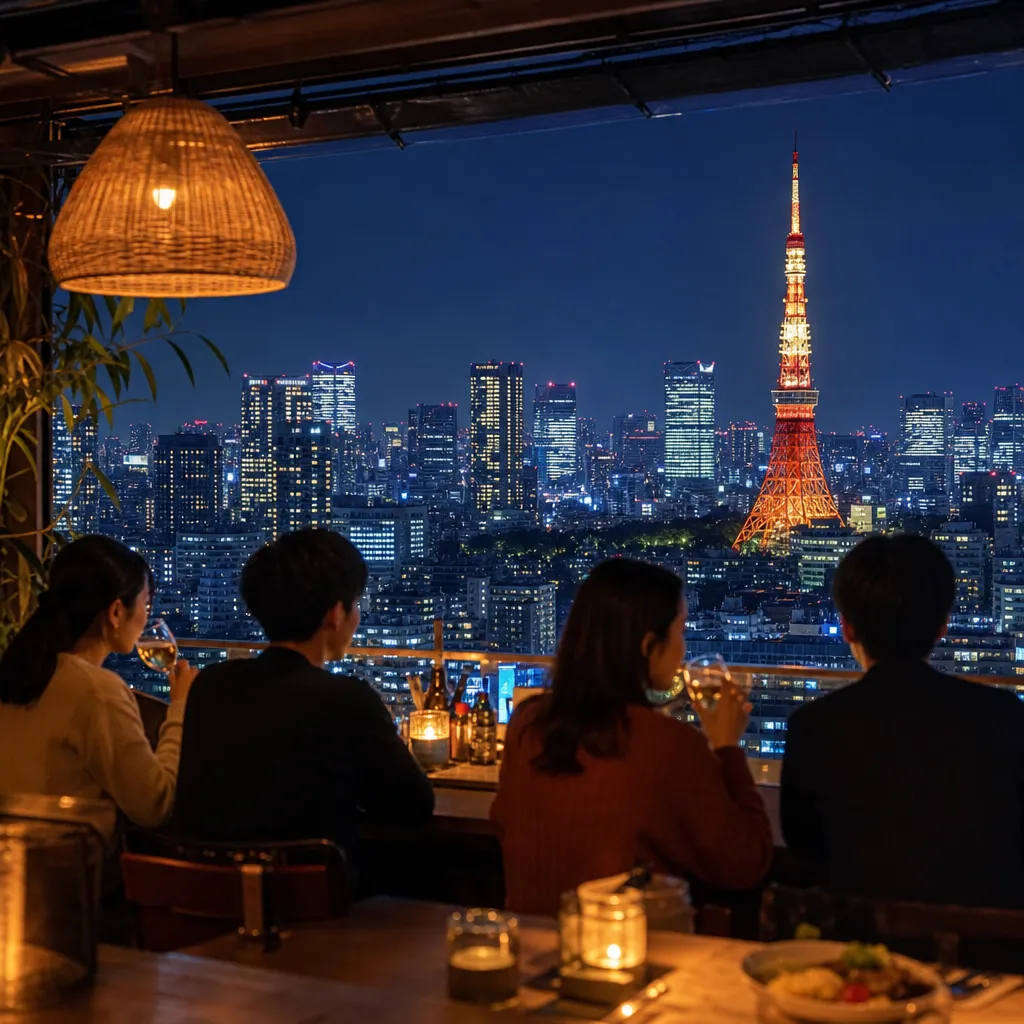
For hot-weather sightseeing, structure your day carefully. Mornings suit shrine and temple visits such as Senso-ji in Asakusa or Meiji Jingu on the edge of Shibuya and Harajuku, where early hours are far more comfortable. Afternoons are better for indoor places like the Tokyo National Museum in Ueno Park, department stores in Ginza or Shinjuku, or teamLab-style immersive digital attractions if that is part of your plan. Evenings work well for rooftop bars, yakitori alleys, and river or tower views.
If you dislike heat, summer is not the most comfortable season. If you enjoy evening city life and don’t mind building in midday breaks, it can still be rewarding.
Autumn: the most balanced season for many travelers
Late October through November is often the strongest overall answer for visitors who want comfort, walkability, and good light. The humidity drops, skies are often clearer than in summer, and neighborhoods become easier to explore on foot for long stretches.
Autumn foliage arrives later than many first-time visitors expect. In central areas, peak color often develops through November rather than early October. Reliable urban foliage spots include Rikugien in Bunkyo ward near Komagome, a traditional garden that works especially well for couples and quiet travelers; Shinjuku Gyoen, near Shinjuku and Sendagaya transport access, for broad landscaped space and variety; and Meiji Jingu Gaien, known for its ginkgo avenue in the Aoyama outer-central area.
This is also a very good season for architecture and neighborhood photography. Omotesando’s modern retail architecture, Kagurazaka’s backstreets, Yanaka’s low-rise atmosphere, and Kiyosumi-Shirakawa’s warehouse-and-café landscape are all more pleasant in cool weather. If your trip mixes museums, shopping, food, and outdoor walking, autumn is usually easier than spring because crowds are more spread out beyond the top foliage locations.
Why autumn works so well
- Comfortable all-day walking weather
- Good conditions for parks, gardens, and city photography
- Less dependence on perfect blossom timing
- Strong season for both outdoor and indoor itineraries
Winter: best for clear views, museums, and lower-pressure sightseeing
Winter is often underrated, especially from December to February outside the New Year period. Tokyo winters are usually dry and relatively sunny, with less snow disruption than many visitors imagine. This season is especially good for travelers who care more about museums, food, urban walks, and observation decks than flower viewing.
Clear air can improve long-distance visibility from viewpoints such as Tokyo City View in Roppongi Hills, Shibuya Sky near Shibuya Station, and other elevated decks where skyline detail matters. Sunset arrives earlier, which can make it easier to combine a daytime museum visit with evening lights and dinner afterward. Roppongi works particularly well in winter because you can pair a viewpoint with the Mori Art Museum area and indoor dining. Ueno is another strong winter base for culture-focused days because the museum cluster around Ueno Park reduces the need for long outdoor transfers.
The main caution is the year-end and New Year period. Some businesses, independent restaurants, and smaller venues may operate on reduced schedules or close around that time. Shrine visits are culturally significant during the New Year season, and major sites can be especially busy. Check current schedules before committing to a tight itinerary.
When to avoid peak crowd pressure
If your main concern is avoiding the city at its most congested, pay attention not just to season but to national holiday timing. Golden Week, which falls across late April and early May, is one of the main periods when transport and major attractions can feel especially pressured. Blossom peak weekends and the New Year holiday period are also more intense.
Large, famous districts absorb crowds differently. Asakusa, Shibuya, Shinjuku, and Harajuku stay busy almost year-round, but national holidays and school vacation periods make a noticeable difference. Smaller districts such as Yanaka, Kiyosumi-Shirakawa, Kagurazaka, and Jimbocho can offer a calmer day even in busy seasons, especially if your interests include bookstores, coffee, local shopping streets, or slower neighborhood walks.
If you want lower-pressure sightseeing, the most practical windows are often:
- Mid to late January after the New Year rush
- February, for museums and urban trips
- Late May after Golden Week
- Early June if you can tolerate rain risk
- Early December before year-end travel builds
Best time by trip style
Different travelers benefit from different timing, even within the same city.
For food-focused trips
Tokyo’s restaurant scene works in every season, but autumn and winter are especially comfortable for combining reservation-based dinners with neighborhood walking. Summer suits nightlife-oriented eating, such as yakitori, izakaya hopping, and evening drinks, provided you avoid the hottest midday hours.
For families
Spring and autumn are usually easiest. Outdoor attractions, zoos, parks, and family museums are more pleasant when children do not have to deal with midsummer heat. Ueno, Odaiba, and the Tokyo Bay side are easier to manage in moderate temperatures.
For photographers
Spring is strongest for blossom scenes, while autumn offers the most consistently comfortable shooting conditions. Winter can be excellent for crisp skyline photography and lower haze. Summer is best if your focus is street atmosphere, festivals, and night scenes.
For shopping and indoor culture
Winter and rainy-season days are both manageable if your itinerary emphasizes Ginza department stores, museum districts, cafés, and design or fashion neighborhoods. Tokyo remains highly functional in poor weather thanks to rail connections and dense indoor options.
Weather strategy by neighborhood
Season matters, but so does where you spend time. The city feels different depending on district layout.
Asakusa and Ueno work best in cooler weather or early mornings in summer because they involve more open walking space and exposed streets. Ginza is manageable year-round thanks to department stores, basements for food halls, cafés, and easy access to indoor stops between walks. Shibuya and Shinjuku are busy in every season, but they remain practical in rain or winter because shopping, food, and observation options are concentrated around major stations.
If you want a quieter seasonal experience, consider Kichijoji in western Tokyo for Inokashira Park in spring or autumn, Kiyosumi-Shirakawa for cooler-weather café and gallery wandering, or Yanaka for traditional low-rise streets that are best enjoyed in mild temperatures rather than summer humidity.
Practical planning tips before you choose dates
- Check Japanese holiday calendars. Even if you are not attending an event, transport and hotel demand can shift around public holidays.
- Book popular seasons early. This matters most for blossom season, autumn weekends, and well-located hotels near major stations.
- Do not plan a blossom trip around one exact day. Bloom timing changes yearly, and a flexible window is safer.
- Build indoor backups in June and summer. Museums, food halls, observation decks, and department stores help if weather turns uncomfortable.
- Check festival schedules directly. Fireworks and matsuri dates, viewing rules, and crowd management plans can change.
- Dress for walking. Even station-linked itineraries often involve more time on foot than visitors expect.
FAQ
What is the overall best month to visit?
For many travelers, November is the most balanced choice because of comfortable temperatures, good walking conditions, and autumn color. Early April is also excellent if your priority is cherry blossoms and you accept heavier crowds.
When is the cheapest time to visit Tokyo?
Pricing changes constantly, but periods outside cherry blossom season, Golden Week, and year-end holidays are often easier on accommodation budgets. Midwinter outside New Year and parts of the rainy season can be more affordable, though you should compare dates carefully.
Is summer a bad time to visit?
Not necessarily. It is a difficult season for long daytime sightseeing because of heat and humidity, but it is strong for festivals, fireworks, rooftop drinking, and late-evening food culture. Plan early starts and indoor midday breaks.
When should I visit for cherry blossoms?
Late March to early April is the usual target, but exact bloom timing changes each year. If blossoms are a major priority, monitor official forecasts closer to your travel dates and avoid depending on a single day.
What time of year is best for walking around neighborhoods?
Autumn and late spring are generally best. Areas like Yanaka, Kagurazaka, Kichijoji, and Nakameguro are much more enjoyable when temperatures are mild.
Is winter too cold for sightseeing?
No. Winter is usually very manageable for urban travel, especially if you mix outdoor walks with museums, cafés, and department stores. It is often a very good season for skyline views and lower-humidity photography.
Do I need to avoid any holiday periods?
It is wise to be cautious around Golden Week, blossom peak weekends, and the New Year holiday period if you dislike crowds or want the widest hotel choice. Travel is still possible then, but requires more planning.
What should I check before finalizing dates?
Check holiday calendars, blossom or foliage forecasts if seasonal scenery matters, and official event pages for any festival or fireworks plan. Also confirm hotel cancellation terms if you are booking around weather-sensitive periods.
Sources
- GO TOKYO (Tokyo Convention & Visitors Bureau)
- Japan National Tourism Organization
- Tokyo Metropolitan Government