Tokyo can overwhelm first-time visitors because its headline sights are spread across very different neighborhoods: old temple districts, glossy shopping areas, low-rise residential streets, reclaimed-bay museums, and late-night entertainment zones. The best approach is not to collect landmarks at random, but to choose attractions that match the kind of day you want: traditional, architectural, family-friendly, art-focused, or skyline-oriented. The places below are widely worth considering because they are not just famous, but practical to visit and easy to combine into well-planned itineraries. Where helpful, this guide explains the surrounding area, transport context, and the small details that make a visit smoother.
How to Choose the Right Tokyo Attractions
Before listing places, it helps to think in zones. Central and east-side districts such as Asakusa, Ueno, Marunouchi, and Ginza work well for classic sightseeing and museums. West-side areas such as Shibuya, Harajuku, and Shinjuku are stronger for city views, modern urban energy, shopping, and nightlife-adjacent attractions. The bay area around Odaiba and Toyosu is more spacious and contemporary, with family attractions and large-format museums.
Transport is usually straightforward by rail or subway, but Tokyo rewards clustering. For example, Senso-ji fits naturally with a day in Asakusa and nearby Sumida-side viewpoints, while Meiji Jingu works best when paired with Harajuku or Omotesando. If you are short on time, aim for one major attraction and one surrounding neighborhood rather than rushing across the city.
Quick Comparison of Recommended Attractions
| Place | Area | Type | Best Time/Use | Key Feature |
|---|---|---|---|---|
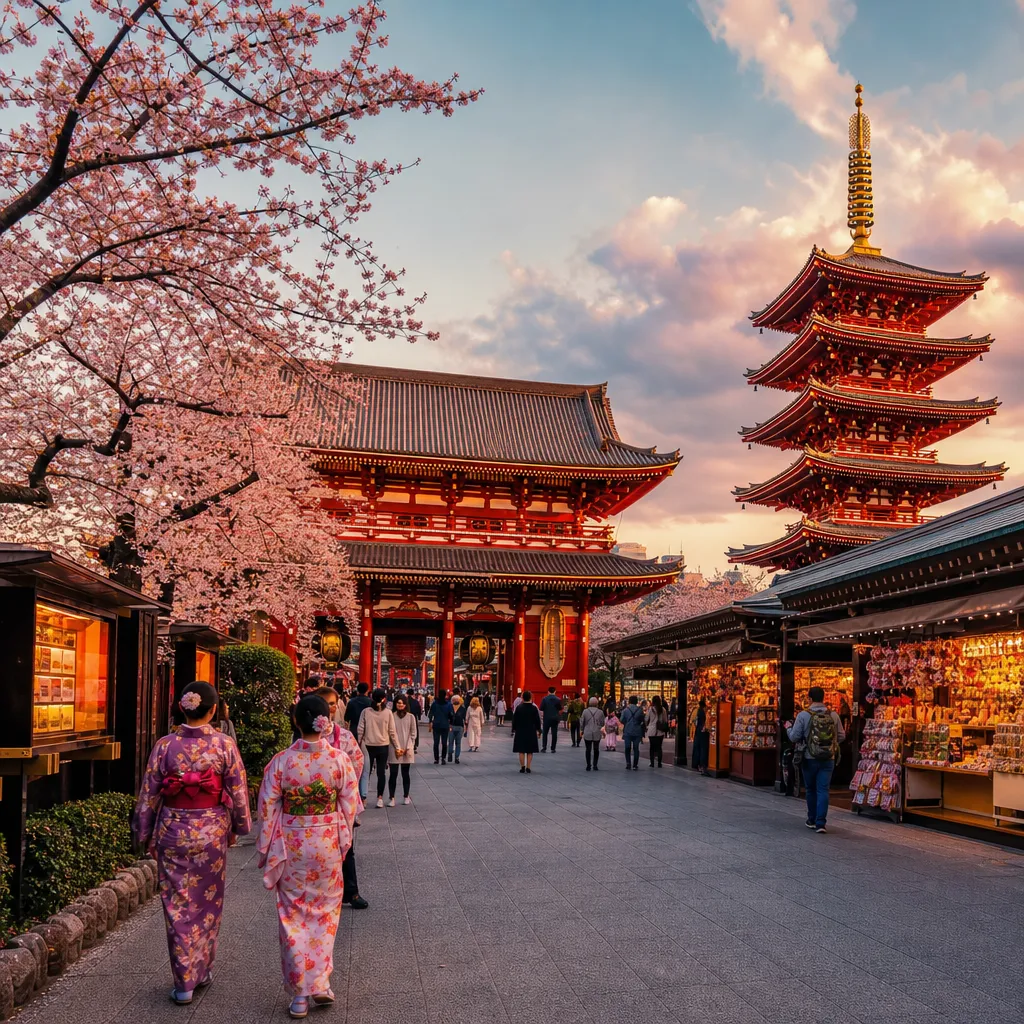
| Senso-ji | Asakusa, Taito City | Temple district | Morning or evening stroll | Historic setting and approach through Nakamise |
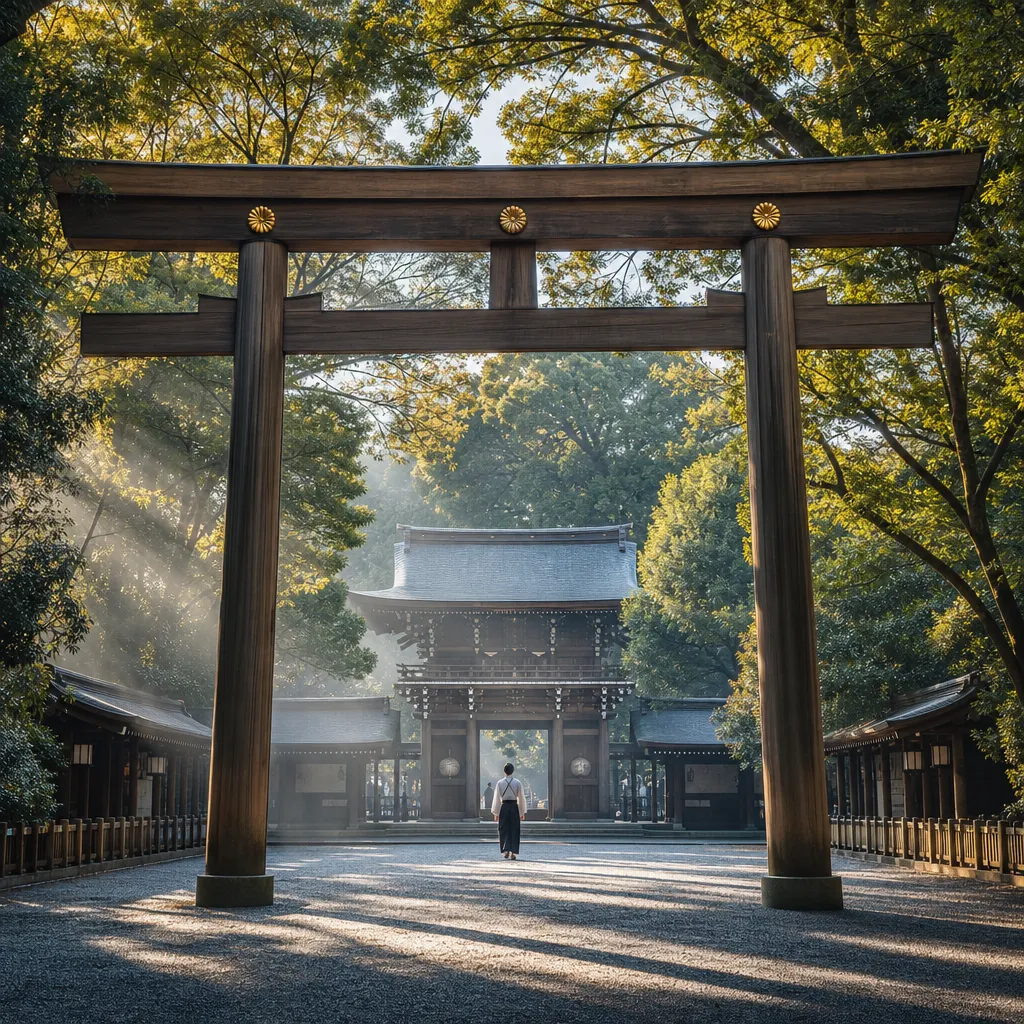
| Meiji Jingu | Shibuya ward, near Harajuku | Shinto shrine | Morning | Forest approach in central Tokyo |
| Tokyo National Museum | Ueno | Museum | Half-day cultural visit | Japan-focused art and historical collections |
| teamLab Planets TOKYO DMM | Toyosu | Immersive digital art | Booked time slot, indoor day | Walk-through sensory installations |
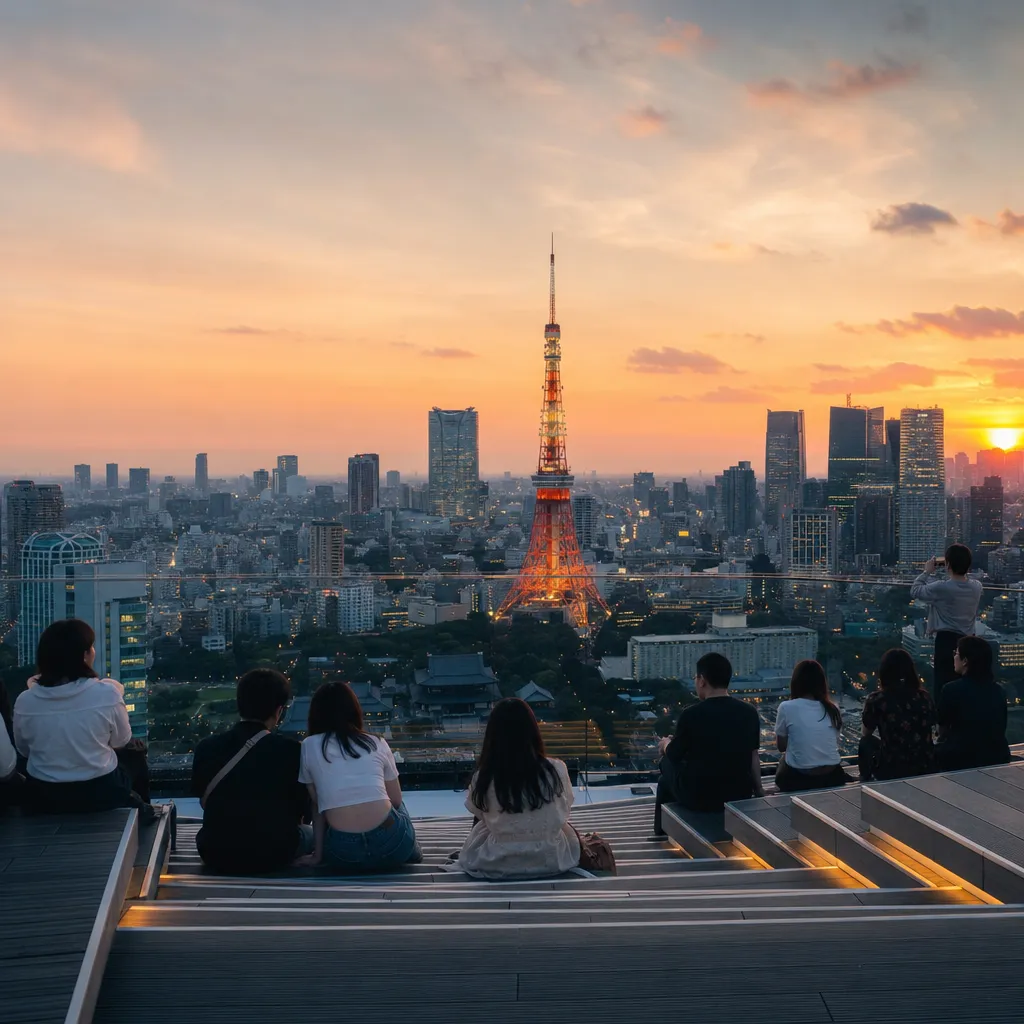
| Tokyo Skytree | Sumida | Observation tower | Late afternoon to night | Large-scale city panorama |
| Shinjuku Gyoen | Shinjuku | Garden/park | Daytime, especially spring or autumn | Spacious landscaped grounds in the city center |
| Tokyo Metropolitan Government Building observatories | Shinjuku | Viewpoint | Clear daytime or evening skyline visit | Free city views |
| MORI Building DIGITAL ART MUSEUM: EPSON teamLab Borderless | Azabudai Hills | Immersive museum | Advance-planned indoor visit | Expansive digital environments |
Traditional Tokyo: Senso-ji and Meiji Jingu
Senso-ji
In Asakusa, in Taito City on the eastern side of central Tokyo, Senso-ji is the city’s most straightforward introduction to older urban culture. It is a Buddhist temple, not a shrine, and the experience begins well before the main hall: Kaminarimon, Nakamise shopping street, side lanes selling snacks and souvenirs, and the wider low-rise atmosphere of Asakusa all shape the visit.
This is one of the easiest attractions for first-time visitors because the district itself is part of the appeal. It suits photographers, families, and travelers who want a traditional setting without leaving the city. Early morning is calmer; evenings can also be rewarding when the temple grounds are lit and day-trip crowds thin out.
If you visit, behave as you would at an active place of worship: avoid blocking pathways, be respectful when photographing worshippers, and follow posted guidance at incense burners or prayer areas. Asakusa Station is the most useful transport reference, and the temple combines naturally with a Sumida River stroll or a Tokyo Skytree visit.
Meiji Jingu
Near Harajuku Station and the wider Yoyogi area in Shibuya ward, Meiji Jingu offers a very different traditional experience. It is a Shinto shrine set within a large wooded precinct, so the mood is quieter and more spacious than the dense streets of Asakusa. The long gravel approaches matter as much as the main shrine buildings.
This is a strong choice for travelers who want a cultural stop without the visual clutter of a commercial temple district. It also works well for people staying on the western side of the city, since it can be combined with Harajuku, Omotesando architecture, or Yoyogi Park. Morning is usually the best time for a calmer atmosphere and softer light.
Because it is a shrine, visitors should follow shrine etiquette rather than temple etiquette. Basic courtesy goes a long way: do not treat the grounds like a park picnic zone, and be aware that ceremonial events may be taking place.
Best Museums for a First Visit
Tokyo National Museum
Inside Ueno Park, near Ueno Station, the Tokyo National Museum is the strongest single museum choice for visitors who want historical context rather than just a visual highlight. Its collection is broad, with Japanese art, sculpture, ceramics, lacquerware, textiles, armor, and archaeological material.
It suits travelers who want depth and are happy to spend at least a couple of hours indoors. Ueno itself is practical: you can pair the museum with other Ueno Park institutions, a walk around Shinobazu Pond, or nearby food options around the station. This is one of the better rainy-day attractions in the city.
Because exhibitions and gallery access can change, it is worth checking the museum’s current display information before visiting. If you only have limited time, focus on the Japanese galleries rather than trying to see everything.
MORI Building DIGITAL ART MUSEUM: EPSON teamLab Borderless
Now in Azabudai Hills, in the Minato area, teamLab Borderless is one of the most discussed indoor attractions in Tokyo, but it still earns a place on a practical list because it delivers a very different museum format. Instead of conventional object-based displays, it creates immersive digital rooms and moving visual environments.
This is best for travelers who enjoy interactive visual experiences, couples, older children, and photographers willing to work patiently in low light and with crowds. It is less about art history and more about atmosphere, motion, and scale. Booking ahead is usually the sensible approach for major digital attractions in Tokyo.
The surrounding Azabudai Hills development also makes it easy to combine with contemporary architecture, cafés, or a wider Roppongi/Minato day.
teamLab Planets TOKYO DMM
In Toyosu, closer to the bay area than to older central districts, teamLab Planets is another immersive digital art option but with a more bodily, walk-through format. Visitors often move through water or mirrored spaces, so this is less passive than a standard museum visit.
It is especially useful if you are already exploring Toyosu, Odaiba, or the waterfront side of the city. Families with older children often find it easier to engage with than a conventional fine-art museum. Practical planning matters here: clothing, footwear, and crowd timing can affect the experience, and advance booking is often wise.
Viewpoints That Are Actually Worth the Time
Tokyo Skytree
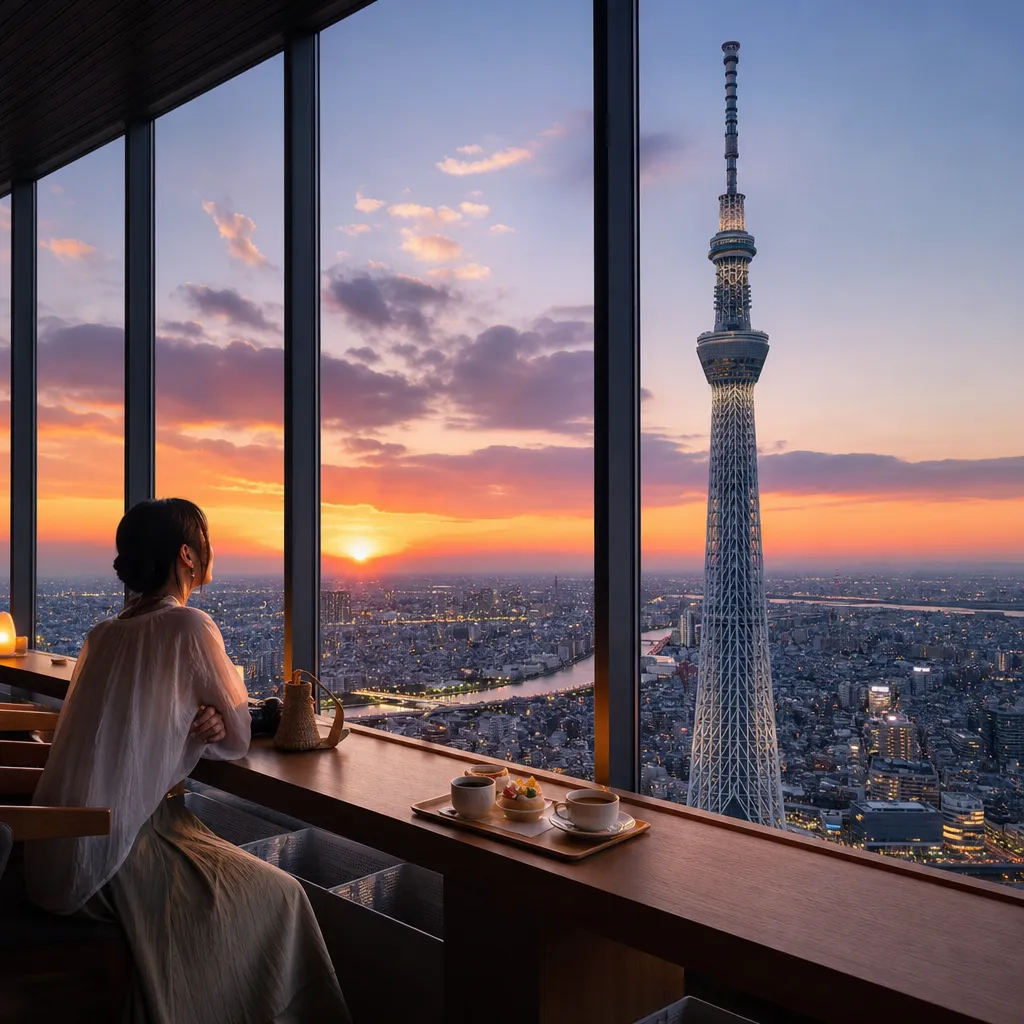
In Sumida, east of the city center, Tokyo Skytree is the most dramatic large-scale viewpoint in the city. It is best chosen when you want height, broad urban geography, and a destination that can anchor a half-day in the area. The surrounding Tokyo Solamachi complex adds dining and shopping, so this is easy for mixed-interest groups.
Late afternoon into evening is often the most rewarding period because the city shifts from daylight detail to illuminated streets. On clear days, visibility is far better than on humid or rainy ones. If skyline photography matters to you, weather matters more than time alone.
This attraction works particularly well when paired with Asakusa, since together they show two very different sides of eastern Tokyo.
Tokyo Metropolitan Government Building observatories
In west Shinjuku, among the high-rise government and office buildings, the Tokyo Metropolitan Government Building observatories are a very practical alternative for travelers who want a skyline view without making a premium tower their main paid attraction. The surrounding district is more businesslike than entertainment-focused, so expectations should be different from central Shinjuku nightlife streets.
This viewpoint suits budget-conscious travelers, short stays, and anyone already exploring Shinjuku. It is also useful in poor weather if you are deciding spontaneously whether conditions justify going up a tower. As with all city observatories, visibility changes a lot by season and weather.
Parks and Open-Air Attractions That Break Up a Dense Itinerary
Shinjuku Gyoen
Near Shinjuku but far calmer than the station area, Shinjuku Gyoen is one of the easiest places to reset after crowded shopping streets and transport hubs. The garden combines Japanese, English landscape, and French formal influences, making it more varied than a simple urban park.
It works for solo travelers, couples, families, and anyone trying to fit a quieter outdoor stop into a central itinerary. Spring cherry blossom season and autumn color are the obvious peak periods, but even outside those windows it remains one of the city’s most useful green attractions.
Because this is a maintained garden rather than an informal neighborhood park, visitors should expect basic rules on behavior and access. Check current entry information in advance, especially during seasonal peaks.
Ueno Park
Ueno Park is less a single attraction than a practical sightseeing cluster. In the Ueno district, it combines museums, open spaces, seasonal greenery, and access to several cultural institutions around one transport hub. If your group has different interests, it is one of the easiest compromise destinations in Tokyo.
It is particularly good for half-day planning: museum visitors can head indoors while others enjoy the park or nearby food streets around Ueno Station and Ameyoko. During major blossom periods, it becomes much busier, so those seeking a calmer atmosphere should go outside peak seasons or earlier in the day.
Modern Architecture, Shopping, and Urban Streetscapes
Omotesando and Harajuku
If your idea of an attraction is not a single building but a walkable district, Omotesando is one of Tokyo’s strongest architectural corridors. Running through the wider Harajuku area, it mixes flagship retail buildings, tree-lined avenues, and side streets with independent fashion and café culture. It is not a historical sightseeing zone, but it is excellent for design-conscious visitors.
This area suits architecture lovers, photographers interested in storefronts and streetscapes, and travelers who want a polished urban walk rather than a checklist monument. Weekday daytime visits are usually easier if you want to appreciate buildings and public space rather than just navigate crowds.
Ginza
Ginza, in Chuo City, is best approached as a district attraction rather than just a shopping destination. Department stores, architecture, basement food halls, galleries, and careful streetscape management make it one of the city’s cleanest and most legible urban experiences. Even visitors with no intention of luxury shopping often enjoy it.
It is especially practical for travelers staying in Marunouchi, Tokyo Station, Nihonbashi, or around the Imperial Palace side of the city. If you enjoy city photography, Ginza is more about geometry, signage, facades, and night reflections than dramatic skyline shots.
Family-Friendly and Rainy-Day Options
Sumida Aquarium
Inside the Tokyo Skytree Town complex in Sumida, Sumida Aquarium is one of the more convenient family additions to an east-side itinerary. It works well if your group includes children or if weather makes an indoor stop useful. Because it is integrated into a larger complex, it is easy to combine with Skytree, shopping, and meals rather than treating it as a standalone expedition.
National Museum of Nature and Science
Also near Ueno Station in Ueno Park, the National Museum of Nature and Science is one of the better museum choices for families, science-minded visitors, and anyone who prefers broad, accessible displays over specialist art collections. It is a dependable rainy-day attraction and a good complement to the Tokyo National Museum if your group has mixed interests.
Practical Planning Tips for Visiting Attractions
- Group by neighborhood: Asakusa and Skytree; Ueno and its museums; Harajuku and Meiji Jingu; Shinjuku and Shinjuku Gyoen are more efficient as paired days.
- Use mornings well: Shrines, temples, and gardens are usually more pleasant before midday crowds build.
- Book immersive museums ahead: Major digital art venues often work best with advance tickets.
- Check weather before viewpoint visits: Clear air matters more than simply going at sunset.
- Allow for station scale: Major hubs such as Shinjuku, Ueno, and Tokyo Station are large, so leave buffer time even when attractions seem close on a map.
- Respect active religious sites: Senso-ji and Meiji Jingu are not just photo backdrops.
FAQ
What area of Tokyo is best for first-time sightseeing?
For a classic first visit, Asakusa, Ueno, and the Tokyo Station/Ginza side are very practical. They combine major attractions with manageable transport and clear neighborhood character.
Do I need reservations for Tokyo attractions?
For many temples, shrines, parks, and public viewpoints, no. For major digital art museums and some special exhibitions, advance booking is often the safer choice.
What is the best time of day to visit shrines and temples?
Morning is usually best for atmosphere, lower crowd levels, and softer light. Evening can also work well at larger temple districts such as Asakusa.
Are these attractions suitable for families with children?
Yes, especially Ueno Park institutions, Tokyo Skytree-related attractions, teamLab venues, and large green spaces such as Shinjuku Gyoen. Traditional sites also work well if children are comfortable with walking.
Which attraction is best on a rainy day?
The Tokyo National Museum, National Museum of Nature and Science, teamLab Borderless, and teamLab Planets are among the easiest bad-weather options.
Can I visit these places without speaking Japanese?
Yes. Major attractions in Tokyo generally provide enough signage, visual guidance, or ticketing support for international visitors, though some smaller details may be clearer if you use translation tools.
What should I check before visiting?
Check current opening information, ticketing arrangements, seasonal closures, and any photography restrictions. This is especially important for museums, observatories, and temporary exhibitions.
Sources
- GO TOKYO
- Japan National Tourism Organization
- Tokyo Metropolitan Government