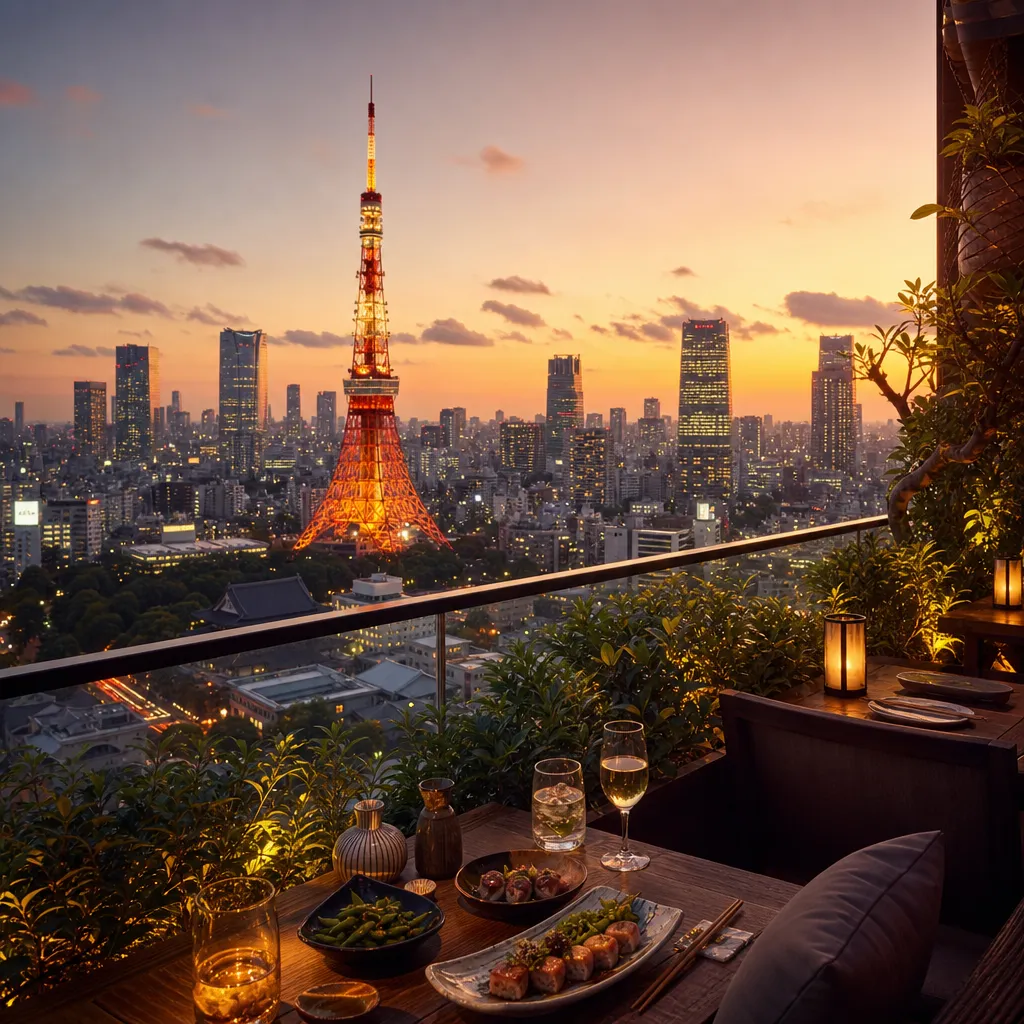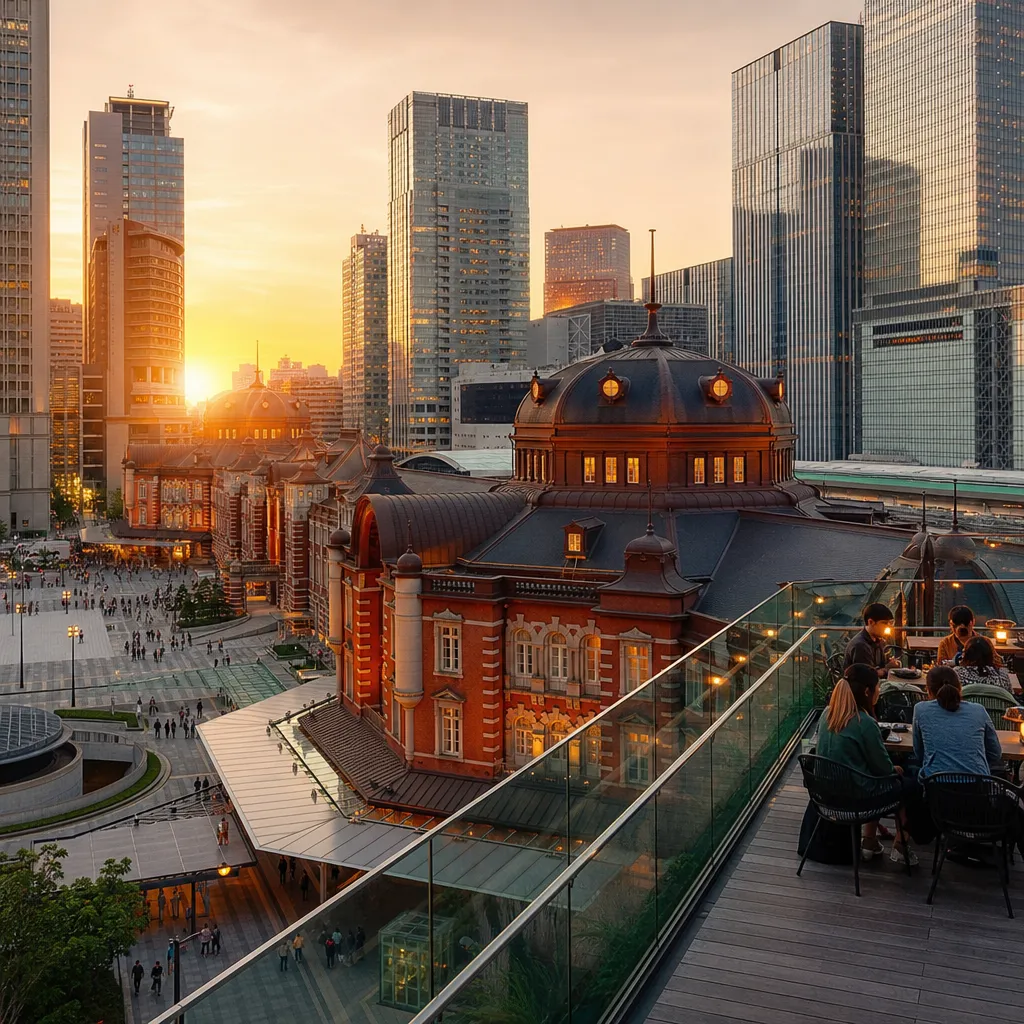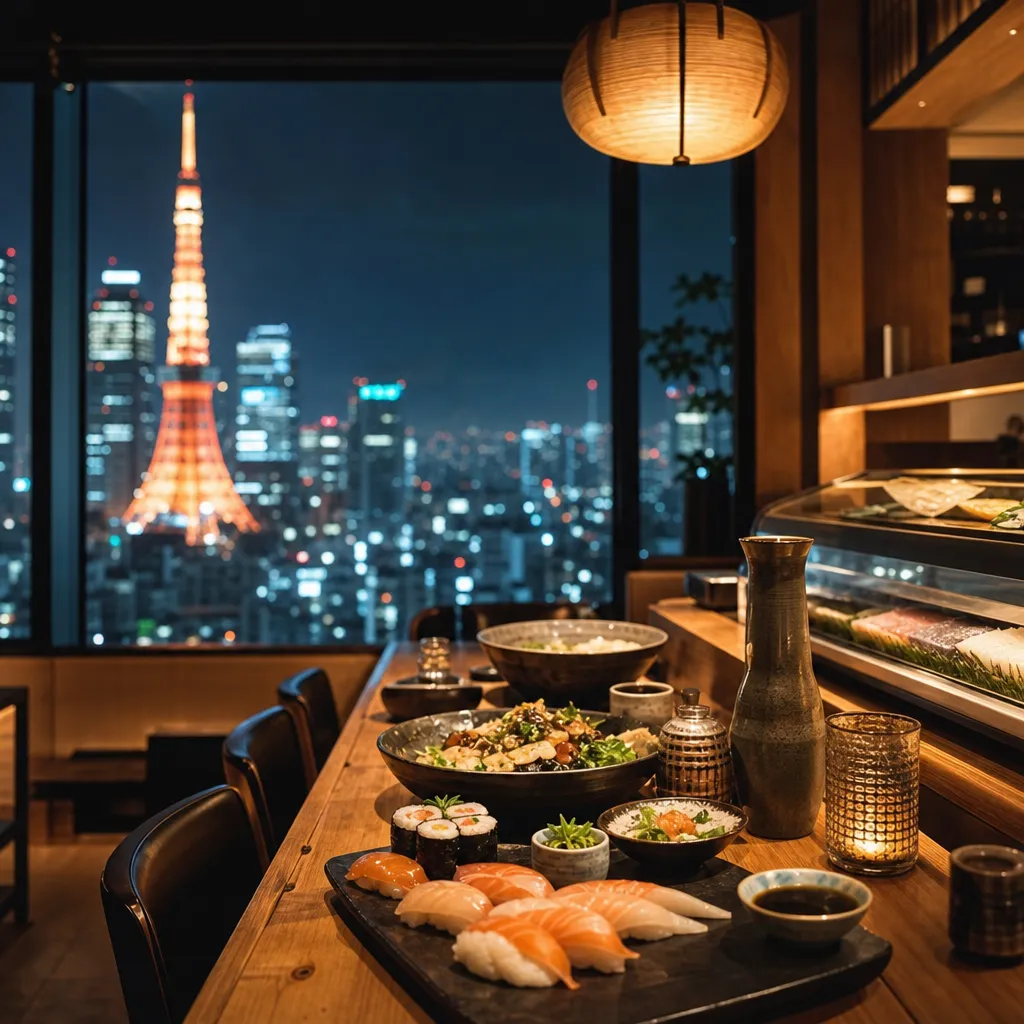
Tokyo is one of the world’s most rewarding restaurant cities, but it is also a place where choosing where to eat matters almost as much as choosing what to eat. Neighborhood character changes quickly from one station area to the next: Ginza is polished and expensive, Shinjuku is dense and varied, Asakusa feels more traditional, and places like Nakameguro or Kiyosumi-Shirakawa are better for slower café-and-dining days. A practical restaurant guide should help you match cuisine, budget, atmosphere, and transport convenience rather than chasing famous names alone. The places below are reliable starting points for visitors who want memorable meals across different styles, from sushi counters and ramen specialists to yakitori and old-school Tokyo dining.
How to Choose a Restaurant Area in Tokyo
If you are planning around sightseeing, it helps to eat near the area you are already visiting rather than crossing the city for every meal. Tokyo is large, and restaurant density around major stations can be overwhelming.
- Ginza and Yurakucho: strong for sushi, kaiseki-style dining, department-store food halls, and more polished mid-range to upscale meals. Convenient if you are staying in central Tokyo.
- Shinjuku: best for variety, late dining, izakaya culture, ramen, yakitori, and energetic evening atmospheres. Good for groups and spontaneous meals.
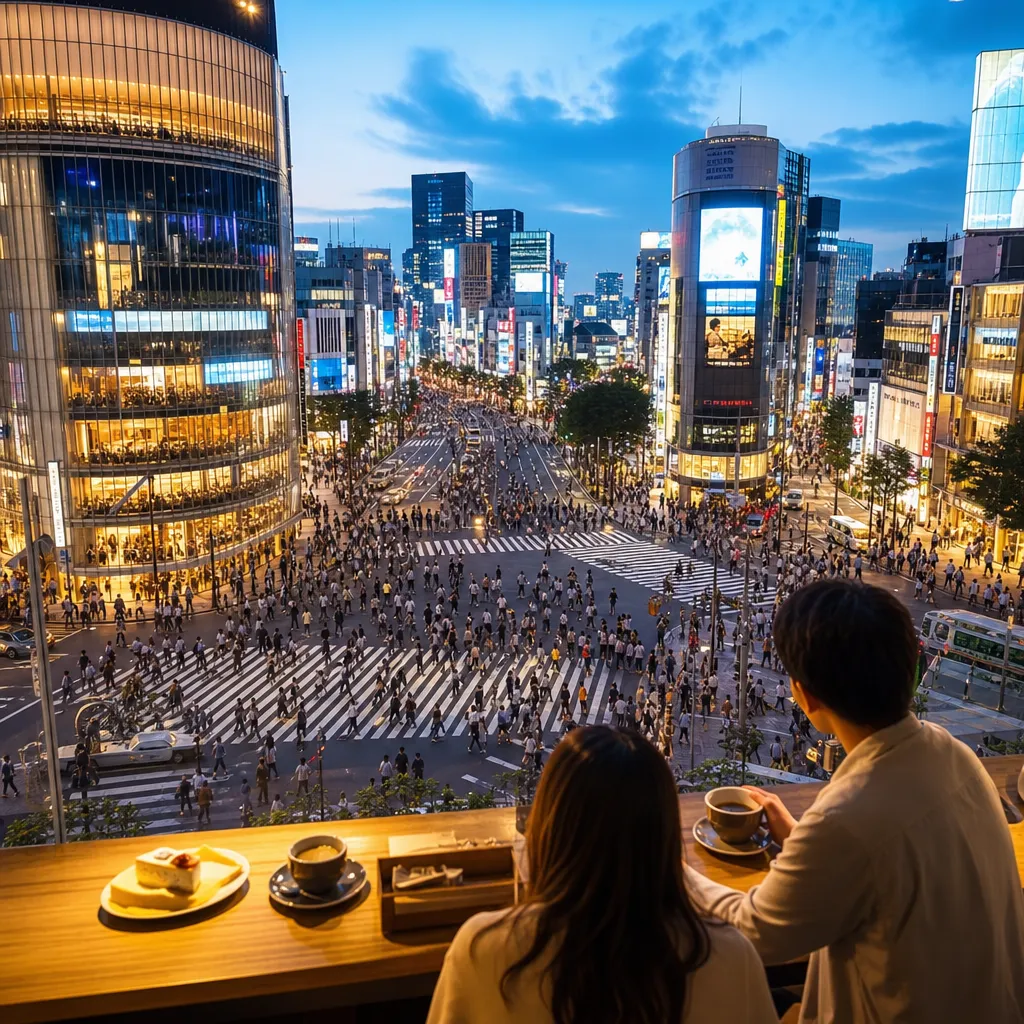
- Shibuya: broad mix of casual chains, contemporary dining, trendy cafés, and basement-floor restaurants. Useful if you want a lively evening without going formal.
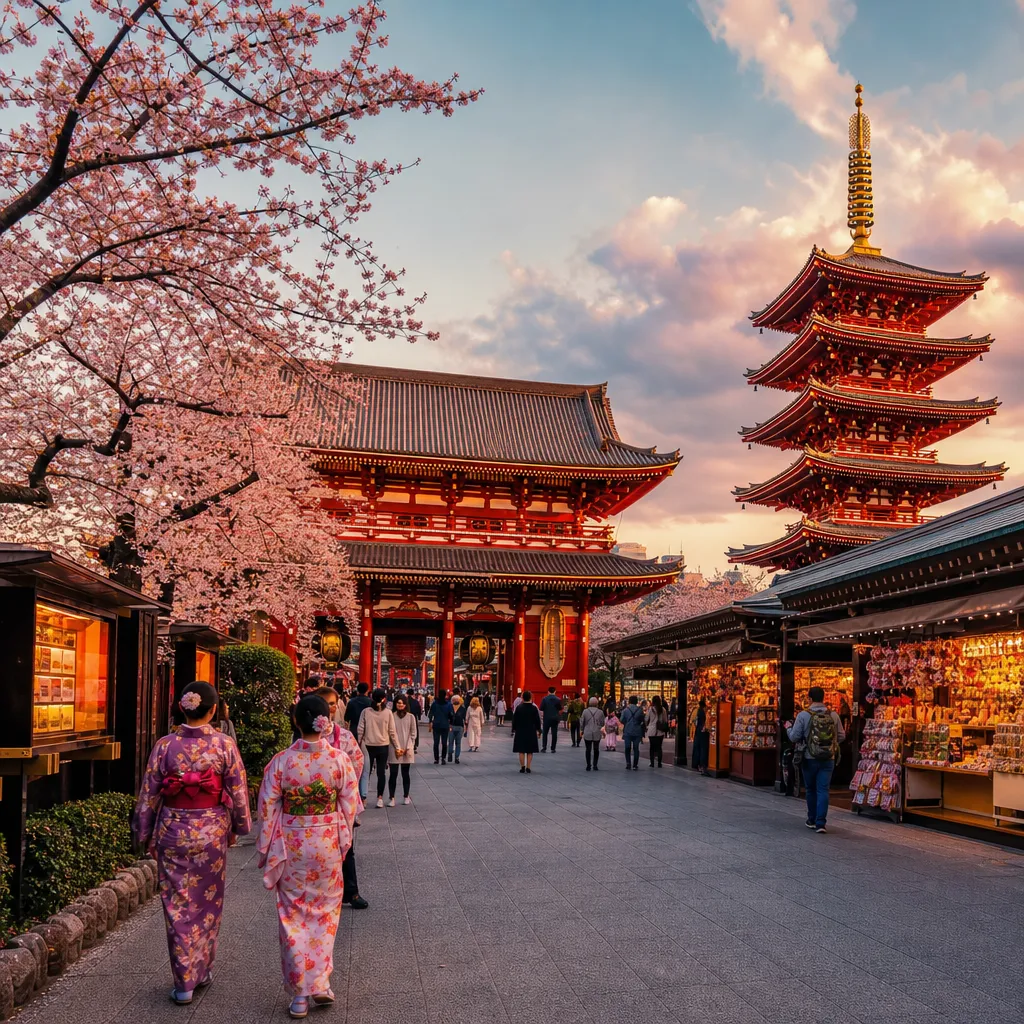
- Asakusa: especially good for soba, tempura, old Tokyo atmosphere, and lunch between cultural sights such as Senso-ji.
- Ueno: practical for casual local eating near museums, Ameyoko, and train connections to other parts of the city.
- Toyosu: the key area for visitors specifically interested in the fish-market side of the dining scene, though it is more about an early visit than an evening out.
For popular restaurants, reservations are often wise, especially for sushi, fine dining, and small specialist counters. For ramen, set-meal shops, and many casual soba or curry restaurants, walk-ins are usually part of the standard experience.
A Curated List of Tokyo Restaurants Worth Planning Around
| Place | Area | Best For | Price Level | Key Feature |
|---|---|---|---|---|
| Sukiyabashi Jiro | Ginza area, Chuo ward | High-end sushi occasions | Luxury | Historic elite sushi counter in central Tokyo |
| Kyubey | Ginza area | Refined sushi with broader accessibility | High-end | Well-known Ginza sushi institution |
| Nakiryu | Otsuka, Toshima ward | Ramen specialists | Budget to moderate | Famous for tantanmen in a less tourist-heavy area |
| Fuunji | Shinjuku | Tsukemen | Budget to moderate | One of the best-known dipping-noodle shops near a major station |
| Sometaro | Asakusa | Okonomiyaki in a traditional setting | Moderate | Historic atmosphere near older downtown sights |
| Kamiya Bar | Asakusa | Classic Western-Japanese tavern dining | Moderate | Historic drinking-and-dining institution near Senso-ji area |
| Bird Land | Ginza | Yakitori with a polished feel | High-end | Strong option for visitors wanting serious yakitori in central Tokyo |
| Kanda Matsuya | Kanda area, Chiyoda ward | Traditional soba | Moderate | Historic soba restaurant in a classic business-district setting |
Sushi Restaurants for a Classic Tokyo Experience
Sukiyabashi Jiro, in the Ginza area of Chuo ward, is one of the city’s most internationally recognized sushi names. It suits travelers seeking a very formal, high-end sushi experience rather than a casual meal. This is not the place for first-time sushi diners who want flexibility or relaxed pacing. Reservations and access policies should always be checked well in advance.
Kyubey, also in Ginza, is one of the most established names for Edomae-style sushi in central Tokyo. For many visitors, it is a more realistic choice than the city’s most exclusive counters while still delivering a refined setting. The surrounding neighborhood is upscale and convenient for department stores, galleries, and luxury shopping, so it works especially well for lunch or dinner after a Ginza day. Expect a polished atmosphere and prices to match the district.
If you want sushi without committing to a luxury budget, central areas such as Ueno, Shinjuku, and station-linked restaurant floors often have reliable mid-range sushi shops. In those cases, focus on reputable chains and long-running counters inside department stores or station complexes, where quality control tends to be more dependable than random tourist-strip choices.
Ramen Restaurants That Reward the Trip
Fuunji, near Shinjuku, is a strong choice if you want to try one of Tokyo’s best-known tsukemen shops. The specialty here is dipping noodles rather than a standard bowl of ramen, so it is ideal for travelers who want a distinctly Tokyo-style specialist experience. Shinjuku is one of the easiest restaurant districts to work into an itinerary because of its rail connections and late-day energy. Lines can form, so this works best if you are willing to wait and do not need a long, relaxed meal.
Nakiryu, in Otsuka in Toshima ward, is a better fit for visitors who enjoy seeking out a destination beyond the most obvious sightseeing districts. Otsuka is on the Yamanote Line, so it is still straightforward to reach, but it feels less dominated by international tourism than Shibuya or central Shinjuku. The shop is especially known for tantanmen. This is a good choice for serious ramen fans, solo diners, and travelers building a food-focused day around Ikebukuro, Sugamo, or northern central Tokyo.
For ramen in general, it helps to know that many shops are compact, quick-moving, and oriented toward solo or small-party dining. Ordering may involve a ticket machine. Large luggage is inconvenient, and peak meal times can mean significant queues.
Yakitori and Evening Restaurants
Bird Land in Ginza is one of the city’s best-known choices for visitors who want yakitori in a more elevated format. This is useful if you love the idea of charcoal-grilled chicken skewers but prefer a setting suited to a date, business dinner, or carefully planned night out. Ginza at night is bright, orderly, and easy to pair with cocktails or a second stop in Yurakucho afterward. Reservations are advisable.
Shinjuku is another practical yakitori district, especially around older alleys and entertainment streets, but quality and atmosphere vary sharply from place to place. If your goal is character rather than prestige, look for established venues with clear menus and realistic wait expectations. If your goal is comfort, smoke-free surroundings, and a smoother experience for non-Japanese speakers, central commercial districts like Ginza are often easier.
For first-time visitors, yakitori is one of the best dinner formats because portions come in stages, drinks pair naturally with the meal, and solo, couple, or small-group dining all work well. The main practical point is that many well-regarded yakitori restaurants are small, so walk-ins can be difficult at popular times.
Traditional Tokyo Dining in Asakusa and Kanda
Sometaro, in Asakusa, is a good option if you want a meal that feels tied to old Tokyo rather than simply ticking off a famous dish. The restaurant is known for okonomiyaki and monjayaki in a traditional setting that matches the wider Asakusa atmosphere. It fits best into a daytime or early evening plan around Senso-ji, the Sumida River area, or older shopping streets. It is particularly appealing for couples, small groups, and travelers interested in atmosphere as much as food.
Kamiya Bar, also in Asakusa, is not a restaurant in the fine-dining sense, but it is an important historic eating-and-drinking institution. It suits travelers who enjoy old-school urban culture and want to experience a place woven into the neighborhood’s identity. Because Asakusa can become crowded in the middle of the day, this is often more enjoyable when used as a break point before or after temple-area sightseeing rather than at peak lunch crush.
Kanda Matsuya, in the Kanda area of Chiyoda ward, is a classic soba destination with strong historical appeal. Kanda’s character is different from heavily touristed eastern districts: it is more businesslike, more literary, and closely tied to long-running food traditions. This makes Kanda Matsuya a good addition if you are visiting nearby areas such as Ochanomizu, Jimbocho’s bookstores, or Akihabara and want a meal with a sense of continuity rather than novelty.
Where to Eat Based on Your Itinerary
For Ginza sightseeing or shopping: choose sushi or yakitori. The district is one of the best places to justify a planned, reservation-based dinner.
For Shinjuku evenings: ramen, izakaya food, and yakitori make the most sense. This is the best area for spontaneity and late-day energy.
For Asakusa and Ueno days: favor soba, tempura, classic tavern food, and traditional sweets. Lunch works especially well because the neighborhoods are strong for daytime walking.
For a serious food detour: places like Otsuka reward travelers willing to leave the obvious visitor core while still staying on easy rail lines.
For solo dining: ramen, sushi counters, soba, and set-meal restaurants are often easier than shared-dish formats.
For families: spacious department-store restaurant floors and casual multi-item Japanese restaurants can be more practical than tiny specialist shops with queues.
Practical Booking, Budget, and Etiquette Tips
- Reserve for sushi and high-end yakitori if the restaurant is central, famous, or counter-based.
- Expect queues for ramen and treat them as normal rather than a warning sign.
- Lunch can be the smarter splurge in business districts such as Ginza or Marunouchi, where some restaurants offer a more accessible daytime entry point.
- Travel light when visiting smaller restaurants. Compact interiors are common.
- Be careful with strong perfume at sushi and other minimalist specialist counters where aroma matters.
- Do not assume English menus, though many central restaurants provide them or have photo-based ordering.
- Check current opening days and booking rules shortly before visiting, especially for independent restaurants.
Good Backup Options When Plans Change
Even with a list of destination restaurants, you do not need every meal to be a major event. Some of the most practical backup options in Tokyo are department-store restaurant floors, basement food halls, station-connected dining complexes, and long-established chain specialists.
Department stores in Ginza, Nihombashi, Shinjuku, and Ikebukuro are useful when weather is bad, your group has mixed tastes, or you need a dependable lunch without wandering. They are especially helpful for families and older travelers because seating tends to be easier and surroundings more comfortable.
Station areas such as Tokyo Station, Ueno Station, and Shinjuku Station have enough dining density that you can usually recover from a failed reservation or a closed shop without sacrificing the evening. These are not always the most atmospheric meals, but they are often the most efficient.
Frequently Asked Questions
What area of the city is best for restaurant-hopping?
Shinjuku is the easiest area for variety in one evening, especially if you want ramen, yakitori, izakaya food, and casual bars close together. Ginza is better if you want a more polished dinner-focused night.
Do I need reservations for Tokyo restaurants?
For famous sushi restaurants, high-end yakitori, and small counters, yes, reservations are often important. For ramen, soba, and many casual restaurants, walk-ins are usually normal.
What is a realistic budget for a good meal?
It varies widely by cuisine and district. Ramen and casual specialist meals can be relatively affordable, while sushi in Ginza can range from mid-range to very expensive. It is best to check current menus directly because prices change.
Is it easy to eat well without speaking Japanese?
Yes, especially in major station districts and central neighborhoods. Many restaurants use photo menus, ticket machines, display models, or simple set-course formats that are manageable for visitors.
Which restaurants are best for solo travelers?
Ramen shops, soba restaurants, sushi counters, curry shops, and many station-area Japanese restaurants work very well for solo diners. Small seating layouts often make solo dining easier than group dining.
Are Tokyo restaurants family-friendly?
Many are, but tiny ramen shops, formal sushi counters, and smoke-heavy older bars may not be ideal. Department-store restaurants, casual chain specialists, and larger neighborhood eateries tend to be more practical.
When is the best time to eat to avoid crowds?
Earlier lunches and earlier dinners usually help. Popular ramen shops and famous small restaurants can still attract lines outside standard peak times, so checking current patterns before visiting is worthwhile.
What should I check before going?
Check the current business day, reservation method, payment options, and whether the restaurant has any special rules about children, luggage, or course-only dining.
Sources
- GO TOKYO (Tokyo Convention & Visitors Bureau)
- Japan National Tourism Organization
- Official websites of Sukiyabashi Jiro, Kyubey, Fuunji, Nakiryu, Bird Land, Sometaro, Kamiya Bar, and Kanda Matsuya