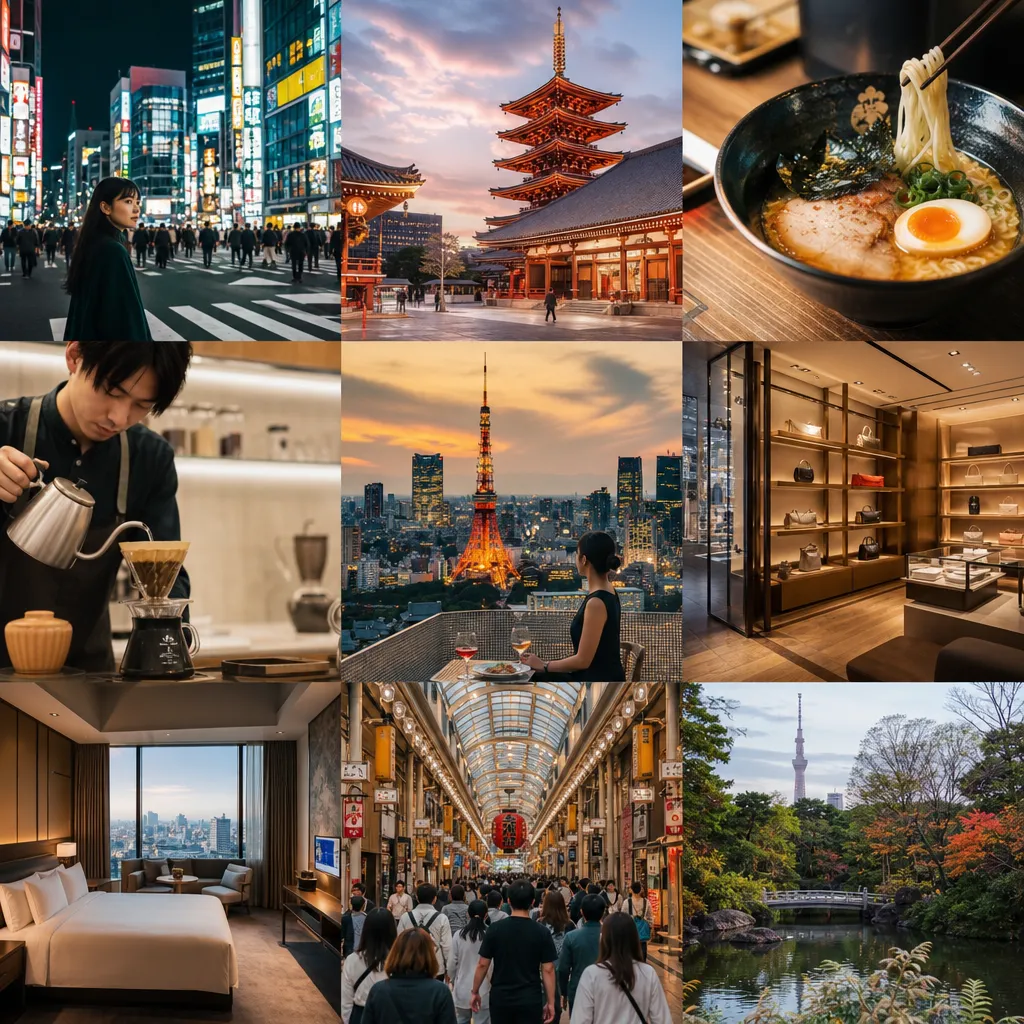
Shopping in Tokyo works best when you choose neighborhoods deliberately rather than trying to cover the whole city in one day. The city’s retail scene ranges from polished department stores in Ginza to youth fashion around Harajuku, anime and electronics in Akihabara, and independent vintage shops in Shimokitazawa and Koenji. Distances can be larger than they look on a map, and each district has its own rhythm, price level, and crowd pattern. A practical plan is to group nearby areas, go early for department stores and markets, and save trend-driven districts for late afternoon and evening.
If you are deciding where to start, think about what you want to buy: luxury, design goods, stationery, denim, secondhand clothing, kitchenware, anime merchandise, or souvenirs. Major stations such as Tokyo Station, Shibuya Station, Shinjuku Station, Ueno Station, and Akihabara Station make good anchors, but the most rewarding shopping is often just beyond the biggest concourses. Many stores still offer tax-free shopping for eligible visitors, though procedures vary, so carry your passport and check the current rules at each shop.
| Area | Best For | Price Level | Useful Station | Why Go |
|---|---|---|---|---|
| Ginza | Luxury, department stores, stationery, heritage retail | High | Ginza Station / Yurakucho Station / Tokyo Station area | Refined shopping streets and flagship stores |
| Shibuya | Fashion, youth brands, lifestyle retail | Mid to high | Shibuya Station | Large commercial complexes and current trends |
| Harajuku & Omotesando | Street fashion, design retail, sneakers | Mid to high | Harajuku Station / Meiji-jingumae area / Omotesando Station | A mix of youth culture and architect-designed shopping |
| Shinjuku | Department stores, electronics, broad all-round shopping | Mid to high | Shinjuku Station | Convenient if you want variety in one district |
| Asakusa & Kappabashi | Traditional souvenirs, kitchenware, food replicas | Low to mid | Asakusa Station / Tawaramachi Station | Practical and culturally distinctive shopping |
| Akihabara | Anime goods, games, hobby shops, electronics | Low to high | Akihabara Station | Specialist retail with strong subculture focus |
| Shimokitazawa | Vintage, resale fashion, indie atmosphere | Low to mid | Shimokitazawa Station | Dense concentration of secondhand and small shops |
Ginza for department stores, luxury brands, and polished Japanese retail
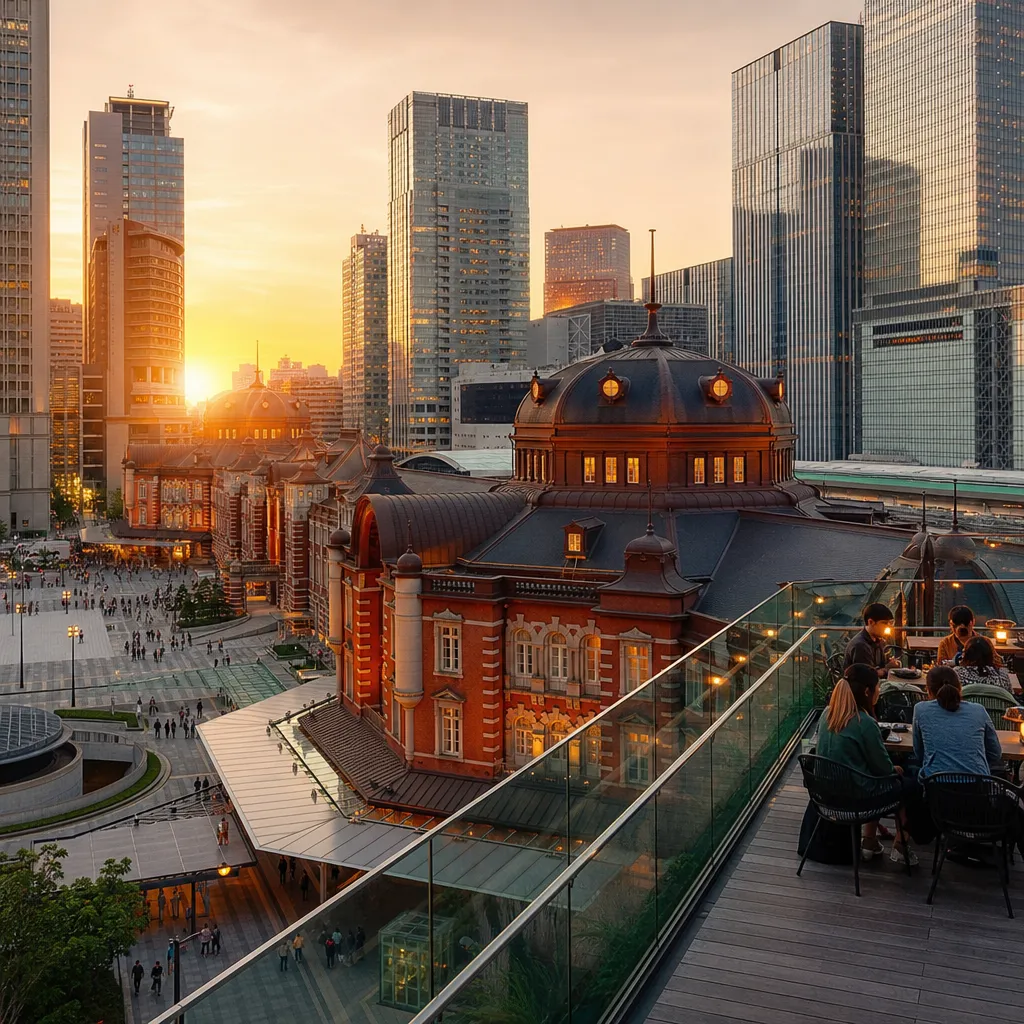
Ginza, in Chuo ward, is one of the easiest places to recommend if you want quality, range, and a more orderly shopping day. It sits in central Tokyo near Yurakucho and within reach of the Marunouchi and Tokyo Station area, so it combines well with sightseeing around the Imperial Palace side of town. The streets are wide, the buildings are modern, and the atmosphere is calmer than Shibuya or Shinjuku.
Mitsukoshi Ginza and Matsuya Ginza are strong choices for classic department-store shopping, especially if you want cosmetics, accessories, homeware, food halls, and a broad look at Japanese retail culture under one roof. Department store basements are particularly useful for boxed sweets, tea, and edible gifts. They are practical stops late in a trip when you know what souvenirs you still need.
GINZA SIX is a better fit if you want a more contemporary luxury mix and a sleek, design-heavy environment. It attracts visitors looking for fashion and higher-end lifestyle shopping rather than everyday necessities. The building itself also suits travelers who like architecture and contemporary interiors.
For stationery and paper goods, Itoya in Ginza is one of the city’s most reliable destinations. Even visitors who do not normally shop for stationery often find it worth the detour because the selection is broad and distinctly Japanese without feeling tourist-only. If you are buying delicate paper items, it is a good place to stop before heading back to your hotel, not at the beginning of a long day.
Shibuya for trend-led shopping and large commercial complexes
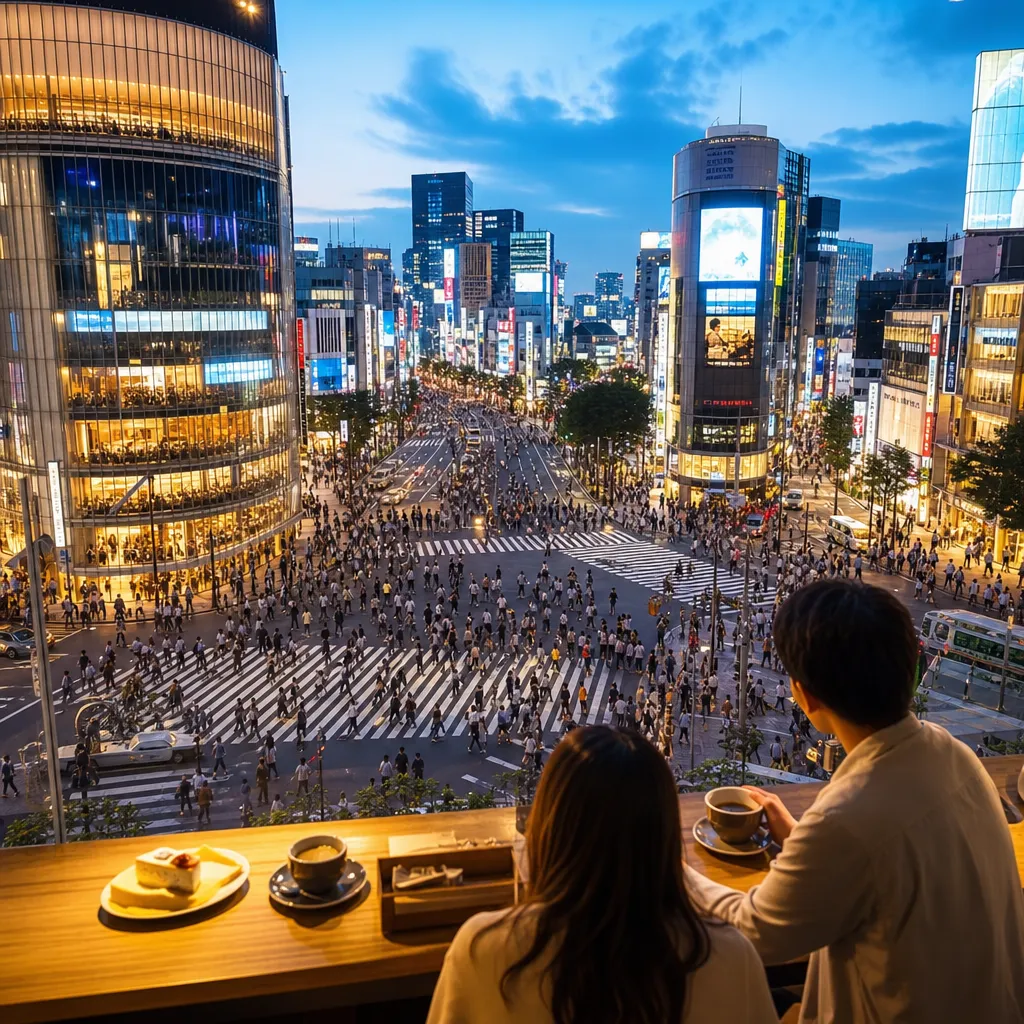
Shibuya is in western central Tokyo and centered on Shibuya Station, one of the city’s major transport hubs. The district is dense, vertical, and busy, which makes it efficient if you want multiple shopping formats close together. It suits travelers who like current fashion, sportswear, lifestyle brands, and a more youthful energy.
Shibuya Scramble Square, Shibuya Hikarie, Shibuya PARCO, and the redeveloped station area give you several different styles of shopping within a compact zone. Scramble Square leans broad and modern, while Hikarie is useful for fashion and gifts in a slightly more polished setting. PARCO is one of the more interesting stops if your tastes run toward fashion, design, pop culture, and selective specialty retail.
Shibuya also works well for buyers who want recognizable Japanese chains and contemporary local labels without moving between distant neighborhoods. If you dislike crowds, go earlier in the day on a weekday. Evenings and weekends can be intense, especially around the station and major crossings.
Because many buildings are multi-level, look up store directories before entering. A good Shibuya strategy is to choose two or three targeted buildings rather than browsing everything. That is particularly important if you are carrying luggage or traveling with family members who are not interested in spending an entire day shopping.
Harajuku and Omotesando for street fashion, sneakers, and design shopping
Harajuku and Omotesando sit next to each other but feel quite different. Harajuku, around Harajuku Station and the Meiji-jingumae area, is more playful and youth-oriented. Omotesando, stretching toward Omotesando Station in Minato ward, is broader, more architectural, and often more upscale.
Takeshita Street remains the obvious Harajuku starting point if you want youth accessories, affordable fashion, and a fast-moving crowd. It is not the place for a relaxed browse, but it does show a specific side of Tokyo shopping culture. It is best visited in the daytime, ideally not at peak weekend hours if you prefer space.
For a more refined experience, move to Omotesando’s main boulevard and side streets. Omotesando Hills offers a cleaner, more design-conscious retail environment, while the surrounding blocks contain sneaker boutiques, concept stores, beauty shops, and fashion flagships. This area is especially good for travelers who enjoy architecture as much as shopping; several buildings were designed by internationally known architects.
If you want the energy of Harajuku without staying only on the busiest strip, wander the smaller backstreets between Harajuku and Omotesando. That is where a lot of the more interesting independent fashion retail tends to feel less staged and more wearable. The area suits solo shoppers, couples, and fashion-focused visitors more than families with strollers, especially on crowded days.
Shinjuku for convenience, big-name retail, and one-stop variety
Shinjuku, built around Shinjuku Station in western central Tokyo, is one of the city’s most practical shopping districts if you want scale and convenience. The station area is huge, so it helps to choose an east-side or west-side plan in advance rather than navigating aimlessly. Shinjuku is good for travelers who want department stores, electronics, fashion, and gift shopping in one district.
Isetan Shinjuku is a standout if you care about fashion, cosmetics, and the high-standard food hall experience that Japanese department stores do so well. The atmosphere is more premium than purely functional, and it is especially useful for quality gifts. Nearby, other department stores around the station give you alternatives without needing another train ride.
For electronics, Bic Camera and Yodobashi Camera in the broader Shinjuku area are practical stops. If you are buying cameras, gadgets, beauty electronics, or travel accessories, compare product availability and tax-free procedures on site. Stock can vary, and certain items may be intended for the domestic market, so it helps to confirm language settings, voltage, and warranty applicability before buying.
Shinjuku is also a useful rainy-day shopping district because so much of the area is connected by indoor passages or large commercial buildings. The main drawback is navigation fatigue. Give yourself time, especially if you are meeting someone at the station afterward.
Asakusa and Kappabashi for traditional souvenirs and kitchenware
If you want shopping that connects more directly to traditional crafts and everyday Japanese food culture, head to the wider Asakusa area in Taito ward. Asakusa Station is the natural access point for temple-area souvenir shopping, while Kappabashi lies between Asakusa and Ueno and is especially useful via Tawaramachi Station or by approaching on foot from the wider district.
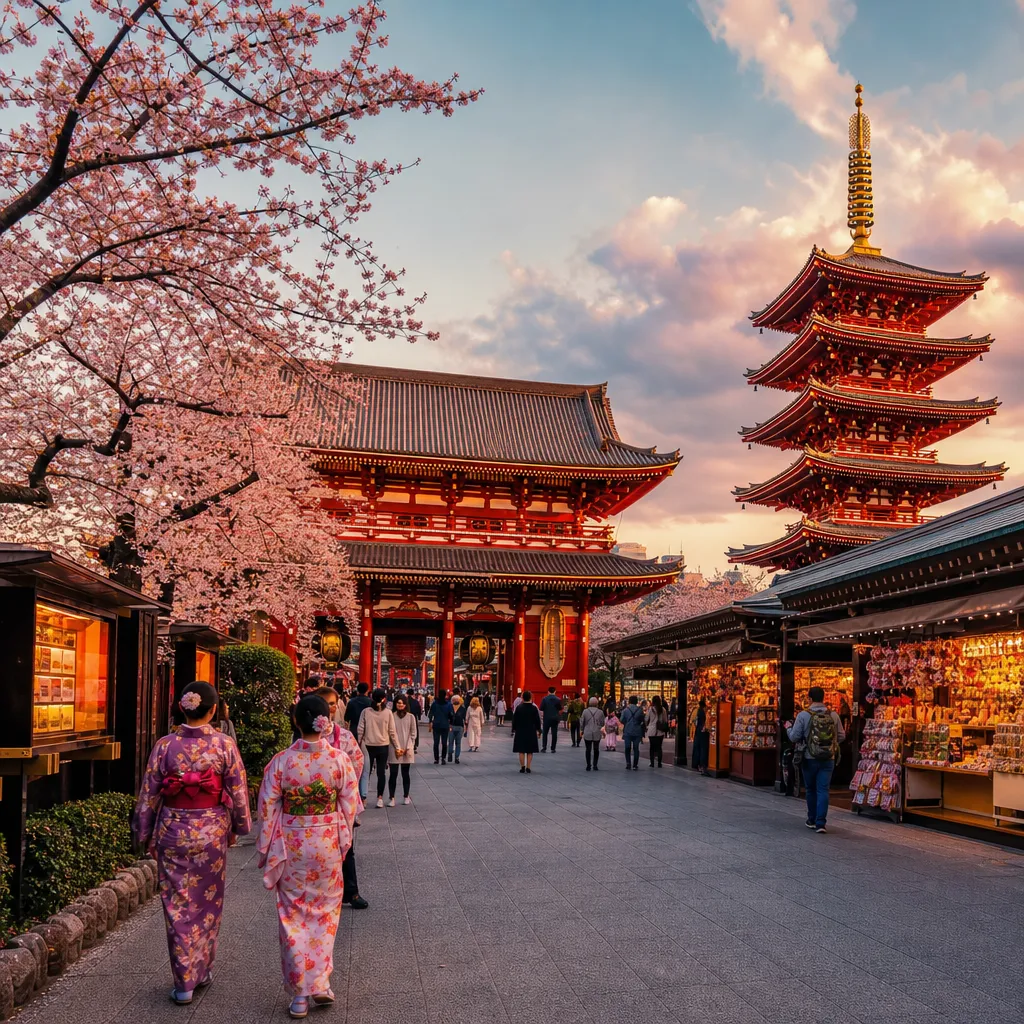
Nakamise Shopping Street, leading toward Senso-ji, is one of the city’s most famous souvenir streets. It is heavily visited, but still practical for snacks, small gifts, and items with a recognizably traditional look. It makes sense if you are already visiting Senso-ji rather than as a standalone shopping trip.
For something more specialized, Kappabashi Dougu Street is one of the best places in Tokyo to shop for kitchen knives, tableware, restaurant tools, and the realistic plastic food replicas often seen outside Japanese restaurants. This is one of the few shopping districts where even non-cooks can end up spending a long time. Serious buyers should compare several shops rather than purchasing immediately, especially for knives or ceramics.
Kappabashi is a strong choice for practical souvenirs that are less generic than mass-market gift items. Be aware of packing weight if you are buying ceramics or metal tools. Some shops are very accustomed to international visitors, but product explanations may still be more limited than in major department stores.
Akihabara for anime, hobby shopping, and electronics culture
Akihabara, centered on Akihabara Station on the east side of central Tokyo, is the obvious district for anime merchandise, games, figures, collectible cards, and electronics. It can feel overwhelming at first because many buildings are vertical and highly specialized. The area suits focused shoppers more than casual browsers, although even first-time visitors often enjoy the spectacle.
Radio Kaikan is a practical starting point because it brings together multiple hobby-oriented shops in one building. If you are searching for figures, collectibles, or subculture goods but do not yet know the district well, starting there can save time. Animate Akihabara is another major reference point for anime-related merchandise.
For electronics, Akihabara still matters, but it is no longer only about bargain hunting. It is better treated as a place to compare specialist stock and browse enthusiast-oriented items. If you are looking for cameras, audio gear, computer parts, or gaming accessories, read labels carefully and confirm compatibility before buying.
Akihabara works best if you arrive with some idea of what you want. Families with older children and teenagers often enjoy it; travelers uninterested in anime, games, or gadgets may find it less rewarding than other districts.
Shimokitazawa and Koenji for vintage and secondhand fashion
For resale fashion, used clothing, and a more neighborhood-scale shopping experience, Shimokitazawa is one of the best-known options. It is west of central Tokyo and easily reached by train, with Shimokitazawa Station at the center of the area. The streets are smaller, the pace is looser, and the focus is on independent shops rather than giant complexes.
What makes Shimokitazawa useful is density. You can walk through multiple blocks and compare vintage stores, curated secondhand boutiques, record shops, cafes, and small lifestyle retailers without feeling trapped inside a commercial mall. Prices vary widely: some stores are casual and accessible, while others curate American and European vintage at much higher levels.
Koenji, farther west in Suginami ward around Koenji Station, is another strong secondhand district. Compared with Shimokitazawa, it often feels a little less polished and a little more rooted in subculture and everyday neighborhood life. It is a good option for visitors who enjoy rummaging and do not need everything to be neatly packaged for tourists.
Neither area is ideal if you want the predictability of department stores. They are better for patient shoppers, solo travelers, and anyone hunting for clothing with personality rather than current-season retail. Weekdays are generally easier if you want room to browse racks carefully.
Where to shop by interest
Best area for luxury shopping
Choose Ginza. It has the city’s clearest concentration of luxury flagships, major department stores, and refined gift shopping in a walkable central district.
Best area for affordable souvenirs
Asakusa is usually the easiest answer, especially if you are already visiting Senso-ji. For more practical and durable souvenir shopping, Kappabashi is often better than temple-front stalls.
Best area for fashion trends
Shibuya and Harajuku are the strongest pair. Shibuya is better for large modern complexes and broad trend coverage, while Harajuku is more about youth style and niche streetwear.
Best area for anime and collectibles
Akihabara remains the main destination. Start with larger buildings such as Radio Kaikan or Animate if you want an efficient introduction.
Best area for secondhand clothing
Shimokitazawa is the most convenient starting point, with Koenji as a strong alternative if you want a more local-feeling hunt.
Best area for department-store food halls
Ginza and Shinjuku are both excellent. Go late enough in the day that counters are fully stocked, but not so late that popular items are sold out.
Practical tips for planning a shopping day
- Carry your passport if you may use tax-free shopping services; stores usually require the physical document.
- Pack a foldable bag because purchases add up quickly, especially in areas where you move between many small shops.
- Avoid over-planning across distant districts; pair nearby areas such as Ginza with Marunouchi, or Harajuku with Shibuya.
- Check current store hours and closures before going, especially for independent shops, museum stores, and market-related areas.
- Use coin lockers at major stations if you are carrying luggage, but do not rely on finding one instantly during peak times.
- Ask before photographing interiors; many shops allow some photos, but others do not, especially vintage stores and specialist retailers.
- Be realistic about shipping and baggage weight if buying ceramics, books, knives, or electronics.
FAQ
What area of Tokyo is best for a first shopping day?
Shinjuku or Ginza are the easiest starting points. Shinjuku is better if you want broad variety and transport convenience, while Ginza is better for department stores, gifts, and a more polished atmosphere.
Do I need reservations for shopping in Tokyo?
Usually no. Reservations are generally not necessary for ordinary shopping, though special brand appointments, limited product releases, or certain workshops may require advance booking.
Where should I go for Japanese kitchenware and knives?
Kappabashi Dougu Street is the most useful district for that purpose. It is in the wider Asakusa area and is known for kitchen tools, ceramics, and food-related retail.
What is the best neighborhood for vintage clothing?
Shimokitazawa is the most approachable choice, with many secondhand and vintage shops concentrated around the station. Koenji is also very good if you want a more local and less polished feel.
Can I shop in Tokyo without speaking Japanese?
Yes. In major shopping districts and larger stores, basic English support is common enough for most transactions. In smaller independent shops, communication may be simpler, but politeness and patience go a long way.
When is the best time of day to shop?
For department stores and major complexes, late morning to afternoon is usually easiest. For trend districts such as Shibuya or Harajuku, weekdays are more comfortable than weekends. For vintage neighborhoods, earlier visits can mean less crowding and more time to browse carefully.
Are Tokyo shopping areas family-friendly?
Some are more practical than others. Ginza, Shinjuku, and large commercial buildings tend to be easier with children than narrow, crowded streets such as Takeshita Street or busy sections of Akihabara on weekends.
What should I check before visiting?
Check current opening days, tax-free procedures, payment options, and whether the shops you care about are concentrated in one building or spread across several blocks. This saves a lot of time in large districts.
Sources
- GO TOKYO (Tokyo Convention & Visitors Bureau)
- Japan National Tourism Organization
- Tokyo Metropolitan Government