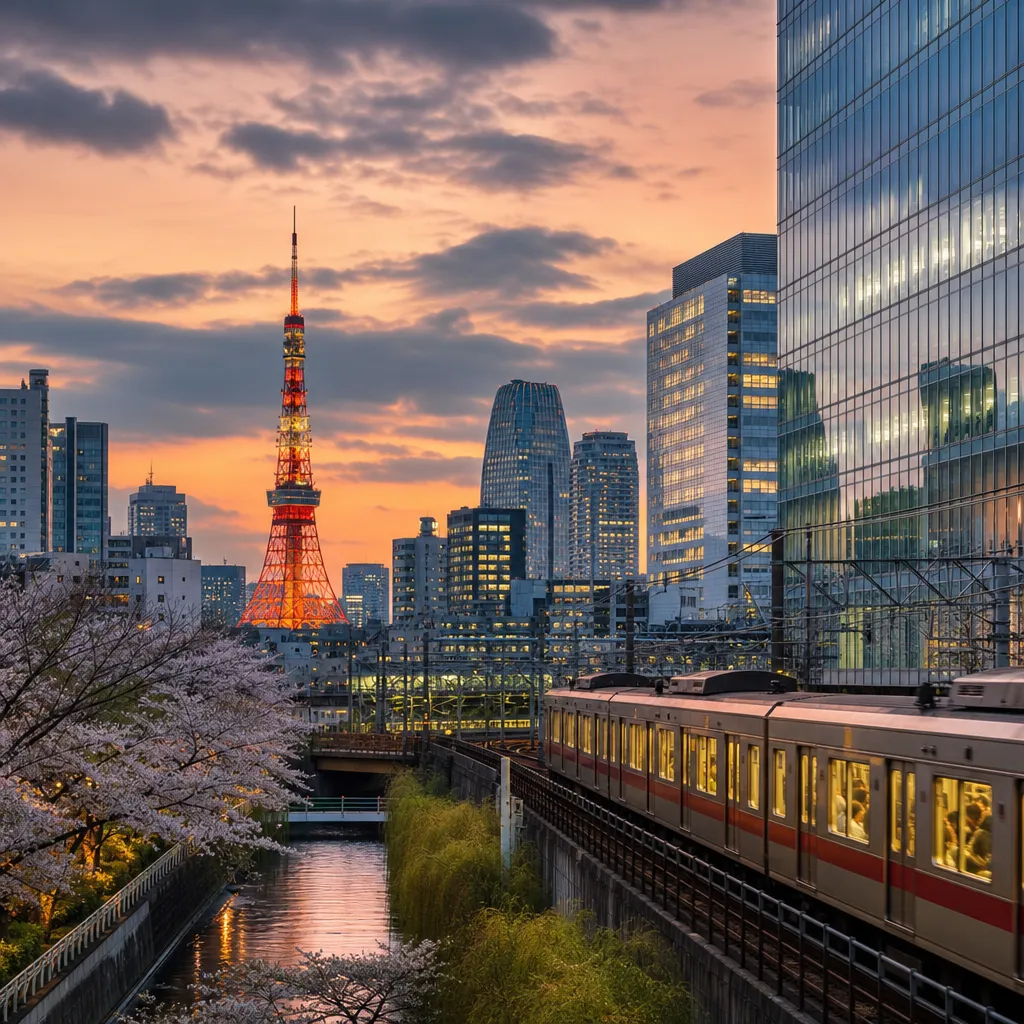
Tokyo’s rail network is the fastest way to understand the city, but it can feel overwhelming on a first visit. In practice, most travelers only need to learn a few systems: JR lines for many cross-city trips, Tokyo Metro and Toei Subway for dense inner-city coverage, and a handful of private railways for neighborhoods farther west or south. Once you know which stations function as major hubs, which trains stop where, and when to avoid rush hour, moving around becomes far easier. This guide focuses on practical train use rather than railfan detail, so you can plan real journeys with less stress.
Tokyo is not served by a single “Tokyo train.” It is a layered network spread across central wards and outer suburbs, linking business districts, historic areas, nightlife centers, airports, and day-trip routes. For most visitors staying in central Tokyo, the key transport zones are Tokyo Station and Marunouchi, Shinjuku, Shibuya, Ueno, Ikebukuro, and the Ginza/Nihombashi area, with additional importance for Asakusa, Roppongi, and Oshiage depending on your itinerary.
The most useful habit is to think in terms of station + line + direction. “Shibuya” or “Ueno” matters, but so does whether you need JR, Metro, Toei, or a private railway platform. Large stations can take time to navigate, so route decisions are often about reducing transfers and station complexity, not just shaving off a few minutes.
How Tokyo’s train system is organized
The network is easiest to understand in four parts.
- JR East: Best known for the Yamanote Line, the loop line connecting major central districts including Tokyo, Ueno, Ikebukuro, Shinjuku, Shibuya, and Shinagawa. JR also operates useful cross-city lines such as the Chuo, Keihin-Tohoku, Sobu, and Saikyo lines.
- Tokyo Metro: Dense subway coverage across central Tokyo, especially useful for Ginza, Omotesando, Akasaka, Roppongi-adjacent areas, and many museum and restaurant districts.
- Toei Subway: Another subway operator, important for parts of Asakusa, Shinjuku, Roppongi, and eastern Tokyo.
- Private railways: These include Tokyu, Keio, Odakyu, Seibu, Tobu, and Keisei. They are essential for reaching places such as Shimokitazawa, Kichijoji, Jiyugaoka, parts of western Tokyo, and airport routes depending on your starting point.
For a typical visitor, the most important distinction is that not all trains are run by the same company, even when stations are connected. Transfers can be seamless, but tickets, passes, and platform locations sometimes differ.
The lines most travelers actually use
You do not need to memorize the whole system. These are the lines that solve a large share of sightseeing journeys.
| Line | Operator | Best For | Useful Areas | Practical Note |
|---|---|---|---|---|
| Yamanote Line | JR East | Major city hubs | Tokyo, Ueno, Ikebukuro, Shinjuku, Shibuya, Shinagawa | The easiest backbone for first-time visitors |
| Chuo Line / Chuo-Sobu | JR East | East-west travel | Tokyo, Kanda, Ochanomizu, Shinjuku, western suburbs | Very useful for fast crosstown movement |
| Ginza Line | Tokyo Metro | Classic sightseeing corridor | Asakusa, Ueno, Kanda, Ginza, Omotesando, Shibuya | One of the most visitor-friendly subway lines |
| Marunouchi Line | Tokyo Metro | Business districts and Shinjuku | Tokyo area, Ginza-adjacent districts, Shinjuku | Strong option if you stay near Tokyo Station or Shinjuku |
| Hibiya Line | Tokyo Metro | Cultural and dining districts | Ueno, Akihabara area, Ningyocho, Hibiya, Roppongi, Ebisu | Useful for museums, restaurants, and evening plans |
| Oedo Line | Toei | Linking busy districts without JR | Shinjuku, Roppongi, Tsukiji Market area, Ueno-Okachimachi | Good for certain cross-town routes, but stations can be deep underground |
If you only remember one thing, let it be this: the Yamanote Line is your orientation tool, while the subways are your precision tool.
The most important stations and what they are good for
Tokyo Station
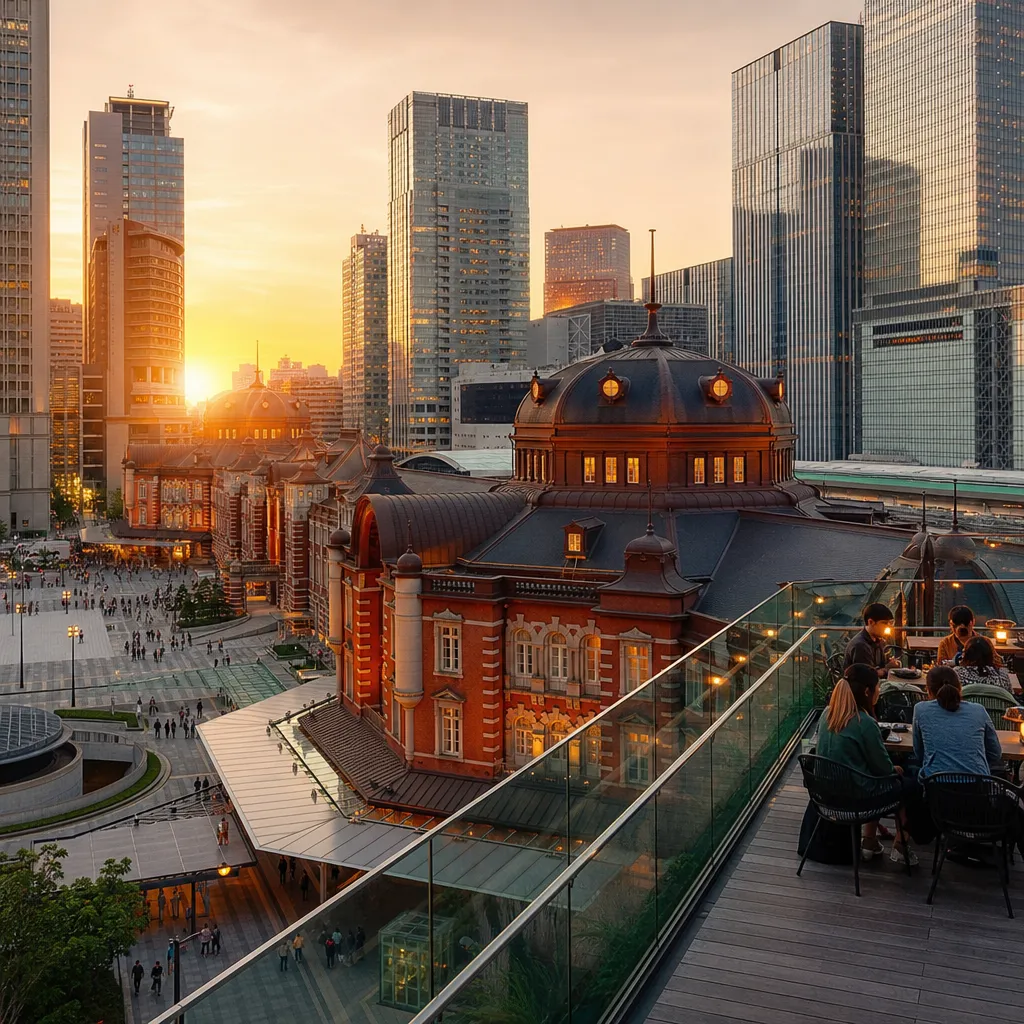
In Chiyoda ward’s Marunouchi and Yaesu area, Tokyo Station is central for intercity shinkansen travel, airport bus links, and access to Marunouchi, Nihombashi, and Ginza. It is one of the city’s major rail hubs but is more manageable if you know whether you need the historic Marunouchi side or the busier Yaesu side. For visitors staying nearby, it works well for business hotels, luxury hotels, and efficient long-distance rail connections.
Shinjuku Station
In western central Tokyo, Shinjuku is one of the city’s most important transfer points and one of its most complex. It connects JR, subways, and private railways heading toward western neighborhoods and day-trip territory. Use Shinjuku if you plan to mix nightlife, department stores, and onward trips toward places like Kichijoji, Mount Takao access routes, or Hakone connections via Odakyu. Allow extra time for transfers here.
Shibuya Station
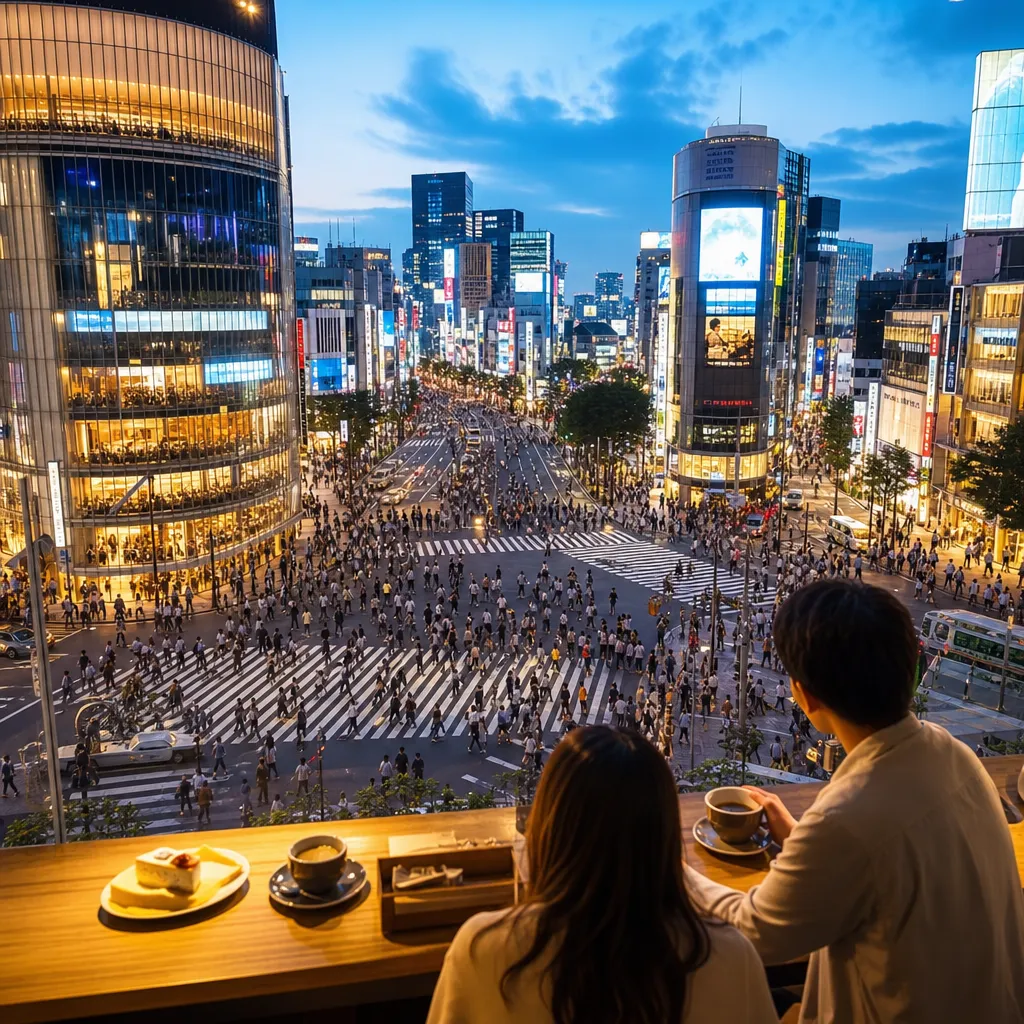
Shibuya is a major hub for JR, Tokyo Metro, Tokyu, and Keio Inokashira services. It is especially useful for reaching southwest districts such as Daikanyama, Nakameguro, Jiyugaoka, and Futako-Tamagawa, while also functioning as a nightlife and shopping center in its own right. The station has seen major redevelopment, so platform layouts and pedestrian routes can feel less intuitive than older maps suggest.
Ueno Station
In Taito ward, Ueno is one of the easiest large stations for visitors. It serves the museum district, Ueno Park, Ameyoko, and rail routes north and east. If your trip includes museums, older downtown-style neighborhoods, or airport access via the wider Ueno/Keisei-Ueno area, it is a very practical base.
Ikebukuro Station
Ikebukuro, in Toshima ward, is another major northwest hub with JR, Metro, Seibu, and Tobu connections. It is useful for travelers staying outside the main southern-central corridor and for reaching western suburban lines. The surrounding area mixes department stores, entertainment, and quieter hotel pockets.
IC cards, tickets, and passes: what is simplest
For most visitors, the easiest payment method is a rechargeable IC card such as Suica or PASMO. These cards work across most trains, subways, and many buses, and are also accepted at numerous convenience stores and station vending machines. They remove the need to buy a paper ticket for each ride.
If you are doing ordinary city sightseeing across several operators, an IC card is usually simpler than trying to optimize every fare. Passes can make sense for specific heavy-use days, airport transfers bundled with transit, or suburban excursions, but for many short stays they are not essential.
For shinkansen, limited express services, and certain reserved-seat airport trains, you may need a separate ticket or reservation even if you use an IC card for other travel. Always check whether your route involves an ordinary commuter service or a reserved train.
Best route strategies for common visitor itineraries
Classic first-time sightseeing
If your plan includes Asakusa, Ueno, Ginza, Omotesando, and Shibuya, the Ginza Line is especially useful. It links several major sightseeing and shopping districts without requiring too many changes, and its stations are often in practical central locations.
Big-city loop travel
For Tokyo Station, Ueno, Ikebukuro, Shinjuku, Shibuya, and Shinagawa, the Yamanote Line is the most straightforward option. It is not always the fastest, but it is easy to understand and ideal when you are still getting oriented.
Museum and culture days
For Ueno’s museum area, Roppongi’s art museums, and central districts around Hibiya and Ningyocho, the Hibiya Line often works well. It is a strong line for travelers interested in art, architecture, and dining-focused evenings.
Western neighborhood exploration
For Shimokitazawa, Kichijoji, or other neighborhoods beyond the inner core, expect to use private railways such as Keio Inokashira, Odakyu, or Tokyu lines depending on your start point. These trips are straightforward once you identify the correct railway company and terminal station.
Rush hour, express trains, and platform confusion
The most stressful mistakes usually come from three things.
- Boarding an express that skips your stop. On many private railways and some JR lines, not every train stops everywhere. Check whether the train is local, rapid, express, or limited express before boarding.
- Underestimating station size. Shinjuku, Tokyo, and Shibuya can require significant transfer time, especially if you need a different operator’s platforms.
- Traveling at peak commuter times with luggage. Weekday morning and evening rush hours are best avoided if possible, especially through central hubs.
If you are carrying suitcases, mid-morning to mid-afternoon is usually more comfortable. Late-night last-train timing also matters: the network is extensive, but services do not run all night. If you plan bars, live music, or late dinners, check your return route in advance.
Airport and long-distance rail basics
Narita Airport is farther from central Tokyo than many first-time visitors expect. Common rail options include JR services and Keisei services, with travel choices depending on whether your destination is near Tokyo Station, Ueno, Nippori, or another hub. The Keisei side is especially useful for the Ueno area.
Haneda Airport is much closer to central Tokyo. Depending on your destination, routes may involve Tokyo Monorail, Keikyu services, or through-connections into subway lines. For Shinagawa, Hamamatsucho, and southern-central districts, Haneda can be very convenient.
For shinkansen, Tokyo Station and Shinagawa Station are major departure points, while Ueno also handles some services. If you are heading to Kyoto, Osaka, or beyond on the Tokaido Shinkansen, Tokyo and Shinagawa are the key stations to check.
Practical etiquette and on-the-ground advice
- Queue where marked on the platform and let passengers off before boarding.
- Keep phones quiet and avoid loud calls on trains.
- Backpacks are better carried low or moved in front when trains are crowded.
- Priority seats should be respected.
- Do not assume every station has easy luggage logistics; some older stations or transfer routes involve long corridors or stairs.
- Use station signage carefully. English support is generally good in central Tokyo, but following line color and station number is often easier than relying only on station names.
Families with strollers usually find larger stations easier because they are more likely to have elevators, though transfers can be longer. Solo travelers will usually find the network easy after the first day or two. Groups should decide the exact platform and car position before boarding, because busy interchange stations can separate people quickly.
Which areas are easiest to stay in if you want simple train access?
Ueno is excellent for practical rail access, museums, and easier station navigation. Tokyo Station/Marunouchi suits travelers making intercity trips or business-style itineraries. Shinjuku is powerful for connections but less calm for beginners. Shibuya is strong for nightlife, dining, and southwestern neighborhoods, though station complexity remains a factor. Ginza and nearby districts work well if you prefer subway-based travel and central dining access.
If your itinerary is mostly central sightseeing, staying near a station on the Yamanote Line or a major Metro line reduces friction more than chasing one specific famous neighborhood.
What is the easiest train line for first-time visitors to use?
The Yamanote Line is usually the easiest starting point because it links many major hubs in a simple loop. For sightseeing beyond the JR loop, the Ginza Line is also especially approachable.
Should I buy a pass or just use Suica or PASMO?
For many visitors, a rechargeable IC card is the simplest option. Passes can help in specific cases, but they are not automatically the best value for ordinary sightseeing.
Are Tokyo trains difficult if I do not speak Japanese?
Central Tokyo is quite manageable without Japanese. Major stations have extensive English signage, and route-planning apps are very useful. The main challenge is station size, not language alone.
What are the best stations to stay near for sightseeing?
Ueno, Tokyo Station, Shinjuku, Shibuya, and areas with strong Metro access such as Ginza are all practical. The best choice depends on whether you prioritize simplicity, nightlife, museum access, or day trips.
Do trains run all night in Tokyo?
No. If you plan a late evening out, especially in nightlife areas, check your last-train route before you go.
How do I avoid boarding the wrong train?
Check the operator, line name, destination, and whether the train is local or express. On some lines, an express service may skip smaller stations.
Is rush hour really worth avoiding?
Yes, especially on weekdays in central Tokyo. If you have luggage, strollers, or a group, off-peak travel is much easier.
Sources
- JR East
- Tokyo Metro
- GO TOKYO (Tokyo Convention & Visitors Bureau)