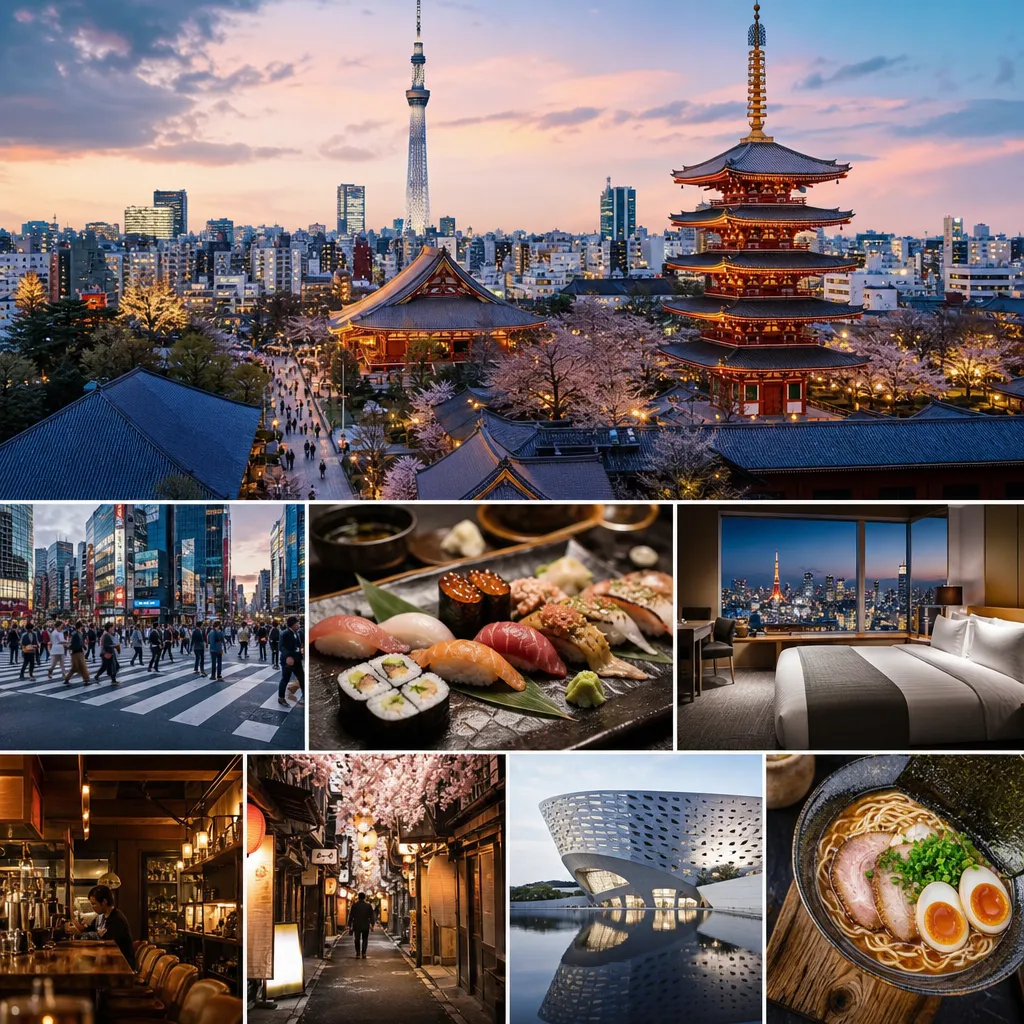
Tokyo rewards travelers who mix big-name sights with neighborhoods that have a stronger local rhythm. A good bucket list here is not just about collecting landmarks; it is about combining classic views, food stops, culture, and street life in a way that fits how the city actually works. The places below are all real, practical choices that cover different sides of the capital, from early-morning market energy to late-evening skyline views. If you are planning a first trip or trying to build a more balanced itinerary, this list gives you places that are memorable and logistically manageable.
How to Use This Tokyo Bucket List
The list is designed for visitors who want variety rather than a single-theme itinerary. It includes major cultural sites, museums, observation decks, food-focused areas, shopping streets, and a few experiences that work particularly well at specific times of day.
For transport, most of these places are easiest to reach by train or subway, and many sit near major hubs such as Tokyo Station, Shibuya Station, Shinjuku Station, Ueno Station, and Asakusa Station. Tokyo is large, so grouping nearby stops on the same day matters more than trying to cross the city repeatedly.
Some places are best early in the day, such as markets and temples, while others are better at sunset or after dark, including skyline viewpoints and bar districts. For museums, popular observation decks, and special exhibitions, checking current booking information before you go is sensible.
Quick Comparison Table
| Place | Area | Best For | Typical Time | Key Feature |
|---|---|---|---|---|
| Senso-ji | Asakusa, Taito | Traditional atmosphere | Morning or evening | Historic temple precinct and approach street |
| Meiji Jingu | Shibuya ward, near Harajuku | Shrine visit and urban greenery | Morning | Forest-like approach in central Tokyo |
| Tsukiji Outer Market | Tsukiji, Chuo | Seafood breakfast and market snacks | Early day | Food-focused market streets |
| Tokyo National Museum | Ueno Park, Taito | Art and history | Half day | Japan-focused national collection |
| Shibuya Scramble Crossing and Shibuya Sky | Shibuya | City views and modern Tokyo energy | Late afternoon to night | Open-air observation and iconic streetscape |
| teamLab Planets TOKYO DMM | Toyosu, Koto | Immersive indoor art | Any weather day | Interactive digital environments |
| Yanaka Ginza | Yanaka, Taito | Old-neighborhood walk | Afternoon | Shitamachi shopping street atmosphere |
| Omoide Yokocho or Golden Gai | Shinjuku | Evening food and bar culture | Night | Compact alleys with distinct nightlife character |
1. Start with Senso-ji for Historic Tokyo Atmosphere
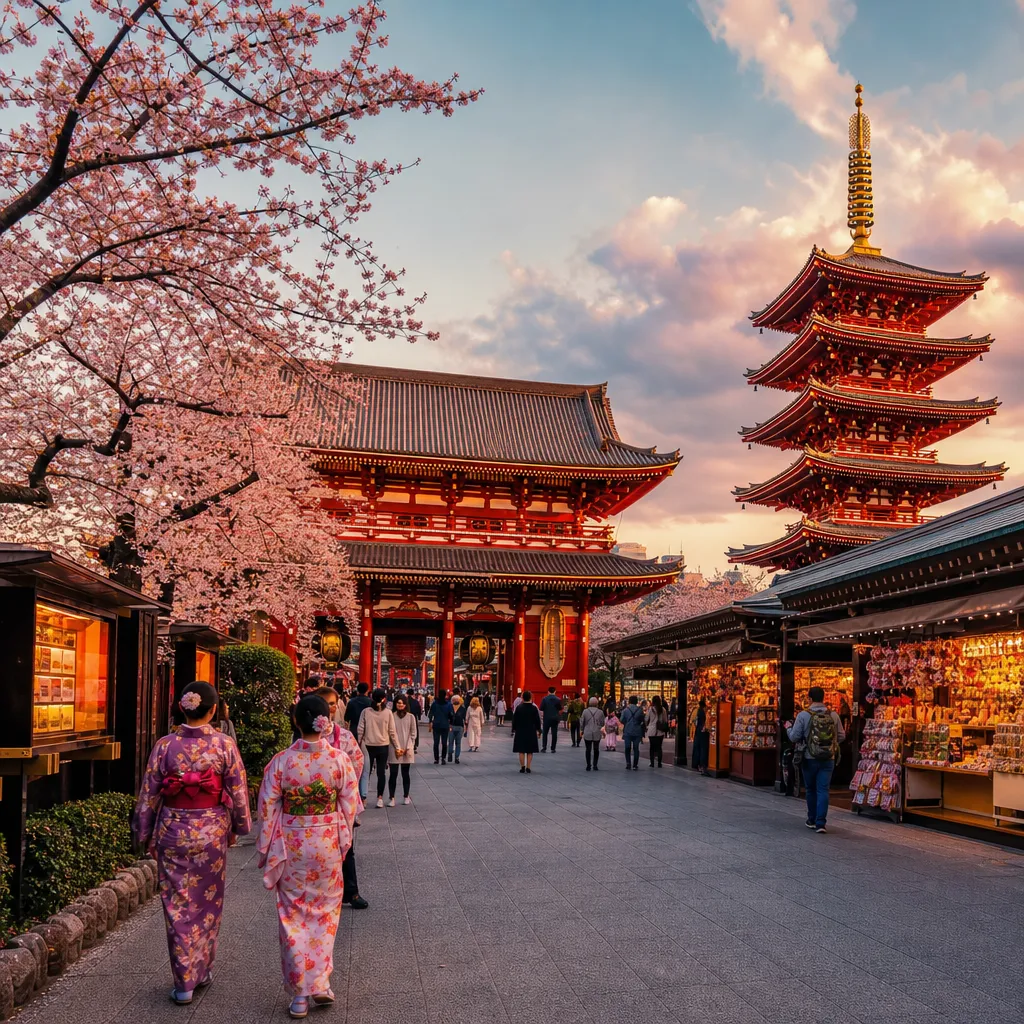
Senso-ji, in Asakusa in Taito ward, is one of the clearest places to begin a Tokyo trip. It is a Buddhist temple, not a shrine, and its large gate, temple grounds, and Nakamise shopping street create a strong sense of continuity with older Edo-period Tokyo.
The nearest transport area is Asakusa Station, served by multiple lines, which makes it easy to combine with a Sumida River walk or views toward Tokyo Skytree. The area around the temple is busy and commercial, but the side streets still have a more traditional feel than much of central Tokyo.
Go early if you want lighter crowds and softer light for photographs. Evening is also rewarding because the main structures are illuminated and the atmosphere becomes calmer after many daytime visitors leave. Dress and behave respectfully in the temple grounds, especially near worship areas and incense burners.
2. Visit Meiji Jingu for a Shrine Experience in Central Tokyo
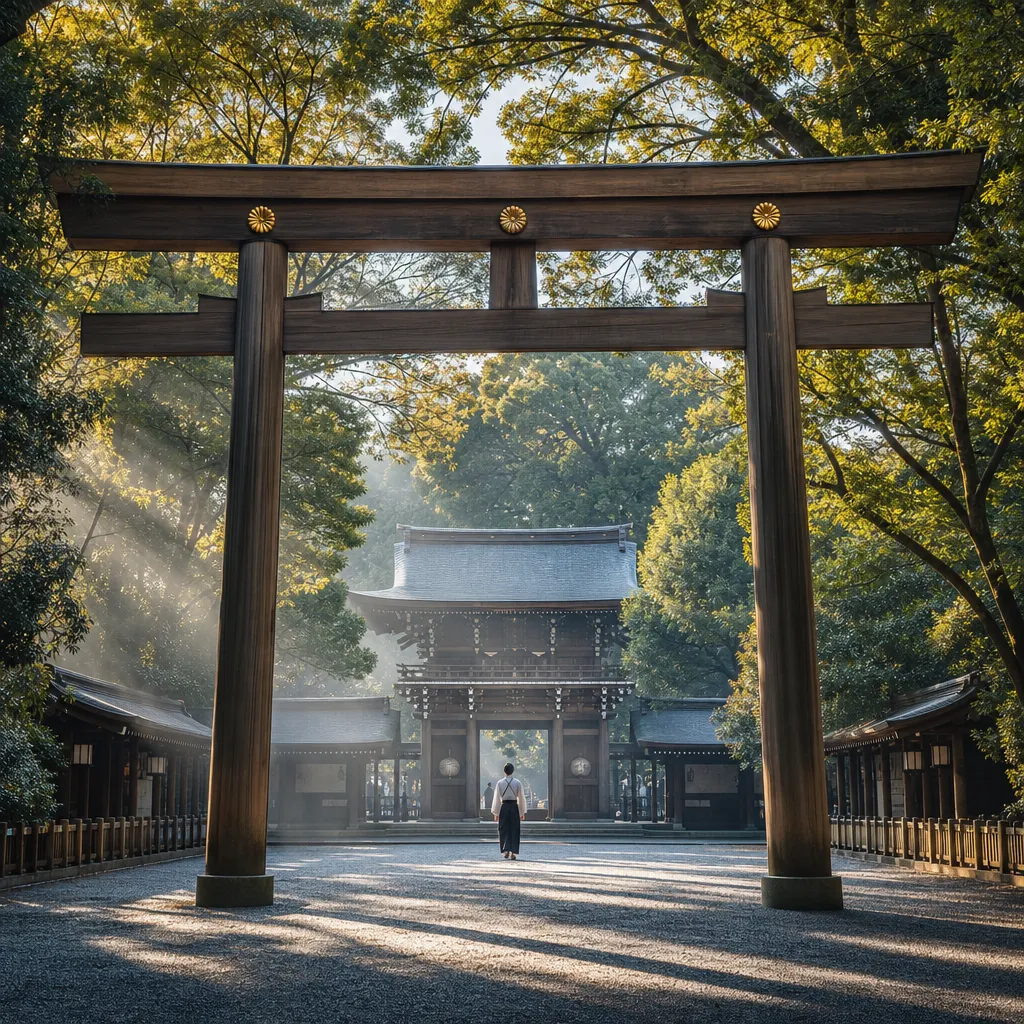
Meiji Jingu sits in Shibuya ward near Harajuku and Yoyogi, yet its forested approach feels far removed from the surrounding shopping districts. This is a Shinto shrine, and the experience here is less about dense street life and more about walking through a broad wooded precinct before reaching the main buildings.
Harajuku Station and Meiji-jingumae area access are the most useful for most visitors. Because the shrine is close to Omotesando and Harajuku, it works well as a morning cultural stop before moving into more contemporary parts of the city.
If you visit, keep shrine etiquette in mind: stay aware of the central approach path, which is traditionally reserved, and be quiet near prayer areas. This stop suits first-time visitors, solo travelers, couples, and photographers who want architectural framing with trees, gravel paths, and large torii gates.
3. Have Breakfast or an Early Lunch at Tsukiji Outer Market
Tsukiji Outer Market, in the Tsukiji area of Chuo ward, remains one of the most practical places to explore Tokyo’s food culture without booking a formal sushi counter. While the inner wholesale market moved to Toyosu, the outer market still offers seafood shops, knife stores, ingredients, and many casual places to eat.
This stop is best treated as a daytime experience. Arrive earlier rather than later if your goal is breakfast, tamagoyaki, grilled seafood, or sushi. The market streets are compact and usually easier to enjoy when you accept that this is a browsing-and-snacking area, not a quiet sit-down district.
Nearby stations in the Tsukiji and Higashi-Ginza area are useful depending on your route. Good etiquette here includes not blocking storefronts while taking photos and checking whether a stall expects takeaway-only service. It is a strong choice for food-focused travelers, but families can also enjoy it if they avoid the busiest moments.
4. Choose One Major Museum Day, and Make Ueno the Default
If you want one museum district on your bucket list, Ueno Park is the most practical concentration point. The standout for many visitors is the Tokyo National Museum, which introduces Japanese art, archaeology, religious sculpture, screens, ceramics, and historic objects in a way that gives useful context for the rest of your trip.
Ueno is in Taito ward, near Ueno Station, one of the easiest major transport hubs in the city. The park also contains other institutions, so you can shape the day according to your interests without crossing town repeatedly.
This is especially worthwhile if your Tokyo plan includes temples, gardens, or regional travel afterward, since the museum provides grounding in visual culture and history. Give yourself time rather than rushing through. Exhibition details change, so check current displays in advance if you have a specialized interest.
5. See Modern Tokyo from Shibuya: Street-Level Energy and Skyline Views
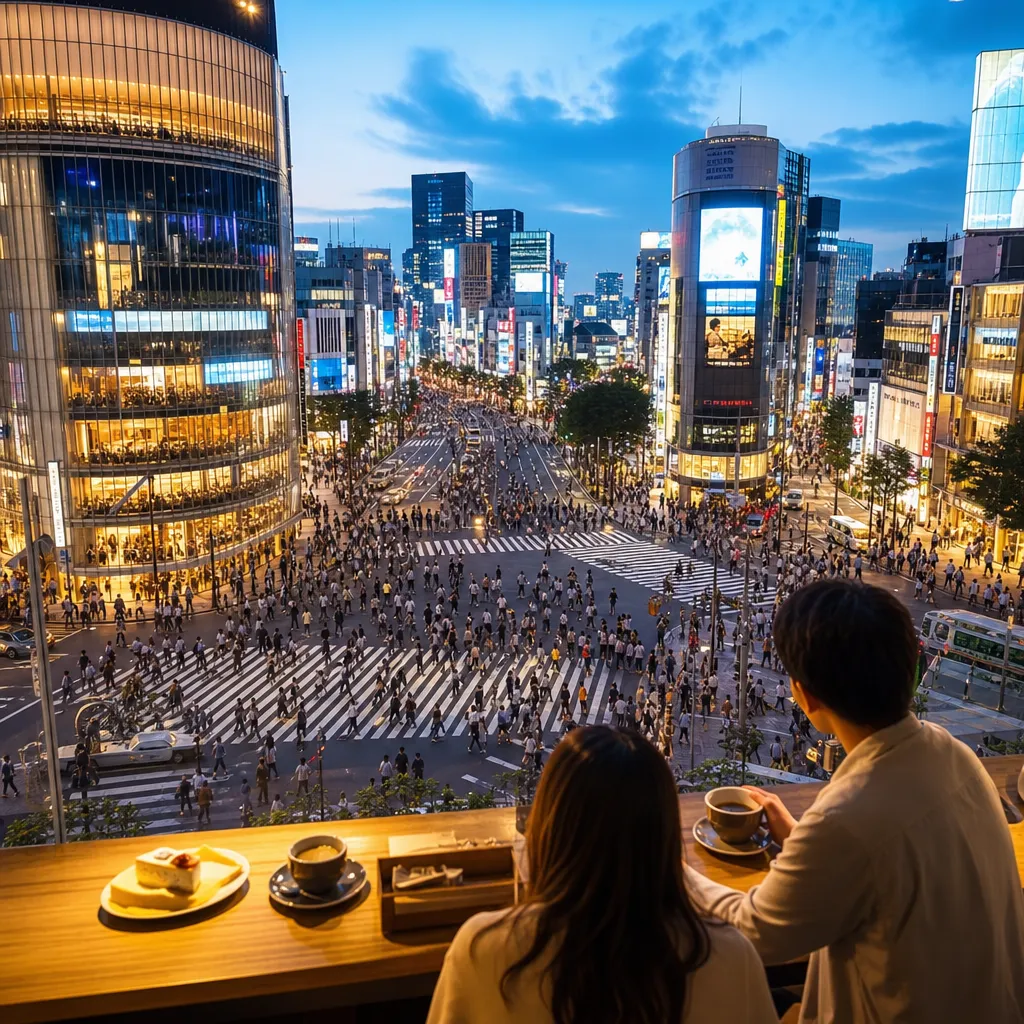
Shibuya Scramble Crossing is famous, but it becomes more meaningful when paired with time in the surrounding area. At street level, you get one of the city’s defining urban scenes: giant screens, heavy foot traffic, department stores, and constant movement around Shibuya Station.
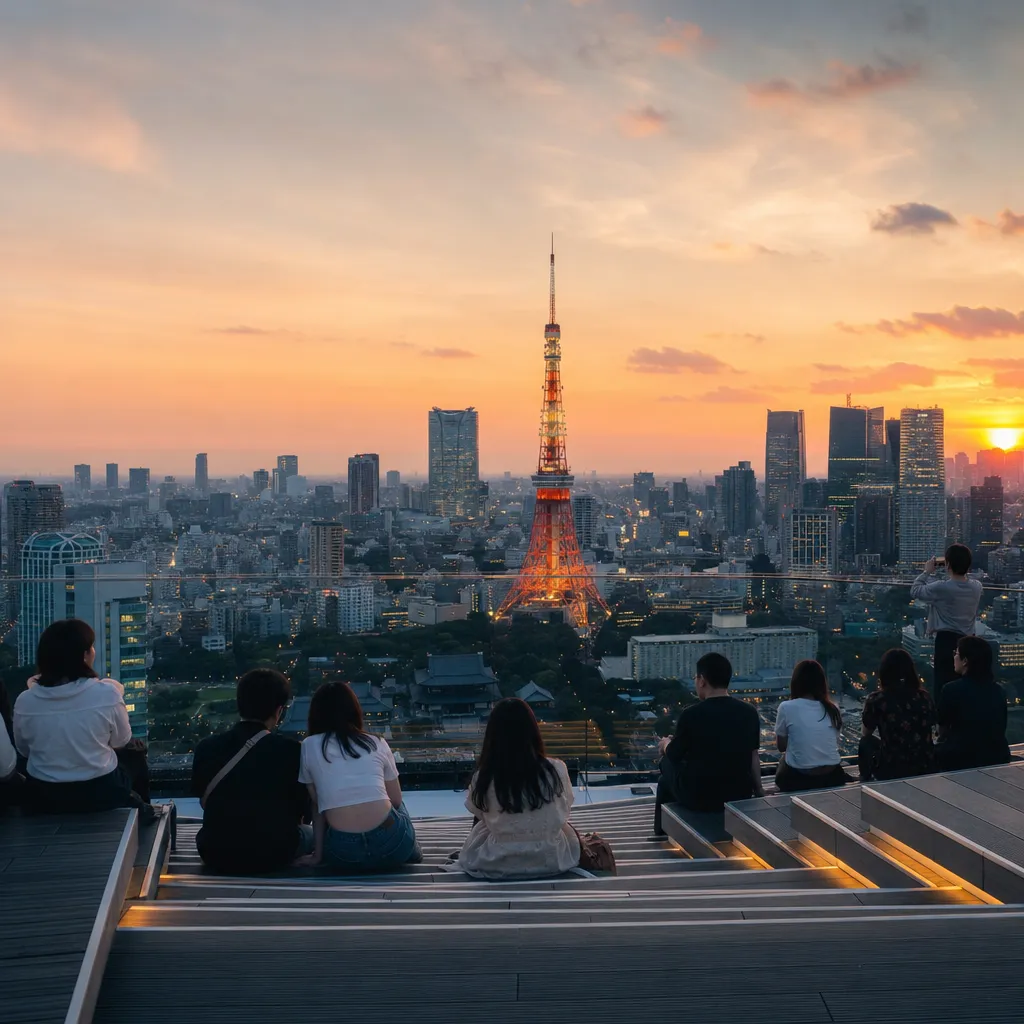
For the more complete experience, add Shibuya Sky, the observation facility atop Shibuya Scramble Square. It is one of the strongest city viewpoints because it places you directly above one of Tokyo’s best-known districts rather than at a more distant tower site. On clear days, visibility extends far across the city, and sunset into early evening is particularly popular.
This part of Tokyo is central, busy, and highly accessible. Advance booking is often wise for major observation decks, especially at sought-after times. If you want photos, daytime offers cleaner urban detail while dusk and night bring stronger atmosphere and light contrast.
6. Add One Contemporary Indoor Experience: teamLab Planets in Toyosu
teamLab Planets TOKYO DMM in Toyosu, Koto ward, is one of the most distinctive indoor attractions for visitors who want something contemporary and immersive rather than historical. The experience focuses on digital art environments that involve movement through light, reflections, and sensory spaces.
Toyosu is east of central Tokyo and is easy to pair with the wider bay area. This is a good option for rainy weather, couples, friend groups, and travelers who prioritize visual experiences and photography. Because parts of the exhibition are interactive and involve moving through different environments, practical clothing and willingness to participate matter more here than at a conventional museum.
Timed-entry booking may be useful or necessary depending on demand, so check ahead. If you want a more architecture-and-waterfront-focused day, combine Toyosu with nearby bay-area stops rather than trying to force it into a west-side neighborhood itinerary.
7. Make Time for a Neighborhood Walk in Yanaka
Yanaka, especially around Yanaka Ginza, offers a slower and more residential counterpoint to the city’s major commercial districts. Located in Taito ward not far from Nippori Station and the wider Yanesen area, it is one of the better places to experience a low-rise streetscape, small shops, snack stops, temples, and a more local pace.
This is not a single blockbuster attraction, which is exactly why it belongs on a bucket list for travelers who want balance. The appeal lies in the walk itself: old-style shopping streets, cats-and-alley photography, neighborhood bakeries, and a sense of continuity with everyday Tokyo.
It works best in the afternoon, especially if you want to browse casually rather than rush. Visitors interested in street photography should stay considerate of residents and avoid treating residential lanes as staged sets. This area suits repeat visitors particularly well, but first-time visitors who feel overwhelmed by the bigger districts often find it refreshing.
8. End One Evening in Shinjuku’s Alleyways
For a classic after-dark experience, choose either Omoide Yokocho or Golden Gai, both in the wider Shinjuku area near Shinjuku Station. They offer very different tones from department-store Tokyo and show a more compact, atmospheric side of the city’s nightlife.
Omoide Yokocho is better if your priority is food, especially grilled items and casual drinks in tight alleyway spaces. Golden Gai is more bar-focused, with tiny venues and a denser nightlife identity. In both places, seating can be limited, and some small establishments may have cover charges or house rules.
This is an evening experience rather than a general sightseeing stop. It is better for adults, solo travelers comfortable with close quarters, and couples or small groups. Larger groups will find it harder to sit together, especially at peak times. Check each venue’s style before entering, and do not assume every bar welcomes photography or large backpacks.
9. If You Want One Big Shopping Stop, Make It Ginza or Kappabashi
Your bucket list should include at least one purposeful shopping district, but which one depends on your interests. Ginza, in Chuo ward, is the better pick for department stores, polished retail, stationery, and food halls. It feels formal, central, and easy to combine with Tokyo Station, Yurakucho, or Tsukiji.
Kappabashi, between the Ueno and Asakusa areas, is more specialized and often more memorable for cooks, design-minded travelers, and anyone interested in restaurant culture. This street is known for kitchenware, tableware, knives, and the food-sample craftsmanship associated with Japanese display culture.
If your suitcase has limited space, Kappabashi is still worth visiting even just to browse. If you enjoy basement food halls and polished Japanese retail culture, Ginza is stronger. Both work well in daylight, and both are practical to integrate into a broader day rather than treating them as isolated destinations.
Planning Tips: How to Turn the List into a Real Itinerary
The easiest mistake in Tokyo is overloading each day. A realistic rhythm is two major stops plus one neighborhood walk or food district. For example, Asakusa and Ueno pair well, while Meiji Jingu, Harajuku, and Shibuya create a natural west-side day.
If you are interested in sunrise markets and skyline sunsets, structure the day accordingly. Tsukiji Outer Market in the morning and Shibuya Sky in the evening make sense, but adding museums and far-flung neighborhoods between them can create unnecessary transit fatigue.
Rainy days are useful for museums, department stores, and immersive indoor attractions such as teamLab Planets. Clear days are better reserved for viewpoint-heavy plans, shrine and temple walks, and neighborhoods where street life is part of the appeal.
FAQ
What area is best for a first-time visitor building a Tokyo bucket list?
For first trips, it helps to include at least one stop each in Asakusa, Ueno, Shibuya, Shinjuku, and either Ginza or Tsukiji. That combination gives you history, museums, modern cityscapes, nightlife, and food culture without focusing too narrowly on one side of the city.
Do I need reservations for these experiences?
Not for temple and shrine visits or neighborhood walks. Reservations or advance tickets are most relevant for observation decks at popular times, immersive attractions such as teamLab Planets, and some evening dining if you want a specific restaurant rather than casual browsing.
What is the best time of day for Senso-ji and Meiji Jingu?
Morning is usually the best time for both if you want a calmer atmosphere. Senso-ji is also appealing in the evening when the grounds are illuminated and the daytime crowds ease slightly.
Is this bucket list suitable for families?
Mostly yes. Senso-ji, Ueno Park, Meiji Jingu, Tsukiji Outer Market, and teamLab Planets are all workable with children, though market lanes and major stations can get crowded. Golden Gai is more adult-oriented and less convenient for families.
Can I visit these places without speaking Japanese?
Yes. These are all places that many international visitors use, and major transport links are straightforward. Basic politeness, patience, and reliance on visual menus or translation tools will usually be enough for food stops and simple purchases.
What should I check before visiting?
Check current opening information, admission arrangements, and whether advance booking is recommended. For museums, verify current exhibitions. For nightlife areas, it is also wise to confirm venue rules once you are there, since small bars can differ in style and policy.
Which places are best for photography?
Shibuya Sky for broad city views, Senso-ji for architectural framing, Yanaka for quieter street scenes, and Meiji Jingu for shrine approaches and torii gates. teamLab Planets is also strongly visual, but conditions and photography rules may vary by space.
Sources
- GO TOKYO (Tokyo Convention & Visitors Bureau)
- Japan National Tourism Organization
- Tokyo National Museum