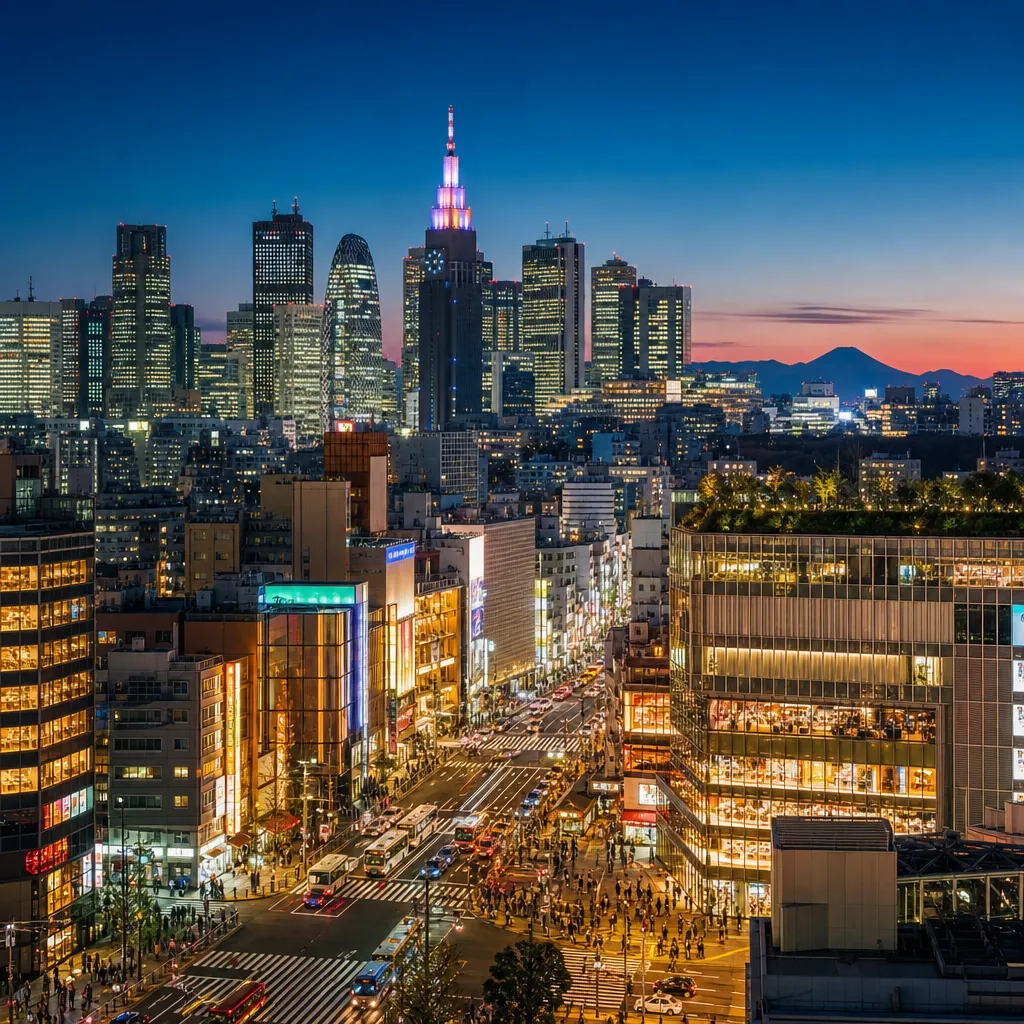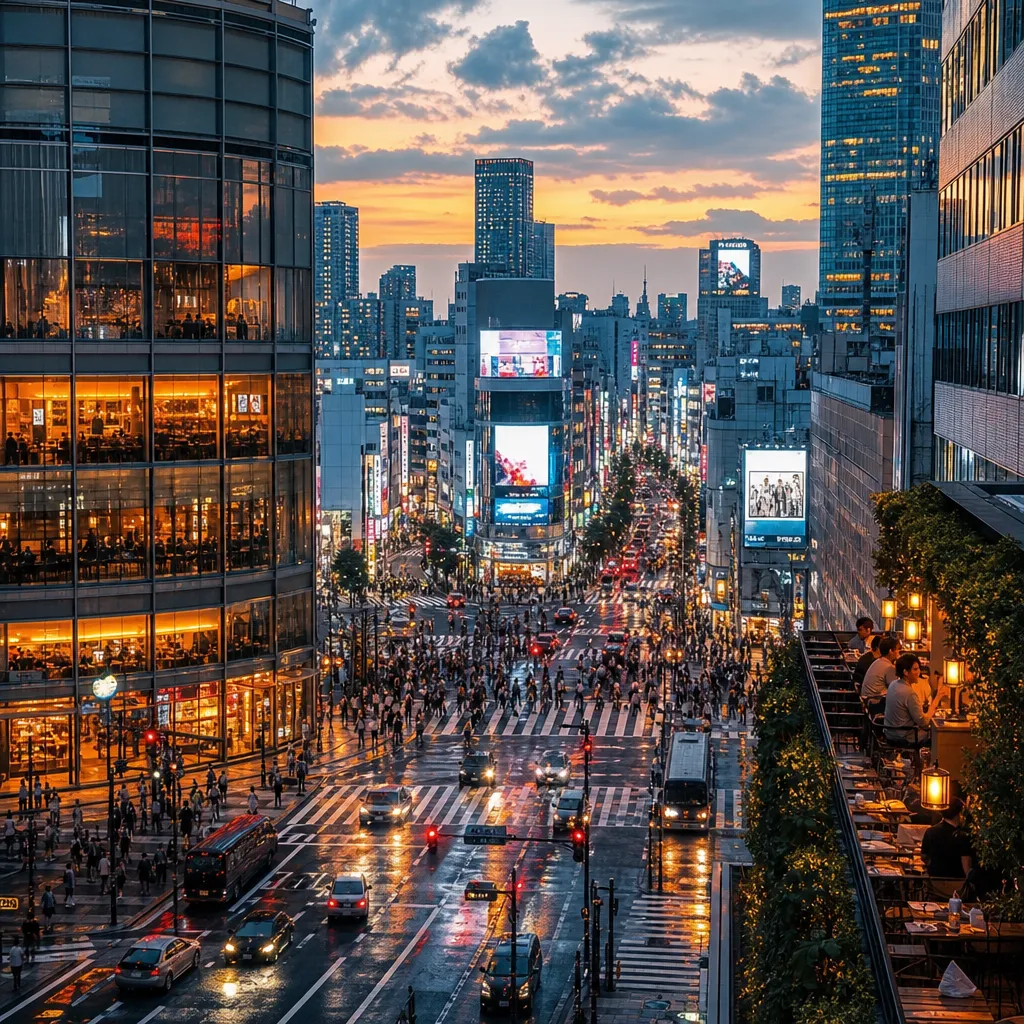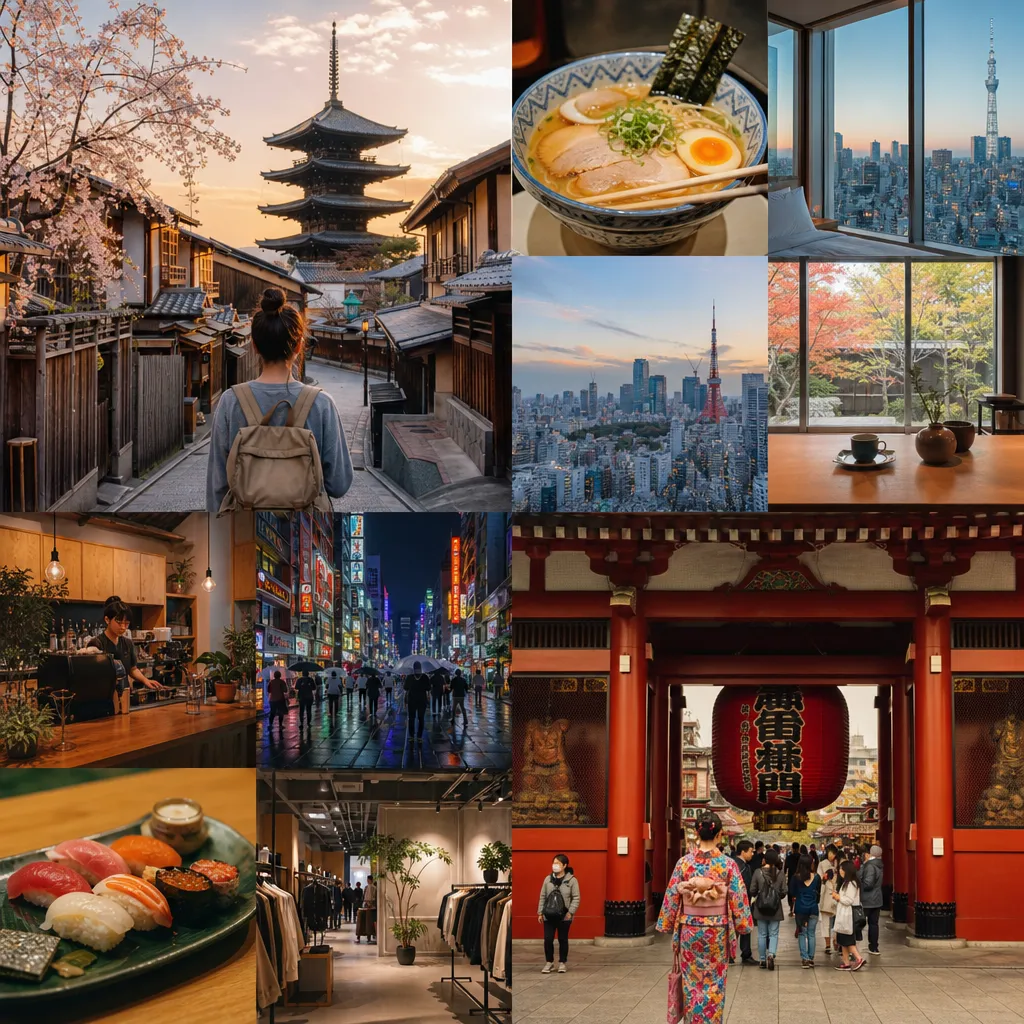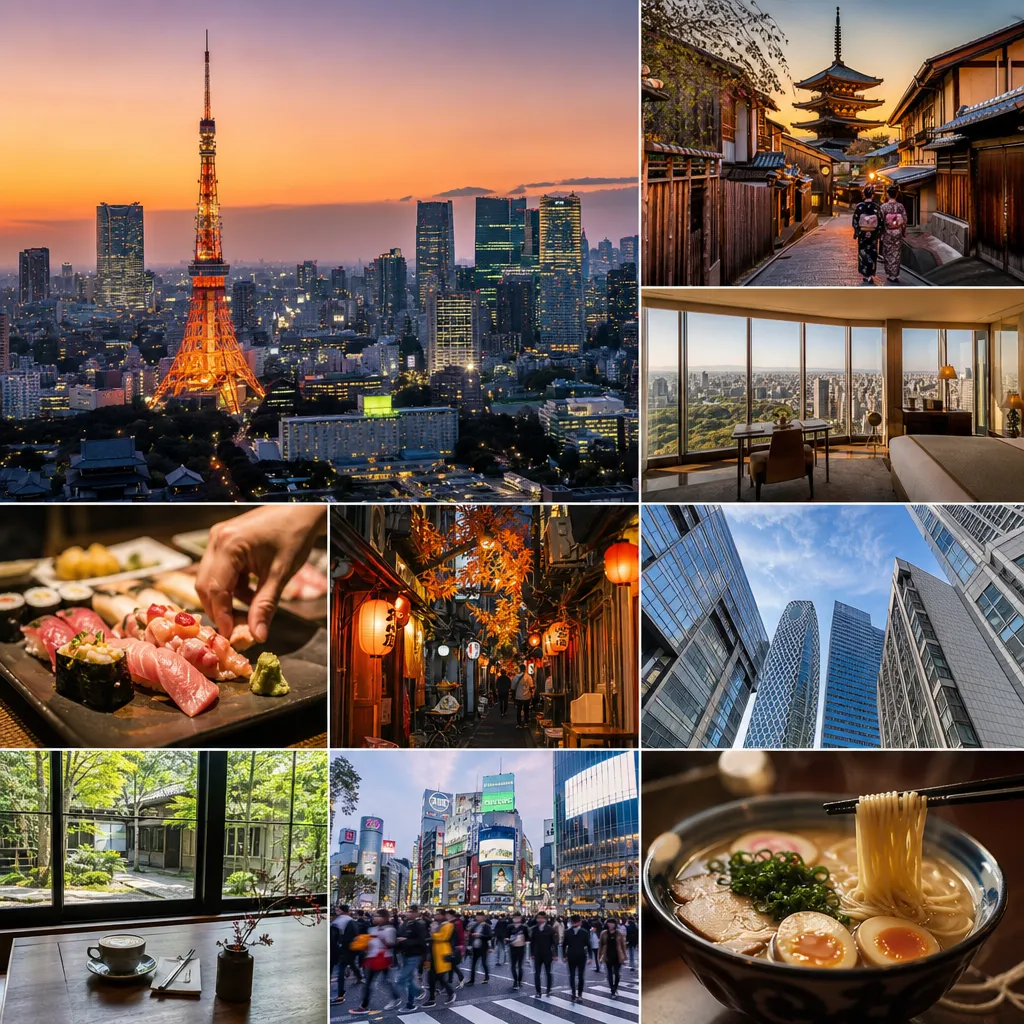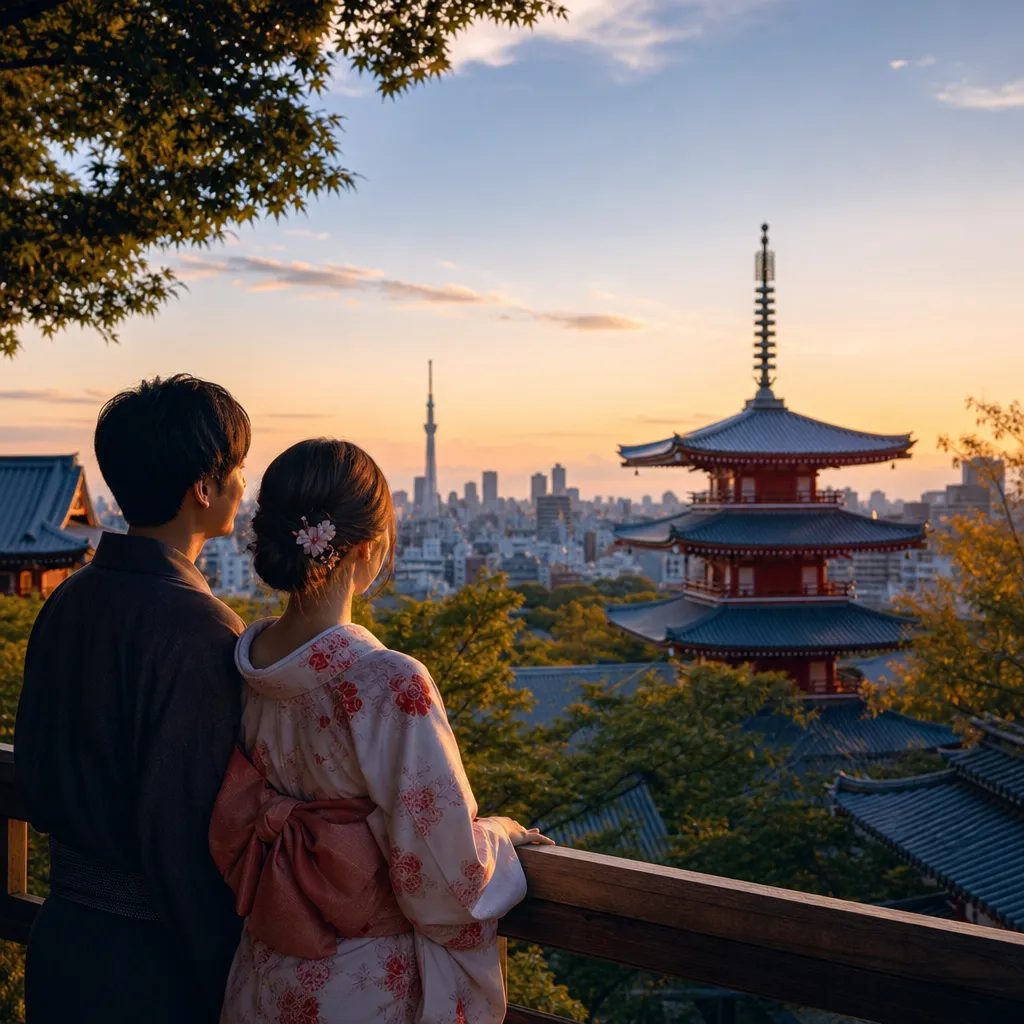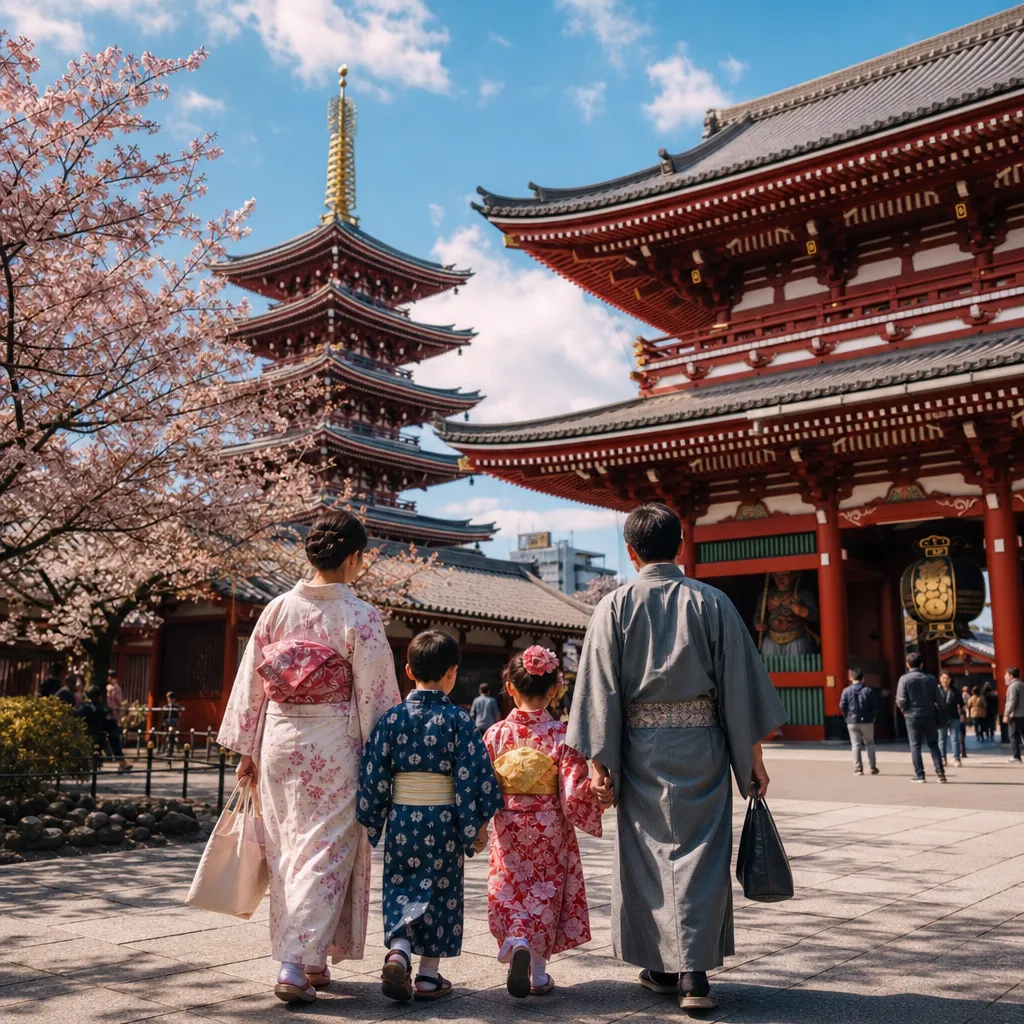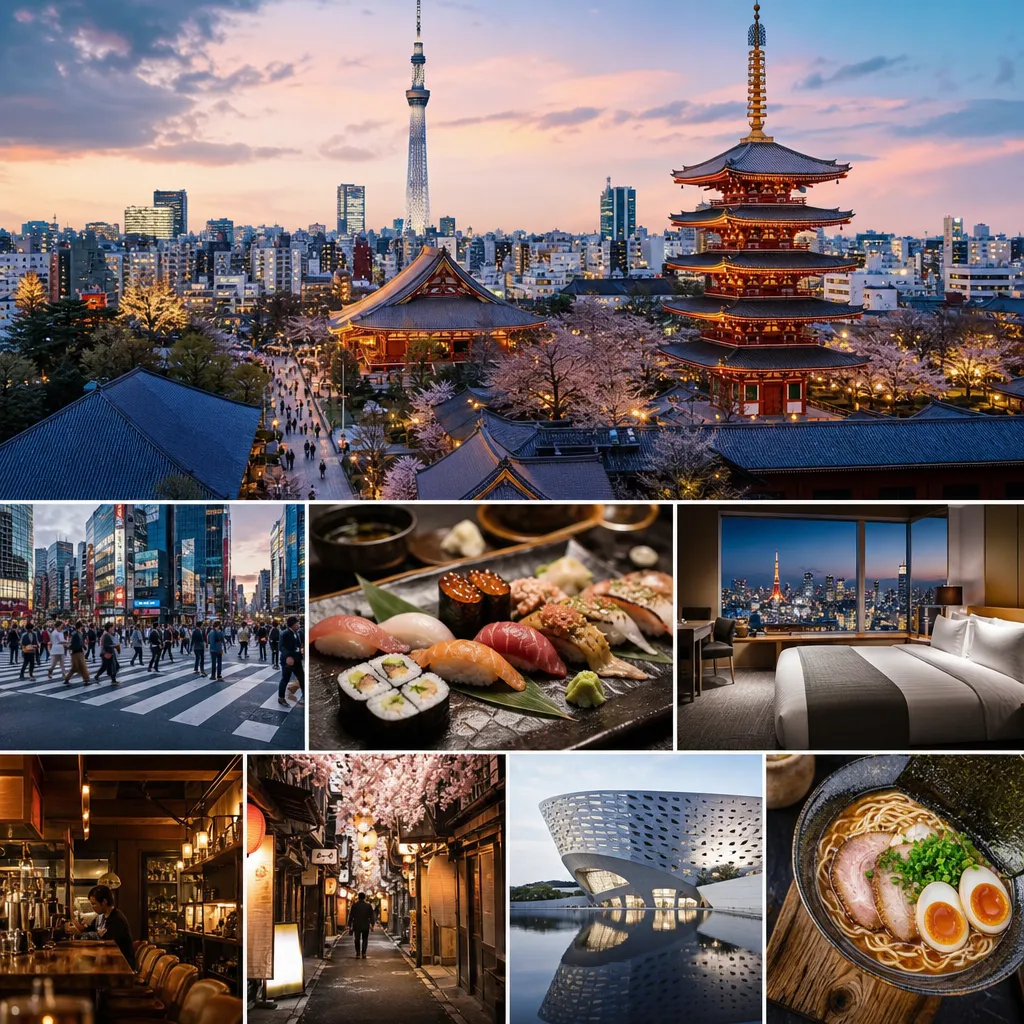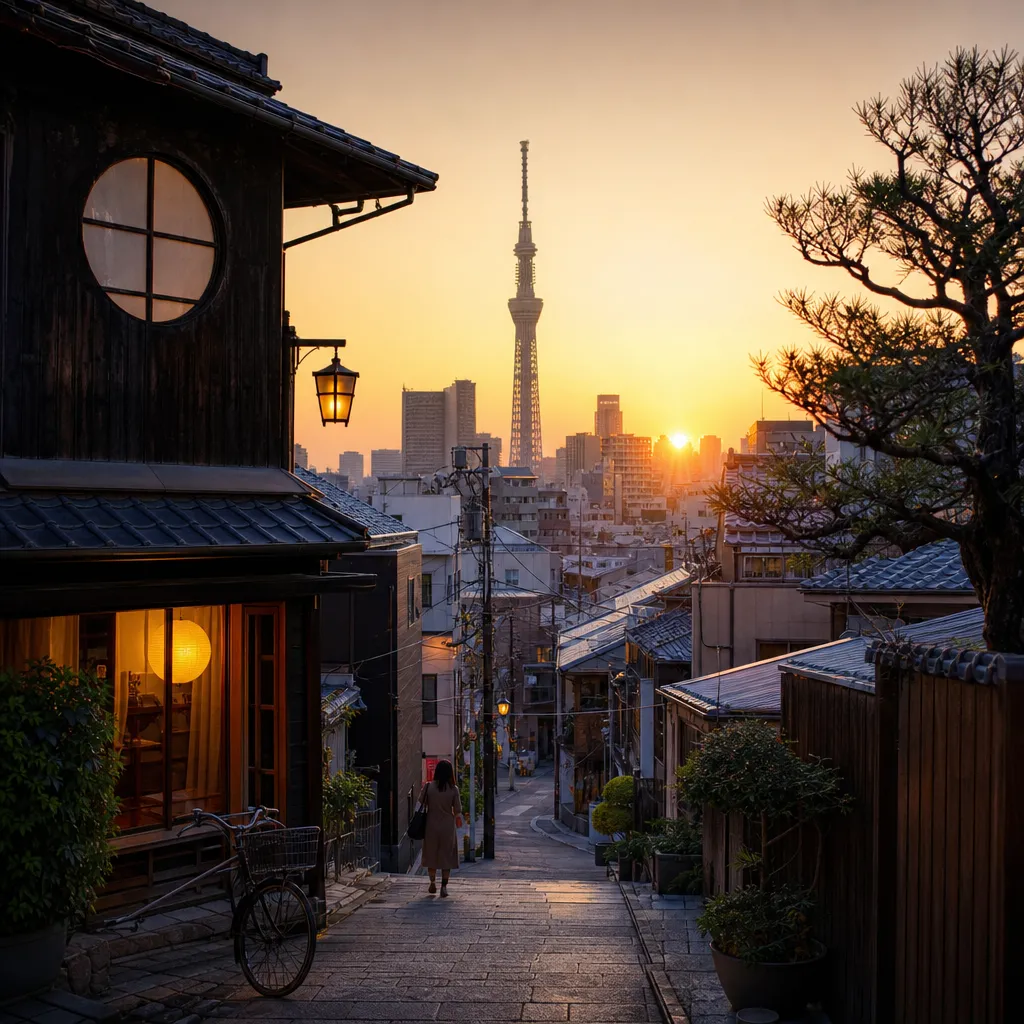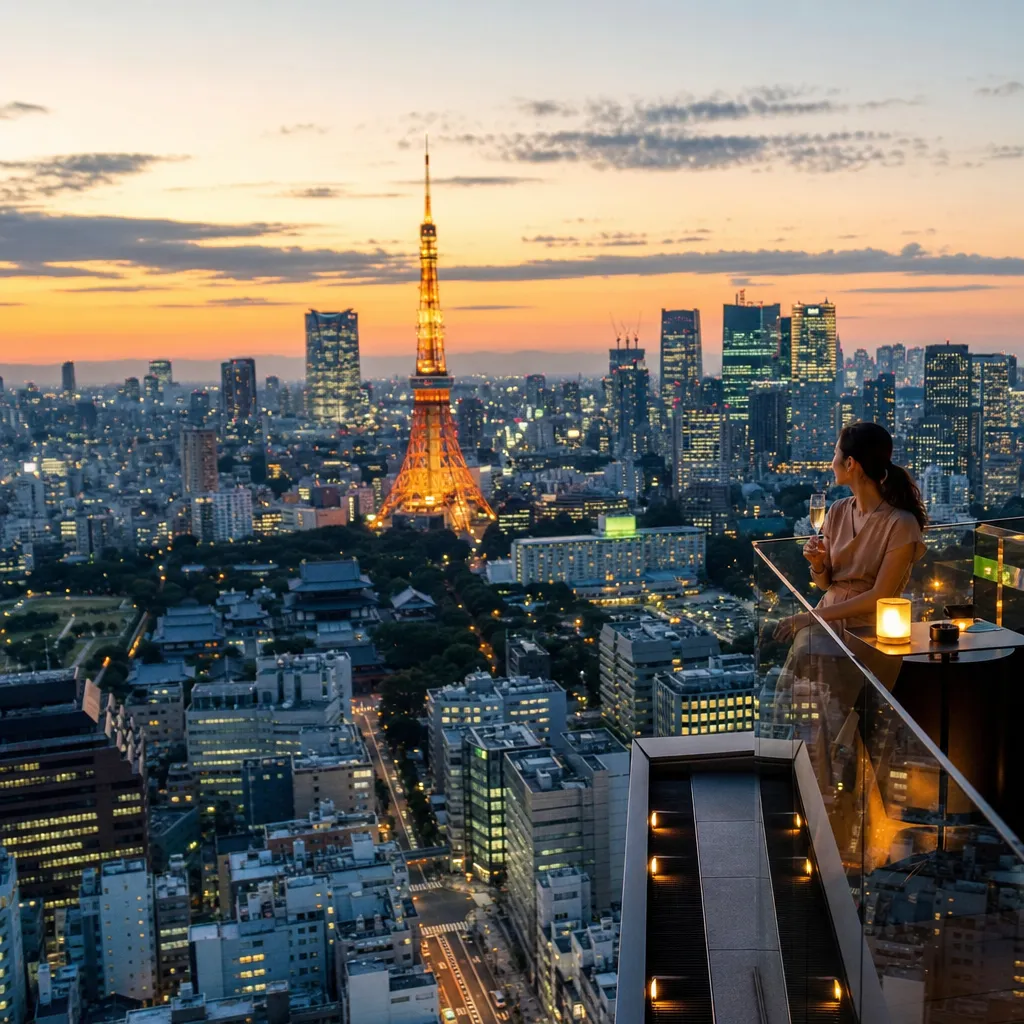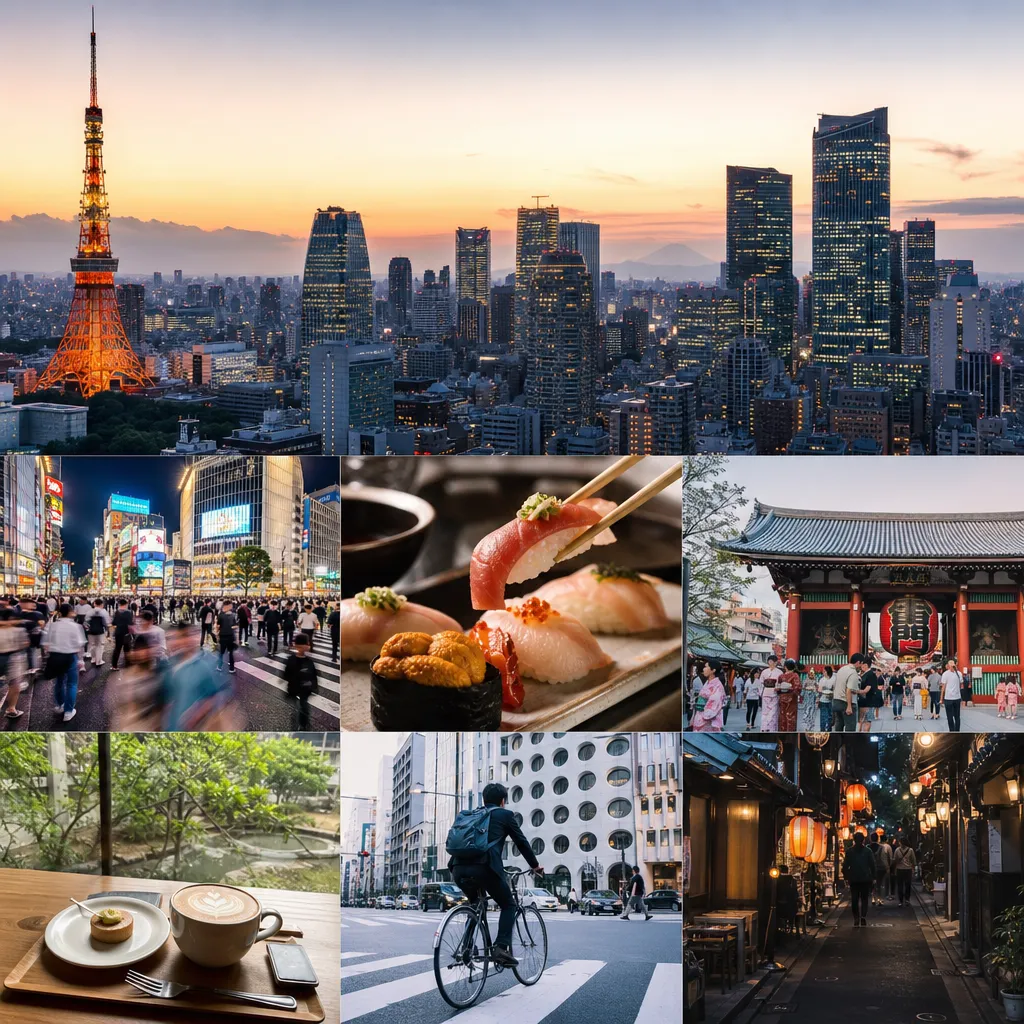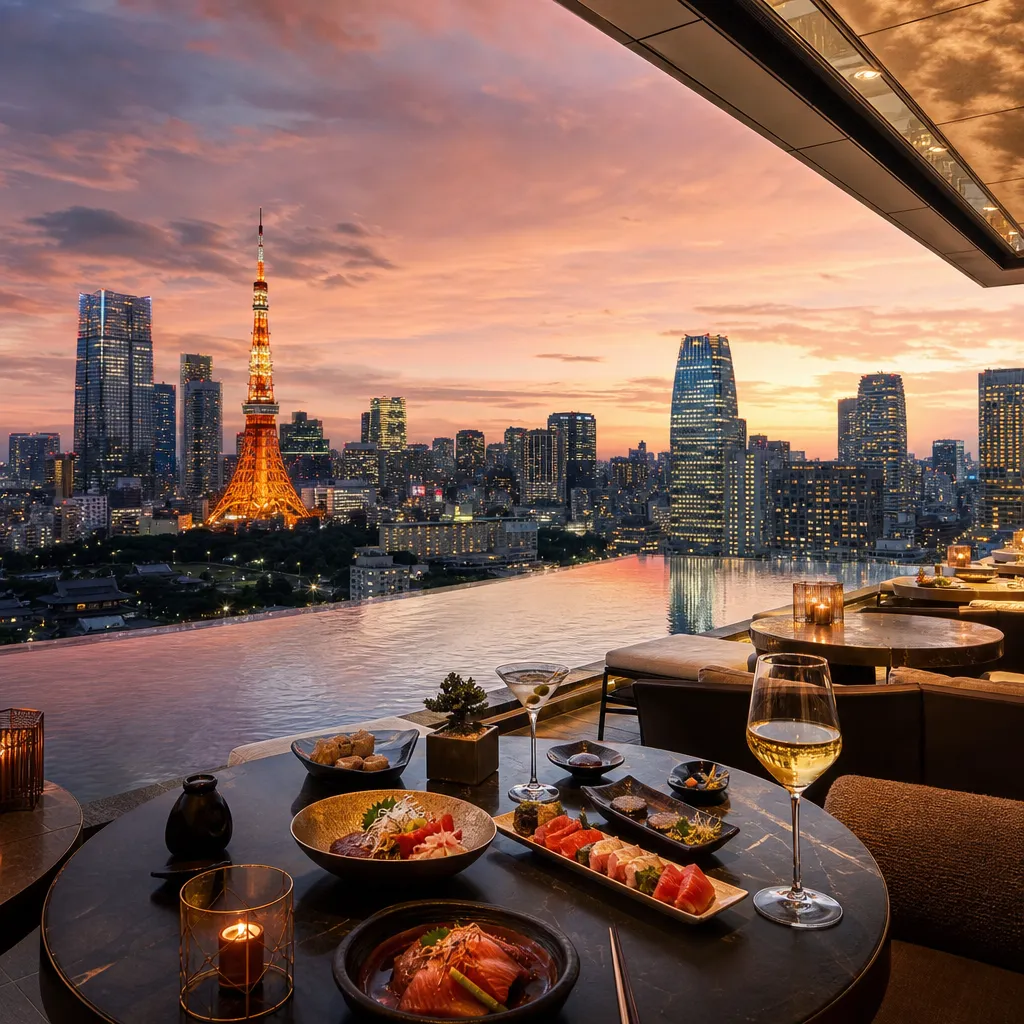
Luxury travel in Tokyo is less about one single district and more about knowing which neighborhoods deliver the right mix of design, dining, privacy, and service. The city’s high-end experiences range from polished hotel towers in Marunouchi and Otemachi to intimate sushi counters in Ginza, craft-forward cocktails in the west, and contemporary art anchored in Roppongi. A good luxury trip here balances efficiency with atmosphere: staying close to major rail access, booking key meals in advance, and leaving room for slower pleasures such as department-store food halls, garden walks, and museum time. This guide focuses on places that combine prestige with practical value for visitors who want comfort, quality, and a distinctly Tokyo sense of place.
How to Choose the Right Luxury Base
If this is a first high-end stay in the city, the most practical luxury bases are Marunouchi, Otemachi, Ginza, and Roppongi. These areas keep you close to major transport, strong restaurant density, and polished late-evening options without requiring complicated transfers back to your hotel.
Marunouchi and Otemachi, next to Tokyo Station and the Imperial Palace area in central Tokyo, suit travelers who want efficient access to the Shinkansen, business-class hotels, and a quieter evening mood than Shibuya or Shinjuku. The streets are wide, orderly, and lined with flagship retail, office towers, and hotel dining.
Ginza, in Chuo ward, is better if your priorities are luxury shopping, serious sushi, department stores, cocktail bars, and elegant walkability. It stays active into the evening and works especially well for couples or repeat visitors who prefer dining-led days.
Roppongi, in Minato ward, is a strong choice for contemporary art, nightlife, and international-facing hotels. It is more energetic at night than Marunouchi and gives easy access to Azabu, Hiroo, and the wider Minato dining scene.
| Hotel | Area | Style | Best For | Key Feature |
|---|---|---|---|---|
| Aman Tokyo | Otemachi | Minimalist urban luxury | Privacy, calm, design-focused stays | High-rise serenity near the Imperial Palace area |
| The Peninsula Tokyo | Hibiya / Yurakucho side of central Tokyo | Classic international luxury | First-time visitors, shopping, smooth logistics | Strong access to Ginza and Marunouchi |
| The Tokyo EDITION, Toranomon | Toranomon | Contemporary lifestyle luxury | Design-minded travelers, social atmosphere | Sleek interiors in a fast-developing central district |
| Park Hyatt Tokyo | Shinjuku | Iconic high-rise luxury | Travelers who value atmosphere and skyline setting | Landmark status in West Shinjuku |
| Hoshinoya Tokyo | Otemachi | Ryokan-inspired city stay | Travelers wanting Japanese atmosphere with premium comfort | Tatami-centered concept in the business core |
Best Luxury Hotels and Ryokan-Style Stays
Aman Tokyo
In Otemachi, close to Tokyo Station and the Imperial Palace area, Aman Tokyo remains one of the city’s clearest statements of modern Japanese luxury. It suits travelers who want a peaceful retreat above the business district rather than a busy lobby scene. The design leans restrained and spacious, and the location works very well for both airport transfers and high-end dining across Marunouchi, Nihonbashi, and Ginza. Reserve well ahead in peak travel seasons.
The Peninsula Tokyo
Set by Hibiya and within easy reach of Ginza and Yurakucho, this is a practical luxury hotel for visitors who want a classic full-service experience. The surrounding area is central and polished, with department stores, theaters, and upscale restaurants nearby. It is especially convenient for travelers who plan to shop in Ginza or use multiple subway lines across central Tokyo.
Hoshinoya Tokyo
Also in Otemachi, Hoshinoya Tokyo is one of the strongest choices for visitors who want a ryokan atmosphere without leaving the city. It is not a countryside inn transplanted whole into Tokyo, but it does bring tatami-centered design and a more enclosed, traditional mood into a business-district setting. This works particularly well for couples or travelers adding a Japanese-style stay to an otherwise urban itinerary.
The Tokyo EDITION, Toranomon
In Toranomon, between the government-office side of central Tokyo and Minato’s luxury hotel zone, this hotel fits travelers who want a younger, more design-driven version of luxury. The area itself is modern and redeveloping rather than historic, but access to Roppongi, Azabudai, and Ginza is good. It is a strong pick for stylish weekend stays and evenings built around cocktails and contemporary dining.
Park Hyatt Tokyo
In West Shinjuku, Park Hyatt Tokyo is an icon of Tokyo luxury travel and remains relevant for travelers drawn to cinematic skyline atmosphere. Shinjuku is busier and more sprawling than the Otemachi-Ginza axis, but the hotel’s setting is more removed from the station chaos than many visitors expect. It suits return visitors and anyone prioritizing hotel ambience as much as neighborhood walkability.
Where to Book Memorable Luxury Dining
Tokyo’s luxury dining scene is broad, but for practical trip planning it helps to focus on three areas: Ginza for formal sushi and polished fine dining, Minato ward for creative contemporary restaurants and elegant counters, and Marunouchi for business-lunch refinement and hotel dining.
Sukiyabashi Jiro and the Ginza Sushi World
The Sukiyabashi Jiro name remains internationally famous and is associated with the Ginza/Yurakucho area. In practical terms, though, luxury travelers should think beyond a single famous counter and understand Ginza as the city’s densest premium sushi zone. The area offers everything from very formal omakase to slightly more accessible elite counters in department-store and backstreet buildings. Reservations are often essential, and some places may require hotel concierge assistance.
Ginza Kojyu
In Ginza, Kojyu has long been known as a kaiseki destination for travelers who want seasonality and precision rather than spectacle. This is the kind of meal to schedule on an evening when you can arrive on time, dress neatly, and focus on the progression of the menu. It suits serious food travelers and couples more than large groups.
Narisawa
In Aoyama, near the wider Minato/Shibuya boundary, Narisawa is a leading choice for contemporary Japanese fine dining with a globally recognized profile. The setting is more modern tasting-menu restaurant than traditional ryotei. It works best for diners who want a destination dinner and are comfortable booking well in advance.
Den
In the Jingumae area, Den is praised for warm hospitality and a creative approach that remains rooted in Japanese cuisine. It is one of the city’s most sought-after reservations, so planning early matters. This is a good choice for travelers who want a top-tier meal that feels lively and personal rather than ceremonially formal.
For all luxury dining in Tokyo, expect punctuality, quiet dining rooms, and a stronger emphasis on reservation discipline than in many other major cities. If you have dietary restrictions, communicate them early and through your hotel if possible.
Luxury Bars, Lounges, and View-Focused Evenings
New York Bar at Park Hyatt Tokyo
In West Shinjuku, this is one of the city’s most recognizable high-floor bar settings. People come for skyline atmosphere rather than a hidden local scene, and that is exactly why it works on a luxury itinerary. It suits couples, solo travelers comfortable with hotel-bar prices, and visitors wanting a polished final drink after dinner.
Bar High Five
In Ginza, Bar High Five is among the best-known serious cocktail bars in the city. The experience is less about a view and more about technique, service, and individualized drinks. Ginza is ideal for this style of late-evening stop because you can pair it with sushi, kappo, or French-Japanese dining nearby.
The SG Club
Near Shibuya, The SG Club offers a more contemporary, internationally visible cocktail experience than classic Ginza bars. It suits travelers who want top-level drinks in a more energetic setting. Build this into an evening if you are already dining or shopping around Shibuya, Omotesando, or Harajuku.
Rooftop Bar at Andaz Tokyo
In Toranomon, Andaz Tokyo’s bar scene appeals to visitors who want a luxury hotel evening without the formality of some older properties. The surrounding district is business-oriented by day, but increasingly useful at night because of new developments and easy access from central neighborhoods. Check current access policies, as hotel bars and rooftop spaces can change usage rules.
Shopping That Feels Distinctly High-End
For luxury shopping, Ginza is still the strongest all-round district. It combines flagship fashion, refined stationery, watch and jewelry shopping, and major department stores in a compact area that is easy to cover on foot.
Ginza Six
In Ginza, Ginza Six is one of the area’s headline luxury complexes and a useful stop even for travelers who are not planning major purchases. Its attraction is concentration: fashion, beauty, food, and polished design under one roof. It works especially well on rainy days or when you want to stay close to lunch and tea options.
Mitsukoshi Ginza and Matsuya Ginza
These department stores are practical luxury destinations because of their food halls, gift selections, and Japanese-brand curation. Even travelers focused on restaurants should make time for the basement depachika floors for high-quality sweets, seasonal foods, and beautifully packaged gifts. They are also useful for premium bento before a train journey.
Isetan Shinjuku
In Shinjuku, Isetan is one of Tokyo’s most important department stores for fashion and beauty. The surrounding district is much busier and denser than Ginza, but the store itself is a destination for serious shoppers. If your style interests lean toward both luxury labels and Japanese fashion culture, it can justify a dedicated visit.
Nihonbashi Mitsukoshi Main Store
In Nihonbashi, this is one of the best department stores for travelers interested in heritage atmosphere as much as product selection. Nihonbashi feels more traditional and businesslike than Ginza, and that is part of its appeal. Pair it with a walk through nearby long-established shops and a meal in the area.
Art, Architecture, and Culture for a Refined Itinerary
Mori Art Museum
In Roppongi Hills, Mori Art Museum is one of the easiest places to fold contemporary art into a luxury schedule. The district already supports hotel stays, fine dining, and evening drinks, so it works well as part of a full day rather than a stand-alone museum run. Check current exhibitions in advance, since programming changes.
Nezu Museum
In Aoyama, the Nezu Museum combines Japanese and East Asian art with one of the most rewarding museum gardens in central Tokyo. This is one of the strongest culture options for travelers who want elegance rather than scale. It is especially good in calm morning or early afternoon hours, and the surrounding Omotesando-Aoyama area offers excellent café and shopping follow-ups.
The National Art Center, Tokyo
Also in the Roppongi area, this museum is notable for its architecture and changing exhibition model. Even before you consider what is on view, the building itself is worth seeing. It suits visitors who enjoy contemporary architecture and want a substantial indoor activity in central Tokyo.
teamLab Borderless
Now in the Azabudai Hills area of Minato ward, teamLab Borderless fits luxury travelers who like polished contemporary attractions alongside shopping and dining. It is more immersive and popular than contemplative, so advance booking is often wise if available. This is a good choice for families, couples, and travelers balancing formal meals with something more playful.
Luxury Experiences Beyond the Standard Checklist
Imperial Palace perimeter and Marunouchi morning
A simple but effective luxury morning starts with coffee in Marunouchi, a walk near the Imperial Palace, and a late breakfast or early lunch in a hotel or office-tower restaurant. The appeal here is space, order, and contrast with denser districts. It suits travelers who want a composed start before museums or shopping.
Hamarikyu Gardens with tea
Near Shiodome and not far from Ginza, Hamarikyu offers a traditional garden setting in central Tokyo with a striking backdrop of towers. It is one of the best places to slow down between formal city experiences. This works particularly well after a Ginza shopping session or before heading toward the bay.
Private-feeling tea and sweets in upscale department stores
One underrated luxury habit in Tokyo is using department stores and hotel lounges for refined breaks rather than only for shopping. In Ginza, Nihonbashi, and Shinjuku, these spaces can provide a comfortable reset with excellent service and seasonal sweets. They are useful for travelers who need a calmer alternative to line-heavy trend cafés.
Planning Tips That Matter
- Reserve key dinners early. The best sushi, kaiseki, and modern tasting-menu restaurants often need advance planning, sometimes through a hotel concierge.
- Group your days by area. Pair Ginza with Hibiya or Nihonbashi; pair Roppongi with Azabu or Toranomon; pair Marunouchi with the Imperial Palace side.
- Dress neatly for high-end dining. Tokyo is not uniformly formal, but luxury counters and hotel restaurants often expect polished attire.
- Arrive on time. This matters particularly for omakase and tasting-menu meals, where service is paced for all guests.
- Use taxis selectively. Trains are excellent, but taxis make sense at the luxury end of the market, especially between dinner and bars or when moving across central districts at night.
- Check current operating details. Museum exhibitions, hotel bar access, and restaurant booking policies can change.
FAQ
What area of Tokyo is best for a luxury first-time stay?
Marunouchi, Otemachi, and Ginza are usually the easiest high-end bases for a first visit because they combine central access, strong hotel stock, and excellent dining. Roppongi is better if nightlife and contemporary art are priorities.
Do I need restaurant reservations for luxury dining?
Usually yes, especially for sushi omakase, kaiseki, and internationally known tasting-menu restaurants. Hotel concierge assistance can be very helpful.
What is the most useful transport hub for a luxury itinerary?
Tokyo Station is hard to beat for convenience because it links central hotel districts with airport buses, regional trains, and the Shinkansen. Ginza and Otemachi are also very efficient for subway access.
Is a ryokan-style stay in central Tokyo worth it?
Yes, if you want Japanese atmosphere without leaving the city. A place such as Hoshinoya Tokyo can add a distinct cultural layer to an otherwise urban luxury trip.
Are luxury bars in Tokyo only in hotels?
No. Hotel bars are excellent for views and comfort, but classic cocktail bars in Ginza and contemporary bars near Shibuya offer equally high standards in very different settings.
Is luxury travel in Tokyo suitable for families?
It can be, especially if you mix hotels with spacious service standards, department-store dining, gardens, and attractions such as teamLab Borderless. Very formal sushi and kaiseki counters may be less family-friendly.
What should I check before visiting?
Confirm restaurant reservation rules, museum exhibition schedules, and hotel bar access policies. For major attractions and fine dining, checking directly with official sources shortly before your visit is wise.
Sources
- GO TOKYO (Tokyo Convention & Visitors Bureau)
- Japan National Tourism Organization
- Official websites of Aman Tokyo, Hoshinoya Tokyo, The Peninsula Tokyo, Park Hyatt Tokyo, Mori Art Museum, and Nezu Museum