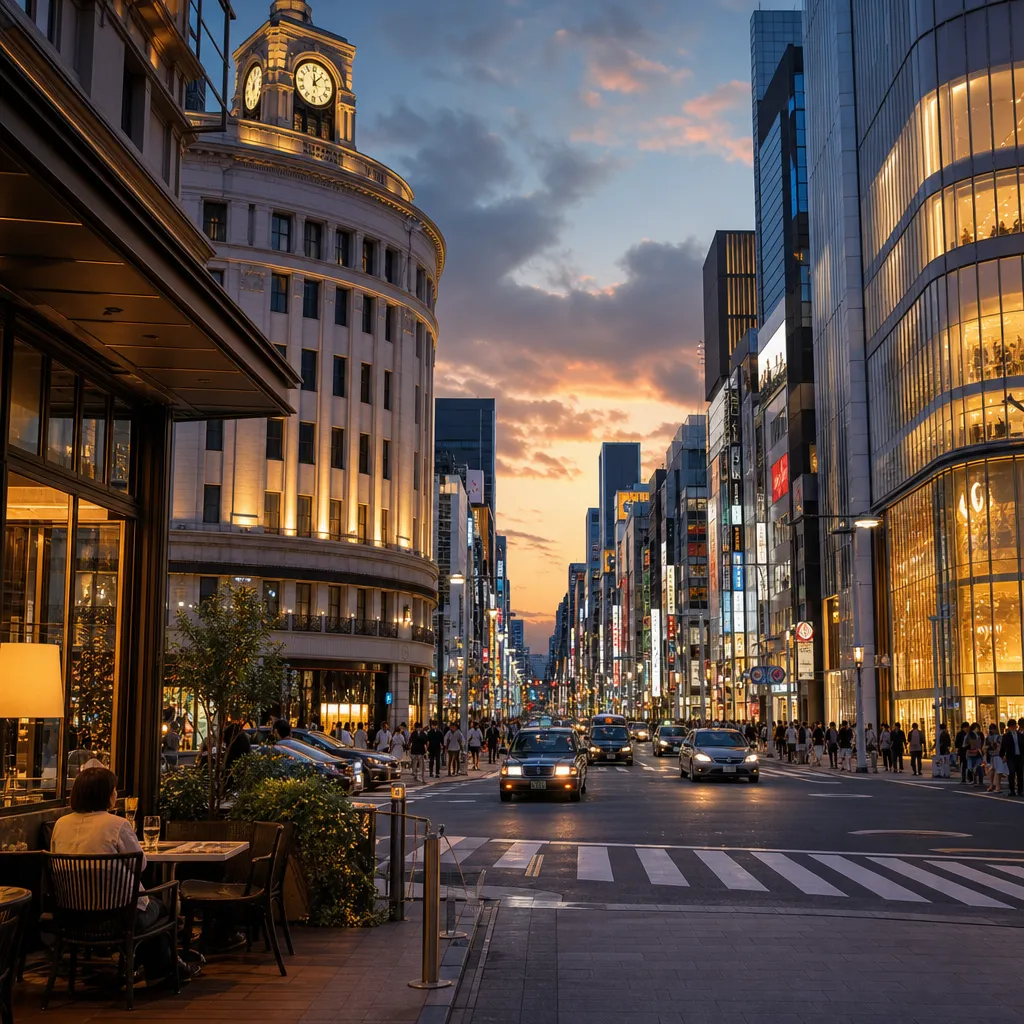
Ginza is often introduced as Tokyo’s polished luxury district, but that description is too narrow to be useful. In practice, Ginza works best as a layered neighborhood: flagship shopping streets, serious department-store food halls, long-running sushi and tempura counters, small bars in backstreets, modern architecture, and a few excellent cultural stops all packed into central Chuo City. It is also one of the easiest upscale areas to visit without feeling lost, because the streets are orderly, the stations are well connected, and many major sights are clustered within the wider Ginza, Yurakucho, and Higashi-Ginza area. If you want a practical guide to what to do, where to eat, and how to move around, Ginza is one of the simplest places in Tokyo to plan well.
Understanding Ginza: where it is and how it feels
Ginza is in central Tokyo, in Chuo City, between Marunouchi/Yurakucho to the west and Tsukiji/Higashi-Ginza to the east and southeast. The area is served most directly by Ginza Station, but depending on where you are going, Yurakucho Station, Higashi-Ginza Station, Shimbashi Station, and Tokyo Station can all be useful.
The character changes block by block. Around Chuo-dori, the main boulevard, Ginza feels formal and high-end, with department stores and luxury flagships. Around the smaller side streets, especially toward Corridor Street and the Shinbashi side, it becomes more evening-oriented, with bars, izakaya, and compact restaurants. Toward Higashi-Ginza, you are closer to Kabukiza and old-established food shops; toward Yurakucho, the atmosphere becomes slightly more casual and transport-friendly.
For first-time visitors, Ginza is especially convenient because you can combine shopping, food, architecture, and culture without needing long train rides between stops.
At-a-glance guide to Ginza
| Place | Area | Best For | Price Level | Key Feature |
|---|---|---|---|---|
| GINZA SIX | Central Ginza | Shopping, architecture, rooftop break | High | Major modern complex with rooftop garden |
| Mitsukoshi Ginza | Ginza 4-chome area | Depachika food shopping | Medium to High | Classic department store food hall |
| Kabukiza Theatre | Higashi-Ginza | Traditional culture | Varies | Best-known kabuki venue in Tokyo |
| Itoya Ginza | Near Ginza Station | Stationery, design shopping | Medium | Multi-floor specialty stationery store |
| Art Aquarium Museum GINZA | Ginza Mitsukoshi area | Indoor visual experience | Medium | Goldfish-themed immersive display |
| Shiseido Parlour | Ginza | Classic café and Western-style dining | Medium to High | Historic Ginza institution |
What to do in Ginza
Walk Chuo-dori, especially on weekends
Chuo-dori is the main avenue that defines central Ginza. It is the district’s easiest orientation point and the quickest way to take in the neighborhood’s architecture, department stores, and flagship retail. On weekend afternoons and some holidays, parts of the street are commonly opened as a pedestrian zone, which makes wandering much easier and more relaxed.
This is the best first activity if you have never been to Ginza before. It suits photographers, casual shoppers, and anyone trying to understand the layout before committing to museums or restaurants.
Visit Kabukiza Theatre in Higashi-Ginza
Kabukiza, near Higashi-Ginza Station, is the most famous kabuki theater in Tokyo and one of the clearest ways to connect Ginza’s polished modern image with older performing-arts culture. Even if you are not a regular theatergoer, the building itself and the surrounding area are worth seeing.
If you want to attend a performance, check the official schedule in advance because programs change. This is not an informal drop-in attraction in the way a museum is; planning matters more here. It is particularly good for travelers interested in traditional Japanese stage arts and architecture with historical references.
Explore the rooftop garden at GINZA SIX
GINZA SIX is one of the area’s largest shopping complexes, in central Ginza nearer the Shinbashi side. Even travelers with little interest in luxury retail may find it worth visiting for its contemporary architecture, public art presence, and rooftop garden. The rooftop offers open-air space to pause above the streets, which is useful in a district where benches and quiet rests are otherwise limited.
Visit in late afternoon or early evening for a comfortable break during a longer walking day. If the weather is poor, the rest of the complex still works well as an indoor stop.
Browse design and stationery at Itoya
Ginza Itoya is one of the district’s most consistently useful non-fashion shopping stops. Located near the main Ginza shopping streets, it is a multi-floor stationery and lifestyle store known for paper goods, pens, desk items, cards, and design-oriented gifts.
This is one of the best places in Ginza for visitors who want something practical or distinctly giftable without buying luxury goods. It also suits families and solo travelers because browsing is straightforward even without Japanese language ability.
Where to eat in Ginza
Ginza is one of Tokyo’s best-known dining districts, but it covers a broad range. You can spend very heavily here, especially on sushi and kaiseki, yet there are also accessible lunch options, department-store food halls, cafés, kissaten, and basement-level casual restaurants.
Department store depachika food halls
If you want variety without making a major reservation commitment, start with the food basements of Mitsukoshi Ginza or Matsuya Ginza. These depachika floors are useful for takeaway meals, sweets, bento, seasonal gifts, and quality snacks. They work especially well for travelers heading back to a hotel, taking the Shinkansen later from Tokyo Station, or assembling a picnic-style meal.
This is also one of the best strategies for budget control in Ginza, since sit-down dinners in the area can rise quickly in price.
Shiseido Parlour for classic Ginza atmosphere
Shiseido Parlour is a long-established Ginza institution known for Western-style dining and café culture with historical prestige. It suits travelers who want a formal but not intimidating break from shopping, and it is especially good for dessert, tea, or a traditional Ginza café experience.
Because it is well known, peak periods can be busier. It works best as a daytime stop rather than a rushed meal between many appointments.
Sushi and traditional specialist restaurants
Ginza is famous for high-end sushi, tempura, and other specialist counters. If that is your priority, Ginza is absolutely the right district, but reservations are often important for serious destination restaurants. Many top places are small, formal, and quieter in atmosphere than casual sushi chains elsewhere in the city.
For travelers without strong Japanese dining experience, lunch can be a more approachable way to try upscale Ginza dining than dinner. Set menus are often simpler to navigate, and the time commitment is easier to fit into a sightseeing day. Check the restaurant directly before assuming walk-ins are possible.
Shopping in Ginza beyond luxury brands
Mitsukoshi Ginza and Matsuya Ginza
These two department stores are central reference points in the district. Mitsukoshi Ginza, near the iconic Ginza 4-chome intersection, is particularly useful for food, gifts, cosmetics, and polished browsing. Matsuya Ginza, slightly toward the east side of the main area, often feels a touch calmer while still being very central.
Even if you are not planning to buy fashion, department stores in Ginza are worth visiting for seasonal displays, basement food floors, and reliable tax-free shopping services for eligible overseas visitors.
GINZA SIX for contemporary upscale retail
Compared with older department stores, GINZA SIX feels more like a contemporary luxury mall. It is a good choice if you want flagship fashion, polished interior design, and a more modern commercial environment. It also works well in bad weather because you can spend a long time there without needing to return to the street.
UNIQLO TOKYO and nearby practical shopping
Although technically in the wider Ginza/Yurakucho side of the district, UNIQLO TOKYO is very useful for travelers who want practical clothing rather than luxury purchases. It is a reminder that Ginza is not only for designer budgets. Nearby Yurakucho also adds electronics, casual dining, and easy rail access, so this side of the area can be more convenient for everyday needs.
Culture, design, and indoor stops
Art Aquarium Museum GINZA
Located in the Ginza Mitsukoshi area, Art Aquarium Museum GINZA is an indoor visual attraction rather than a conventional museum of objects. It combines goldfish displays, lighting, and installation-style presentation. Visitors who enjoy immersive environments, stylized photography, or short indoor attractions may find it appealing.
Because lighting conditions are part of the experience, it is more about atmosphere than deep cultural interpretation. It suits rainy days and evening-oriented visits particularly well.
Maison Hermes Le Forum
Maison Hermes Le Forum is a respected art space inside the Hermes building in Ginza. It is better suited to travelers interested in architecture, contemporary art, and design than to casual checklist sightseeing. The building itself is significant, and the surrounding part of Ginza is ideal for pairing with an architecture walk.
Exhibitions change, so check current information before visiting.
Police Museum near the Kyobashi side
Just outside the core Ginza shopping streets, toward Kyobashi, the Police Museum can be a worthwhile family-friendly or niche-interest stop. It is more informal than the area’s upscale image suggests and can help break up a day dominated by retail and dining.
This is a good option if you are walking between Ginza and Tokyo Station.
Architecture and photography spots
Ginza is one of central Tokyo’s most rewarding districts for architecture-focused walking. The experience is less about sweeping skyline views and more about facades, streetscapes, intersections, glass, signage, and the contrast between historic department-store identity and modern redevelopment.
Wako clock tower and Ginza 4-chome intersection
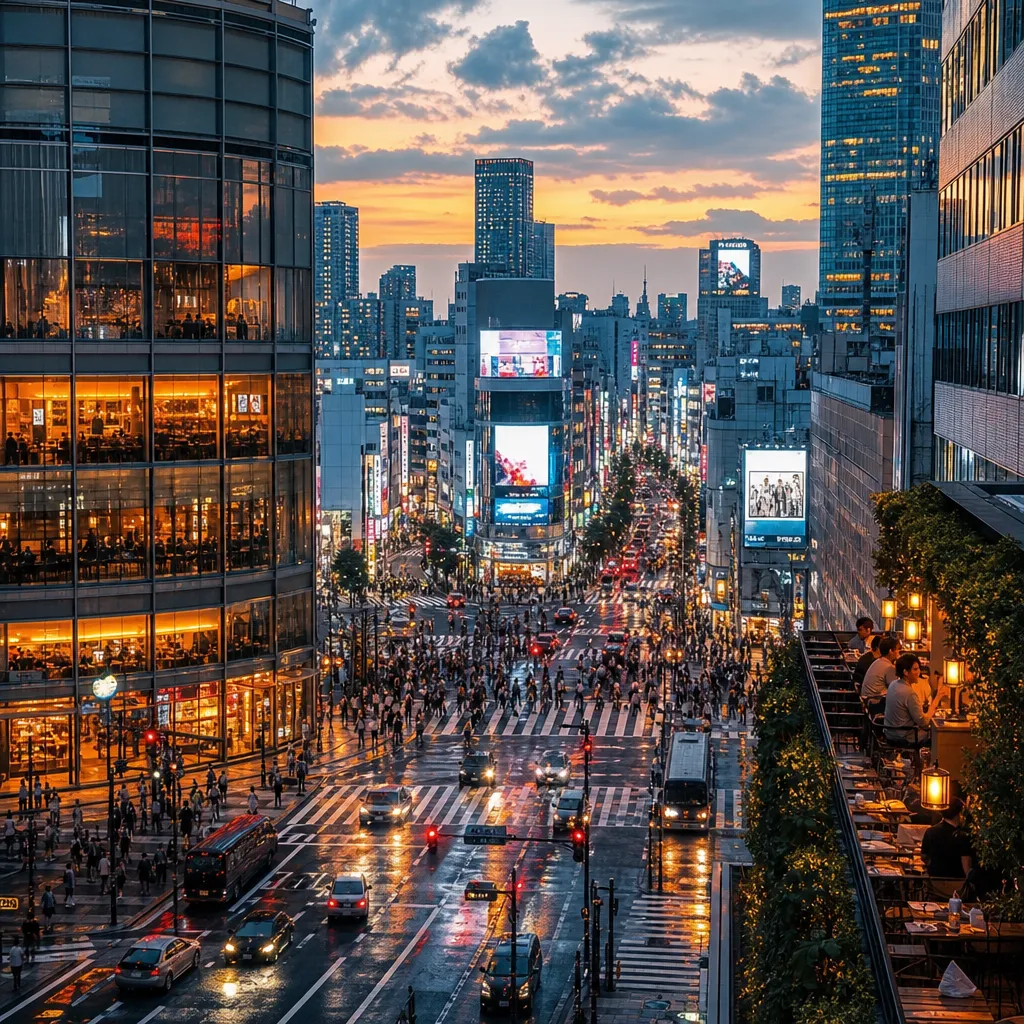
The Wako building at the Ginza 4-chome intersection is one of the district’s best-known visual landmarks. This corner is especially good for street photography, urban observation, and night shots when the area is lit up. It is busy, so expect crowds and work quickly if you are trying to frame cleaner architectural compositions.
Mikimoto, Hermes, and contemporary facades
Several Ginza buildings are worth seeing even if you never go inside. The Mikimoto Ginza 2 building and the Hermes building are commonly noted for their architecture and materials. A self-directed walk around the main avenues and side streets is often more rewarding than chasing a fixed “photo spot” list, because the district changes character with weather and time of day.
For photography, late afternoon into blue hour usually gives the best balance between storefront illumination and street activity. Early morning is better if you want cleaner lines and fewer people, though many shops will not yet be open.
Bars, evening atmosphere, and after-dark Ginza
Ginza has a more restrained nightlife identity than Shinjuku or Shibuya, but it is one of Tokyo’s classic districts for refined bars. Many are in upper floors or basement spaces on side streets, particularly toward the Shinbashi and Corridor Street side of the neighborhood.
The area is especially well suited to couples, business travelers, and visitors who prefer cocktails, whisky, or a quiet drink over loud club-oriented nightlife. Solo travelers can also do well here, though some bars are small and more formal than the casual pub model many international visitors expect.
If you want a serious cocktail bar, dress a little more neatly than you might in a casual izakaya district and keep voices moderate. Some venues have cover charges or seating charges, which is not unusual in Tokyo bar culture. Always check the house style before entering if you are unsure.
Sample half-day and full-day ways to visit
Half-day Ginza plan
- Start around Ginza Station and walk Chuo-dori.
- Browse Itoya or a department store.
- Have lunch in a depachika, casual restaurant floor, or café.
- Visit Kabukiza exterior area or an indoor stop like Art Aquarium Museum GINZA.
- Finish with rooftop time at GINZA SIX or drinks toward Yurakucho/Shimbashi.
Full-day Ginza plan
- Begin in the morning for architecture photos before peak crowds.
- Explore Mitsukoshi, Matsuya, and specialty shops like Itoya.
- Book a proper lunch if upscale sushi or tempura is a priority.
- Spend the afternoon at Kabukiza, Maison Hermes Le Forum, or nearby Kyobashi stops.
- Take a break in a classic café such as Shiseido Parlour.
- Return in the evening for cocktails, dinner, and lit-up street scenes.
Practical tips before you go
- Best station depends on your plan: Ginza Station is best for the center, Higashi-Ginza for Kabukiza, Yurakucho for easier JR access, and Tokyo Station if you are combining Ginza with Marunouchi.
- Weekends are good for strolling: the main streets feel more pleasant when pedestrianized, but they are also busier.
- Lunch is often easier than dinner: especially for traditional specialist restaurants.
- Depachika are practical: excellent if you want quality food without a formal meal.
- Bring indoor and outdoor plans: Ginza works well in rain because department stores, galleries, and malls provide many fallback options.
- Dress expectations vary: casual clothing is generally fine for shopping, but higher-end restaurants and bars may feel more comfortable with smart casual attire.
When is the best time of day to visit Ginza?
Late morning through early evening is best for shopping and general sightseeing. Early evening is strongest for lighting, bar visits, and seeing the district at its most urban and polished.
Is Ginza only worth visiting if I want luxury shopping?
No. Ginza is also good for food halls, stationery, architecture, kabuki culture, cafés, and evening bars. You can enjoy the area with a moderate budget if you focus on browsing, depachika food, and selective dining.
Do I need restaurant reservations in Ginza?
For famous sushi, tempura, and higher-end specialist restaurants, reservations are often a very good idea. For department stores, cafés, and casual dining, same-day visits are usually much easier.
Is Ginza suitable for families?
Yes, especially in the daytime. Department stores, wide main streets, food halls, and indoor attractions make it manageable, though some fine-dining and bar venues are more adult-oriented.
Can I explore Ginza on foot?
Yes. Much of the area is highly walkable, especially between Ginza Station, Higashi-Ginza, Yurakucho, and the Kyobashi side. Comfortable shoes are still useful because you may spend more time indoors and across large department stores than expected.
What is the best budget strategy for eating in Ginza?
Use department-store food basements, lunch sets, café meals, and the Yurakucho edge of the district. This gives you access to the area’s quality without committing to expensive dinner places.
Is Ginza good at night?
Yes, particularly for adults who prefer cocktails, polished dining, and illuminated streets over club nightlife. The area feels more refined than loud.
What should I check before visiting?
Check current exhibition schedules, theater programs, and restaurant reservation policies. If a specific meal matters to you, verify it directly rather than assuming walk-in availability.
Sources
- GO TOKYO (Tokyo Convention & Visitors Bureau)
- Kabukiza Official Website
- GINZA SIX Official Website