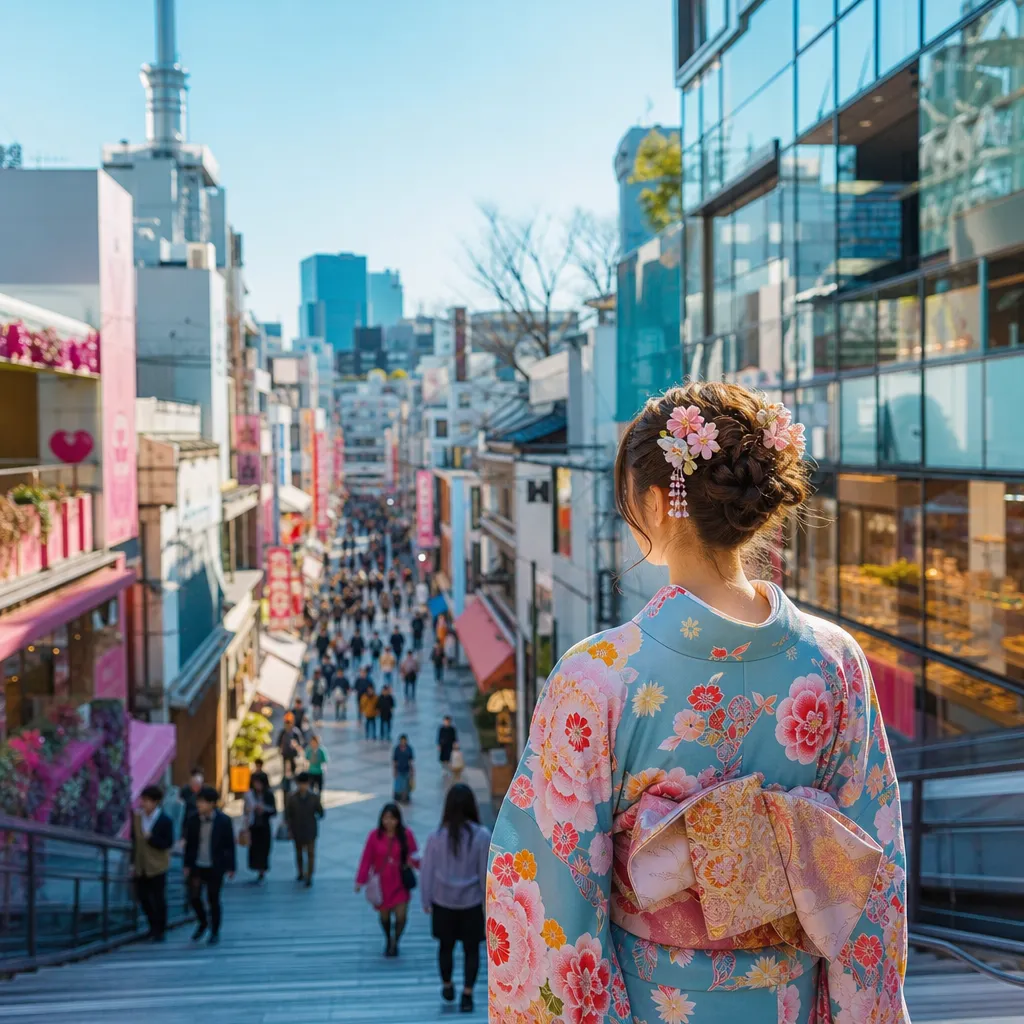
Harajuku is one of the easiest parts of Tokyo to underestimate. Many visitors arrive for Takeshita Street, stay for the fashion spectacle, and leave without seeing the quieter backstreets, major green spaces, design landmarks, and food culture that make the area far more interesting than a single crowded lane. In practical terms, Harajuku sits on the border of Shibuya and Aoyama, with excellent access from JR Harajuku Station and Tokyo Metro Meiji-jingumae, while Omotesando and even Shibuya are close enough to combine in the same day. This guide focuses on how to structure a visit so you can balance classic sights with better shopping, architecture, cafés, and calmer corners.
Understanding Harajuku: what the area actually includes
“Harajuku” is often used loosely, but for visitors it usually means the zone around JR Harajuku Station and Meiji-jingumae Station, extending outward to Takeshita Street, Cat Street, Omotesando, and the edge of Meiji Jingu. Administratively, much of it is in Shibuya City, on the western side of central Tokyo.
The character changes quickly depending on which side of the station you choose:
- Takeshita Street side: youth-focused, crowded, fast-moving, snack-heavy, and best for trend watching rather than relaxed shopping.
- Omotesando side: broader avenues, flagship fashion stores, major architecture, department-store-scale retail, and more polished cafés.
- Cat Street and backstreets: casual fashion, sneaker stores, vintage shopping, coffee, and a more local strolling pace.
- Meiji Jingu and Yoyogi Park edge: forested shrine grounds and a very different atmosphere from the commercial streets.
If you only have half a day, keep expectations realistic. Harajuku works best when you combine one famous street, one green or cultural stop, and one slower shopping or café zone.
Best places to visit in Harajuku at a glance
| Place | Area | Best For | Price Level | Key Feature |
|---|---|---|---|---|
| Meiji Jingu | Near Harajuku Station | Culture, walking, quiet time | Low | Large Shinto shrine in wooded grounds |
| Takeshita Street | Harajuku core | Youth culture, snacks, people-watching | Budget to mid-range | Dense concentration of trend-driven shops |
| Omotesando | South of Harajuku | Architecture, upscale shopping, cafés | Mid-range to high | Tree-lined boulevard with flagship buildings |
| Cat Street | Between Harajuku and Shibuya | Independent shopping, strolling | Mid-range | More relaxed retail corridor than the main avenues |
| Tokyu Plaza Omotesando Omokado | Omotesando/Meiji-jingumae | Shopping and photos | Free entry for common areas | Mirrored entrance and rooftop terrace |
| Ota Memorial Museum of Art | Near Meiji-jingumae | Art and indoor activity | Low to mid-range admission | Ukiyo-e museum in the middle of the district |
Classic Harajuku sights worth your time
Meiji Jingu
Just beside Harajuku Station, Meiji Jingu is the area’s most important cultural site and the easiest way to reset after the commercial bustle. This is a Shinto shrine, not a temple, dedicated to Emperor Meiji and Empress Shoken. The approach through the forested grounds is part of the experience, so allow time to walk rather than treating it as a quick photo stop.
This stop suits first-time visitors, solo travelers, families, and photographers looking for a different tone from the streets outside. Early in the day tends to be calmer. Visitors should stay respectful in the shrine precincts, avoid blocking paths, and observe any photography restrictions in sensitive areas.
Takeshita Street
Takeshita Street runs directly from the Harajuku Station side and remains the most concentrated stretch of youth-oriented retail in the district. Expect bright signage, cosmetic shops, trend boutiques, character goods, sweet snacks, and large crowds. It is more useful as a cultural snapshot than as the best place to shop seriously.
If you dislike congestion, avoid the middle of the afternoon on weekends and holidays. If you enjoy street photography, go carefully and respectfully; the appeal here is the compressed streetscape and constant movement rather than formal landmark views.
Yoyogi Park edge
While not strictly “Harajuku shopping district,” the side of Yoyogi Park near Harajuku is an easy addition if you want fresh air or a break after Takeshita Street. It works well for families, couples, and anyone planning a picnic or slower walk. Seasonal conditions matter, especially in spring and autumn.
Where to shop beyond the obvious
Omotesando
Omotesando is Harajuku’s smarter, more design-focused counterpart. Running south from the Harajuku/Meiji-jingumae area toward Aoyama, it is lined with international flagship stores, Japanese fashion brands, beauty retail, and polished food options. Even if you are not planning to buy luxury goods, the boulevard is worth walking for its architecture and urban design.
This area suits travelers who prefer spacious stores, better browsing conditions, and more adult fashion. It is also easier for rainy-day shopping because many major buildings have substantial indoor space.
Cat Street
Cat Street connects the wider Harajuku and Shibuya zones through a lower-rise retail corridor. Compared with Takeshita Street, it feels more relaxed and less theatrical. You will find streetwear, sneakers, select shops, cafés, and brands that sit somewhere between mainstream and independent.
It is especially good for visitors who want to walk from Harajuku toward Shibuya without simply following the main roads. Because the area is spread out, browsing works better than targeting one single destination.
Laforet Harajuku
Near Meiji-jingumae, Laforet Harajuku remains one of the district’s key fashion buildings for younger and more experimental labels. It is useful if you want to understand Harajuku’s role in style culture beyond souvenir shopping. The atmosphere is much more fashion-forward than a standard mall.
This is a good rainy-day stop and an efficient choice if you want many smaller brands under one roof. Stock and tenant mix can change, so it is best approached with an open mind rather than a fixed shopping list.
Architecture and photo spots
Tokyu Plaza Omotesando Omokado
At the Omotesando/Meiji-jingumae junction, Tokyu Plaza Omotesando Omokado is best known for its mirrored entrance escalator zone, which remains one of the area’s strongest easy photo spots. Inside, it functions as a shopping complex, but many visitors come primarily for the visual impact of the entry sequence.
The rooftop terrace can also be a useful short break from the street. As with any commercial facility, access conditions can change, and some areas are better suited to a quick visit than a long stay.
Omotesando Hills
Omotesando Hills, designed by Tadao Ando, is one of the most discussed commercial buildings in the wider Harajuku-Omotesando area. The long interior ramp, restrained materials, and integration with the boulevard make it worth visiting even if you are not shopping. It suits architecture-minded travelers and anyone looking for a calmer indoor environment.
Louis Vuitton, Prada, and other flagship façades in Omotesando/Aoyama
The wider Omotesando area contains a dense concentration of notable contemporary retail architecture. If photography and urban form interest you, simply walking the boulevard and nearby Aoyama streets is rewarding. Exterior photography is generally easiest during daylight when façades read clearly; evenings can be atmospheric but more reflective.
Best cafés and dessert stops in Harajuku
Koffee Mameya
On the Omotesando side, Koffee Mameya is a strong choice for coffee-focused travelers who care about beans, brewing, and a more serious tasting approach. It is not a lounging café in the conventional sense; the appeal is quality and conversation around coffee rather than settling in for hours.
This stop suits solo travelers, couples, and enthusiasts more than large groups. Because it is well known, visiting at quieter times can make the experience smoother.
A Happy Pancake Omotesando
For visitors specifically looking for the fluffy pancake style associated with modern Tokyo café culture, A Happy Pancake in the Omotesando area is one of the better-known options. It is a dessert-oriented stop rather than a quick coffee break, and waits can be part of the experience at popular times.
This suits couples, friends, and travelers building in a mid-afternoon rest. If pancakes are a priority, checking current queue or reservation arrangements before going is wise.
Harajuku crepe stands
Harajuku’s crepe culture is part of the district’s identity. Around Takeshita Street you will find multiple crepe shops serving sweet, highly customizable versions. These are less about culinary refinement and more about the area’s long-running street-food tradition.
Choose this if you want the classic Harajuku experience, especially on a first visit. Expect portable food, quick turnover, and a youth-oriented atmosphere.
Food options that make sense in the area
Harajuku is not primarily a sushi or ramen destination in the same way as some other neighborhoods, but it is still practical for casual meals. The best approach is to eat according to the sub-area you are already exploring.
- Takeshita Street and nearby lanes: quick snacks, crepes, sweets, casual chains, and trend-driven foods.
- Omotesando: more polished cafés, all-day dining, dessert shops, and stylish lunch options.
- Cat Street side: coffee, casual Western-influenced dining, and fashion-district cafés.
If you want a major ramen crawl, traditional soba focus, or high-end sushi meal, it is usually more efficient to use Harajuku as part of a wider day and eat in nearby Shibuya, Aoyama, or another destination chosen specifically for that cuisine.
Indoor cultural stops and rainy-day options
Ota Memorial Museum of Art
Ota Memorial Museum of Art, close to Meiji-jingumae, is one of the most useful cultural detours in the area. It focuses on ukiyo-e, the woodblock prints associated with artists such as Hokusai and Hiroshige. For travelers who want something more substantial than shopping but do not want to leave the district, it is an excellent fit.
Because exhibitions rotate, check the current program before visiting. This museum is especially good for art-minded travelers, couples, and anyone wanting a manageable indoor stop rather than a large museum commitment.
Design and retail buildings as weather-proof exploration
On wet or very hot days, Harajuku still works well because much of its appeal is distributed across indoor retail architecture. Omotesando Hills, Tokyu Plaza Omotesando Omokado, Laforet Harajuku, and surrounding department-scale buildings allow you to keep exploring without relying on long outdoor walks.
How to plan your Harajuku itinerary
If you have 2–3 hours
- Start at Meiji Jingu for a quieter beginning.
- Walk out toward Takeshita Street for the contrast.
- Finish with coffee or shopping around Omotesando or Tokyu Plaza.
If you have half a day
- Begin at Meiji Jingu or the Harajuku side of Yoyogi Park.
- See Takeshita Street briefly rather than lingering too long.
- Browse Laforet Harajuku or nearby backstreets.
- Walk Cat Street toward Shibuya, or shift south to Omotesando for architecture and cafés.
If you care most about fashion and design
Skip the shrine first, start around Meiji-jingumae, do Laforet Harajuku, walk Omotesando, browse side streets into Aoyama, and include architectural stops along the way.
If you are traveling with children
Keep expectations flexible. Takeshita Street can be overstimulating and crowded, but crepes and character shops may still appeal. Balancing it with the open space of Meiji Jingu or Yoyogi Park usually makes the day easier.
Practical tips before you go
Transport: JR Harajuku Station is the simplest arrival point for first-time visitors. Meiji-jingumae on the Tokyo Metro is equally useful, especially for Omotesando-side access. Omotesando Station is best if architecture and upscale shopping are your priority.
Best time to visit: Weekday mornings are noticeably easier for walking and photos. Weekends bring the strongest street energy but also the biggest crowds.
Photography: Street scenes are a major draw, but avoid intrusive photography of shoppers, staff, or cosplayers without permission. In shrines and museums, always follow posted rules.
Shopping strategy: Use Takeshita Street for atmosphere, not necessarily for your most serious purchases. Better browsing often happens on Cat Street, in Omotesando, or inside curated shopping buildings.
Food timing: Queue-heavy dessert spots are easier outside peak afternoon hours. For a more peaceful lunch, move away from the station frontage.
Combining neighborhoods: Harajuku pairs very naturally with Shibuya, Omotesando, and Aoyama. It is easy to continue on foot if you enjoy city walking.
Is Harajuku only worth visiting for Takeshita Street?
No. Takeshita Street is the most famous part, but the wider area includes Meiji Jingu, major architecture, better shopping streets, and useful museums. Many travelers enjoy Harajuku more once they move beyond the station-front crowds.
Which station should I use for Harajuku?
JR Harajuku Station is the most straightforward for first-time visitors. Meiji-jingumae Station is just as useful for the commercial core, while Omotesando Station is better if you plan to focus on architecture, flagship stores, and cafés farther south.
What is the best time of day to visit Harajuku?
Morning is best for easier walking, cleaner photos, and a calmer visit to Meiji Jingu. Afternoon is livelier for people-watching, but streets around Takeshita become much more crowded.
How much time should I spend in Harajuku?
Two to three hours is enough for a quick look. A half day works better if you want to include Meiji Jingu, shopping, a café stop, and either Cat Street or Omotesando.
Is Harajuku good for families?
Yes, but it depends on pacing. Families often do best when they keep Takeshita Street brief and combine it with greener, quieter stops such as Meiji Jingu or Yoyogi Park.
Do I need reservations for cafés or restaurants in Harajuku?
Usually not for casual snacks and standard cafés, but popular dessert venues and some sit-down restaurants may have queues or booking systems. It is sensible to check current arrangements if a specific place matters to your plan.
Can I visit Harajuku without speaking Japanese?
Yes. It is one of the most internationally visited parts of Tokyo, and many shops are used to foreign visitors. Still, basic courtesy, patience, and simple phrases are always helpful.
What should I check before visiting?
Check current opening days for museums, any reservation requirements for specific cafés, and transport updates if you are arriving during a holiday period. Seasonal weather also changes the experience significantly, especially for shrine walks and park time.
Sources
- GO TOKYO (Tokyo Convention & Visitors Bureau)
- Meiji Jingu official website
- Ota Memorial Museum of Art official website