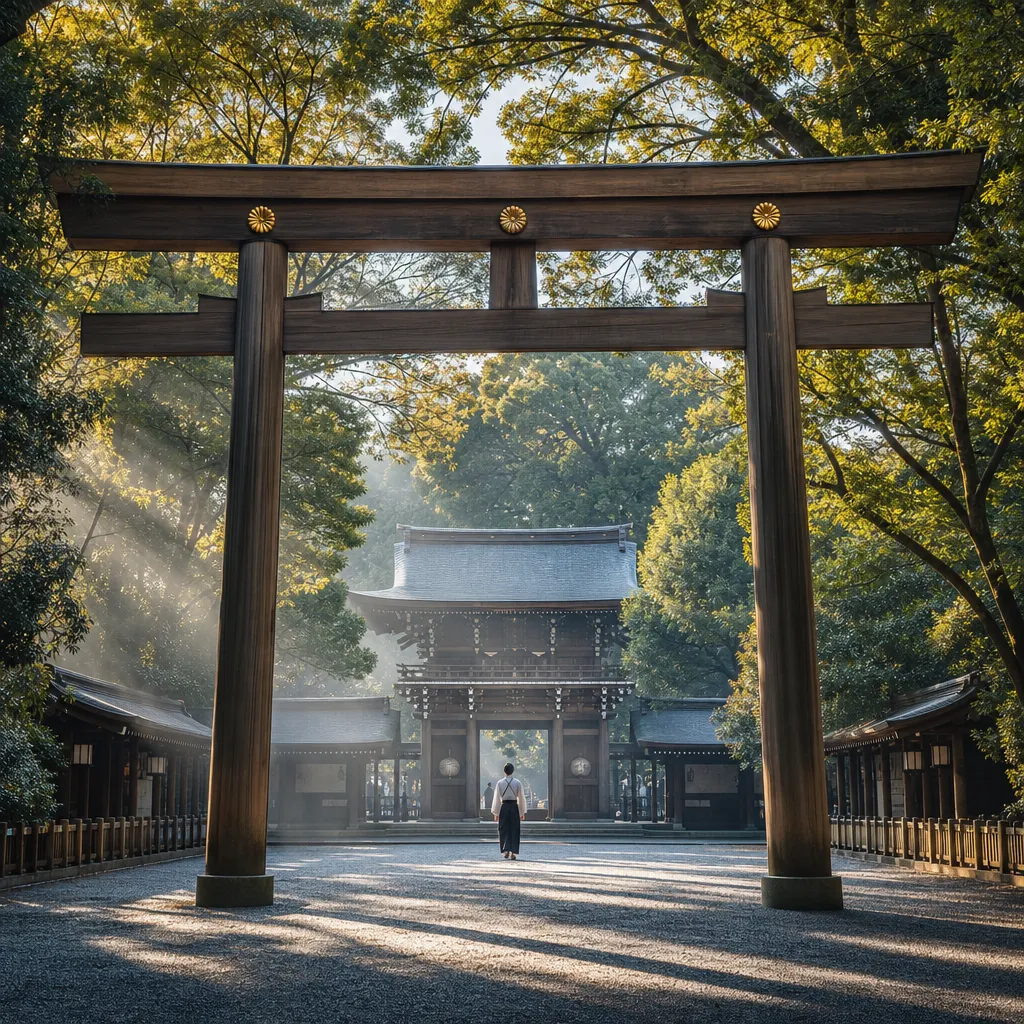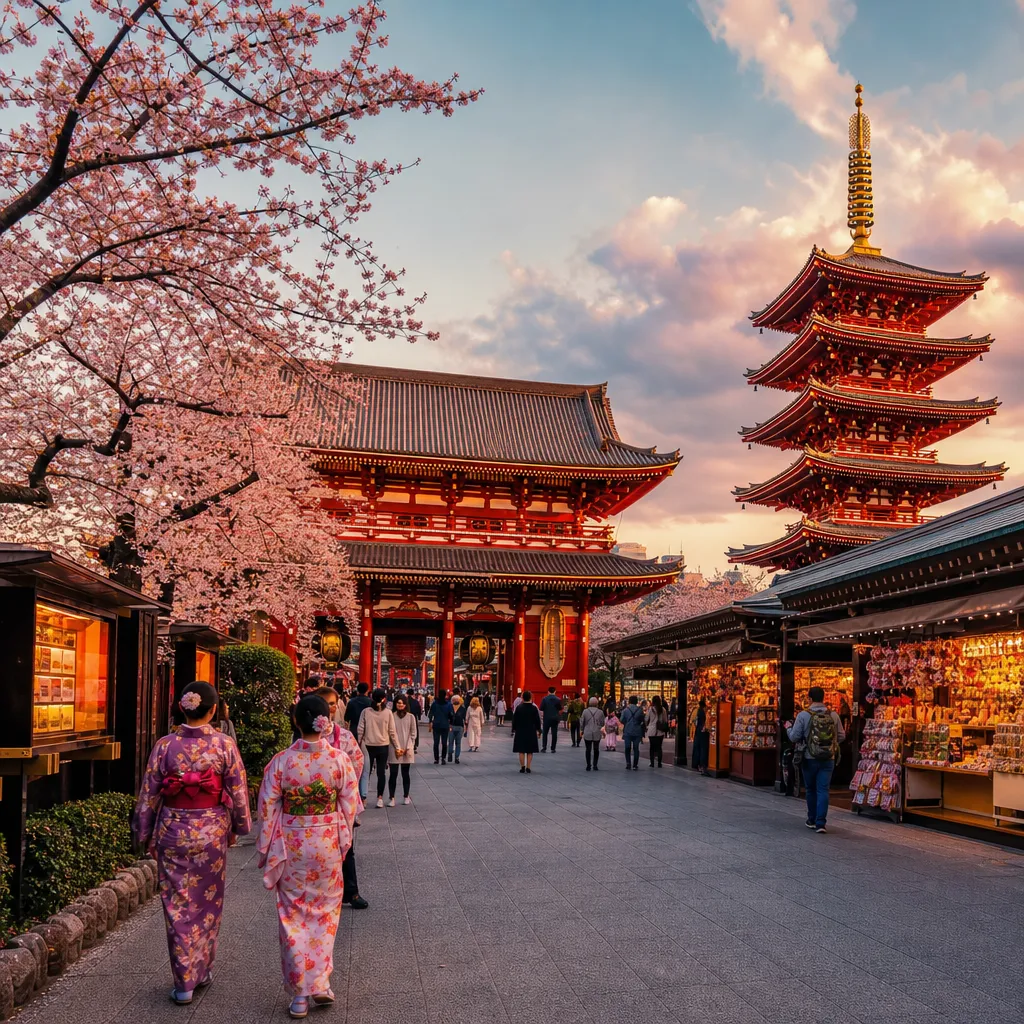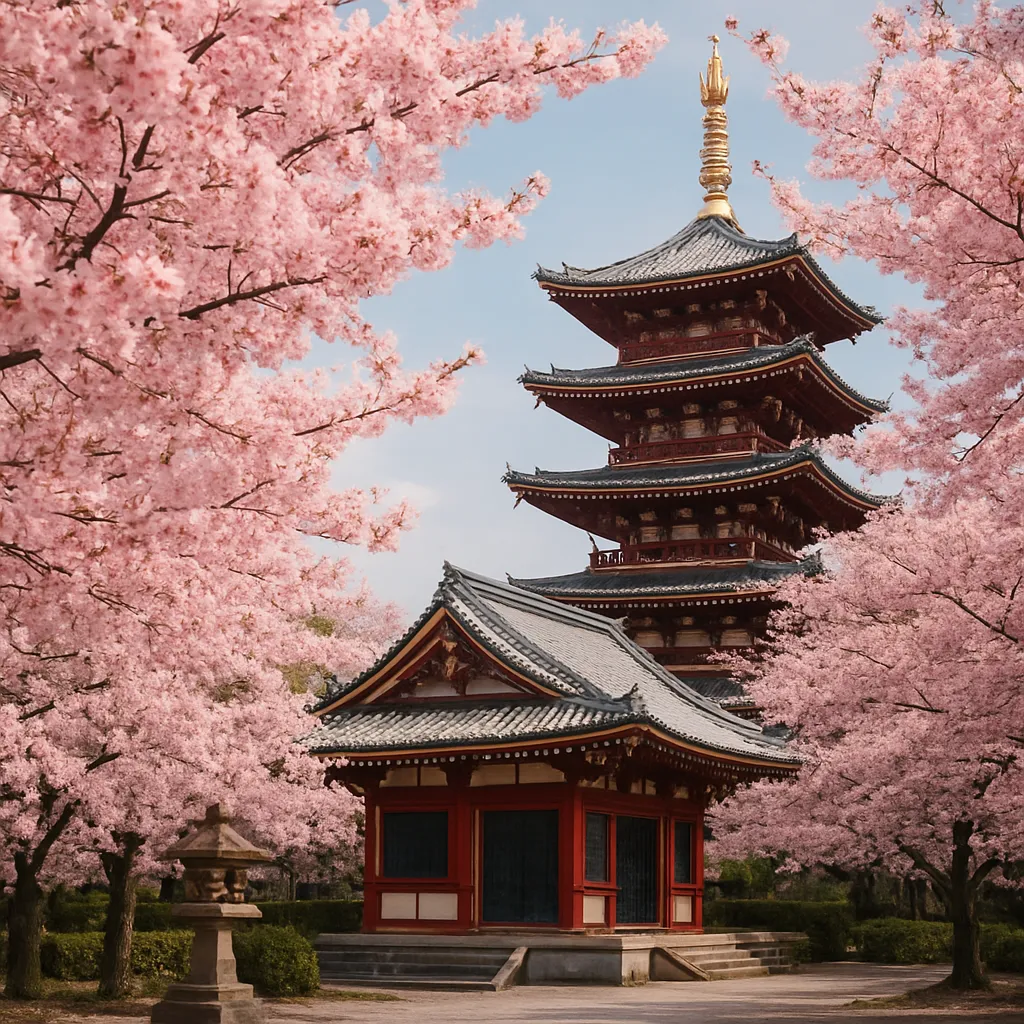
Spring in Tokyo is a season of transformation as thousands of cherry trees burst into bloom, painting the city in shades of pink and white. While parks and riverbanks often steal the spotlight, the city’s temples offer a unique blend of serenity and natural beauty. These sacred spaces, steeped in history, provide the perfect backdrop for cherry blossom viewing, or hanami. Below are some of Tokyo’s must-visit temples during sakura season, each offering its own slice of tranquility and tradition.
1. Meguro Fudoson Ryūsenji Temple
Nestled along the Meguro River, Meguro Fudoson Ryūsenji is a hidden gem that attracts both locals and visitors during spring. The approach to the temple is flanked by hundreds of cherry trees, whose branches arch gracefully over the water, creating a stunning floral tunnel.
- Historic Roots: Founded in the 9th century, the temple is dedicated to Fudō Myō-ō, the Immovable Wisdom King, symbolizing protection and unwavering focus.
- Riverside Path: A stone walkway runs parallel to the river, offering uninterrupted views of sakura blossoms mirrored in the gently flowing water.
- Evening Illuminations: On select nights, the blossoms are lit from below, transforming the river into a dreamlike corridor of glowing petals.
Visitors can also explore the temple grounds, where traditional lanterns line the paths and the quiet sound of temple bells mingles with the rustling of petals. It’s an ideal spot for photographers seeking that spectacular waterfront shot.
2. Nezu Shrine
Located in the vibrant neighborhood of Bunkyo, Nezu Shrine is renowned for its spring azalea festival but is equally enchanting when its cherry trees are in bloom. The shrine’s classic architecture and vermilion torii gates provide a cultural contrast to the delicate blossoms.
- Thousand-Year Legacy: With origins dating back over 1,900 years, Nezu Shrine offers a deep sense of continuity and timeless beauty.
- Grand Approach: A path lined with ginkgo trees leads visitors to the main complex, where sakura trees flank the ancient steps.
- Hidden Corners: Tucked-away groves of pale pink blossoms create intimate hideaways perfect for quiet reflection.
The shrine grounds also feature stone lanterns and a koi-filled pond, making it a multi-sensory experience. During peak bloom, you’ll witness couples dressed in kimono, adding a touch of living history to your hanami stroll.
3. Yushima Tenmangu Shrine
Dedicated to Sugawara no Michizane, the deity of learning, Yushima Tenmangu sits in the heart of the city yet offers an oasis of calm. Each spring, over 300 cherry trees burst into bloom, surrounding the shrine’s bright red structures.
- National Cherry Blossom Festival: The shrine hosts a small-scale hanami festival, complete with food stalls and traditional music performances.
- Academic Charm: Students often visit to pray for success in exams, lending the atmosphere an earnest and hopeful energy.
- Tea Ceremony Experience: Occasionally, you can participate in an outdoor tea ceremony beneath the blossoms, a perfect blend of nature and art.
Yushima Tenmangu’s compact grounds mean you’re never far from bustling city streets, yet the moment you step inside, the world slows down, offering a glimpse into a spiritual springtime ritual.
4. Koishikawa Korakuen Garden and Kan’ei-ji Temple
Although primarily known as one of Tokyo’s oldest and most beautiful gardens, Koishikawa Korakuen shares its neighborhood with the historic Kan’ei-ji Temple. Together, they form a dual attraction for cherry blossom aficionados.
- Landscape Harmony: Designed in the early Edo period, the garden combines hills, ponds, and winding pathways with strategically placed cherry trees.
- Temple Ruins: Nearby Kan’ei-ji’s Sanmon Gate is one of the few surviving structures after the fires of the Boshin War, offering a poignant link to the past.
- Secluded Benches: Numerous benches tucked away in shaded groves let visitors sit and absorb the beauty of the surrounding blooms.
Early morning visits reward you with near-solitude, as the first light of dawn filters through the blossoms, reflecting on the calm water. It’s a serene moment that feels transported in time.
5. Chinzanso Temple
Hidden in the heart of bustling Toshima, Chinzanso is an urban sanctuary known for its magnificent garden and luxurious ryokan. During cherry blossom season, the temple grounds become a canvas of pink petals against verdant foliage.
- Garden Features: Spring brings out not only cherry trees but also colorful azaleas, camellias, and a charming waterfall.
- On-site Tea House: Enjoy matcha tea and traditional sweets while gazing at the blossoms in a tea house perched above the garden.
- Historic Monument: The “Mother Tree” is a centuries-old cherry tree said to symbolize endurance and renewal.
Chinzanso’s manicured grounds and elegant atmosphere make it a popular choice for weddings and photo shoots, ensuring a sophisticated hanami experience.
Essential Tips for Cherry Blossom Viewing at Temples
- Timing Is Key: Cherry blossoms typically peak in late March to early April in Tokyo. Check forecasts and temple announcements to catch the perfect bloom.
- Early Bird Advantage: Arriving before 9 AM helps you avoid crowds, especially on weekends when temples can become quite busy.
- Respectful Hanami: Many temples request that visitors refrain from loud music or picnic setups under the trees. Keep your hanami simple and respectful.
- Camera Etiquette: While photography is generally allowed, avoid tripods in narrow pathways or obstructing other visitors’ views.
- Supporting Local: Small stalls often sell tea, snacks, and souvenirs. Purchasing a few items helps maintain these historic sites.
Getting Around Tokyo’s Temple Blossoms
Tokyo’s efficient public transportation makes it easy to hop between different hanami spots. Consider purchasing a day pass for the metro or JR lines to maximize your temple-hopping adventure.
- Meguro Line: Ideal for reaching Meguro Fudoson Ryūsenji and nearby attractions along the river.
- Chiyoda & Yurakucho Lines: Stops near Nezu Shrine and Yushima Tenmangu for quick access to central Tokyo blossoms.
- Oedo Line: A convenient option for Chinzanso Temple and Korakuen Garden, with stops close to Toshima and Bunkyo wards.
Keep an eye on station maps and consider renting a bicycle for short distances. Tokyo’s bike-sharing programs are user-friendly and allow you to experience the city at a leisurely pace.
Photographic Perspectives and Cultural Insights
When framing your blossoms, look for contrasts between the delicate petals and the solid lines of temple architecture. The interplay of natural and man-made elements creates compelling compositions:
- Torii Gate Silhouettes: Position a torii gate in the foreground with cherry trees looming behind for a classic Japanese aesthetic.
- Reflections in Ponds: Mirror-like surfaces add depth and symmetry to your shots, especially during calm mornings.
- Close-up Details: Capture individual petals or clusters against the temple’s stone lanterns to highlight textural contrast.
Beyond photography, take time to observe temple rituals: monks chanting, incense curling through the air, and the gentle clink of offering coins. These moments lend a deeper appreciation of why temples and cherry blossoms are intertwined in Japanese culture, symbolizing both ephemeral beauty and spiritual renewal.
Planning Your Temple Hanami Itinerary
For a fulfilling day of temple-based cherry blossom viewing, consider the following schedule:
- Early Morning: Start at Meguro Fudoson Ryūsenji for the sunrise blossoms along the river.
- Mid-Morning: Head to Nezu Shrine to explore azaleas and hidden sakura groves.
- Lunch Break: Enjoy soba or tempura near Yushima Tenmangu, followed by a short photo session.
- Afternoon: Visit Koishikawa Korakuen Garden to appreciate historic landscapes and tea ceremonies.
- Late Afternoon: End at Chinzanso Temple for an elegant tea service and twilight blossom viewing.
Adjust this plan based on bloom forecasts and crowd levels. With efficient transport and a flexible mindset, you’ll experience the full spectrum of Tokyo’s temple blossoms.