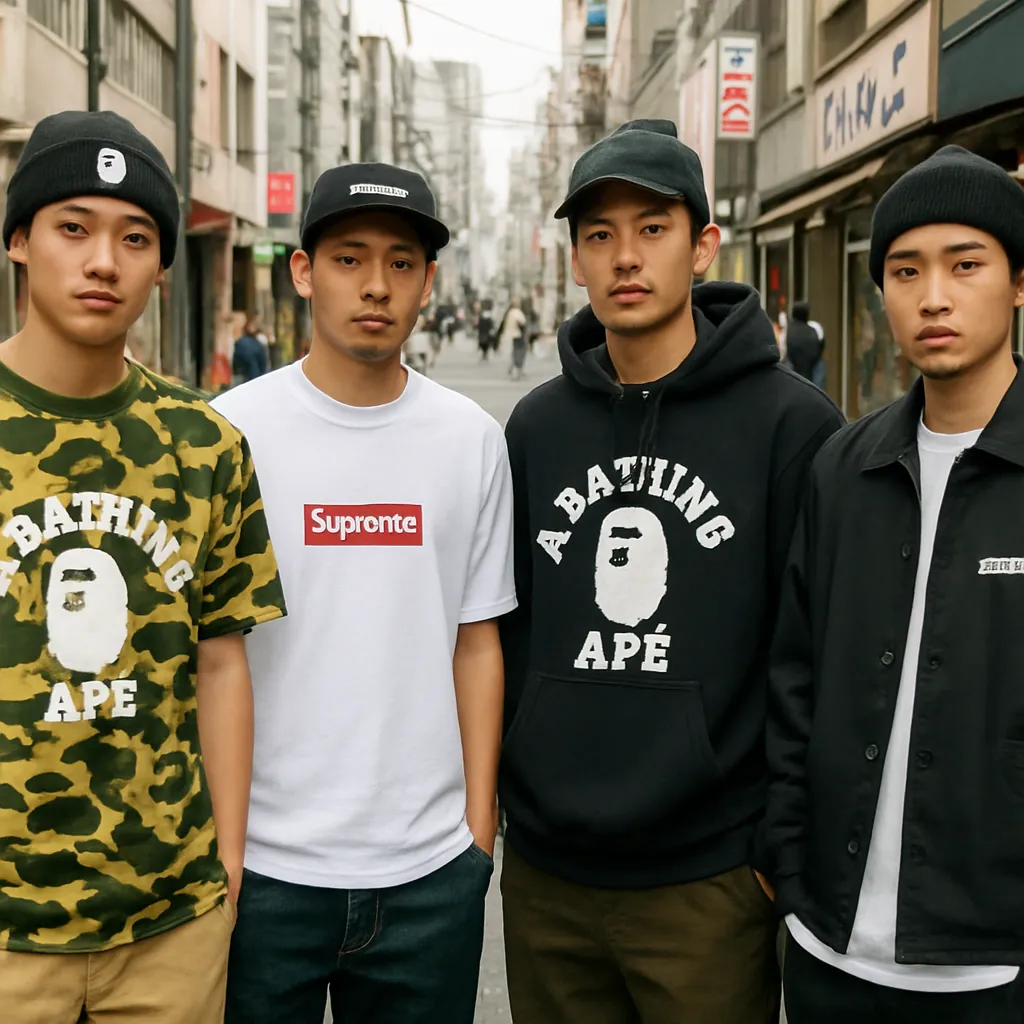
The vibrant urban tapestry of Tokyo has long been a breeding ground for cutting-edge fashion movements. Among these, streetwear stands out as a force that blends subculture attitudes with high-end design principles. From the bustling avenues of Harajuku to the neon-lit lanes of Shibuya, this city’s dynamic style ethos has inspired a global phenomenon. In this exploration, we delve into the origins, flagship districts, pioneering labels, cultural impact, and emerging trends that define Tokyo’s top streetwear brands.
Origins of Tokyo’s Streetwear Revolution
By the late 1980s and early 1990s, Tokyo’s youth culture began absorbing elements from American hip-hop, British punk, and local traditional crafts, forging a unique identity. Pioneering retailers in districts like Koenji and Nakameguro introduced imported sneakers, graphic tees, and customized denim. This grassroots movement placed a strong emphasis on craftsmanship and personal expression. As enthusiasts swapped tailor-made patches and hand-painted sneakers in underground markets, a new breed of designers emerged, challenging established haute couture houses and injecting raw energy into the global fashion dialogue.
In this climate, the concept of authenticity took on a profound meaning. Each piece carried a narrative—whether referencing anime icons, manga panels, or classic film stills. The DIY culture, once relegated to basement workshops, attracted the attention of industry insiders. Collaborations between independent artists and fledgling labels set the stage for a booming streetwear landscape that would soon achieve international acclaim.
Flagship Districts: Harajuku and Shibuya
Tokyo’s streetwear ecosystem thrives in specific neighborhoods, each contributing distinct flavors to the overarching scene.
- Harajuku: Often dubbed the spiritual home of experimental fashion, Harajuku bustles with boutiques selling limited-edition drops. From Takeshita Street’s colorfully layered outfits to Ura-Hara’s underground warehouses, it’s a playground for trendsetters.
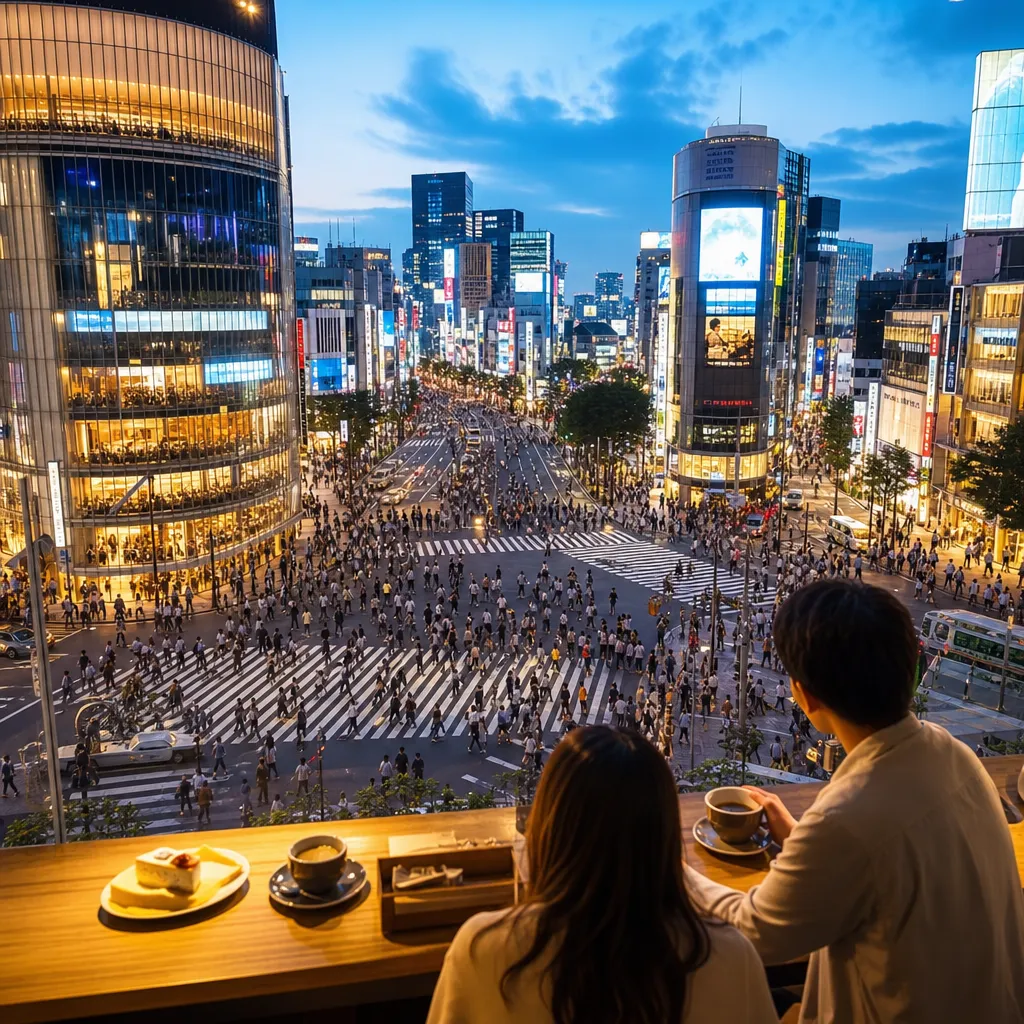
- Shibuya: Famous for its iconic scramble crossing, Shibuya boasts flagship stores for major streetwear houses. The area seamlessly merges commercial showrooms with intimate concept spaces, offering a glimpse into the future of retail design.
- Koenji: A hub for vintage lovers, Koenji’s winding alleys house secondhand havens and emerging designers who reuse and reimagine archival pieces.
- Daikanyama: Known for its boutique aesthetic, Daikanyama attracts a refined crowd seeking avant-garde silhouettes and limited collaborations.
Each district fosters a unique ecosystem where local artists, international influencers, and curious travelers converge to celebrate style as a form of cultural exchange.
Leading Tokyo Streetwear Labels
A Bathing Ape (BAPE)
Founded by Nigo in 1993, BAPE remains an enduring symbol of Japanese street culture. Leveraging bold camouflage prints, ape-logo motifs, and frequent celebrity collaborations, the brand propelled itself into the global spotlight. Exclusive capsule collections with sportswear giants and luxury houses alike have cemented BAPE’s position as a pioneer in bridging street and high fashion.
The brand’s flagship Harajuku store is more than a retail space—it’s a testament to BAPE’s ongoing impact. With murals, limited-edition installations, and a rotating art program, it embodies the label’s commitment to interactive consumer experiences.
NEIGHBORHOOD
Launched in 1994 by Shinsuke Takizawa, NEIGHBORHOOD channels motorcycle culture, military references, and punk rock aesthetics. Known for premium materials and meticulous detailing, the brand’s jackets, boots, and accessories exude a sense of rugged authenticity. NEIGHBORHOOD’s ties to custom bike shops and hardcore music scenes reinforce its underground credentials.
Collaborations with European fashion houses and tactical gear manufacturers demonstrate the brand’s ability to blend its heritage ethos with unexpected partners.
WTAPS
Championing a no-frills approach, WTAPS (pronounced “double taps”) emphasizes function over flash. Drawing inspiration from military uniforms and workwear staples, founder Tetsu Nishiyama curates collections that prioritize durability, muted colorways, and thoughtful patterning. WTAPS pieces often feature subtle branding, a testament to its design philosophy that true style doesn’t require overt logos.
The label’s drop-based model in Shibuya generates high anticipation among aficionados who queue for limited runs of jackets, bags, and headwear. This scarcity-driven strategy underscores WTAPS’s understanding of modern consumer psychology.
Undercover
Created by Jun Takahashi in 1993, Undercover blurs the lines between streetwear and high fashion. Its runway shows, held during Paris Fashion Week, showcase theatrical narratives and subversive graphics. Takahashi’s penchant for storytelling has earned the brand a cult following among critics and collectors alike. Merging punk rebellion with high-end tailoring, Undercover challenges conventional aesthetics, making each season feel like an artistic performance.
Highlighted collaborations with sportswear icons and luxury giants illustrate Undercover’s versatility and enduring appeal in both street and runway contexts.
Fragment Design
Helmed by Hiroshi Fujiwara, often referred to as the “godfather of Ura-Hara,” Fragment Design operates as a creative agency, label, and collaborative platform. Fujiwara’s curatorial skill shines through minimalist branding and selective partnerships with global brands, including high-profile sneaker drops and lifestyle products. Fragment’s iconic lightning bolt motif symbolizes an ethos of constant reinvention, cementing its role as a trend catalyst.
Through limited-edition releases and exclusive pop-up experiences in Shibuya and beyond, Fragment nurtures an aura of mystique around each project.
Cultural Impact and Global Reach
Tokyo’s top streetwear labels have transcended geographic boundaries, influencing fashion capitals from London to Los Angeles. Their unique ability to fuse local subculture references with global design trends has produced a blueprint for success. Major international retailers now seek Japanese collaborations to tap into the city’s avant-garde sensibility, driving demand for rare pieces and skyrocketing resale values.
The cross-pollination between music, skateboarding, art, and fashion remains intrinsic to this community. Local galleries exhibit streetwear-inspired sculptures, while musicians drop surprise merch lines with homegrown brands. This interconnected web of creative disciplines has forged a robust ecosystem where innovation thrives.
Future Trends and Sustainability
Looking ahead, Tokyo’s streetwear pioneers are increasingly addressing environmental and social challenges. Driven by consumer awareness, brands are exploring sustainable materials, circular production models, and transparent supply chains.
- Recycled and organic textiles: Integrating eco-friendly fabrics into mainstream collections.
- Upcycling initiatives: Partnering with local artisans to transform deadstock into one-of-a-kind pieces.
- Digital fashion: Experimenting with virtual wearables and NFTs to reduce physical waste.
- Community-driven pop-ups: Supporting grassroots movements and ensuring profits flow back to neighborhood artists.
These efforts underscore a broader shift toward ethical growth, ensuring that Tokyo’s streetwear scene preserves its legacy while embracing responsible practices. As global interest intensifies, the city’s labels continue to push boundaries, harnessing technology and innovation to shape the next chapter of urban apparel.