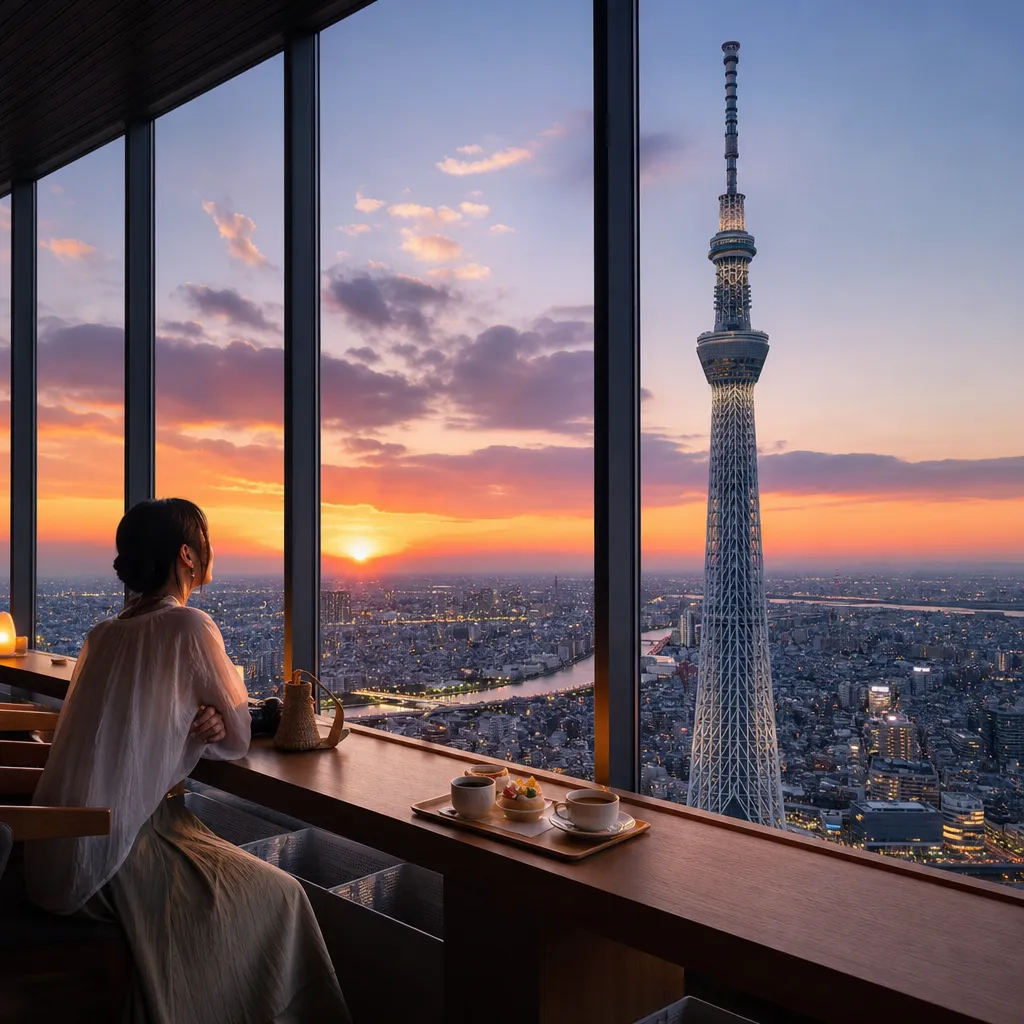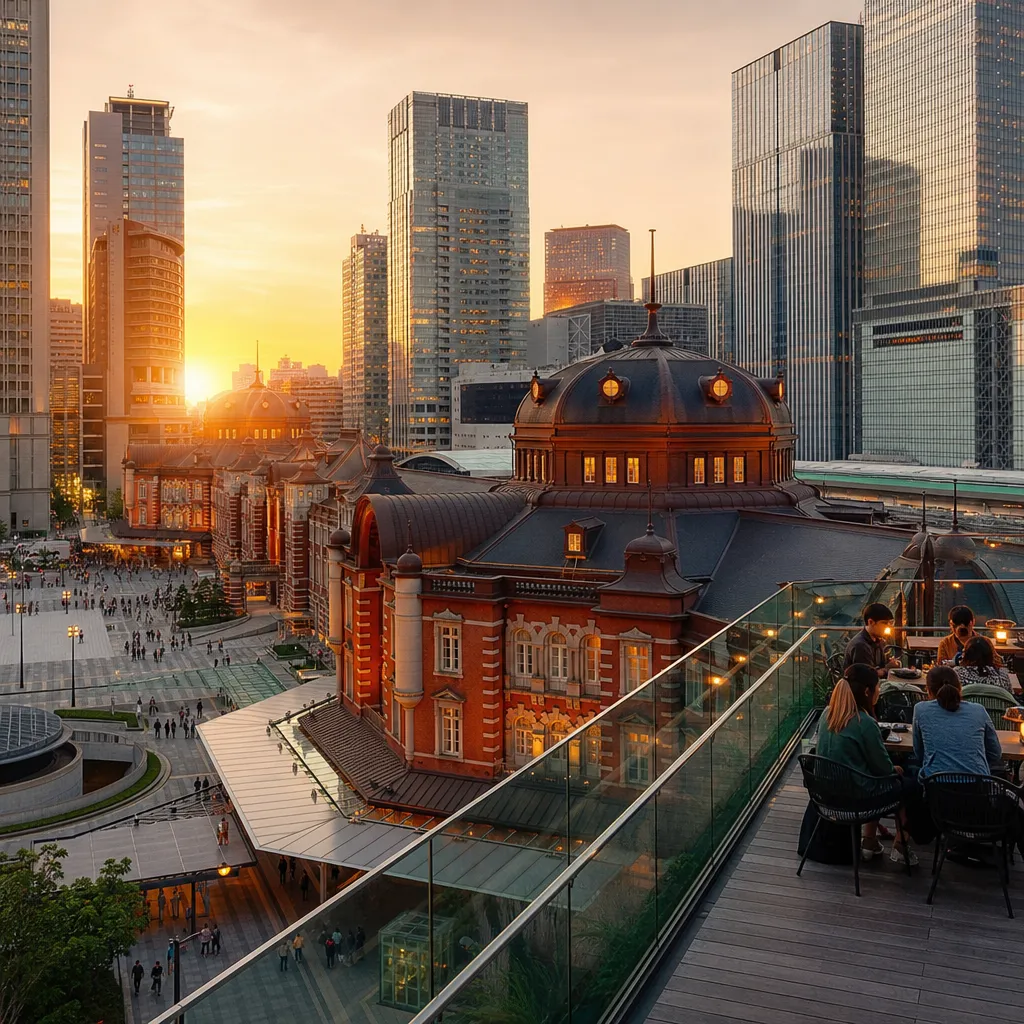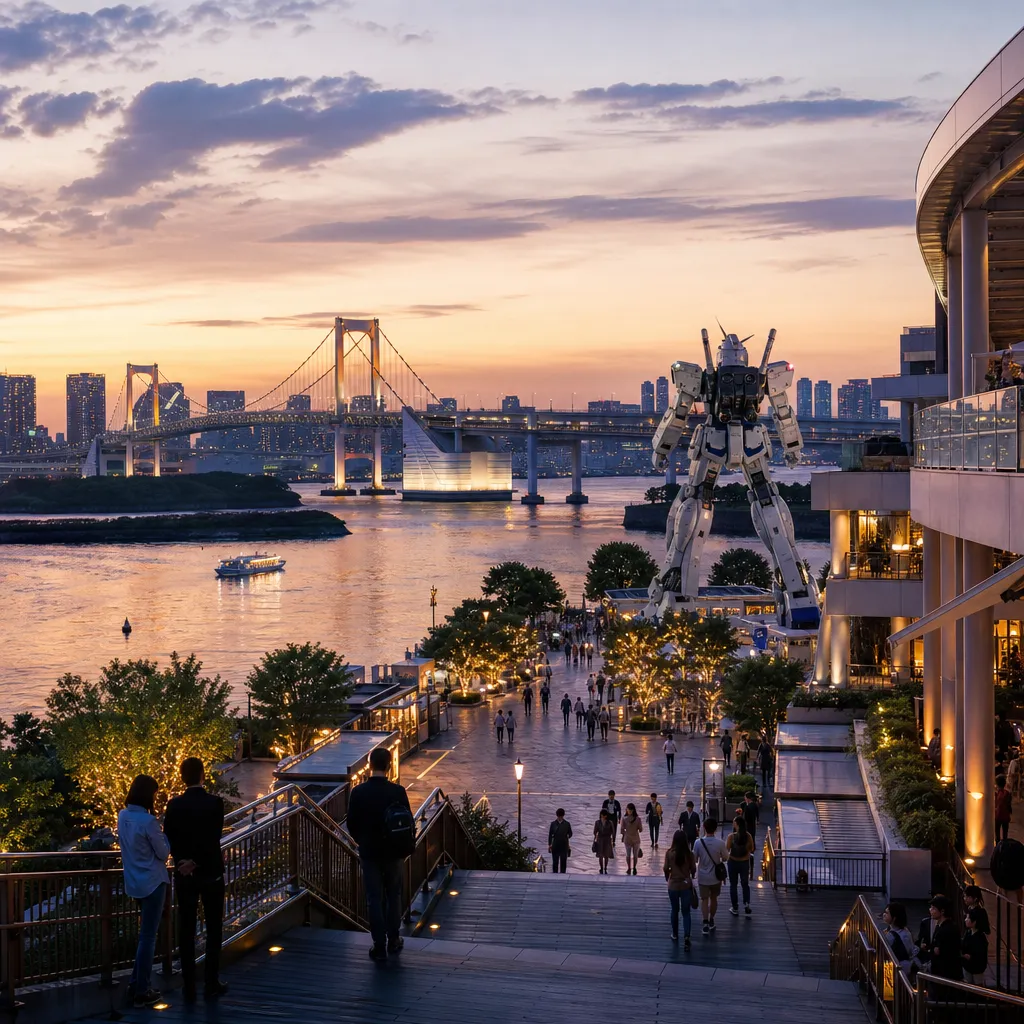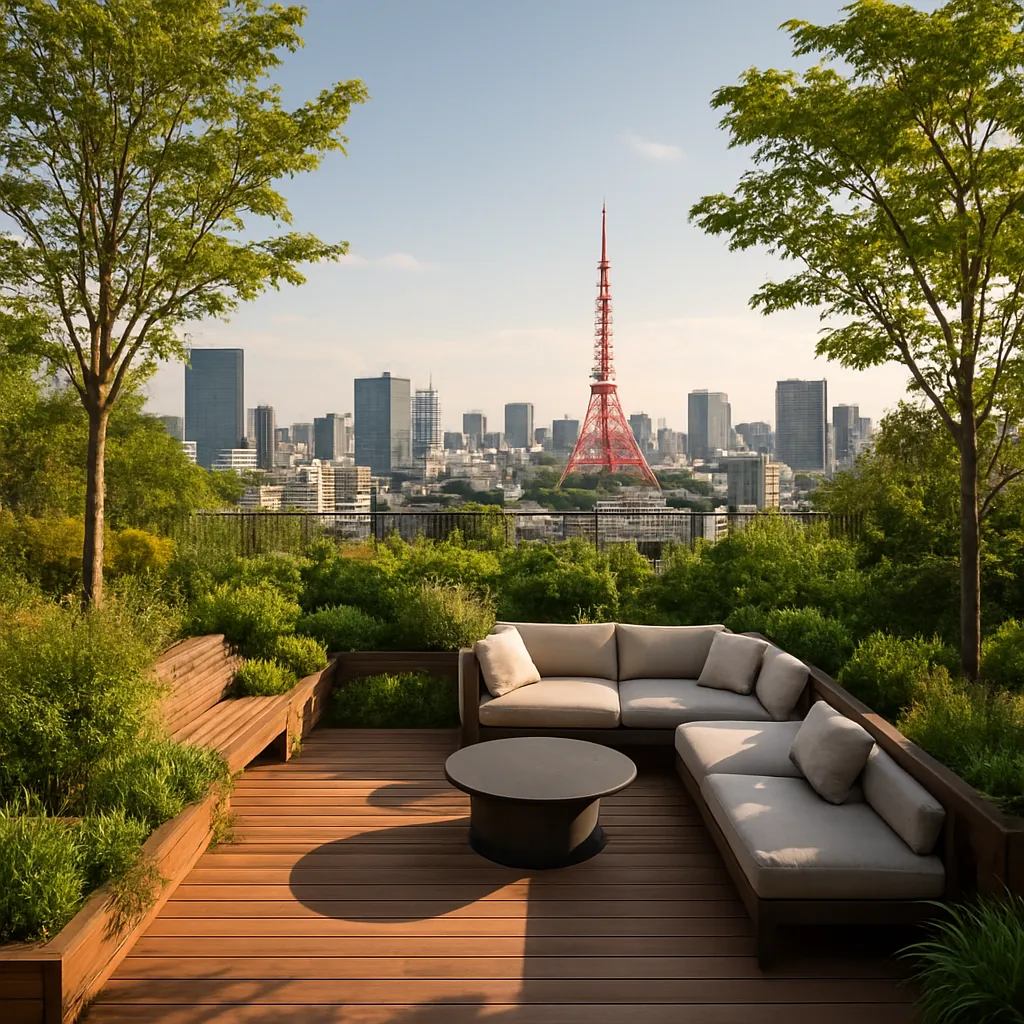
Among Tokyo’s concrete towers and neon lights, rooftop gardens emerge as oasis of tranquility. They offer breathtaking views and lush greenery above the bustling streets below. These natural sanctuaries showcase innovative urban design, blending architecture with nature in the heart of the urban jungle. This guide unveils some of Tokyo’s finest rooftop havens, practical tips for visitors, and a glimpse into the sustainability efforts preserving these green spaces for future generations.
Oasis Amidst Tokyo’s Skyline
Tokyo’s skyline is a mosaic of high-rises, each vying for attention with modern designs and flashy billboards. Yet hidden atop many of these structures are secret gardens that transform steel and concrete into pockets of calm. The emergence of rooftop gardens reflects a growing commitment to sustainability, environmental health, and community well-being. By repurposing unused rooftop space, architects and horticulturists cultivate environments that enhance air quality, provide habitat for urban wildlife, and offer a serene retreat for city dwellers and visitors alike.
These elevated retreats vary in style and purpose. Some are public parks open year-round, while others are private oases reserved for office workers or hotel guests. The design philosophies often blend traditional Japanese landscaping techniques—such as rock gardens, bonsai displays, and koi ponds—with contemporary elements like vertical plant walls, interactive art installations, and solar-powered water features. Despite their modern innovations, each rooftop garden shares a deep respect for cultural heritage, reflecting centuries-old traditions in a futuristic setting.
In addition to providing aesthetic pleasure, these gardens serve practical functions. They reduce stormwater runoff, lower rooftop temperatures, and help combat the heat island effect so prevalent in megacities. Many are integrated into mixed-use complexes, where visitors can attend yoga classes, tea ceremonies, or weekend farmers’ markets amid swaying grasses and blooming perennials.
Iconic Rooftop Gardens Worth Exploring
Key destinations
- Shinjuku Gyoen National Garden Rooftop: Tucked at the edge of Shinjuku’s skyline, this green haven offers cherry blossom paths in spring and verdant shade in summer. An observation deck affords sweeping vistas of Mount Fuji on clear days.
- Tokyo Midtown Garden: In Roppongi, this garden features a sprawling lawn inspired by English parks, dotted with seasonal flowerbeds and contemporary sculptures. Evening light installations transform the space into a dreamscape of color.
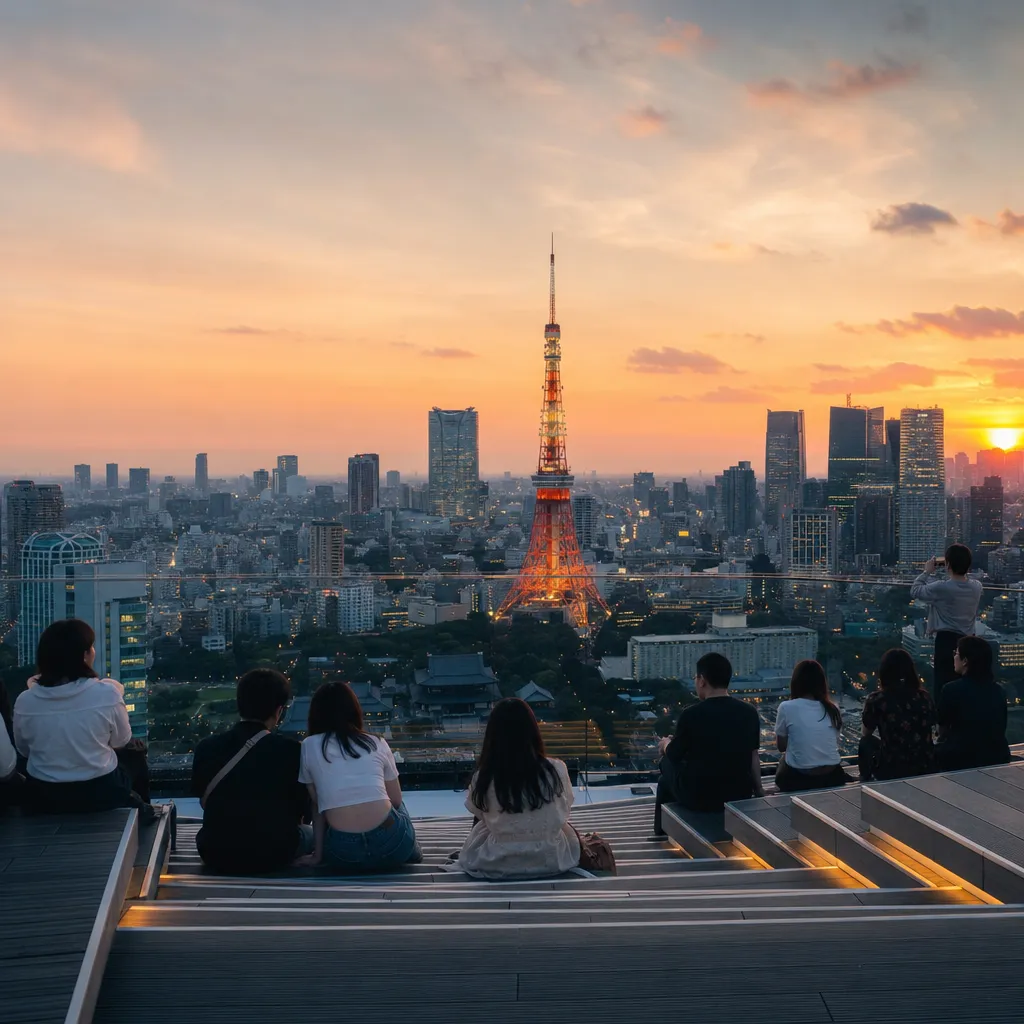
- Roppongi Hills Sky Deck: From its lofty perch, guests enjoy panoramic shots of the city’s lights. Bamboo groves, maple clusters, and aromatic pines create an immersive Japanese woodland experience high above the streets.
- Tokyu Plaza Omotesando Harajuku: Visitors ascend a mirrored escalator to find a minimalist zen garden punctuated by granite benches and bonsai trees. The adjacent café serves matcha-infused pastries overlooking Omotesando’s iconic tree-lined boulevard.
- Shibuya Excel Hotel Tokyu Sky Lobby: This hotel rooftop offers a blend of traditional lantern-lit pathways and modern seating pods. It overlooks the famous Shibuya Crossing, juxtaposing frenetic pedestrian traffic with peaceful gardens of iris and sedum.
Seasonal Attractions
Each rooftop garden evolves with the seasons. In spring, cherry and plum blossoms create clouds of pale pink and white. Summer brings lush foliage and water mists to cool sun-drenched terraces. Come autumn, maples and ginkgo trees ignite in fiery reds and golds. Winter gardens often feature evergreen bamboos, sculptural pines, and soft yellow lights that cast a warm glow against Tokyo’s crisp night air.
Seasonal Splendor on the Rooftops
As seasons shift, each rooftop garden transforms, offering distinct sensory experiences:
- Spring: Petals drift over mossy stones while gentle breezes carry the scent of cherry blossoms. Special guided walks and hanami (flower-viewing) events invite guests to linger beneath canopies of blooms.
- Summer: Pergolas draped with wisteria and grapevines provide shady retreats. Frequent evening illuminations showcase paper lanterns and LED accents that dance among the leaves, creating a magical atmosphere.
- Autumn: The gardens become canvases of autumnal hues. Seasonal tea tastings, introducing chestnut and sweet potato flavors, add a culinary touch to the vibrant backdrop of red maples.
- Winter: Evergreens maintain a solemn beauty while winter flowerings—such as camellias and hellebores—offer unexpected bursts of color. Many rooftops host holiday light displays that reflect off glass façades, turning the city into a twinkling panorama.
Planning Your Visit and Best Practices
Before ascending to these hidden heights, it’s wise to prepare. Entry fees vary: some gardens are free, while others charge a modest admission. Check opening hours and reservation requirements, as capacity can be limited during peak seasons. Major stations like Shinjuku, Roppongi, and Shibuya are well-connected by subway lines, making most rooftops easily accessible on foot from station exits.
Etiquette and guidelines
- Respect the garden’s atmosphere by speaking softly and refraining from disruptive behavior.
- Stay on designated paths to protect delicate plantings and maintain the garden’s design integrity.
- Avoid smoking, loud music, and any activities that could harm wildlife or disturb fellow visitors.
- Dispose of trash in provided bins; many sites enforce a strict carry-in, carry-out policy.
- Photography is encouraged, but avoid using tripods or flash equipment that might startle birds or other animals.
Additional tips:
- Wear comfortable shoes suitable for walking on gravel, wooden decking, or grassy terraces.
- Bring a reusable water bottle; some gardens offer refill stations powered by rainwater collection.
- Consider guided tours to learn about plant species, garden history, and architectural features.
- Group visits are often welcome but may require advance booking, especially for bilingual guides or special programs.
Preservation Efforts and Future Prospects
As Tokyo continues to expand, rooftop gardens play an ever more critical role in mitigating environmental challenges. Municipal initiatives offer subsidies for green roofing installations, while private developers incorporate vegetative covers into new projects. Collaborative efforts between government bodies, architects, and environmental NGOs ensure that these gardens meet both aesthetic and ecological goals.
Local schools participate in volunteer days, planting native shrubs and monitoring insect populations to track ecosystem health. Universities conduct research on urban biodiversity, studying how rooftop habitats support pollinators and migratory birds. Community gardening workshops teach city residents how to cultivate container plants on balconies and rooftops, fostering a broader culture of green living.
Innovations on the horizon include skybridge gardens linking adjacent towers and modular rooftop farms supplying fresh produce to district restaurants. Automated irrigation systems, powered by solar panels and harvested rainwater, exemplify the integration of technology and nature. Such projects promise to deepen Tokyo’s commitment to green infrastructure, strengthening both environmental resilience and public well-being.
By embracing tradition alongside cutting-edge design, Tokyo’s rooftop gardens stand as living symbols of how urban environments can harmonize with nature. Each visit offers not only a moment of serenity but also a glimpse into a sustainable future where concrete and greenery coexist in perfect balance. These elevated green spaces not only beautify the skyline but also nurture community ties and inspire new approaches to city living in one of the world’s most dynamic capitals.