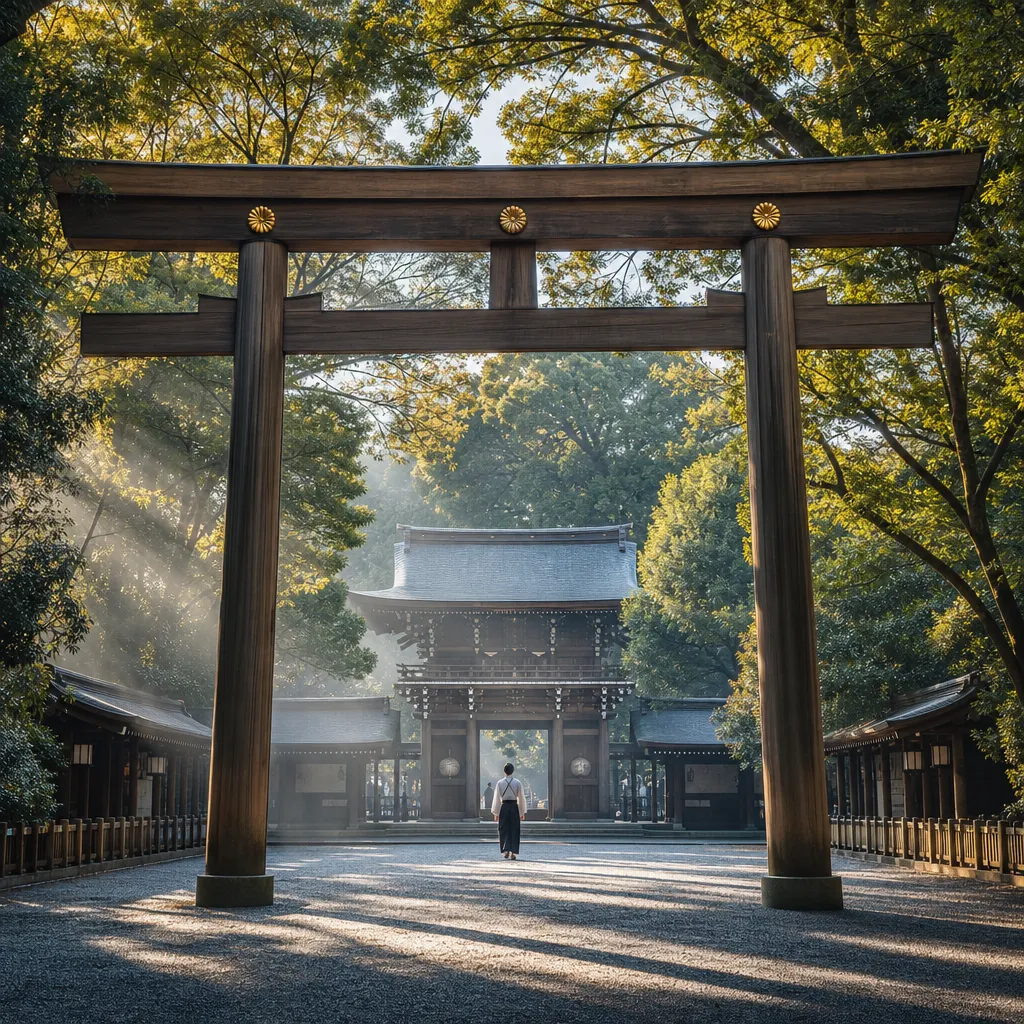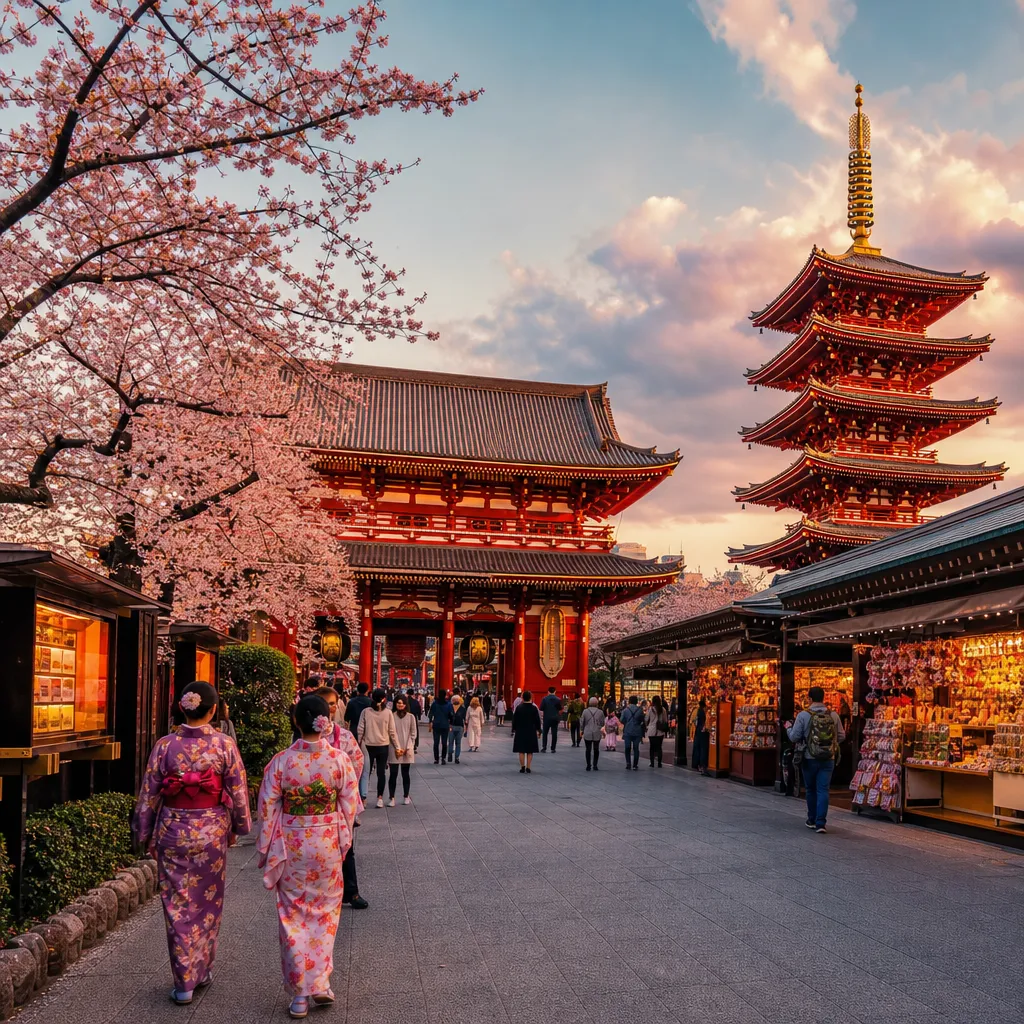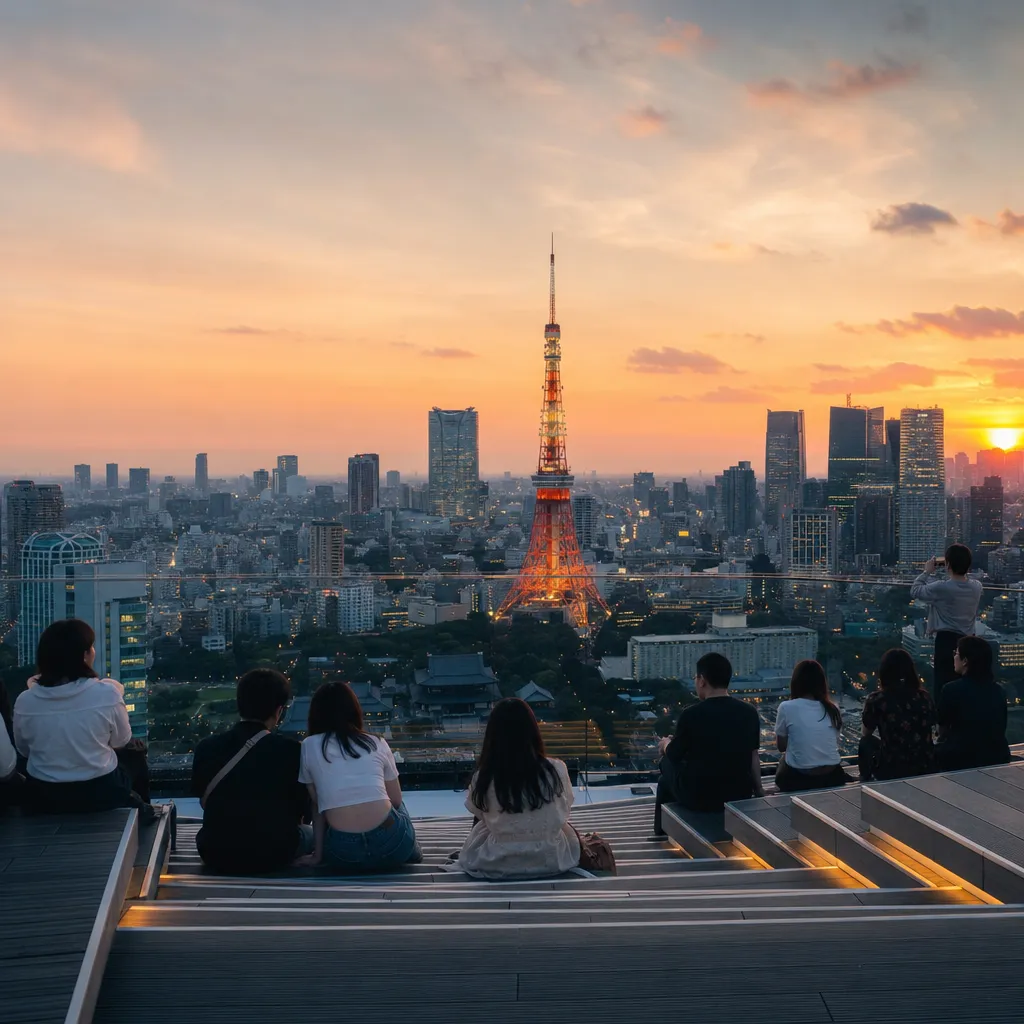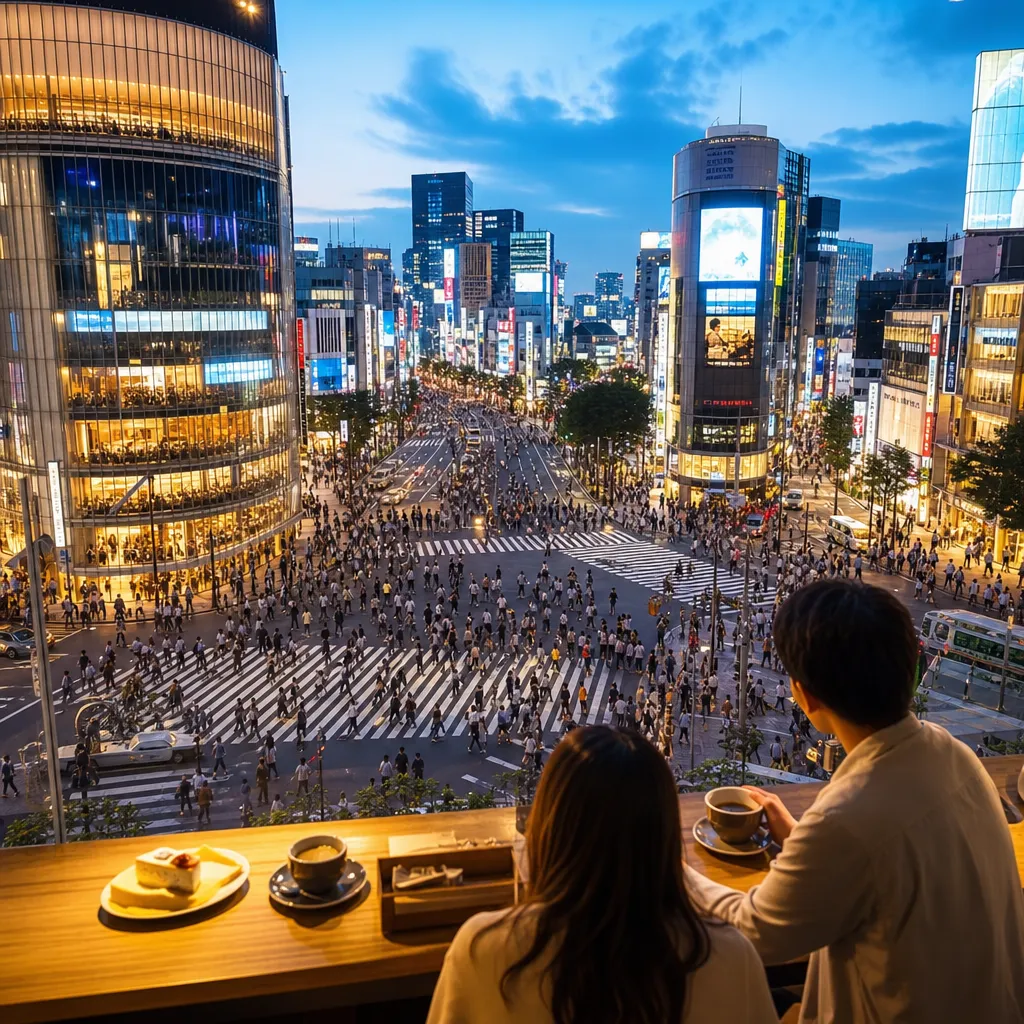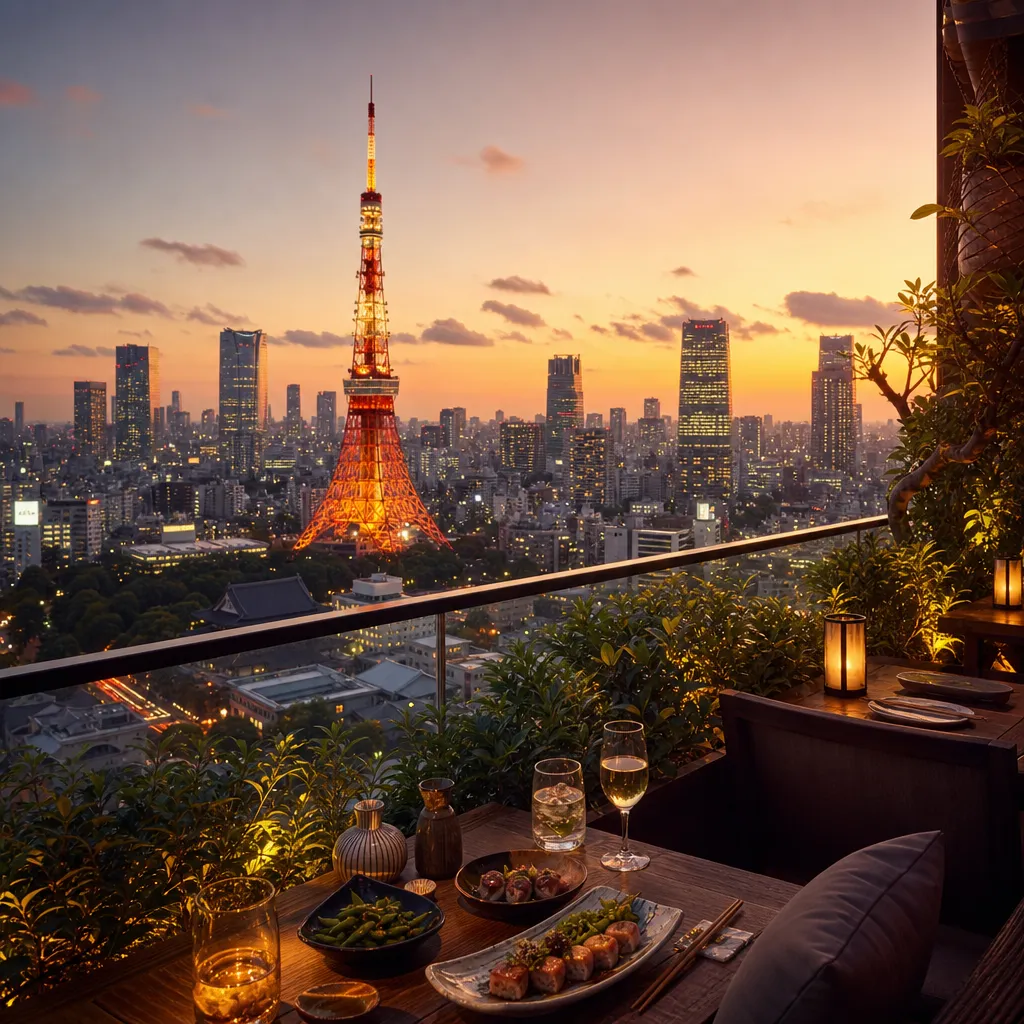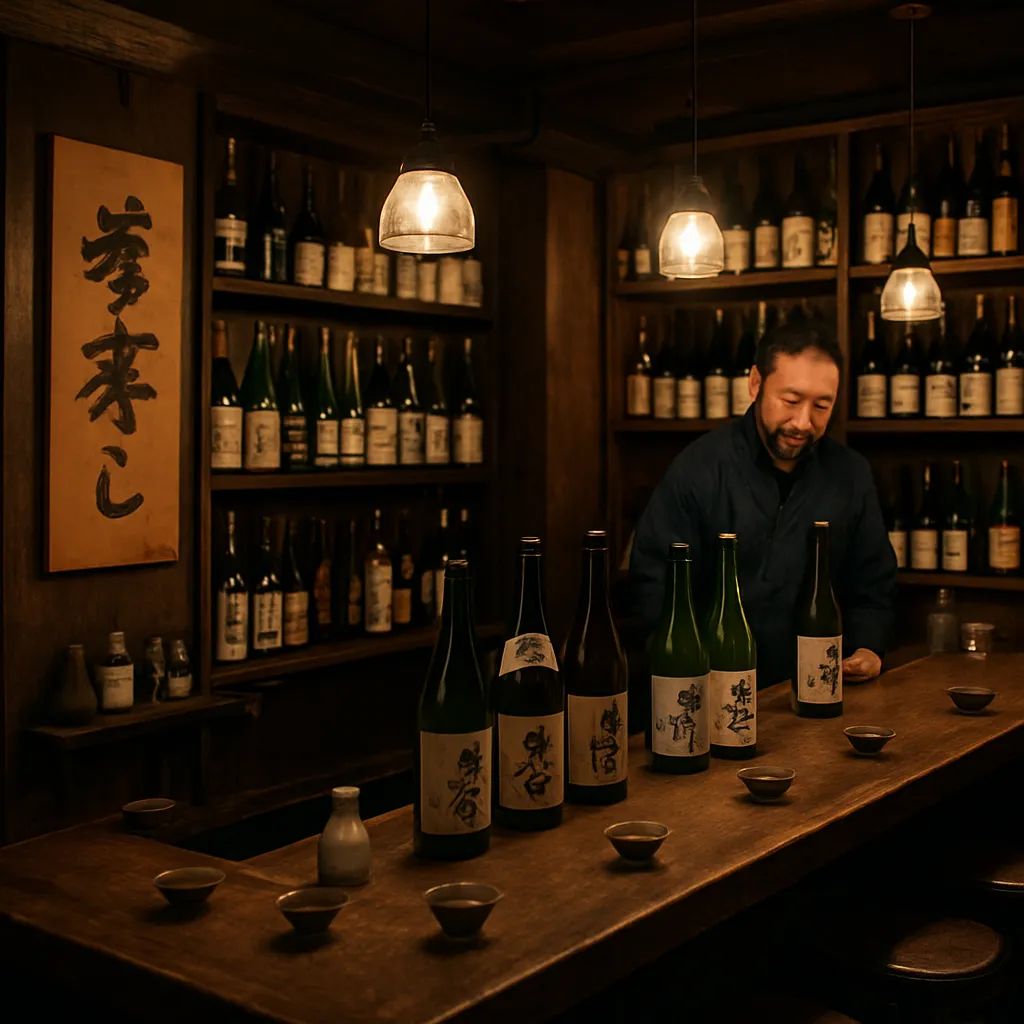
Exploring the heart of Tokyo through its vibrant neighborhoods and cozy backstreets reveals a world of hidden sake bars that cater to both novices and connoisseurs. From the moment you step inside these establishments, your senses are treated to the soft glow of lanterns, the subtle aromas of rice wine, and the friendly chatter of locals. Each venue offers a unique window into Japanese culture, blending centuries-old tradition with modern culinary innovations. Whether you crave a tranquil evening in a tucked-away alley or a lively tasting at a bustling counter, Tokyo’s local sushi bars have evolved into havens for sake enthusiasts seeking authentic experiences.
Neighborhood Gems and Hidden Alleys
Tsukishima’s Waterfront Charm
Beyond the famous monjayaki stalls, Tsukishima hides several small sake bars along its canals. Here, you can find establishments that focus exclusively on regional offerings from Niigata, Akita, and Kagoshima. The owners, often former brewery workers or passionate sommeliers, greet you with warm smiles and stories of sake production. Dimly lit interiors feature polished wooden counters, where guests can sample flights of sweet, dry, and floral varieties. Pair your drinks with freshly grilled fish or local oysters for a taste combination that highlights the depth of umami.
Kagurazaka’s Cobblestone Retreats
Nestled beneath the slopes of an old geisha district, this neighborhood boasts narrow streets lined with traditional houses and hidden doorways. Many sake bars here occupy renovated machiya townhouses, preserving original latticework and sliding-paper doors. Patrons step into a world where centuries-old craftsmanship meets modern comfort. Select from a curated menu of handcrafted sake, each bottle meticulously sourced from boutique breweries across Japan. Conversations flow easily as bartenders share tasting notes and brewing secrets, offering an intimate glimpse into the art of sake-making.
Shimokitazawa’s Indie Vibe
Known for its vibrant music scene and vintage shops, Shimokitazawa also hides a cluster of trendy sake bars favored by young locals and travelers alike. Walls plastered with album covers and neon signs set a relaxed tone. Here you’ll discover experimental sake blends infused with yuzu, cherry blossom, or even dark chocolate. Many venues host pop-up events featuring local DJs and live performances, creating an eclectic atmosphere that contrasts with more traditional settings. For adventurous palates, this area offers bold flavor fusions and a truly contemporary take on the nation’s beloved rice wine.
Exploring Sake Styles and Varieties
Signature Junmai and Ginjo Selections
The backbone of any serious sake bar is its Junmai (pure rice sake) and Ginjo (premium sake) collections. Junmai styles showcase the full-bodied richness of polished rice, often accompanied by earthy, nutty notes. In contrast, Ginjo varieties are delicately aromatic and smooth, owing to a higher degree of rice polishing. At top bars, you’ll find a rotating lineup of seasonal releases and limited-edition brews. Look for labels that highlight local water sources, as mineral content can dramatically affect texture and clarity.
Daiginjo and Sparkling Innovations
For those seeking artisanal refinement, Daiginjo represents the pinnacle of sake production. These offerings boast floral and fruity aromas with a clean, lingering finish. Some bars take this excellence further by aging Daiginjo in oak barrels or infusing it with herbs and botanicals. Sparkling sake, a growing trend, adds playful effervescence to the tasting experience. Often served in champagne flutes, these bubbly creations offer sweetness balanced by crisp acidity—perfect for celebratory toasts or pairing with spicy dishes.
- Local Sake Flights: Sample three to five regional varieties in one set.
- Cellared Rarities: Access decades-old bottles stored in traditional clay jars.
- Limited Brewer Releases: Try seasonal autumn pressings (kimoto, yamahai) for a robust profile.
Non-Alcoholic and Low-ABV Options
Even if you prefer milder fare, many Tokyo bars now offer komecha (rice tea) blends and low-alcohol sake styles below 10% ABV. These gentle alternatives pair beautifully with light appetizers and allow you to savor subtle sweetness without the typical warming effect. Look for bars promoting wellness-focused menus, where small plates emphasize local produce and sake’s healthy amino acids.
Perfect Pairings and Small Plates
Izakaya Snacks and Modern Tapas
Tokyo’s sake bars often double as eateries, serving an array of small dishes that enhance the tasting journey. Think crispy tempura bites dipped in freshly ground salt or silky tofu topped with scallion and ginger. Modern izakaya establishments push the envelope with fusion tapas—miso-marinated eggplant with shaved bonito, or seared wagyu tataki drizzled in soy-ginger sauce. Chefs carefully curate these plates to highlight sake’s sweet and savory dimensions.
Seafood, Cheese, and Exotic Pairings
While seafood stars in most pairings, Tokyo’s innovative bars have begun experimenting with Western ingredients. Creamy goat cheese spread over crackers meets fruity Ginjo in surprisingly harmonious fashion. Oysters served with yuzu kosho amplify the briny tang and complement crisp, chilled sake. Some venues even craft sake-infused desserts—think jelly cubes made from Nigori for a sweet finish. These unexpected combinations demonstrate sake’s versatility, breaking free from tradition without losing its soulful essence.
- Grilled Scallops + Dry Junmai
- Cheese Platter + Sparkling Sake
- Pickled Vegetables + Aged Daiginjo
Immersive Experiences and Insider Tips
Engage with Knowledgeable Staff
One of the most rewarding aspects of Tokyo’s sake bars is the chance to chat with passionate bartenders, many of whom started their careers at breweries. These experts guide you through tasting flights, explain the impact of regional water sources, and demonstrate proper cup etiquette. Don’t hesitate to ask questions—your curiosity will be met with generosity and often a complimentary sample of an off-menu gem.
Seasonal Festivals and Brewery Tours
Plan your visit to coincide with sake-themed events like the annual Tokyo Sake Festival, where dozens of bars open pop-up stalls to showcase rare releases. For deeper immersion, join a guided brewery tour on the outskirts of the city. You’ll witness rice-steaming rituals, koji mold cultivation, and pressing techniques used for centuries. Many tours end with an exclusive tasting, allowing you to buy bottles not available in the city.
Respectful Etiquette and Local Customs
While Tokyo’s sake scene welcomes all, it remains steeped in tradition. Observe modest dress codes—avoid loud colors or flashy accessories. Wait for your host to pour your first glass, and always offer the same courtesy when refilling their cup. If you’re invited to remove your shoes before entering a tatami-lined room, follow suit to show respect. These small gestures deepen your connection to Japan’s hospitality culture.