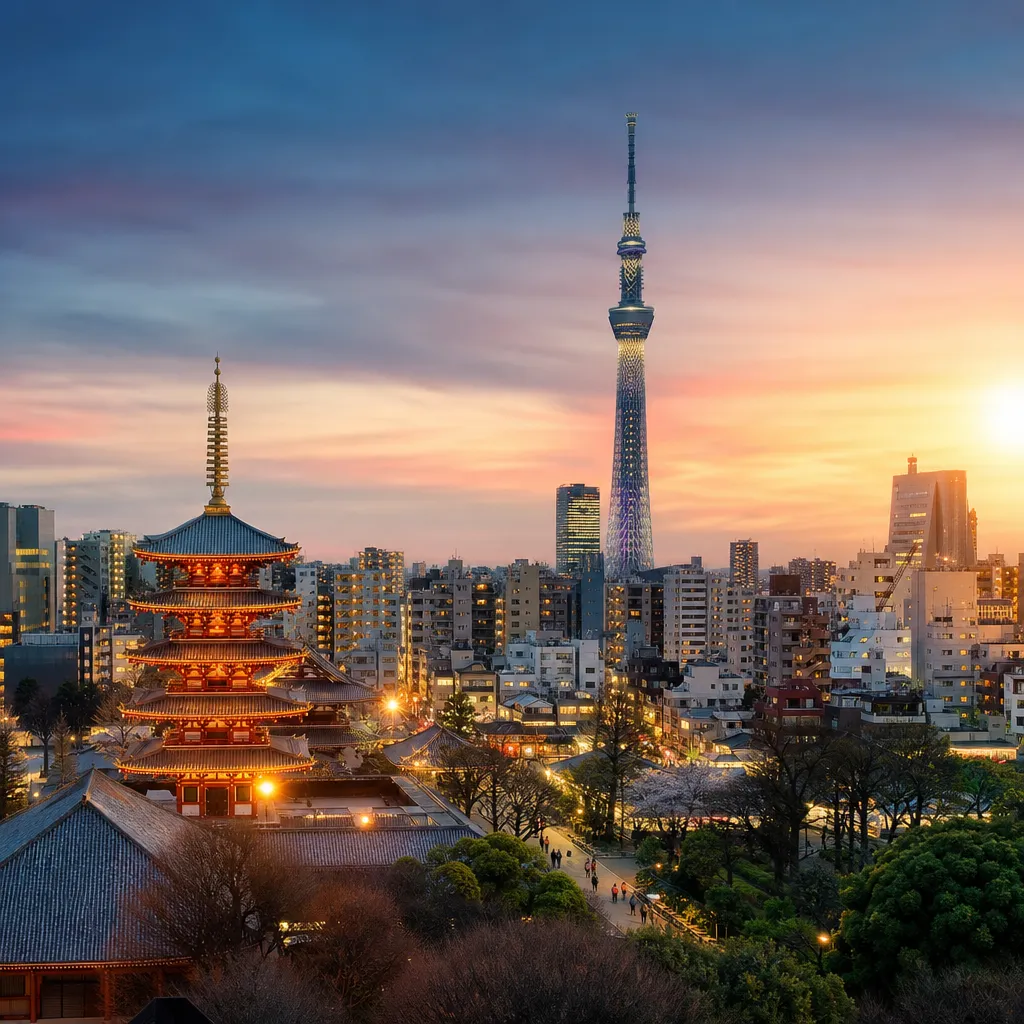
Planning what to do in Tokyo is easier if you think in neighborhoods rather than trying to cover the entire city at once. The capital is broad, fast-moving, and layered: temple districts sit a short train ride from cutting-edge museums, old shopping streets, and late-night food alleys. A good visit usually mixes major sights with time in one or two areas that match your interests, whether that means design, food, photography, family activities, or traditional culture. The places below are practical choices that are worth considering because they are easy to combine with the city’s transport network and each offers a distinct side of Tokyo.
This guide focuses on experiences that are genuinely useful for first-time and repeat visitors alike. Instead of listing only famous landmarks, it explains where each area is, what makes it interesting, and how to fit it into a real day of sightseeing.
| Place | Area | Type | Best For | Key Feature |
|---|---|---|---|---|
| Senso-ji and Asakusa | Taito City | Historic district | Traditional atmosphere, first visits | Temple approach, older streetscape, easy river access |
| Ueno Park | Ueno, Taito City | Museum and park area | Museums, families, cherry blossom season | Cluster of major museums and zoo |
| Meiji Jingu and Yoyogi area | Shibuya Ward | Shrine and urban parkland | Quiet reset near busy areas | Forest-like approach near Harajuku and Shibuya |
| teamLab Planets TOKYO DMM | Toyosu, Koto City | Immersive digital art | Indoor activity, contemporary art fans | Large-scale sensory installations |
| Tokyo Skytree and Sumida riverside | Sumida City | Viewpoint and leisure area | City views, evening plans, families | High observation decks and shopping complex |
| Shinjuku Gyoen | Shinjuku area | Garden | Seasonal scenery, couples, relaxed walks | Large landscaped garden close to central transport |
| Ginza | Chuo City | Shopping and food district | Department stores, architecture, dining | Polished streets, flagship retail, depachika food halls |
| Shimokitazawa | Setagaya Ward | Neighborhood exploration | Vintage shopping, cafés, low-key evenings | Independent shops and casual local feel |
Explore traditional Tokyo in Asakusa
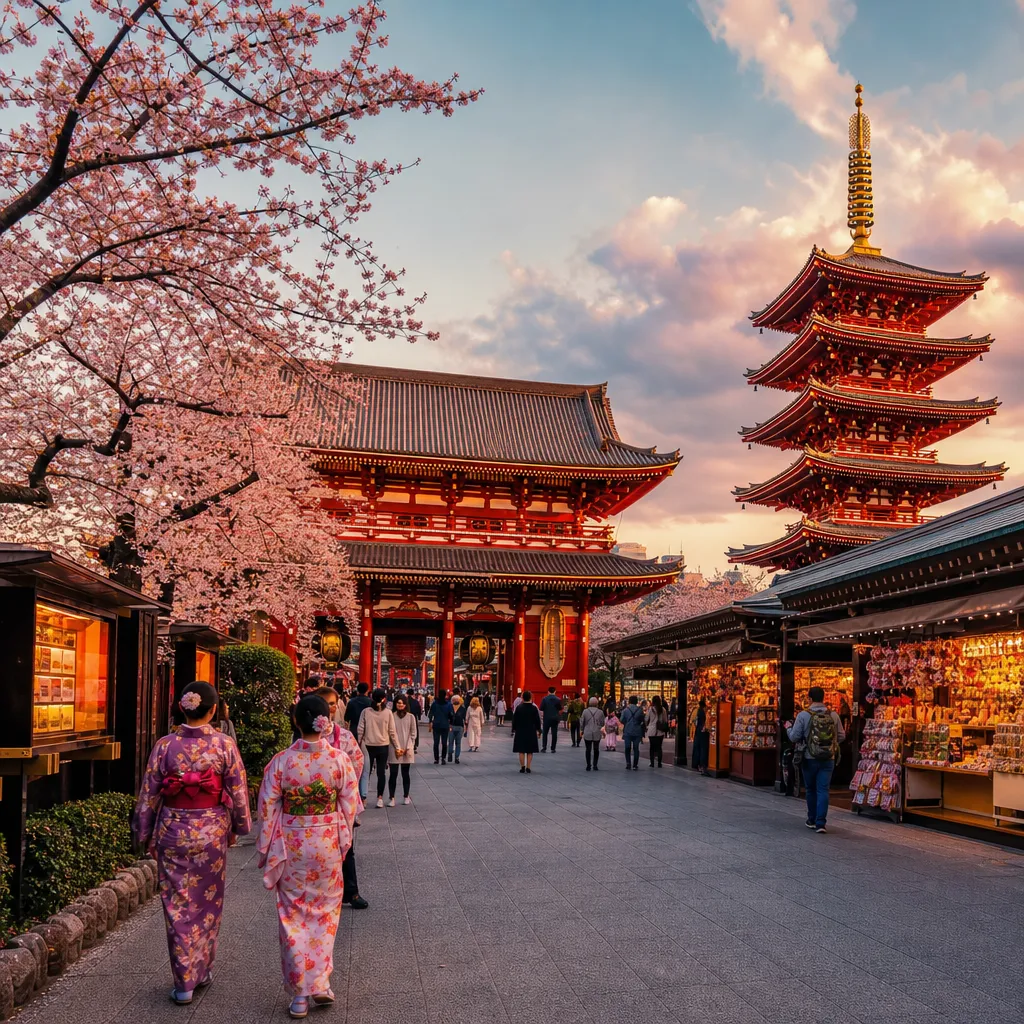
Asakusa, in Taito City on the eastern side of central Tokyo, is one of the easiest places to experience a more traditional streetscape without leaving the city. The main draw is Senso-ji, a Buddhist temple approached through Nakamise, a long shopping street lined with snack stalls and souvenir shops. It is busy, but it remains one of the clearest introductions to older Tokyo.
The area works well in the morning, when the streets are calmer and the temple grounds feel less crowded. It also suits evening visits after day-trippers thin out and the main hall is lit. Families, solo travelers, and photographers can all enjoy it, though anyone seeking quiet should avoid the busiest midday period.
Use Asakusa Station as your transport base; several lines serve the district. The surrounding neighborhood is easy to explore on foot, and the nearby Sumida River gives you another perspective on the city. From here, river cruises and walks toward the Skytree area can turn Asakusa into a half-day or full-day plan.
Use Ueno for museums, parkland, and easy daytime sightseeing
Ueno Park, near Ueno Station in Taito City, is one of the most practical cultural zones in Tokyo because several major institutions are concentrated in one area. This is where you will find the Tokyo National Museum, the National Museum of Nature and Science, and the Tokyo Metropolitan Art Museum, among others.
This part of the city is especially good if the weather is uncertain or if you are traveling with different interests in one group. Art lovers can focus on exhibitions, while families often combine museums with the Ueno Zoo or a simple stroll through the park. In spring, cherry blossom season makes it especially popular, so expect more crowds.
The neighborhood around the station is active and practical rather than polished. Ameya-Yokocho, close to the station, adds a more market-like, casual shopping atmosphere and is a good place to browse snacks and everyday goods. If you want a day that mixes culture with low-key street energy, Ueno is a strong choice.
See a quieter side of the city at Meiji Jingu and Yoyogi
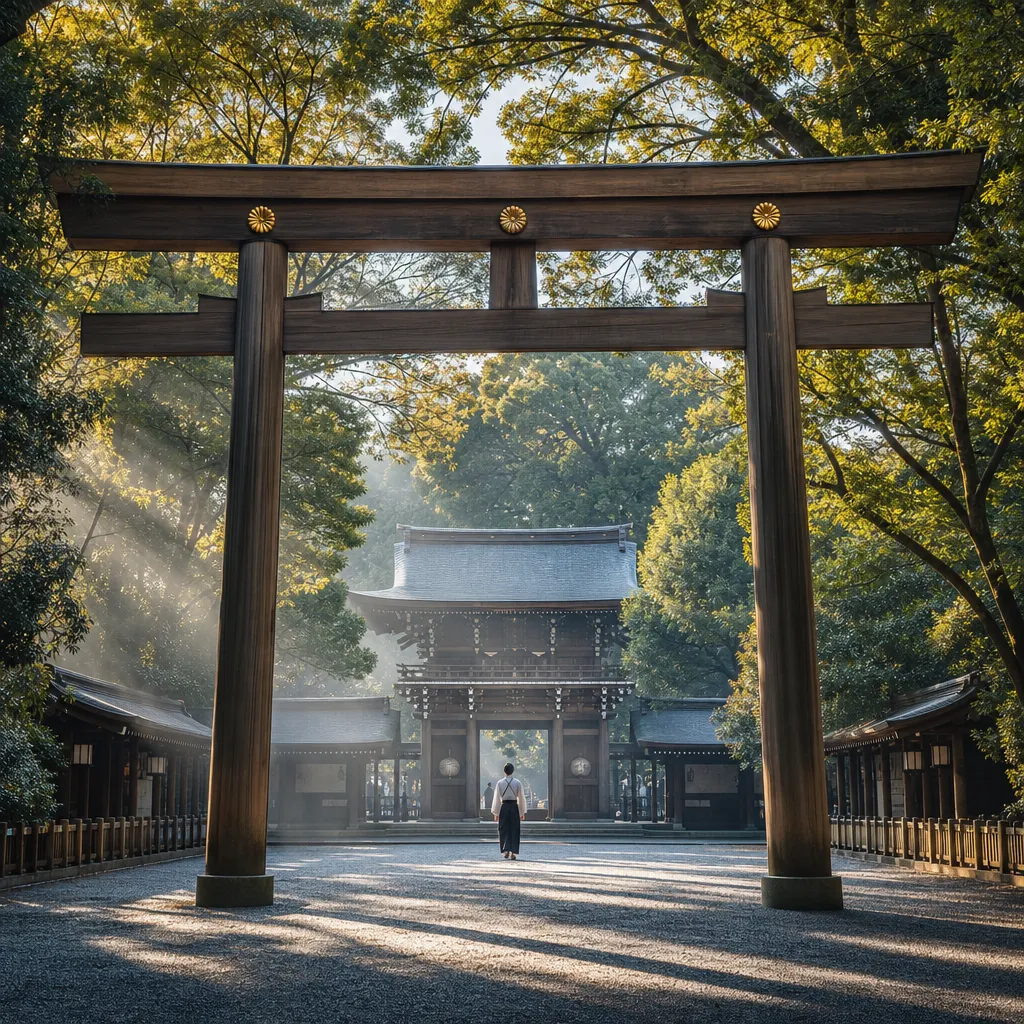
Meiji Jingu sits within a large wooded precinct in Shibuya Ward, close to both Harajuku and the wider Shibuya area. It is a Shinto shrine, not a temple, and the long gravel paths through the trees are part of the experience. Even though it is near some of the busiest parts of the city, the atmosphere is markedly calmer.
This is a good stop for visitors who want cultural context without traveling far from central sightseeing districts. You can pair it easily with Yoyogi Park, or with shopping and street culture in Harajuku. The combination makes sense because the contrast is part of what makes the area compelling: shrine forest, open parkland, then dense commercial streets.
Visitors should behave respectfully on shrine grounds, keep voices low, and observe signs about photography in specific areas. Early daytime visits are usually the most comfortable. This area suits first-time visitors especially well because it is simple to access and easy to combine with other plans.
Choose one major viewpoint: Tokyo Skytree or a central observation deck
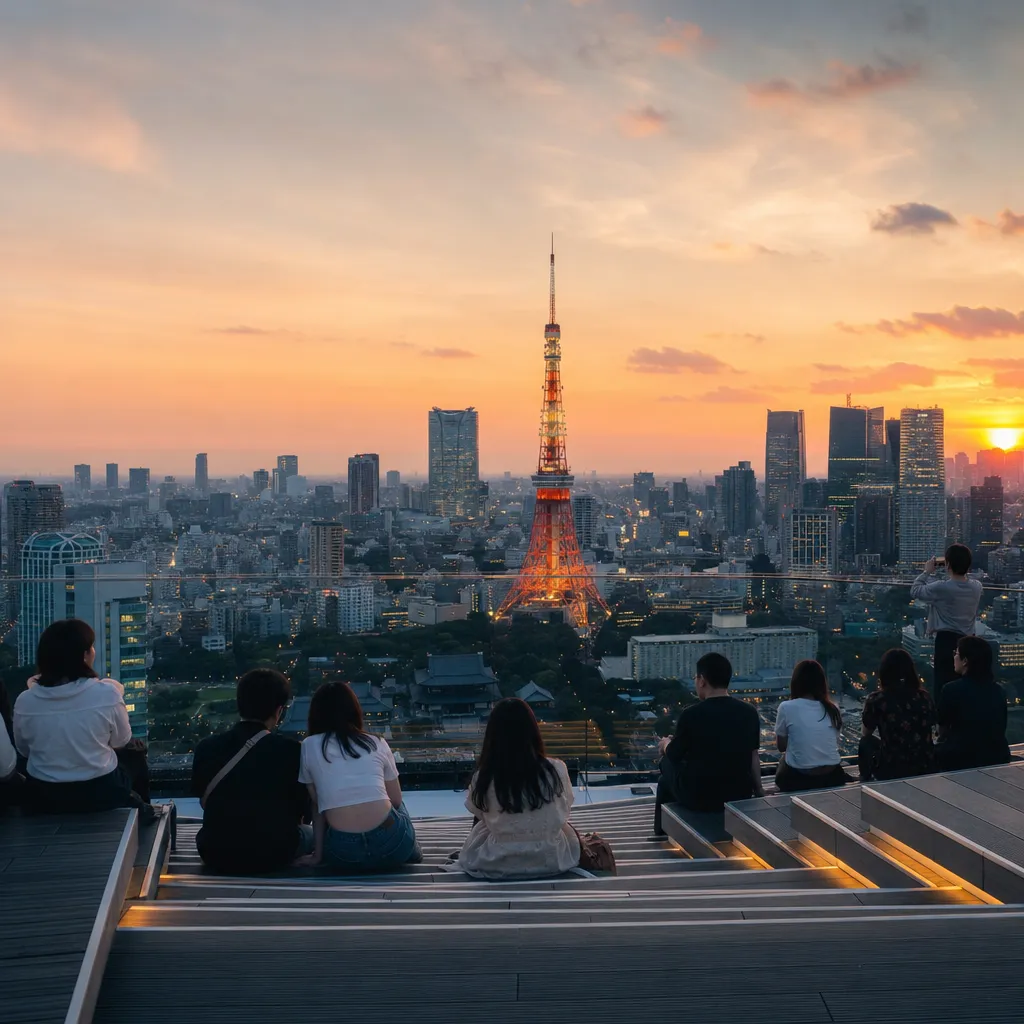
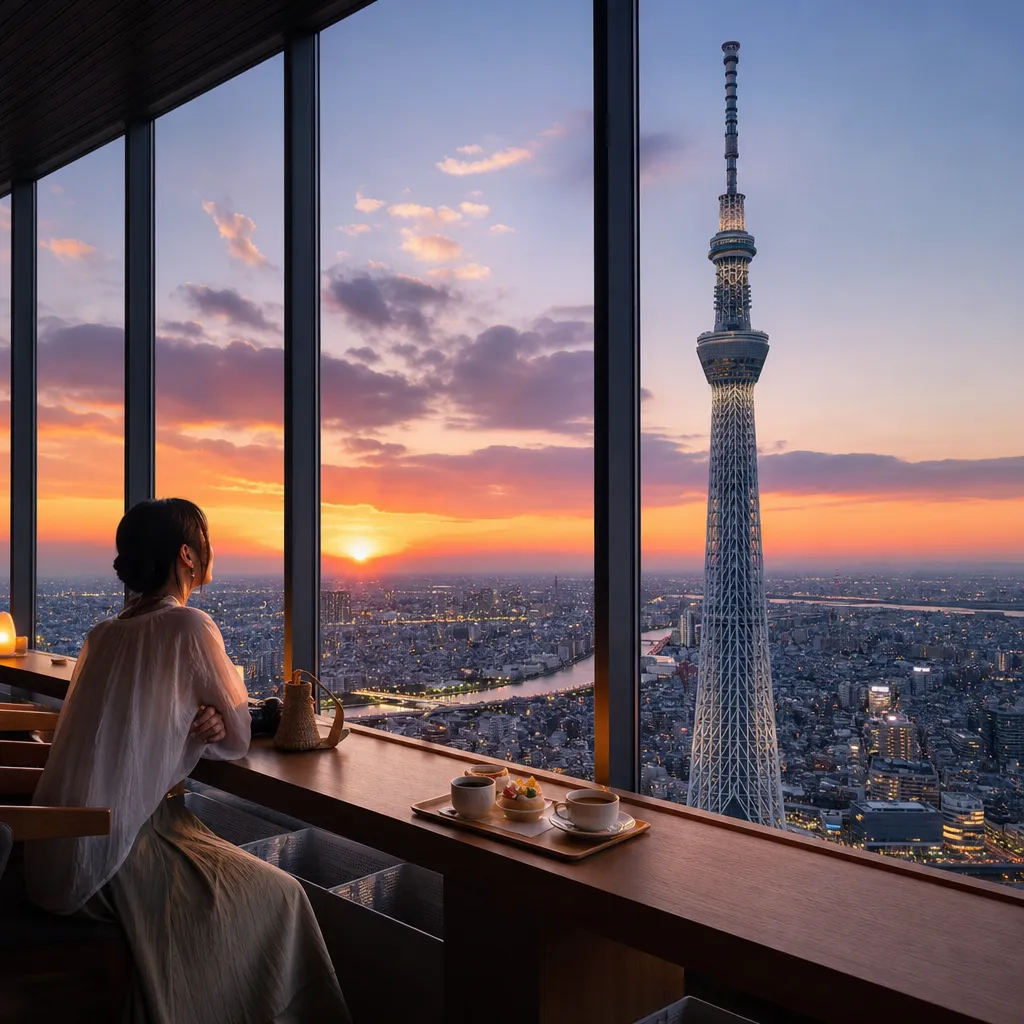
If you want panoramic views, Tokyo Skytree in Sumida City is one of the most obvious choices, and for many visitors it is the easiest one to build into an east-side itinerary with Asakusa. The tower stands in the Tokyo Skytree Town complex near the Oshiage area, with shopping and dining around it, so it works even if part of your group is not focused on the observation deck itself.
The best reason to choose Skytree is scale: it gives a wide, legible view over the city and is particularly effective late in the day, when you can see the shift from daylight to evening lights if conditions and ticketing work in your favor. Because this is a major attraction, booking ahead can be useful during busy periods.
If you would rather stay in the center, alternatives such as the Tokyo Metropolitan Government Building in Shinjuku are more convenient for west-side itineraries. The key planning point is not to chase too many observation decks in one trip. One well-timed visit is usually enough.
Do an indoor art experience in Toyosu
teamLab Planets TOKYO DMM, in Toyosu in Koto City, is a strong option if you want a distinctly contemporary experience rather than a conventional museum. It is known for immersive, body-scale installations and has become one of the city’s better-known indoor attractions.
This area is farther from the old-city atmosphere of Asakusa or Ueno, and that difference matters. Toyosu is a waterfront redevelopment zone with broad roads, newer buildings, and large-scale venues. The experience suits travelers interested in digital art, photography, and unusual indoor activities, though visitors should read current entry guidance carefully because practical rules, ticketing, and exhibit flow may change.
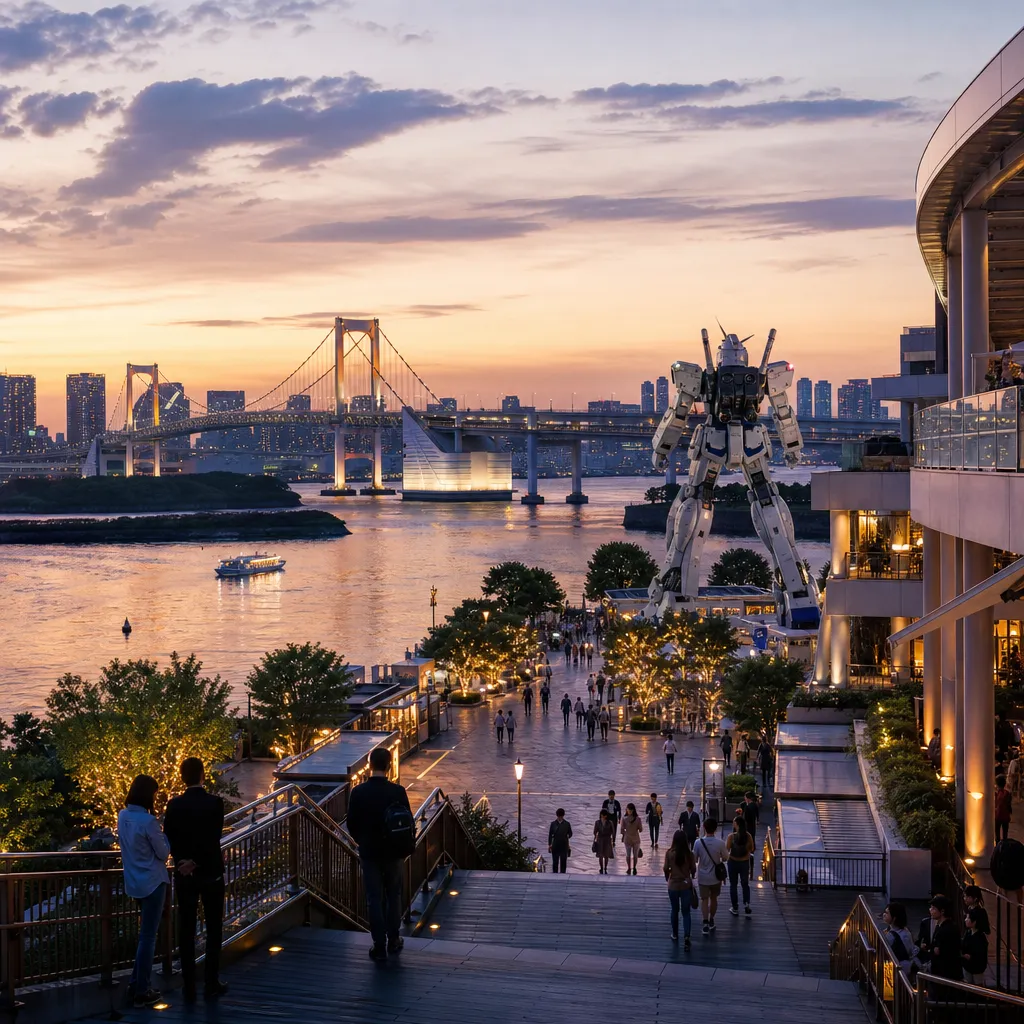
Advance booking is often the sensible approach for places like this, especially on weekends or during holidays. It works well as part of a day that also includes the wider bay area, such as Toyosu or Odaiba, rather than as a quick add-on between central neighborhoods.
Make time for one major garden
Tokyo has several gardens worth visiting, but Shinjuku Gyoen is one of the easiest to recommend for a broad range of travelers. It sits in the wider Shinjuku area, close enough to major transport to be convenient, yet once inside it feels separate from the commercial intensity nearby.
The appeal here is not a single landmark but space: lawns, traditional garden elements, and seasonal variation. It is useful on a trip that needs a slower half-day, especially for couples, photographers, or anyone traveling with older family members who may prefer a quieter pace. It is also one of the cleaner ways to break up a heavy schedule of stations, shopping floors, and underground passages.
Bring patience for entry lines in peak cherry blossom season or on pleasant weekends. As with many managed gardens in Japan, rules on food, tripods, and certain activities may apply, so it is worth checking current visitor guidance before going.
Use Ginza for food halls, department stores, and architecture
Ginza, in Chuo City, is often treated as a luxury shopping district, but it is also one of the easiest places to sample Tokyo’s polished retail culture without committing to expensive purchases. The area is centered on the Ginza station zone and is best explored at street level and below it, especially in the depachika food halls inside major department stores.
These basement food floors are useful for travelers because they offer high-quality prepared foods, sweets, and gift items in one place. Even if you are not shopping for fashion, Ginza still makes sense for browsing architecture, stationery, dessert counters, and carefully presented food. It suits rainy weather well and works for solo travelers just as easily as for couples.
This is also a good dinner district, though restaurant budgets vary widely. If you have a specific place in mind, reservations may be worth considering, especially for sushi or higher-end counters. For flexible plans, daytime visits are easier and less formal.
Go beyond major landmarks in Shimokitazawa
If your itinerary needs a neighborhood that feels less monumental and more lived-in, Shimokitazawa in Setagaya Ward is a good contrast to central commercial hubs. It is west of the city center and is usually reached by train rather than by walking over from other major sightseeing districts.
The area is known for vintage clothing, record shops, small cafés, and a looser street layout than many of Tokyo’s business-heavy zones. It is not a checklist destination in the same way as Asakusa or Shibuya crossing. Instead, it works best when you want an afternoon of browsing, coffee, casual eating, and slower neighborhood exploration.
Because shops here are varied and more independent, opening patterns can differ. Midday into early evening is usually the safest window for general browsing. This district is especially suitable for repeat visitors, younger travelers, and anyone more interested in street culture than formal sightseeing.
Build practical combinations instead of rushing across the city
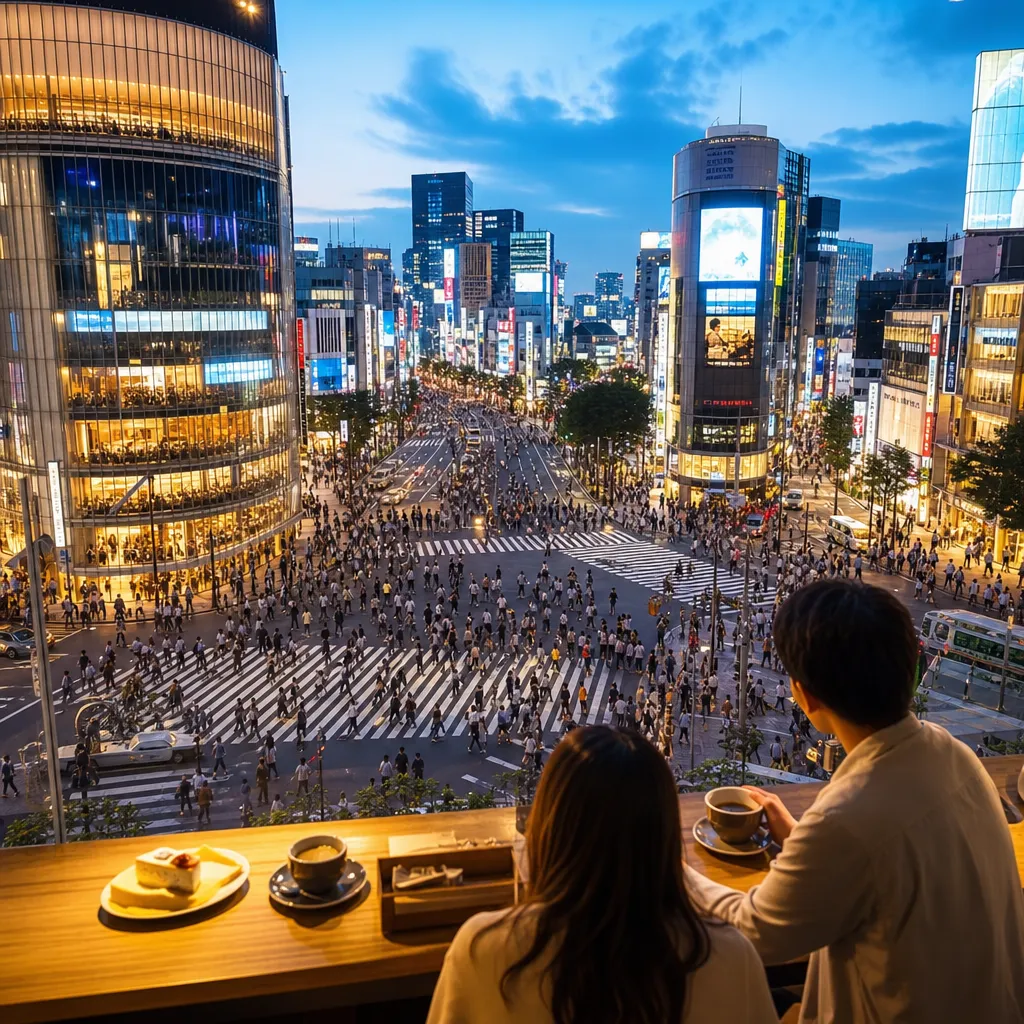
The best Tokyo days usually stay geographically coherent. On the east side, combine Asakusa, the Sumida River, and Tokyo Skytree. For culture and park time, group Ueno with nearby market streets. For a west-side day, pair Meiji Jingu, Harajuku, and Shibuya, or use Shinjuku Gyoen as a quieter anchor before an evening in Shinjuku.
Try not to schedule too many distant districts in a single day just because the rail network is efficient. Tokyo rewards focus. One major sight, one neighborhood for food or shopping, and one relaxed stop such as a garden, museum, or café is often a better formula than trying to cross the city repeatedly.
It is also worth checking current operating information before visiting major attractions, especially museums, observation decks, and special exhibitions. Seasonal events, temporary closures, and timed-entry systems are common enough that a quick confirmation can save time.
FAQ
What area of Tokyo is best for first-time visitors?
If you want classic sightseeing, Asakusa is one of the easiest starting points. For a broader mix of shrine, shopping, and big-city energy, the Harajuku-Shibuya side is also practical.
Do I need reservations for Tokyo attractions?
Not for everything, but reservations or advance tickets are worth considering for high-demand places such as immersive art attractions, some observation decks, and popular restaurants.
What is the best time of day to visit Senso-ji?
Morning is usually best if you want a calmer atmosphere and clearer photos. Early evening can also be enjoyable once daytime crowds begin to thin.
Is Tokyo Skytree better by day or at night?
Late afternoon into evening is often the most rewarding because you may see both daylight views and city lights. Availability and weather matter, so flexibility helps.
Which Tokyo activities work well in bad weather?
Ueno’s museums, department stores in Ginza, and indoor attractions such as teamLab Planets are all good rainy-day options.
Are these places suitable for families?
Yes, especially Ueno Park, Tokyo Skytree, Asakusa, and large gardens such as Shinjuku Gyoen. Museum-heavy days are often easiest to adapt for mixed-age groups.
Can I enjoy these places without speaking Japanese?
Yes. Major attractions and transport hubs generally have enough English signage to navigate comfortably, though having destinations saved on your phone is still helpful.
What should I check before visiting?
Check current opening information, ticketing rules, and any guidance on photography or timed entry. This matters most for museums, observation decks, and special exhibitions.
Sources
- GO TOKYO (Tokyo Convention & Visitors Bureau)
- Japan National Tourism Organization
- Tokyo Metropolitan Government