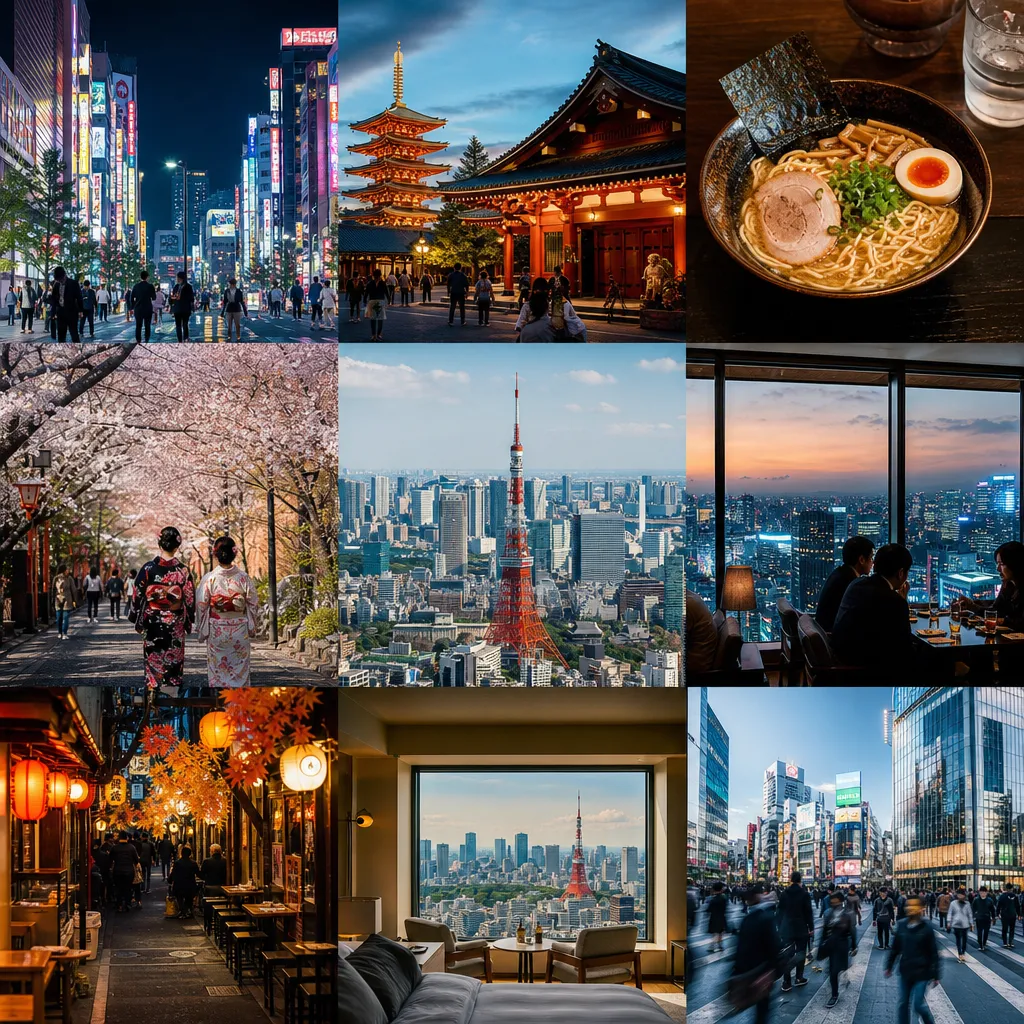
Planning a first or repeat visit can be overwhelming because the city is so large and so varied from one neighborhood to the next. The best approach is not to chase every famous sight, but to combine major landmarks with a few area-specific experiences that show how daily life, food, culture, and design fit together. The places below are reliable, practical choices that work well for travelers who want a balanced trip rather than a checklist. They are grouped to help you understand where they are, why they matter, and how to fit them into a real itinerary.
One useful pattern is to pair a cultural site with nearby food, shopping, or a viewpoint. For example, Asakusa works well with Ueno, Shibuya with Harajuku and Omotesando, and the Marunouchi-Ginza side of the city with Nihombashi. You do not need to cross the city constantly to have a strong Tokyo experience.
| Place | Area | Type | Best For | Key Feature |
|---|---|---|---|---|
| Senso-ji | Asakusa, Taito | Temple district | Traditional atmosphere | Historic approach street and temple complex |
| Tokyo National Museum | Ueno, Taito | Museum | Art and history | Japan-focused national collection |
| Meiji Jingu | Shibuya area | Shinto shrine | Calm in central Tokyo | Forest-like approach near major stations |
| teamLab Planets TOKYO DMM | Toyosu, Koto | Immersive indoor attraction | Contemporary digital art | Body-scale interactive installations |
| Shibuya Scramble Square observatory | Shibuya | Viewpoint | City views and photos | High observation deck over a major urban center |
| Tsukiji Outer Market | Tsukiji, Chuo | Food market | Casual eating and food shopping | Seafood-focused market streets |
| Ginza | Chuo | Shopping district | Department stores and food halls | Polished retail streets with strong dining options |
| Yanaka Ginza | Yanaka, Taito | Neighborhood shopping street | Slower local atmosphere | Older low-rise streetscape |
Start with Tokyo’s classic cultural anchors
Senso-ji in Asakusa
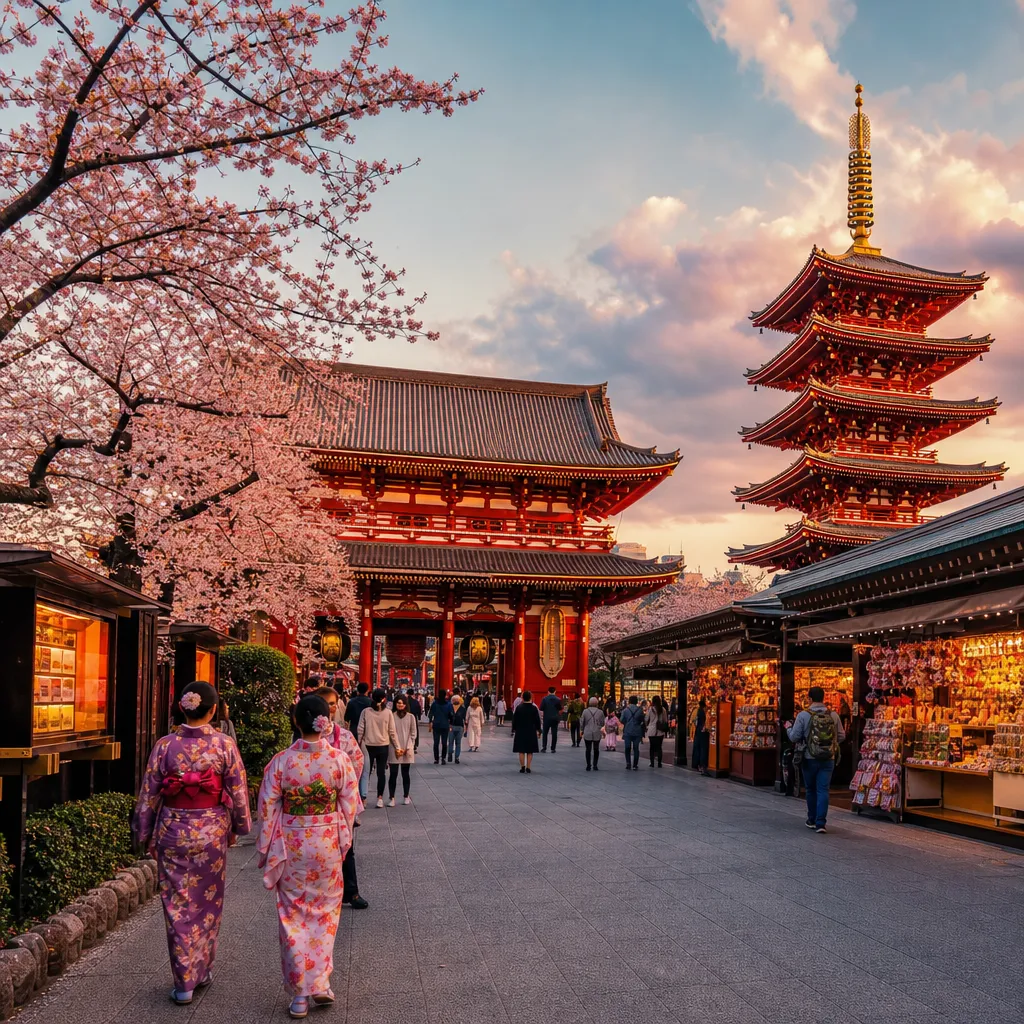
If you only visit one traditional temple district, Asakusa is the easiest and most rewarding choice. Senso-ji is in Taito ward, in the wider Asakusa district, served by Asakusa Station. The approach through Kaminarimon and Nakamise gives you a clear sense of how pilgrimage space, souvenir culture, and tourism overlap in one place.
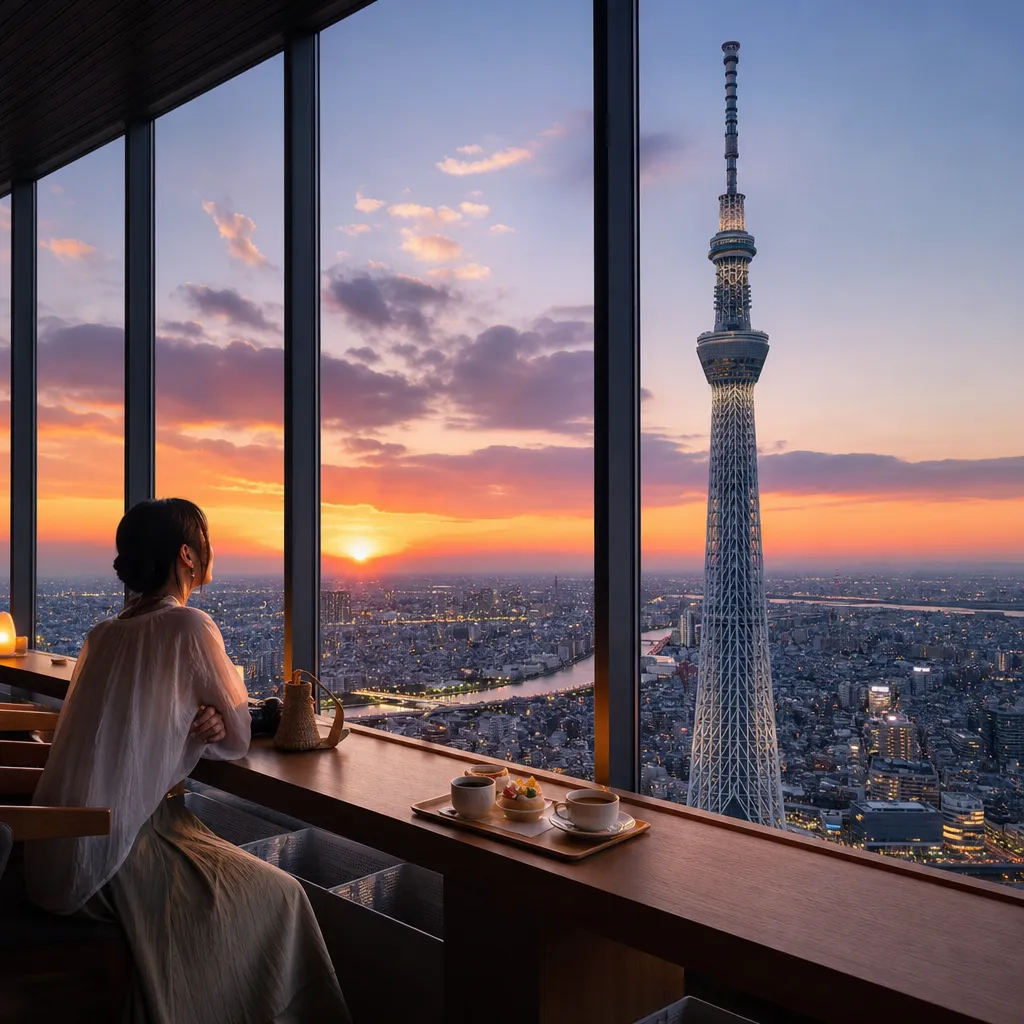
Go early in the morning if you want gentler light and fewer crowds. Later in the day it becomes much busier, especially around the main gate and shopping street. This area suits first-time visitors, photographers, and families, and it pairs well with a Sumida River walk or a view toward Tokyo Skytree from nearby bridges.
Remember that this is a Buddhist temple. Be respectful in the main hall area, avoid blocking worshippers, and treat incense, offertory spaces, and prayer customs as active religious practice rather than performance.
Meiji Jingu near Harajuku and Yoyogi
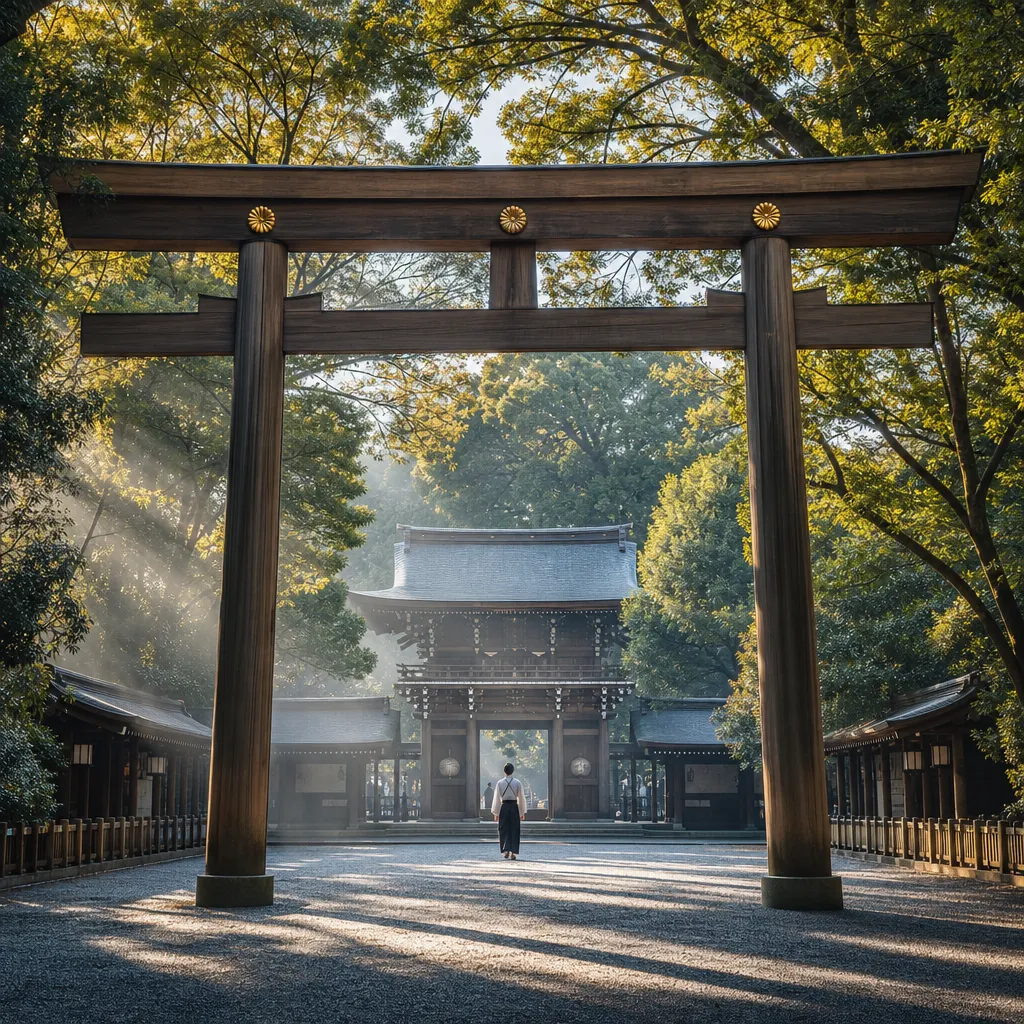
For a Shinto shrine experience in central Tokyo, Meiji Jingu is the strongest contrast to the city around it. It sits in a large wooded precinct near Harajuku Station and the Yoyogi side of Shibuya ward. The transition from busy commercial streets into gravel paths and shrine architecture is part of the experience.
This is a good choice if you want a calmer visit without leaving the center. It combines especially well with Omotesando architecture, Takeshita Street people-watching, or Yoyogi Park. Early morning is ideal for atmosphere and quieter photography.
Because it is a shrine, etiquette differs slightly from temples. Visitors should behave quietly at purification basins and prayer areas, and take care not to intrude on ceremonies such as weddings.
Visit at least one museum that Tokyo does exceptionally well
Tokyo National Museum in Ueno
In Ueno Park, near Ueno Station, Tokyo National Museum is one of the most useful places for understanding Japanese art, religious sculpture, decorative arts, and historical objects in context. It is a large institution rather than a quick stop, so it suits travelers willing to give it real time.
Unlike some museums that depend heavily on temporary shows, this one is valuable even on an ordinary day because the core collection is strong. It works well for solo travelers, rainy-day planning, and anyone who wants substance beyond photo stops. Pair it with a walk through Ueno Park, or with nearby Ameya-Yokocho for a much more casual street atmosphere afterward.
Mori Art Museum in Roppongi
If you want contemporary art instead of historical collections, consider Mori Art Museum in the Roppongi Hills complex in Minato ward. It is especially convenient for travelers staying in central districts and fits well with an evening in Roppongi because the area combines art, dining, and skyline views.
Exhibitions change, so check current programming before you go. This is best for visitors who enjoy contemporary visual culture, architecture, and urban views rather than traditional heritage.
See the city from above, but choose the right viewpoint
Shibuya Scramble Square observatory
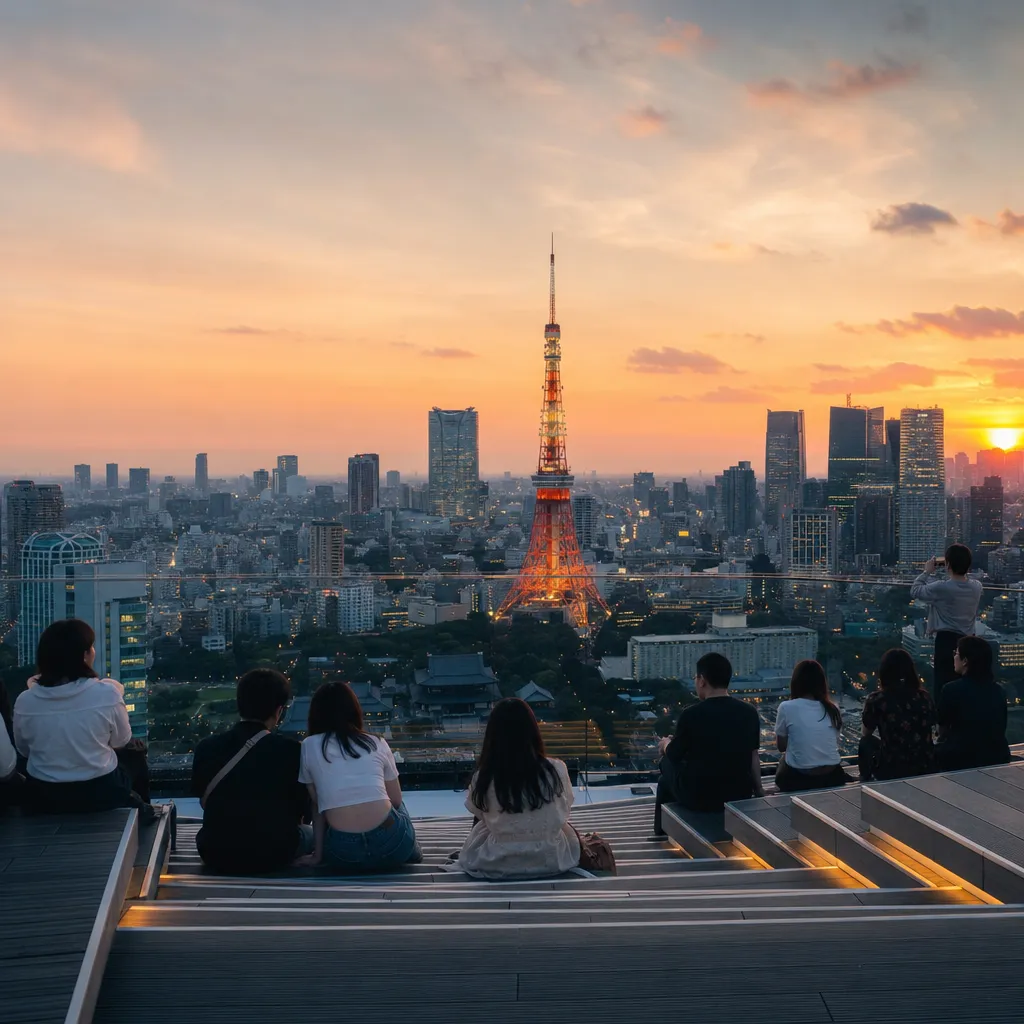
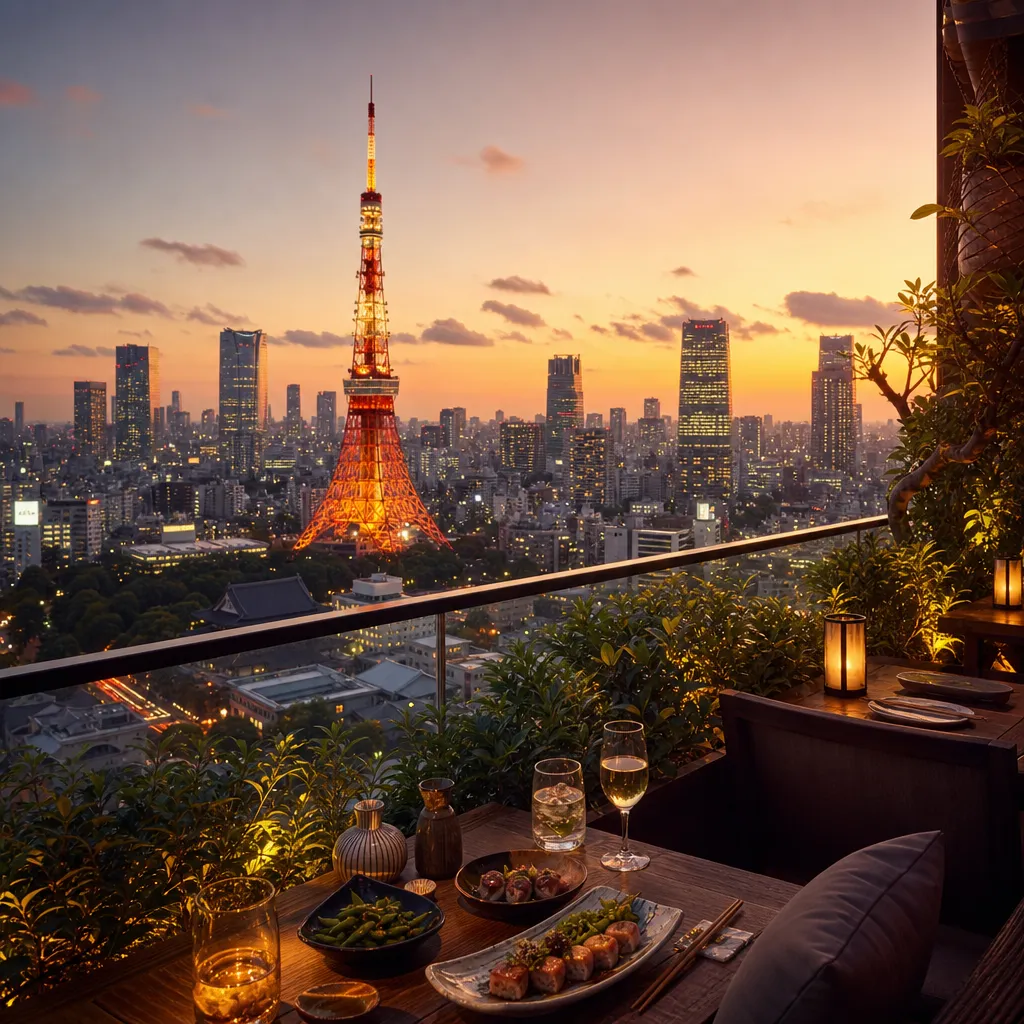
For many visitors, the most practical observation experience is the one above Shibuya. It is directly connected to one of the city’s busiest transport hubs, so it is easy to add before dinner or after shopping. The appeal is not just height, but the dense urban texture: rail lines, commercial towers, and the layered city spreading outward.
Late afternoon into evening is usually the most satisfying time if you want both daylight and night views. Weather matters, and outdoor conditions can affect the experience. This spot is especially good for couples, first-time visitors, and photographers interested in cityscape rather than isolated landmark shots.
Tokyo Metropolitan Government Building in Shinjuku
If you want a major view with a public-building feel rather than a commercial observation attraction, the Tokyo Metropolitan Government Building in Nishi-Shinjuku remains a useful option. It is in the skyscraper district west of Shinjuku Station. The surroundings are more business-oriented than entertainment-focused, so many people combine it with a broader Shinjuku day.
Choose this if you are already exploring Shinjuku and want a skyline perspective without centering your whole day on one deck. Visibility depends heavily on weather, especially in winter when the air can be clearer.
Eat where the setting adds as much as the food
Tsukiji Outer Market for market snacks and seafood-focused browsing
Tsukiji Outer Market, in Chuo ward near the Tsukiji and Higashi-Ginza area, is still worth visiting even though the wholesale fish market moved to Toyosu. What remains is a useful concentration of seafood retailers, knife shops, ingredient specialists, and casual places to eat.
The best way to approach it is as a browsing-and-snacking area rather than one single restaurant destination. Go earlier in the day rather than late evening. It suits food-focused travelers, short stays, and anyone who wants a market atmosphere without leaving central Tokyo.
Because individual shop policies vary, be careful about where you stop to eat and do not assume standing space in front of every storefront is acceptable. Check current operations, as some places close earlier than international visitors expect.
Department store food halls in Ginza and Nihombashi
One of the most practical food experiences is also one of the least discussed: the depachika, or department store basement food hall. Ginza and nearby Nihombashi are excellent for this. Major department stores in these districts offer polished selections of sweets, prepared foods, bento, tea, and seasonal specialties.
This is ideal for travelers who want quality without a full restaurant commitment, or who need picnic supplies for a park, train ride, or hotel meal. It also works very well on rainy days. The atmosphere is organized and urban rather than rustic, and the quality threshold is usually high.
Explore neighborhoods that reveal different versions of the city
Shibuya, Harajuku, and Omotesando for contemporary Tokyo
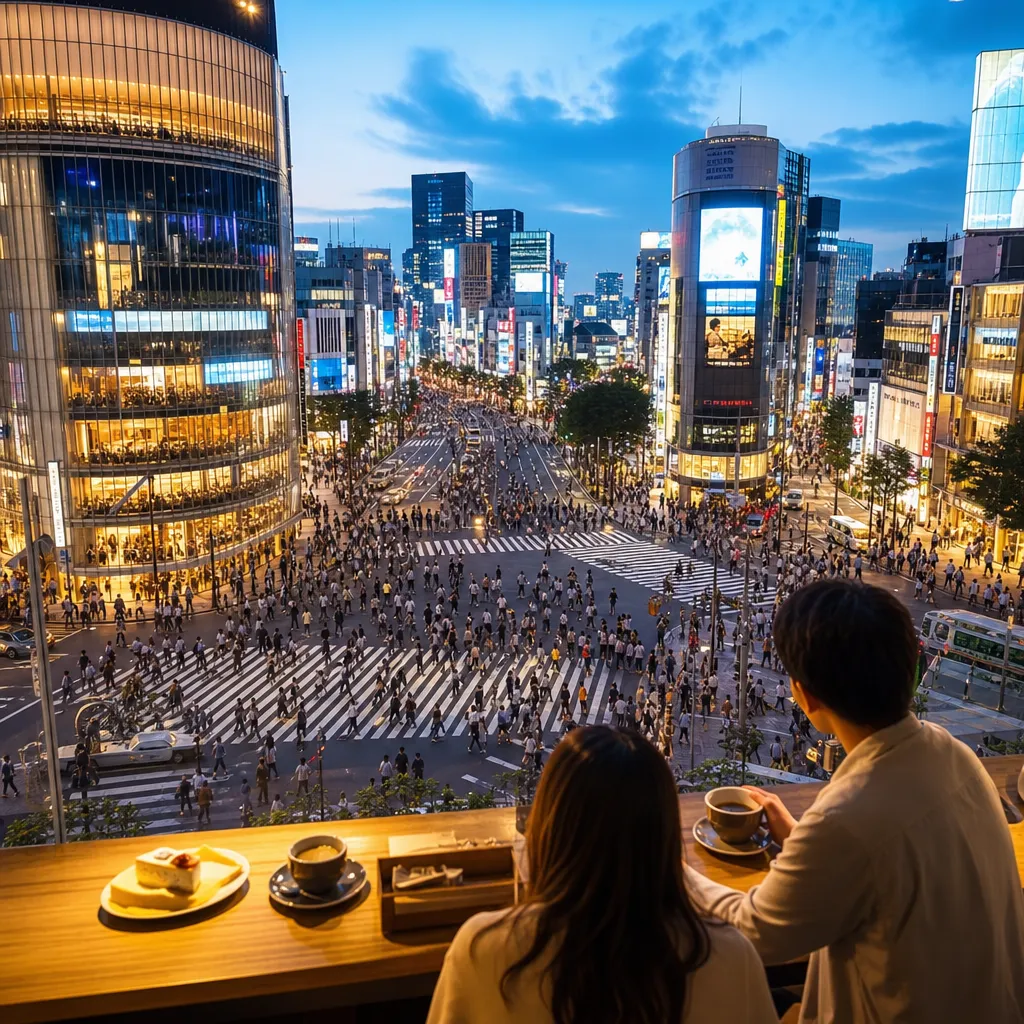
This cluster works well because each area has a different tone within a short transit range. Shibuya is dense, fast, and visually noisy. Harajuku mixes youth-oriented streets with shrine access and park space. Omotesando is where many visitors focus on architecture, flagship retail, and a more refined commercial streetscape.
If you like city photography, this is one of the strongest districts for facades, signage, crowds, and modern Tokyo energy. It is also one of the easiest areas for visitors who want a lot to do without complex transport planning.
Yanaka for older low-rise Tokyo
For a slower counterpart to the major centers, Yanaka is a strong choice. It is in the northeast side of the inner city, near Nippori and within reach of Ueno. Yanaka Ginza and the surrounding backstreets offer a more local, low-rise environment with small shops, older housing stock, and a less polished rhythm than central shopping districts.
This area suits walkers, photographers, and repeat visitors who want something quieter. It is less about individual blockbuster attractions and more about atmosphere. Go in daylight; this is not a nightlife destination.
Choose one modern immersive attraction if you want a different pace
teamLab Planets TOKYO DMM in Toyosu
In Toyosu, east of the city center in Koto ward, teamLab Planets is one of the most established indoor attractions for visitors interested in digital art and sensory installations. It is not a museum in the traditional sense; it is an immersive environment where movement through the space is the point.
This is particularly useful for travelers with mixed interests in a group, for rainy days, and for visitors who want something visually memorable that differs from shrine-temple-museum touring. Booking ahead is often wise because timed entry is common for this type of attraction. Expect a more structured entry process than at a conventional gallery.
Reserve time for Tokyo’s urban nature and waterside spaces
Ueno Park
Ueno Park is not just a park but a cultural district with museums, open space, and seasonal appeal. It is near Ueno Station and very easy to combine with the Tokyo National Museum. In cherry blossom season it becomes especially busy, but outside peak periods it is still worthwhile for a flexible half-day.
This is a practical choice for families, museum-goers, and anyone who wants a breather between dense city districts. It is one of the better places to absorb how public space functions in a central Tokyo setting.
The Sumida River area
The riverfront around Asakusa and across toward the Sumida side gives you one of the city’s more open urban landscapes. It is useful for walking, casual photography, and seeing how old and new Tokyo relate through bridges, boats, temple district edges, and views toward larger towers.
This is best in the morning or around sunset light. It is an easy add-on rather than a standalone day plan, which makes it especially efficient for short trips.
Make shopping part of your sightseeing, not a separate chore
Ginza for department stores, design, and polished city walking
Ginza in Chuo ward is one of the city’s most convenient districts for travelers who want to combine shopping, architecture, cafés, and formal dining. It is central, well connected, and easier to navigate than some larger entertainment districts. The appeal is not only luxury retail; it is also the concentration of food halls, stationery, sweets, and carefully designed commercial interiors.
Go here if you want a clean, structured, high-service urban experience. It suits couples, solo travelers, and visitors looking for gifts or edible souvenirs.
Jimbocho for bookstores
Jimbocho, in the Kanda area of Chiyoda ward, is one of the best areas for used and specialist bookstores. It is especially rewarding for readers interested in art, design, history, or Japanese print culture, though language ability affects how much you can browse in depth.
This district has a more academic and old-Tokyo commercial character than the fashion-led neighborhoods. It works well for half a day and pairs naturally with nearby café stops.
FAQ
What area is best for first-time visitors who want a little of everything?
Asakusa, Ueno, Shibuya, and the Ginza-Marunouchi side are the easiest mixed-interest areas. They combine major sights, useful transport, and plenty of food options without requiring complex planning.
Do I need reservations for these experiences?
Most open public areas, shrines, temples, and parks do not require reservations. For immersive attractions such as teamLab Planets, and for some museums or observation decks during busy periods, advance booking is often sensible. For restaurants in popular districts, reservation needs vary widely.
What is the best time of day for sightseeing?
Early morning is best for Senso-ji, Meiji Jingu, and quieter neighborhood walks. Late afternoon into evening is strongest for observation decks and major commercial districts such as Shibuya and Ginza.
Which places are best on a rainy day?
Tokyo National Museum, Mori Art Museum, department store food halls, and teamLab Planets are all good rainy-day choices. Large station-connected districts like Ginza and Shibuya are also easier to manage in wet weather.
Are these places suitable for families?
Yes, especially Asakusa, Ueno Park, Meiji Jingu, and teamLab Planets. Museums vary by child interest level, but parks and temple-shrine districts are generally easy family additions if you allow enough breaks.
Can I visit these places without speaking Japanese?
Yes. Major museums, transport hubs, and well-known visitor districts are manageable for non-Japanese speakers. Visual signage is strong in key areas, though smaller shops and neighborhood businesses may have limited English.
What should I check before visiting?
Check current opening information, admission rules, and any booking requirements for museums, observation decks, and indoor attractions. Seasonal events, special closures, and festival schedules can change.
Sources
- GO TOKYO
- Japan National Tourism Organization
- Tokyo National Museum