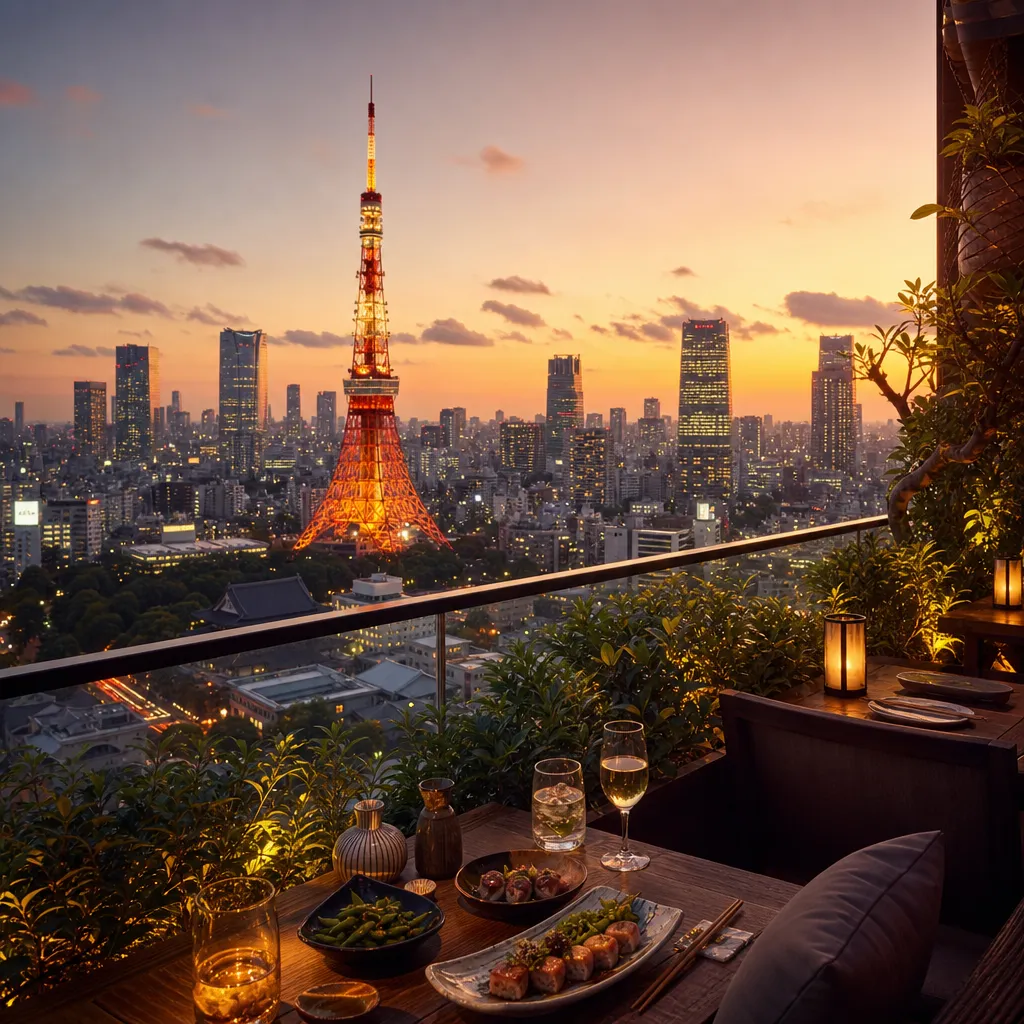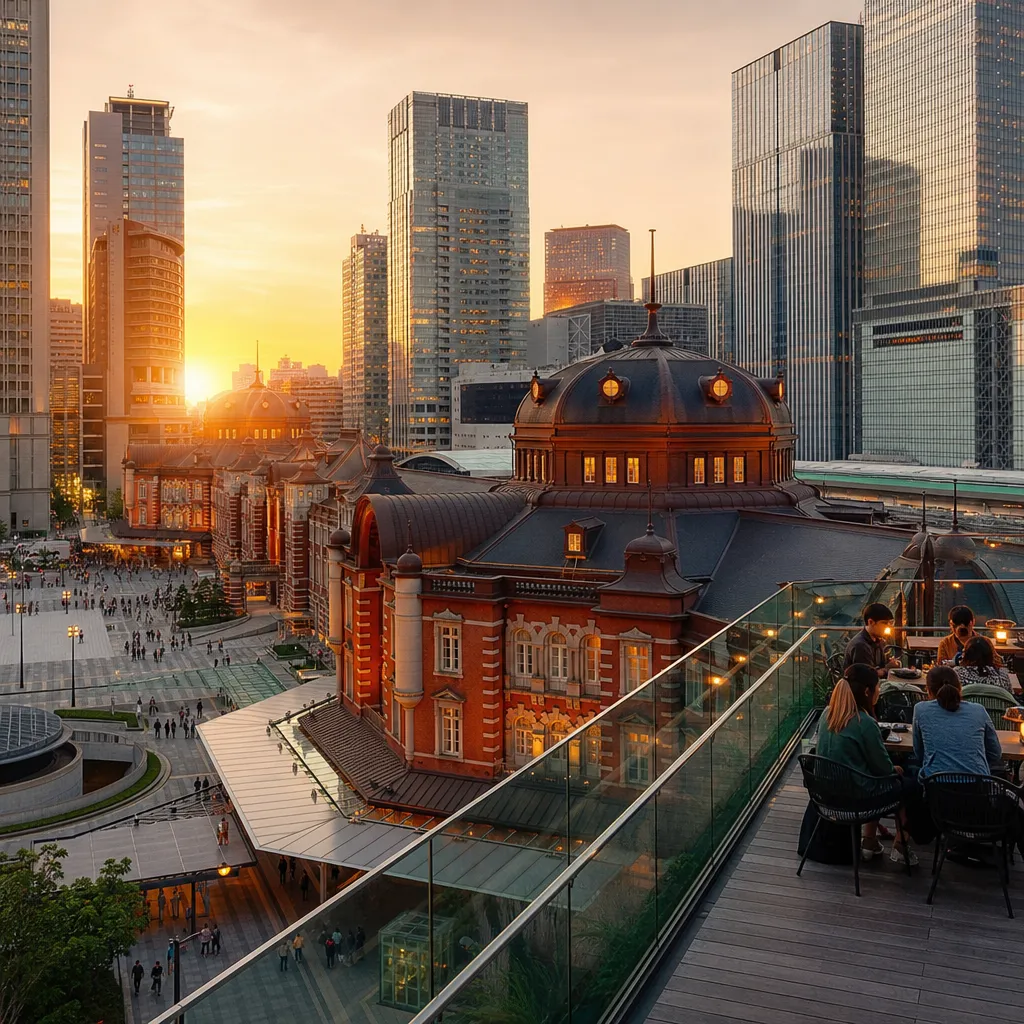
Tokyo’s attractions are less about checking off a single list of landmarks and more about understanding how different districts express the city’s character. You can move from temple grounds and retro shopping streets to cutting-edge museums, skyline observatories, and deeply local neighborhoods in the space of one day. The most useful way to plan is to group places by area and by visiting style: cultural sights in the morning, museums or gardens in the afternoon, and viewpoints or dining districts in the evening. The guide below focuses on real, practical options that are easy to combine with public transport and that work for first-time visitors as well as repeat travelers.
Most of the places listed are reached most easily by JR lines, Tokyo Metro, Toei Subway, or private railways such as Tokyu and Keio. If you are staying in central areas like Shinjuku, Shibuya, Tokyo Station, Ueno, or Ginza, nearly all of them are straightforward day trips. For popular observatories, digital art venues, and special exhibitions, it is wise to check official sites in advance because entry systems and busy times can change.
Quick comparison: standout Tokyo attractions
| Place | Area | Type | Best Time/Use | Key Feature |
|---|---|---|---|---|
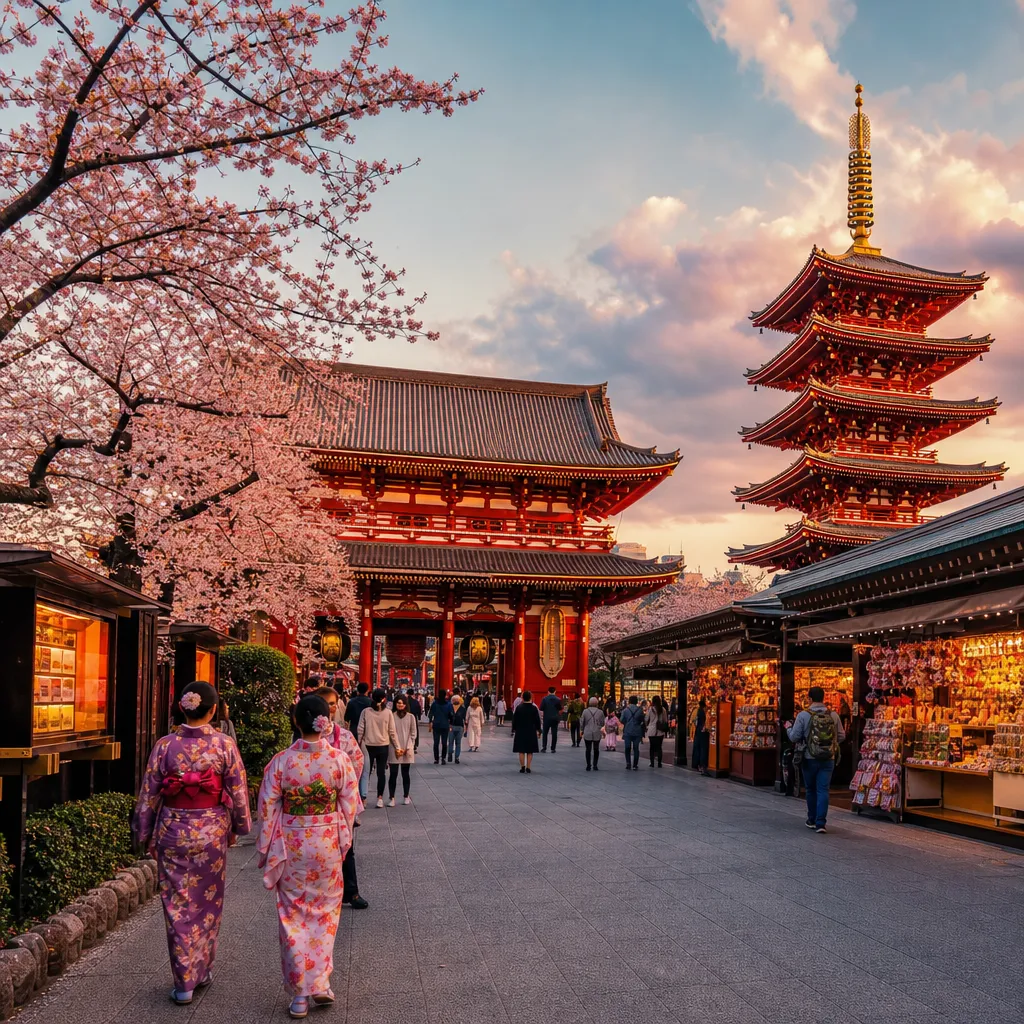
| Senso-ji | Asakusa | Temple district | Early morning or evening stroll | Historic approach, lantern gate, traditional atmosphere |
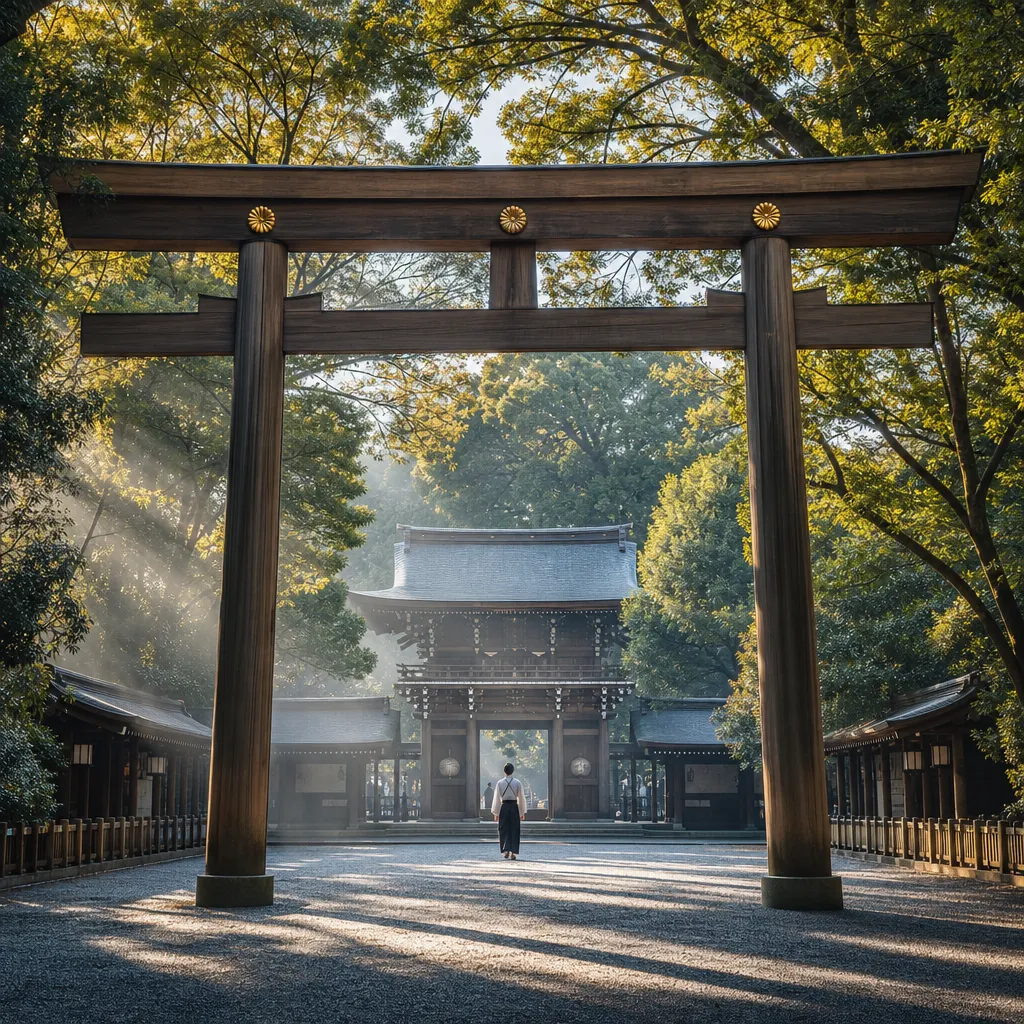
| Meiji Jingu | Harajuku/Yoyogi | Shinto shrine | Morning walk | Forest-like approach in central Tokyo |
| Tokyo National Museum | Ueno | Museum | Half-day cultural visit | Japan’s most important historical collections |
| teamLab Planets | Toyosu | Immersive art | Timed-entry indoor activity | Barefoot, sensory installations |
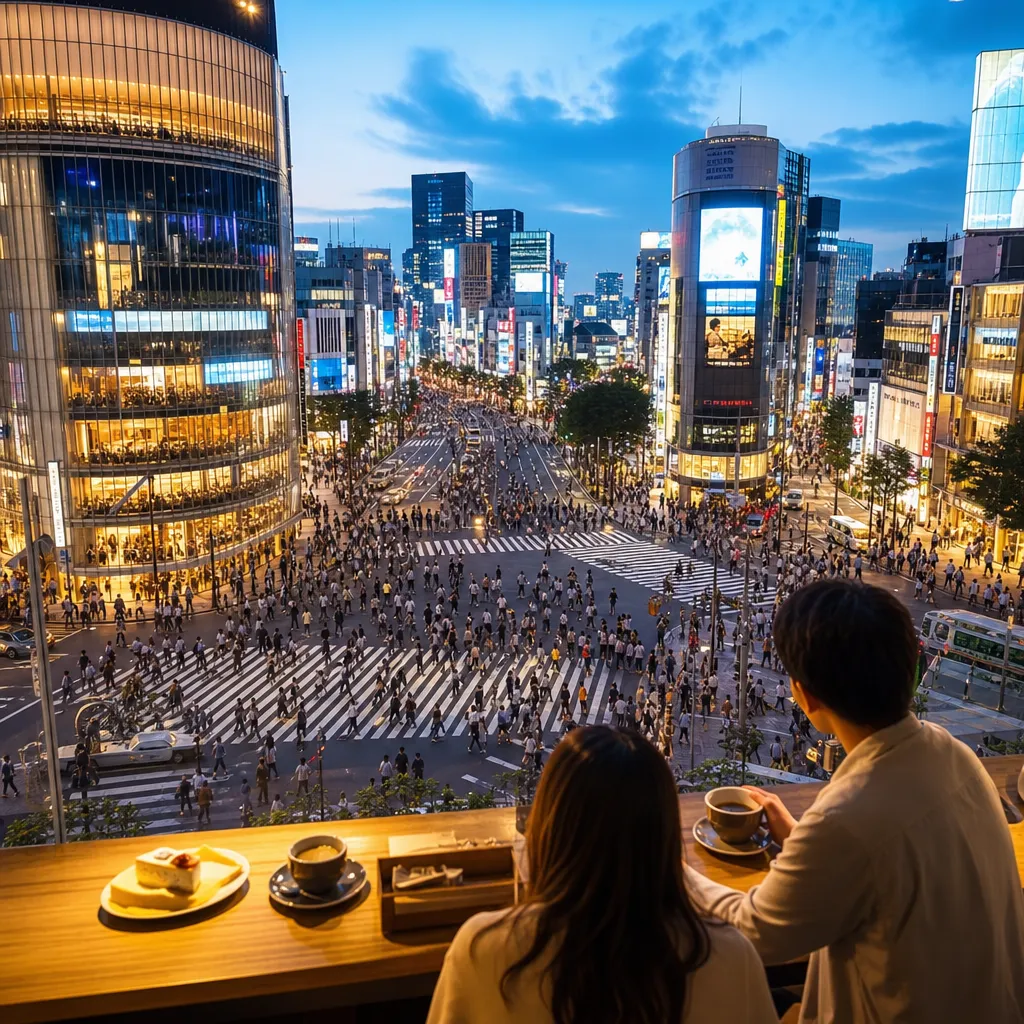
| Shibuya Sky | Shibuya | Observation deck | Late afternoon to night | Open-air city panorama |
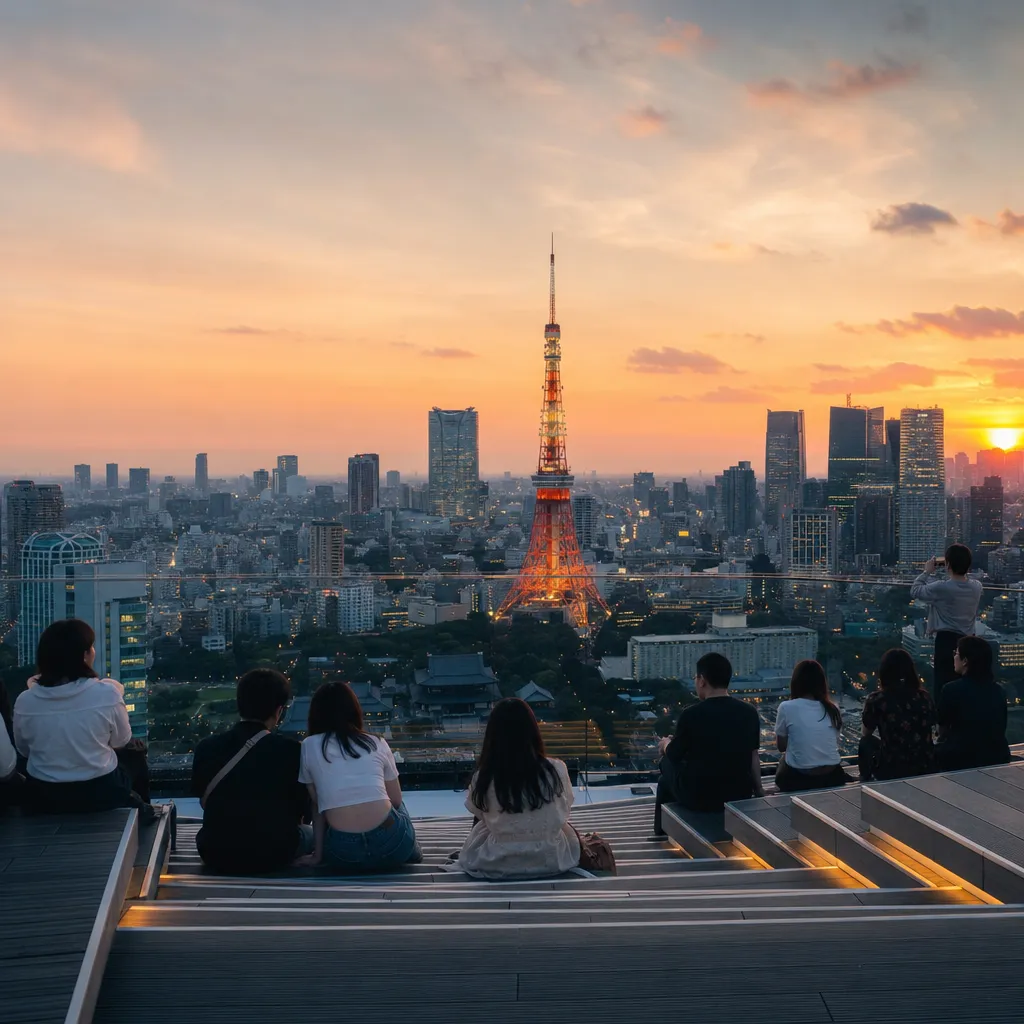
| Tokyo Skytree | Sumida area | Tower and viewpoint | Day or night skyline views | Massive scale and broad east-side views |
| Yanaka Ginza | Yanesen area | Neighborhood street | Afternoon walk | Low-rise old Tokyo atmosphere |
| Hamarikyu Gardens | Shiodome/Shimbashi side | Garden | Calm afternoon stop | Tidal garden against a modern skyline |
Historic Tokyo: temples, shrines, and older streetscapes
Senso-ji and the Asakusa area
Senso-ji, in Asakusa in Taito Ward, is the city’s most famous Buddhist temple and remains one of the easiest places to feel an older urban rhythm. The nearest major transport hub is Asakusa Station, served by Tokyo Metro, Toei, and Tobu lines, so it is practical even on a short itinerary.
What makes it worth visiting is not only the main hall but the full approach: Kaminarimon Gate, Nakamise shopping street, side lanes selling snacks and crafts, and the Sumida River area nearby. Early morning is best if you want atmosphere and space for photographs; evenings can also be appealing when day-trip crowds thin out. This is a good choice for first-time visitors, families, and photographers, but anyone seeking a quiet spiritual visit should avoid the late-morning peak.
Meiji Jingu
Meiji Jingu sits between Harajuku and Yoyogi, close to JR Harajuku Station and Meiji-jingumae Station. Although surrounded by busy central districts, the shrine approach is broad, wooded, and unusually calm, which is exactly why it belongs on an attractions list rather than being treated only as a religious site.
As a Shinto shrine, it should be visited with basic respect: stay to the side of the central path, keep noise modest, and observe signs regarding photography in sensitive areas. It pairs well with Omotesando architecture, Yoyogi Park, or a Harajuku shopping walk. Morning visits are especially pleasant before the surrounding area gets crowded.
Yanaka and Nezu
For a more residential sense of old Tokyo, explore the wider Yanesen area, especially Yanaka Ginza and the streets around Nezu Shrine. This part of the city, in the northeastern side of central Tokyo, is less monumental than Asakusa but often more rewarding for walkers who like local shops, low-rise streets, and quieter temple precincts.
Useful stations include Nippori, Sendagi, and Nezu. The appeal here is not one headline attraction but the texture of the neighborhood: small food shops, stairways, older houses, and a pace that differs sharply from Shibuya or Shinjuku. It suits repeat visitors, street photographers, and anyone who prefers wandering to checklist sightseeing.
Best museums for a well-rounded trip
Tokyo National Museum
Inside Ueno Park, near Ueno Station, the Tokyo National Museum is the strongest single museum choice for travelers who want historical depth. Its collections cover Japanese art, archaeology, religious sculpture, screens, ceramics, samurai-related objects, and more. If you only have time for one major museum related to Japanese cultural history, this is the safest recommendation.
Give it at least a few hours rather than rushing. The museum suits adults, students, and serious culture-focused visitors, but families can also enjoy it if they keep expectations selective rather than trying to see everything. Because exhibitions and entry arrangements can change, check current information before going.
National Museum of Nature and Science
Also in Ueno Park, this museum is one of the strongest family-friendly indoor attractions in the city. It focuses on natural history, science, and technology and is a practical option during bad weather or when traveling with children who need a more interactive experience than an art museum.
The location near Ueno Station makes it easy to combine with the zoo, park, or nearby food options around Ameyoko. It is especially useful for mixed-age groups because adults usually find plenty of substance as well.
Mori Art Museum
In the Roppongi area, inside the Roppongi Hills complex, the Mori Art Museum is a strong pick for contemporary art and city views in one area. The museum is known for rotating exhibitions, so the experience depends on what is on during your visit. That said, the location itself is useful for travelers interested in modern Tokyo culture, architecture, and an evening outing.
Roppongi is a central district with major roads, towers, nightlife, and international dining, so this museum works well for visitors who want a more contemporary urban setting than Ueno’s park-based museums.
Modern Tokyo: digital art, architecture, and skyline experiences
teamLab Planets TOKYO DMM
teamLab Planets is in Toyosu, on the eastern waterfront side of central Tokyo. It is one of the city’s most distinctive indoor attractions, built around immersive digital environments rather than a conventional gallery format. Visitors typically move through water, mirrored spaces, and large-scale installations, so practical preparation matters: you may be asked to remove shoes and should dress accordingly.
This attraction is especially suitable for couples, friends, and photography-minded visitors, though photography conditions vary by room and crowd level. Advance booking is often a good idea because timed entry is commonly used. Toyosu is also convenient to combine with nearby waterfront redevelopment areas.
Tokyo International Forum
Near Yurakucho and not far from Tokyo Station and Ginza, Tokyo International Forum is worth including for architecture alone. Its vast glass atrium is one of the city’s most recognizable interior spaces and is excellent for wide-angle photography, geometric compositions, and rainy-day wandering.
Because it is in a transport-rich business and shopping area, it works best as part of a broader route that includes Marunouchi, Ginza, or the Imperial Palace vicinity. It is more of a short stop than a half-day attraction, but a very useful one if you appreciate urban design.
21_21 DESIGN SIGHT
Located in the Midtown area of Roppongi, 21_21 DESIGN SIGHT is a smaller, design-focused museum known for architecture and thoughtful exhibitions rather than blockbuster scale. It suits travelers interested in Japanese product design, architecture, and contemporary visual culture.
This is a good addition if you want something quieter and more curated than the city’s biggest museums. As exhibitions change, the practical step is to confirm what is on before you build an itinerary around it.
Viewpoints that are genuinely worth the effort
Shibuya Sky
Above the Shibuya Scramble Square complex, directly connected to the broader Shibuya Station area, Shibuya Sky has become one of the city’s strongest observation experiences. Its main appeal is the open-air rooftop perspective over central Tokyo, giving you the visual drama of rail lines, towers, and the dense city grid from one of the busiest districts in Japan.
Late afternoon into night is the most popular time because you may catch daylight, sunset conditions, and city lights in one visit. Because of that, booking ahead is often sensible. This is a particularly good choice for first-time visitors, couples, and photographers who want a recognizably urban Tokyo image.
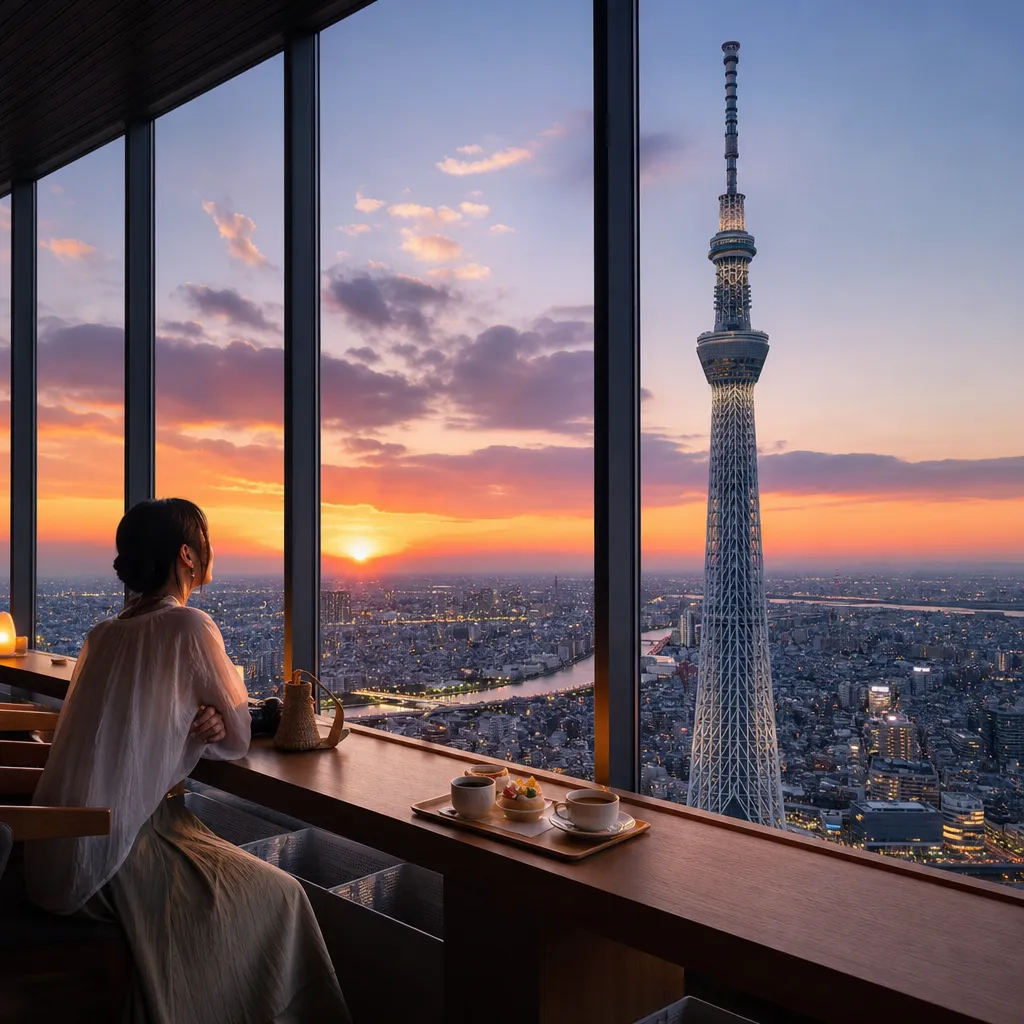
Tokyo Skytree
Tokyo Skytree, in the Sumida side of the city near Oshiage, offers a different experience from Shibuya Sky. Instead of being embedded in the center of the west-side commercial core, it gives a more expansive and elevated sense of the metropolis from the east. The attached shopping and dining complex makes it practical for families and mixed-interest groups.
It is easy to combine with Asakusa, especially if you want one traditional district and one modern landmark on the same day. On clear days the scale of the urban sprawl is the main attraction; at night, the appeal shifts toward lights and atmosphere.
Tokyo Metropolitan Government Building
In Shinjuku, this remains a useful budget-conscious viewpoint option. The building is in the western business district around Tochomae and Shinjuku, surrounded by high-rises and broad roads rather than old streets or shopping alleys. Its appeal is practicality: central location, strong skyline position, and easy combination with Shinjuku’s dining and nightlife.
Policies and access conditions can change, so confirm current visitor information before going. This works particularly well for travelers who want a city view without structuring the whole evening around a paid attraction.
Gardens and outdoor spaces that balance the city
Hamarikyu Gardens
Hamarikyu Gardens lies near Shiodome and Shimbashi, within reach of central business districts but with a very different atmosphere. Its contrast between landscaped grounds and surrounding towers is the reason to visit. Unlike a temple or museum, it gives you a sense of historical Tokyo land use within a heavily modernized setting.
This is a good area for a calmer afternoon, and it pairs particularly well with Ginza, Shimbashi, or a Sumida River cruise if that fits your route. Photographers will appreciate the juxtaposition of teahouse, water, pines, and skyline.
Shinjuku Gyoen
On the edge of Shinjuku and within reach of Sendagaya and Shinjuku-gyoemmae, Shinjuku Gyoen is one of the easiest green escapes for travelers staying in central west Tokyo. The grounds are broad enough to absorb crowds, and the mix of garden styles makes it feel more varied than a simple city park.
It is especially useful in cherry blossom season and autumn, but pleasant year-round. Families, solo travelers, and couples all tend to find it easy to enjoy. Bring patience during peak flower seasons, when many others will have the same idea.
Neighborhood attractions beyond the headline landmarks
Ameya-Yokocho
Near Ueno Station and Okachimachi, Ameya-Yokocho is a lively market street rather than a formal attraction, but it is one of the most useful places to understand everyday commercial Tokyo. Expect discount shops, food stalls, packed lanes, and a more kinetic atmosphere than polished retail districts.
It works best as a walk-through rather than a destination that needs a full day. If you want local energy, budget shopping, or casual snacking around Ueno, this is a strong stop. It can be crowded and noisy, so it is less suited to travelers looking for calm.
Kappabashi Dougu Street
Between Ueno and Asakusa, Kappabashi is especially worthwhile for anyone interested in cooking, ceramics, knives, tableware, or Japanese food culture. It is a specialist shopping street rather than a conventional sightseeing landmark, which is exactly why many visitors remember it so well.
Useful for food lovers, design-minded travelers, and people looking for practical souvenirs, the area is usually best visited in daytime. Shops vary in specialty and policy, so browse rather than assuming every store offers the same products.
Odaiba waterfront
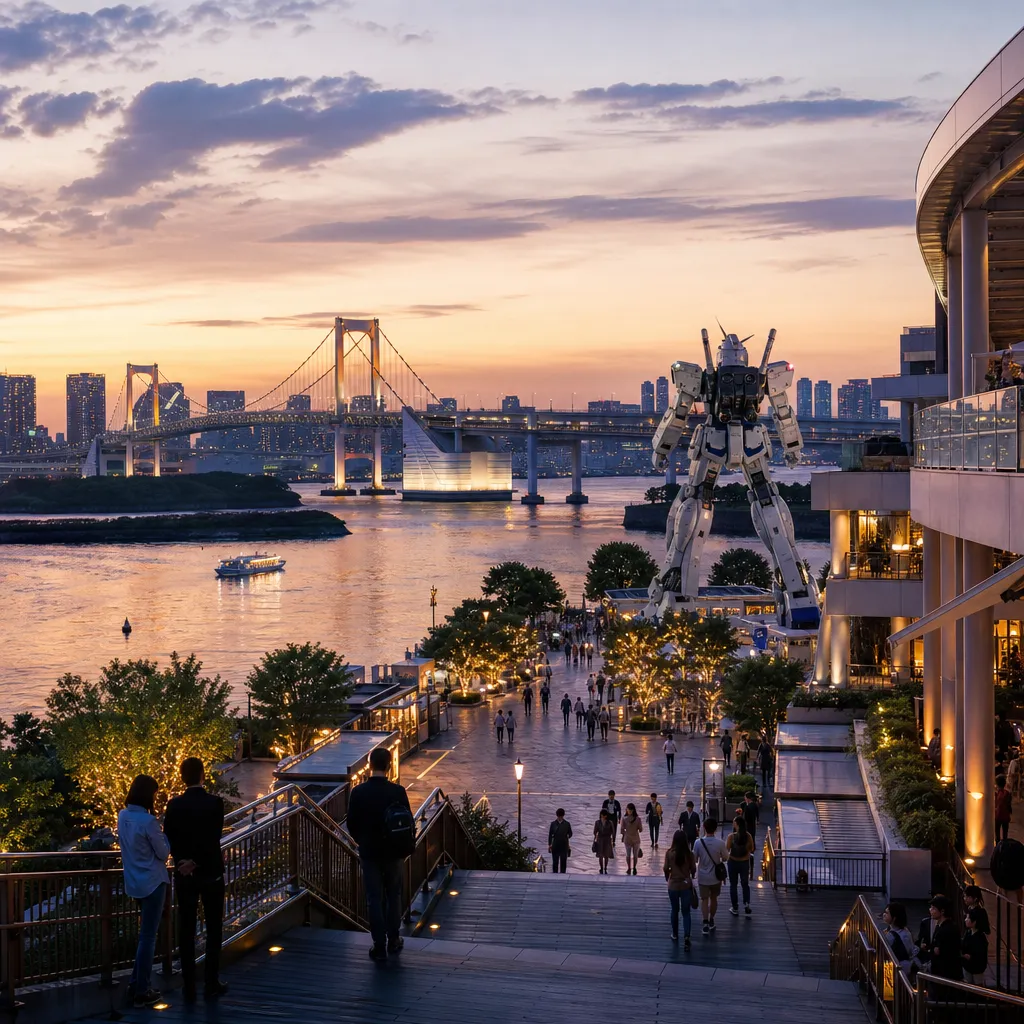
Odaiba, on Tokyo Bay, is a broad leisure district reached by Yurikamome or Rinkai Line. It is not the place to go for old Tokyo character, but it is very effective for open views, large-scale entertainment facilities, shopping complexes, and family-oriented outings.
This area makes most sense if you want a modern waterfront day, especially in combination with teamLab Planets in nearby Toyosu or a relaxed evening skyline view back toward the city. Distances between attractions can feel larger than in older neighborhoods, so plan with that in mind.
How to build a practical Tokyo attractions itinerary
The easiest mistake is planning one sight in the east, one in the far west, and one on the bay in the same half-day. Group visits geographically. A very workable east-side day could combine Senso-ji, Kappabashi, Ueno, and Yanaka. A west-side day could combine Meiji Jingu, Omotesando or Harajuku, Shibuya Sky, and dinner in Shibuya.
For museum-focused travelers, Ueno is the simplest cluster. For architecture and contemporary design, combine Tokyo International Forum, Marunouchi, Ginza, and Roppongi on separate segments rather than trying to cross the city repeatedly. For families or rainy weather, prioritize museums, teamLab Planets, and large mixed-use districts such as Odaiba.
Reserve timed-entry attractions when possible, especially observatories at popular sunset hours and immersive digital art venues. Keep shrine and temple visits quieter and earlier in the day if you want a more respectful atmosphere. And if one district feels compelling, stay longer there; Tokyo often rewards depth more than constant movement.
FAQ
What area of Tokyo is best for first-time attractions?
For a first trip, Asakusa, Ueno, Shibuya, Shinjuku, and Harajuku are the easiest areas to prioritize. They are well connected, visually distinct, and each offers a different side of the city.
Do I need reservations for Tokyo attractions?
For major museums, walk-in entry is often possible, but timed-entry attractions such as teamLab Planets or busy observatories are safer to book in advance. Special exhibitions may also have different entry rules.
Which attractions are best in bad weather?
Tokyo National Museum, the National Museum of Nature and Science, teamLab Planets, Mori Art Museum, and Tokyo International Forum are all strong wet-weather choices.
What is the best time of day for observation decks?
Late afternoon into evening is usually the most rewarding because you may see the city in daylight and after dark. These slots are also the most popular, so plan ahead.
Are these attractions suitable for families with children?
Yes, especially Ueno’s museums, Tokyo Skytree, Odaiba, and teamLab Planets. Shrines, temples, and gardens are also family-friendly if children are comfortable with walking and quieter settings.
Can I visit major attractions without speaking Japanese?
Yes. Major museums, observation decks, and large shrine or temple areas generally provide enough signage for international visitors. Transport access is also manageable with station signs in English.
Is photography allowed at Tokyo attractions?
Outdoor areas and viewpoints are generally photographer-friendly, but rules vary indoors. Museums, shrines, temples, and immersive art venues may restrict photography in certain rooms or buildings, so always check posted guidance.
What should I check before visiting?
Check current opening information, ticketing or timed-entry policies, temporary closures, seasonal crowd conditions, and any restrictions on luggage or photography. This matters most for museum exhibitions, observatories, and digital art venues.
Sources
- GO TOKYO (Tokyo Convention & Visitors Bureau)
- Japan National Tourism Organization
- Official websites of Tokyo National Museum, Meiji Jingu, Senso-ji, Shibuya Sky, and teamLab Planets