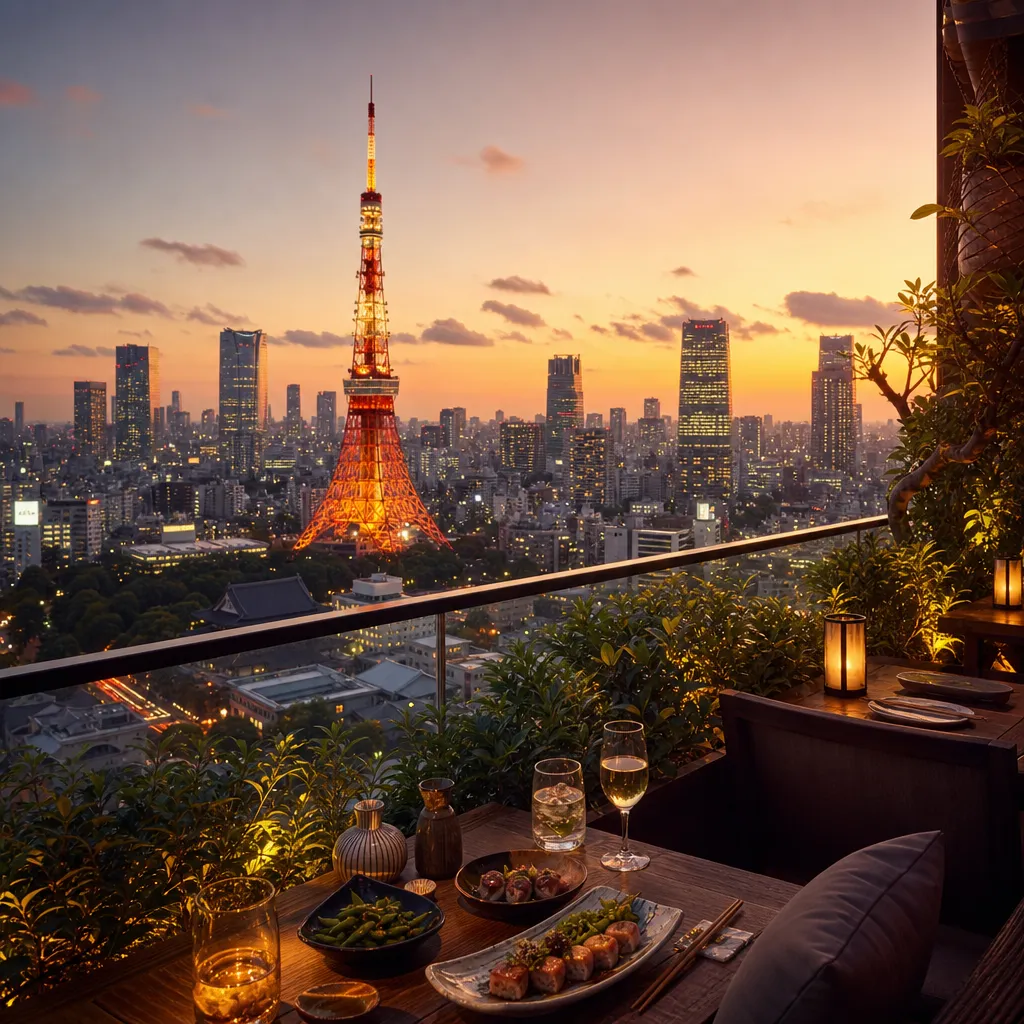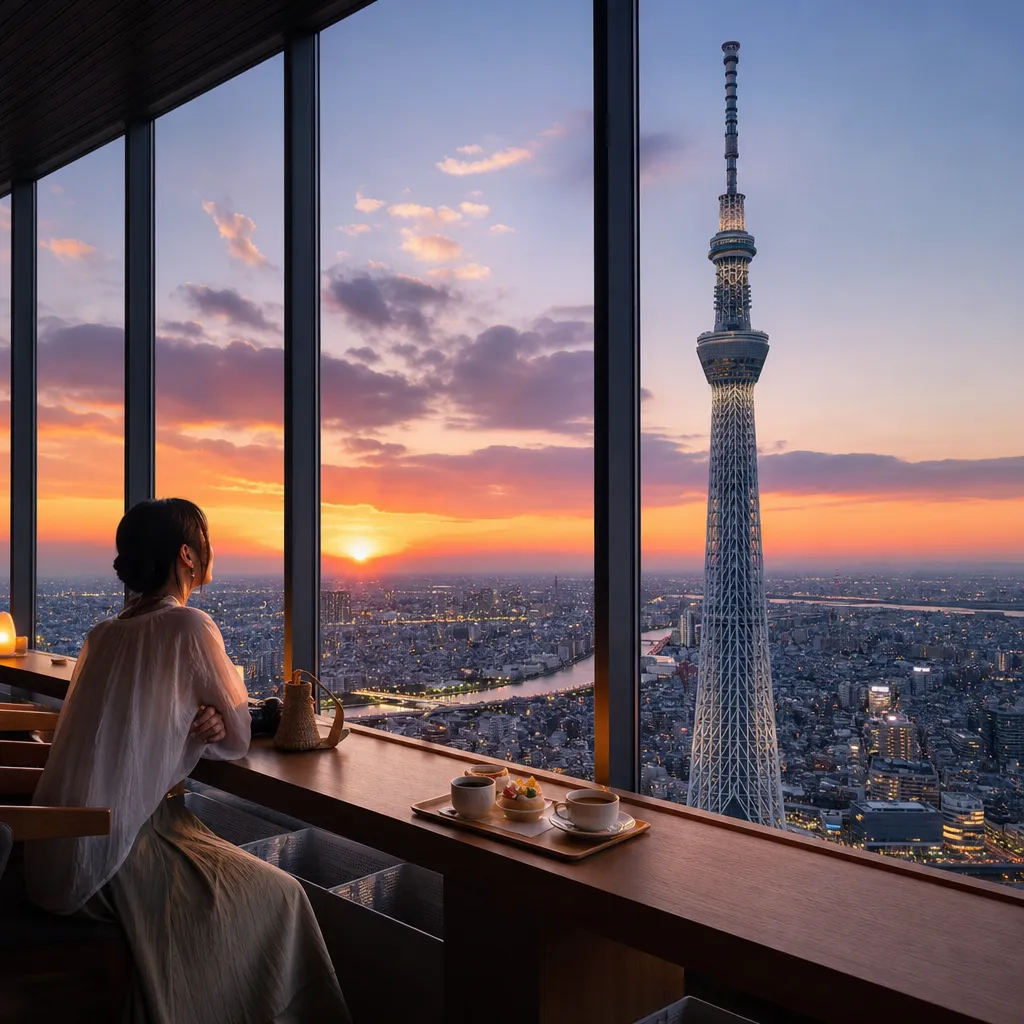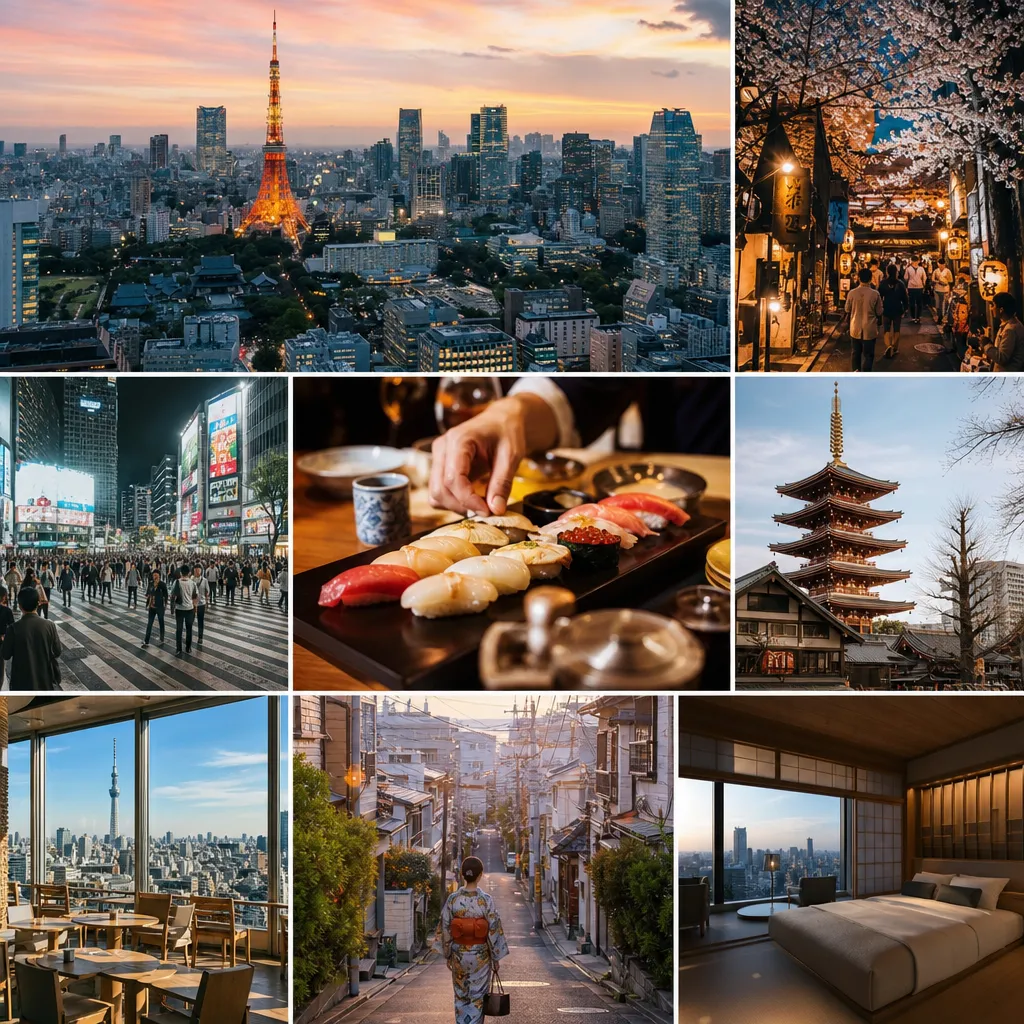
Planning a Tokyo itinerary is less about trying to cover the whole city and more about grouping neighborhoods sensibly. Distances can look small on a map, but Tokyo rewards slower, area-based days built around a few strong anchors: a market or temple in the morning, a museum or shopping district in the afternoon, and food or nightlife nearby in the evening. The outline below is designed for first-time visitors who want a practical route through major districts without zigzagging unnecessarily. It mixes classic sights with places that are easy to fit into real travel days using trains and the subway.
This version assumes roughly five full sightseeing days in the city, which is enough to understand Tokyo’s contrasts without turning the trip into a station-hopping exercise. It focuses on central and easily reached areas such as Asakusa, Ueno, Ginza, Shibuya, Shinjuku, Harajuku, and the bay area. You can shorten it to three days by combining sections or stretch it further by adding side trips. Opening hours, ticketing systems, and reservation rules do change, so check official information before heading out.
| Day | Main Areas | Best For | Typical Pace | Evening Option |
|---|---|---|---|---|
| 1 | Asakusa, Ueno | Traditional atmosphere, markets, museums, park space | Moderate walking | Ameyoko food and casual drinking |
| 2 | Ginza, Marunouchi, Tokyo Station area | Department stores, architecture, polished dining | Easy and compact | Cocktails or dinner in Ginza |
| 3 | Harajuku, Omotesando, Shibuya | Street culture, fashion, modern city views | Busy and full-day | Shibuya nightlife or late dinner |
| 4 | Shinjuku | Skyline views, gardens, department stores, bars | Flexible | Omoide Yokocho or Golden Gai area |
| 5 | Toyosu, Odaiba, teamLab area | Contemporary attractions, waterfront, family-friendly stops | Half or full day | Bay views or return to central Tokyo |
How to structure a sensible Tokyo trip
The easiest mistake is trying to visit one attraction in the east, lunch in the west, and dinner back in the center. Instead, treat the city as a set of clusters linked by rail. Asakusa and Ueno work well together; Harajuku, Omotesando, and Shibuya also combine naturally; Ginza and Marunouchi fit comfortably into the same day.
If you are arriving after a long flight, consider making your first day relatively light. Areas such as Asakusa or Ginza are easier to absorb than starting with major interchanges like Shinjuku Station. For travelers who like evenings out, save energy for districts where nightlife is part of the experience rather than trying to force it every night.
IC cards and rail apps make movement straightforward, but the station complexes can be huge. When choosing hotels, staying near a useful Yamanote Line or major subway connection is often more practical than chasing a specific “famous” district.
Day 1: Asakusa and Ueno for Tokyo’s historic and cultural side
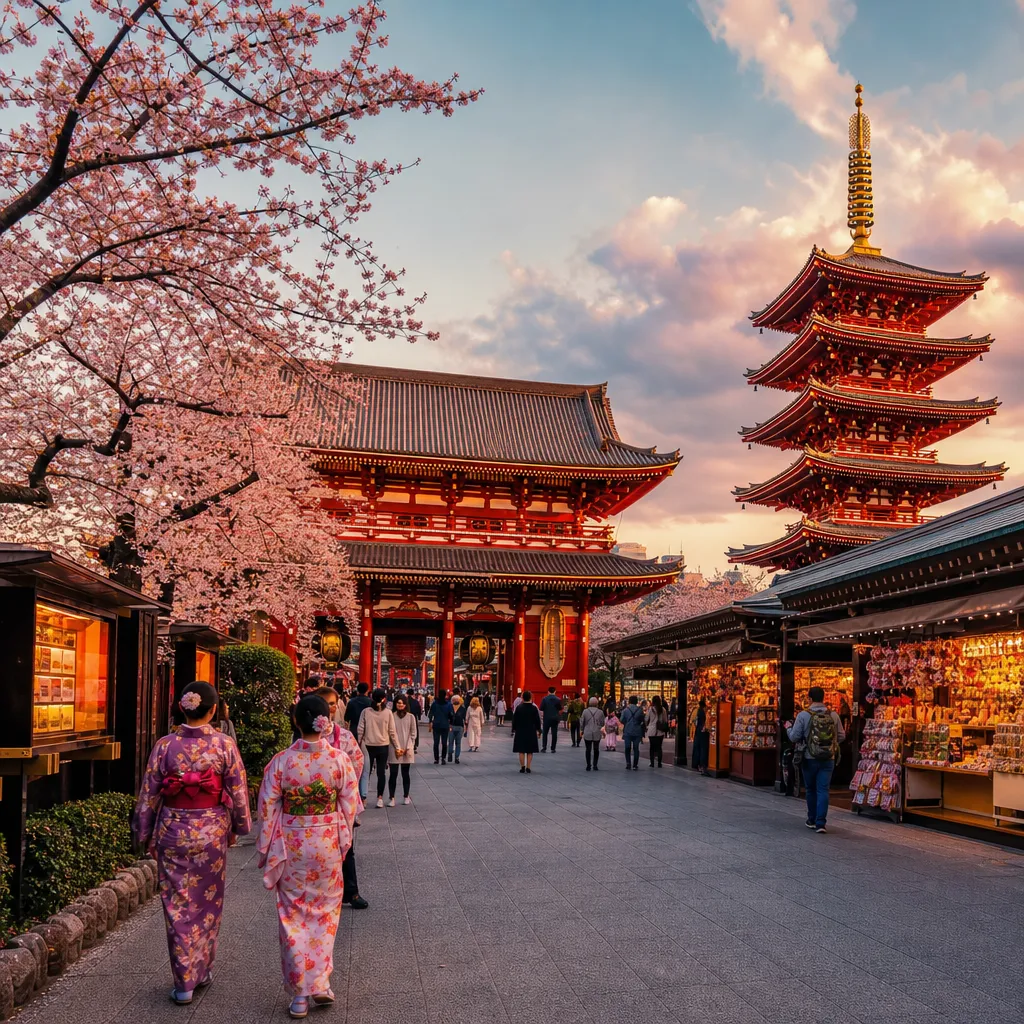
Start in Asakusa, in Taito City on the eastern side of central Tokyo. The area around Senso-ji is one of the clearest introductions to older Tokyo streetscape, with Kaminarimon, Nakamise shopping street, and the temple grounds forming a compact area that works well in the morning before it gets busier. This is a good place for travelers interested in traditional snacks, souvenir browsing, and photography, but it is also an active religious site, so keep voices down near worship areas and avoid blocking pathways for photos.
From there, consider walking the wider Asakusa district rather than rushing away immediately. The side streets around the temple often feel calmer than the main approach. If you want a river view, the Sumida River side of the neighborhood adds a different perspective and can pair well with a relaxed lunch.
In the afternoon, move to Ueno, also in Taito City and easily connected by rail. Ueno Park is one of the best museum clusters in Tokyo, especially if you want flexibility. The Tokyo National Museum is the strongest choice for Japanese art and history, while the National Museum of Nature and Science suits families and travelers who want something less formal. You can choose just one museum and still have time for the park itself.
Later, head toward Ameyoko, the market street area near Ueno Station and Okachimachi. It is less polished than Ginza or Omotesando and better for casual, energetic evening eating. This suits visitors who want approachable izakaya-style dining or a compact first-night atmosphere without committing to a late-night bar district.
Day 2: Ginza and Marunouchi for shopping, architecture, and easy dining
Ginza, in Chuo City, is central, orderly, and easy to navigate compared with some larger entertainment districts. It is known for department stores, flagship retail, basement food halls, and a more refined commercial atmosphere. Even if shopping is not your main purpose, it is a good district for browsing Japanese stationery, confectionery, kitchenware, and department store depachika food culture.
Visitors interested in architecture should look beyond the brand names. Modern storefronts, large intersections, and curated indoor retail spaces make the area especially comfortable in poor weather. Ginza is also a practical place for sushi, kissaten-style coffee breaks, and polished lunch sets, though top counters often require advance booking.
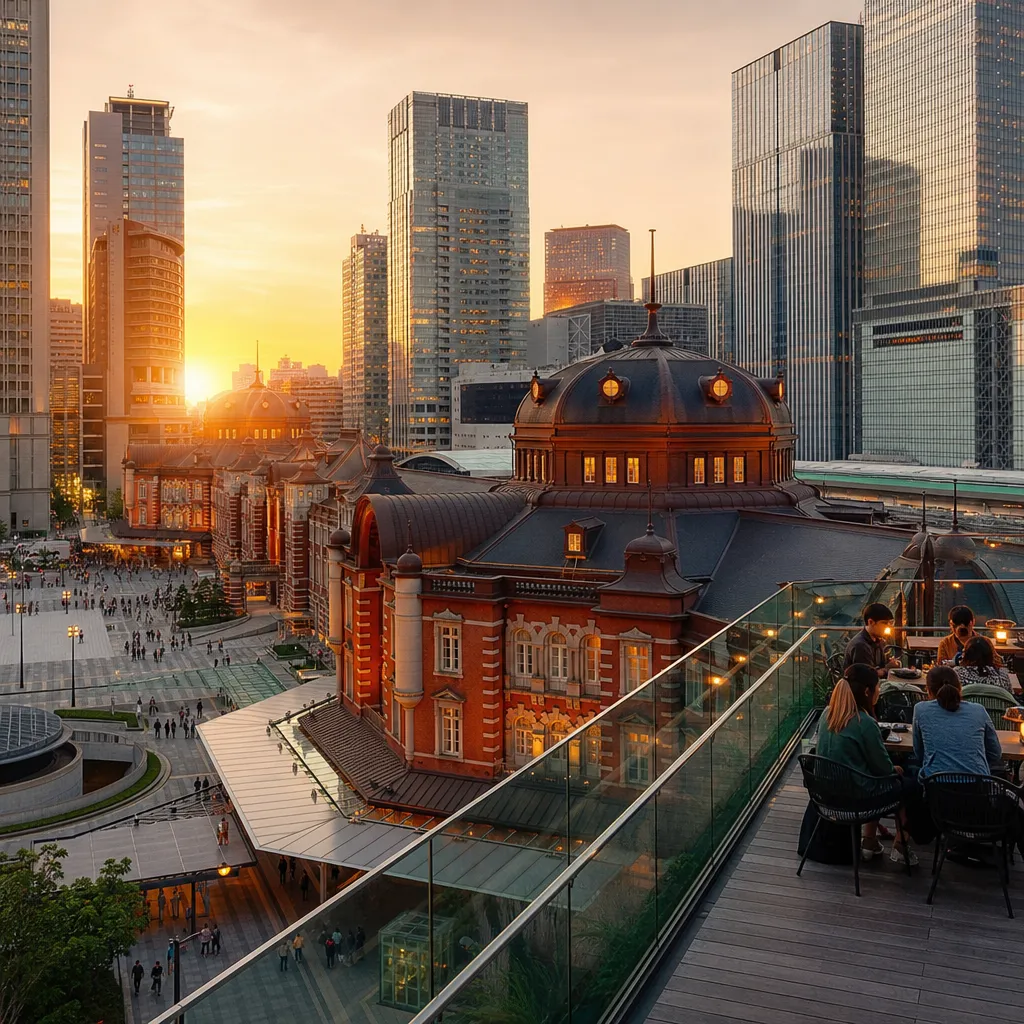
From Ginza, continue toward Marunouchi and the Tokyo Station area in Chiyoda City. This area gives you a different face of central Tokyo: red-brick station architecture, office towers, broad streets, and a more business-oriented atmosphere. The restored Tokyo Station Marunouchi building is worth seeing even if you are not taking a train.
If you enjoy bookstores and design-oriented shopping, the Marunouchi side is easy to browse at a slow pace. This day works especially well for travelers who prefer comfort, department stores, indoor access, and a lower-energy sightseeing day after temple and museum walking.
Day 3: Harajuku, Omotesando, and Shibuya for fashion, streetscape, and city energy
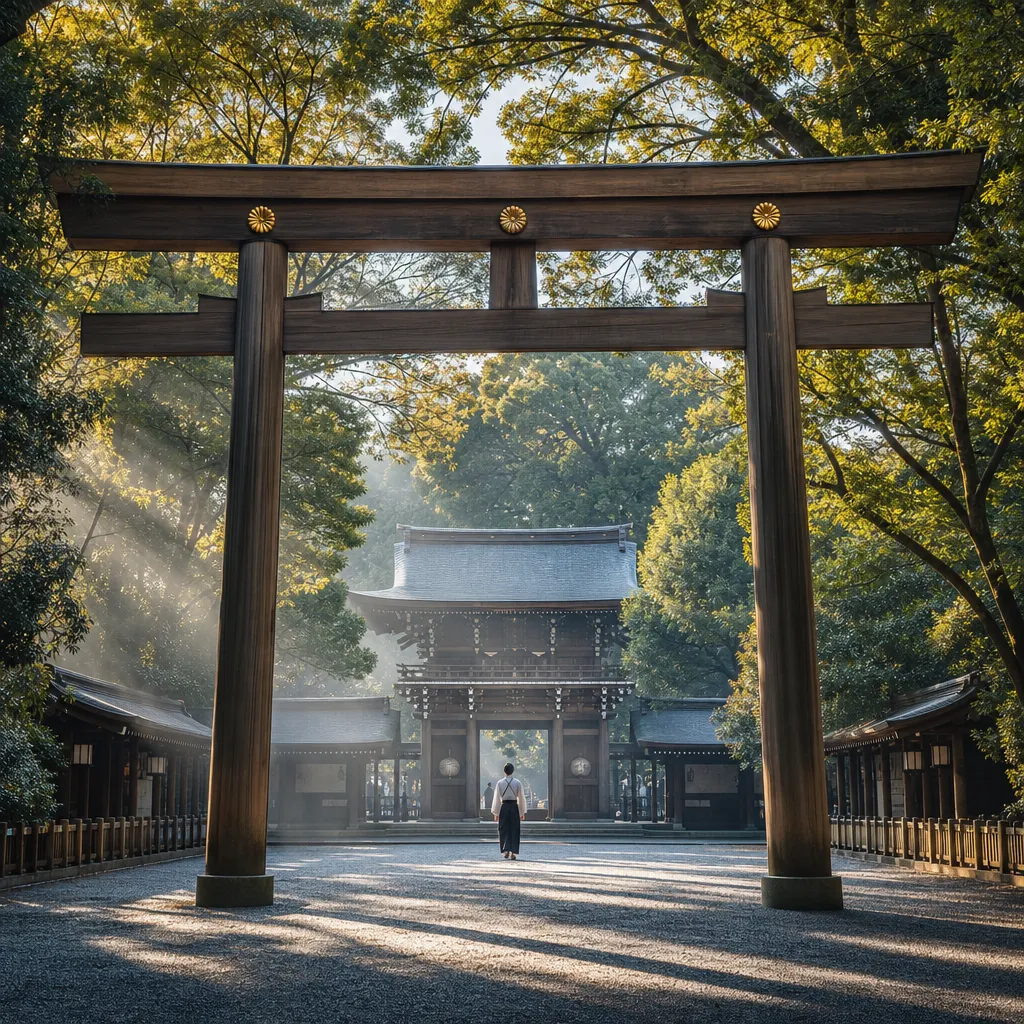
Start at Meiji Jingu, near Harajuku Station and Yoyogi Park in Shibuya Ward. Although it sits beside some of the city’s busiest youth and shopping zones, the shrine approach is spacious and wooded. This makes it one of the best contrasts in Tokyo: a major Shinto shrine that still feels separated from the surrounding commercial pressure. Dress and behavior do not need to be formal, but this is a place to move respectfully and avoid intrusive photography during ceremonies.
After that, explore Harajuku according to your interests. Takeshita Street is the high-energy, youth-oriented side, often crowded and best approached with patience rather than expecting a peaceful stroll. A short distance away, the backstreets and the transition toward Omotesando feel more design-focused and visually cleaner.
Omotesando is one of Tokyo’s strongest architecture-and-shopping corridors, with major fashion buildings, wider pavements, and a more adult atmosphere than central Harajuku. This section of the day is ideal for travelers interested in storefront design, coffee breaks, and slow urban walking rather than ticking off attractions.
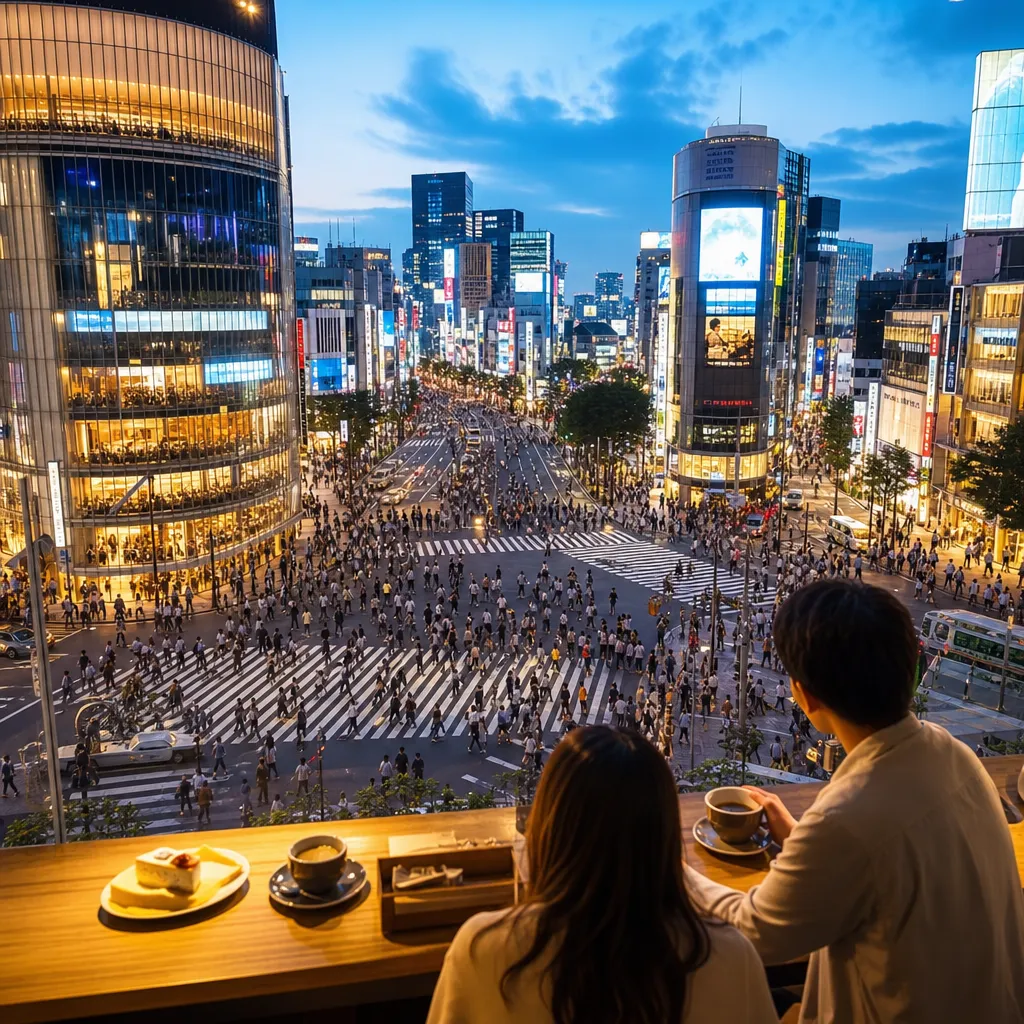
End in Shibuya, one of the city’s key transport and entertainment centers. Around Shibuya Station, you can combine the famous crossing area with department stores, food floors, and elevated viewpoints in large commercial complexes. Evening is the best time if you want neon, crowds, and the full effect of the district, while daytime is easier for shopping and orientation. Restaurant choice is vast, but popular places can involve queues, so flexibility is useful.
Day 4: Shinjuku for viewpoints, gardens, and nightlife options
Shinjuku, in western central Tokyo, is one of the densest and most varied districts to give a full day. It works well because you can choose between parks, shopping, observation decks, and nightlife without leaving the area. Start with Shinjuku Gyoen, a large garden that feels calmer than the station surroundings and is especially rewarding in spring and autumn. It suits couples, solo travelers, and photographers who want a reset from commercial Tokyo.
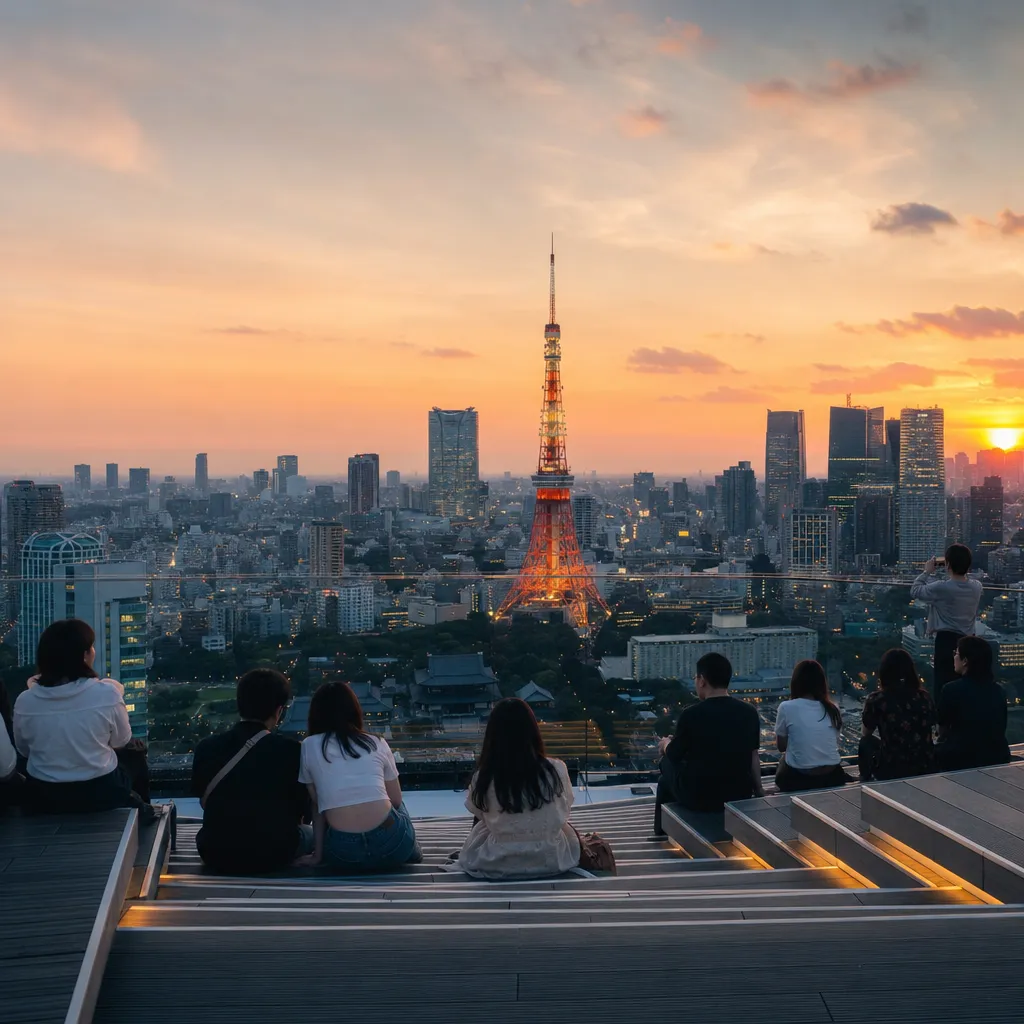
Later, return toward the station zone for department stores and underground food halls. For broad city views, the Tokyo Metropolitan Government Building in Nishi-Shinjuku is a practical option and gives a strong sense of the surrounding skyscraper district. Visibility depends on weather, so treat views as a bonus rather than a guarantee.
In the evening, choose your mood carefully. Omoide Yokocho near Shinjuku Station is compact and atmospheric for yakitori and small bars, but space is tight and some places suit solo diners or pairs better than larger groups. Golden Gai, in Kabukicho, is better approached as a bar-hopping area than a single destination; individual bars vary in cover charges, rules, and atmosphere. It is interesting for nightlife-minded travelers, but not essential for families or anyone who dislikes cramped spaces and smoking environments.
Day 5: Toyosu, Odaiba, and the bay area for contemporary Tokyo
For a different side of the city, head to the waterfront. Toyosu, in Koto City, is associated with the wholesale market area and newer development. Travelers mainly come for market-related food experiences or nearby attractions such as teamLab Planets, which is one of the city’s most internationally popular immersive art experiences. Because timed entry and demand can matter, booking ahead is often wise when available.
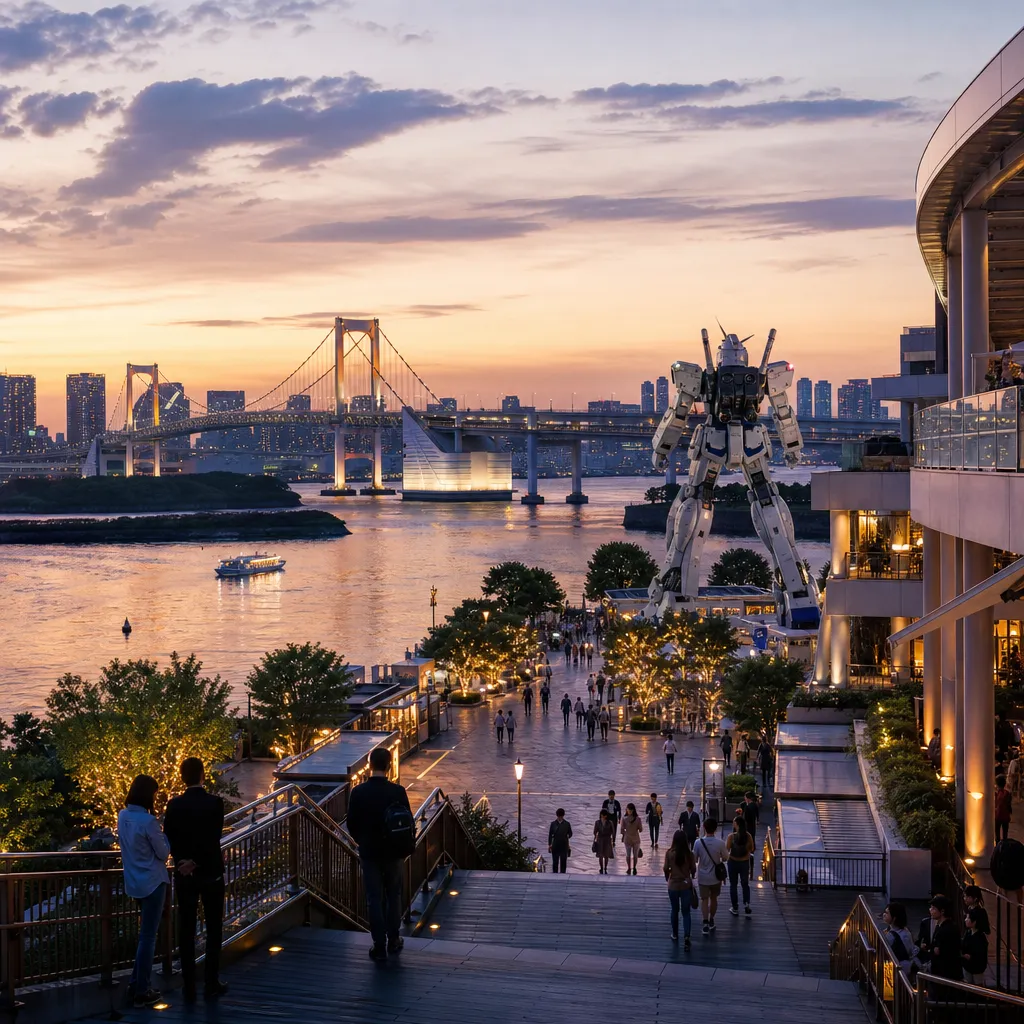
From there, continue to Odaiba, the bay district built on reclaimed land. It feels more spacious and modern than older central neighborhoods and is especially practical for families, rainy-day planning, shopping complexes, and casual waterfront walking. You are not coming here for traditional Tokyo streets; you are coming for large-scale contemporary leisure spaces and views back toward the city.
This day is also useful near the end of a trip because it is physically less intense if paced well. If you are traveling with children, mixed-age groups, or anyone who prefers elevators, indoor attractions, and broad pedestrian areas, the bay side often works better than another dense station district.
Where to stay based on this itinerary
If convenience is your priority, staying near Tokyo Station, Ginza, Shinagawa, Ueno, Shibuya, or Shinjuku makes the itinerary straightforward. Tokyo Station and Ginza are especially strong for visitors who want polished surroundings and easy airport or shinkansen access. Ueno is often practical for museum access and rail convenience without the same intensity as Shinjuku.
Shibuya and Shinjuku suit travelers who want nightlife, late dining, and a more visibly urban atmosphere. Families sometimes prefer areas that feel calmer at night, such as parts of Ueno, Asakusa, or the Tokyo Station side, though hotel quality and exact surroundings matter more than district reputation alone.
If you want a more traditional-feeling stay, look carefully at smaller ryokan-style properties in areas such as Asakusa rather than assuming the whole city has many classic inn options. Tokyo does have some, but they are not distributed evenly across major sightseeing districts.
Practical transport and timing advice
Try to start temple, shrine, garden, and market-focused mornings early, and leave major shopping districts for later in the day. This pattern helps with crowd management and also matches the way neighborhoods feel. Asakusa is more pleasant before peak congestion; Shibuya becomes more atmospheric after dark; department stores in Ginza or Shinjuku are easy afternoon stops.
Keep one copy of your itinerary flexible. If weather turns bad, swap outdoor-heavy sections for museum or shopping days. Ueno, Ginza, Marunouchi, and much of Shinjuku are easier to adapt in rain than shrine-and-park-heavy days.
For food, do not overbook every meal. Reserve only the places that truly require it, especially for high-end sushi, kaiseki, or destination restaurants. On most days, it is better to choose one planned meal and leave the rest to what works in the neighborhood you are already in.
What to cut if you only have three days
If time is short, keep Asakusa + Ueno, Harajuku + Shibuya, and Shinjuku. These three days give you a strong balance of historic atmosphere, museum options, shrine space, street culture, large-scale urban energy, shopping, and nightlife.
If your interests are more food and shopping than museums, replace the Ueno museum component with more time in Ginza or Tokyo Station. If you are traveling with children, keep the bay-area day and shorten nightlife-focused time in Shinjuku.
The most efficient Tokyo itineraries are not the ones with the highest number of stops. They are the ones where each day has a clear geographic center and a realistic energy level.
What area of Tokyo is best for a first-time visitor to stay in?
Tokyo Station, Ginza, Ueno, Shibuya, and Shinjuku are the most practical bases for this itinerary because they connect well to multiple lines and make day-to-day planning easier.
Do I need restaurant reservations for this itinerary?
Not for most casual meals. Reservations are more relevant for high-end sushi, popular tasting menus, or specific destination restaurants, especially in Ginza, Shibuya, and Shinjuku.
Is five days enough for Tokyo?
Five days is enough for a strong first visit if you group neighborhoods sensibly. You will not see everything, but you can cover the city’s main contrasts without rushing.
Can this itinerary work for families with children?
Yes. Asakusa, Ueno Park, Shinjuku Gyoen, and the Odaiba area are usually easy to adapt for families. Late-night bar areas such as Golden Gai are less suitable.
What is the best time of day for Shibuya and Shinjuku?
Late afternoon into evening is best if you want city lights, busy streets, and the full urban atmosphere. Morning is calmer and better for practical shopping.
How should I handle shrine and temple etiquette?
Speak quietly, avoid blocking worship spaces with photos, and remember that shrines and temples are religious places, not only sightseeing spots. Watch what local visitors are doing if you are unsure.
Should I book museums and attractions in advance?
For major attractions with timed entry, especially immersive art venues, advance booking is often sensible. For museums, check official websites for current exhibitions, closures, and ticketing rules.
What should I check before visiting?
Confirm current opening days, ticketing systems, and any reservation requirements for attractions, restaurants, and observation facilities. Seasonal events and temporary closures can affect even well-known places.
Sources
- GO TOKYO (Tokyo Convention & Visitors Bureau)
- Japan National Tourism Organization
- Tokyo Metropolitan Government