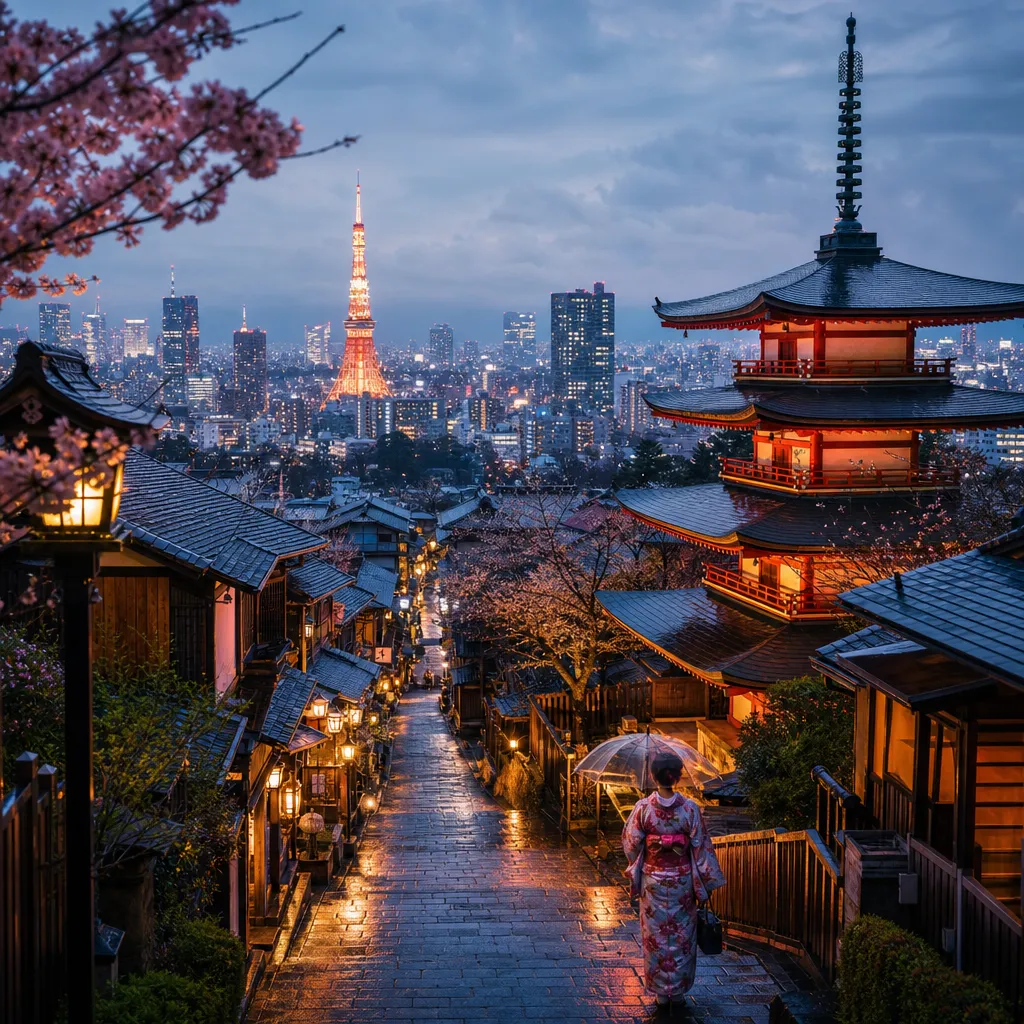
Weather shapes a Tokyo trip more than many first-time visitors expect. The city is large, dense, and easy to explore year-round, but heat, rain, humidity, typhoon season, and winter dryness can all change what feels comfortable on the ground. Knowing when to plan parks, viewpoints, shopping streets, museums, or evening neighborhoods will help you use your time better. This guide explains what Tokyo weather is usually like by season, where the city feels different in practice, and how to adjust your itinerary without overcomplicating it.
Tokyo has a humid subtropical climate, with four distinct seasons but wide variation inside each one. Summers are hot and sticky, winters are generally cold but not severe, spring and autumn are often the easiest seasons for walking, and June plus early autumn can bring persistent rain. Conditions also feel different between the exposed waterfront around Odaiba or Toyosu, the high-rise core in areas like Shinjuku, and greener western districts such as Kichijoji.
For trip planning, the main question is not just temperature. It is whether you want clear skies for views, milder air for long walks, indoor backup for rain, or evenings that still feel comfortable after dark. Tokyo’s transport system makes weather adjustments easy, but the best neighborhoods and activities still depend on the season.
What Tokyo weather is usually like through the year
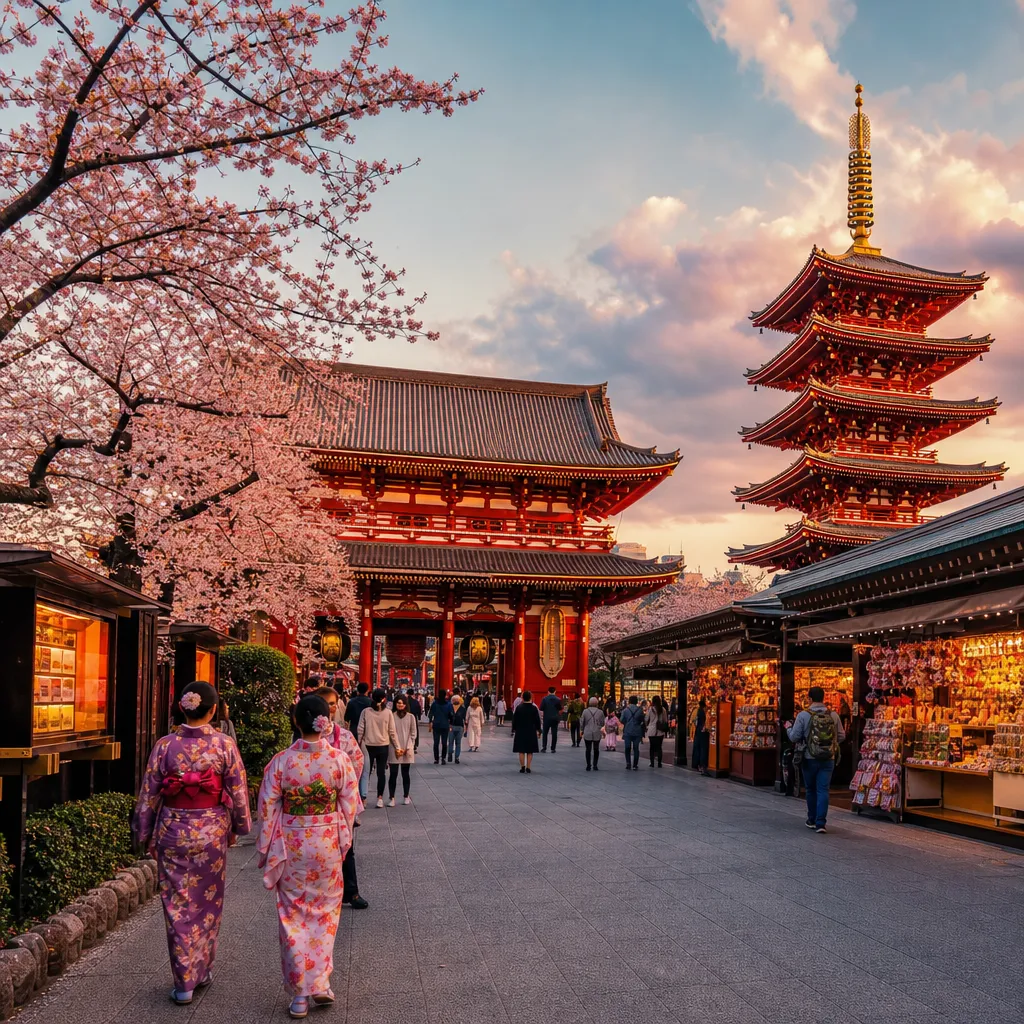
Spring usually runs from mild to pleasantly warm, with March often still cool and April to May becoming easier for walking. This is one of the best times for parks, shrine and temple areas, neighborhood strolls, and river walks. Cherry blossom season draws big crowds, especially in places such as Ueno Park, Sumida Park, Chidorigafuchi near the Imperial Palace area, and along the Meguro River in Nakameguro.
Early summer brings the rainy season, usually centered around June into early July. Rain does not mean nonstop downpours every day, but skies can stay gray and humidity rises sharply. This is a better period for museums, department stores, covered shopping streets, observation decks, and food-focused days.
Mid to late summer is hot, humid, and often physically draining for visitors who plan to walk all day. July and August can feel especially intense around major urban stations such as Shinjuku, Shibuya, and Ikebukuro because of reflected heat from pavement and buildings. Summer festivals, beer gardens, evening views, and aquarium or museum visits work better than all-day temple-hopping.
Autumn is often the most comfortable all-round season. September can still be hot and is part of typhoon season, but October and November are usually good for outdoor neighborhoods, gardens, architecture walks, and photography. Autumn foliage can be excellent in larger gardens and western Tokyo parks.
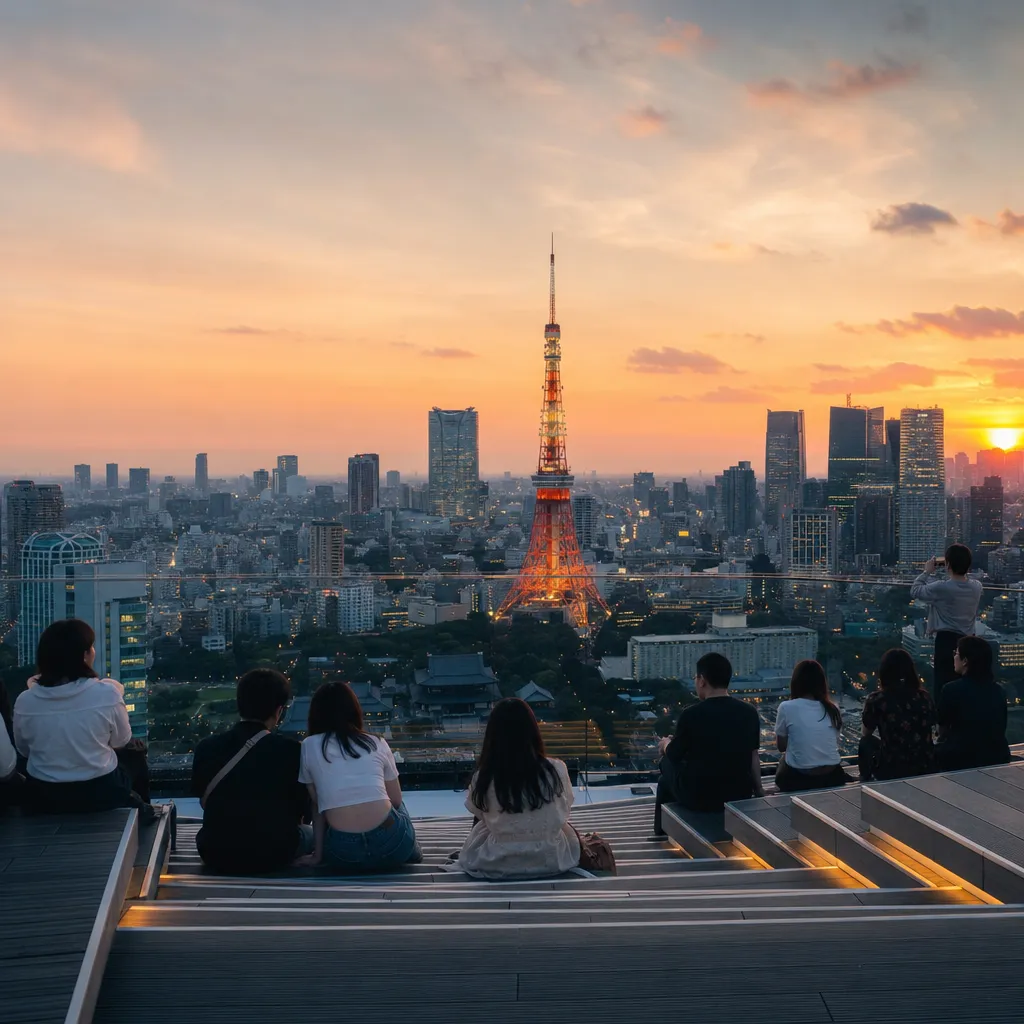
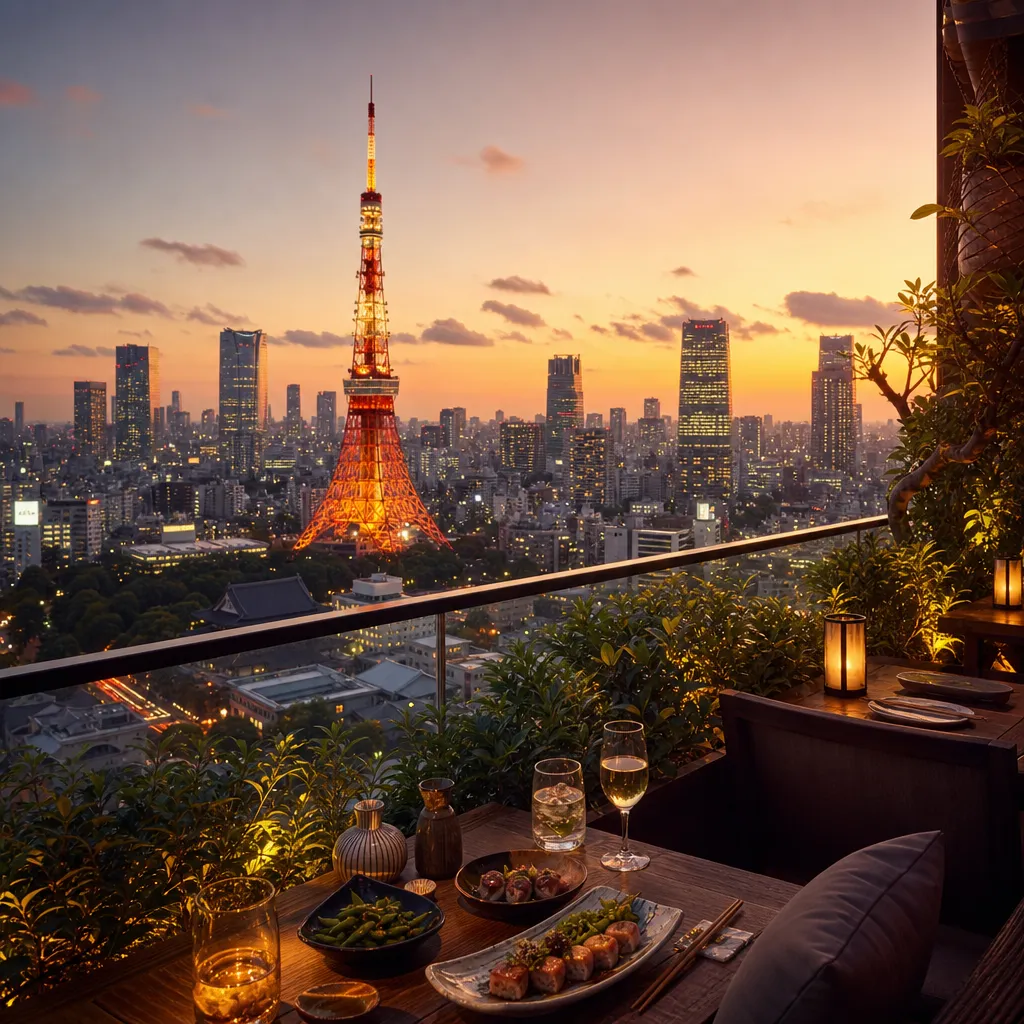
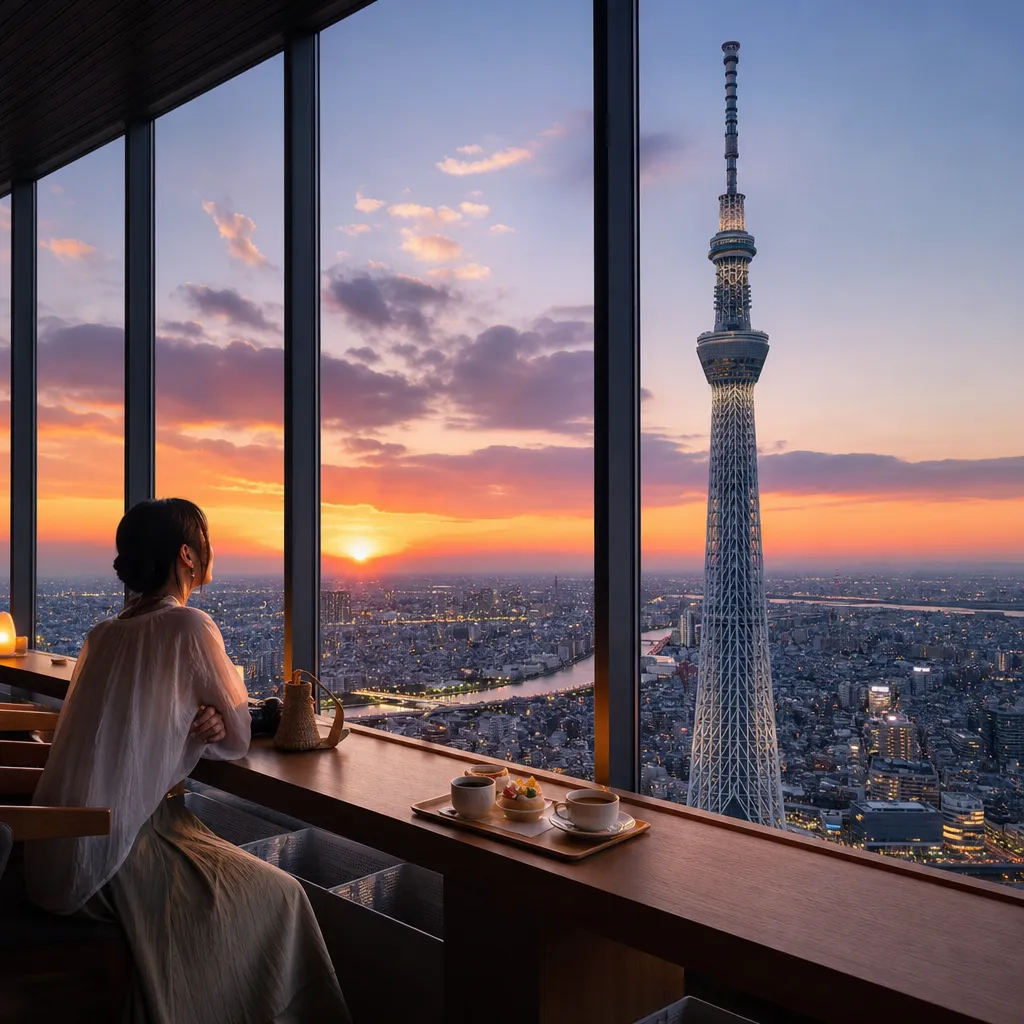
Winter is comparatively dry and often sunny. It is cold, especially in the morning and at night, but snow is uncommon. This can actually be a very practical season for clear city views from places like Tokyo City View in Roppongi or high observatories in Shinjuku, provided the day is crisp and visibility is good.
Tokyo weather by season: what to do and where it works best
| Season | Typical Conditions | Best Areas | Good Activities | Main Watch-Out |
|---|---|---|---|---|
| Spring | Mild to warm, changeable, often pleasant | Ueno, Asakusa, Nakameguro, Kichijoji | Parks, riverside walks, shrines, outdoor photography | Cherry blossom crowds |
| Rainy season | Humid, frequent rain, overcast periods | Ginza, Ueno, Roppongi, Marunouchi | Museums, galleries, department stores, indoor dining | Wet shoes, humidity, reduced skyline views |
| Summer | Very hot, humid, strong sun | Odaiba, Toyosu, indoor hubs like Shibuya and Shinjuku | Evening outings, malls, aquariums, observation decks | Heat exhaustion risk |
| Autumn | Warm then cooler, often comfortable | Yanaka, Rikugien area, Meiji Jingu outer areas, Kichijoji | Walking neighborhoods, gardens, architecture, day trips | September storms and late heat |
| Winter | Cool to cold, dry, often sunny | Shinjuku, Roppongi, Marunouchi, Asakusa | Views, low-haze photography, museums, illuminations | Cold mornings and evenings |
Where weather feels different inside the city
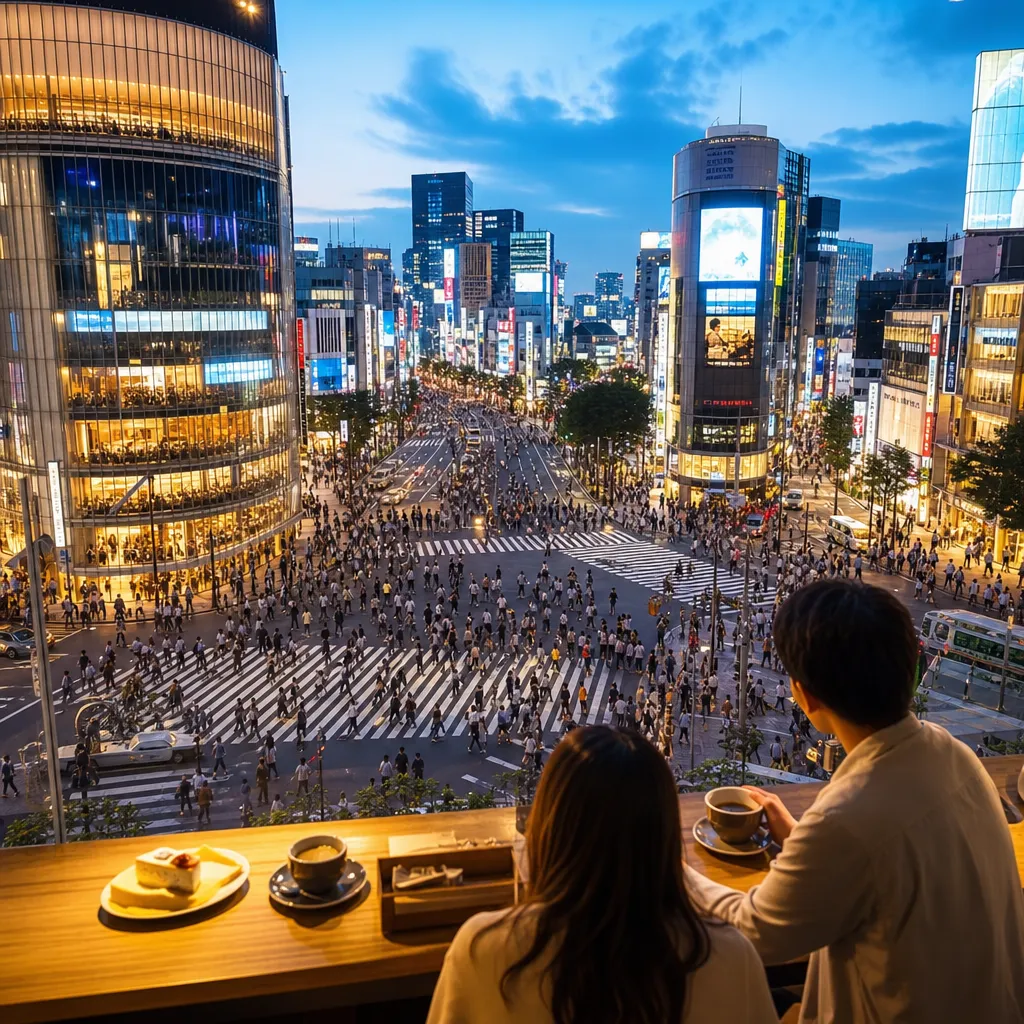
Central high-density districts such as Shinjuku, Shibuya, Ginza, and Ikebukuro often feel hotter in summer than forecasts suggest. Tall buildings, dark surfaces, traffic, and crowds trap warmth. These areas are still practical in bad weather because they have excellent station access, underground passages in some zones, and many indoor backup options.
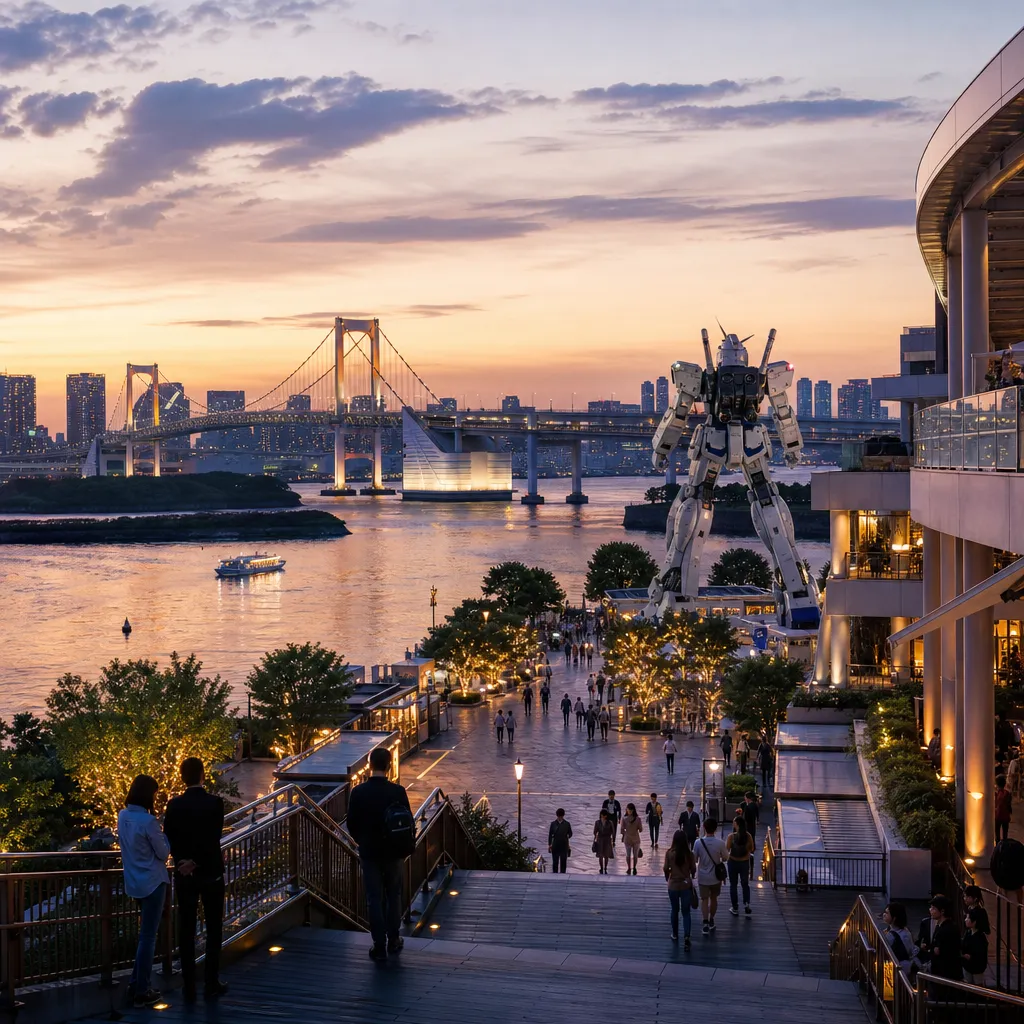
Waterfront districts such as Odaiba, Toyosu, and parts of Shinagawa Bay can feel breezier. In summer that can make evenings more comfortable, while in winter those same winds can make the waterfront feel colder than inland neighborhoods. These areas are useful if you want wider skies, bay views, larger malls, and modern indoor complexes.
Older low-rise areas such as Yanaka, Nezu, and parts of Asakusa can be pleasant in clear spring or autumn weather because they reward slow walking. They are less ideal in peak summer afternoons, when shade may be limited and old streets can feel exposed.
Greener western areas such as Kichijoji and the surroundings of Inokashira Park often feel more comfortable for daytime strolling than the commercial core. They are good choices in spring and autumn, and a reasonable summer option if you start early and plan indoor breaks.
Best neighborhoods and attractions for rainy days
If forecast uncertainty is high, base at least one day around districts with strong indoor options. Ueno, in Taito Ward, is one of the smartest rainy-day areas because Ueno Station connects directly to a cluster of major museums. The Tokyo National Museum, the National Museum of Nature and Science, and the National Museum of Western Art are all within the wider park area. You can spend most of a day indoors with short outdoor transfers.
Roppongi, in Minato Ward, is another practical choice. The Mori Art Museum and Tokyo City View at Roppongi Hills work well together if visibility is poor but you still want a possible skyline break between showers. The area is modern, vertical, and easy to combine with cafés or dinner.
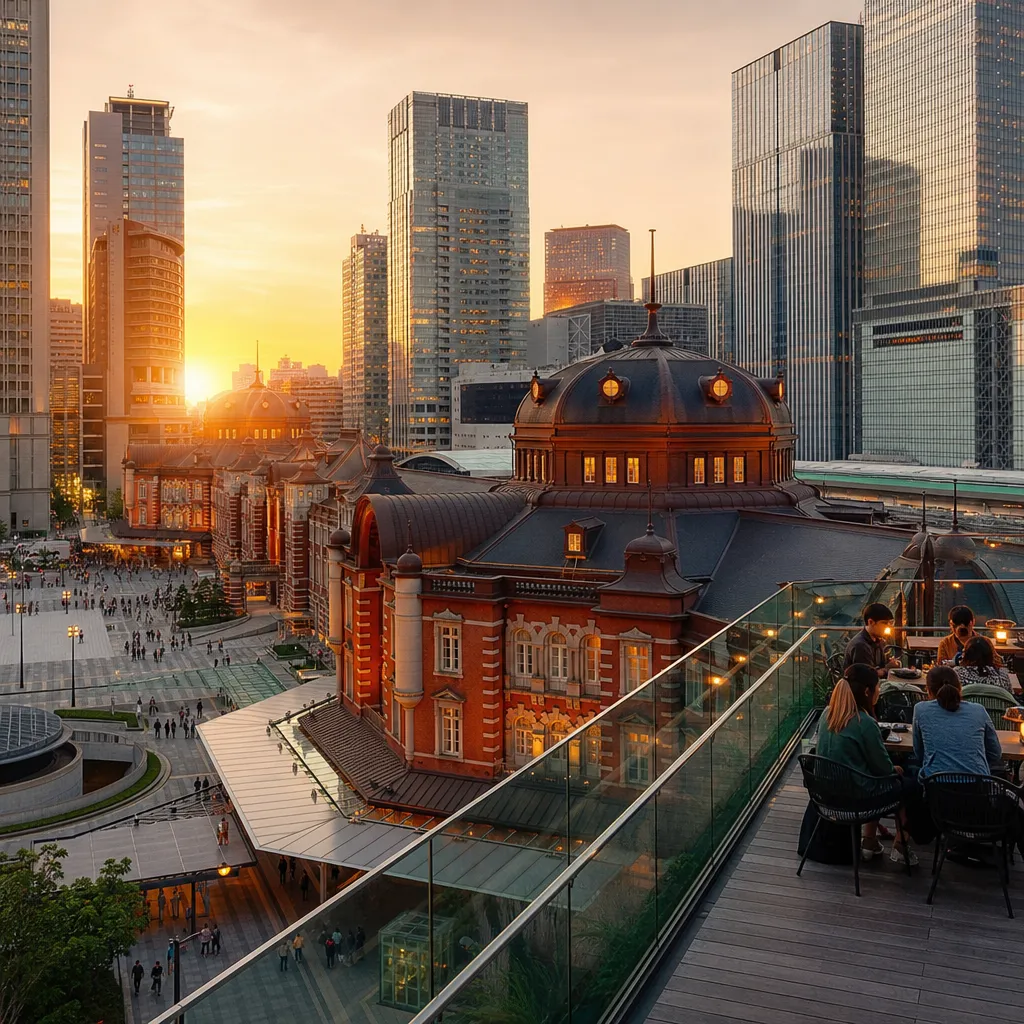
Ginza and Marunouchi suit travelers who prefer shopping, food, and galleries over museums. Department stores and underground connections make these central districts efficient in bad weather. Marunouchi, near Tokyo Station, is especially useful if you are also taking a shinkansen or arriving from another region.
For families, Odaiba and the wider bay area can work well because large indoor complexes cluster together. Just remember that the open promenade areas are exposed to wind and rain, so plan the trip around indoor attractions rather than waterfront walking if the weather is unsettled.
How to handle Tokyo’s summer heat
Summer is often when visitors underestimate the city. A schedule that looks easy on the map can become tiring by midday. The most practical strategy is to start early, slow down in the afternoon, and shift major outdoor time to evening.
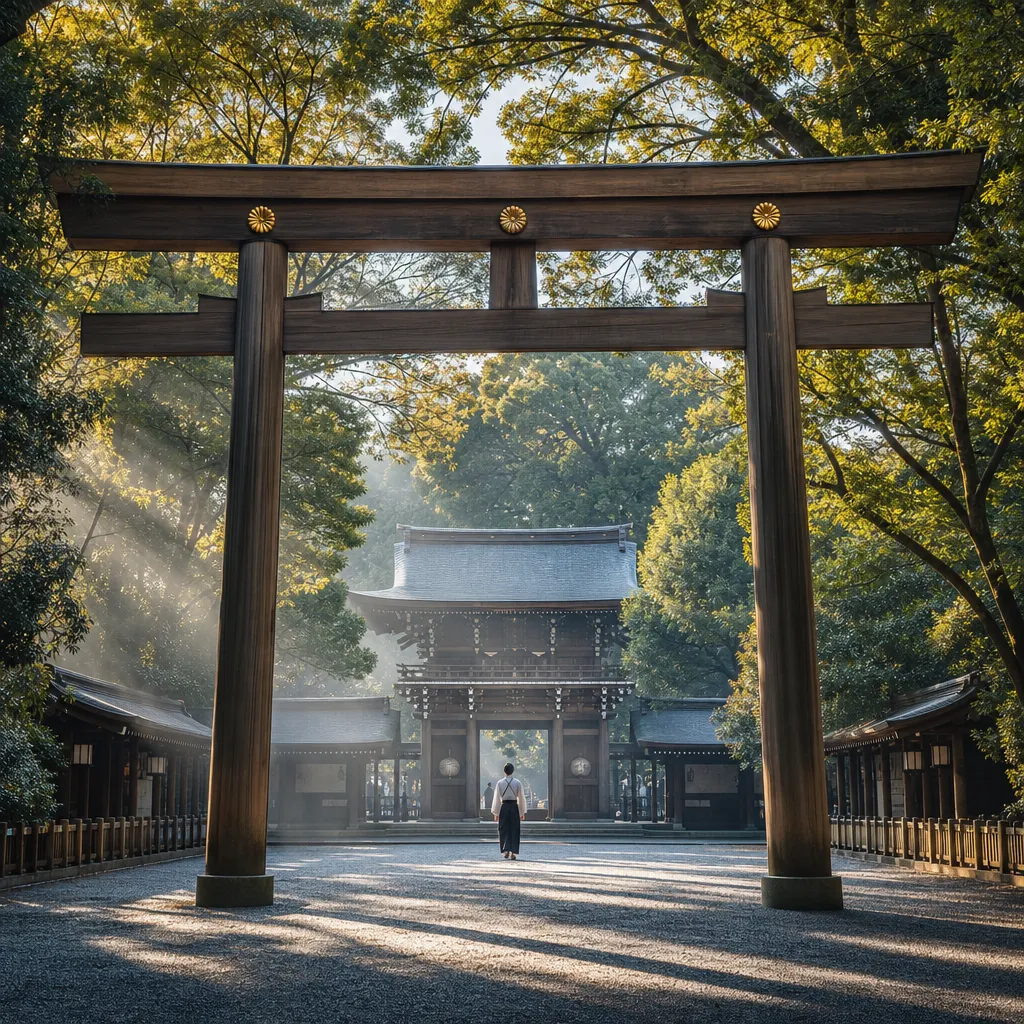
- Use mornings for outdoor landmarks: Meiji Jingu, Senso-ji in Asakusa, gardens, or neighborhood walks feel more manageable early.
- Keep midday indoors: department stores, museums, cafés, covered food halls, or hotel breaks help more than trying to push through.
- Choose waterfront evenings: Odaiba, Toyosu, or Sumida River areas can be more comfortable after sunset.
- Expect sudden weather shifts: summer storms can develop quickly, so carrying a small umbrella is sensible.
- Do not overstack transfers: even with excellent public transport, repeated station exits in heat can be draining.
For summer viewpoints, indoor observatories are usually better than exposed outdoor terraces in the daytime. Night views from high floors in Shinjuku or Roppongi are often more enjoyable than daytime visits in August unless visibility is unusually clear.
When Tokyo is best for photography and views
For general city photography, autumn and winter are often the easiest seasons. The air is usually drier than in summer, and clearer skies can improve long-distance visibility. Winter is especially good for skyline observation and for crisp late-afternoon light on modern districts such as Marunouchi, Shiodome, and parts of Roppongi.
Spring is best if your focus is blossoms, temple grounds, gardens, and softer neighborhood scenes. Ueno, Asakusa, Chidorigafuchi, and the Meguro River area are obvious examples, but they are also crowded, so early starts matter.
Summer works best for evening photography: festival lights, lanterns, waterfront reflections, and city scenes after rain. Daytime shooting can be difficult because of haze, glare, and fatigue.
Autumn foliage is often stronger in gardens and larger landscaped spaces than in dense commercial streets. Rikugien, in Bunkyo Ward, and Shinjuku Gyoen, spanning Shinjuku and Shibuya wards, are strong options when leaves begin turning. Seasonal timing changes every year, so checking current forecasts before a trip is sensible.
Typhoon season and what it means for travelers
Tokyo’s typhoon risk is usually most relevant from late summer into autumn, especially around September. A typhoon does not mean the city shuts down for weeks, but it can bring heavy rain, strong wind, transportation disruption, and temporary closures. This matters most if you are flying in or out, using shinkansen, or planning waterfront walks and observation decks.
If a storm is forecast:
- Keep one flexible day in your itinerary if possible.
- Prioritize accommodation near a major station such as Tokyo, Shinjuku, Shibuya, Ueno, or Shinagawa if you are traveling during a volatile period.
- Avoid committing to far-out day trips on uncertain weather days.
- Check official transport operators rather than relying on general travel apps alone.
- Switch to indoor districts such as Ueno, Ginza, or Roppongi if conditions are wet but transport is still normal.
For safety, do not treat riversides, exposed waterfront promenades, or elevated viewpoints as casual outings during severe weather warnings.
What to pack and wear for each season
Spring: light layers are more useful than one heavy item. Conditions can shift between cool mornings and warm afternoons.
Rainy season: breathable clothes, an umbrella, and footwear that can handle wet pavement matter more than fashion. Humidity can make heavier fabrics uncomfortable even when temperatures are moderate.
Summer: prioritize lightweight clothing, sun protection, and a plan for hydration. Indoor spaces often have strong air conditioning, so some travelers like to carry a light overshirt.
Autumn: this is usually the easiest season to dress for, but late autumn evenings can feel much cooler than daytime.
Winter: bring a proper coat for morning and night, especially if you plan to be out for illuminations, waterfront walks, or observation decks. Indoor heating can be strong, so flexible layers still help.
How to build a weather-smart itinerary
The best Tokyo itineraries are not rigid. Build each day around one outdoor anchor and one indoor backup in the same general area.
For example, if you are visiting Asakusa in Taito Ward for Senso-ji and streetside snacks, keep nearby indoor alternatives in mind if rain starts, then shift later toward Ueno’s museums. If you plan a modern architecture and shopping day in Omotesando and Harajuku, you can still spend time under cover in stores, cafés, and design spaces if the weather turns poor.
If you are basing yourself near a major transport hub such as Tokyo Station, Shinjuku Station, or Shinagawa Station, same-day adjustments are easy. This is one reason central hotels work well for first-time visitors in uncertain weather seasons.
In good weather, prioritize places that reward walking: Yanaka, Kichijoji, the Imperial Palace outer area, Shinjuku Gyoen, Meiji Jingu, and the Sumida River side. In poor weather, turn to museums, department stores, covered food floors, bookstores, and observation decks where access is mostly indoors.
FAQ
What is the best time of year to visit for comfortable weather?
Late spring and autumn are usually the easiest periods for walking and general sightseeing. April, May, October, and November are often the most comfortable overall, though blossom and foliage seasons bring more crowds.
When is Tokyo’s rainy season?
It usually falls around June into early July. The exact timing changes each year, and it often means frequent rain and humidity rather than constant all-day storms.
Is summer too hot for sightseeing?
Not necessarily, but it requires a different pace. Early starts, indoor afternoon breaks, and evening activities are much more practical than all-day outdoor walking.
Which areas are best in bad weather?
Ueno is excellent for museums, while Ginza, Marunouchi, and Roppongi are strong choices for indoor culture, shopping, dining, and easy transport access.
Does Tokyo get snow in winter?
Snow is possible but not common. Most winter days are dry and cold rather than snowy, which is one reason winter can be good for views and photography.
When is typhoon season in Tokyo?
Late summer into autumn is the main period to watch, especially around September. Check official transport and weather information if you are traveling then.
What should I check before planning outdoor activities?
Look at temperature, chance of rain, humidity, wind, and visibility rather than only the daily high. Those factors affect whether a park day, viewpoint visit, or waterfront outing will actually feel enjoyable.
Are clear skyline views easier in winter?
Often yes. Dry winter conditions can improve visibility compared with the hazier, more humid conditions common in summer.
Sources
- Japan Meteorological Agency
- GO TOKYO
- Japan National Tourism Organization