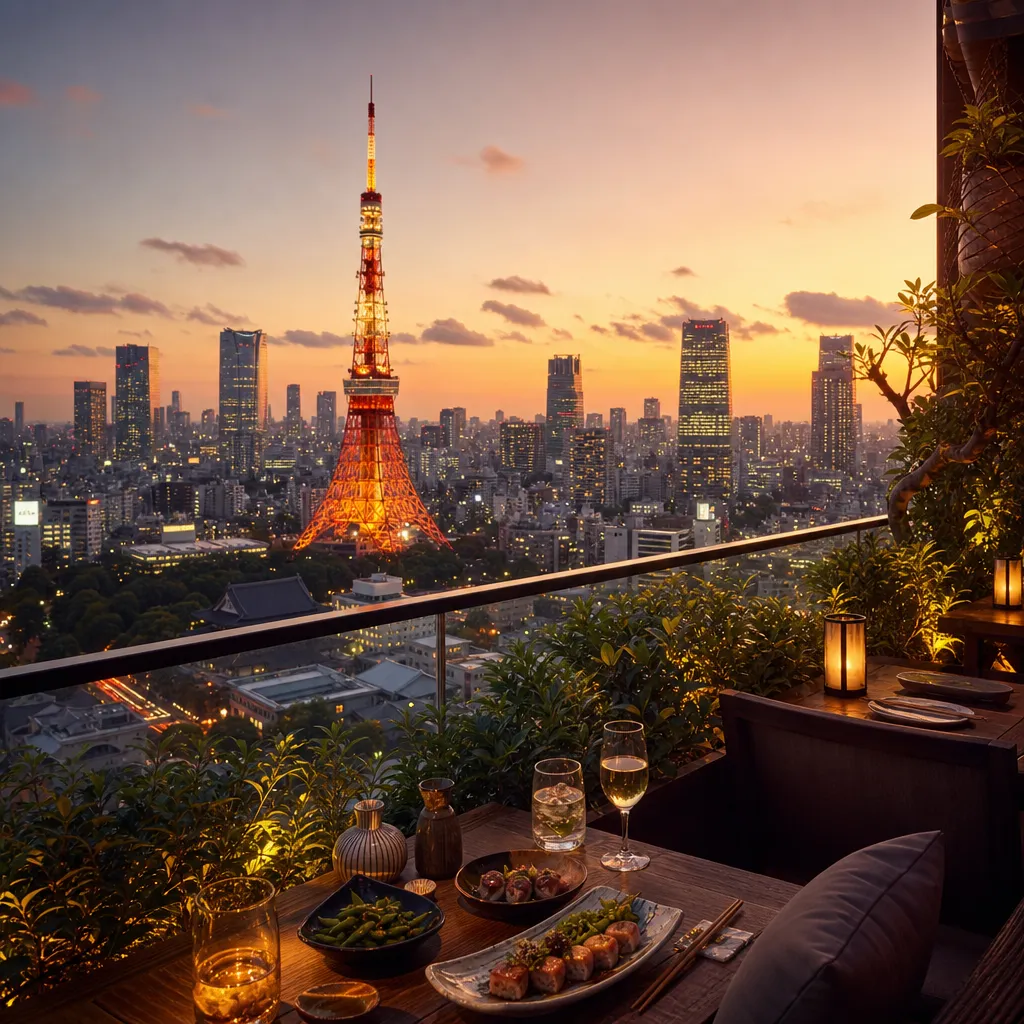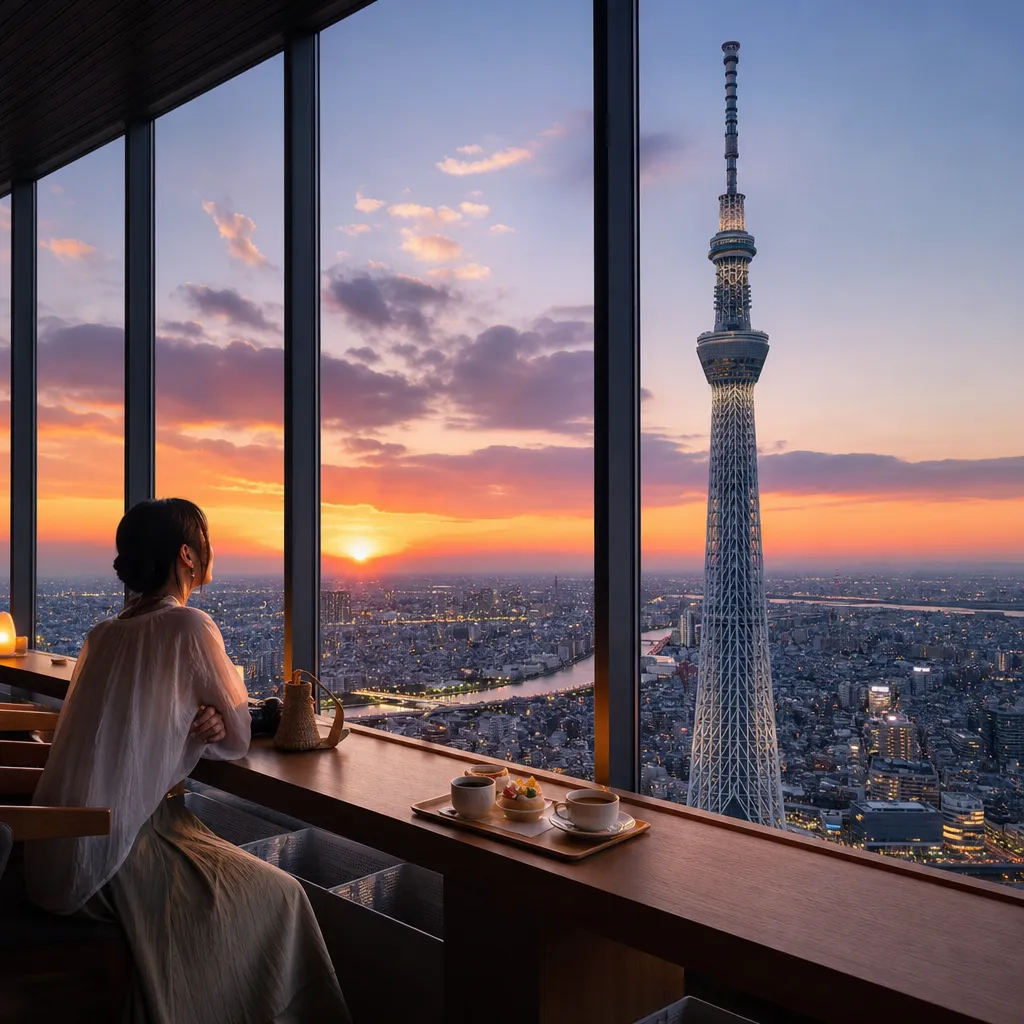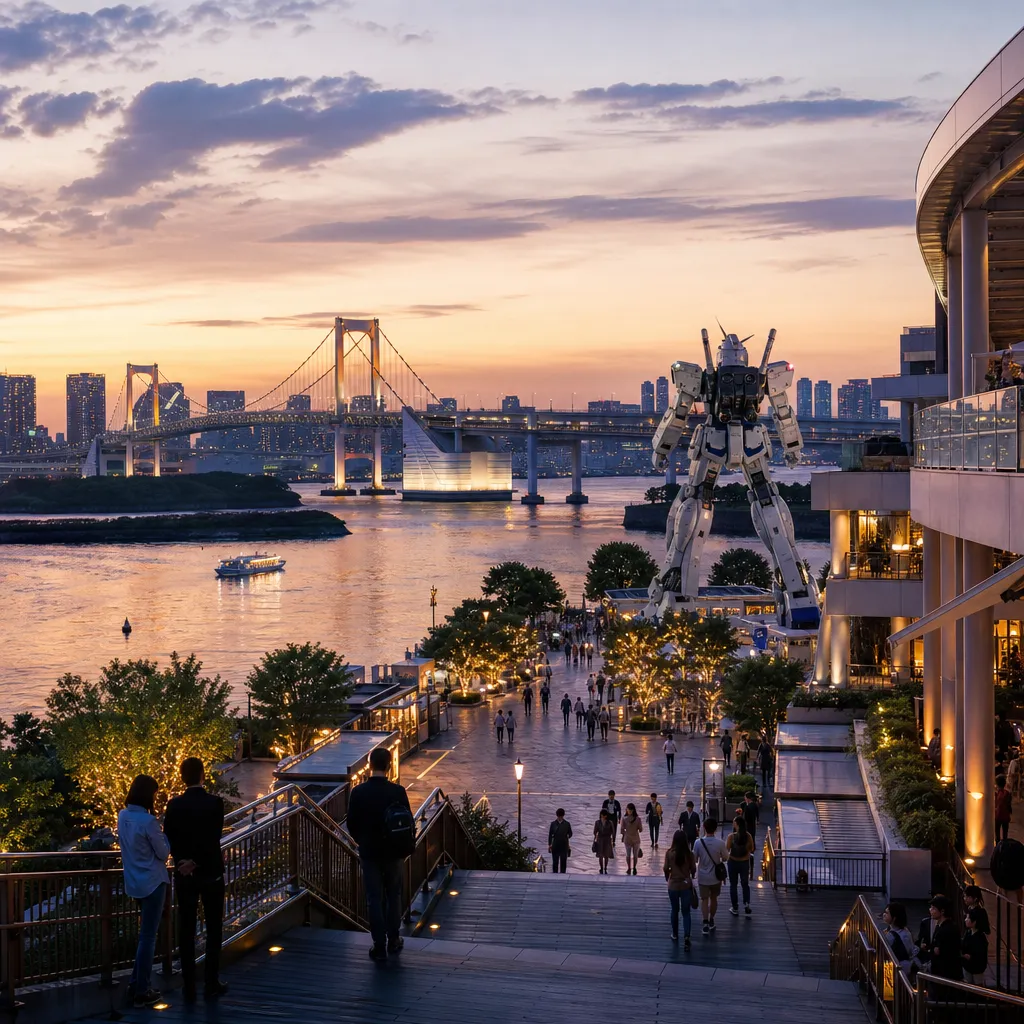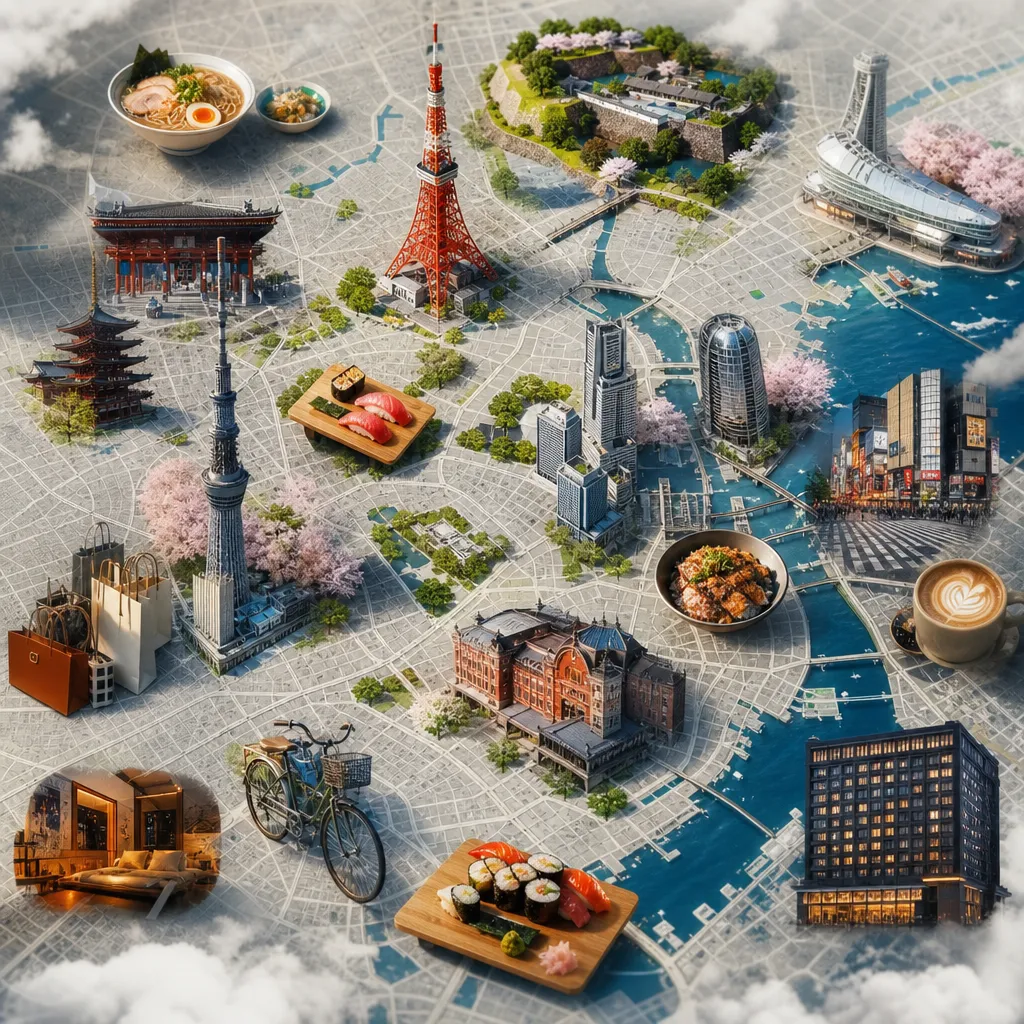
A good Tokyo map is less about one perfect route and more about understanding how the city is structured. Tokyo is large, layered, and often easier to enjoy by area than by trying to cross it repeatedly in one day. If you know which neighborhoods cluster around culture, food, shopping, skyline views, and quieter local streets, the city becomes much easier to plan. This guide breaks Tokyo into practical zones and highlights real places worth putting on your map, with transport context and visit tips that help on the ground.
How to Read Tokyo on a Visitor Map
The most useful way to map Tokyo is by grouping places into a few broad zones rather than treating the city as a single walkable center. The Yamanote Line loop is a helpful mental framework because many major districts sit on or near it, but some of the most rewarding visits are slightly outside that ring.
For first-time visitors, these are the broad patterns that matter:
- East Tokyo: Asakusa, Ueno, Yanaka. Better for older streets, temples, museums, and a more traditional atmosphere.
- Central Tokyo: Marunouchi, Ginza, Nihombashi. Good for polished shopping, major stations, architecture, and business-district convenience.
- West Tokyo: Shibuya, Harajuku, Shinjuku. Best for energy, fashion, nightlife, major department stores, and late hours.
- South-central districts: Roppongi, Azabu, Ebisu, Nakameguro. Useful for contemporary art, dining, bars, and more design-conscious stays.
- Outer neighborhoods: Kichijoji, Shimokitazawa, Koenji. Better for slower neighborhood browsing, cafés, parks, vintage shopping, and repeat visitors.
If you are building your own map, try pinning places by district and planning one or two adjacent areas per day. Tokyo rewards density of experience more than distance covered.
Tokyo Map at a Glance: Areas Worth Pinning
| Area | Part of Tokyo | Best For | Key Places to Pin | Useful Station Base |
|---|---|---|---|---|
| Asakusa | East | Temple district, historic atmosphere, river walks | Senso-ji, Nakamise, Sumida River area | Asakusa Station |
| Ueno | East | Museums, park, market streets | Ueno Park, Tokyo National Museum, Ameyoko | Ueno Station |
| Ginza / Marunouchi | Central | Department stores, architecture, upscale dining | Ginza streets, Tokyo Station area, KITTE | Tokyo Station or Ginza Station |
| Shibuya / Harajuku | West | Street life, fashion, youth culture, cafés | Shibuya Scramble, Meiji Jingu, Omotesando | Shibuya Station or Harajuku Station |
| Shinjuku | West | Transport hub, nightlife, observation decks | Tokyo Metropolitan Government Building, Shinjuku Gyoen area, Kabukicho | Shinjuku Station |
| Roppongi | South-central | Contemporary art, skyline views, nightlife | Mori Art Museum area, Tokyo Midtown, National Art Center | Roppongi Station |
| Kichijoji | Farther west | Local shopping streets, park time, relaxed pacing | Inokashira Park, Harmonica Yokocho | Kichijoji Station |
East Tokyo: Traditional Landmarks and Museum Time
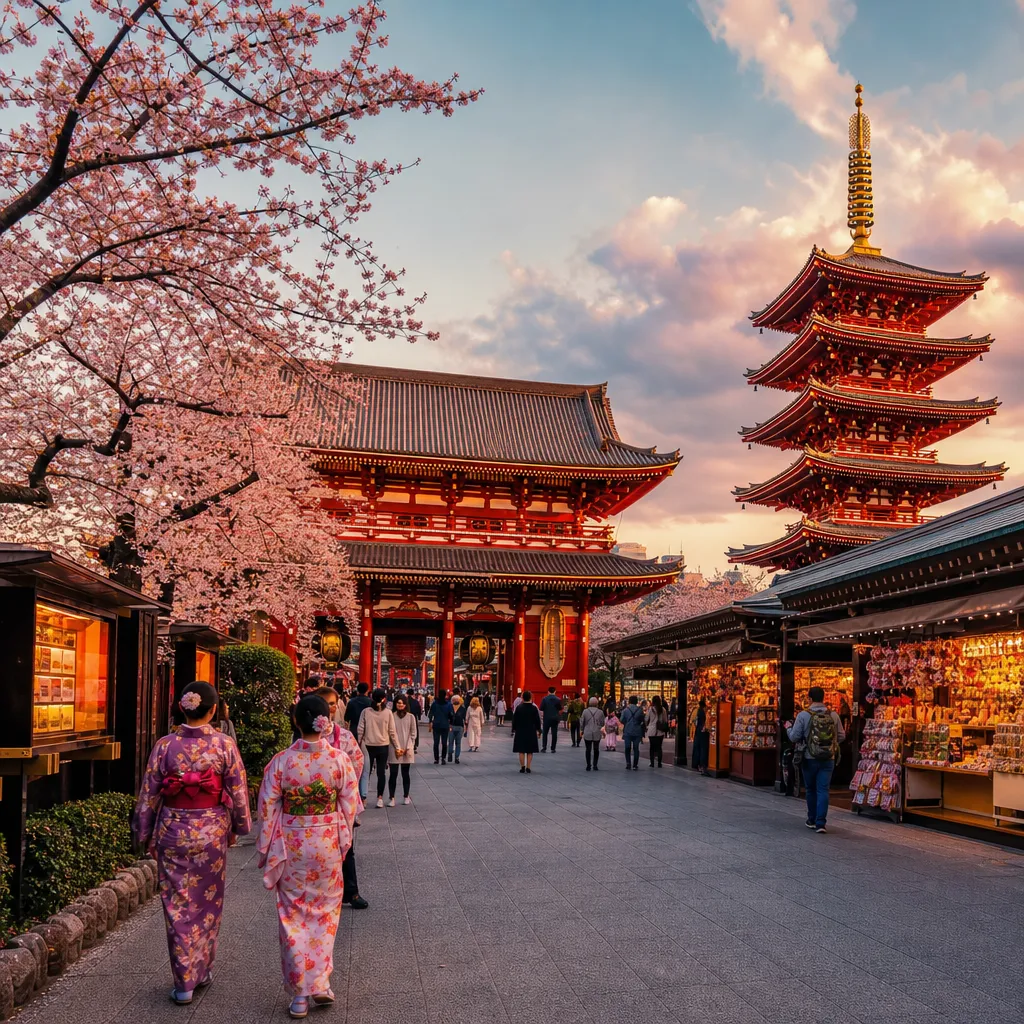
If your map needs classic Tokyo images, start in the east. Asakusa, in Taito ward, is one of the easiest areas to understand on foot once you arrive. The anchor is Senso-ji, the city’s most famous Buddhist temple, approached through the busy Nakamise shopping street. This area suits early starts, especially if you want a quieter temple visit before mid-morning crowds build.
Asakusa also works well for people who want a manageable first day. The district has a clear identity, plenty of food options, and direct connections to other eastern neighborhoods. It is particularly good for families, first-time visitors, and anyone interested in a more historic streetscape rather than major commercial towers.
From there, Ueno is a practical second pin on the map. Centered on Ueno Station and Ueno Park, it is one of the best museum clusters in the city. Real highlights include the Tokyo National Museum, especially for Japanese art and archaeology, and the National Museum of Nature and Science, which is strong for families and rainy days. Nearby Ameyoko gives the area a street-market energy very different from museum calm.
If you want somewhere quieter between Asakusa and Ueno in mood, map Yanaka. Around Nippori Station and the Yanaka district, you get lower-rise streets, temples, small shops, and a more local pace. It is a strong choice for photographers and repeat visitors who have already seen the major icons.
Central Tokyo: Stations, Department Stores, and Clean Urban Design
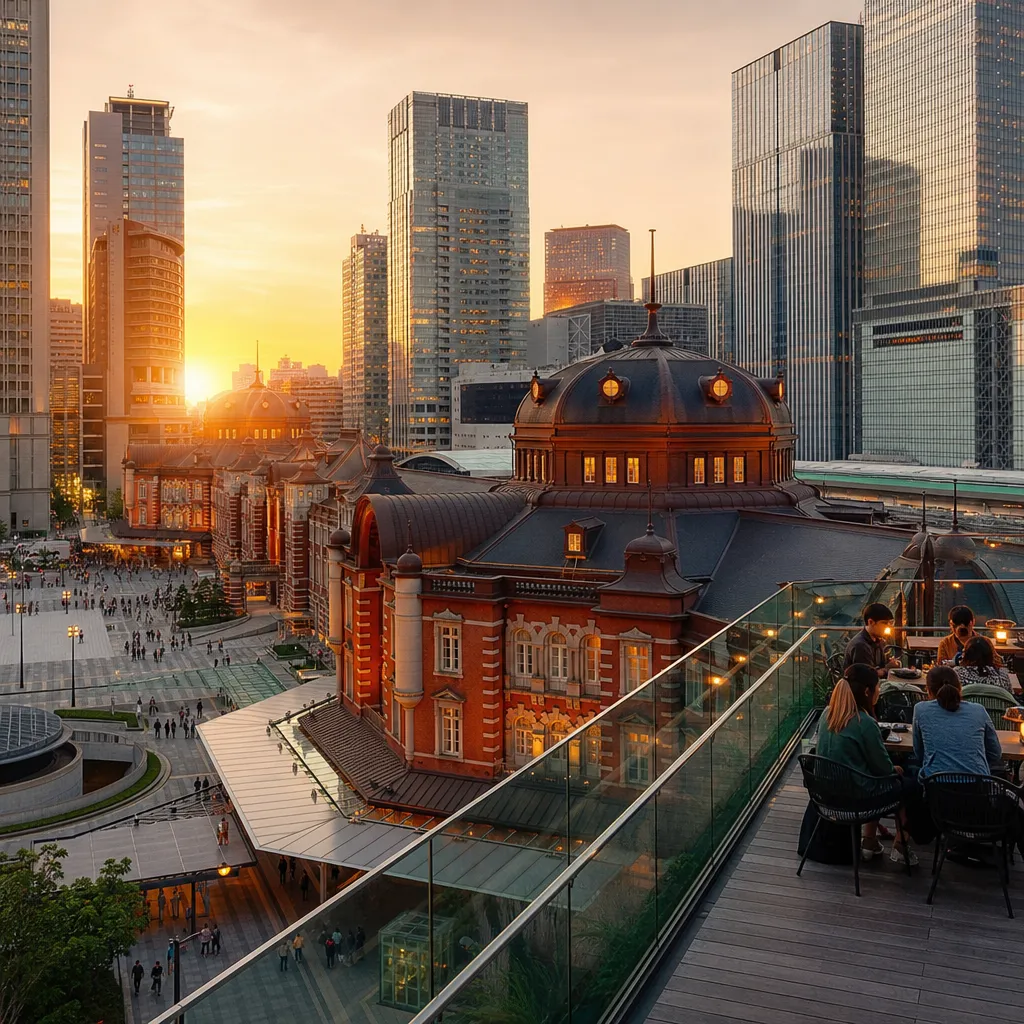
Tokyo Station is not just a transfer point; it is one of the most useful anchors for a city map. The Marunouchi side has red-brick station architecture, broad avenues, and a business-district setting that feels ordered and spacious by Tokyo standards. This area is well suited to travelers staying in business hotels, taking day trips by shinkansen, or wanting a polished central base.
Nearby KITTE Marunouchi is worth pinning for its interior architecture and its accessible view back toward Tokyo Station. It is not a high-altitude observatory, but it is practical, central, and easy to combine with shopping or lunch.
Walk or ride eastward into Ginza, and the map shifts toward luxury retail, flagship stores, department stores, and basement food halls. Ginza is in Chuo ward and works especially well for visitors interested in shopping, refined cafés, cocktail bars, and well-organized streets rather than nightlife chaos. It is also one of the easier districts for moving between indoor stops in poor weather.
North of Ginza, Nihombashi is another useful central addition. It has deep commercial history, long-established department stores, and a slightly calmer feel than Ginza. If your interests lean toward food halls, traditional retail institutions, and urban history, it deserves a place on the map.
West Tokyo: Fast-Paced Hubs, Fashion Streets, and Major Views
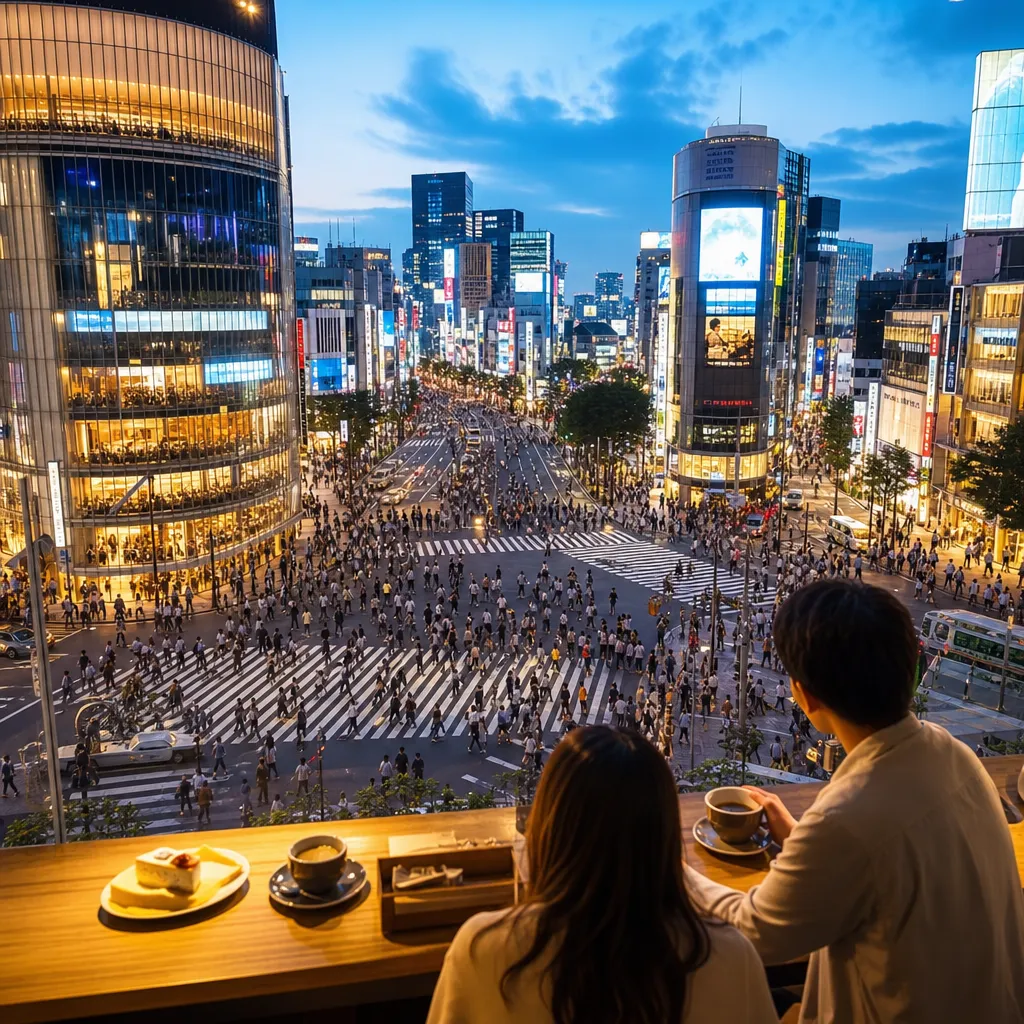
Shibuya is one of the city’s most useful orientation points because so many visitors naturally pass through it. Around Shibuya Station, the atmosphere is energetic and dense, with major shopping buildings, cafés, and late-opening food options. The famous scramble crossing is best treated as a city landmark rather than your whole reason to visit the area.
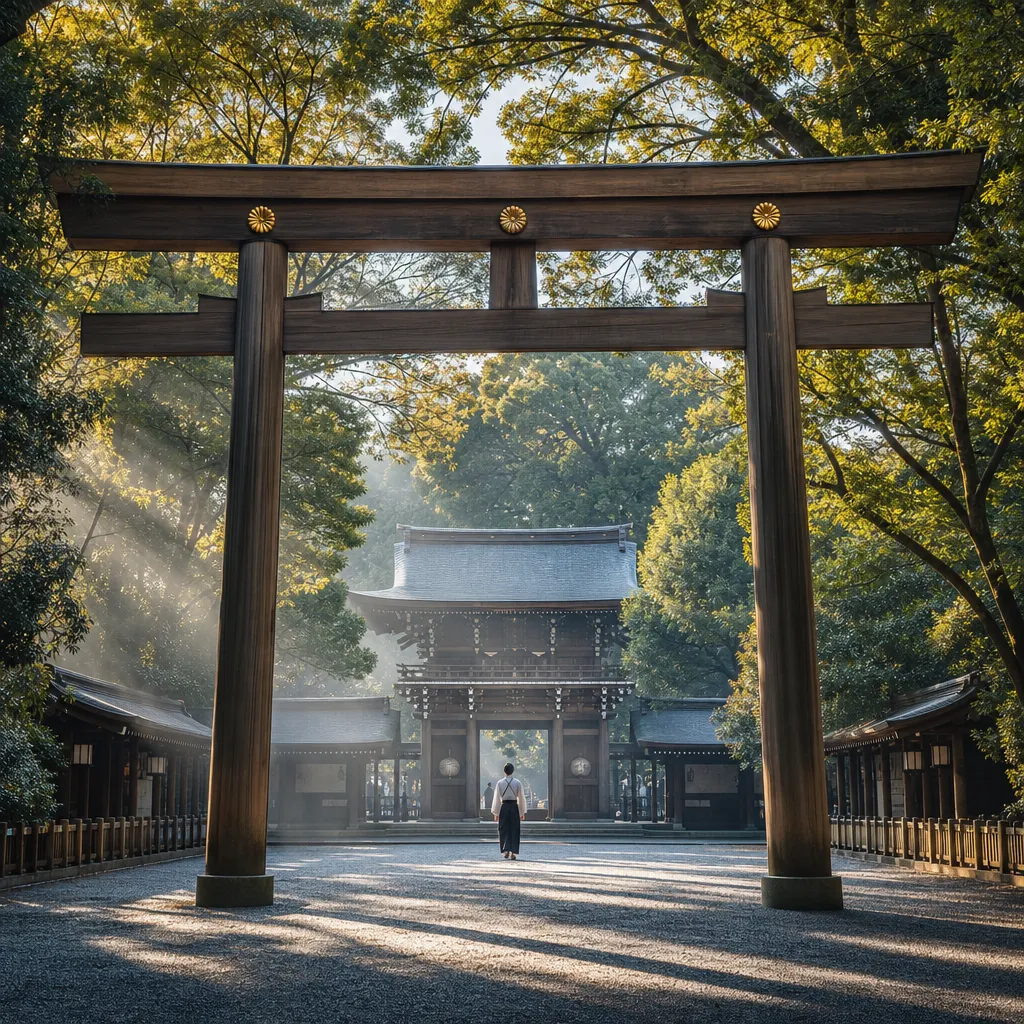
Just to the north, Harajuku and Omotesando give you a very different map experience. Harajuku around Harajuku Station is more youth-oriented and crowded on weekends, while Omotesando is broader, more architectural, and lined with major fashion flagships. Meiji Jingu, near Harajuku and Yoyogi, is one of the easiest major Shinto shrines to combine with urban sightseeing. Visitors should remember that it is a religious site: keep noise low in shrine spaces and be respectful around ceremonies.
Shinjuku, centered on one of the world’s busiest stations, is best mapped in sub-areas. The west side is more administrative and high-rise, with the Tokyo Metropolitan Government Building offering an accessible observation option. The east side is denser, brighter, and more nightlife-oriented, including Kabukicho. Shinjuku Gyoen, slightly south and east of the station area, is one of the city’s best gardens and gives valuable breathing room between busier stops.
For many itineraries, Shibuya and Shinjuku should not be forced into the same short evening unless you are comfortable with crowds and train station navigation. Each can easily fill half a day or more.
Art, Design, and Night Views: Roppongi and Nearby Districts
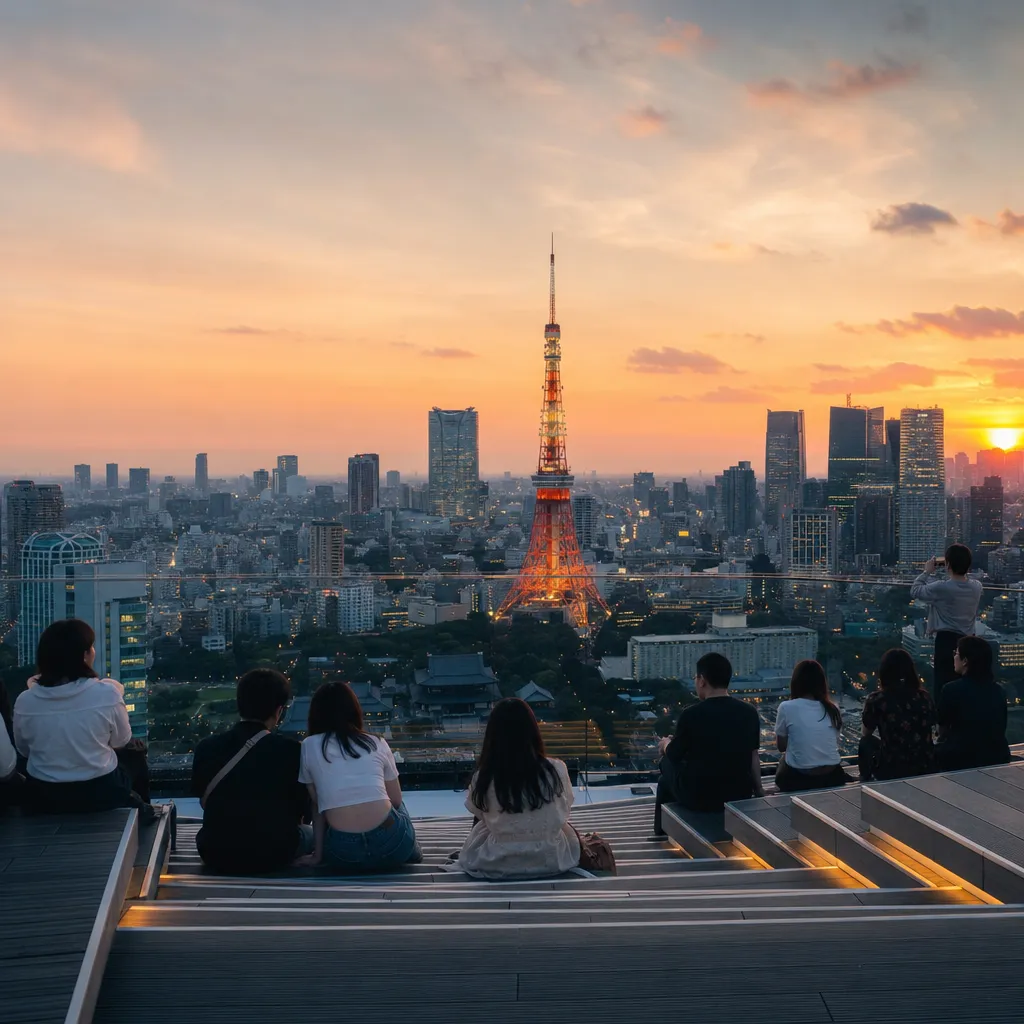
If your map needs contemporary culture, Roppongi is one of the strongest additions. Around Roppongi Station, you have several substantial art venues in a compact zone. The Mori Art Museum, in the Roppongi Hills complex, is a strong pick for contemporary exhibitions and skyline context, while the National Art Center, Tokyo is notable both for its exhibitions and for its architecture.
Roppongi also suits evening planning because museums, dining, and city views can combine well in one district. It is more adult-oriented than family-oriented at night, though daytime museum visits are straightforward for most travelers.
Nearby Tokyo Midtown adds another design-conscious stop with shops, restaurants, and seasonal installations depending on the time of year. This part of Minato ward is useful for couples, architecture fans, and travelers who prefer polished urban environments over older street-market districts.
If you want a gentler version of this side of the city, consider nearby Ebisu or Nakameguro. Ebisu is a practical dining and bar district with a more local evening feel than Shibuya. Nakameguro, around the Meguro River, is especially attractive in cherry blossom season, though that also means heavy crowds. Outside peak bloom, it is better for low-key café and neighborhood time.
Neighborhood Tokyo: Where to Go Beyond the Biggest Sights
A better Tokyo map usually includes at least one area that is not a major first-time landmark district. Kichijoji, in western Tokyo, is one of the easiest to recommend. It is centered on Kichijoji Station and combines local shopping streets with Inokashira Park, making it good for couples, families, and repeat visitors who want a break from the center.
Harmonica Yokocho, near the station, is known for its narrow lanes and dense concentration of small food-and-drink spots. It works better in the evening, though visitors should expect compact spaces and a more intimate bar culture than large-group dining.
Shimokitazawa, on the west side, is another useful map pin for vintage clothing, smaller music venues, and café-hopping. It is less about major landmarks and more about wandering. If your trip includes shopping for secondhand fashion or spending a slower afternoon in independent retail streets, it fits well.
Koenji offers a similarly local appeal with vintage shops and live-music culture. It is best for travelers already comfortable navigating trains and neighborhoods without relying on big-ticket attractions.
Best Map Combinations for Realistic Day Planning
One of the most common planning mistakes is combining districts that look close on a small phone map but feel disconnected in practice. These pairings usually work well:
- Asakusa + Ueno: Ideal for history, museums, and eastern Tokyo atmosphere.
- Harajuku + Shibuya: Good for fashion, shrine visits, cafés, and street scenes.
- Marunouchi + Ginza: Efficient for architecture, shopping, department stores, and polished dining.
- Roppongi + Azabu or Ebisu: Better for art, dinner, and evening drinks.
- Kichijoji alone: Best enjoyed as a slower half-day or full-day neighborhood visit.
If you are trying to build a three-day first trip, one practical structure is east Tokyo on one day, west Tokyo on one day, and central plus museum or shopping districts on the third. That reduces cross-city backtracking and makes train travel less tiring.
Practical Map Tips That Matter on the Ground
Use stations as anchors, not exact street addresses. Tokyo navigation is easier when you think in terms of station areas and neighborhoods. Many major districts spread out beyond one obvious center.
Do not overload evenings with transfers. Shinjuku, Shibuya, Ginza, and Roppongi all work well at night, but choosing one per evening usually makes for a better experience than rushing between them.
Check current museum closures and reservation systems. Major museums and special exhibitions sometimes require timed entry or close on specific weekdays.
Be careful with market timing. Some market-style streets are best in the morning or daytime, while bar lanes and yokocho areas are more atmospheric in the evening.
Remember temple and shrine etiquette. Maps often flatten sacred places into sightseeing points. At shrines and temples, dress and behave appropriately, avoid blocking worshippers, and check photography rules where posted.
Expect stations to be destinations in themselves. Tokyo Station, Shinjuku, Shibuya, and Ueno all have substantial shopping and dining attached, which can be useful in bad weather or when you need a practical meal between stops.
Who Should Base Themselves Where
If you are still deciding how to shape your personal map, the right area depends on your travel style.
- First-time visitors: Shinjuku, Shibuya, Ueno, or Tokyo Station area all work well because transport is strong.
- Food-focused travelers: Ginza, Ebisu, and areas around major stations provide wide dining range, from casual to refined.
- Museum and culture visitors: Ueno and Roppongi are especially efficient.
- Families: Ueno, Asakusa, and Kichijoji are often easier and less nightlife-centric.
- Photographers: Asakusa early, Yanaka, Omotesando architecture, Shinjuku night streets, and Marunouchi station frontage are all useful in different light.
- Repeat visitors: Add Kichijoji, Shimokitazawa, Koenji, or Nakameguro to avoid a trip made only of major icons.
What is the best area to start with on a first Tokyo trip?
For many first visits, Asakusa, Ueno, Shibuya, or Shinjuku are the easiest starting points because each has a strong identity and clear transport connections. If you prefer culture and history, start east; if you want modern city energy, start west.
Is Tokyo easier to plan by neighborhood or by attraction?
Neighborhood planning is usually more effective. Grouping attractions by area reduces long transfers and lets you enjoy the streets between destinations.
How many areas should I visit in one day?
Usually one or two, especially if they are adjacent or well connected. Trying to cover three or four major districts in a day often turns into too much station time.
Which Tokyo areas are best for museums?
Ueno is the strongest museum cluster for broad collections, while Roppongi is a top choice for contemporary art and major exhibition venues.
What Tokyo neighborhoods work best in the evening?
Shinjuku, Shibuya, Ginza, Roppongi, and Ebisu are all practical evening districts. The right one depends on whether you want bars, dining, views, or shopping.
Are outer neighborhoods worth adding to the map on a short trip?
Yes, if you want a more local pace. Kichijoji and Shimokitazawa are among the easiest outer-area additions because they are enjoyable without needing a long checklist of sights.
Do I need reservations for places on a general Tokyo map?
Not for neighborhood visits themselves, but some museums, observation venues, restaurants, and seasonal experiences may require advance booking. It is worth checking official information before the day.
What should I check before visiting a mapped area?
Check museum opening days, seasonal crowd patterns, any timed-entry systems, and the current operating information for specific restaurants or attractions you care about.
Sources
- GO TOKYO (Tokyo Convention & Visitors Bureau)
- Japan National Tourism Organization
- Tokyo Metropolitan Government