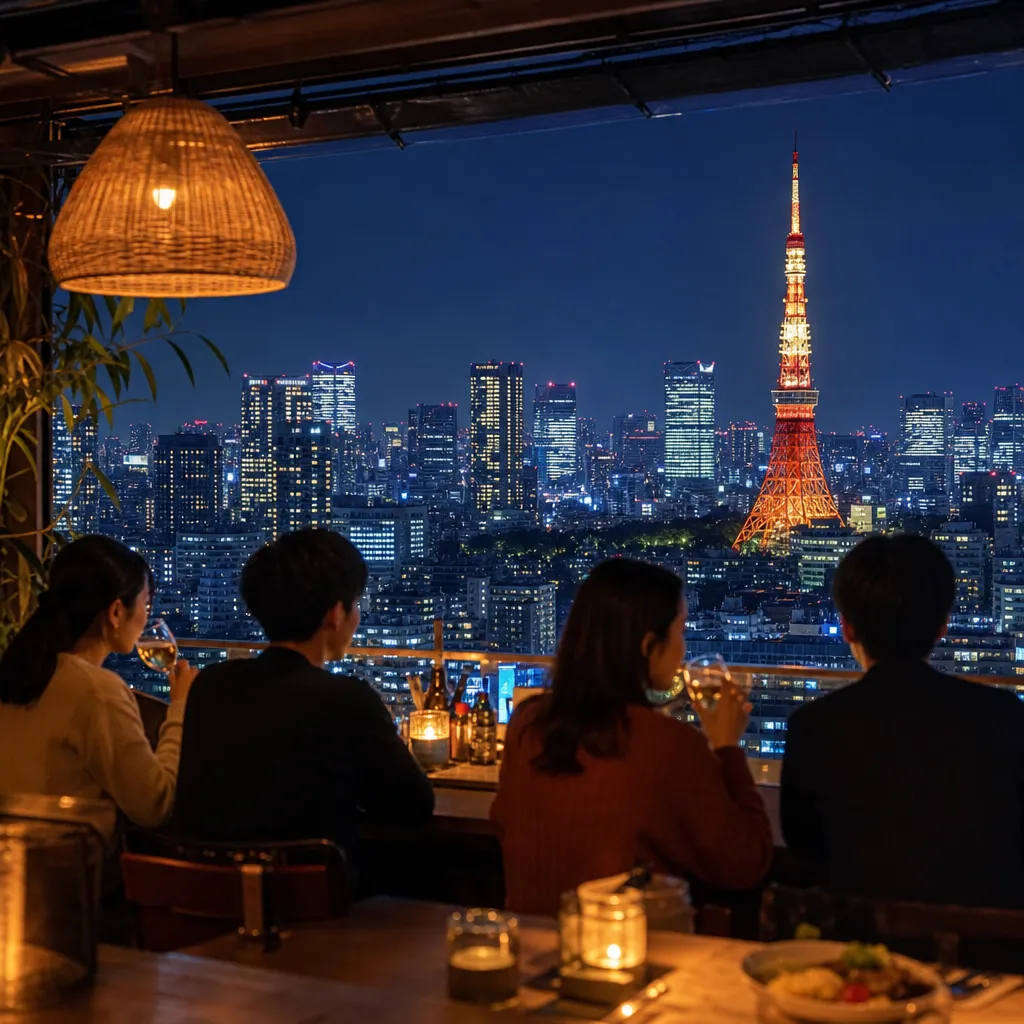
Tokyo nightlife is not one scene but a set of distinct districts, each with its own rhythm, crowd, and price level. A practical night out starts with choosing the right area: neon-heavy entertainment zones, polished hotel bars, tightly packed drinking alleys, and music-first neighborhoods all offer very different experiences. Trains stop running around midnight in most directions, so transport planning matters almost as much as venue choice. If you want a smoother evening, decide in advance whether you are aiming for cocktails, izakaya hopping, live music, clubbing, or simply a late dinner with atmosphere.
For most visitors, the easiest approach is to build the night around one neighborhood rather than trying to cross the city repeatedly. Shinjuku, Shibuya, Roppongi, Ginza, Ebisu, and Asakusa all work well, but they suit different tastes and budgets. Below is a locally grounded guide to where to go, what each area is good for, and how to plan a night that fits your style.
Best Tokyo nightlife areas at a glance
| Area | Nearest Major Station | Best For | Atmosphere | Budget Tendency |
|---|---|---|---|---|
| Shinjuku | Shinjuku Station | Izakaya hopping, small bars, late-night energy | Dense, bright, varied, sometimes chaotic | Low to high |
| Shibuya | Shibuya Station | Bars, clubs, younger crowd, casual nights out | Busy, youthful, music-led | Low to mid |
| Roppongi | Roppongi Station | Late-night bars, clubs, international scene | Cosmopolitan, high-energy, more upscale | Mid to high |
| Ginza | Ginza Station / Yurakucho Station | Cocktail bars, refined evenings, upscale dining | Polished, quieter, elegant | High |
| Ebisu | Ebisu Station | Date nights, stylish dining, relaxed bars | Lively but more composed than Shibuya | Mid |
| Asakusa | Asakusa Station | Traditional izakaya atmosphere, river views, slower pace | Old Tokyo feel, more relaxed | Low to mid |
Shinjuku: the most varied all-round nightlife district
Shinjuku, in western central Tokyo, is the easiest place to recommend if you want range. Around Shinjuku Station you can move from department-store dining floors to basement izakaya, hotel bars, live music spaces, and tiny late-night drinking alleys without leaving the wider area.
The best-known nightlife pockets are Golden Gai and Omoide Yokocho, both on the east side of Shinjuku. Golden Gai is famous for its concentration of very small bars. Some are welcoming to first-time visitors, while others cater to regulars, have cover charges, or have limited seating. The practical approach is to look for bars that clearly indicate entry is fine for newcomers, and to go with a small group rather than a large one.
Omoide Yokocho, near the station, is better if you want a more food-led start to the night. It is packed with small yakitori and grilled-food spots, and works especially well for solo travelers or pairs comfortable with tight seating. Expect smoke, close quarters, and a lively post-work atmosphere rather than a polished dinner setting.
If you prefer a more formal night, Park Hyatt Tokyo has long been associated with high-end bar culture through New York Bar in Nishi-Shinjuku. This part of Shinjuku feels completely different from the east side: towers, business hotels, and broader streets. It suits couples, cocktail drinkers, and anyone who wants a skyline-oriented evening. Because high-floor hotel bars can change policies, cover charges, and access rules, it is wise to check official information before going.
Shibuya: casual bars, music, and club nights
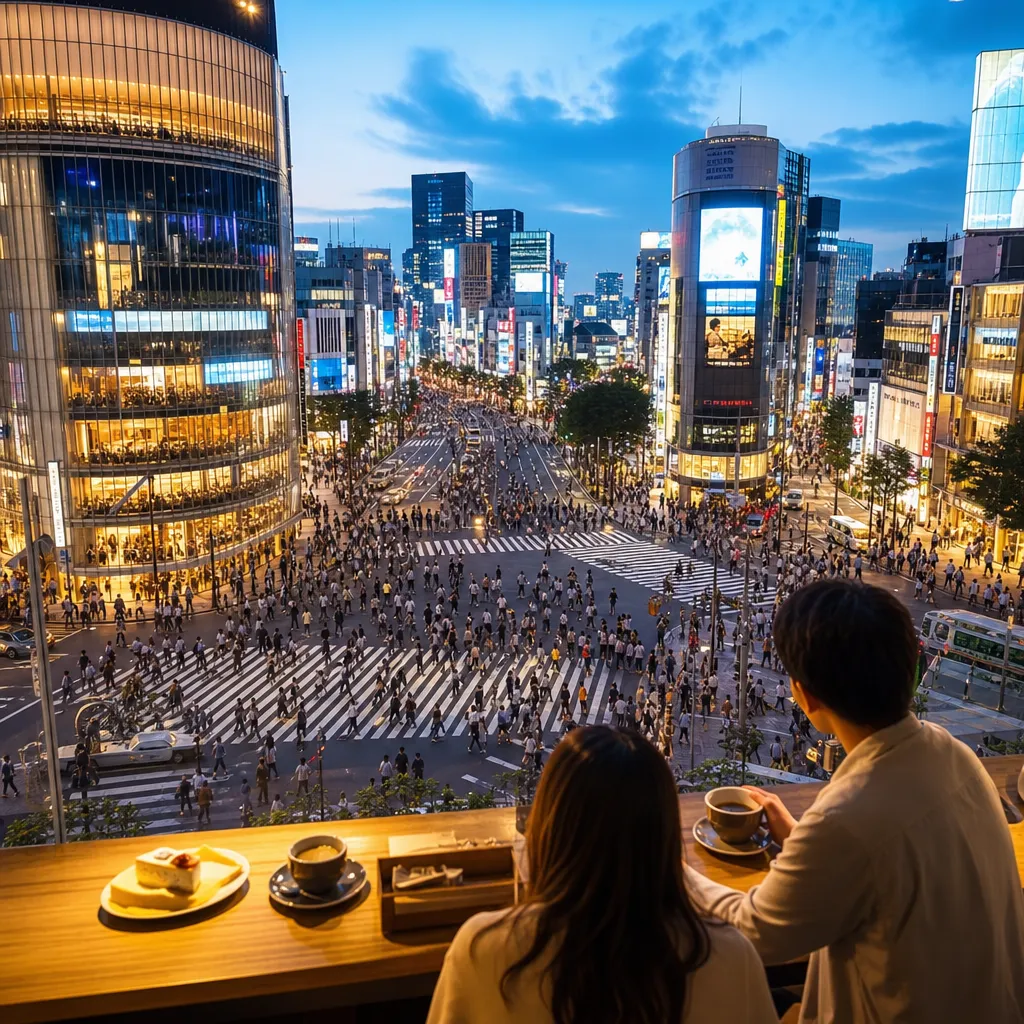
Shibuya, southwest of central Tokyo, is one of the city’s strongest areas for a younger, more informal night out. Around Shibuya Station, nightlife leans toward stand bars, casual dining, DJ venues, clubs, and multi-stop evenings where people move between places rather than stay in one venue all night.
Nonbei Yokocho, near the station, is one of the most atmospheric older lanes in the district, with compact bars and traditional drinking spaces tucked into a small alley network. It suits people who want the intimacy of old Tokyo drinking culture without heading to Shinjuku. Seating is limited, and many venues are best for two people rather than groups.
For clubbing and music-led nightlife, Shibuya has several long-running names. WOMB is one of the district’s best-known clubs, and WWW is more performance and live-music oriented. Contact was once a major name in the area, but nightlife venues change faster than restaurants, so always confirm the current lineup and operating status of any club before planning your evening around it.
Shibuya is especially practical if you want a night that starts with casual food and ends with music. It is also straightforward for visitors staying in nearby areas such as Harajuku, Omotesando, or Ebisu. The main drawback is crowd density, particularly on weekends or around major holidays.
Roppongi: late hours and a more international party scene
Roppongi, in Minato ward, is one of the city’s most internationally oriented nightlife districts. It is central, easy to reach by subway, and known for bars and clubs that stay active late. If your priority is a true late-night atmosphere after the last dinner seating, this is one of the most dependable areas.
The district around Roppongi Station includes everything from chain bars to high-end lounges, but two landmark complexes shape the area’s broader appeal: Roppongi Hills and Tokyo Midtown. These are useful if you want a more polished start to the evening with restaurants, art, or skyline views before moving into the later-night bar scene.
For views, the Tokyo City View observation facilities in Roppongi Hills can work well as a pre-drinks stop, particularly for first-time visitors. It is not nightlife in itself, but it pairs naturally with dinner or cocktails in the area. The surrounding streets then shift into a denser bar-and-club zone as the evening progresses.
Roppongi is best for groups, weekend nights, and travelers who are comfortable with a more overt party district. It is less ideal if you want traditional atmosphere or low-cost drinking. As in any late-night entertainment area, keep an eye on cover charges and avoid following street solicitations.
Ginza: cocktails, polished bars, and a quieter kind of night
Ginza, in Chuo ward, offers a very different form of nightlife. Rather than clubbing or alleyway drinking, it is the district for classic cocktail bars, serious bartending, refined service, and late dinners in a more ordered environment. It is particularly good for couples, business travelers, or anyone who wants a composed evening not centered on loud music.
Many of the area’s bars are in upper floors or basement spaces around Ginza Station and Yurakucho Station. This means part of the experience is simply finding them. One of the best-known classic names is Bar High Five, led by a widely respected bartending team and known internationally for custom cocktails. Reservations may be useful at prominent bars, especially if you want a seat at the counter.
Ginza also works well for an evening that combines department store food halls earlier in the day, a high-quality dinner, and one carefully chosen bar rather than a bar crawl. Compared with Shibuya or Shinjuku, the pace is slower and the likely spend is higher. Dress tends to be a little smarter, though not usually formal.
Ebisu and Nakameguro: stylish without feeling too hectic
If Shibuya feels too loud and Ginza too formal, Ebisu is often the sweet spot. Centered on Ebisu Station in southwest Tokyo, it has a strong selection of restaurants, wine bars, cocktail spots, and izakaya that attract locals on date nights or small-group evenings. The atmosphere is lively but less overwhelming than larger entertainment hubs.
Yebisu Garden Place gives the area a slightly more spacious, polished feel, while the streets closer to the station offer denser dining and drinking options. Ebisu is a good place to prioritize food quality first and nightlife second; many visitors come here for an excellent dinner and then continue with one or two bars rather than making it a full-scale bar-hopping district.
Nearby Nakameguro, along the Meguro River, is even more restrained. It is less about staying out very late and more about low-lit dining rooms, natural wine, and relaxed bars. The area appeals strongly to couples and travelers who want a neighborhood feel. It is not the best choice if you want a big, loud night, but it is one of the best for a more local-feeling evening.
Asakusa and Ueno: old-school drinking streets and traditional atmosphere
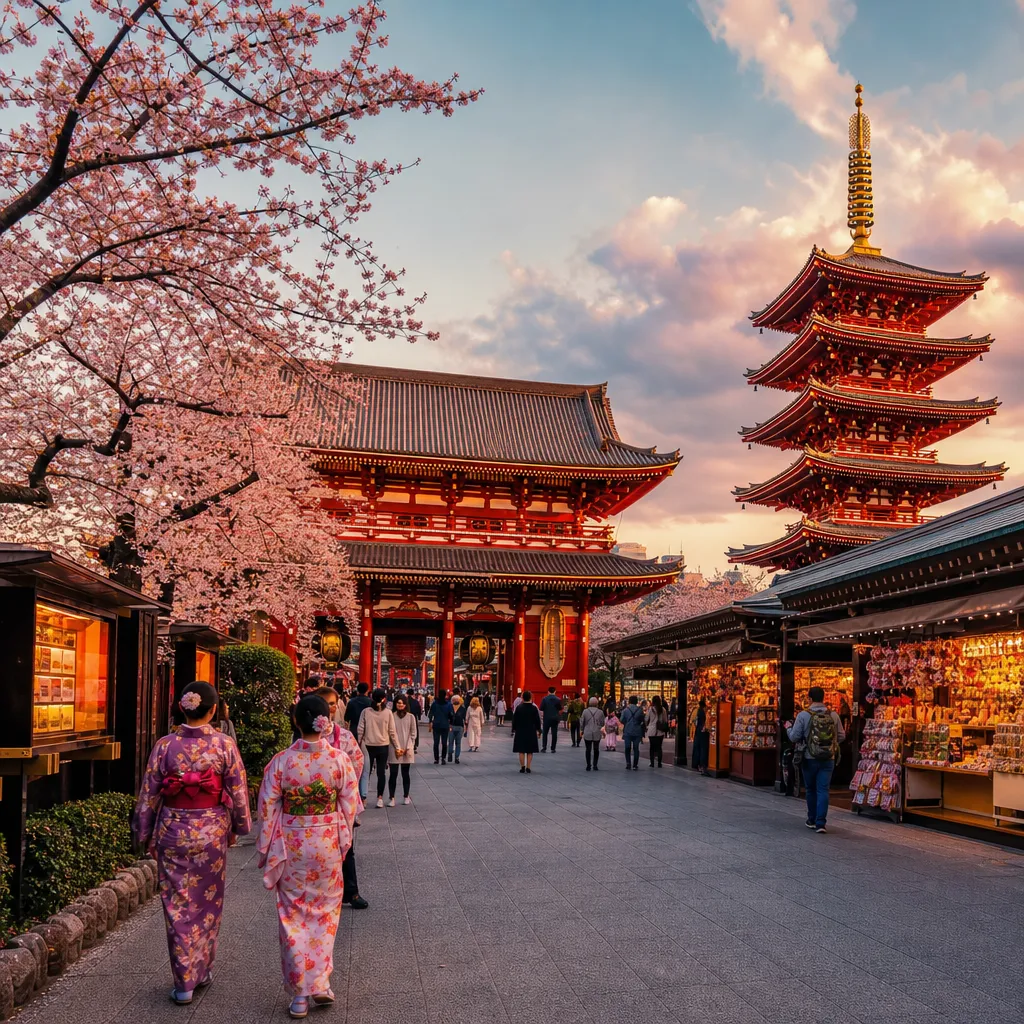
For a night with more old Tokyo character, look east rather than west. Asakusa, in Taito ward, is best known for Senso-ji by day, but in the evening it can be rewarding for classic izakaya, riverside views, and a slower pace than the major youth-oriented districts. You are less likely to find club culture here and more likely to find grilled skewers, local drinkers, and straightforward pub food.
One practical advantage is that an evening walk around the temple precinct and nearby streets can be pleasant after the daytime crowds thin out. You can then move toward drinking and dining streets closer to Asakusa Station. This area suits travelers who want atmosphere without the sensory overload of central west-side nightlife.
Ueno, also in Taito ward, offers another strong option, especially around the Ameyoko area near Ueno Station and Okachimachi Station. It is busy, casual, and generally more budget-friendly in feel than Ginza or Roppongi. The emphasis is on approachable izakaya and energetic street-level dining rather than destination cocktail bars.
Rooftop and high-view nightlife options
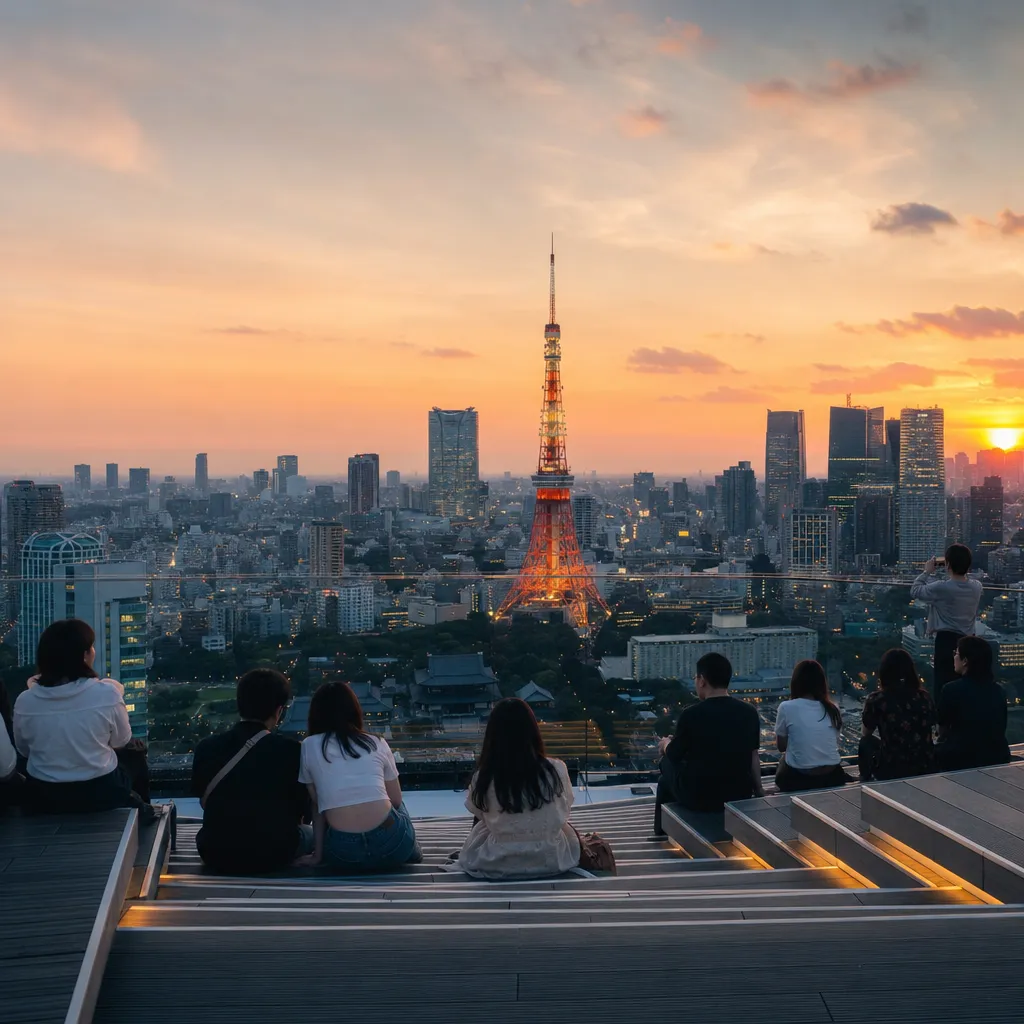
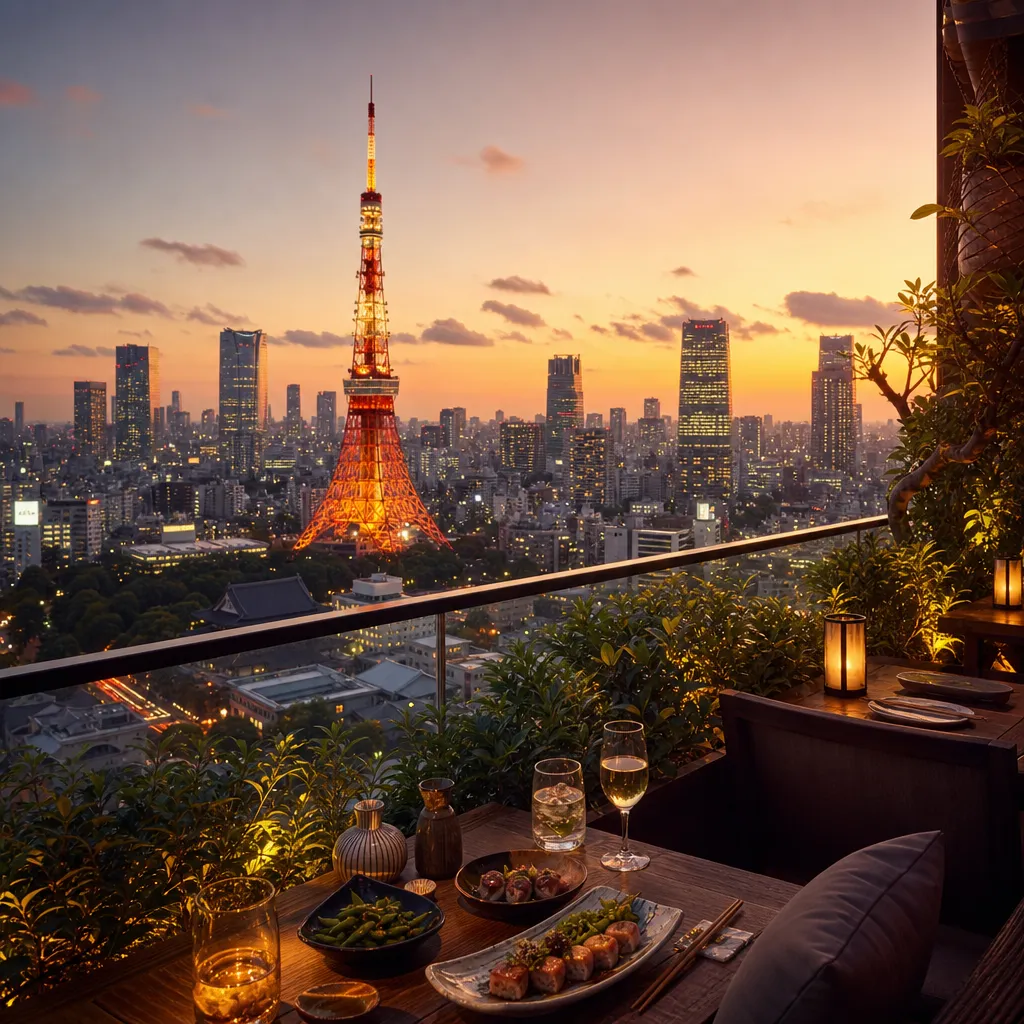
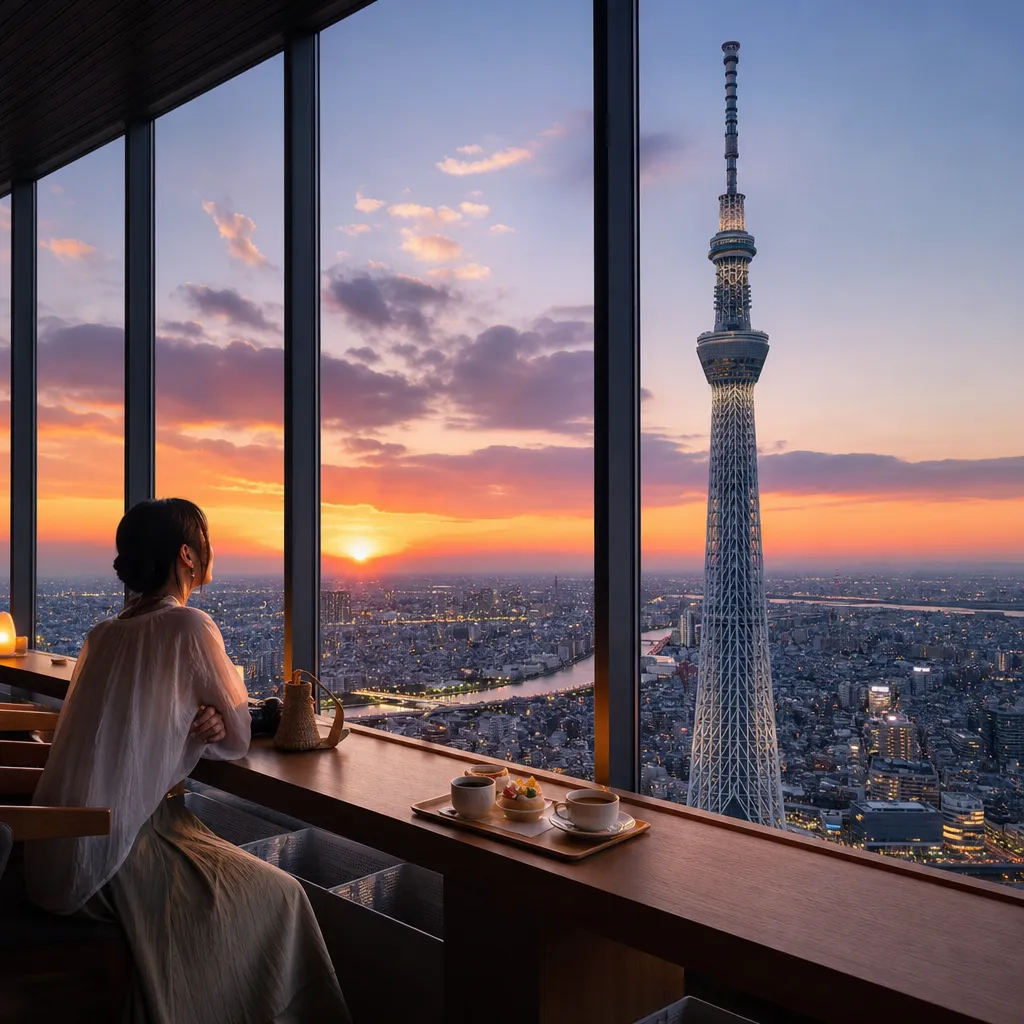
Not every nightlife plan needs to revolve around a district crawl. Tokyo also does high-view evenings very well, especially in major hotels and landmark towers. These places are most useful for dates, a first night in the city, or anyone who prefers one destination with a memorable setting.
New York Bar in the Park Hyatt Tokyo is one of the classic examples, associated with high-floor city views and a formal bar mood in Nishi-Shinjuku. In central Tokyo, luxury hotels in areas such as Marunouchi, Toranomon, and Roppongi also offer bars with skyline appeal, though the exact best option depends on current access rules and your preferred location.
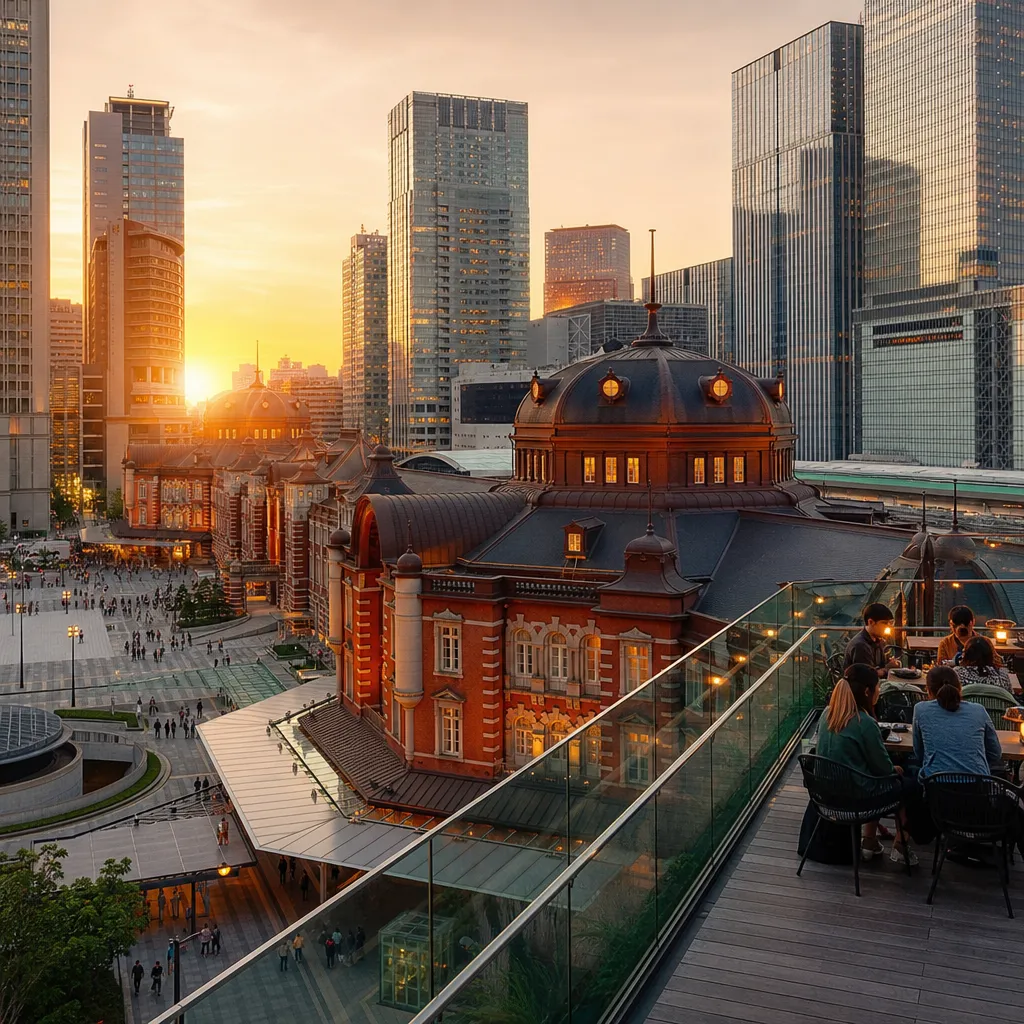
If your budget is tighter, consider combining an observation deck with a more affordable dinner or drinks elsewhere. Shibuya Sky can work well before an evening in Shibuya, while rooftop or terrace access in commercial complexes can sometimes provide atmosphere without requiring a full luxury-hotel spend. Check whether a view venue is ticketed, weather-dependent, or requires timed entry.
How to plan a night out practically
Choose one main area. Tokyo is large, and although trains are efficient, moving between nightlife districts can consume more time than visitors expect. Shinjuku and Shibuya each support a full evening on their own.
Watch the last train. Most rail lines stop around midnight, with some variation. If you miss the last train, your realistic choices are a taxi, staying out until first trains, or booking accommodation nearby. This matters especially in Roppongi, where nights often run later.
Expect cover charges in some bars. Small bars, cocktail bars, and music venues may have seat charges, table charges, or cover charges. This is normal. If there is no English sign and you are unsure, ask before sitting down.
Keep groups small for tiny venues. Tokyo’s most atmospheric bar areas often consist of places with fewer than ten seats. For Golden Gai, Nonbei Yokocho, or similar lanes, two people is easier than six.
Reservations help for serious dining and famous bars. Casual izakaya often allow walk-ins, but destination cocktail bars, high-end yakitori, and hotel bars can fill up. If your evening depends on one specific place, do not assume availability.
Carry some cash. Card acceptance is now much better than it used to be, but smaller bars and old-school drinking spots may still prefer cash.
Be cautious with nightlife solicitation. In heavy nightlife zones, especially late at night, avoid following street touts into bars or clubs. Stick to venues you chose yourself.
Who should go where
- First-time visitors: Shinjuku for variety, or Shibuya for a younger and more casual evening.
- Couples: Ebisu, Nakameguro, Ginza, or a hotel bar in Shinjuku or Roppongi.
- Cocktail-focused travelers: Ginza first, then hotel bars in central districts.
- Budget-conscious travelers: Ueno, parts of Asakusa, and casual izakaya areas in Shinjuku or Shibuya.
- Late-night party seekers: Roppongi and Shibuya.
- Travelers wanting traditional atmosphere: Asakusa, Ueno, Omoide Yokocho, and selected small-bar alleys.
FAQ
What area of Tokyo is best for nightlife if I am visiting for the first time?
Shinjuku is usually the safest all-round choice because it offers small bars, izakaya, late-night food, hotel bars, and easy transport connections in one district. Shibuya is also a strong option if you prefer a younger, more music-oriented scene.
Do I need reservations for Tokyo bars?
For casual bars and many izakaya, walk-ins are often fine. For famous cocktail bars, high-end dining, and hotel bars with views, reservations are often a good idea, especially on weekends or holidays.
What is the typical budget for a night out?
It varies sharply by district and style. Casual izakaya hopping in Ueno, Asakusa, Shibuya, or Shinjuku can be moderate, while classic cocktail bars in Ginza and hotel bars in central districts can become expensive quite quickly.
Are Tokyo nightlife areas open very late?
Some are, especially Roppongi and club-oriented parts of Shibuya. But train service usually ends around midnight, so you should decide in advance whether you plan to leave before the last train or stay out until morning.
Is Tokyo nightlife suitable for solo travelers?
Yes, especially izakaya counters, yakitori spots, and many small bars. Solo travel works particularly well in Shinjuku, Ueno, and Asakusa, though tiny venues may have limited seating and some bars cater more to regular customers.
Can I enjoy Tokyo nightlife without speaking Japanese?
Yes. In major districts, many venues are accustomed to international visitors, especially in Shinjuku, Shibuya, Roppongi, and Ginza. Still, small traditional bars may have limited English, so basic courtesy and simple phrases help.
Is nightlife in Tokyo family-friendly?
Some evening activities are, such as observation decks, river walks, and early dinners in areas like Asakusa or commercial complexes in Roppongi. Late-night bar districts and club zones are generally geared toward adults.
What should I check before going out?
Check the venue’s current operating days, whether reservations are needed, any cover-charge policy, and your last train options. For observation decks, rooftops, and clubs, also confirm access rules and current operating information.
Sources
- GO TOKYO (Tokyo Convention & Visitors Bureau)
- Japan National Tourism Organization
- Tokyo Metro