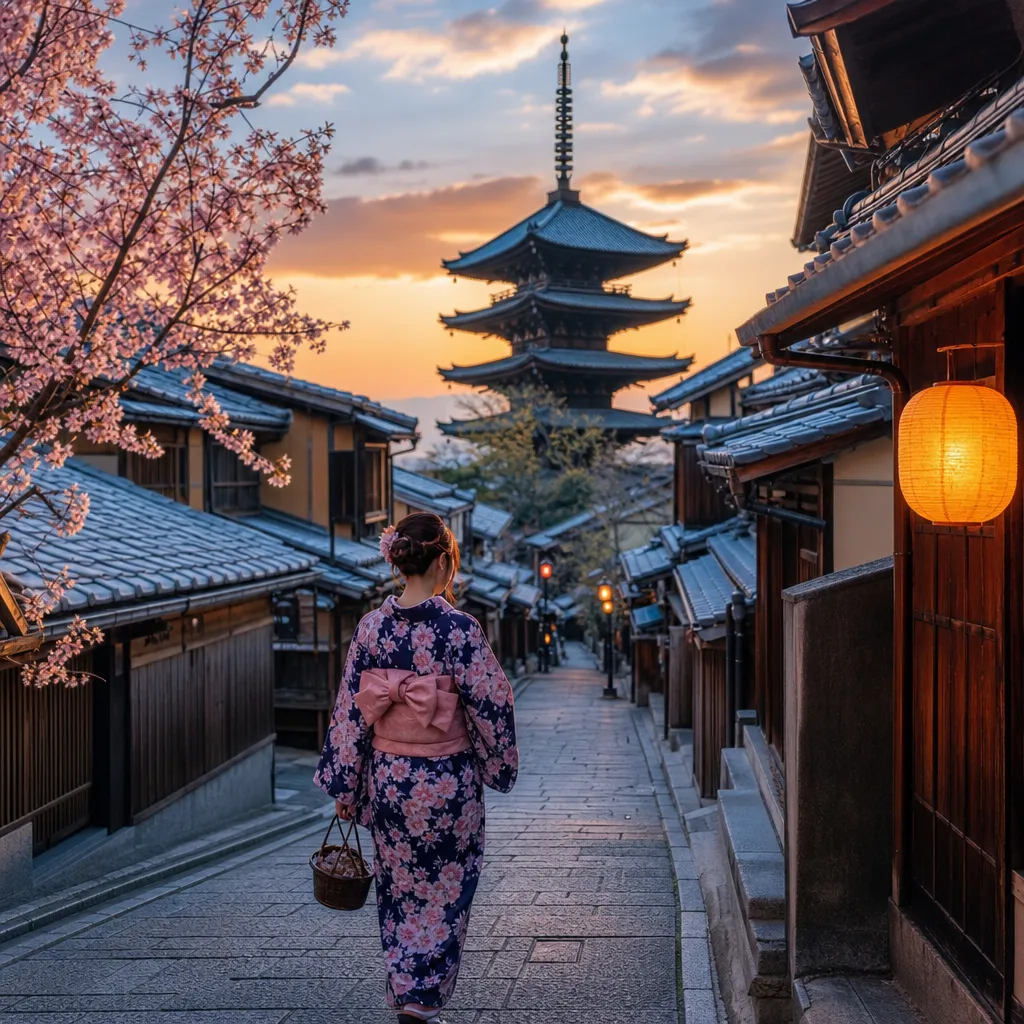
Tokyo can feel overwhelming on a first trip because the city is not arranged around one obvious center. A practical approach is to plan by area, use rail hubs intelligently, and mix major sights with neighborhood-scale stops that match your interests. The most useful travel tips are often small ones: which districts work best at different times of day, when reservations matter, how early to start, and where to slow down instead of trying to “cover” the whole city. The guide below focuses on exactly that—how to make the city easier, smoother, and more rewarding to visit.
Understand Tokyo by area, not just by landmarks
One of the biggest planning mistakes is treating the city as a single compact sightseeing zone. In reality, travel becomes much easier when you group visits by neighborhood and by railway corridor.
- Shibuya and Harajuku: good for first-time visitors who want major city energy, fashion streets, youth culture, cafés, and Meiji Jingu. Best for daytime into evening.
- Shinjuku: transport-heavy, busy, useful for nightlife, department stores, views, and hotel convenience. Best if you want late hours and strong rail links.
- Asakusa and Ueno: better for traditional atmosphere, temple visits, markets, museums, and easier-paced daytime exploring.
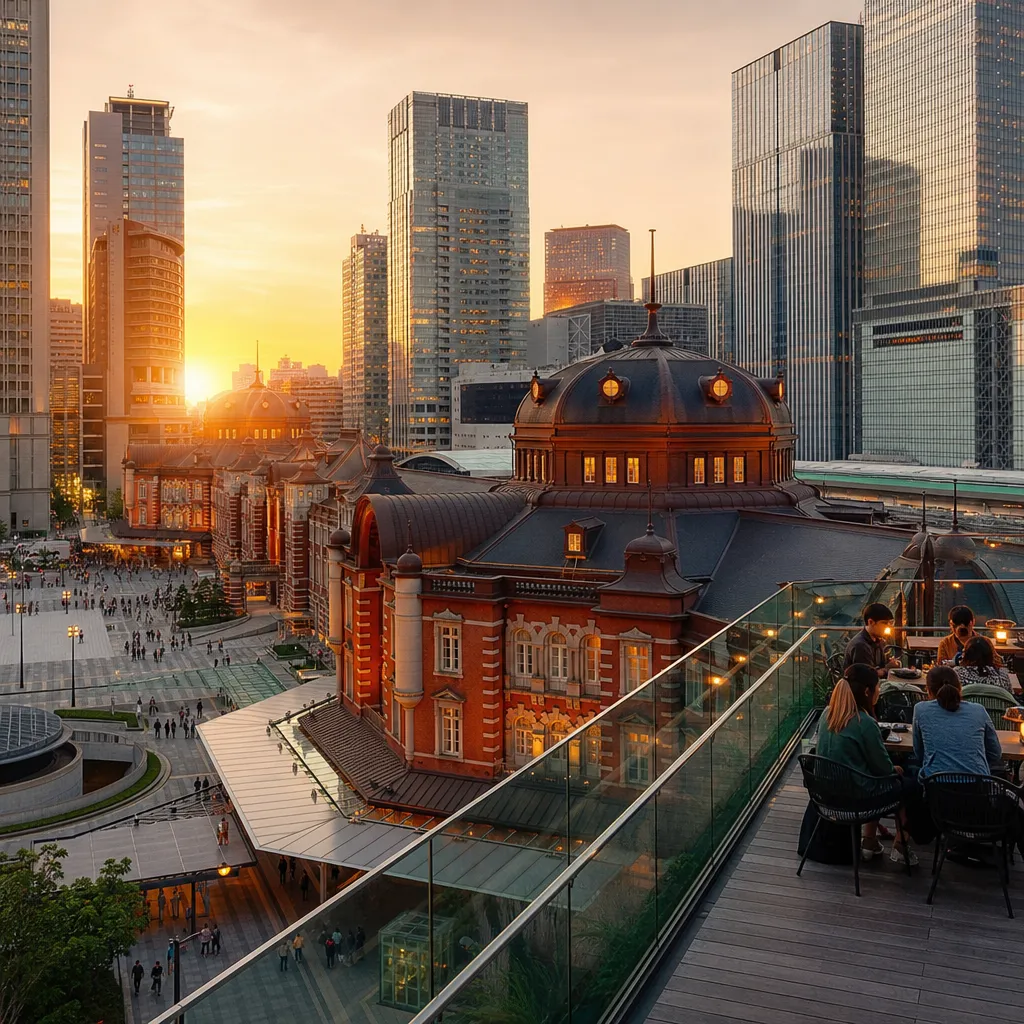
- Ginza and Marunouchi: polished central districts with department stores, refined dining, architecture, and easy access to Tokyo Station.
- Nakameguro, Daikanyama, and Ebisu: more relaxed for cafés, design, riverside walks, and a slower urban feel.
- Kichijoji: farther west but excellent for a neighborhood day out, especially with Inokashira Park and independent shops.
If you are staying only a few days, avoid crossing the city repeatedly. Pair places that fit together naturally, such as Asakusa with Ueno, or Shibuya with Harajuku and Omotesando.
| Area | Best For | Useful Station Area | Character |
|---|---|---|---|
| Shibuya | Nightlife, shopping, city views, first-time energy | Shibuya Station | Fast, bright, crowded, central-west |
| Asakusa | Temple visits, traditional streets, river area | Asakusa Station | Historic atmosphere in the east |
| Ueno | Museums, park, market streets | Ueno Station | Convenient, cultural, busy transport hub |
| Ginza | Department stores, refined dining, architecture | Ginza Station / nearby Yurakucho | Upscale, central, walkable |
| Kichijoji | Local feel, park time, families, slower pace | Kichijoji Station | Popular western suburb-center |
Choose transport tools that reduce friction
Tokyo’s rail network is excellent, but station size can be more tiring than train travel itself. Large interchanges such as Shinjuku, Tokyo, and Shibuya are manageable, but they take time and attention.
A rechargeable IC card such as Suica or PASMO is usually the most convenient way to move around on trains, subways, and many buses. It saves time compared with buying single tickets. If you are using an iPhone or compatible device, mobile IC options can be especially useful.
The core practical distinction is this: JR lines are useful for broad cross-city movement, while Tokyo Metro and Toei Subway often get you closer to specific attractions. For example, JR works well for moving between Shinjuku, Shibuya, Ueno, and Tokyo Station areas, while subway lines are often better for Ginza, Asakusa, Roppongi, and many museum districts.
- Avoid rush hour if possible, especially weekday mornings and early evenings.
- When changing lines, follow line color and code, not only station names.
- Give yourself extra time in large stations if you have luggage.
- For airport transfers, check current service options in advance rather than assuming one standard route.
Where to stay for different trip styles
The best area depends less on prestige and more on how you want your days to flow.
Shinjuku
Good for travelers who want wide transport access and the ability to return late. It suits first-time visitors, solo travelers, and people doing day trips. The area around the station is intense and busy, but hotel choices are extensive.
Shibuya
A strong choice if you want modern city atmosphere, dining, shopping, and nightlife nearby. It feels youthful and central-west, with easy access to Harajuku, Omotesando, and Ebisu.
Ueno
Often practical for value-conscious travelers. It has strong rail links, museums, park space, and easier access toward the northeast side of the city. It can feel less polished than Ginza or Marunouchi, but very useful.
Ginza or Marunouchi
These central districts are convenient for shoppers, food-focused travelers, and anyone arriving via Tokyo Station. They suit couples and business-style stays, with a quieter tone at night than Shinjuku or Shibuya.
Asakusa
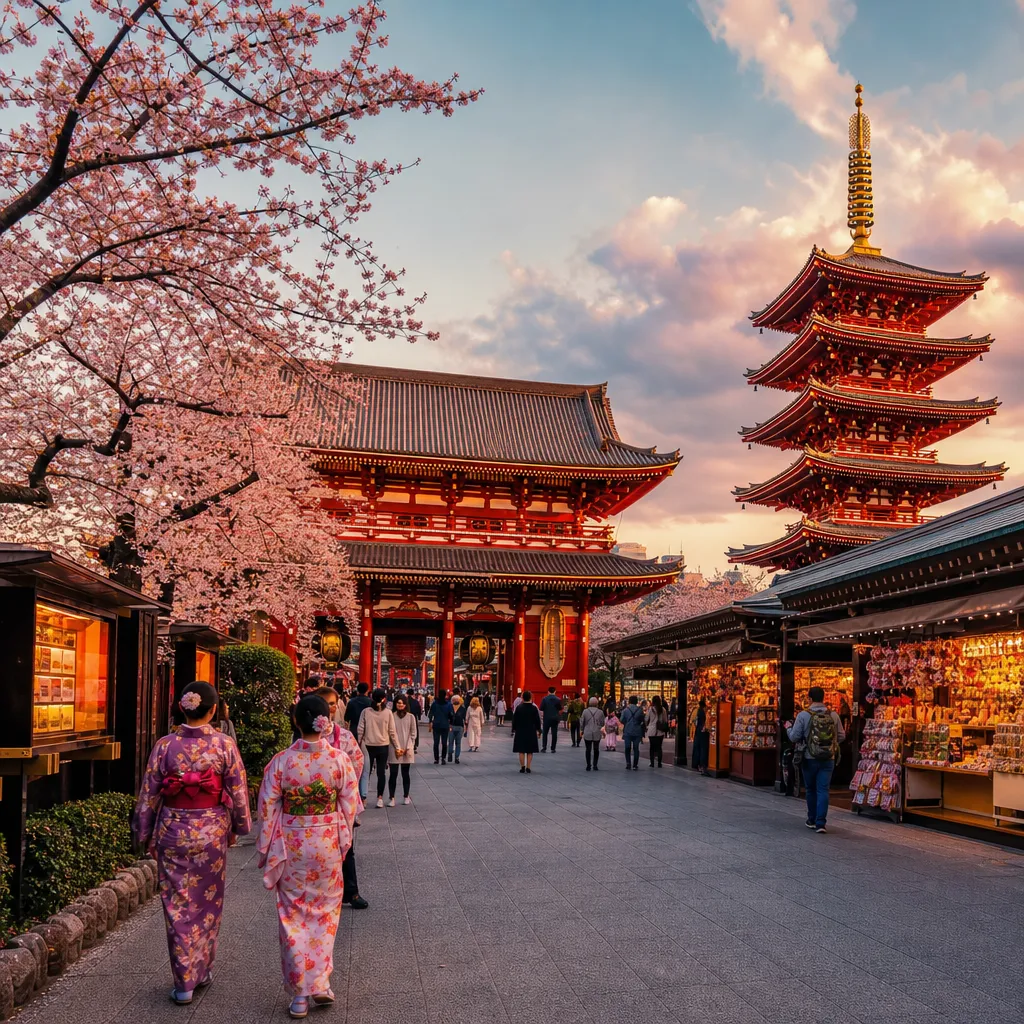
Best for visitors who enjoy traditional surroundings and mornings near Senso-ji before the biggest crowds build. It is calmer in parts, with a different pace from the western entertainment districts.
If you want a ryokan-style stay, look carefully at whether the property is a true traditional inn, a modern hotel with Japanese-inspired rooms, or a hybrid concept. The atmosphere can be very different.
Build your day around timing, not only locations
Many of the city’s most enjoyable moments depend on when you go, not just where.
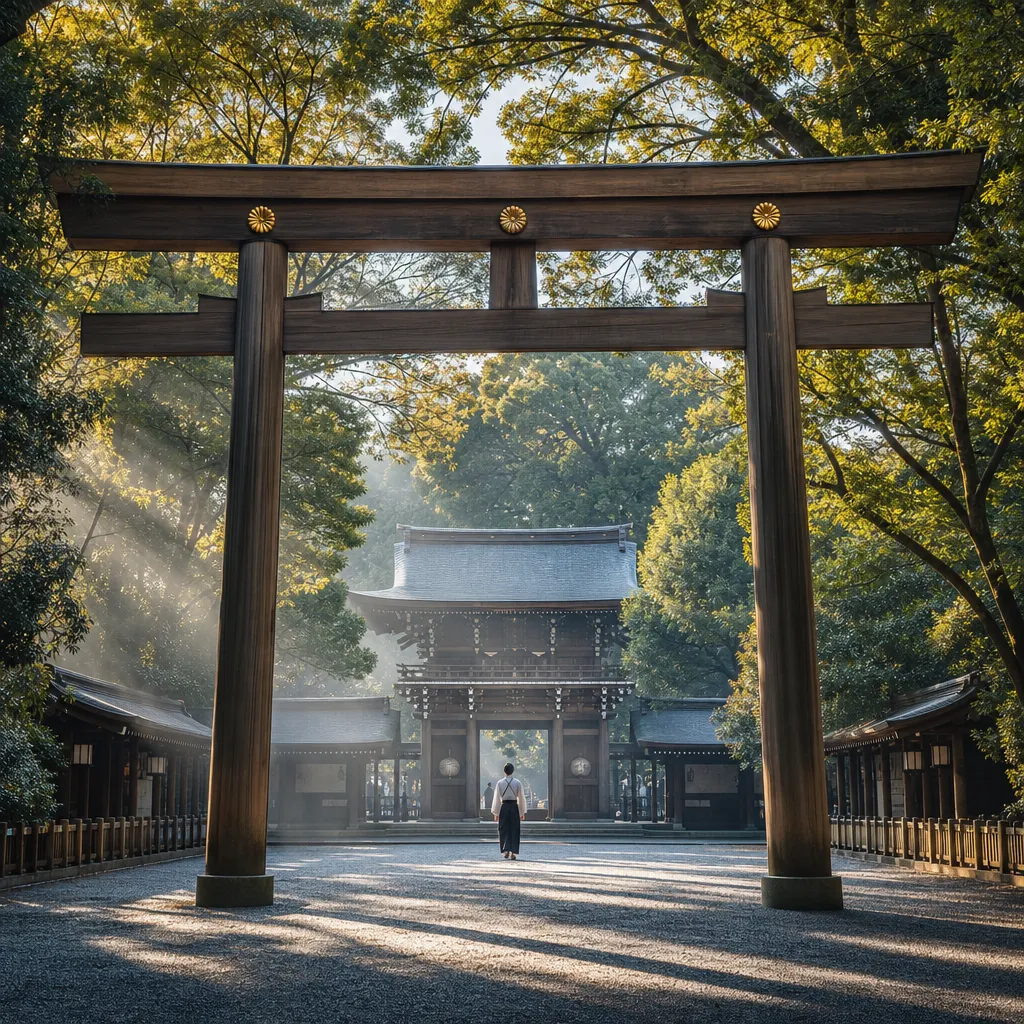
- Early morning: best for Senso-ji in Asakusa, Meiji Jingu near Harajuku, and quieter street photography in older districts.
- Late morning to mid-afternoon: ideal for museums in Ueno, shopping streets, department stores, and park visits.
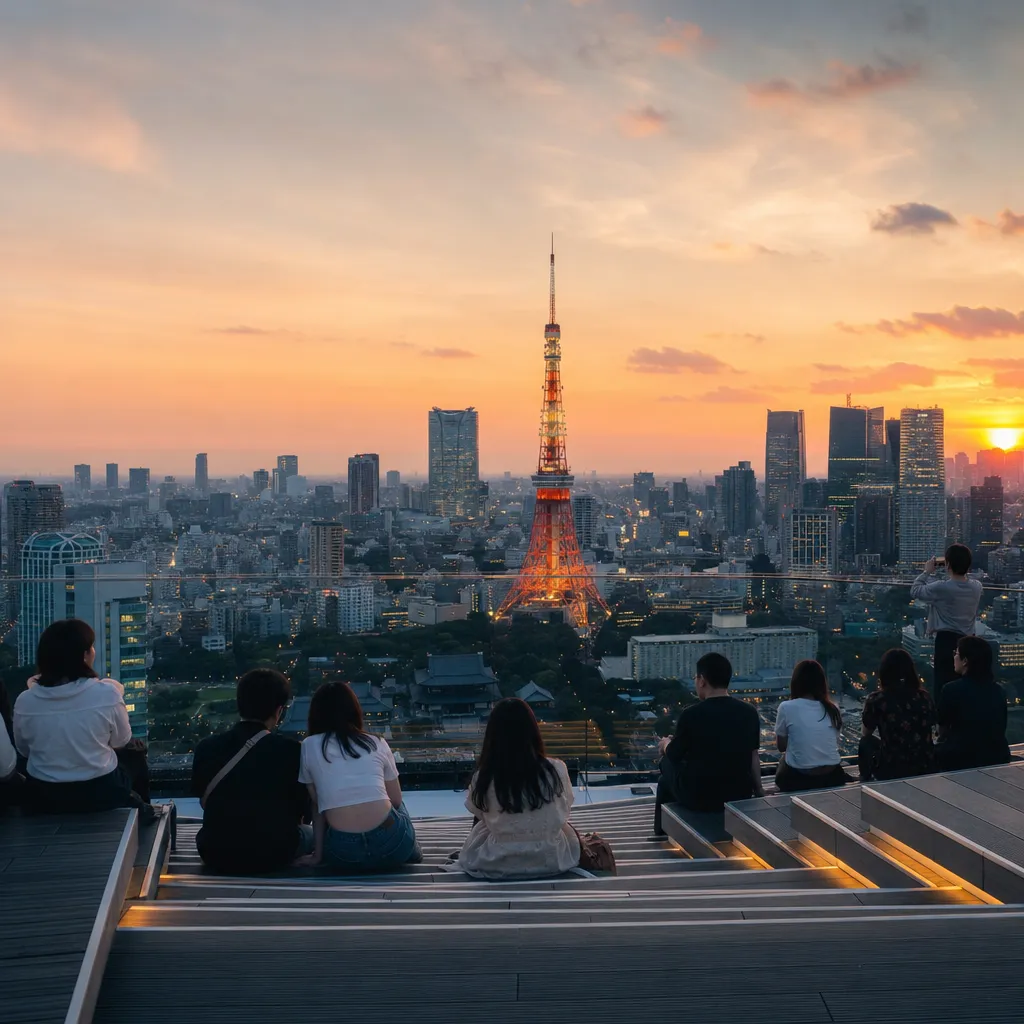
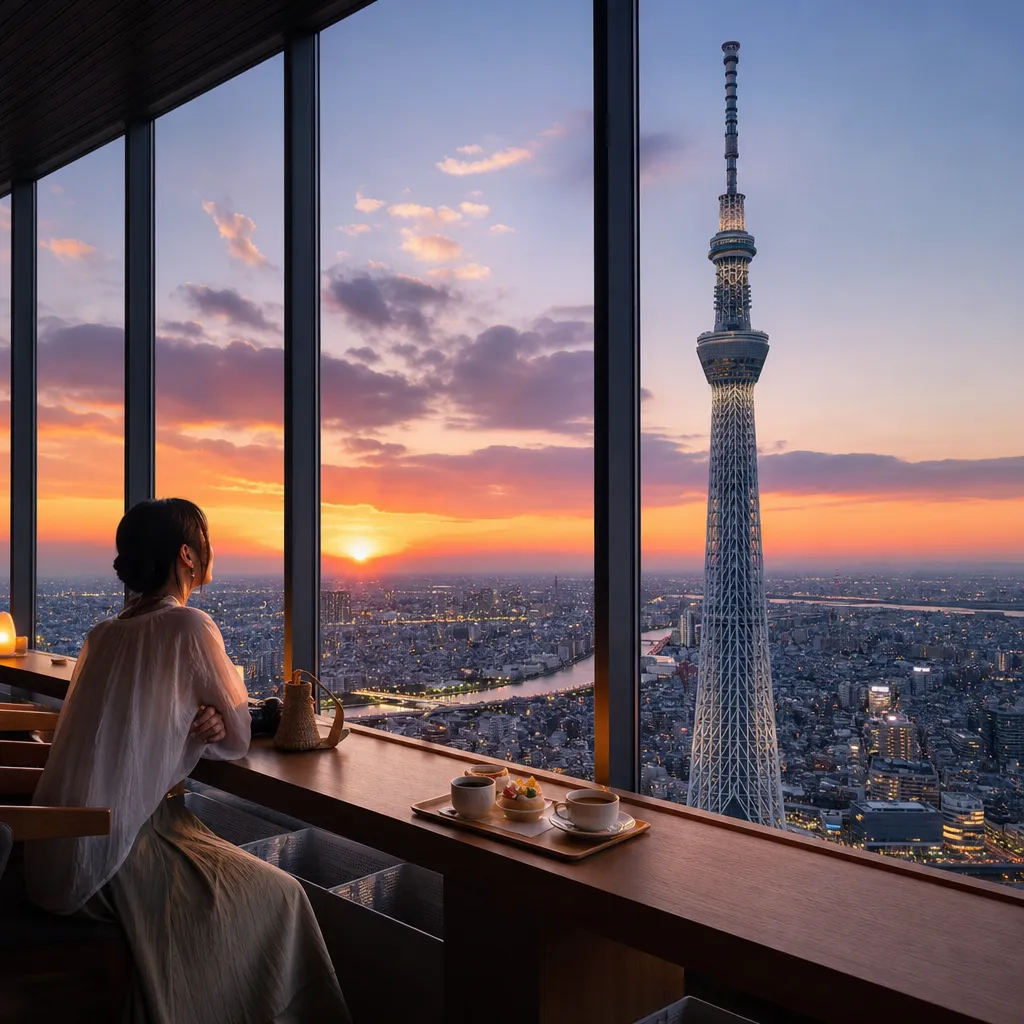
- Late afternoon: good for observation decks and riverside walks when the light softens.
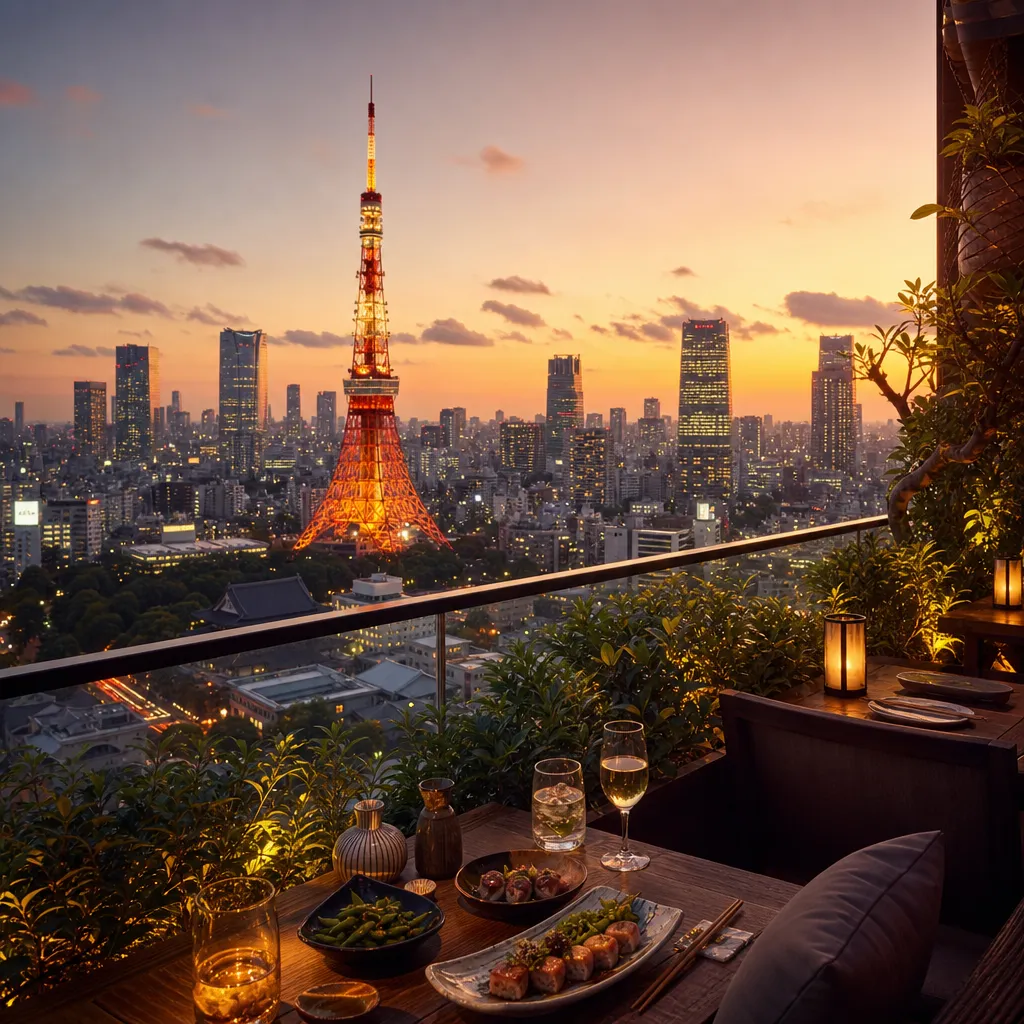
- Evening: best for yakitori alleys, izakaya districts, illuminated streetscapes, and city viewpoints.
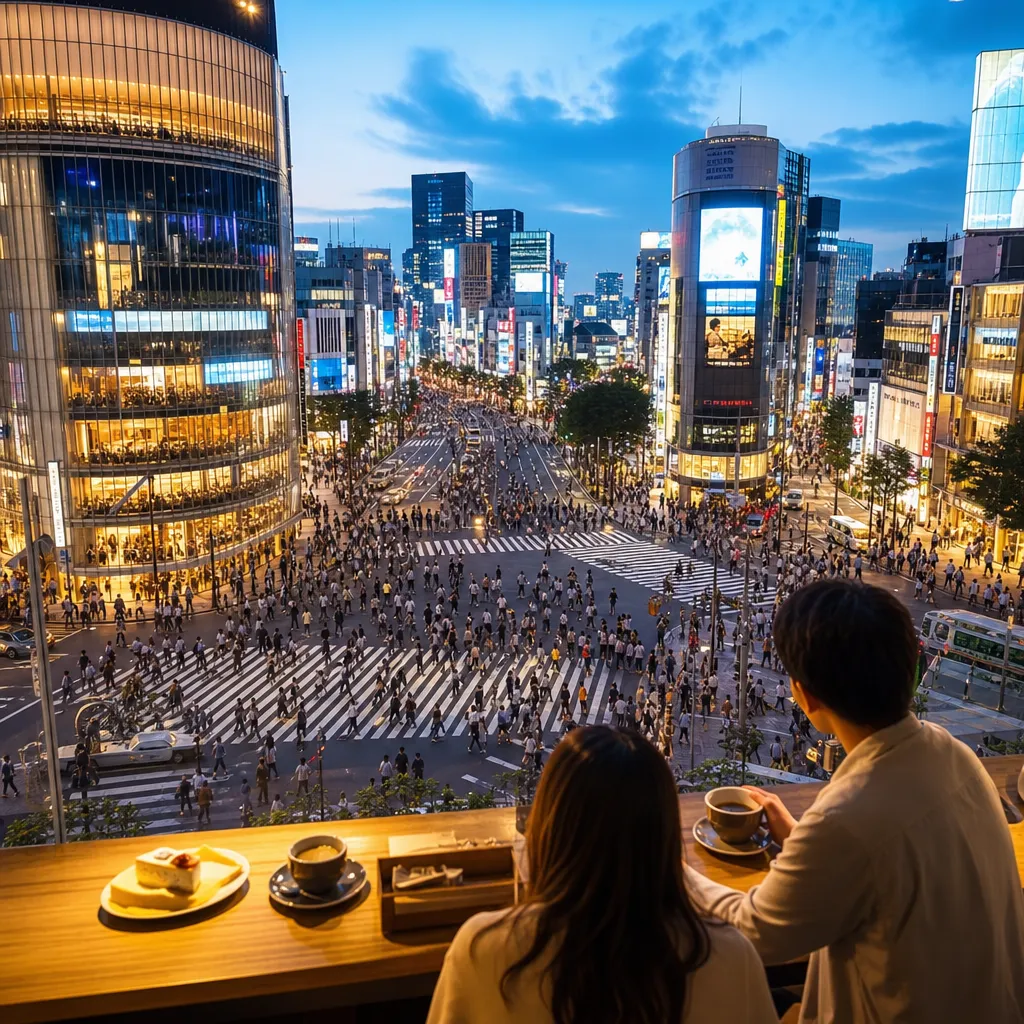
Well-known places can feel completely different by time of day. Asakusa early is contemplative; by midday it is crowded and commercial. Shibuya in daytime is easier for orientation; after dark it becomes far more energetic. If you want photography rather than shopping, start earlier than most visitors do.
Food strategy: eat regionally within the city and reserve selectively
You do not need to chase only famous names to eat well. In many parts of the city, strong everyday places are everywhere. The more useful question is what style of meal fits the neighborhood and time of day.
Useful food districts to know
- Tsukiji Outer Market area: still worthwhile for seafood-focused browsing and casual eating, though not the original inner wholesale market experience people sometimes imagine.
- Ginza: sushi, kissaten, department store food halls, and higher-end dining.
- Shinjuku and Shibuya: broad choice for izakaya, ramen, yakitori, and late dinners.
- Kanda and Jimbocho: excellent for more old-school eating culture, including curry, soba, and long-running casual places.
- Ebisu and Nakameguro: good for stylish but still practical dinners and café breaks.
Reservations matter most for destination sushi counters, small kaiseki restaurants, and some highly regarded yakitori spots. Ramen, soba, tempura chains, and many casual lunch places are often more realistic as walk-ins, though lines can still be long.
Department store food halls, especially in Ginza, Shinjuku, Nihombashi, and Ikebukuro, are one of the easiest ways to eat well without heavy planning. They work especially well for picnics, train snacks, or a quiet hotel dinner after a long day.
If you have dietary restrictions, prepare key phrases in Japanese or use carefully translated notes. Do not assume all staff can explain ingredients in detail, especially in smaller casual restaurants.
High-value attractions that are easy to combine
Tokyo rewards combinations more than isolated “tick-box” stops. These pairings are efficient and enjoyable because they suit the same district and pace.
Asakusa + Sumida riverside
Visit Senso-ji in the Asakusa district early, then walk the surrounding streets before crowds peak. From there, the river area gives you wider views and a break from denser shopping lanes. This is a good half-day for first-time visitors and photographers.
Ueno Park + Tokyo National Museum
In Taito ward near Ueno Station, this is one of the easiest cultural combinations in the city. The museum is a strong choice if you want historical depth rather than purely contemporary experiences. Ueno Park also works well for families and slower travel days.
Harajuku + Meiji Jingu + Omotesando
This pairing links shrine grounds, youth-oriented streets, and higher-design architecture. It works well if you want contrast in one day: forested calm, street culture, and polished urban shopping.
Ginza + Hamarikyu area + Tokyo Station side
Good for architecture, department stores, and central-city walking. This is well suited to travelers who prefer refined cityscapes over nightlife-heavy neighborhoods.
Kichijoji + Inokashira Park
Farther out from the center, but excellent if you want to escape the biggest crowds. It suits families, café-goers, and repeat visitors who want a more local-feeling day.
Shopping tips that save time and disappointment
Shopping is more productive when you match the district to the kind of browsing you actually enjoy.
- Ginza: major department stores, stationery, design goods, and polished presentation. Better for classic retail and gift buying.
- Shibuya: trend-focused fashion, youth-oriented shopping complexes, and mainstream variety.
- Shimokitazawa: vintage clothing and independent shops, with a looser, more casual feel than central luxury districts.
- Jimbocho: bookstores, especially for readers who enjoy secondhand and specialist material.
- Kappabashi near Asakusa: useful for kitchenware and restaurant-supply browsing rather than fashion shopping.
Department stores are also practical service spaces: they usually provide restrooms, packaged food, and weather-proof browsing. On rainy days, areas like Ginza, Nihombashi, and around major stations become much easier than park-heavy plans.
For vintage shopping, keep expectations realistic. Prices can range from true secondhand finds to highly curated fashion resale. The district matters as much as the individual store.
Viewpoints, photography, and how to avoid the worst crowds
For skyline views, the most practical approach is to choose one or two observation spots rather than chasing every famous deck.
Shibuya Sky
Near Shibuya Station, this is one of the most in-demand modern viewpoints in the city. It suits sunset and night views, but timed entry and advance planning are often wise because demand can be high.
Tokyo Metropolitan Government Building
In Shinjuku, this is a useful option for travelers seeking a major view without turning it into a luxury splurge. As with any viewpoint, check current operating details before going.
Tokyo City View area in Roppongi
This broader area is a strong pick if you want to combine architecture, museums, and evening city scenery. It works especially well for couples and visitors already spending time in Roppongi.
For street photography, consider these approaches:
- Go early in Asakusa for cleaner compositions.
- Use late afternoon in Yanaka for lower-rise streets and softer light.
- Photograph Omotesando for architecture rather than crowds alone.
- Try nighttime scenes in Shinjuku or Shibuya only if you are comfortable working around heavy foot traffic.
Always check photography rules in museums, temple precincts, indoor venues, and private shopping spaces. Rules can differ sharply even within the same complex.
Etiquette and practical habits that make the trip smoother
Tokyo is easy to travel in once you adjust to local rhythms.
- Stand clear and move efficiently in station passageways.
- Keep voices low on trains.
- Carry a small bag for trash; public bins are limited in many areas.
- At shrines and temples, observe before acting. They are active religious sites, not just sightseeing backdrops.
- Do not block narrow streets for group photos.
- If a restaurant uses a ticket machine, choose and pay first, then hand the ticket to staff.
- Cashless payment is widespread, but not universal; carrying some cash is still wise.
Season also matters. Summer can be exhausting because of heat and humidity, while winter often offers clearer air and better long-distance visibility. Cherry blossom and autumn foliage periods are rewarding but crowded, so book key accommodation well ahead.
FAQ
What area is best to stay in for a first trip?
Shinjuku, Shibuya, Ueno, and Ginza are usually the easiest bases. Choose Shinjuku or Shibuya for energy and nightlife, Ueno for practicality and value, and Ginza for a more polished central stay.
Do I need restaurant reservations?
For high-demand sushi, kaiseki, and some small specialist counters, yes. For ramen, soba, casual izakaya, and department store dining, walk-ins are often more realistic, though queues can still happen.
What is the best time to visit major sights?
Early morning is usually best for places like Senso-ji and Meiji Jingu. Evening is better for city views, yakitori areas, and illuminated entertainment districts.
Is public transport enough, or should I use taxis?
Public transport is usually enough for most visitors. Taxis are useful late at night, with luggage, or when crossing short distances between awkward station connections.
Is Tokyo suitable for families?
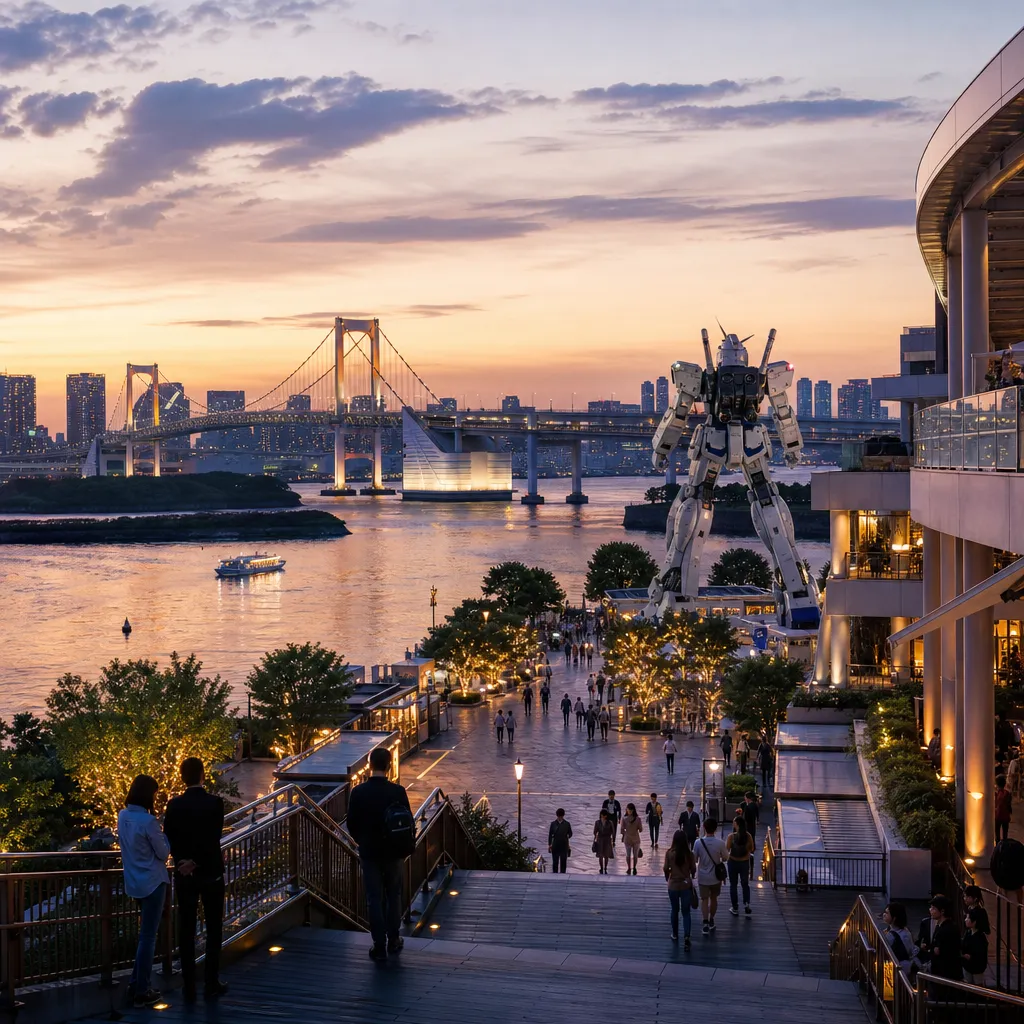
Yes, especially districts such as Ueno, Kichijoji, Odaiba, and parts of Asakusa. Parks, museums, aquariums, and department stores with food halls make family pacing much easier.
Can I manage without speaking Japanese?
Yes, particularly in major districts and transport hubs. Still, a few saved phrases, translated dietary notes, and map pins help a lot in smaller restaurants and local shops.
What should I check before visiting a specific place?
Check current opening days, reservation systems, seasonal closures, and exhibition or event details. This matters especially for museums, viewpoints, specialist restaurants, and festival visits.
Are Suica and PASMO worth using?
Yes. They simplify transport across rail and subway systems and are much easier than buying individual tickets for every journey.
Sources
- GO TOKYO (Tokyo Convention & Visitors Bureau)
- Japan National Tourism Organization
- Tokyo Metro