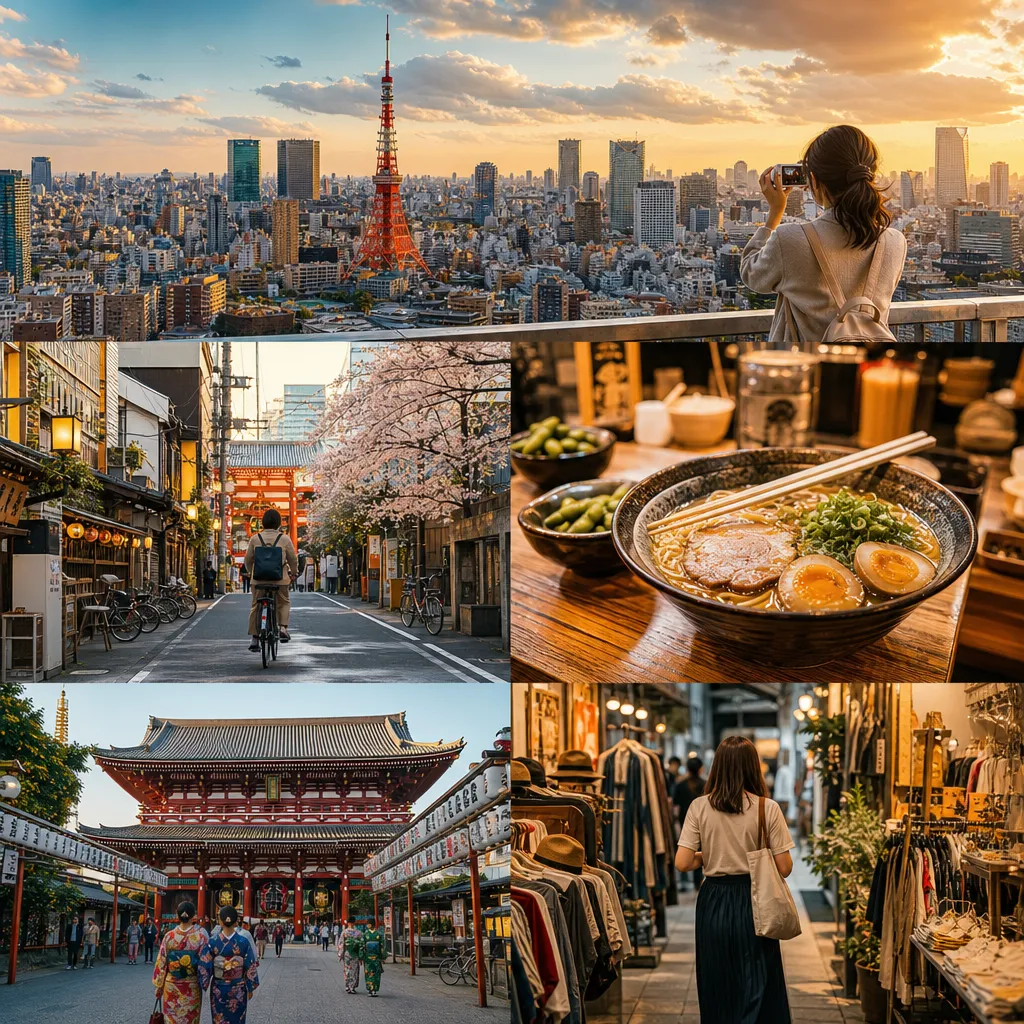
Traveling in Tokyo does not have to mean burning through cash on transport, hotel rooms, and high-profile dining. The city can be surprisingly manageable on a budget if you stay in the right areas, use trains strategically, and mix famous sights with neighborhood places that cost little or nothing to enjoy. A good budget plan in Tokyo is less about finding the absolute cheapest option and more about choosing districts, meals, and activities that give you strong value without wasting time. The suggestions below focus on real places and practical decisions that help keep a trip affordable while still feeling like Tokyo.
How to think about a budget trip in Tokyo
The biggest costs for most visitors are usually accommodation, transport, and food. Sightseeing can actually be relatively gentle on the wallet because many of the city’s strongest experiences are public spaces: shrine grounds, temple precincts, parks, markets, observation areas, and walkable neighborhoods.
If you want to save money without making the trip inconvenient, base yourself near a major rail hub or on the Yamanote Line. Areas like Ueno, Asakusa, Ikebukuro, and parts of Shin-Okubo or Kanda often give better value than Ginza, Shibuya, or central Roppongi, while still keeping the city easy to navigate.
For meals, lunch sets are often better value than dinner, department store food halls can replace expensive restaurant evenings, and standing soba or conveyor-belt sushi can be genuinely satisfying rather than just cheap. Convenience stores also matter more in Tokyo than in many cities: they are useful for breakfast, drinks, and basic snacks when you do not want to spend early in the day.
Best neighborhoods for affordable stays and easy access
Ueno is one of the most practical areas for budget-minded visitors. It is in Taito ward on the northeastern side of central Tokyo, with Ueno Station connecting JR lines, the Tokyo Metro, and onward transport to Narita via the Skyliner nearby at Keisei Ueno. The area has business hotels, simple guesthouses, inexpensive eats around Ameyoko, and easy access to Ueno Park’s free outdoor spaces.
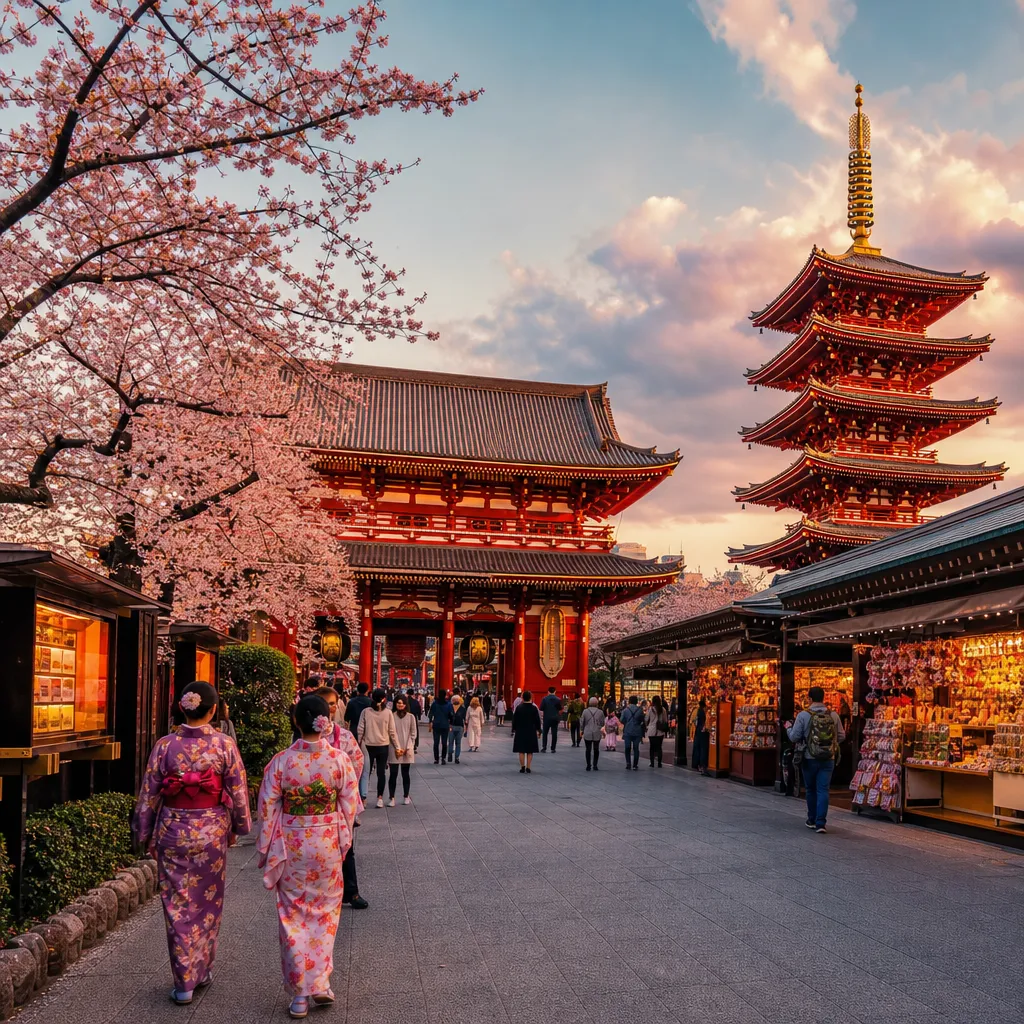
Asakusa, also in Taito ward, is another strong base. It is a major sightseeing district but still more affordable than many western central neighborhoods. You get easy access to Senso-ji, Sumida riverside walks, budget hostels, and many lower-key dining options. It is especially good for travelers who want atmosphere in the evening without paying nightlife-district prices.
Ikebukuro in Toshima ward is busier and more commercial, but often offers decent hotel value around one of the city’s major stations. It works well if you want strong rail connections and lots of low- to mid-priced chain restaurants, department stores, and late-opening food options.
Kanda and nearby Akihabara can suit travelers who prefer practical access over postcard charm. Kanda, just north of Tokyo Station, has straightforward business accommodation and useful transport links. Akihabara can vary in price, but nearby lodging sometimes works well if you want to walk to electronics shops, anime stores, and inexpensive casual eateries.
If you want a more traditional feeling, Asakusa is usually the most pleasant budget compromise. If pure convenience matters most, Ueno is hard to beat.
| Area | Nearest Major Transport Base | Best For | Typical Budget Strength | Area Character |
|---|---|---|---|---|
| Ueno | Ueno Station / Keisei Ueno | Easy transport, food variety, museums nearby | Good-value hotels and cheap dining around Ameyoko | Busy, practical, market-oriented |
| Asakusa | Asakusa area stations | Atmosphere, traditional sights, lower-cost stays | Strong hostel and budget hotel base | Historic, tourist-friendly, walkable |
| Ikebukuro | Ikebukuro Station | Transport convenience, shopping, casual dining | Often reasonable hotel deals for a major hub | Large commercial center |
| Kanda | Kanda Station | Simple business stays, central access | Practical rather than scenic value | Office district with local dining pockets |
Where to eat well without spending much
Affordable food in Tokyo is not limited to convenience stores and fast food. Budget travelers can eat very well if they know which formats to look for.
Standing soba and udon shops
Small standing noodle shops around major stations are among the best-value meals in the city. You will find them near transport hubs such as Ueno, Shimbashi, Kanda, Ikebukuro, and Shinagawa. They are ideal for solo travelers, quick breakfasts, or inexpensive lunches. Expect a fast, no-frills format and limited seating, if any.
Chain gyudon and set-meal restaurants
Chains such as Matsuya, Sukiya, and Yoshinoya are common across the city and can be useful when you want something hot, filling, and fast. They are not a special destination meal, but they are practical when arriving late, traveling solo, or staying near a station district with limited options early in the day.
Conveyor-belt sushi
Budget sushi is easiest to approach through kaiten-zushi or similar casual chains in areas like Ueno, Ikebukuro, Shinjuku, and other major centers. Pricing and quality vary, and menus change, so it is smart to check the current setup before sitting down. These places suit families and groups because ordering is usually straightforward, often with picture menus or touchscreen systems.
Department store depachika food halls
Department store basement food halls are especially useful in Ginza, Nihombashi, Shinjuku, Ikebukuro, and Ueno. Rather than eating every meal in restaurants, buy prepared bento, salads, grilled items, or sweets for a picnic or hotel-room dinner. This approach works especially well if your hotel room is small but you want a higher-quality meal than a convenience store can provide.
Ameyoko in Ueno
The Ameyoko market area between Ueno and Okachimachi is one of the easiest places to browse lower-cost casual food in central Tokyo. The atmosphere is lively and a bit messy in the best way. You will find snacks, skewers, takeaway bites, and a wide range of modest restaurants around the market streets.
Free and low-cost sights that are actually worth your time
Senso-ji in Asakusa is one of the city’s most famous temple sites, but it still works for budget travel because the grounds are free to visit and the surrounding streets are easy to explore on foot. Visit early in the morning for a quieter atmosphere, or return in the evening when the main hall area is illuminated and crowds soften.
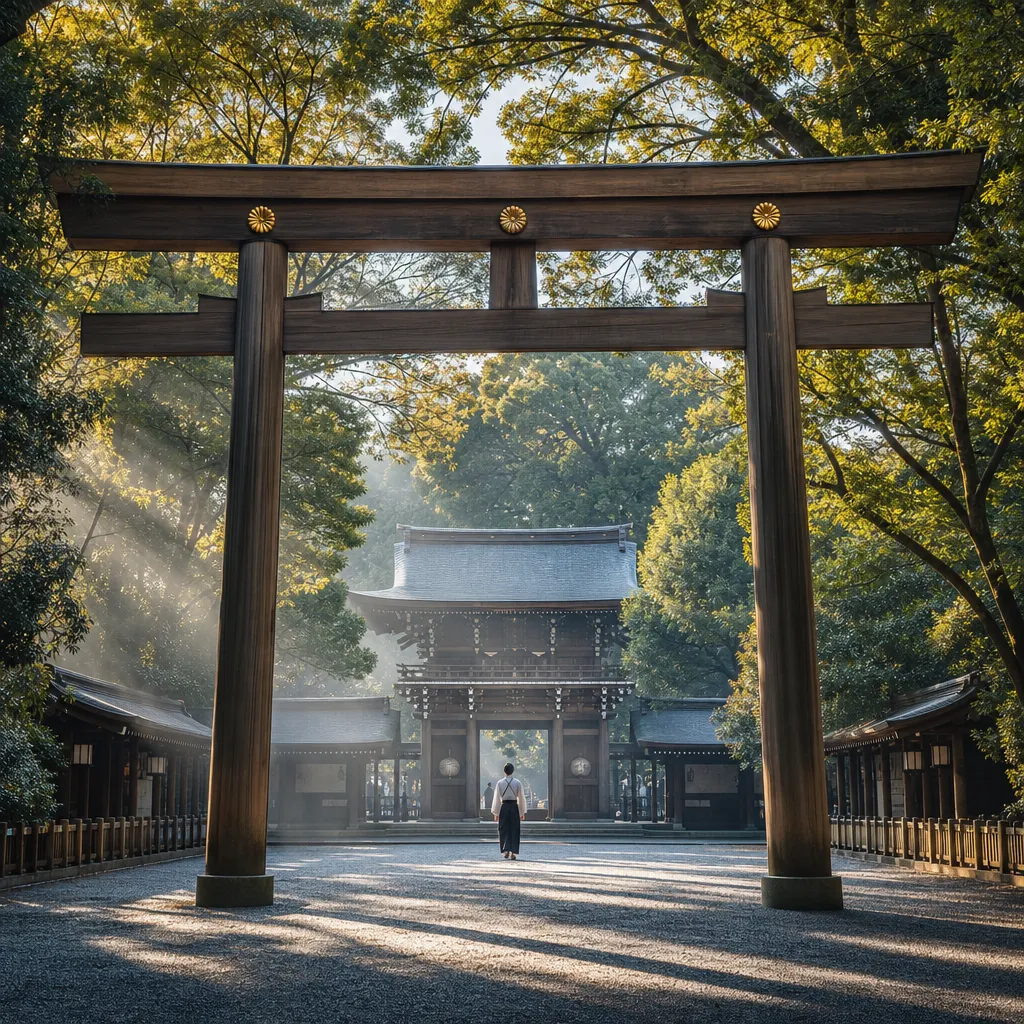
Meiji Jingu near Harajuku and Yoyogi is another strong no-cost visit. The shrine sits within a forested precinct that feels separate from the surrounding commercial areas. It pairs well with a walk through Omotesando or Harajuku, though those districts themselves are less budget-friendly for shopping.
Ueno Park gives you free public space plus access to several museums if you decide to pay for one indoor attraction. Even without entering a museum, the park is worth visiting for its broad paths, seasonal atmosphere, temple-shrine corners, and nearby market streets.
Shinjuku Gyoen is not free, but it is low-cost by big-city standards and can be an excellent use of money if you want a calm half-day outdoors in central Tokyo. It suits couples, solo travelers, and photographers more than people in a rush.
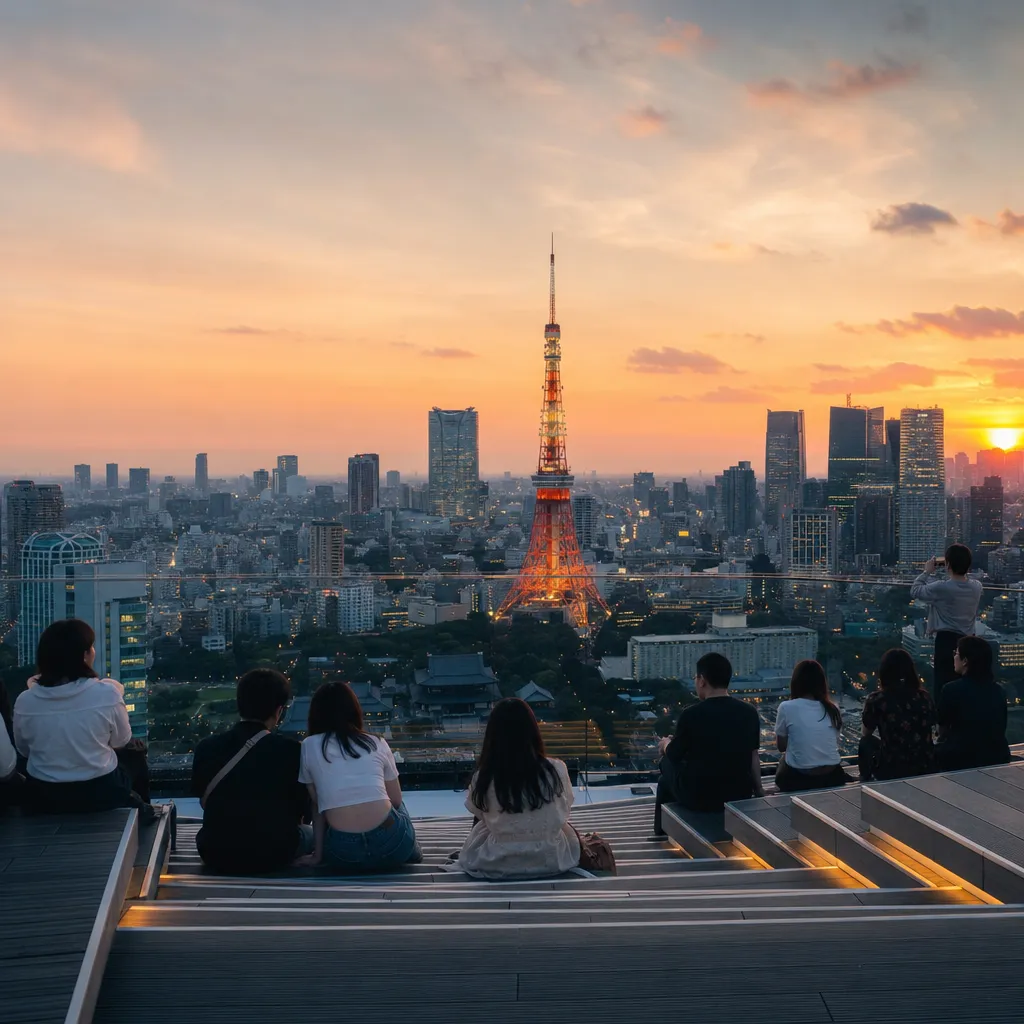
The Tokyo Metropolitan Government Building in Shinjuku is one of the classic budget viewpoints. Observation access policies should always be checked in advance, but when available it remains one of the best-value skyline experiences in the city. It is especially useful for first-time visitors who want a high view without restaurant or bar spending.
Low-cost museums, culture, and indoor time
If the weather turns bad, Tokyo still offers good-value indoor options.
Tokyo National Museum in Ueno is one of the city’s strongest cultural stops if you want depth rather than entertainment-driven spectacle. It is best for visitors with an interest in Japanese art, history, and design. Even on a budget, it can justify the admission because the collection is substantial and the setting inside Ueno Park is convenient.
National Museum of Nature and Science, also in Ueno, is a strong option for families and anyone who likes hands-on or survey-style museum experiences. It is easier for mixed groups than a more specialized art museum.
Edo-Tokyo Museum has long been one of the key places for understanding the city’s urban history, but because major institutions can close for renovation or change operating conditions, it is important to verify current status before planning around it.
For a purely atmospheric indoor budget activity, major bookstores and department stores can also fill a rainy afternoon. Jinbocho, in Chiyoda ward, is Tokyo’s famous used-book district and is very good for travelers who enjoy browsing more than buying. It feels different from fashion-oriented central shopping zones and rewards slow walking.
Budget-friendly walks and neighborhoods to explore
Asakusa to the Sumida River is an easy, inexpensive half-day route. Start around Senso-ji, move through the side streets, then follow the riverside. This gives you traditional streetscape, modern river views, and a less commercial rhythm than major shopping centers.
Ueno to Yanaka is another excellent walk for travelers who want value through atmosphere rather than ticketed attractions. Begin near Ueno Park, then continue north-west toward the wider Yanaka area. Yanaka has a calmer, residential feel and is often appreciated for its older low-rise streetscape. It is good for photographers and slow walkers.
Kichijoji and Inokashira Park are farther west from central sightseeing districts, but still very manageable by train. Kichijoji can help if you want a break from the heaviest tourist zones without heading too far out. Inokashira Park is one of the city’s most pleasant budget-friendly open spaces, and the surrounding neighborhood offers a mix of chain and independent food options at varied price levels.
Smart transport strategies that save money
Tokyo’s rail network rewards planning. If your itinerary is concentrated within major central districts, staying near a JR Yamanote Line stop can help reduce complexity. If you plan to spend a lot of time in Asakusa, Ueno, and eastern areas, a base in Taito ward may be more efficient than paying more to stay in the west.
Walking between adjacent districts can save both money and time. Ueno and Okachimachi, Asakusa and the riverfront, Harajuku and Omotesando, or Ginza and Nihombashi are often better linked by foot than first-time visitors expect.
Airport access matters too. If you are flying through Narita, Ueno can be especially practical because of strong connections in that part of the city. If you are using Haneda, areas with easy access to major JR and subway interchanges may be more useful than a scenic but awkward neighborhood.
Transport passes are not automatically a bargain. They help only if they match your routes closely. Before buying any pass, compare your actual daily travel plan against regular fares.
Sample budget day plans
Traditional east side day
- Breakfast from a convenience store or bakery near your hotel
- Morning at Senso-ji in Asakusa before the busiest period
- Walk to the Sumida riverside
- Simple lunch in Asakusa or Ueno
- Afternoon in Ueno Park, with or without one museum
- Casual dinner around Ameyoko
West side city day
- Morning visit to Meiji Jingu
- Walk through Harajuku and Omotesando mainly for browsing and people-watching rather than shopping
- Lunch at a casual noodle or set-meal place
- Late afternoon in Shinjuku
- Observation deck stop at the Tokyo Metropolitan Government Building if operating conditions allow
- Budget dinner in Shinjuku’s non-luxury restaurant floors or chain-heavy backstreets
What to book, what to leave flexible
On a budget trip, the most important thing to book early is accommodation. Better-value hotels and hostels in popular districts are often the first to disappear, especially during cherry blossom season, autumn weekends, and major holiday periods.
Most low-cost sightseeing does not require advance reservations. Temples, shrines, parks, neighborhood walks, and market browsing are naturally flexible. Museums may be worth checking in advance if you are traveling on a weekend, during holidays, or if a venue uses timed entry.
For food, budget travelers usually do not need to reserve everyday meals. In fact, spontaneity often works better. Reserve only if you want a specific restaurant that is known to fill up, or if your group size makes walk-ins harder.
FAQ
What area of Tokyo is best for a budget trip?
Ueno and Asakusa are usually the strongest all-round choices because they combine relatively practical accommodation options, good food value, and easy access to major sights and transport.
Is Tokyo expensive for food?
It can be, but it does not have to be. Casual noodle shops, set-meal chains, market food, and department store food halls make it possible to eat well without spending heavily.
Do I need to book budget hotels far in advance?
Usually yes, especially in popular seasons and around weekends. The best-value rooms in convenient districts tend to go early.
What are the best free attractions?
Senso-ji, Meiji Jingu, Ueno Park, and neighborhood walks in places like Yanaka and Asakusa are among the most useful free experiences for first-time visitors.
Is it better to stay near Shinjuku or Ueno if I want to save money?
For many travelers, Ueno offers better value and easier access to lower-cost food. Shinjuku is convenient but often more expensive and more overwhelming.
Can I rely on public transport instead of taxis?
Yes. For most visitors, trains and subways are the normal way to get around. Taxis are useful occasionally, but a budget trip is much easier if you mainly use rail transport and walk between nearby districts.
Are department store food halls really good for budget travelers?
Yes, especially if you want a better-quality takeaway meal without paying full restaurant prices. They are particularly useful for dinner or picnics.
What should I check before visiting?
Check current opening information for museums, observation decks, and any special seasonal events. For accommodation, confirm the exact station area so you understand your transport options.
Sources
- GO TOKYO (Tokyo Convention & Visitors Bureau)
- Japan National Tourism Organization
- Tokyo Metro