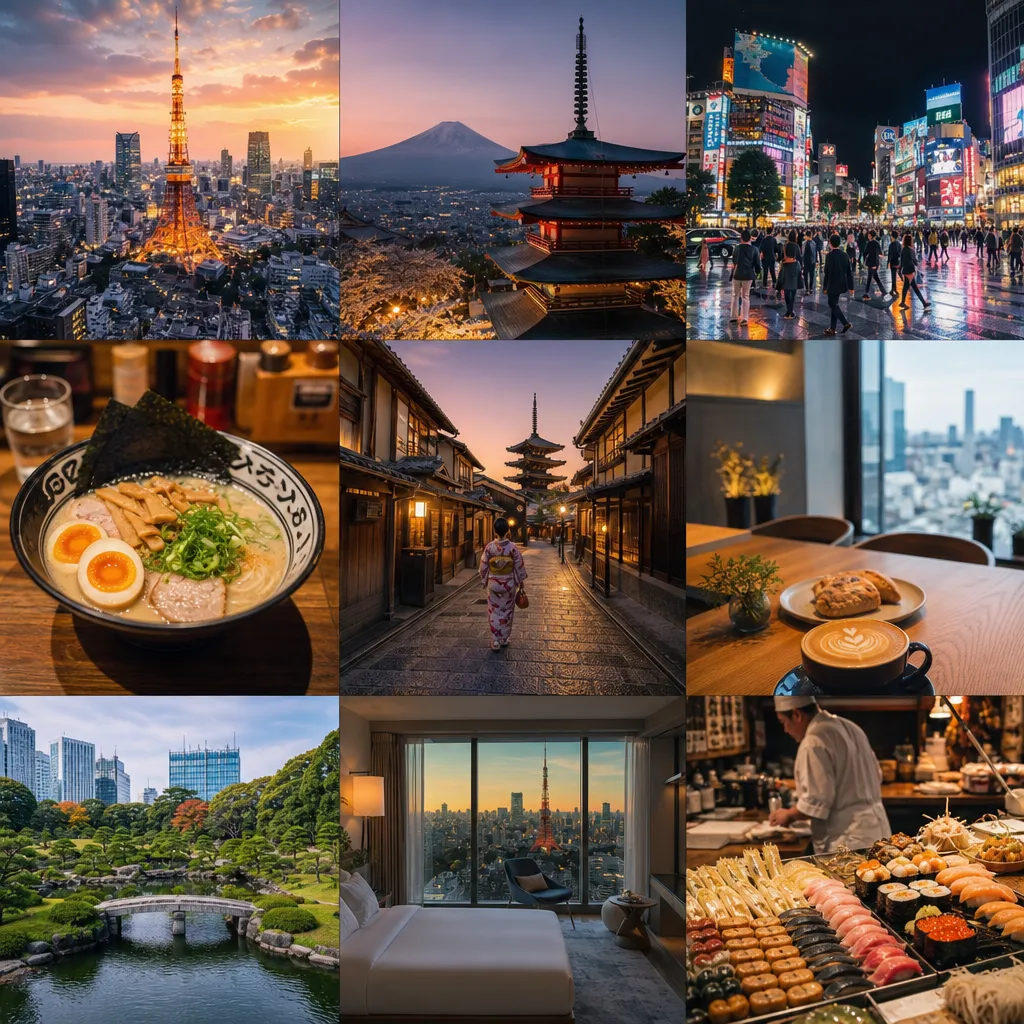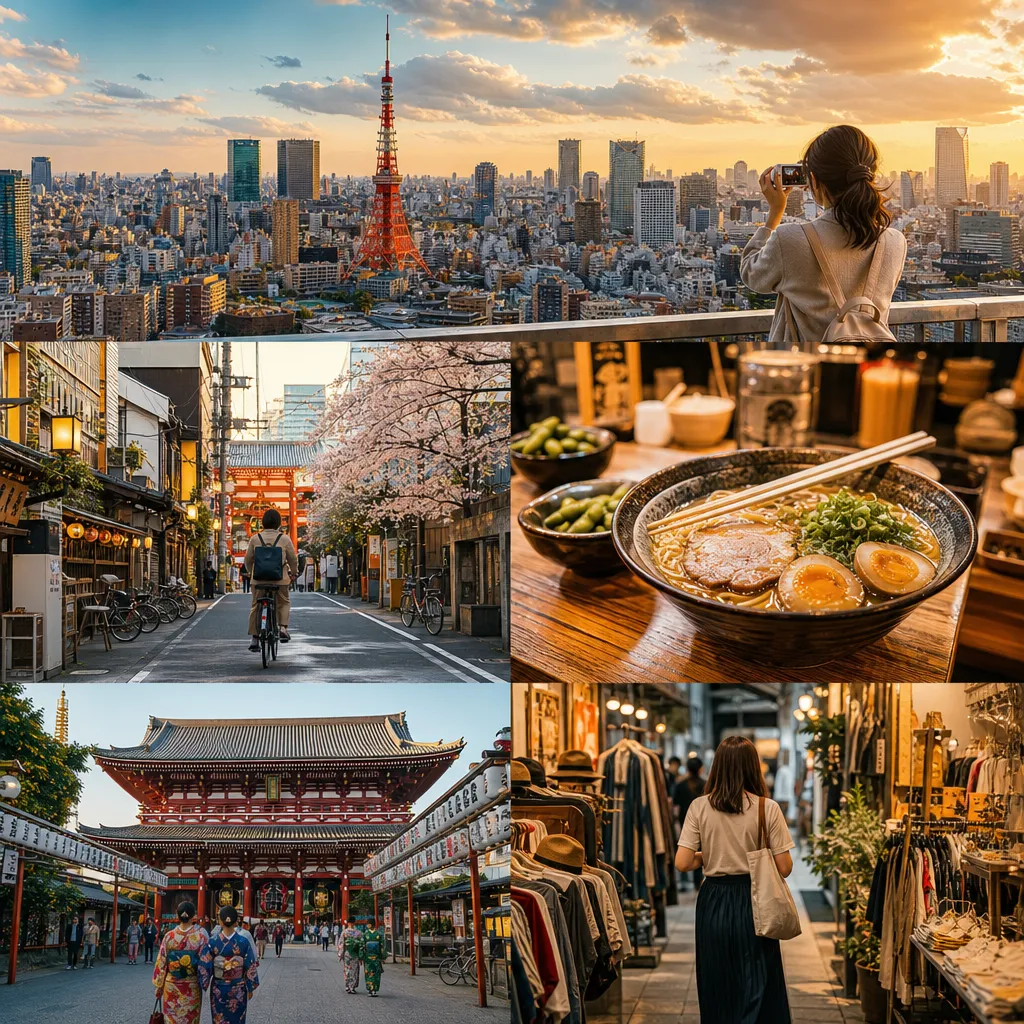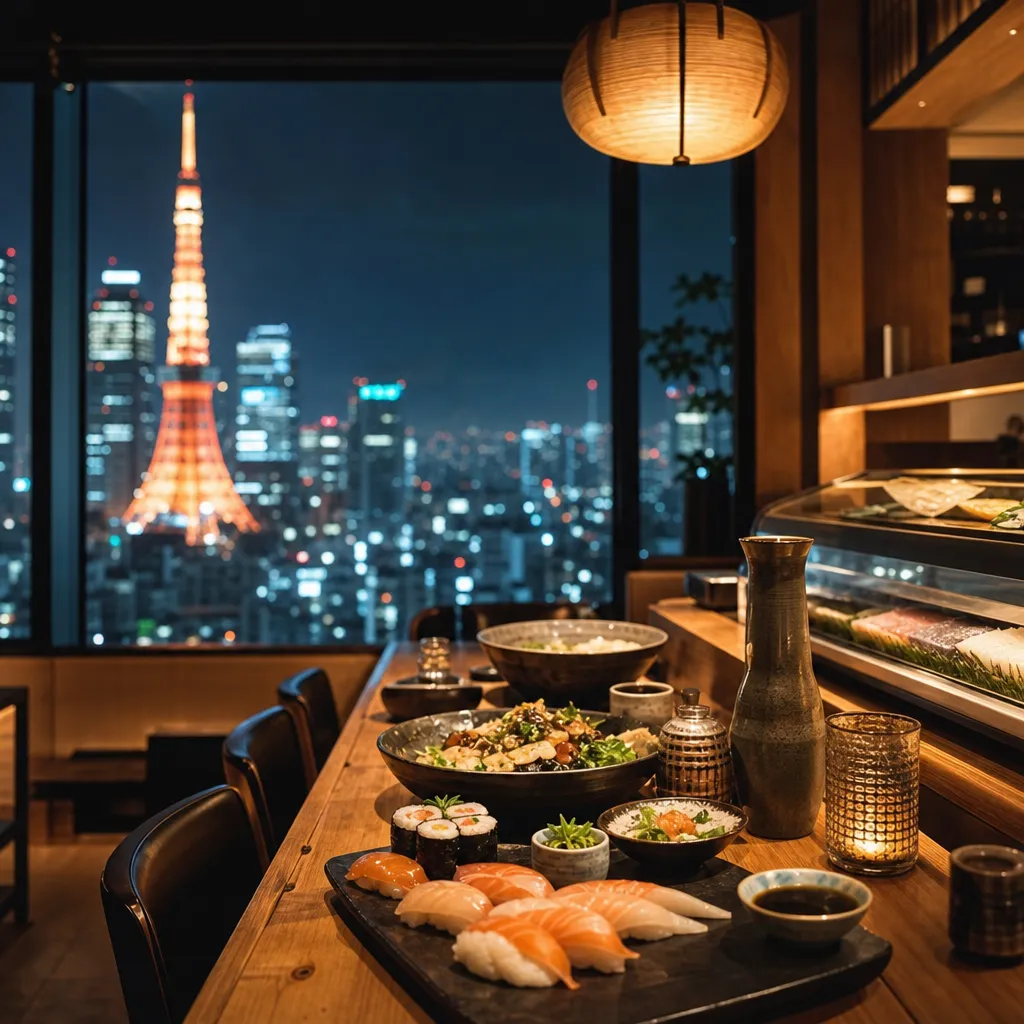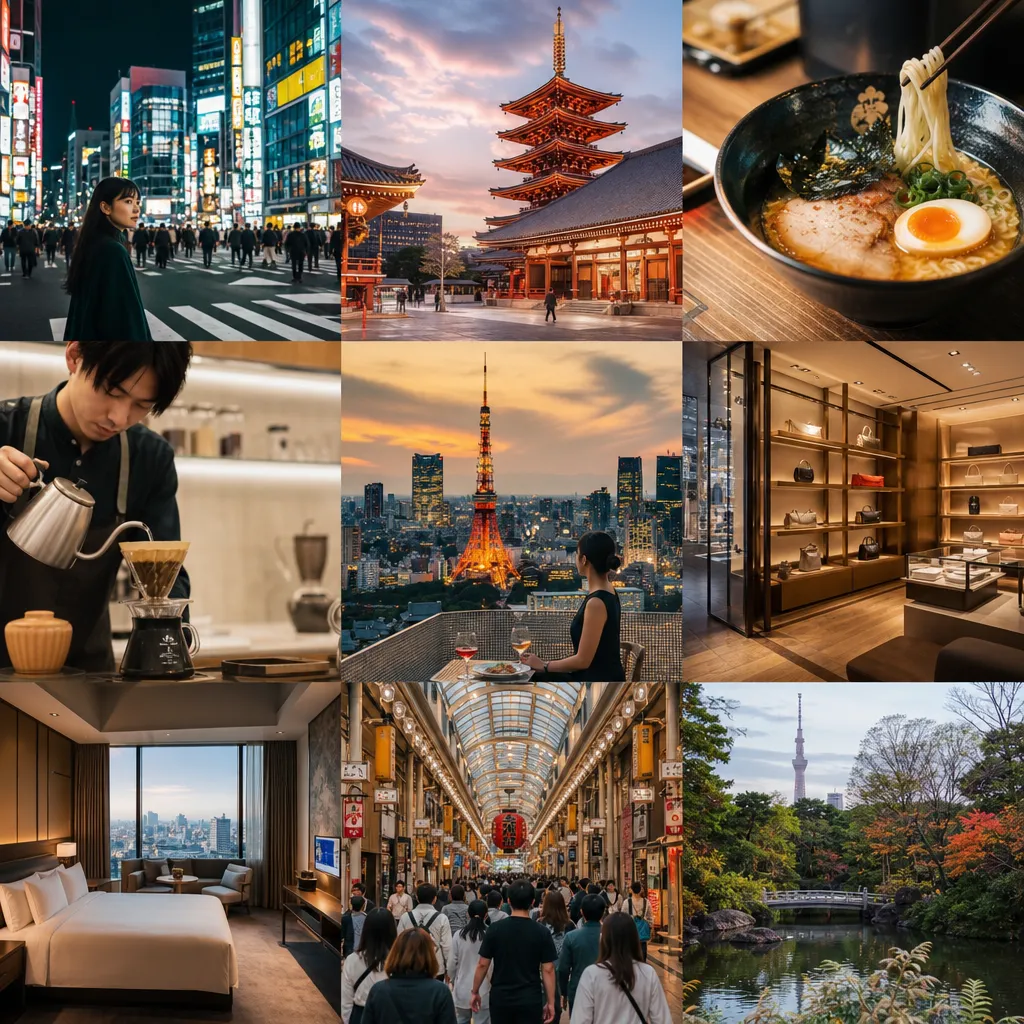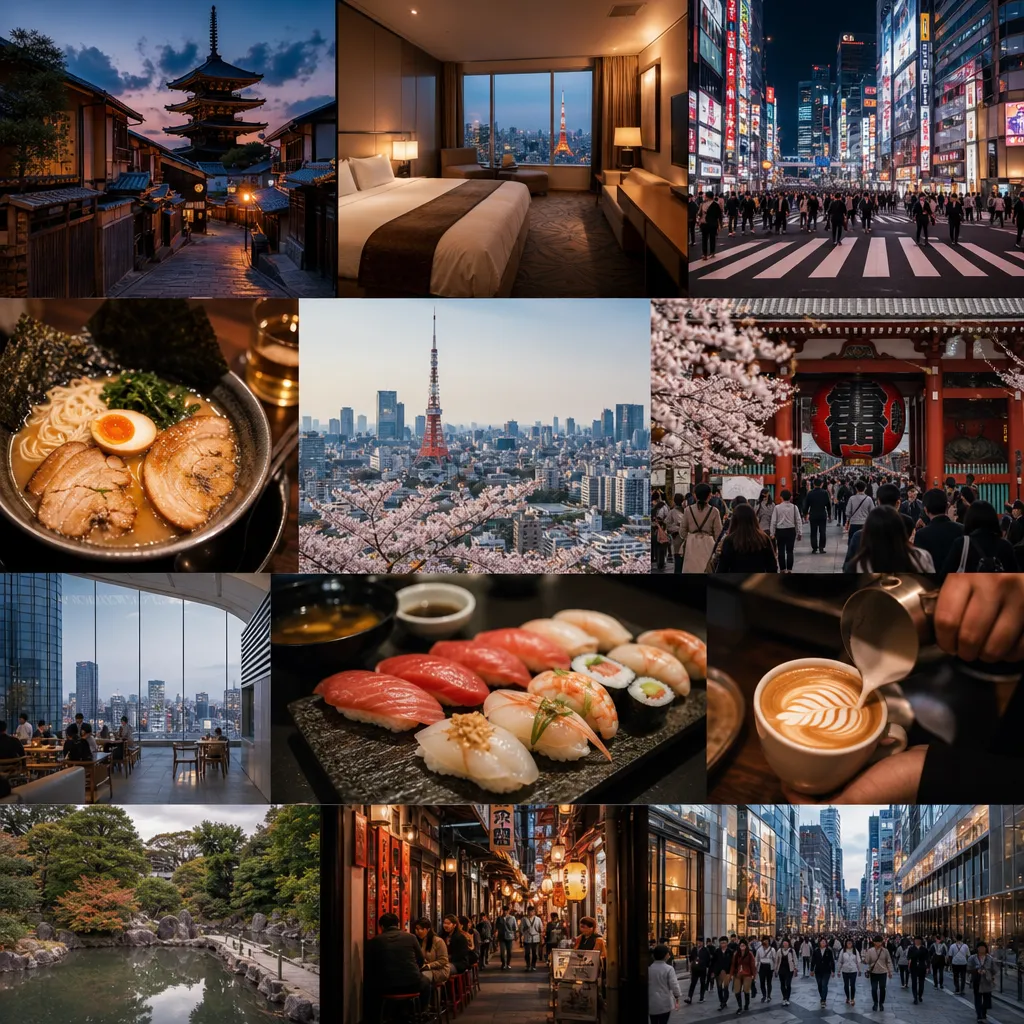
Five days is enough time to see several very different sides of Tokyo without turning the trip into a station-to-station sprint. A good itinerary works best when each day stays mostly within one part of the city, mixing major sights with food stops and time to wander. The plan below is built for first-time visitors who want a practical balance of classic neighborhoods, museums, shopping streets, skyline views, and evening food districts. It assumes you will travel mainly by train and subway, with some short taxi rides as an option late at night or after long museum days.
Tokyo is large, but its districts are highly distinct. You can move from temple precincts in Asakusa to design-forward Omotesando, from old market culture in Ueno to waterfront cityscapes around Toyosu and Odaiba, all within one trip. The key is grouping neighborhoods well, reserving only where it matters, and leaving enough unscheduled time for department store food halls, coffee breaks, and the occasional detour.
| Day | Main Areas | Best For | Pace | Evening Focus |
|---|---|---|---|---|
| Day 1 | Asakusa, Ueno, Tokyo Skytree area | Traditional atmosphere, markets, museums, first city views | Moderate | Old-town dining or Skytree-area night view |
| Day 2 | Harajuku, Omotesando, Shibuya | Street culture, architecture, shopping, youth fashion | Active | Shibuya food, bars, or viewpoint |
| Day 3 | Ginza, Marunouchi, Nihonbashi | Department stores, polished cityscape, food halls, galleries | Relaxed | Upscale dinner or Tokyo Station area stroll |
| Day 4 | Shinjuku, Meiji Jingu or Nakano option | Big-city energy, gardens, nightlife, photography | Flexible | Omoide Yokocho, Golden Gai, or observatory |
| Day 5 | Toyosu, teamLab Planets, Odaiba or Roppongi | Contemporary Tokyo, bay views, family-friendly attractions | Moderate | Waterfront dinner or museum evening |
Day 1: Asakusa, Ueno, and a first look at old and new Tokyo
Start in Asakusa, in Taito ward, one of the easiest places to orient yourself on a first day. The anchor sight is Senso-ji, a Buddhist temple reached through the Kaminarimon gate and Nakamise shopping street. This area is heavily visited, so going early helps if you want calmer temple grounds and better photos. Dress and behavior do not need to be formal, but this is still a place of worship, so keep voices low inside the main precincts.
After the temple, wander the wider Asakusa district rather than leaving immediately. Side streets hold traditional snack shops, knife stores, casual soba restaurants, and older-style coffee houses. This is a good neighborhood for lunch if you want tempura, unagi, soba, or simple set meals without crossing town. If you want a river view, the Sumida River promenade gives a strong contrast between historic low-rise streets and the newer skyline.
From Asakusa, move to Ueno, also in Taito ward and centered on Ueno Station. Ueno Park is a practical afternoon stop because it combines open space with major museums. Good options include the Tokyo National Museum for Japanese art and archaeology, and the National Museum of Nature and Science if you want something more accessible for families or mixed-interest groups. If museums are not the priority, Ameyoko, the market street area between Ueno and Okachimachi, offers a more energetic street-food-and-shopping atmosphere.
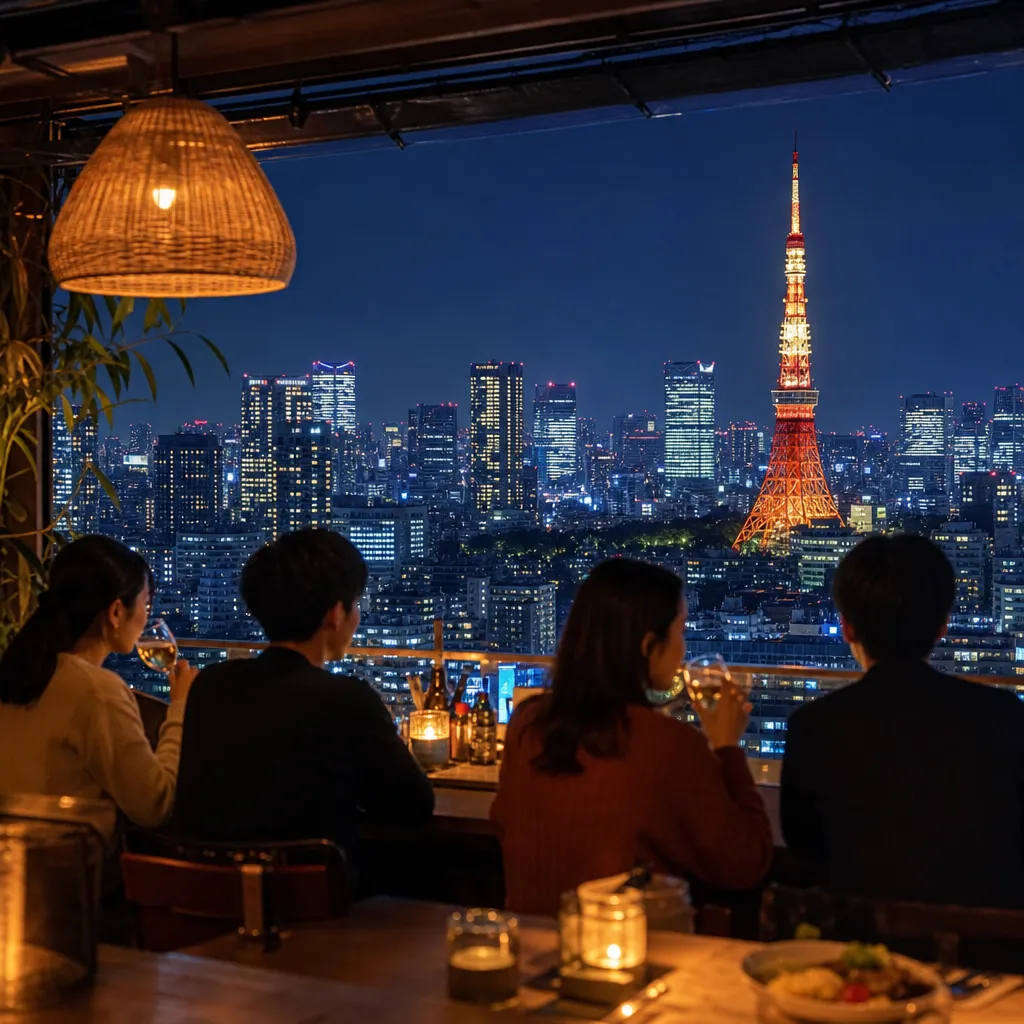
End the day with either a classic skyline stop or a food-focused evening. If you want views, head to the Tokyo Skytree area in Sumida ward. Even if you do not go up the tower, the surrounding complex is easy for dinner and evening walks. If you prefer a more local-feeling evening, stay in Asakusa and choose an izakaya or casual restaurant away from the temple front.
Why this day works
- Minimal geographic spread across the northeastern side of central Tokyo.
- A strong introduction to temple culture, museums, and market streets.
- Easy for first-day jet lag because the route can be shortened at any point.
Day 2: Harajuku, Omotesando, and Shibuya for design, fashion, and street life
Begin at Meiji Jingu, near Harajuku Station and Yoyogi area. This Shinto shrine sits within a large wooded precinct that creates a sharp break from the commercial streets outside. It is best visited in the morning, before Takeshita Street becomes busy. As with any shrine, avoid blocking pathways near worship areas and be respectful if a ceremony is underway.
From there, step into Harajuku. Takeshita Street is the most famous lane, known for youth-oriented fashion, sweets, and crowds. It is not the best place for a long lunch, but it is worth seeing once for its atmosphere. If you prefer quieter browsing, move quickly into the backstreets of Jingumae where there are more independent clothing shops, small galleries, and cafés.
Continue south to Omotesando, often one of the city’s best areas for architecture and polished retail. The avenue itself is lined with flagship buildings and broad sidewalks, and the side streets around it have a more relaxed rhythm. This is a good point in the itinerary for a better café break or a more refined lunch, especially if your travel style leans toward design, stationery, bookstores, or fashion rather than temples and museums.
Spend the late afternoon and evening in Shibuya. Around Shibuya Station you have the scramble crossing, major department stores, retail complexes, and dense restaurant floors. For a city view, Shibuya Sky is one of the most useful observation decks for visitors because it shows how layered and built-up the central city is. It is popular, so advance booking is wise when available.
Dinner in Shibuya can be as simple or as ambitious as you like. The area suits ramen, conveyor-belt or casual sushi, izakaya dining, yakitori, and basement food halls for self-catered hotel meals. For bars, the district has everything from compact standing spots to more polished cocktail rooms, but if you want a quieter atmosphere, the streets away from the station feel less overwhelming.
Day 3: Ginza, Marunouchi, and Nihonbashi for polished central Tokyo
Day three is best kept at a slower pace. Start in Ginza, in Chuo ward, especially if you enjoy department stores, food halls, stationery, art spaces, and careful retail presentation. Ginza is not just for luxury shopping. It is one of the easiest places in the city to assemble a high-quality day through cafés, depachika food basements, dessert counters, and lunch sets in department store restaurant floors.
If you are interested in Japanese food culture without the chaos of a street market, Ginza and nearby Nihonbashi are excellent. Long-established shops selling tea, sweets, seaweed, knives, ceramics, and seasonal gifts are part of the appeal. Nihonbashi, slightly to the northeast, has a more businesslike atmosphere and links old mercantile history with new commercial developments.
In the afternoon, walk or ride over to Marunouchi, the district on the west side of Tokyo Station in Chiyoda ward. This area is defined by red-brick station architecture, broad office avenues, and smoother pedestrian routes than many other central districts. Tokyo Station itself is worth time beyond transport, especially for station shopping, sweets, ekiben, and character stores. It is also one of the most practical places to buy food for a train journey or your hotel room.
If the weather is good, continue toward the Imperial Palace East Gardens, depending on opening conditions and your energy level. Even without entering, the surrounding area gives you a sense of central government and business Tokyo. For dinner, you can stay in Marunouchi for a more polished evening, or return to Ginza for sushi, tempura, tonkatsu, or Japanese-western dining.
Who this day suits best
- Travelers who enjoy shopping without only focusing on fashion chains.
- Visitors interested in department stores, confectionery, and gift-friendly food shopping.
- Couples or solo travelers looking for a less hectic day.
Day 4: Shinjuku and either classic green space or subculture shopping
Shinjuku, in the western part of central Tokyo, is one of the city’s major transport and entertainment centers. It can feel overwhelming, so it helps to give the day a clear shape. A straightforward morning option is Shinjuku Gyoen, a large garden that balances Japanese, English, and French-style landscaped areas. It works particularly well if the previous day was retail-heavy and you want open space before tackling the evening crowds.
After that, explore the areas around Shinjuku Station. The west side tends to feel more business-oriented, with high-rise buildings and observation opportunities. The east side is more commercial and entertainment focused. Department stores, electronics retailers, camera shops, and dense restaurant floors make this one of the easiest districts for flexible, weather-proof exploration.
If your interests lean more toward anime, manga, and secondhand collectibles than gardens, consider using part of the afternoon for Nakano Broadway in Nakano, west of Shinjuku on the Chuo Line. It is not as broad as Akihabara for electronics, but it is a strong option for collectible culture and retro shopping. This swap works especially well for repeat visitors who want a more niche experience.
At night, Shinjuku becomes one of the city’s most vivid evening districts. Omoide Yokocho, near the station, is known for its narrow lanes and small eateries, many focused on grilled items and drinks. Golden Gai, in Kabukicho, is famous for compact bars, but the atmosphere can vary by venue, and some places are better suited to small groups or solo drinkers than to large parties. If you want a no-alcohol evening, the Tokyo Metropolitan Government Building observation area in west Shinjuku is another practical option for city views, though you should always verify current access conditions.
Day 5: Toyosu, teamLab Planets, and Tokyo Bay
Use the final day for contemporary waterfront Tokyo. Start in Toyosu, on the bay side to the east of central Tokyo. The biggest draw here for many visitors is teamLab Planets TOKYO DMM, an immersive digital art experience. It is very popular and timed entry is often important, so planning ahead helps. Expect an experience that is part exhibition and part sensory environment rather than a conventional museum.
If food is a priority, combine Toyosu with the Toyosu Market area. The market replaced the old inner wholesale operations of Tsukiji and is more modern and controlled in layout. It is worthwhile for visitors curious about seafood culture, market dining, and observation spaces, though the atmosphere is less streetlike than old Tsukiji. For a more casual market-walking feeling, some travelers still prefer visiting the Tsukiji Outer Market separately on another morning.
From Toyosu, continue to Odaiba, the entertainment and shopping district on artificial islands in Tokyo Bay. This part of the city suits families, rainy-day travelers, and anyone who wants a lighter final afternoon with wide walkways, bay views, malls, and large-scale attractions. It is less intimate than older neighborhoods, but useful if your trip needs one day that is easy to navigate and not too culturally dense.
If Odaiba does not appeal, a strong alternative is to pivot from Toyosu back into central Tokyo for Roppongi. The area is better for contemporary art and urban viewpoints, with places such as the Mori Art Museum and Tokyo City View historically forming a convenient pairing, subject to current exhibition and access details. This version of day five suits travelers who prefer museums and skyline perspectives to malls and waterfront promenades.
Where to stay to make this itinerary easier
If this is your first visit, Shinjuku, Tokyo Station/Marunouchi, Ginza, and Shibuya are the easiest bases.
- Shinjuku: best if you want major rail connections and late-night food options.
- Tokyo Station/Marunouchi: best for day trips, airport connections, and a polished central location.
- Ginza: good for couples, shopping, and easy access to eastern and central Tokyo.
- Shibuya: strong for nightlife, youth culture, and direct access to western districts.
For a quieter stay, consider areas just outside the busiest cores, such as around Ueno or Asakusa. These areas can feel less intense at night while still being practical for sightseeing. Travelers looking for a ryokan-style stay in the city will find that options exist, but they are fewer than in Kyoto or Hakone, so book carefully and check whether you are getting a true traditional inn atmosphere or simply Japanese-style rooms in a modern property.
Practical planning tips for this 5-day trip
Use IC cards or mobile transit payment if available to you. Train and subway travel will be much easier if you are not buying individual tickets for each ride.
Do not overbook meals. One reserved special dinner during a five-day trip is usually enough. Tokyo rewards spontaneity, especially for ramen, soba, tonkatsu, curry, depachika meals, and casual izakaya dining.
Book in advance for high-demand attractions such as teamLab Planets and some observation decks if timed entry is used.
Start temple, shrine, and market areas early. Asakusa, Meiji Jingu, and market districts are noticeably more pleasant before late morning crowd levels build.
Keep department stores in mind on rainy days. Ginza, Shinjuku, and the Tokyo Station area are especially useful when weather is poor.
Pack for walking. Even when neighborhoods are grouped efficiently, station complexes and shopping districts are large.
Common itinerary swaps if your interests are different
- For anime and electronics: replace part of Day 3 or Day 4 with Akihabara.
- For more art: add the National Art Center, Tokyo in Roppongi or spend longer in Ueno’s museums.
- For family travel: keep Odaiba on Day 5 and consider the Ueno zoo area or hands-on museums depending on ages.
- For luxury shopping: extend Ginza and Omotesando, and shorten Takeshita Street.
- For food-focused travel: add Tsukiji Outer Market early one morning and leave more evening time in Shinjuku or Shibuya.
FAQ
What area is best to stay in for a 5-day Tokyo itinerary?
For easiest transport, Shinjuku, Tokyo Station/Marunouchi, Ginza, and Shibuya are the strongest choices. Ueno and Asakusa are also practical if you want a slightly calmer base.
Do I need restaurant reservations for this itinerary?
Not for most casual meals. Reservations are most useful for high-demand sushi, special kaiseki, fine dining, and some popular bars. Everyday ramen, soba, tempura, and department store dining are often manageable as walk-ins.
Is five days enough for a first trip?
Yes. Five days is enough for a well-rounded first visit if you group neighborhoods carefully and avoid crossing the city repeatedly in one day.
What is the best time of year for this itinerary?
Spring and autumn are the easiest seasons for walking, but this plan works year-round. Summer is hotter and more humid, so indoor breaks and evening activities become more important.
Can I do this itinerary without speaking Japanese?
Yes. In the major districts listed here, transport signage is clear and many visitor-facing places can handle basic English communication. Translation apps still help for smaller restaurants and bars.
Is this itinerary suitable for families?
Yes, with small adjustments. Ueno, Asakusa, Odaiba, and teamLab Planets are especially family-friendly. Golden Gai and late-night bar areas in Shinjuku are better suited to adults.
Should I use taxis in Tokyo?
Mostly you can rely on trains and subways. Taxis are most useful late at night, when carrying luggage, or after a long day when you want to avoid complex station transfers.
What should I check before visiting?
Check current opening days, timed-entry rules, and exhibition or observation-deck access for places such as museums, teamLab Planets, gardens, and city viewpoints.
Sources
- GO TOKYO (Tokyo Convention & Visitors Bureau)
- Japan National Tourism Organization
- Tokyo Metro