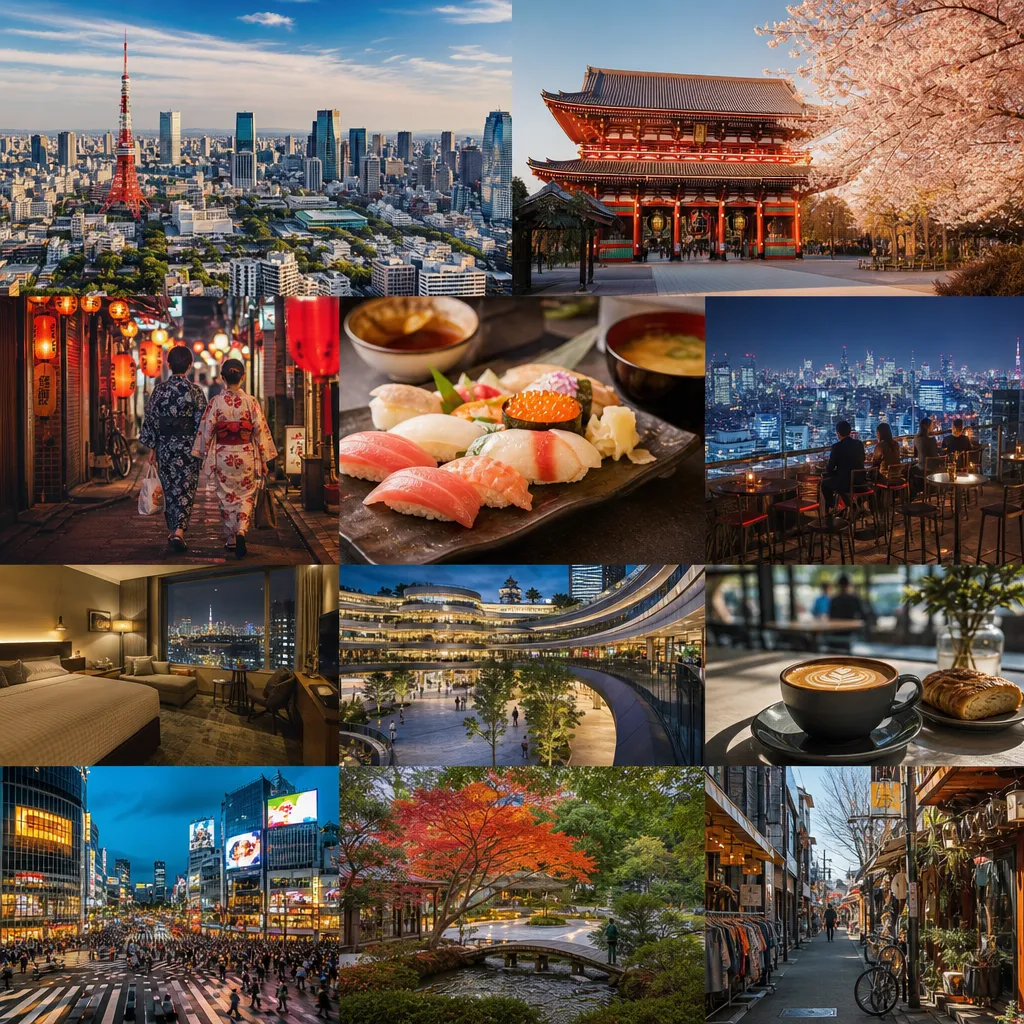
Seven days gives you enough time to see very different sides of Tokyo without turning the trip into a checklist marathon. This itinerary is designed for first-time visitors who want major sights, strong food options, useful neighborhood pairings, and a realistic pace using public transport. It mixes classic areas such as Asakusa, Shibuya, and Ginza with quieter museum, garden, and local street scenes. You can follow it exactly or treat each day as a modular plan depending on weather, interests, and where you stay.
The routes below assume you are using trains and subways rather than taxis. Staying somewhere on the Yamanote Line or near a major interchange such as Tokyo Station, Shinjuku, Shibuya, or Ueno will make the week easier. Before setting out each day, check current opening information for museums, observation decks, and restaurants, especially on Mondays or around public holidays.
How to use this 7 day plan
This itinerary focuses on efficient geography. Each day groups neighborhoods that connect naturally, so you spend more time exploring and less time crossing the city.
- Best for: first-time visitors, couples, solo travelers, and adults traveling with older children.
- Pacing: one major area in the morning, another in the afternoon, and a food or nightlife district in the evening.
- Transport: an IC card such as Suica or Pasmo is the simplest way to move around.
- Reservations: strongly consider booking teamLab Planets, popular sushi counters, sumo-related cultural events, and high-demand observation or seasonal attractions ahead of time when applicable.
| Day | Main Areas | Best For | Evening Focus |
|---|---|---|---|
| 1 | Asakusa, Ueno | Traditional atmosphere, temple visit, park museums | Ameyoko or casual izakaya dinner |
| 2 | Tokyo Station area, Marunouchi, Ginza | Architecture, shopping, refined dining | Ginza dinner or bar |
| 3 | Meiji Jingu, Harajuku, Omotesando, Shibuya | Street culture, fashion, shrine, city energy | Shibuya nightlife or skyline view |
| 4 | Shinjuku | Urban contrast, gardens, department stores, nightlife | Omoide Yokocho or Golden Gai area |
| 5 | Roppongi, Azabudai Hills, central museums | Contemporary art, design, city views | Roppongi dinner |
| 6 | Toyosu, Odaiba | Markets, waterfront, family-friendly activities | Bay views |
| 7 | Free-choice local day: Yanaka, Kichijoji, Shimokitazawa, or Nakameguro | Slower neighborhood experience | Relaxed final dinner |
Day 1: Asakusa and Ueno for Tokyo’s historical side
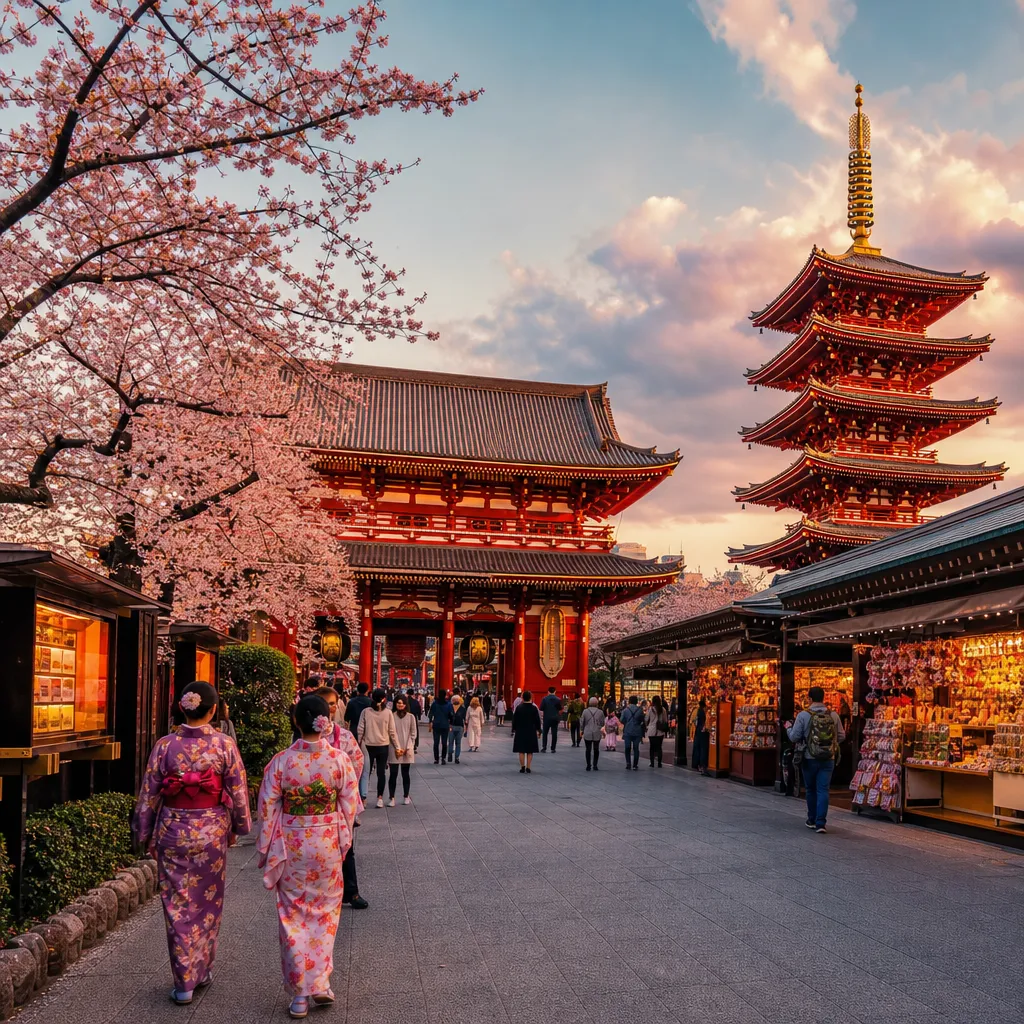
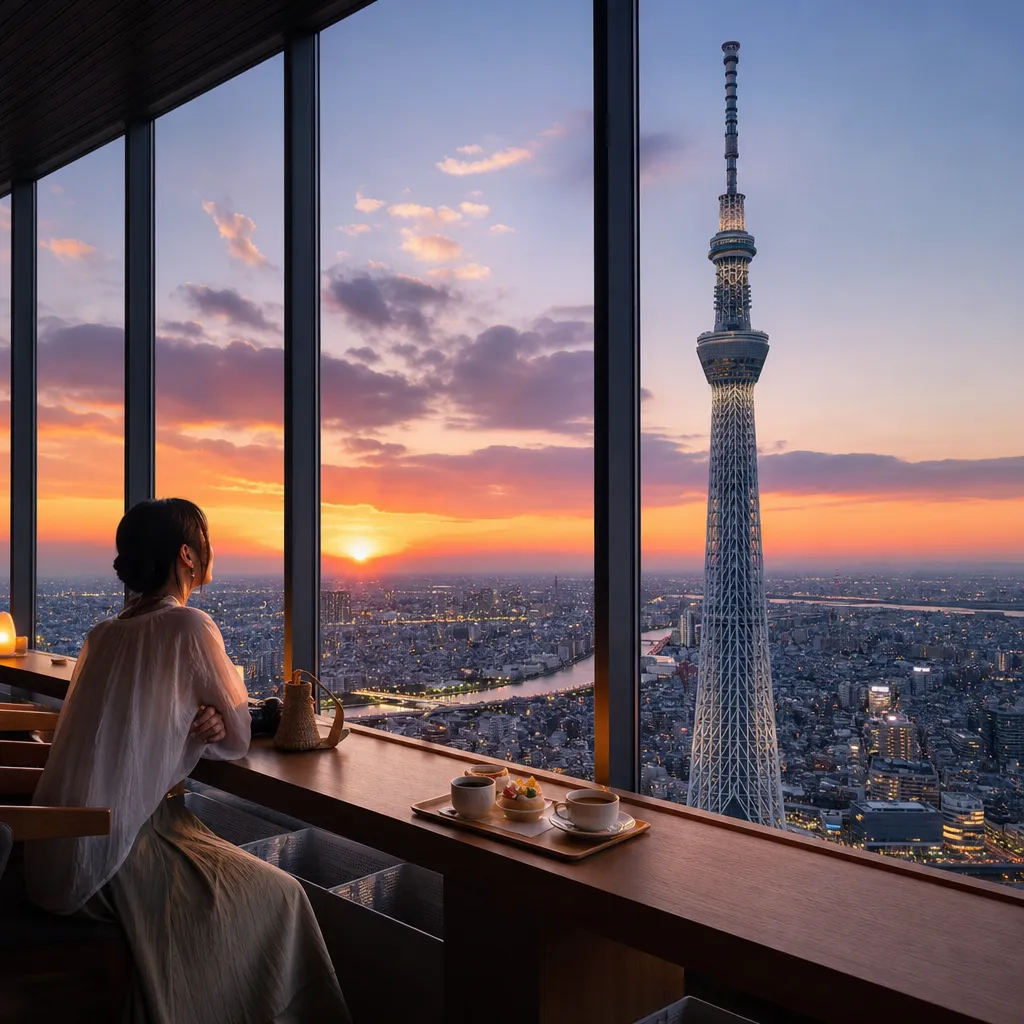
Start in Asakusa, in Taito ward on the northeast side of central Tokyo. The main arrival point is Asakusa Station, served by Tokyo Metro, Toei, and Tobu lines depending on your route. This area feels very different from western Tokyo’s skyscraper districts: lower-rise streets, souvenir arcades, river views, and a strong temple-centered identity.
Your anchor here is Senso-ji, Tokyo’s best-known Buddhist temple. Enter through Kaminarimon and walk up Nakamise, which is busy during the day and especially crowded on weekends. Early morning is the best time if you want calmer photos and a less compressed experience. Dress respectfully, and if you use the incense burner or draw omikuji fortunes, follow the behavior of people around you rather than improvising.
For lunch, Asakusa is a practical place to try tempura, soba, or classic sweets rather than chasing a specific viral spot. Many long-running restaurants in the district can have queues, so going slightly before or after peak lunch helps.
In the afternoon, move to Ueno, also in Taito ward and centered on Ueno Station. This is one of the city’s most useful cultural hubs. Ueno Park contains major museums including the Tokyo National Museum, the National Museum of Nature and Science, and the National Museum of Western Art. Rather than trying to do them all, choose one. The Tokyo National Museum is the strongest option if you want Japanese art, archaeology, and historical objects in one place.
In the evening, walk through Ameyoko, the market street zone between Ueno and Okachimachi. It is lively, informal, and good for casual dinner, snacks, or people-watching. This first day suits travelers who want a strong cultural start without difficult logistics.
Day 2: Tokyo Station, Marunouchi, and Ginza for urban polish
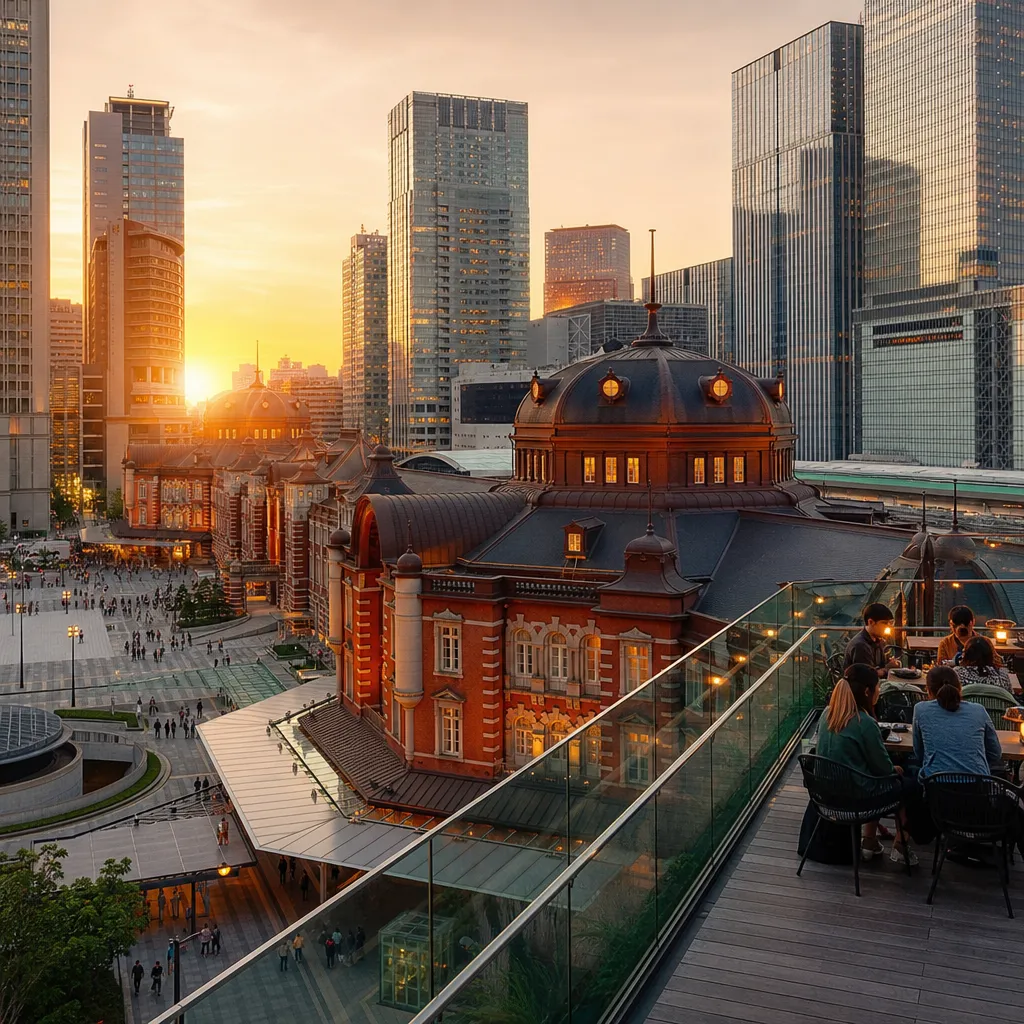
Day two shifts to business-era and luxury-era Tokyo. Begin around Tokyo Station, the main rail hub in Chiyoda ward. The restored red-brick Marunouchi Station Building is one of the city’s best pieces of early 20th-century architecture and worth seeing even if you are not taking a train.
The Marunouchi side of the station is more orderly and spacious than many visitors expect, with office towers, plazas, and underground shopping. This is a good morning for department store food halls, excellent bakeries, or a polished café breakfast. Nearby, the Imperial Palace East Gardens can work well if you want a quieter walk in a historically significant setting; check access conditions before visiting.
In the afternoon, move into Ginza, in Chuo ward, reachable on foot or by short subway ride. Ginza is known for flagship retail, basement food halls, specialist stationery, galleries, and upscale dining. Even visitors not planning luxury shopping often enjoy it for architecture, depachika browsing, and dessert stops.
Places worth considering here include Ginzasix for contemporary retail and rooftop garden access, Mitsukoshi Ginza for a classic department store experience, and ITOYA nearby for one of Tokyo’s best stationery destinations. If you want sushi, kaiseki, or teppanyaki, Ginza is packed with serious options, but reservations are wise for more established restaurants. For a lower-commitment evening, department store food halls and casual side-street dining keep the area accessible.
This day works particularly well for travelers staying near Tokyo Station, Nihombashi, or Ginza, and for anyone who wants to understand Tokyo beyond the stereotype of neon and crowds.
Day 3: Meiji Jingu, Harajuku, Omotesando, and Shibuya
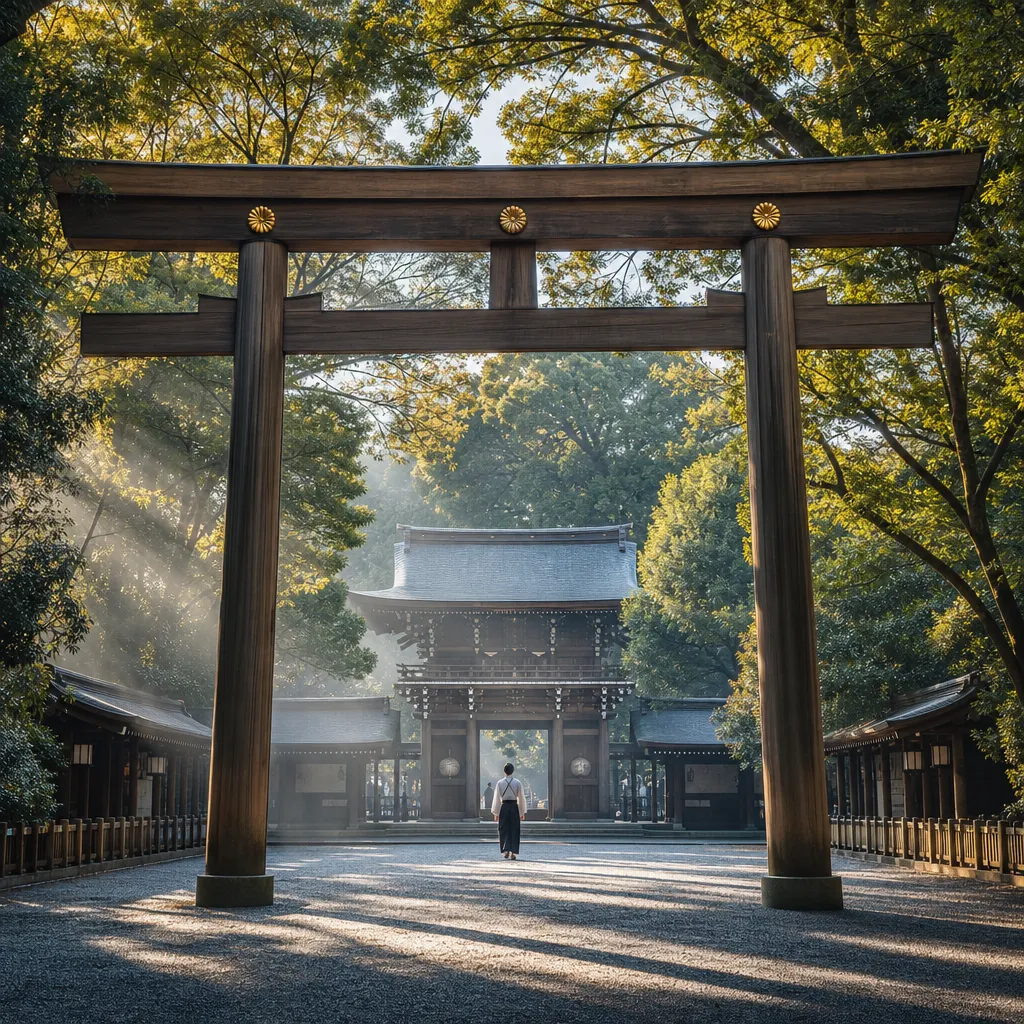
This is one of the most efficient classic sightseeing combinations in the city because the neighborhoods sit next to each other in western central Tokyo. Start at Meiji Jingu, near Harajuku Station and Meiji-jingumae Station. The shrine is set inside a large wooded precinct that buffers it from the surrounding commercial districts. Visit in the morning if possible, when the gravel paths feel quieter and the transition into busy Harajuku is more striking.
After the shrine, walk into Harajuku. The area around Takeshita Street is youth-oriented, crowded, and best approached as street theater rather than as a calm shopping zone. If that scene feels too compressed, head quickly toward the backstreets or to Omotesando, where the atmosphere changes completely.
Omotesando is better for architecture, design stores, and cafés. This avenue and its side streets contain notable contemporary buildings and a more polished shopping culture. It suits visitors interested in fashion, photography, and urban design rather than souvenir buying.
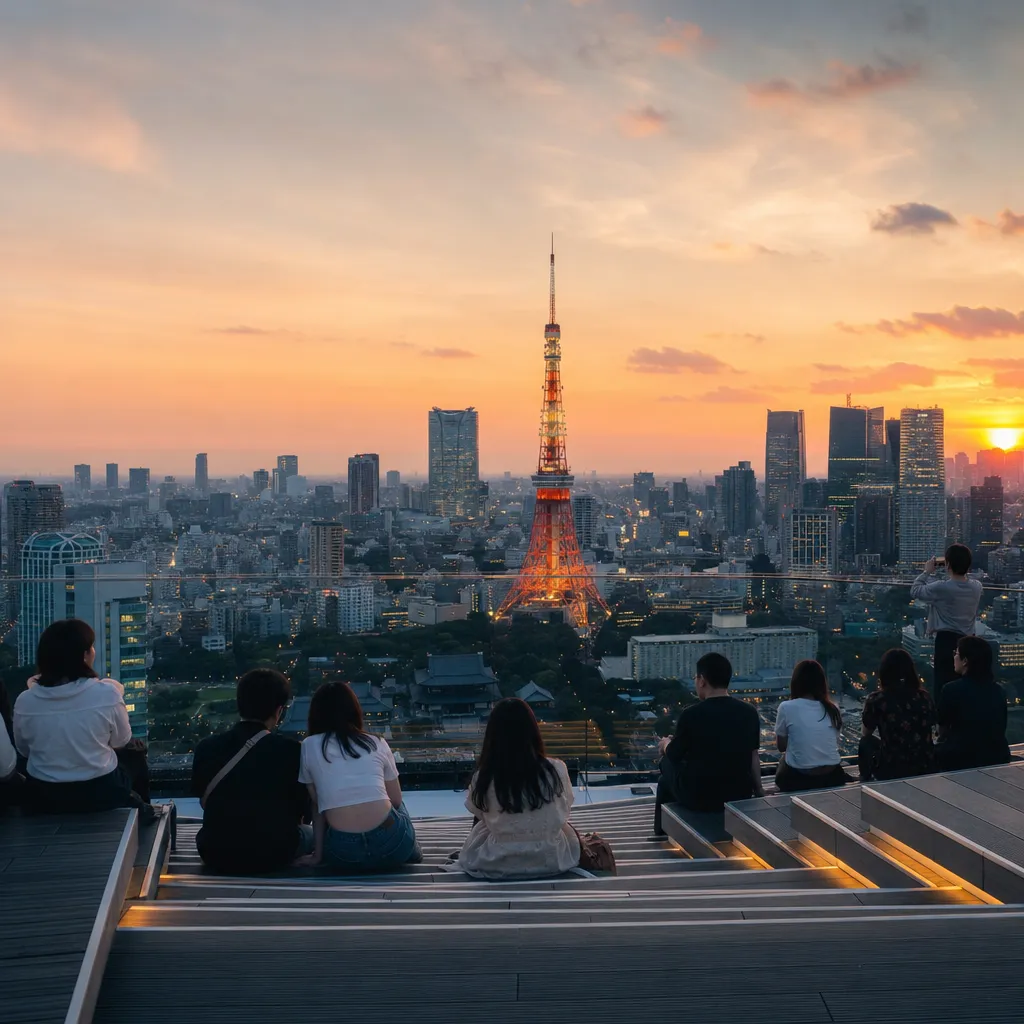
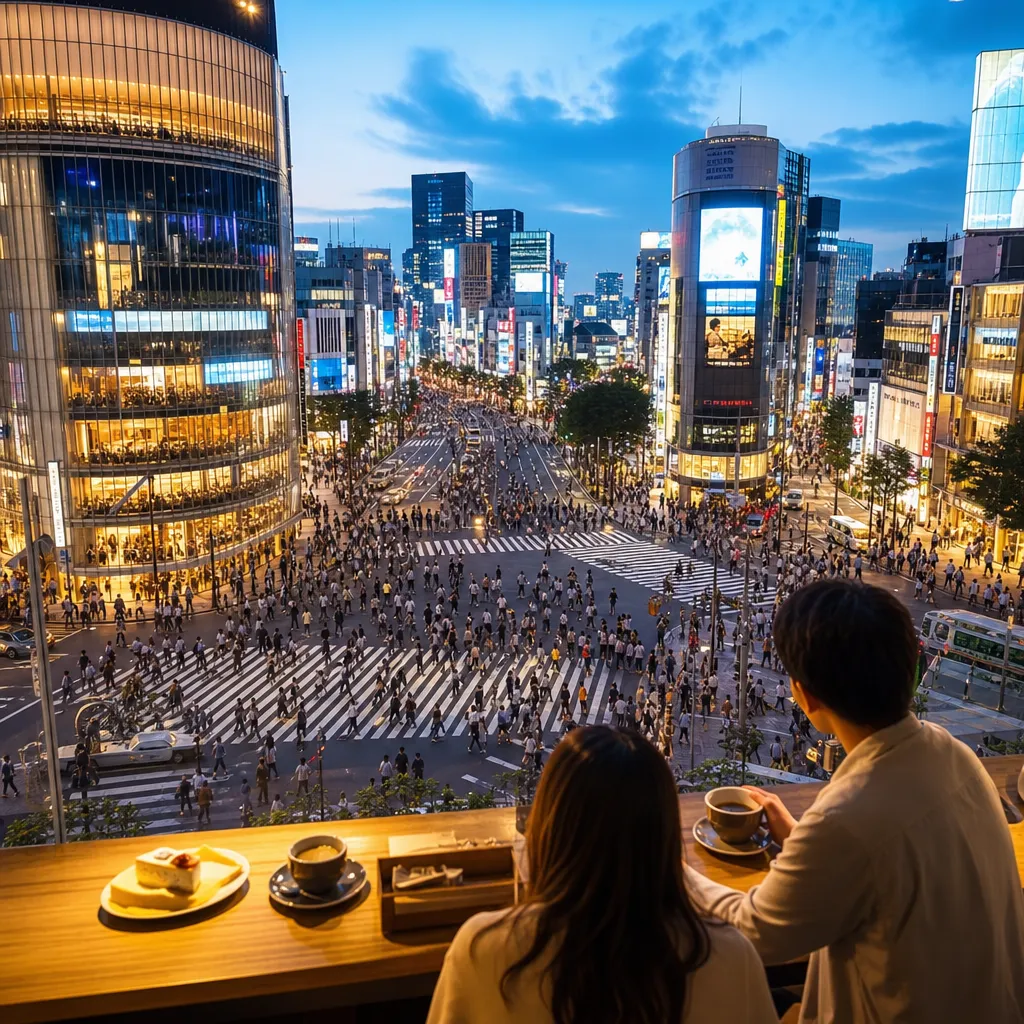
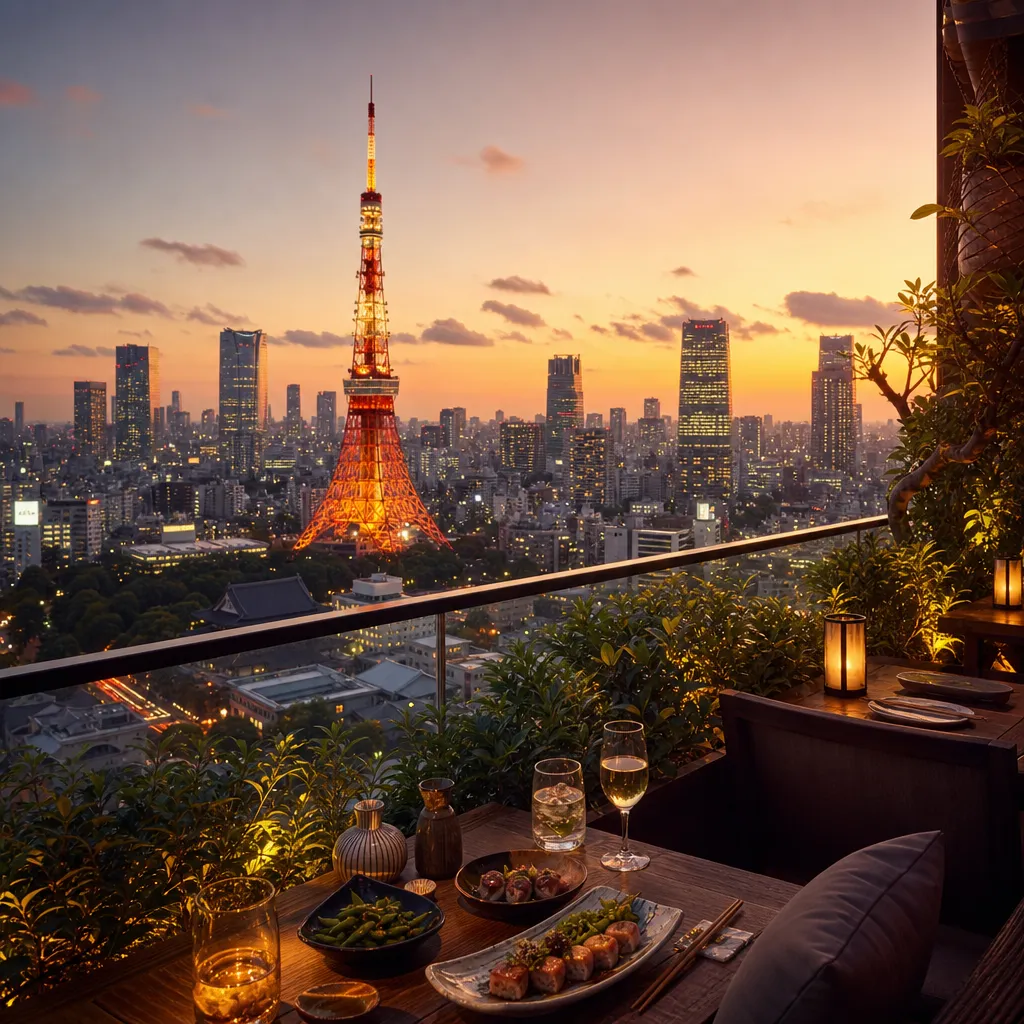
Continue into Shibuya, one of the city’s main transport and entertainment centers. Around Shibuya Station you have the famous scramble crossing, large retail complexes, and a concentration of restaurants that makes it easy to adapt dinner plans on the fly. For a city view, Shibuya Sky is one of the strongest modern observation experiences in central Tokyo, especially near sunset, though advance booking is often advisable. Expect crowds at the crossing zone throughout the day, with night bringing the most dramatic lighting for photos.
This is a good evening for casual izakaya food, ramen, or a cocktail bar. Solo travelers and younger visitors generally find Shibuya easy to navigate, while families may prefer to finish after dinner rather than stay late.
Day 4: Shinjuku for scale, shopping, and nightlife
Shinjuku, in Shinjuku ward, is one of the city’s biggest transport hubs and most layered districts. Use Shinjuku Station as your anchor, but expect distance between station halls, department stores, and neighborhood sub-areas. This is a district where having a rough plan matters.
Start with Shinjuku Gyoen, a large garden that combines Japanese, English landscape, and French formal elements. It is one of the best places in central Tokyo to reset after denser city scenes, and it is especially popular in cherry blossom season and autumn foliage periods. It is daytime-focused and more peaceful than nearby entertainment areas.
Later, explore the commercial side of Shinjuku: department stores, electronics, bookstores, and restaurant floors around the station. Travelers interested in panoramic views can consider the observatory at the Tokyo Metropolitan Government Building in West Shinjuku, where the area is dominated by high-rise office architecture rather than nightlife.
At night, Shinjuku changes character. Omoide Yokocho near the station is known for narrow lanes and small eating-and-drinking establishments, especially yakitori. Golden Gai in Kabukicho is more about tiny bars than dinner, and some places are very welcoming to visitors while others remain regular-oriented. Be prepared for cover charges at some bars, a cash preference in smaller venues, and close quarters. If you want an easier night, choose a standard izakaya or restaurant building instead of bar-hopping in the tight lanes.
Day 5: Roppongi and central contemporary culture
Use this day for museums and a more international, design-focused side of the city. Roppongi, in Minato ward, is centered on Roppongi Station and has long been one of Tokyo’s strongest areas for contemporary art and late evening dining.
The most practical museum pairing is Mori Art Museum at Roppongi Hills and the National Art Center, Tokyo, which lies closer to Nogizaka and also serves the wider Roppongi area. The National Art Center is notable not only for its exhibitions but for its building by Kisho Kurokawa, making it worthwhile for architecture-minded visitors.
If you want a newer mixed-use development perspective, include Azabudai Hills in the wider Minato area. It has quickly become part of central Tokyo’s modern architectural conversation and can be paired with nearby dining or an observation-focused stop depending on current access and your interests.
Roppongi is also easy for dinner without committing to one cuisine. You will find everything from upscale sushi and French-influenced dining to casual cafés and international food. It works especially well for travelers who enjoy museums by day and a polished dinner scene by night.
Day 6: Toyosu and Odaiba for the waterfront
After several dense urban days, head toward the bay. Toyosu and Odaiba are farther from old Tokyo’s street texture, but they make sense if you want modern waterfront space, family-friendly attractions, and indoor options in bad weather.
Begin at Toyosu Market in Koto ward, the wholesale market complex that replaced the inner wholesale functions of Tsukiji. It is more institutional than atmospheric compared with old Tsukiji, but it is useful if you are specifically interested in seafood trade spaces, market viewing passages, and sushi breakfast or lunch in the area. Check current visitor arrangements before going, since access patterns and timing matter.
Nearby, teamLab Planets in Toyosu is one of Tokyo’s most in-demand immersive art experiences. It is highly suitable for first-time visitors, couples, and older children, but less ideal if you dislike barefoot installations, reflective floors, or queue-heavy timed entry attractions. Advance booking is often the sensible approach.
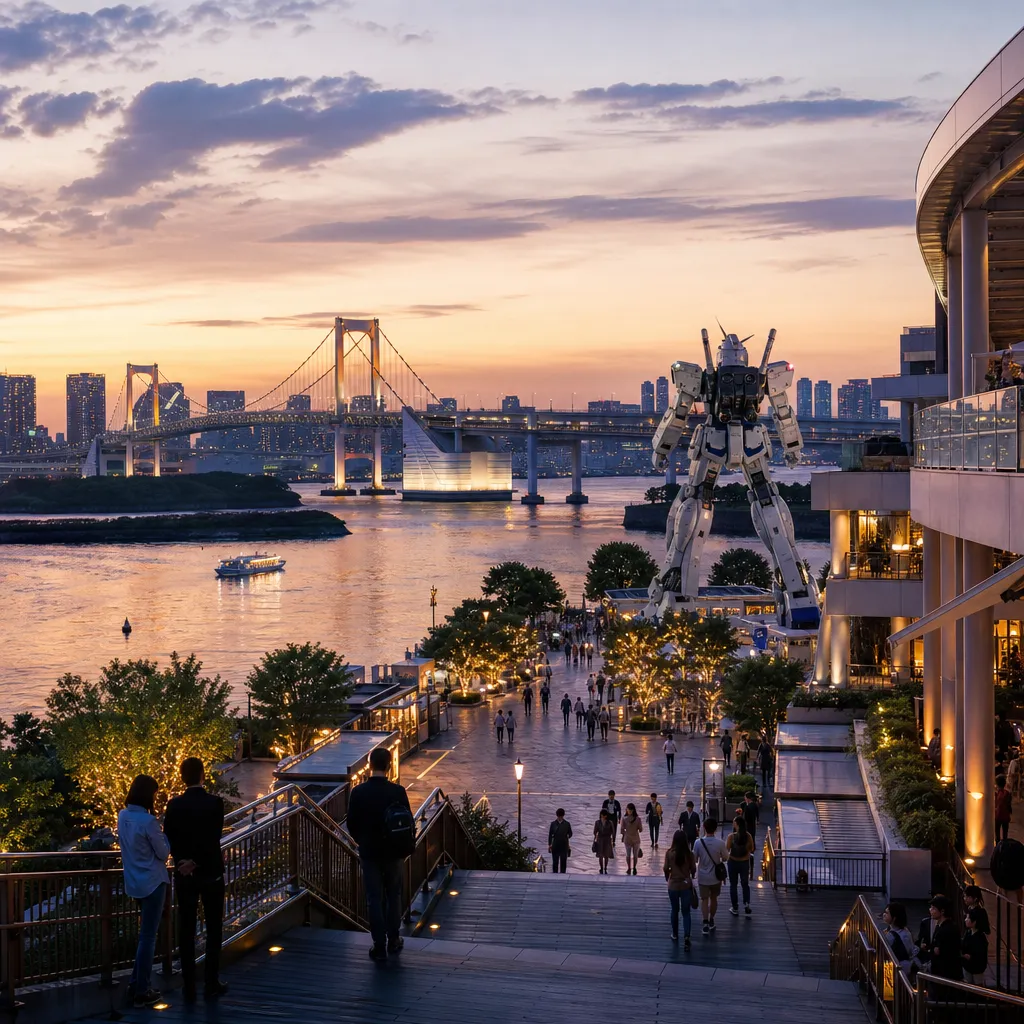
Continue to Odaiba, the bayfront entertainment district connected by the Yurikamome line. The mood here is open, modern, and more leisure-oriented than most central neighborhoods. Depending on your interests, you can walk the waterfront, visit shopping and entertainment complexes, or simply use the area for skyline views across the bay. Sunset and early evening are usually the best times to appreciate the setting.
This day is especially good for families, travelers wanting a break from shrine-and-shopping repetition, or anyone interested in Tokyo’s reclaimed-land cityscape.
Day 7: Choose your final neighborhood day
Use the last day for a slower district that matches your interests. Four strong choices stand out.
- Yanaka: In the northeastern part of the city near Nippori, this area is useful for those wanting older low-rise streets, temples, small shops, and a calmer pace than Asakusa. It suits walkers and photographers.
- Kichijoji: West of central Tokyo, anchored by Kichijoji Station, this is a good option for cafés, local shopping, and Inokashira Park. It feels more residential and can work well for couples and families.
- Shimokitazawa: In Setagaya ward, known for vintage shopping, music culture, and casual cafés. Best for travelers interested in contemporary neighborhood culture rather than monuments.
- Nakameguro: Along the Meguro River, best for stylish cafés, small boutiques, and a relaxed urban walk. Particularly popular in cherry blossom season, when it becomes much busier.
If you still want a major attraction instead, this is also the day to fit in anything you missed: another museum, a baseball game if in season, a sumo-related cultural activity, or extra shopping before departure.
Where to stay to make this itinerary easy
If this is your first visit, convenience matters more than chasing a trendy hotel location.
- Tokyo Station / Marunouchi / Nihombashi: excellent for airport and regional train access, polished atmosphere, easy reach across the city.
- Ueno: practical for museum access and generally straightforward connections, often a good choice for value-conscious travelers.
- Shinjuku: ideal if you want transport convenience, nightlife, and many hotel choices, but the station area can feel overwhelming.
- Shibuya: strong for younger travelers, food, shopping, and evening energy.
- Asakusa: good if you prefer a more traditional-feeling base and do not mind slightly longer rides to some western neighborhoods.
Ryokan-style stays exist within the city, especially in older districts, but availability and room styles vary widely. If you specifically want tatami rooms or a more traditional atmosphere, book carefully and verify what is actually offered.
Practical planning tips before you go
Tokyo rewards flexible planning, but a few habits make a big difference.
- Group neighborhoods geographically rather than crossing the city repeatedly.
- Carry some cash for smaller bars, temple offerings, or older restaurants, even though cards are widely accepted in many places.
- Do not assume every popular restaurant allows walk-ins; for sushi counters and small specialty places, check ahead.
- Museums, gardens, and department store food halls are excellent rainy-day backups.
- For shrines and temples, keep voices low, avoid obstructive photography, and pay attention to signs in sacred areas.
- If you plan to photograph busy districts at night, weeknights can be easier than Saturdays.
What area of Tokyo is best for a first-time 7 day trip?
For accommodation, areas around Shinjuku, Tokyo Station, Ueno, or Shibuya are the easiest. For sightseeing balance, combining eastern districts such as Asakusa and Ueno with western hubs such as Shibuya and Shinjuku gives a fuller picture of the city.
Do I need restaurant reservations for this itinerary?
Not for every meal. Casual ramen, soba, tempura, and izakaya meals can often be handled spontaneously, but high-demand sushi counters, tasting-menu restaurants, and some skyline dining venues are better booked ahead.
Is 7 days too long for Tokyo?
No. A week allows you to see major landmarks while also spending time in parks, museums, markets, and neighborhood districts that many shorter itineraries skip.
What is the best time of year to follow this plan?
Spring and autumn are the easiest seasons for walking-heavy days. Summer can be hot and humid, so indoor attractions and evening sightseeing become more important. Winter is usually clear and good for city views.
Can I do this itinerary without speaking Japanese?
Yes. Major stations, museums, department stores, and many attractions provide English guidance. In smaller restaurants and bars, simple politeness, pointing, and translation apps are usually enough.
Is this itinerary suitable for families?
Yes, especially if you swap one nightlife-heavy evening for more time in Ueno Park, Odaiba, Kichijoji, or an aquarium or science museum. teamLab Planets and waterfront areas are often particularly family-friendly.
What should I check before visiting each day?
Check museum closing days, observation deck ticket availability, weather, and any special seasonal restrictions at gardens, shrines, or market facilities. Restaurant policies and attraction booking systems can also change.
Sources
- GO TOKYO (Tokyo Convention & Visitors Bureau)
- Japan National Tourism Organization
- Tokyo Metro