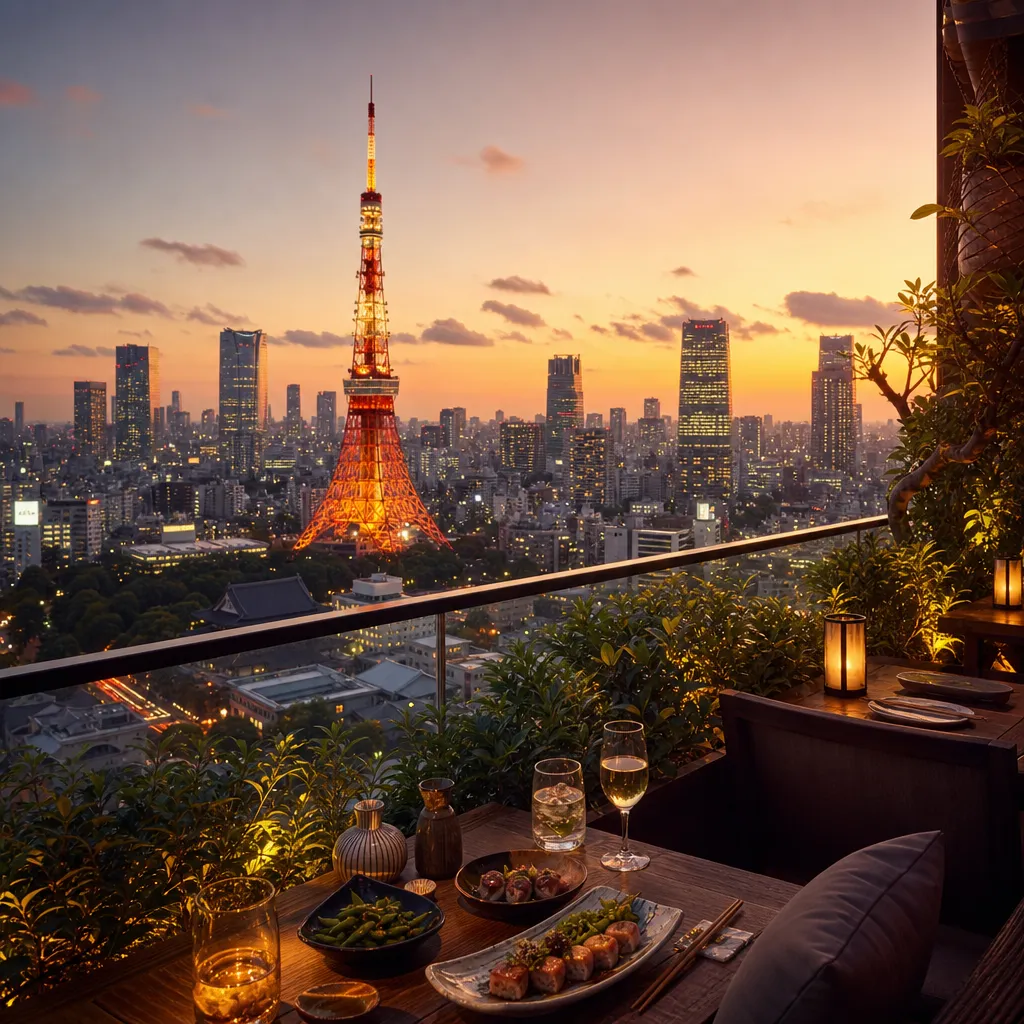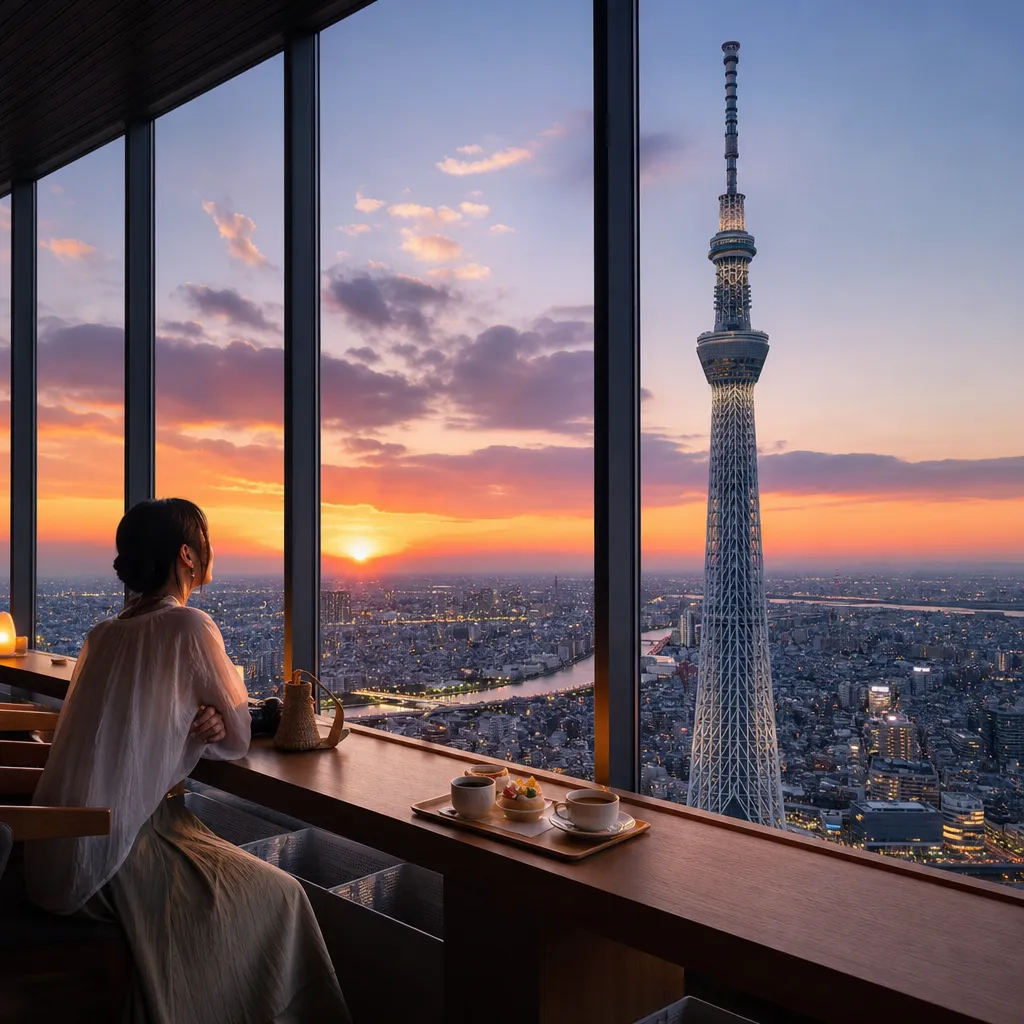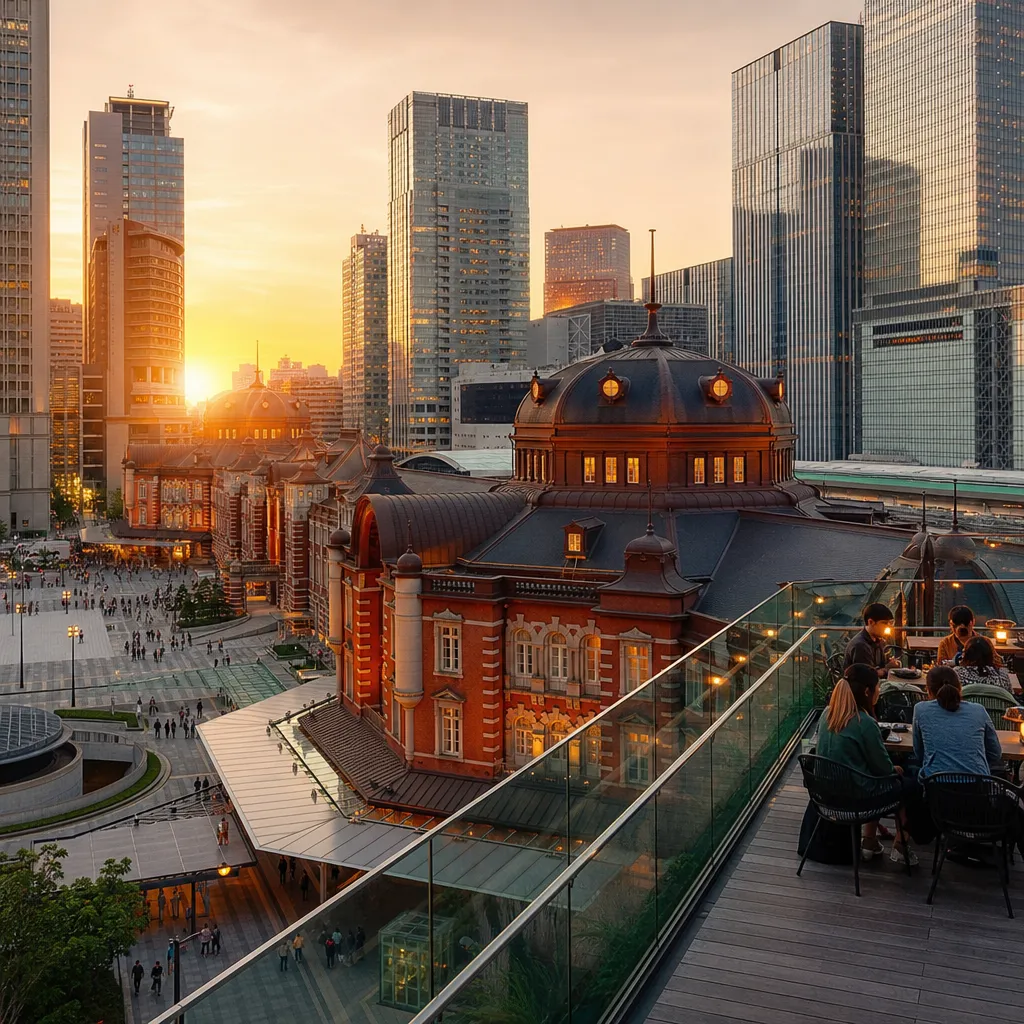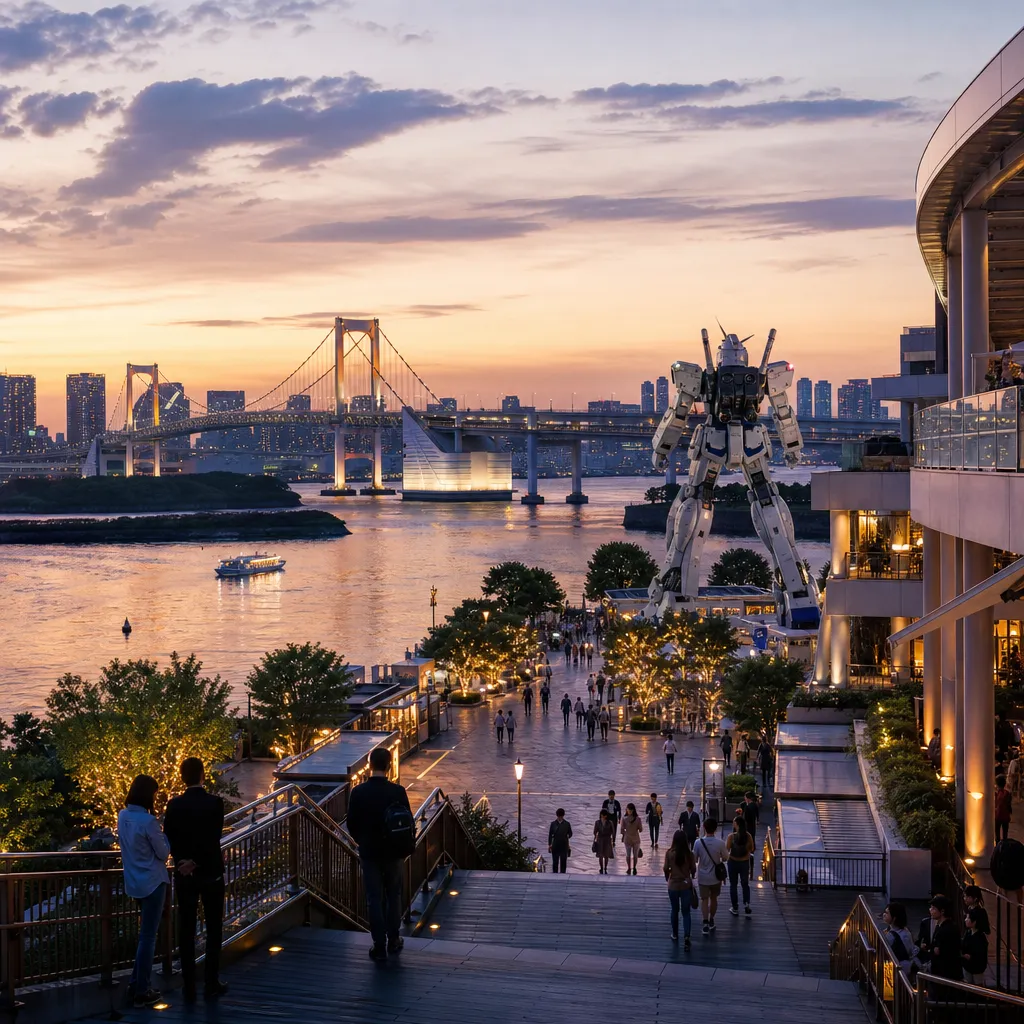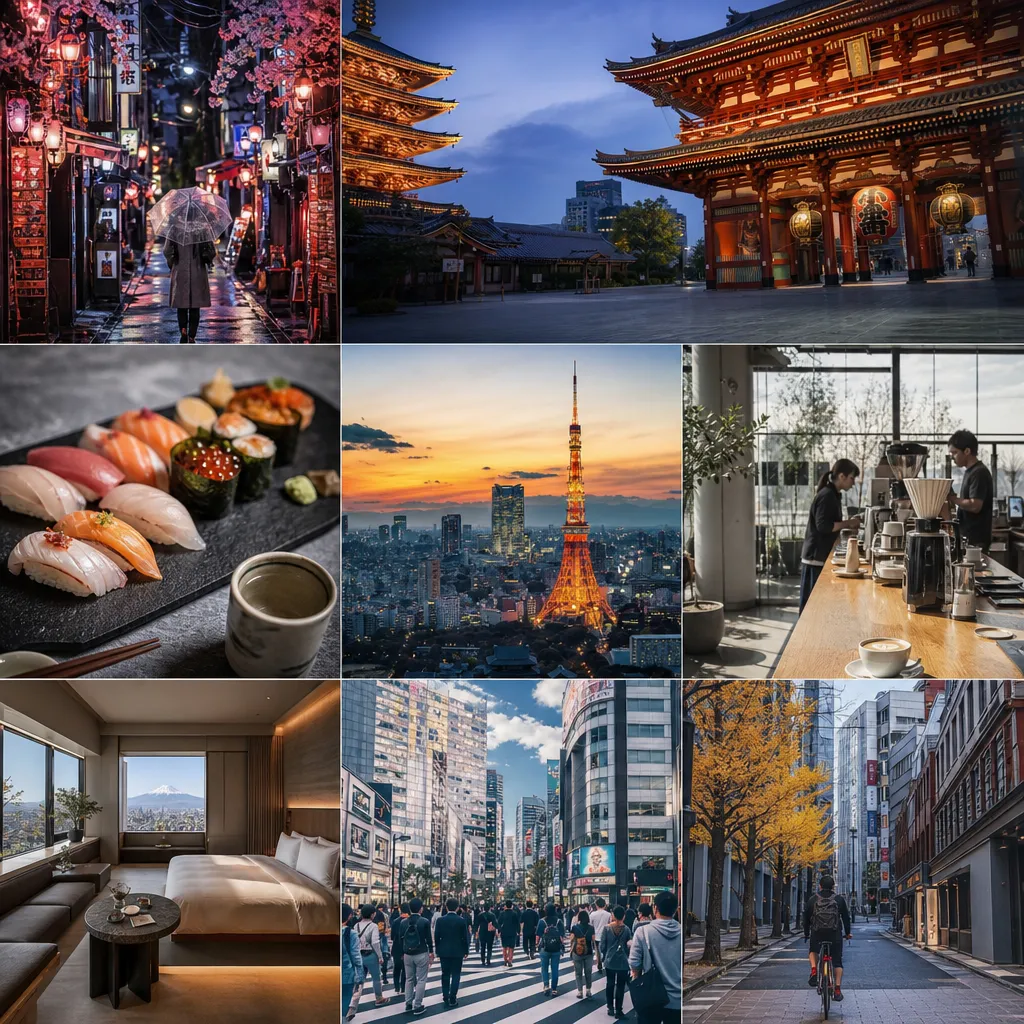
A good Tokyo weekend is less about rushing between famous names and more about matching neighborhoods to your energy level. The city changes character dramatically from one district to the next: old merchant streets in the east, glossy shopping and museum districts in the center, quiet residential café areas in the west, and nightlife clusters that only make sense after dark. This guide is built as a practical two-day framework, with places that are real, easy to combine by public transport, and worth considering whether it is your first trip or a return visit. Use it as a menu rather than a strict schedule, and check current opening information before you go.
If you stay near a major railway hub such as Tokyo Station, Shinjuku, Shibuya, or Ueno, most of the places below are straightforward to reach. To keep travel time efficient, the guide groups experiences by area. That matters in Tokyo more than people expect.
| Place | Area | Best For | Time of Day | Key Feature |
|---|---|---|---|---|
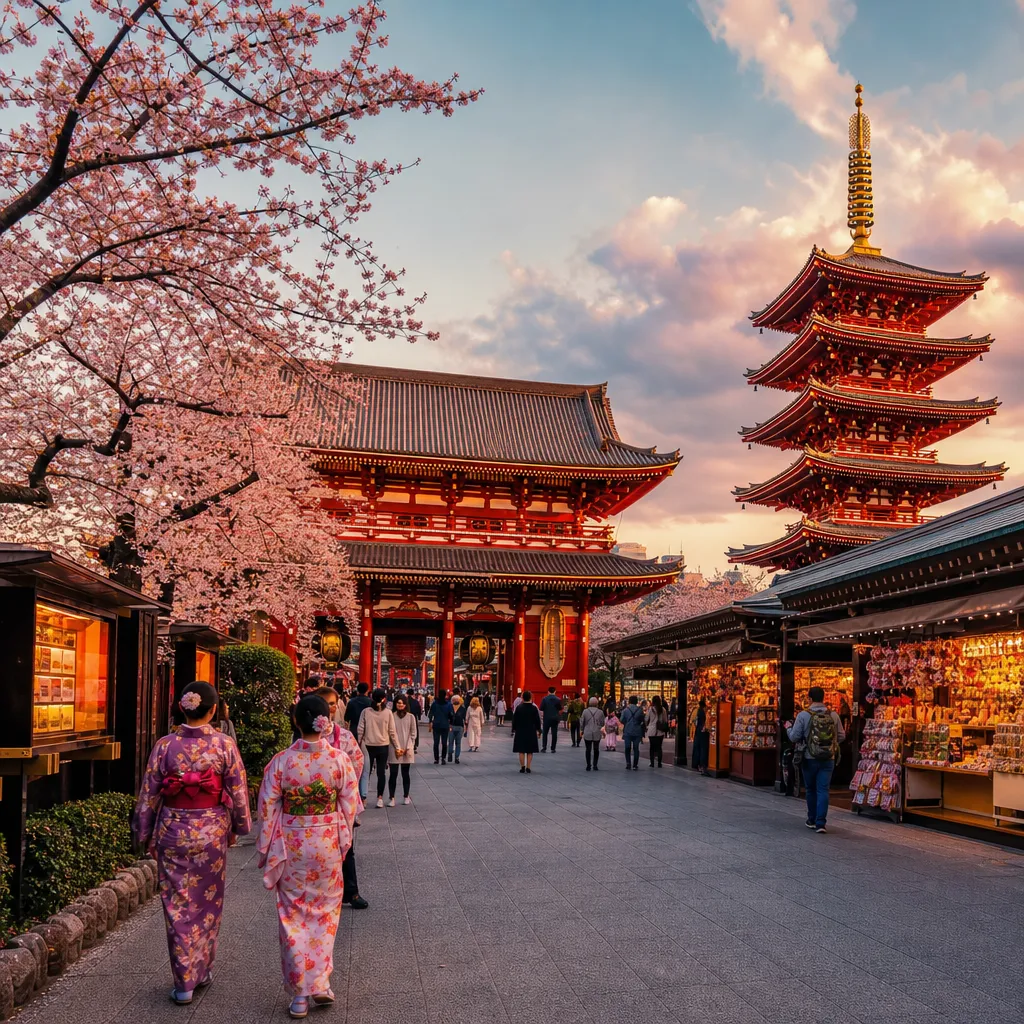
| Senso-ji and Nakamise area | Asakusa, Taito City | Traditional streetscape | Morning | Temple precinct and historic shopping street |
| Kappabashi Dougu Street | Between Asakusa and Ueno | Kitchenware shopping | Late morning | Professional-grade knives, ceramics, food replicas |
| Ueno Park museums | Ueno, Taito City | Art and culture | Afternoon | Several major museums in one park |
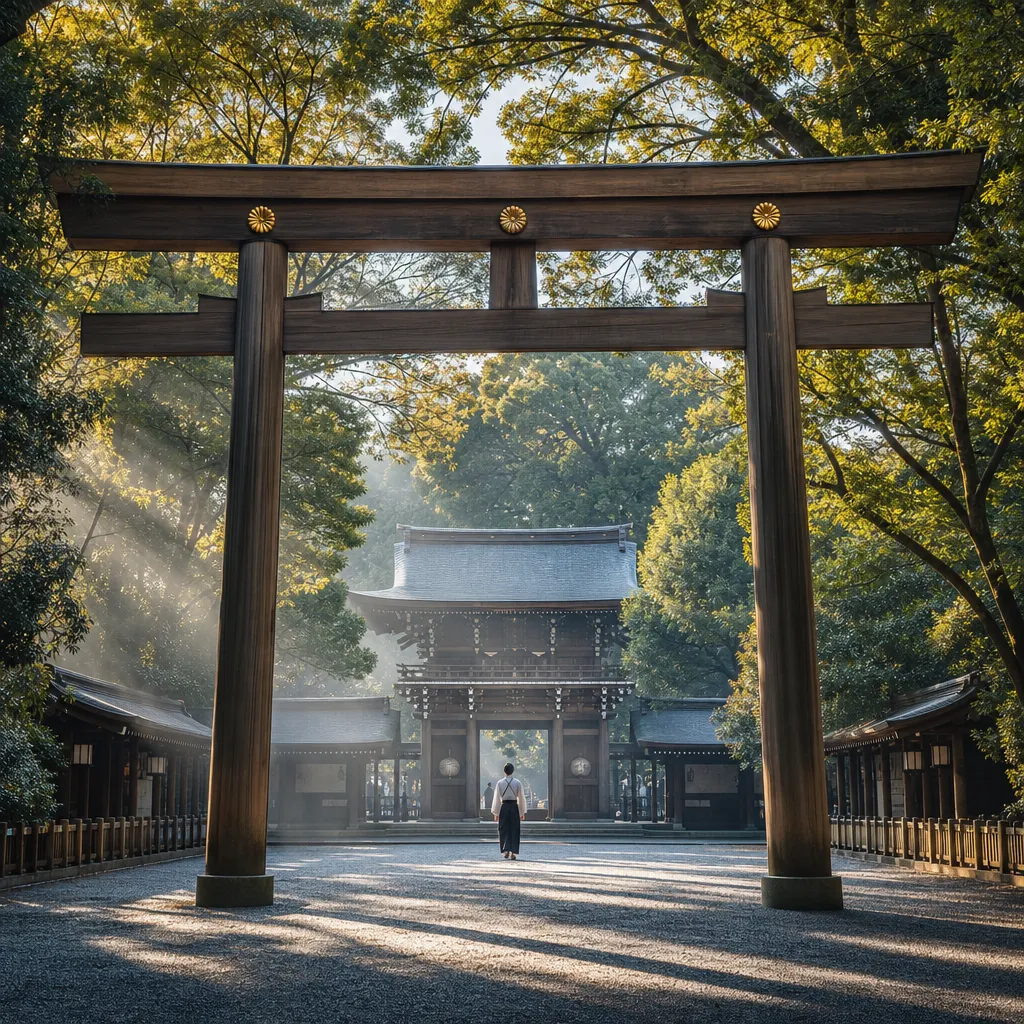
| Meiji Jingu | Shibuya ward near Harajuku | Shrine visit and forested walk | Morning | Large shrine grounds buffered from city traffic |
| Omotesando | Minato and Shibuya wards | Architecture and shopping | Late morning or afternoon | Flagship stores and notable modern architecture |
| teamLab Borderless | Azabudai Hills, Minato City | Immersive indoor experience | Afternoon or evening | Large-scale digital art environment |
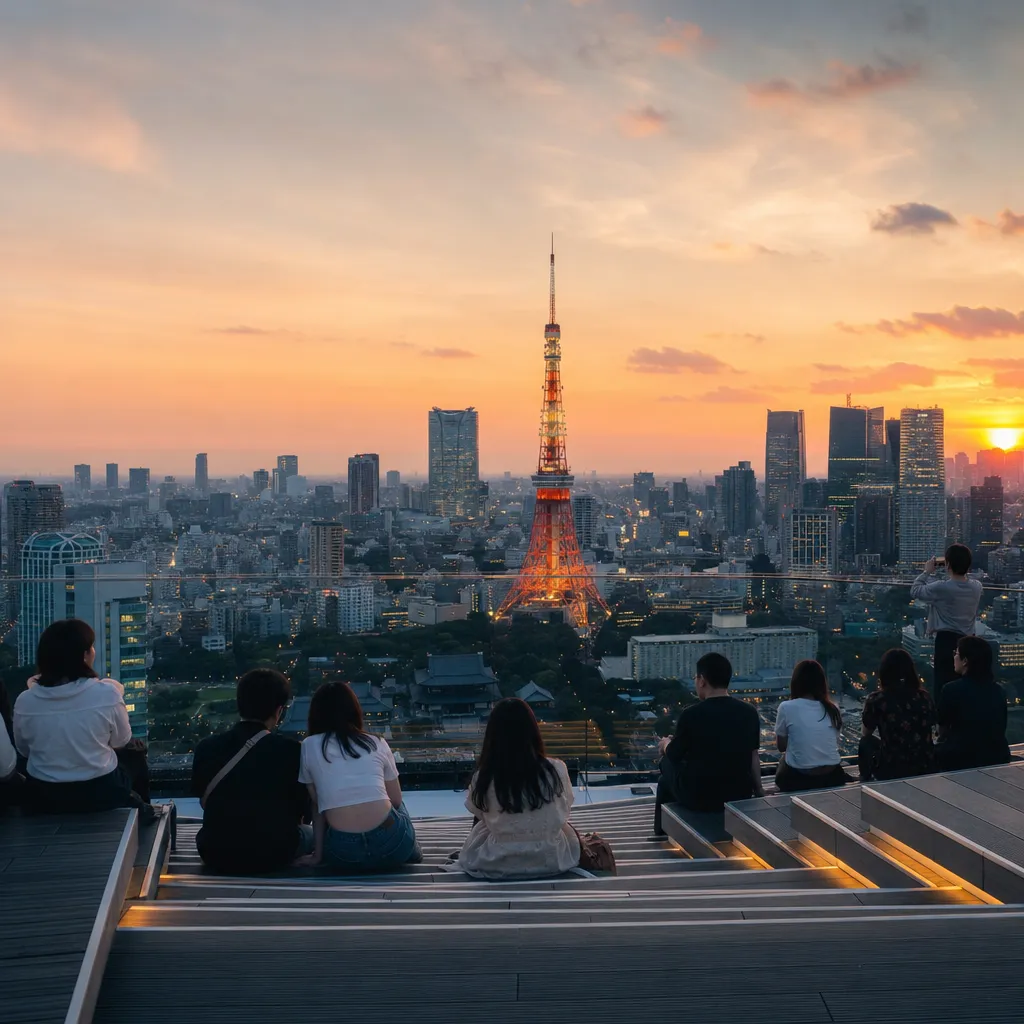
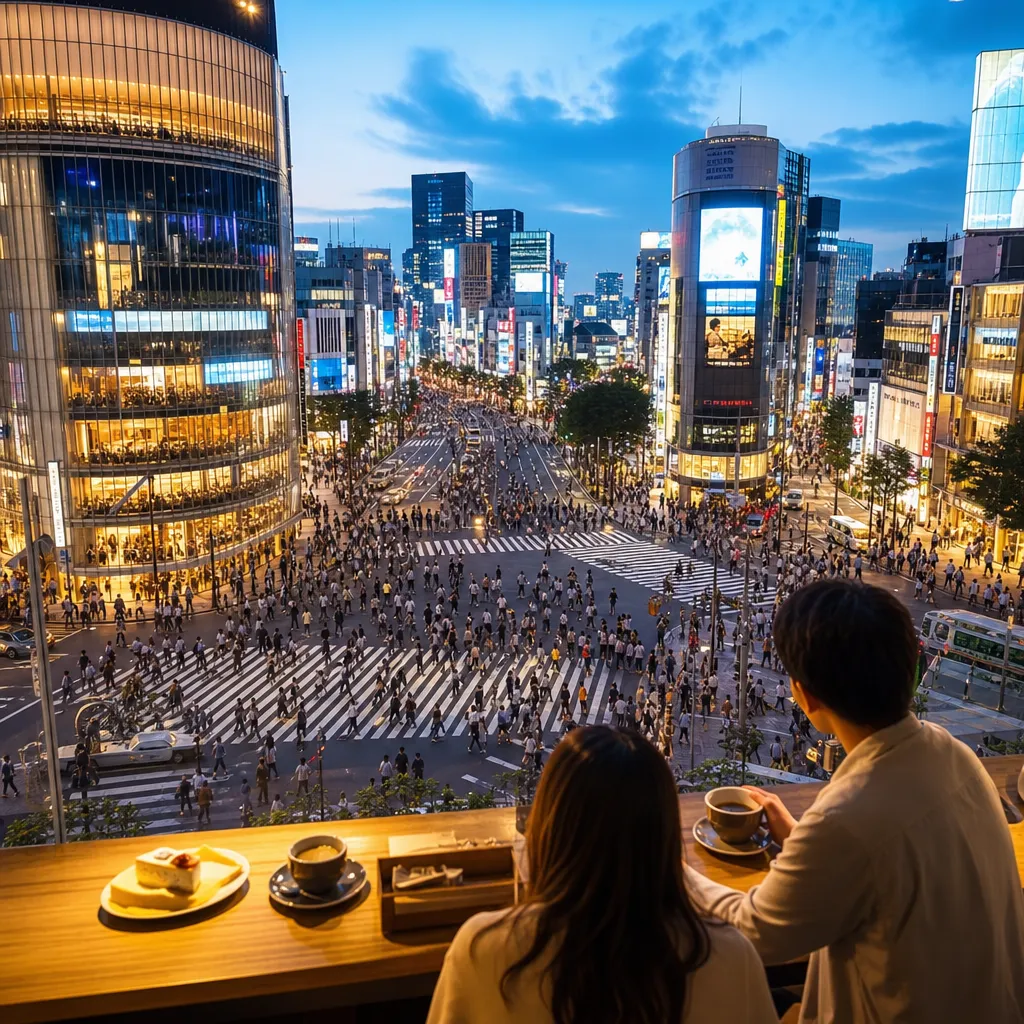
| Shibuya Sky | Shibuya | Viewpoint and photography | Sunset to night | Open-air rooftop observation deck |
| Golden Gai or Omoide Yokocho | Shinjuku | Compact nightlife | Evening | Atmospheric small bars and alley dining |
Saturday morning: start in Asakusa for Tokyo’s older streetscape
If you want one district that immediately feels distinct from the office towers and transport hubs, start in Asakusa in Taito City, on the east side of central Tokyo. The most convenient rail access is Asakusa Station, served by several lines depending on where you are coming from.
Senso-ji is the obvious anchor, but the reason to begin here early is practical as much as aesthetic. In the morning, the approach through Nakamise and the wider temple area is easier to enjoy before the densest crowds build. You can appreciate the gate, lanterns, incense area, and side lanes at a slower pace, and it is a better time for photography if you want the architecture rather than a sea of people.
This is a Buddhist temple, not a shrine, so basic etiquette matters: be respectful in worship areas, avoid blocking entrances, and pay attention to signage around photography. Families, solo travelers, and first-time visitors all tend to find this area easy to navigate. It also works well if your weekend has only one strongly traditional stop.
Late morning: browse Kappabashi or walk along the Sumida side
From Asakusa, a very practical add-on is Kappabashi Dougu Street, the kitchenware district between the wider Asakusa and Ueno areas. It is especially good for travelers who actually want useful shopping rather than generic souvenirs. Shops specialize in knives, ceramics, lacquerware, restaurant supplies, and the food replica displays seen outside Japanese restaurants.
The area feels more functional than touristic, which is part of the appeal. Even if you are not buying anything expensive, it is a rewarding place to understand Tokyo’s food culture from the supply side. If you plan to purchase knives, remember that some shops may have packing or shipping options, but airline baggage rules and customs considerations are your responsibility to check.
If shopping is not the priority, stay closer to the Sumida River side of Asakusa instead. The riverfront gives you a more open view than many central neighborhoods, and it balances well with the denser temple streets.
Saturday afternoon: choose Ueno for museums or Akihabara for urban contrast
For a culture-focused afternoon, head to Ueno Park in Taito City, one of the easiest museum clusters to use efficiently. Ueno Station is a major transport hub, which makes the area convenient even on a short trip. The park contains major institutions including the Tokyo National Museum, the National Museum of Nature and Science, and the National Museum of Western Art.
The best choice depends on your interests. Tokyo National Museum is strongest for Japanese art, archaeology, and historical objects. The National Museum of Nature and Science is especially good for families and anyone who wants a broad, approachable museum experience. The National Museum of Western Art suits visitors who want an art-focused stop and also care about modern architectural significance.
If you prefer a more contemporary and commercial mood, Akihabara is a simple switch from this side of the city. It is best for electronics culture, gaming, anime retail, and dense neon streets rather than quiet sightseeing. Even visitors who are not dedicated hobby shoppers may find it worth an hour or two for the urban atmosphere alone.
Saturday evening: end with a view or compact nightlife
For a first weekend, one of the most useful evening decisions is whether you want a viewpoint or a bar area. If the answer is a city view, Shibuya Sky is one of the strongest choices in central Tokyo. It sits above the Shibuya Station area and gives you a broad read of the city’s scale, especially around sunset and after dark. Because it is a very popular observation deck, advance booking is often wise when available.
For nightlife with a stronger street atmosphere, go to Shinjuku. Two well-known but still practical options are Omoide Yokocho and Golden Gai, both near Shinjuku Station but very different in feel from department-store Shinjuku. Omoide Yokocho is better if you want quick skewers, casual drinks, and a more food-led alley experience. Golden Gai is more about tiny bars, individual personalities, and hopping between very small spaces.
These are evening-oriented areas. Some venues are foreigner-friendly, some are very intimate, and cover charges may apply in certain bars, especially in Golden Gai. Group size matters: pairs or solo travelers often fit these spaces more easily than large groups.
Sunday morning: Meiji Jingu for calm, then Harajuku or Omotesando
Meiji Jingu is in Shibuya ward, close to Harajuku, but its wooded grounds feel surprisingly detached from surrounding traffic and retail zones. It is a Shinto shrine rather than a temple, and the approach through the forested paths is part of the experience. Morning is the best fit if you want relative quiet and softer light.
After the shrine, you can choose between two very different nearby districts. Harajuku, around Takeshita Street and the lanes off it, is best if your weekend guide needs youth fashion, snacks, and a busier street scene. Omotesando is the stronger option for architecture, design shopping, and a more polished atmosphere. The boulevard and adjoining streets are lined with flagship retail buildings and some of the city’s more interesting contemporary facades.
This area suits travelers who like to combine low-effort walking with browsing. It is also practical in bad weather because there are plenty of indoor options, from cafés to larger commercial buildings.
Sunday afternoon: one major indoor stop that justifies the trip
If you want a contemporary indoor attraction, teamLab Borderless at Azabudai Hills in Minato City is one of the clearest candidates for a weekend itinerary. It is immersive rather than object-based, so it suits visitors who want a sensory, visually driven experience more than a conventional museum visit. It also works well for couples, small groups, and travelers trying to balance traditional Tokyo with something unmistakably modern.
Because entry systems and availability can vary, planning ahead is sensible. Weekends are naturally busier. Give yourself enough time to move through the installation without rushing, especially if photography matters to you. As with many digital-art environments, low light and reflective surfaces can make phone photography easier than larger camera setups.
If you prefer a more classic art museum setting in roughly the same broad side of the city, consider the museum options in Roppongi, such as the Mori Art Museum when an exhibition appeals. As always, temporary exhibition programming changes, so confirm what is on before building your day around it.
Where to eat during a weekend without overplanning
Tokyo rewards targeted meals more than random grazing in the busiest tourist corridors. For sushi, ramen, soba, yakitori, and coffee, the city has excellent depth, but a short weekend usually works best when meals are attached to the neighborhoods you are already visiting.
- Asakusa: Good for traditional sweets, tempura-focused meals, and older-style dining rooms. Expect more daytime appeal than late-night energy.
- Ueno: Useful for casual lunch options around the station and market streets, especially if you are fitting a meal between museum stops.
- Shibuya and Shinjuku: Best for choice and convenience in the evening, from ramen counters to izakaya and bars.
- Omotesando and nearby backstreets: Better for design-conscious cafés and slower brunch or coffee breaks than for bargain eating.
- Ginza: A strong option if you want department store food halls, polished dining, or a more refined lunch break on Sunday.
Reservations are most relevant for higher-end sushi, specialist tasting menus, and some sought-after yakitori or counter-style restaurants. For ramen, casual soba, and many everyday lunch spots, walk-ins are often the norm. Department store depachika food halls are also useful when a group cannot agree on one cuisine.
If the weather turns bad: reliable indoor alternatives
Rain does not need to ruin a weekend plan, but it does change which neighborhoods feel comfortable. Tokyo Station and Marunouchi are good in poor weather because the area connects transport, shopping, and dining efficiently. Ginza also works well thanks to department stores, basements filled with food options, and large commercial buildings.
Ueno Park museums remain one of the best foul-weather cultural choices. teamLab Borderless is another strong wet-day option if you have already secured entry. For book and design lovers, neighborhoods like Daikanyama can be appealing, especially around larger lifestyle retail spaces, but they are less compact than major station-centered districts.
If you are traveling with children, the National Museum of Nature and Science in Ueno is one of the safer all-around recommendations because it combines central access with broad appeal.
How to structure the weekend by travel style
For first-time visitors: Asakusa, Ueno or Akihabara, Shibuya Sky, Meiji Jingu, and Omotesando make a balanced two days.
For food-focused travelers: Base yourself near a transport hub and build days around one lunch district and one dinner district rather than crossing the city repeatedly.
For photographers: Go early in Asakusa, late afternoon into evening in Shibuya, and use Omotesando for architecture and cleaner urban composition.
For families: Prioritize Ueno, Asakusa, and one major indoor attraction. Avoid overcommitting to small-bar nightlife zones.
For repeat visitors: Keep the framework but swap one major district for neighborhoods such as Kichijoji, Shimokitazawa, or Yanaka, depending on whether you want parks, vintage shopping, or a quieter older streetscape.
FAQ
Which area is best to stay in for a Tokyo weekend?
For convenience, areas near major stations such as Tokyo Station, Shinjuku, Shibuya, or Ueno are usually the easiest. They reduce transfer stress and make it simpler to split your time between eastern and western parts of the city.
Do I need reservations for attractions or restaurants?
For popular observation decks, immersive attractions, and higher-end restaurants, reservations or advance tickets are often sensible. Casual ramen shops, many soba shops, and everyday cafés are more commonly walk-in friendly.
What is the best time to visit Asakusa?
Morning is usually the most pleasant if you want a calmer atmosphere and better photography conditions. Later in the day, the area becomes busier, especially on weekends and holidays.
Is Shibuya Sky worth visiting at night?
Yes, especially if you want a strong sense of the city’s scale after dark. Sunset can be particularly popular, so availability may be tighter than at other times.
Are Tokyo’s small nightlife areas suitable for groups?
Usually not large ones. Places like Golden Gai are more comfortable for solo visitors, pairs, or very small groups because many bars have very limited seating.
What should families prioritize on a weekend?
Asakusa, Ueno Park, and a major indoor attraction are dependable choices. They combine straightforward transport with flexible pacing and access to food, rest areas, and alternative activities.
Can I do this guide using only public transport?
Yes. Everything listed is reachable by train or subway, and most areas are best visited that way. Taxis are useful late at night or if you are carrying purchases, but they are not necessary for the core plan.
What should I check before visiting?
Check current opening days, ticketing rules, temporary closures, and any special exhibition or event schedules. Weekend demand can affect major attractions, and restaurant policies can change.
Sources
- GO TOKYO
- Tokyo Metropolitan Government
- Japan National Tourism Organization