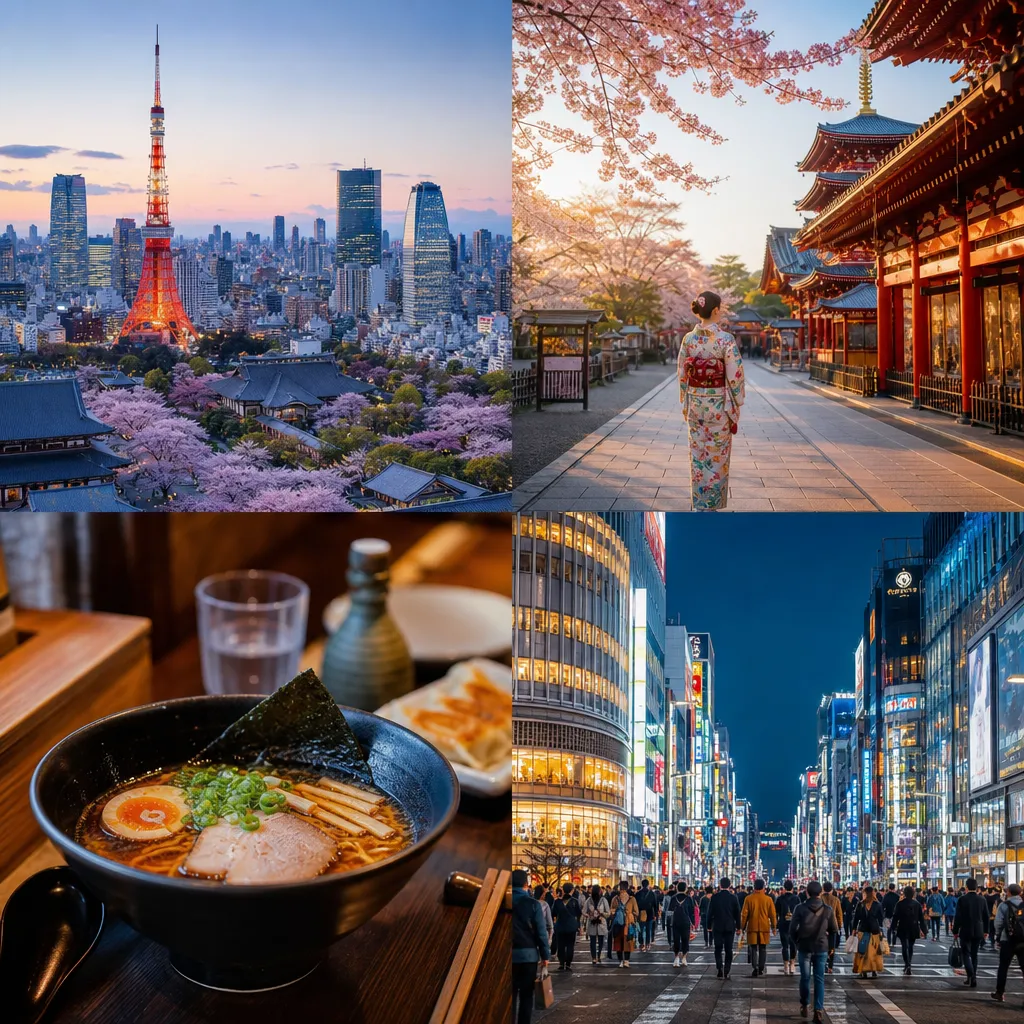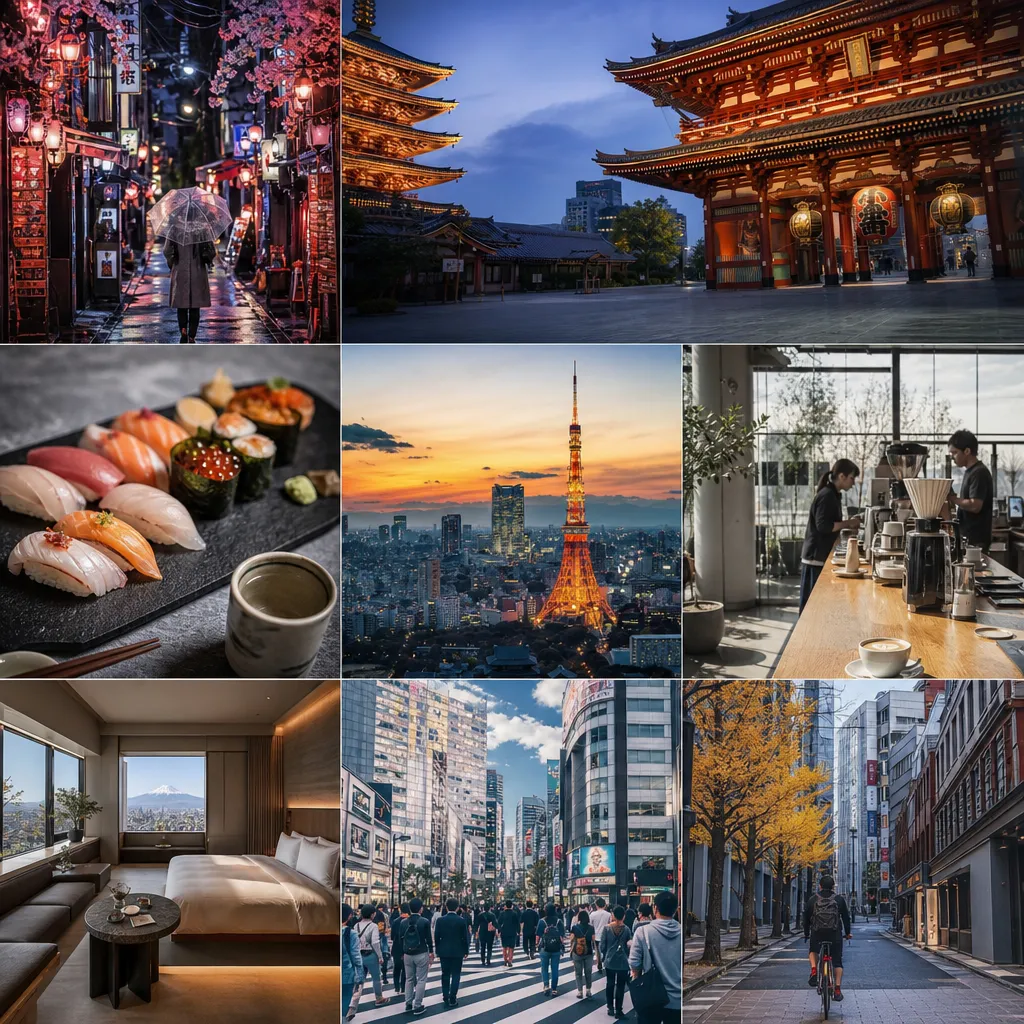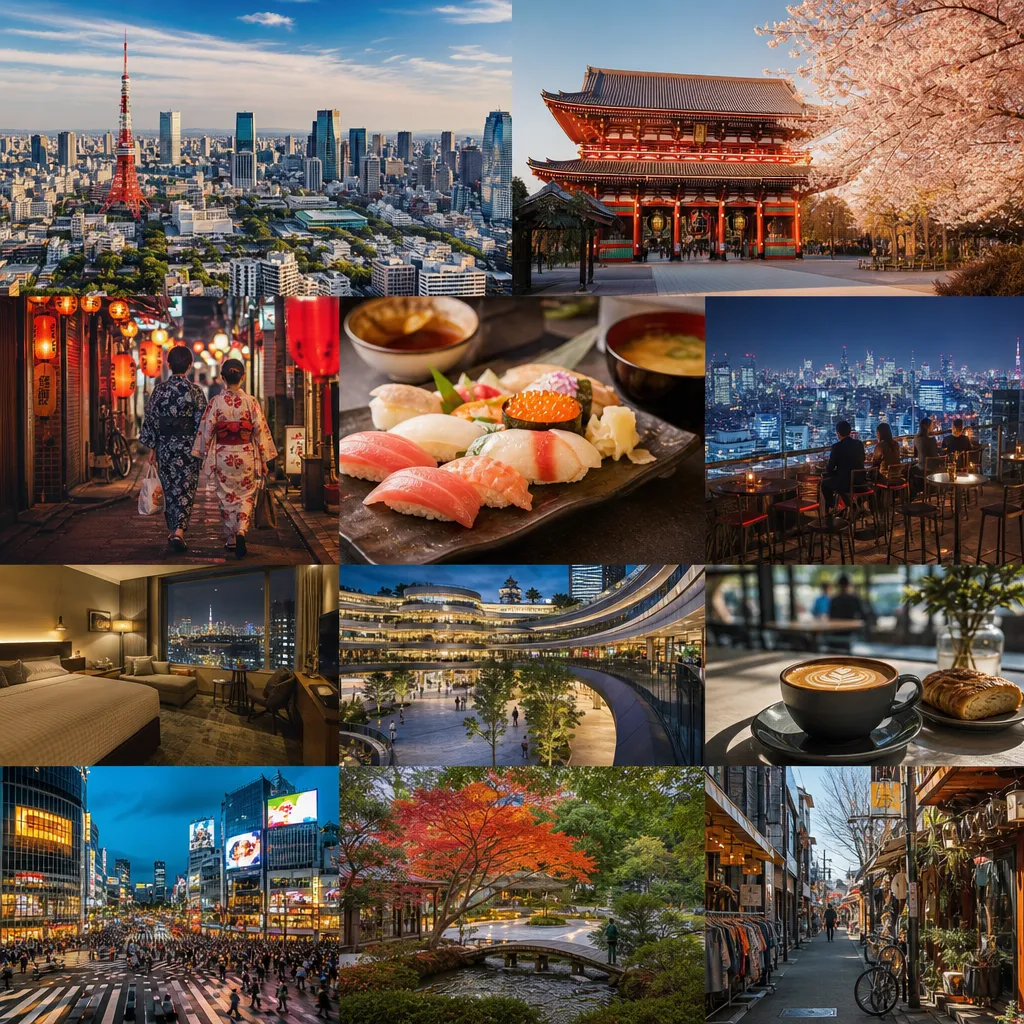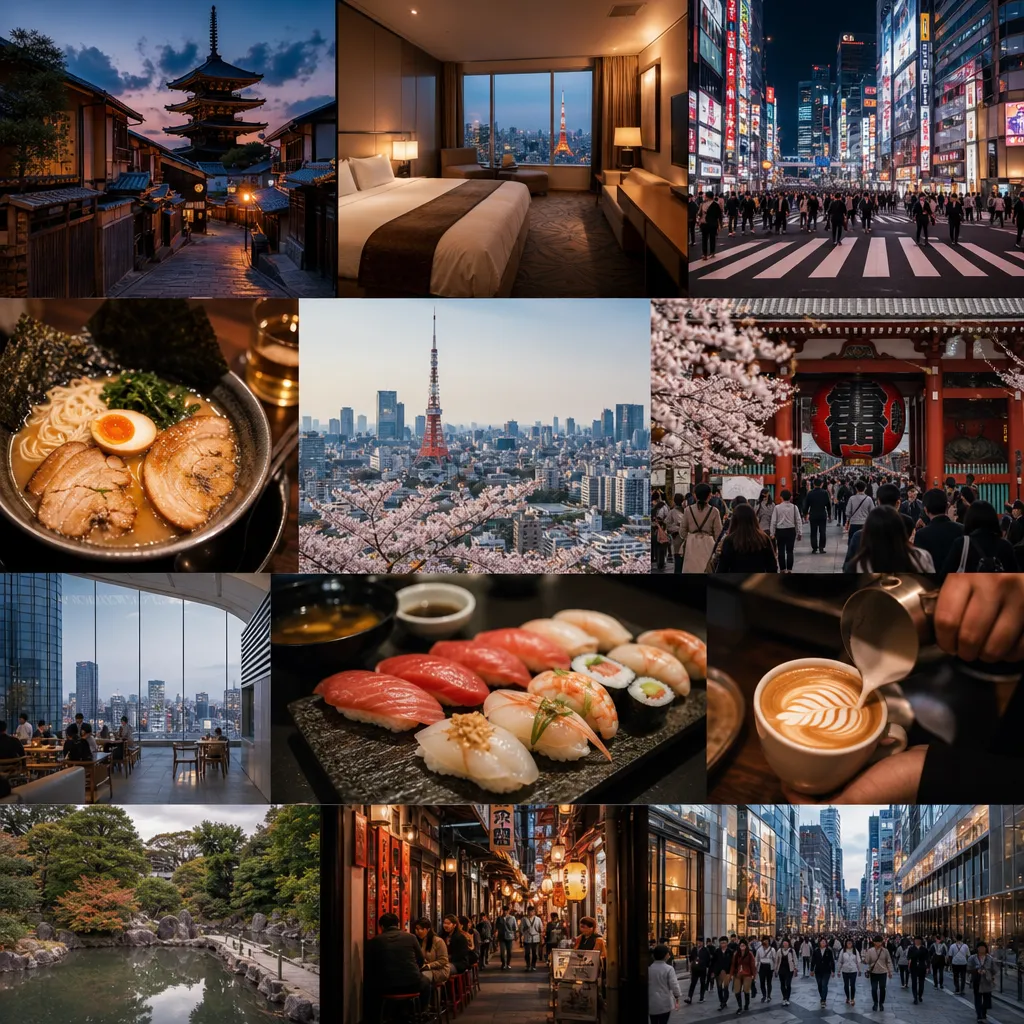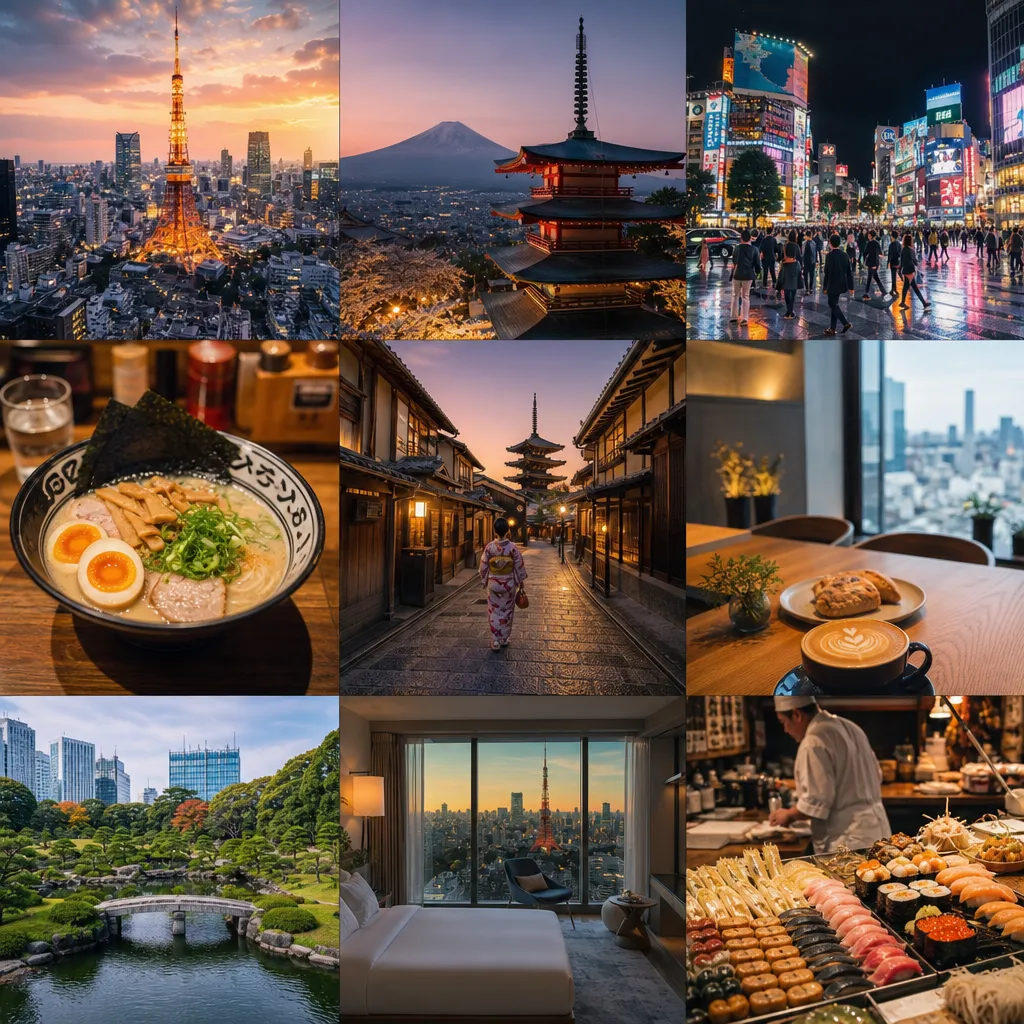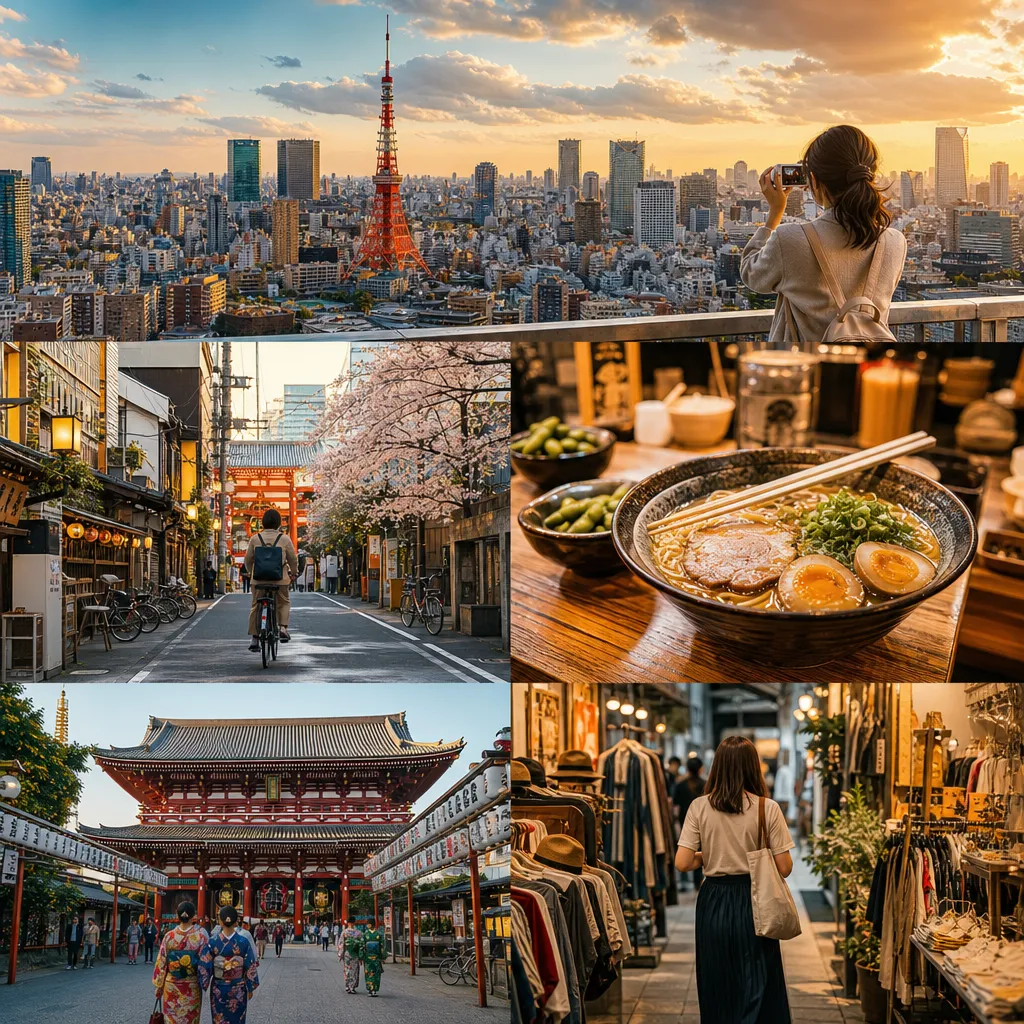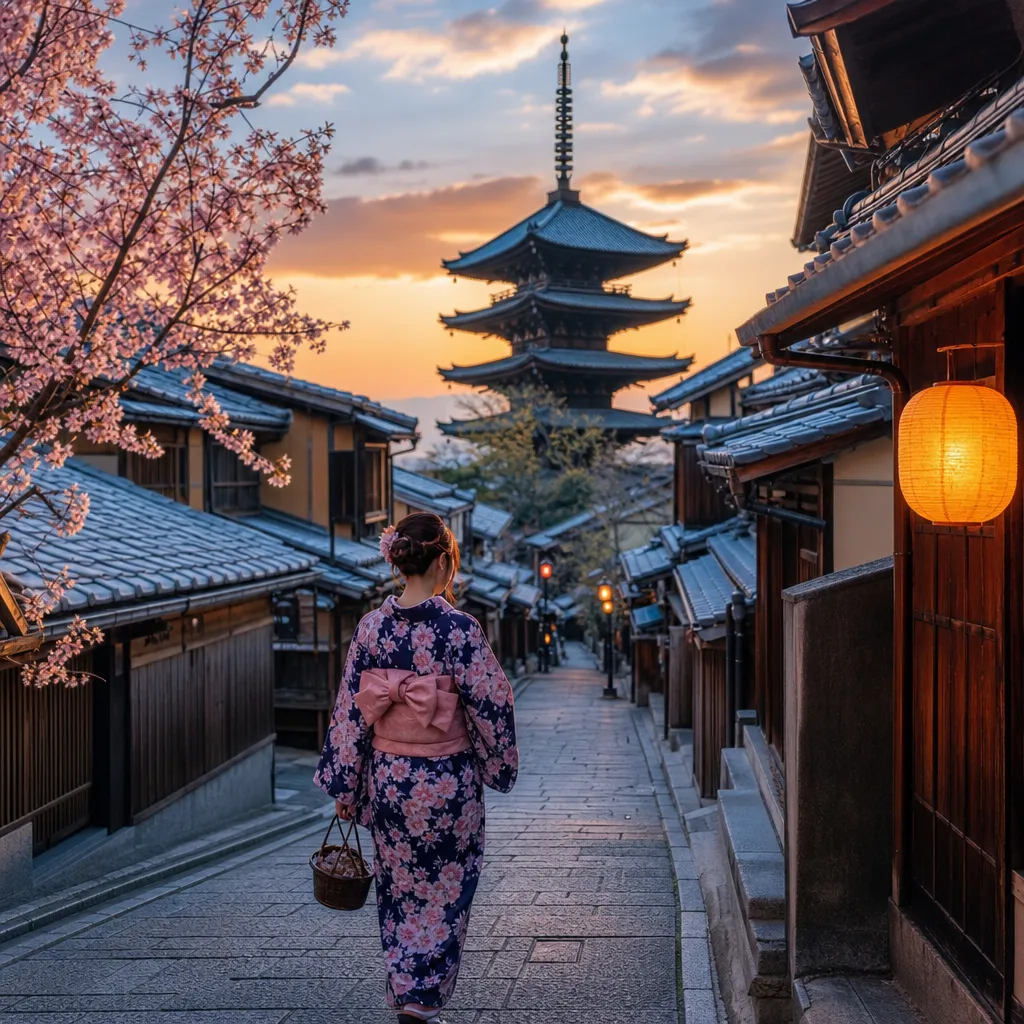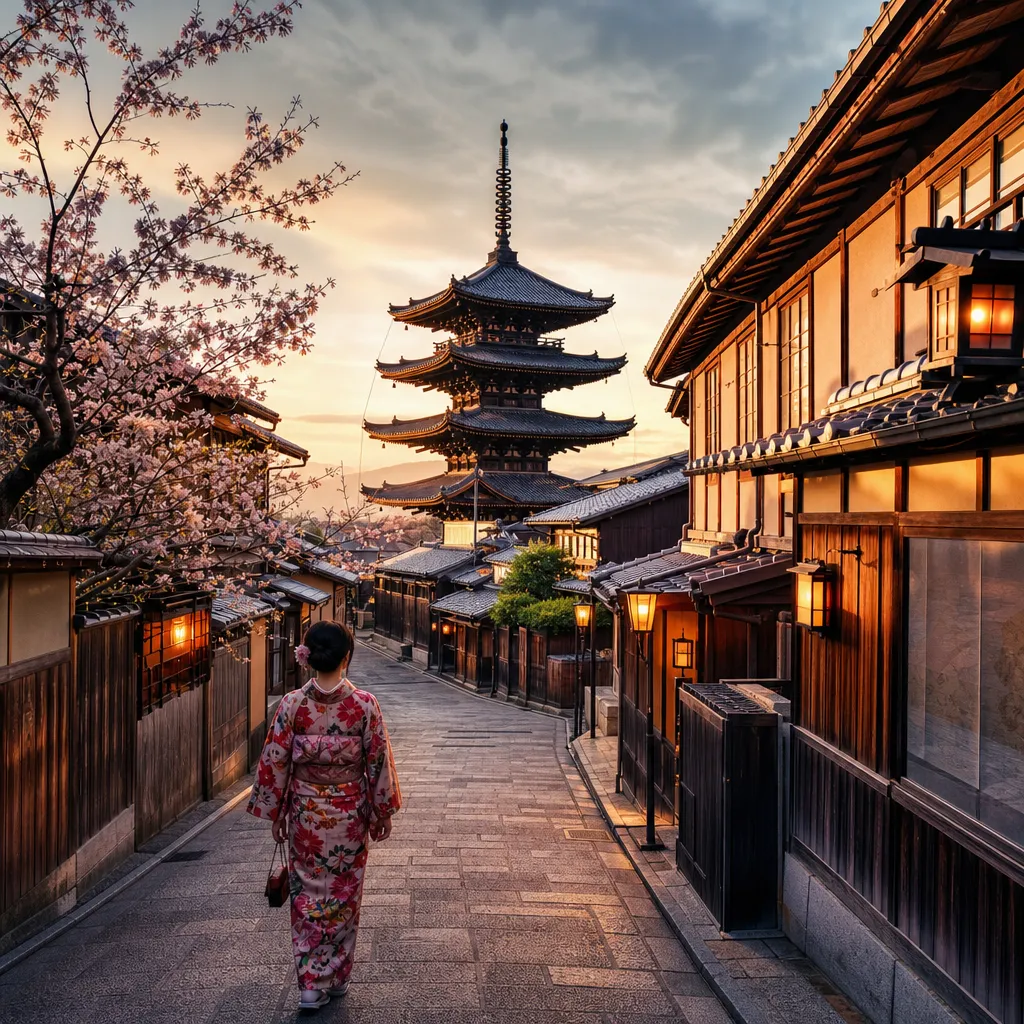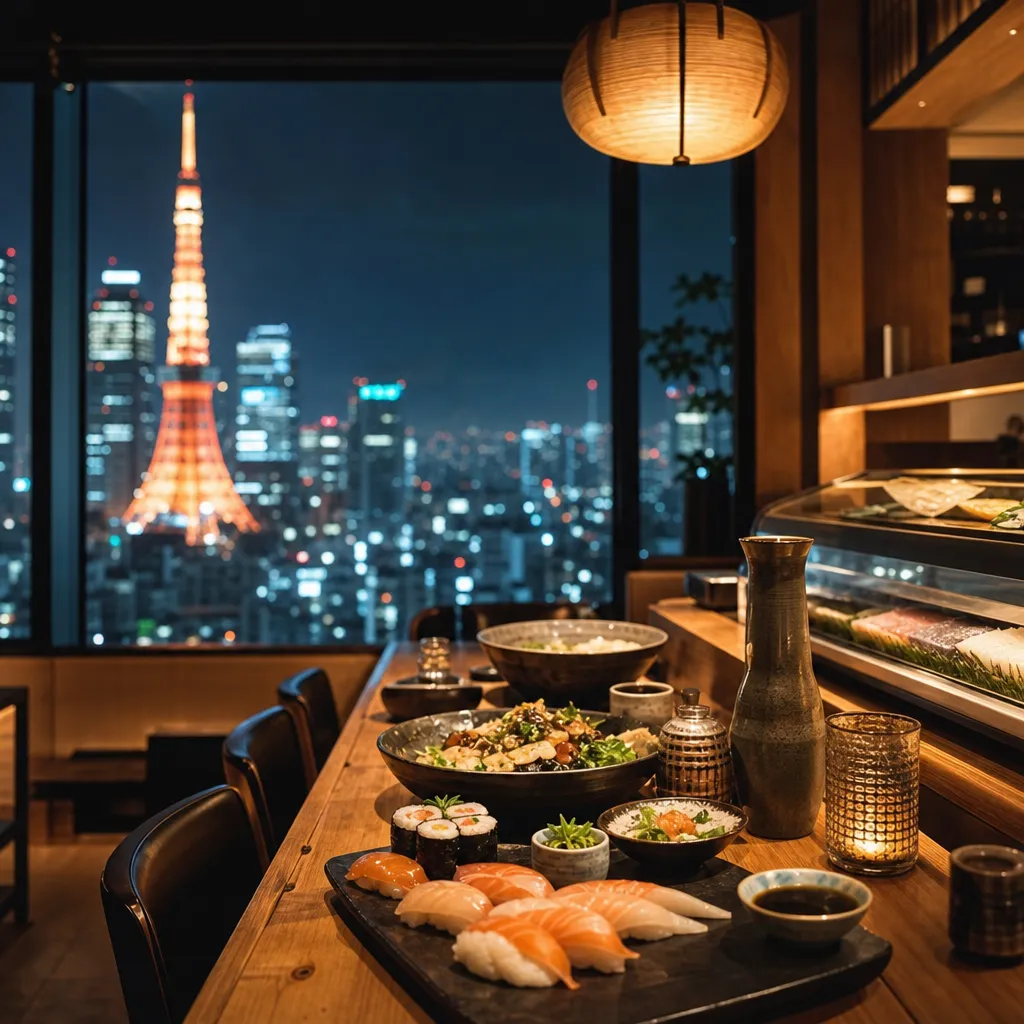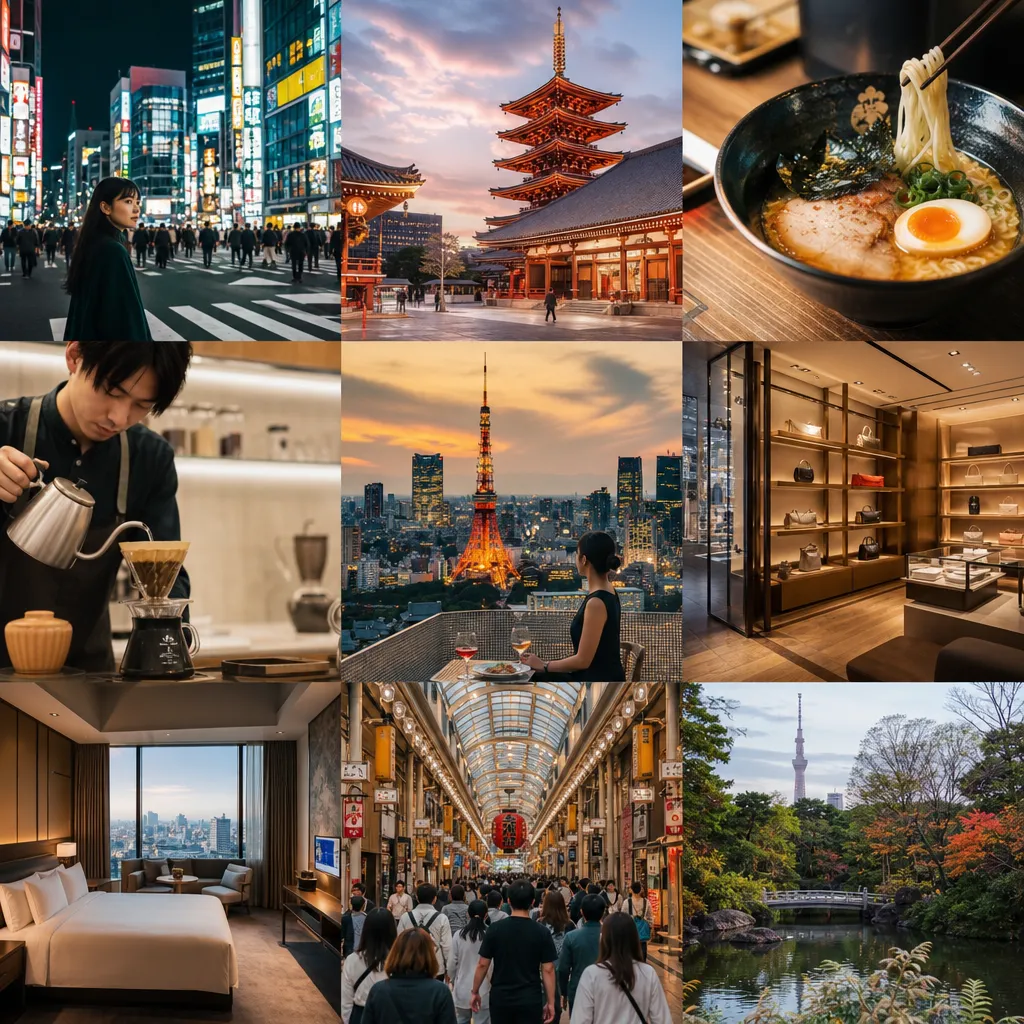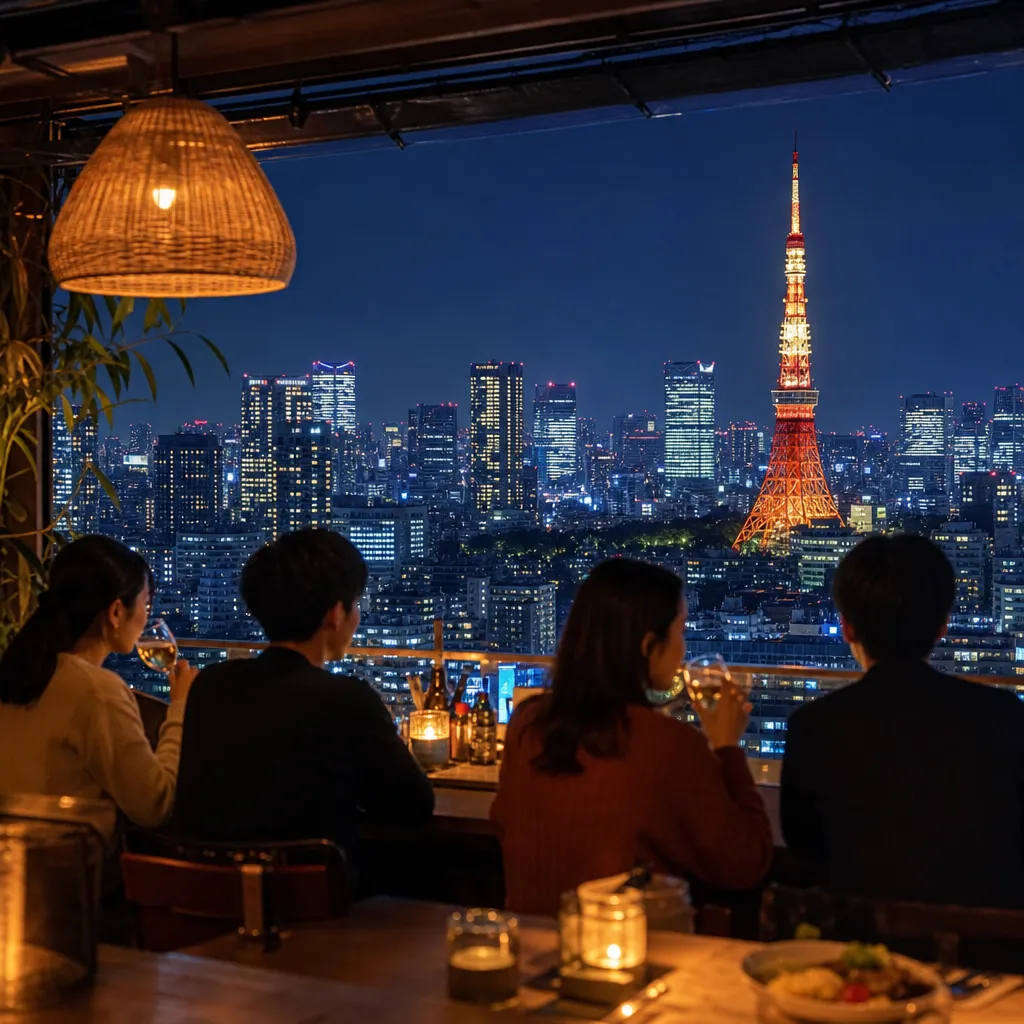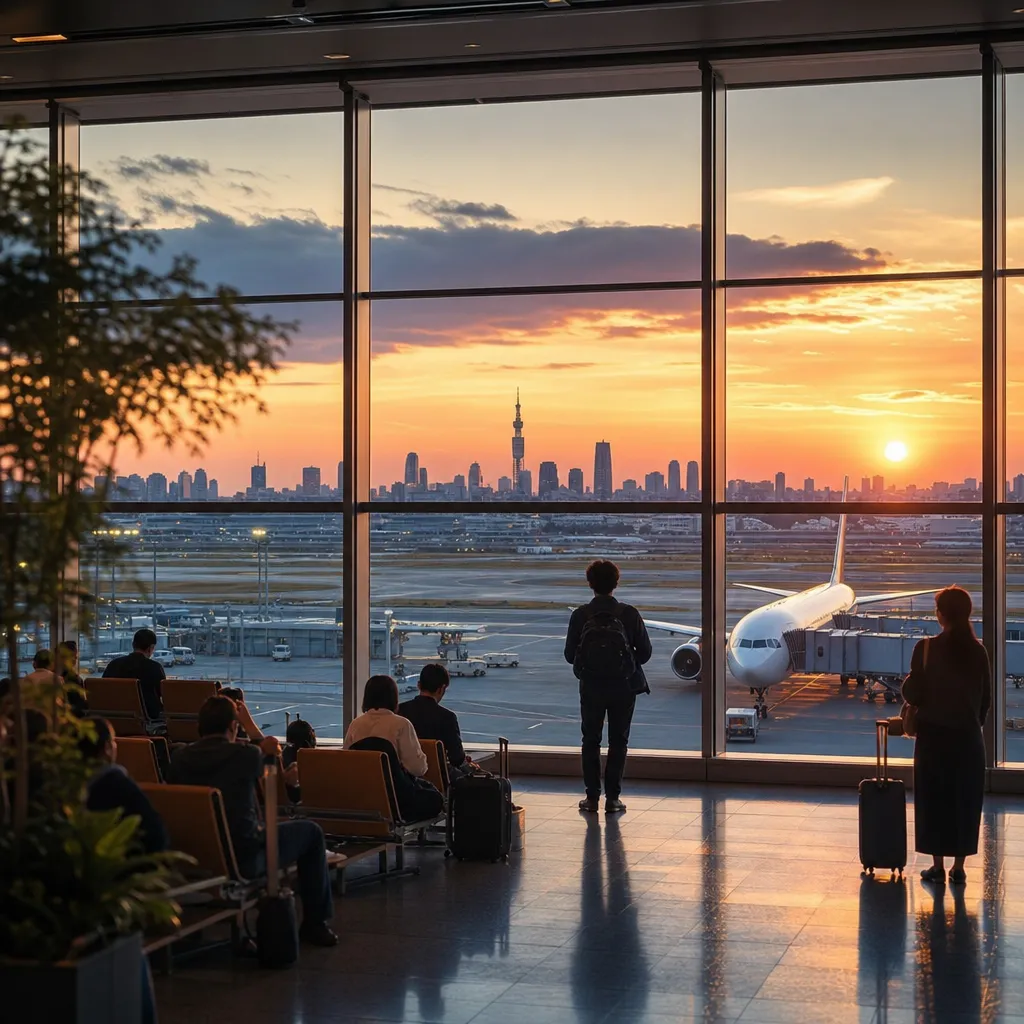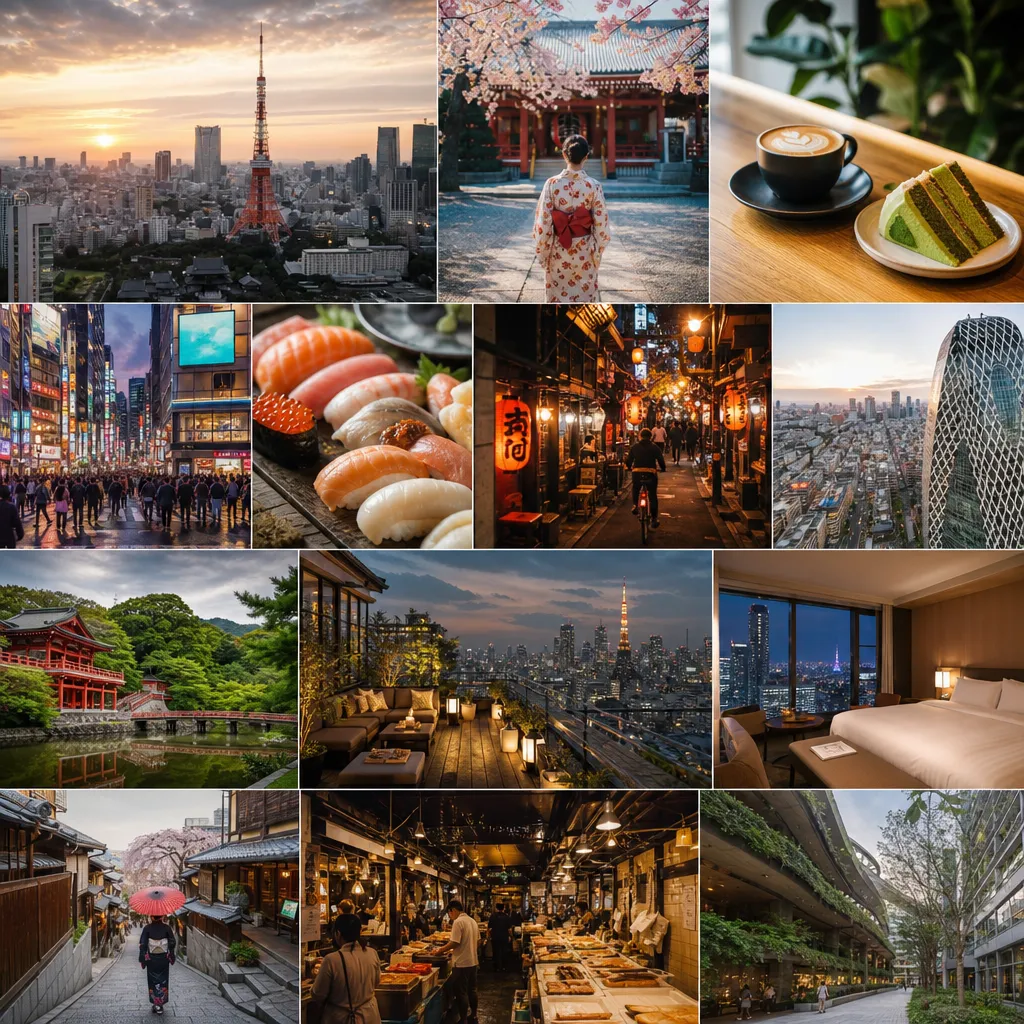
Most travelers can enjoy a first visit in 4 to 6 days, but the right answer depends on how you want to use the city. Tokyo is not just a checklist of famous districts; it is a collection of neighborhoods with very different rhythms, from early-morning market streets and temple areas to late-night food districts and design-focused shopping zones. A short stay can cover the highlights, but a longer one lets you slow down, eat better, and include day trips or quieter local areas. The most practical approach is to decide first whether you want a highlights trip, a food-led itinerary, a family trip, or a slower stay split across different neighborhoods.
If this is your first time, 5 days is a strong middle ground. That usually gives you enough time for Asakusa, Ueno, Shibuya, Shinjuku, a museum day, one modern waterfront or architecture-focused area, and at least one evening spent properly on food rather than rushing between sights. If you have only 2 or 3 days, focus tightly on a few well-connected districts near major train lines instead of trying to cross the city constantly.
Where you stay matters almost as much as how many days you have. Areas around Tokyo Station, Ueno, Shinjuku, and Shibuya are practical bases for first-time visitors because they connect well to airports and major train lines. If you want quieter evenings, consider places such as Asakusa, Kiyosumi-Shirakawa, or the Ebisu area rather than the busiest core nightlife districts.
Quick answer: the ideal number of days
| Length of Stay | Best For | What You Can Realistically Do | Main Trade-Off |
|---|---|---|---|
| 2 days | Very short city stop | A few major districts such as Asakusa, Shibuya, and Shinjuku | Little time for museums, slower meals, or neighborhood wandering |
| 3 days | Fast first visit | Classics plus one museum or shopping-focused area | Busy pace and limited flexibility |
| 4 days | Balanced short trip | Main sights, one quieter neighborhood, and stronger food planning | Still selective if you enjoy museums or shopping deeply |
| 5 days | Best first-time length | A well-rounded introduction with room for evening culture and better dining | You still will not see every major area |
| 6 to 7 days | Deeper city stay | Core sights, multiple museums, local neighborhoods, and possibly a day trip | Requires more selective budgeting and pacing |
| 8+ days | Slow travel, repeat visitors, food and shopping fans | Time to split stays, revisit favorite areas, and explore outer neighborhoods | Best only if you enjoy urban travel and not just landmark sightseeing |
How many days do you need for a first trip?
For most first-time visitors, 4 to 5 days is the practical minimum if you want Tokyo to feel like more than a transit stop. In that time, you can combine older historic areas, major shopping and dining districts, and at least one cultural institution without spending every day in a rush.
A sensible first-trip structure usually includes:
- Asakusa in Taito ward for Senso-ji and older streetscapes
- Ueno for museums and park space, also in Taito ward
- Shibuya for contemporary city energy, department stores, and evening food
- Shinjuku for skyline views, nightlife, and transport convenience
- One additional area such as Ginza, Harajuku/Omotesando, Kiyosumi-Shirakawa, or Toyosu/Odaiba depending on your interests
If you only have 3 days, that can still work, but you should think in clusters rather than individual attractions. For example, pair Asakusa with Ueno on one day, Shibuya with Harajuku/Omotesando on another, and Shinjuku with either a museum or a food-focused evening on the third.
What you can do in 2, 3, 4, or 5 days
2 days: enough for a quick impression
Two days is enough to see famous areas, eat well, and get a feel for the city’s scale, but not enough to understand it in depth. Stay somewhere highly connected, ideally near Tokyo Station, Ueno, Shinjuku, or Shibuya Station.
A strong 2-day outline is:
- Day 1: Asakusa and Ueno by day, then Akihabara or Ginza depending on your interests
- Day 2: Meiji Jingu and Harajuku/Omotesando, then Shibuya and Shinjuku in the evening
This works best for travelers in Japan briefly or those combining Tokyo with Kyoto and Osaka.
3 days: enough for highlights plus one special interest
Three days gives you room to add one substantial museum, shopping area, or waterfront district. This is the shortest stay that feels reasonably balanced for a first-time visitor.
Good third-day options include:
- Ginza and Marunouchi for department stores, architecture, and refined dining near Tokyo Station
- Odaiba or Toyosu for modern waterfront scenery and family-friendly attractions in the bay area
- Kiyosumi-Shirakawa for cafés, small galleries, and a slower neighborhood mood in Koto ward
4 days: where the trip starts to feel comfortable
Four days allows a much better pace. You can start early one day for a temple district or market area, stay out late another day for yakitori or bars, and still leave space for rest. This is a very practical length if you want both sightseeing and proper meals.
At this point you can also include places that are rewarding but often cut from shorter itineraries, such as:
- Nezu Museum in Minato ward, near Omotesando, for art and a remarkable garden
- teamLab Planets TOKYO DMM in the Toyosu area, if immersive art interests you and you book ahead when needed
- Yanaka in Taito ward for an older low-rise neighborhood atmosphere
5 days: the best balance for most people
Five days is often the sweet spot. You can include major areas, slower mornings, and at least one dinner worth planning in advance, whether that means sushi, tempura, yakitori, or a chef-driven kaiseki-style meal. You also gain margin for weather, shopping, or simply changing plans.
This is the point where Tokyo becomes much more enjoyable because you are no longer using every hour for transit and landmarks.
When 6 to 7 days makes sense
If you are especially interested in food, design, museums, bookstores, or photography, 6 or 7 days is highly rewarding. The city is large enough that repeat visits to the same district at different times of day can feel like different experiences.
With a week, you can add:
- Kichijoji in western Tokyo for neighborhood shopping and Inokashira Park
- Shimokitazawa in Setagaya ward for vintage shops, cafés, and live-music atmosphere
- Nakameguro and Daikanyama for river views, boutiques, and a calmer urban style
- Roppongi for contemporary art institutions such as the Mori Art Museum area and evening skyline viewpoints
- A day trip to Kamakura, Nikko, Yokohama, or Hakone if you do not want every day to be urban
A week is also useful for families because children usually need more breaks, indoor backup plans, and shorter sightseeing blocks.
How your interests change the answer
Food-focused travelers
If meals are central to your trip, add at least one extra day. Good food in Tokyo is not limited to famous luxury counters. You may want time for an early sushi breakfast area, department store food halls in Ginza or Nihombashi, ramen in multiple neighborhoods, izakaya in Shinjuku or Ebisu, and a slower café morning in places such as Kiyosumi-Shirakawa or Nakameguro.
Reservations matter most for sought-after sushi, kaiseki, and some specialist counters. Casual ramen, soba, curry, and many everyday restaurants are better handled as flexible walk-ins.
Museum and architecture travelers
If you want serious museum time, 5 to 6 days is better than 3 or 4. Ueno alone can take a full day if you visit institutions such as the Tokyo National Museum or the National Museum of Western Art. Add the Mori Art Museum area in Roppongi, the Nezu Museum near Omotesando, and architecture walks through Omotesando, Ginza, or Marunouchi, and the days fill quickly.
Shoppers
Shopping-heavy trips also benefit from 5 days or more. Shibuya, Ginza, Shinjuku, Ikebukuro, Harajuku, and Shimokitazawa each offer very different retail cultures. Department stores, vintage shops, stationery stores, camera shops, and bookstores are spread across multiple districts rather than concentrated in one zone.
Families
Families often do better with 5 or more days and shorter daily plans. Ueno Zoo and the museums in Ueno Park, Sumida Aquarium near Tokyo Skytree, waterfront attractions around Odaiba and Toyosu, and large parks all take time. Staying near a station with easy transfers reduces stress far more than trying to chase a lower room rate in a less convenient location.
Best areas to stay based on trip length
For 2 to 3 days: stay near a major hub. Shinjuku works well for rail links and nightlife, while Tokyo Station and nearby Marunouchi or Nihombashi are practical for airport transfers and shinkansen connections. Ueno is especially useful if you want easier access to Asakusa and northern parts of the city.
For 4 to 5 days: you can prioritize atmosphere as well as transport. Asakusa gives you a more traditional environment in the evenings. Ebisu offers a polished but less overwhelming base than Shibuya. Ginza is convenient if you prefer department stores, smart dining, and good transport.
For 6+ days: consider splitting your stay. For example, spend a few nights near Shinjuku or Tokyo Station for convenience, then move to Asakusa, Kiyosumi-Shirakawa, or Nakameguro for a more neighborhood-led final stretch.
A practical sample 5-day Tokyo plan
This is not the only way to do it, but it is a realistic framework for many first-time visitors.
- Day 1: Asakusa and nearby areas. Visit Senso-ji early, explore traditional shopping streets, then continue to Ueno for a museum or park time.
- Day 2: Meiji Jingu, Harajuku, and Omotesando. This combines shrine culture, youth fashion, and architecture. Finish in Shibuya for evening views, shopping, and dinner.
- Day 3: Shinjuku. Include a daytime garden or department store visit, then return at night for izakaya, bars, and city lights.
- Day 4: Ginza and Marunouchi, or Toyosu and Odaiba depending on whether you prefer urban refinement or bayfront modernity.
- Day 5: A flexible day for a museum, Kichijoji, Shimokitazawa, Nakameguro, or shopping in your favorite district.
This structure works because it groups neighborhoods that connect logically by train and mood rather than jumping across the city repeatedly.
Common mistakes when deciding how many days you need
- Trying to “do Tokyo” in one giant checklist. The city rewards focus more than volume.
- Underestimating evenings. Some of the best experiences are after dark: yakitori alleys, cocktail bars, observation decks, and illuminated streets.
- Ignoring recovery time. Heat, walking, and station transfers are tiring, especially in summer.
- Planning too many reservations. Keep one or two key bookings and allow the rest of the trip to stay flexible.
- Skipping neighborhood time. A slower walk through Yanaka, Kiyosumi-Shirakawa, or Daikanyama can be more memorable than one more famous crossing or tower.
Final verdict
If you want the clearest answer, plan 5 days in Tokyo. That is enough for the major sights, varied food, some cultural depth, and a few hours of unscheduled wandering that often become the best part of the trip.
If your time is limited, 3 to 4 days can still be very worthwhile, as long as you stay central and keep your itinerary tightly organized by area. If you love cities, food, architecture, shopping, or photography, 6 to 7 days is even better and rarely feels excessive.
Tokyo is one of the few places where staying longer usually improves the trip rather than weakening it. The city becomes easier, more interesting, and less intimidating once you stop trying to conquer it all at once.
Is 3 days enough for Tokyo?
Three days is enough for a fast first visit covering major areas such as Asakusa, Shibuya, and Shinjuku, plus one additional district or museum. It is enjoyable, but it will feel selective rather than comprehensive.
Is 5 days too much for Tokyo?
No. Five days is often ideal for a first-time visitor because it gives you time for both major sights and neighborhood experiences without rushing constantly.
What area is best to stay in for a short Tokyo trip?
For a short stay, Shinjuku, Ueno, Tokyo Station/Marunouchi, and Shibuya are all practical because they are major transport hubs. The best choice depends on whether you prefer nightlife, airport convenience, or a slightly calmer base.
Should I stay in one hotel or split my stay?
For trips under 5 days, one hotel is usually easier. For 6 days or more, splitting between a highly connected hub and a more atmospheric neighborhood can work well.
Do I need to book restaurants in advance?
Only some of them. High-demand sushi, kaiseki, and small specialist counters may require reservations, while many ramen shops, soba shops, cafés, and casual izakaya are better approached flexibly.
Is Tokyo better by day or at night?
Both matter. Daytime is best for shrines, museums, gardens, and shopping streets, while evening is when food districts, bars, illuminated streets, and skyline views become part of the experience.
Can I combine Tokyo with Kyoto and Osaka in one trip?
Yes, but if your total Japan trip is short, Tokyo can end up feeling rushed. If possible, give the city at least 4 full days before adding long-distance travel.
What should I check before visiting specific attractions?
Check current opening days, reservation requirements, exhibition schedules, and transport information. Museums, immersive attractions, and some restaurants can require more planning than casual sightseeing areas.
Sources
- GO TOKYO (Tokyo Convention & Visitors Bureau)
- Japan National Tourism Organization
- Tokyo Metropolitan Government