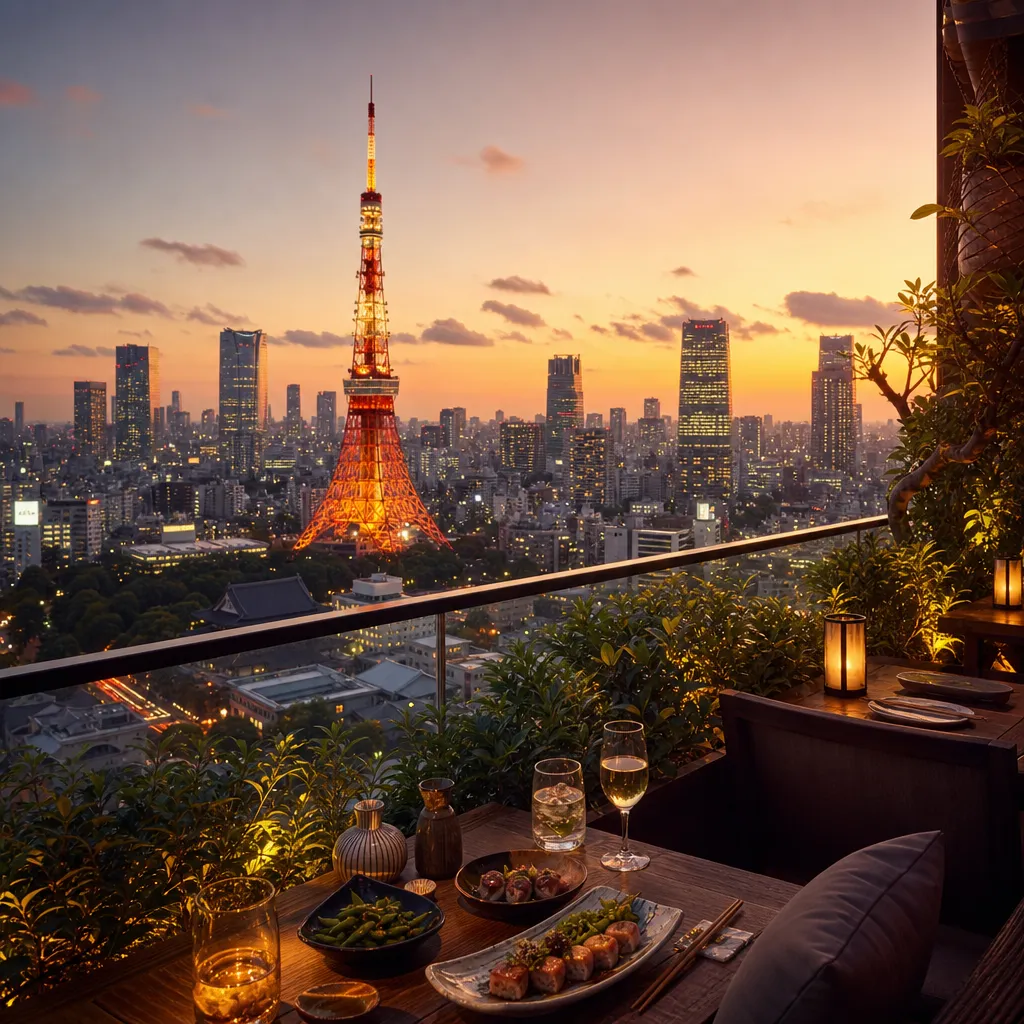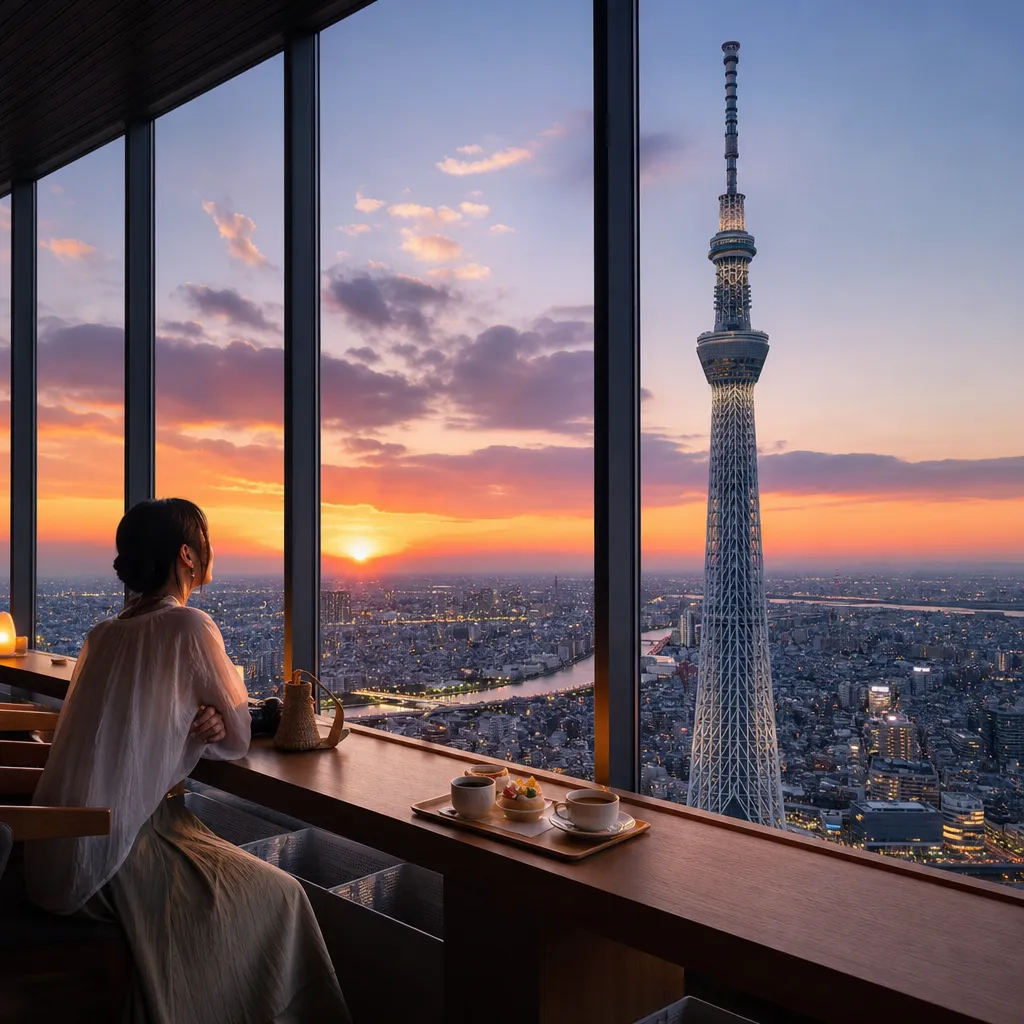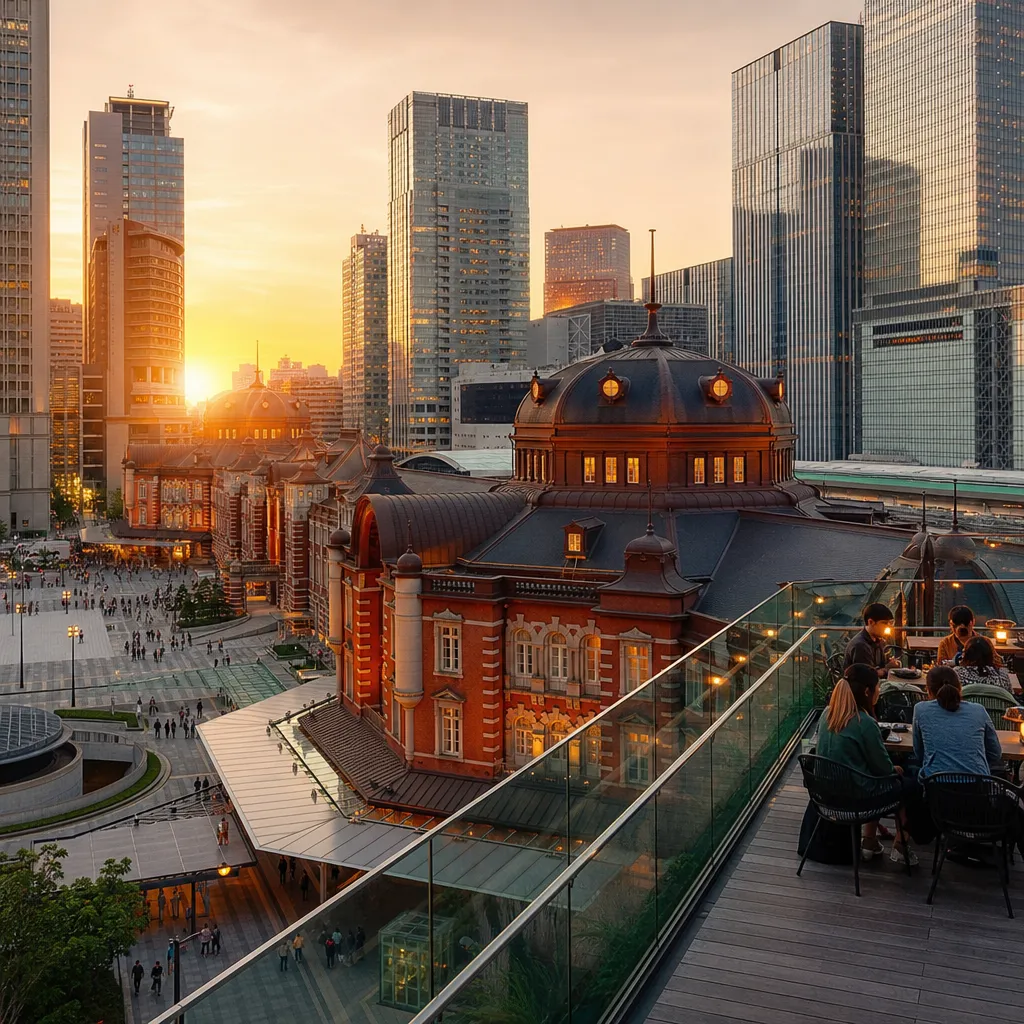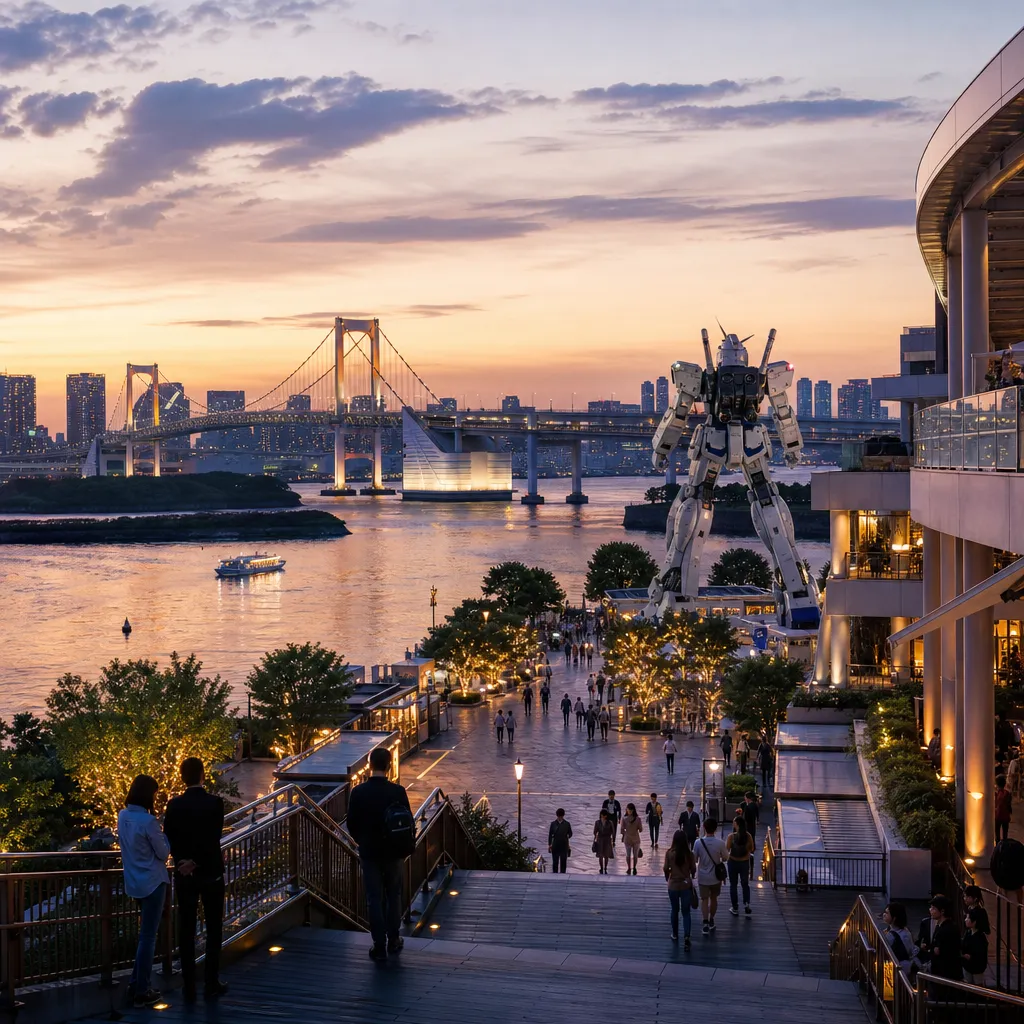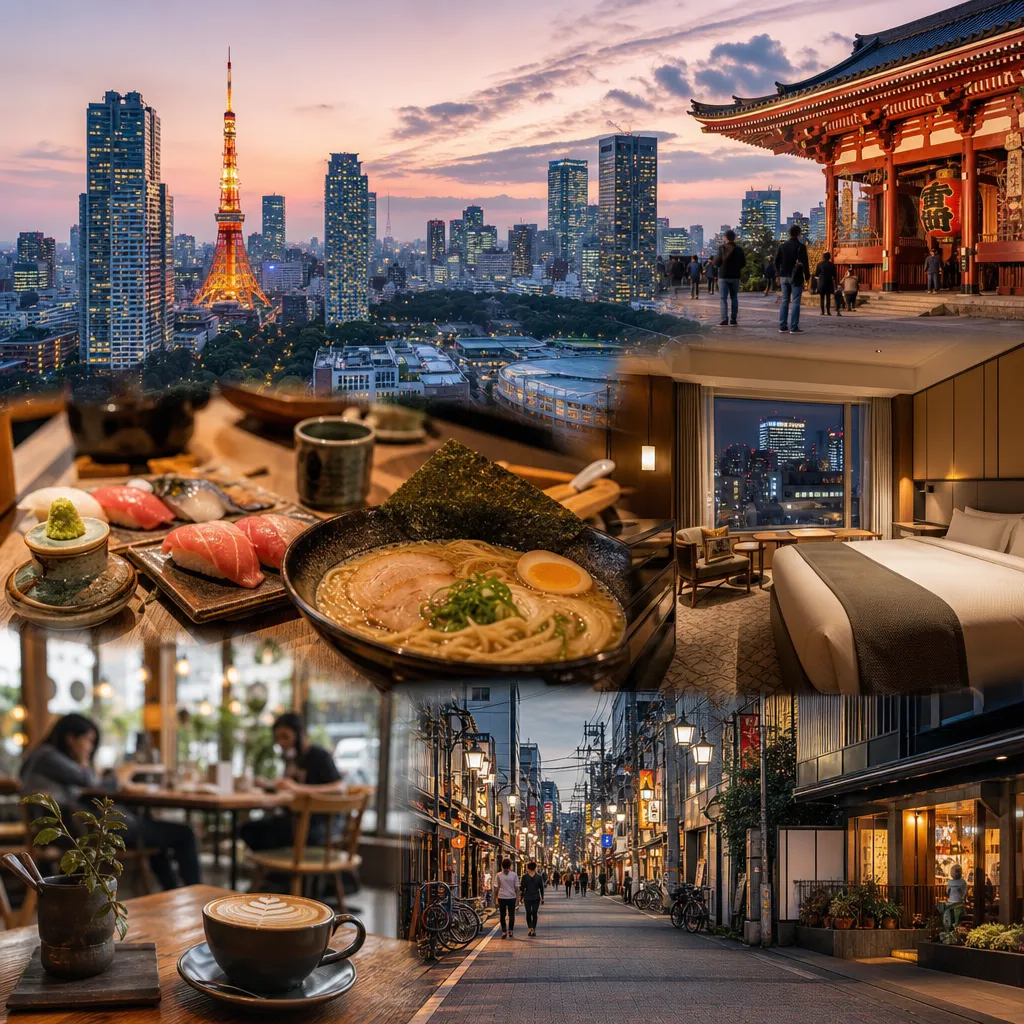
Tokyo can be expensive, but it is not uniformly expensive. The city has a reputation for luxury shopping, polished hotels, and high-end sushi counters, yet daily travel here can also be surprisingly manageable if you choose neighborhoods and activities well. In practice, the answer depends less on whether you are in Tokyo and more on how you use Tokyo: where you stay, what you eat, and which parts of the city you prioritize.
For visitors, the biggest mistake is judging costs by the most international parts of Ginza, Omotesando, or major hotel districts alone. A bowl of ramen near a commuter station, a set lunch in an office district, or a business hotel in Ueno can feel very different from a rooftop bar in Toranomon or a luxury ryokan-style stay in central Tokyo. If you plan with some local awareness, Tokyo can deliver excellent value.
This guide breaks down where Tokyo feels expensive, where it feels reasonable, and what that means for food, hotels, transport, shopping, and sightseeing.
Short answer: expensive compared with what?
Compared with many cities in Asia, Tokyo is often more expensive for accommodation and some niche experiences. Compared with London, New York, Paris, or Singapore, it can feel more balanced, especially for everyday food, public transport, and the sheer quality available at mid-range prices.
What pushes budgets up most often is accommodation. What keeps budgets under control is usually food and transport. Admission fees for museums, gardens, and observation facilities vary, but many cultural experiences remain reasonably priced, and several important shrines and temples can be visited without a large ticket cost.
A practical way to think about Tokyo is this:
- Usually expensive: centrally located upscale hotels, fine sushi, cocktail bars with views, luxury shopping, and imported goods.
- Usually reasonable: trains and subways, ramen, soba, chain coffee, depachika food halls for takeaway meals, business hotels, and many smaller museums or neighborhood attractions.
- Can go either way: sushi, yakiniku, cafés, nightlife, and shopping, depending heavily on district and brand level.
Where Tokyo feels expensive and where it feels better value
Costs change noticeably by area. That matters when choosing where to stay, dine, or spend an evening.
| Area | General Cost Feel | Best For | What to Expect |
|---|---|---|---|
| Ginza | High | Luxury shopping, polished dining, department stores | Premium restaurants, flagship retail, elegant streets, many formal experiences |
| Roppongi / Toranomon | High | Nightlife, upscale hotels, contemporary city views | Cocktail bars, international dining, premium towers, expensive evening spending |
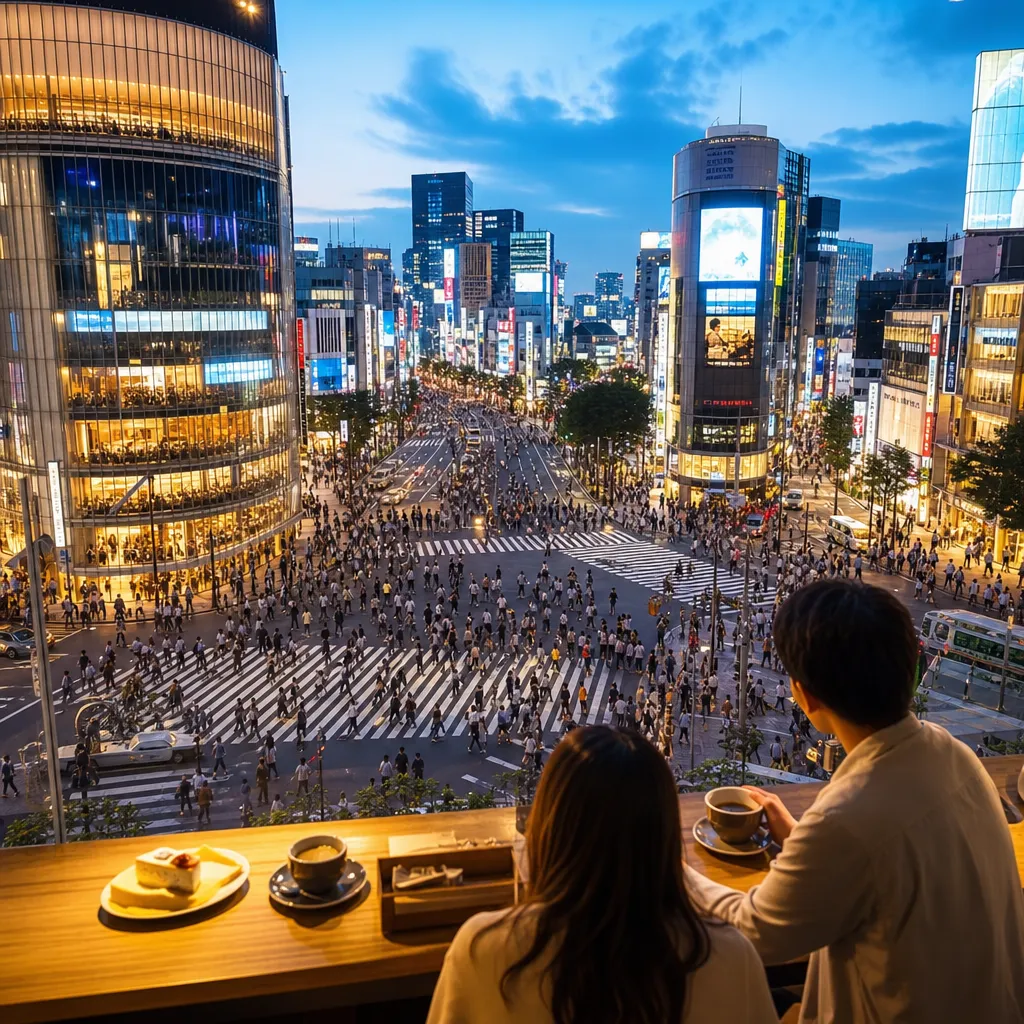
| Shibuya | Mid to high | Shopping, youth culture, nightlife | Wide price range, but trend-driven cafés and bars can add up quickly |
| Shinjuku | Mid | Transport convenience, restaurants, nightlife | Very broad range from budget eats to expensive hotel dining |
| Ueno / Asakusa | Low to mid | Value stays, traditional sightseeing, casual dining | Often better accommodation value and easier low-cost meals |
| Kichijoji / Koenji / Shimokitazawa | Mid | Local shopping streets, cafés, vintage, neighborhood atmosphere | Often better value than prestige central districts, with strong food and café scenes |
Ginza, in Chuo ward, is central and polished. It is a good example of Tokyo at its most expensive: department stores, luxury boutiques, refined sushi counters, and hotel lounges. Useful stations include Ginza Station and nearby Yurakucho.
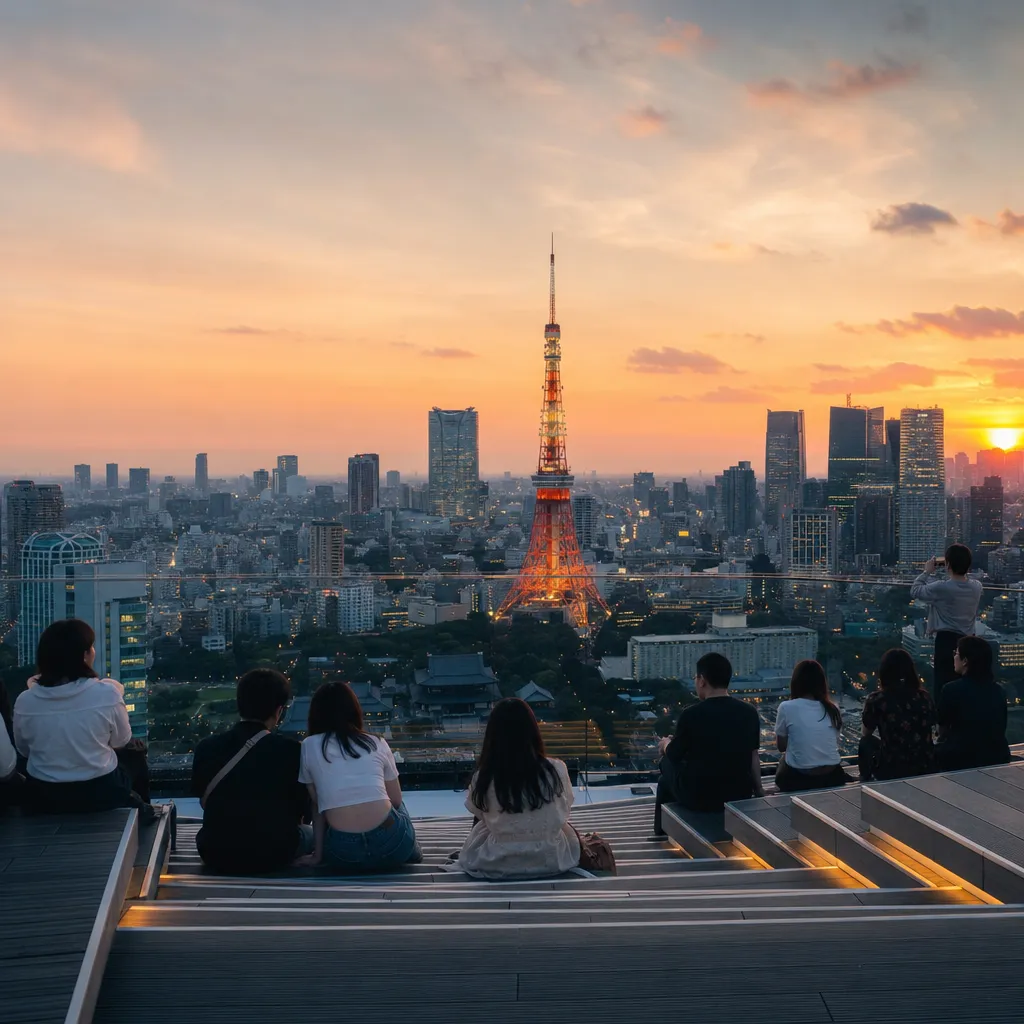
Roppongi and the wider Toranomon side of Minato ward often feel expensive at night. That is where you find many international hotel bars, view-oriented venues, and upscale restaurants. It is convenient for contemporary architecture and museums, but many evenings here become costly quickly.
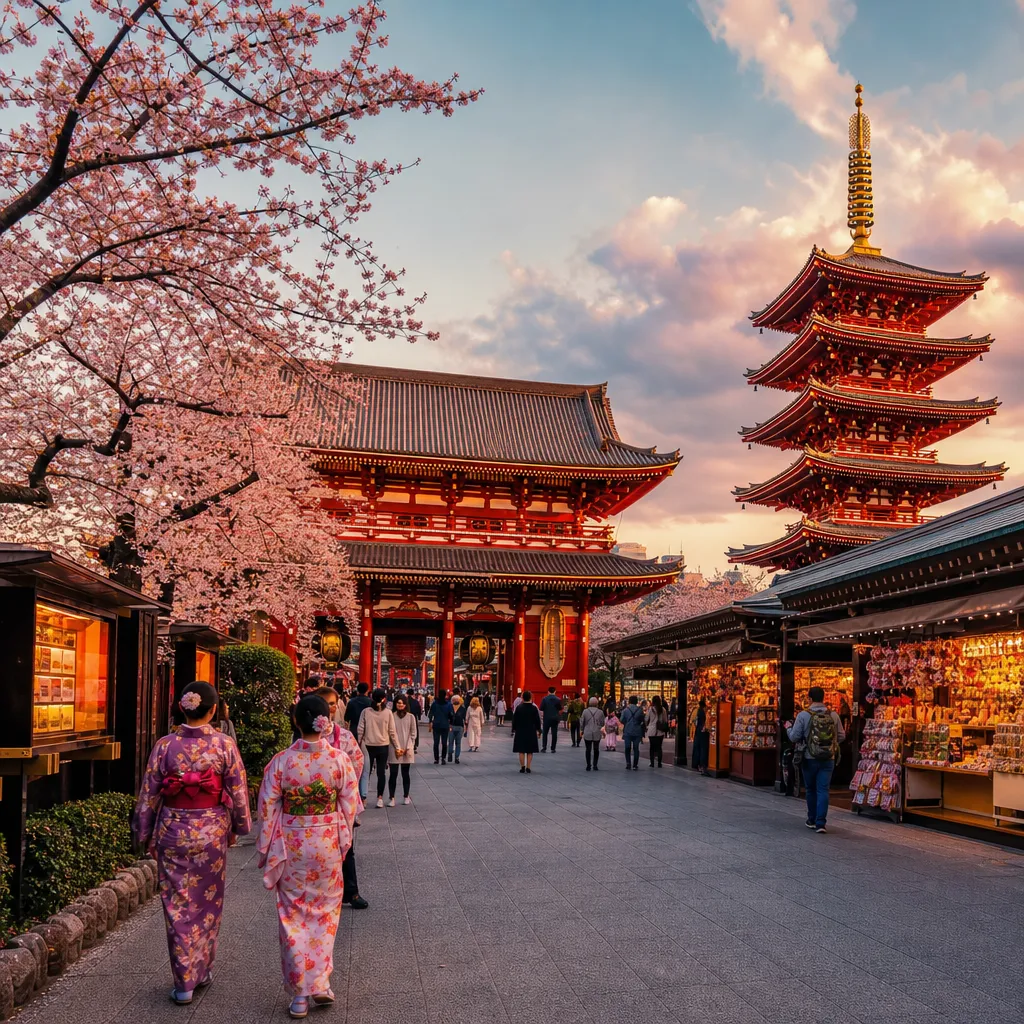
Ueno and Asakusa, farther northeast of the main luxury districts, often work better for budget-conscious visitors. Ueno has major museums and strong rail connections; Asakusa offers traditional streets, temple sightseeing, and many practical hotel options. These areas are still central enough for easy sightseeing but often less premium than western central districts.
Food: one of the easiest places to control your budget
Food is where Tokyo often surprises first-time visitors. You can spend heavily on omakase sushi, kaiseki, wagyu, and tasting menus, but the city is also unusually good at affordable everyday eating.
Ramen remains one of the clearest examples. Major ramen areas include Shinjuku, Ikebukuro, Ueno, Kanda, and parts of Setagaya and Suginami. A specialist ramen shop usually offers one focused style rather than a huge menu, and solo dining is common. Expect quick turnover, little ceremony, and good value relative to quality.
Soba and udon can also be practical choices, especially around stations and office districts. Some standing soba shops are built for speed and budget, while traditional soba restaurants can be calmer and more refined at a higher but still manageable price point.
Sushi is where visitors often overspend by aiming only for famous counters in Ginza. Better value exists in many neighborhoods through lunchtime sets, conveyor-belt or casual chain formats, and mid-range neighborhood shops. Toyosu Market, in Koto ward, is also a useful area for seafood-focused eating, though market-adjacent fame sometimes raises prices.
Department store food halls, especially in Ginza, Nihombashi, Shinjuku, and Ikebukuro, are one of the most practical strategies for quality without full restaurant prices. The basement food levels of stores such as Mitsukoshi, Isetan, Matsuya, and Seibu or Tobu branches can be excellent for takeaway meals, sweets, and picnic supplies.
For breakfast, many visitors use cafés, bakeries, kissaten, or hotel buffets. Traditional Japanese breakfast in a ryokan-style property is usually a premium add-on rather than a cheap meal, but bakery breakfasts and chain café sets can be moderate.
Hotels: this is where Tokyo most often feels expensive
Accommodation is usually the largest part of a Tokyo budget. Room size, season, and neighborhood all matter. Cherry blossom season, autumn foliage periods, weekends, and major event dates can push prices up sharply.
Luxury hotels cluster in areas such as Marunouchi, Otemachi, Toranomon, Roppongi, and around Tokyo Station. These districts are central, efficient, and polished, but rarely inexpensive. They suit business travelers, special occasions, and people prioritizing service and skyline views.
Mid-range business hotels are the backbone of practical stays. You will find many around Ueno, Asakusa, Shinagawa, Ikebukuro, and parts of Shinjuku. Rooms can be compact, but access is often strong and standards are dependable.
Ryokan-style stays do exist in the city, including in areas such as Asakusa and some quieter neighborhoods, but many travelers find that a true ryokan experience becomes better value outside central Tokyo. Within the city, it can be worth it if you specifically want tatami rooms, a more traditional atmosphere, and a slower pace near temple districts.
If you want to keep accommodation costs reasonable, look beyond the most famous nightlife and shopping zones. Staying near Ueno Station is especially practical for rail access, museums, and airport connections. Asakusa works well for first-time visitors who want atmosphere and relatively manageable hotel pricing. Ikebukuro, in the northwest side of central Tokyo, also often offers broader hotel value than prestige districts farther south.
Transport: usually very fair for a city of this scale
Public transport is one reason Tokyo can feel less expensive than expected. The network is dense, reliable, and extensive, linking major visitor districts efficiently. Costs can add up over many rides, but individual trips are generally reasonable for a world city.
The practical issue is not usually price but complexity. Visitors often combine JR lines with Tokyo Metro and Toei Subway lines, especially when moving between neighborhoods such as Shibuya, Ueno, Asakusa, Ginza, and Roppongi.
Choosing a hotel near a major station can save both time and transfer fatigue. Good transport bases include:
- Ueno: strong for museums, northeastern districts, and airport access.
- Shinjuku: one of the best-connected hubs, but the station area is busy and can be overwhelming.
- Tokyo Station / Marunouchi: central and efficient, though often expensive.
- Asakusa: useful for traditional sightseeing and practical onward movement east and north.
Taxis are where costs rise faster. They are useful late at night or when carrying luggage, but they are not the everyday budget option that trains are.
Sightseeing, museums, and culture: often better value than visitors expect
Many of the city’s most meaningful experiences are not the costliest. Senso-ji in Asakusa, one of Tokyo’s most important Buddhist temple sites, can be explored without a large admission cost. The surrounding streets are heavily visited and commercial, but early morning is calmer and better for atmosphere and photography.
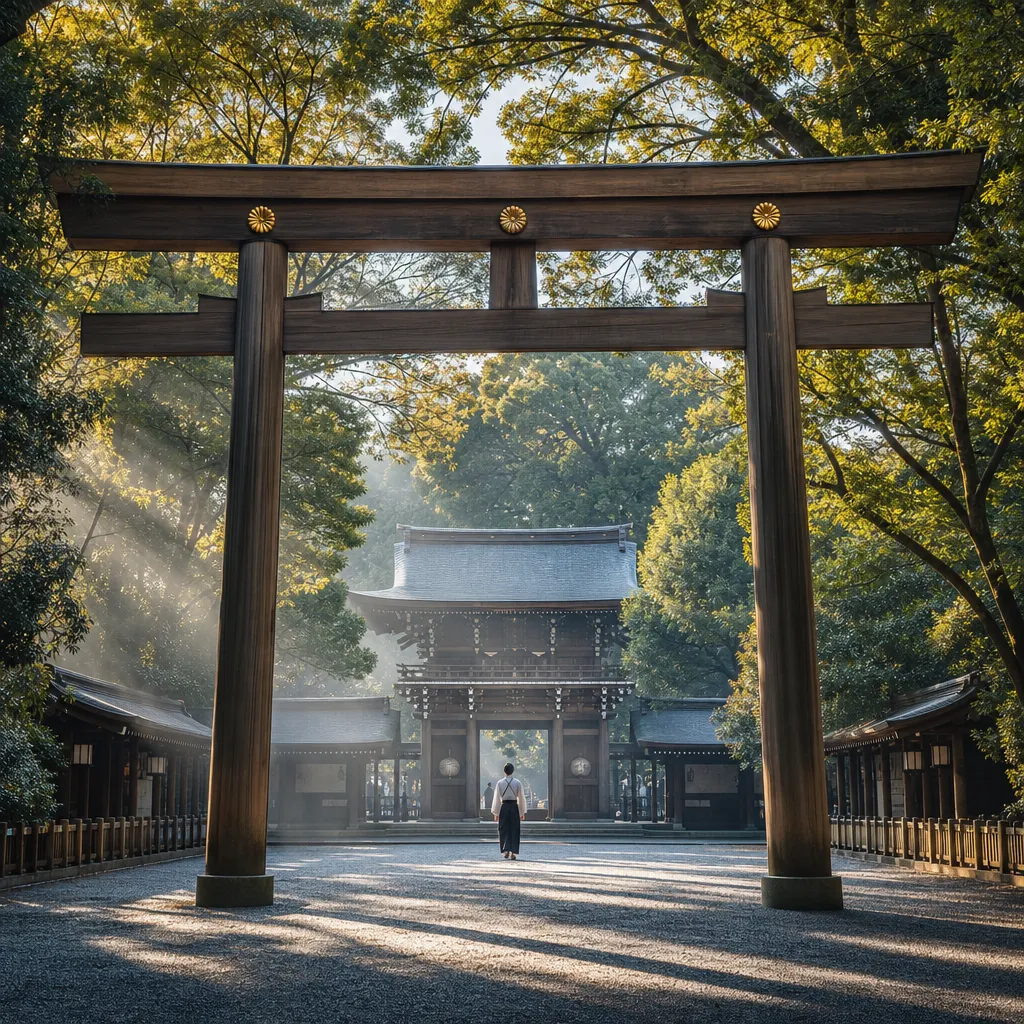
Meiji Jingu, near Harajuku and Yoyogi, offers a very different experience: a Shinto shrine set within a wooded precinct in central Tokyo. It is easier to combine with busy nearby districts than many first-time visitors expect.
For museums, Ueno Park is one of the most useful value areas in the city. It contains several major institutions, including the Tokyo National Museum and the National Museum of Nature and Science, all within a broad cultural park setting. It suits families, solo travelers, and anyone planning a museum-heavy day without crossing the city repeatedly.
Mori Art Museum, in the Roppongi Hills area, is often paired with city views and contemporary architecture. That combination can make the district feel more premium, but it is also efficient if you want to concentrate modern art, observation decks, and evening dining in one zone.
Booking requirements and special exhibitions can change, so it is sensible to check official information before you go, especially for major museums and indoor attractions.
Shopping: Tokyo can be very expensive, but it does not have to be
If you focus on flagship fashion streets and luxury department stores, spending rises quickly. Ginza, Omotesando, and parts of Nihombashi are obvious examples. These are excellent areas for architecture, window-shopping, and department store food halls even if you are not buying major items.
For more flexible shopping, try neighborhoods with stronger local identity:
- Shimokitazawa: in western Tokyo, known for vintage clothing, smaller boutiques, cafés, and a looser neighborhood feel than central luxury districts.
- Koenji: farther west of Shinjuku, especially strong for secondhand fashion, record shops, and independent culture.
- Kappabashi, between Ueno and Asakusa, better known for kitchenware and restaurant-supply shopping than mainstream fashion.
- Jimbocho: near central Tokyo, especially useful for bookstores, old books, and academic atmosphere.
Department stores themselves are not only for high-end shopping. They are also useful for food, gifts, and seasonal sweets. For practical shopping, station buildings and everyday chains often matter more than destination retail.
How to make Tokyo much less expensive in practice
- Stay outside the prestige core. Ueno, Asakusa, Ikebukuro, and some Shinagawa areas often make more financial sense than luxury-heavy central districts.
- Use lunch strategically. Lunch sets at sushi, tempura, and tonkatsu restaurants can be much better value than dinner.
- Lean on casual specialists. Ramen, soba, curry, and teishoku shops are often efficient and satisfying.
- Use depachika food halls. They are ideal for quality takeaway meals, snacks, and picnic-style dinners.
- Limit taxis. Trains and subways are usually the better everyday option.
- Group paid sights by area. For example, do museums in Ueno on one day, or contemporary attractions around Roppongi together, to reduce transport costs and wasted time.
- Book hotels early for peak seasons. This matters especially for spring and autumn.
- Treat premium experiences selectively. One memorable omakase, rooftop bar, or ryokan-style stay is often more satisfying than trying to do all three.
So, is Tokyo expensive?
Yes, Tokyo can be expensive, particularly for accommodation, special-occasion dining, and nightlife in premium districts. But it is not a city where every day needs to be expensive. In fact, compared with many major global capitals, it is often unusually strong on value for food quality, transport, convenience, and the number of worthwhile low-cost experiences.
If your trip centers on Ginza shopping, luxury hotels, omakase counters, and skyline bars, Tokyo will feel expensive very quickly. If you balance one or two premium experiences with neighborhood dining, practical transport, and well-chosen hotel areas, it can feel far more reasonable than its reputation suggests.
The most accurate answer is this: Tokyo is expensive at the top end, but very livable for visitors who plan by district rather than by stereotype.
FAQ
Which area of Tokyo is best if I want to keep costs down?
Ueno and Asakusa are among the easiest areas for many visitors. Both offer useful transport, plenty of casual food, and a wider range of practical accommodation than some luxury-centered districts.
Is food in Tokyo always expensive?
No. Fine dining can be very expensive, but ramen, soba, curry, casual sushi, and takeaway food from department store basements can be excellent value. Lunch is often cheaper than dinner at the same restaurant.
What part of a Tokyo trip usually costs the most?
For most visitors, accommodation is the biggest expense. Hotel prices vary significantly by season, neighborhood, and room type.
Is public transport expensive for tourists?
Usually not. For a city this large, trains and subways are generally efficient and reasonably priced. Taxis are much more likely to strain a budget.
Are expensive neighborhoods still worth visiting if I am on a budget?
Yes. Areas such as Ginza, Roppongi, and Omotesando are still worth seeing for architecture, department stores, public spaces, and atmosphere. You do not need to shop or dine at the top end to enjoy them.
Can I enjoy Tokyo without many paid attractions?
Yes. Shrines, temple precincts, many neighborhoods, parks, and some markets can be explored with minimal spending. Areas such as Asakusa, Ueno Park, Harajuku, and parts of western Tokyo work well for this.
Do I need reservations for affordable restaurants?
Often no, especially for ramen, soba, and everyday casual dining. Reservations become more important for famous sushi counters, upscale kaiseki, and popular evening restaurants.
What should I check before visiting Tokyo on a budget?
Check hotel prices for your exact dates, current museum or attraction policies, and whether a restaurant you want is lunch-friendly, reservation-only, or cashless. Seasonal demand can change the feel of a budget very quickly.
Sources
- GO TOKYO
- Japan National Tourism Organization
- Tokyo Metropolitan Government