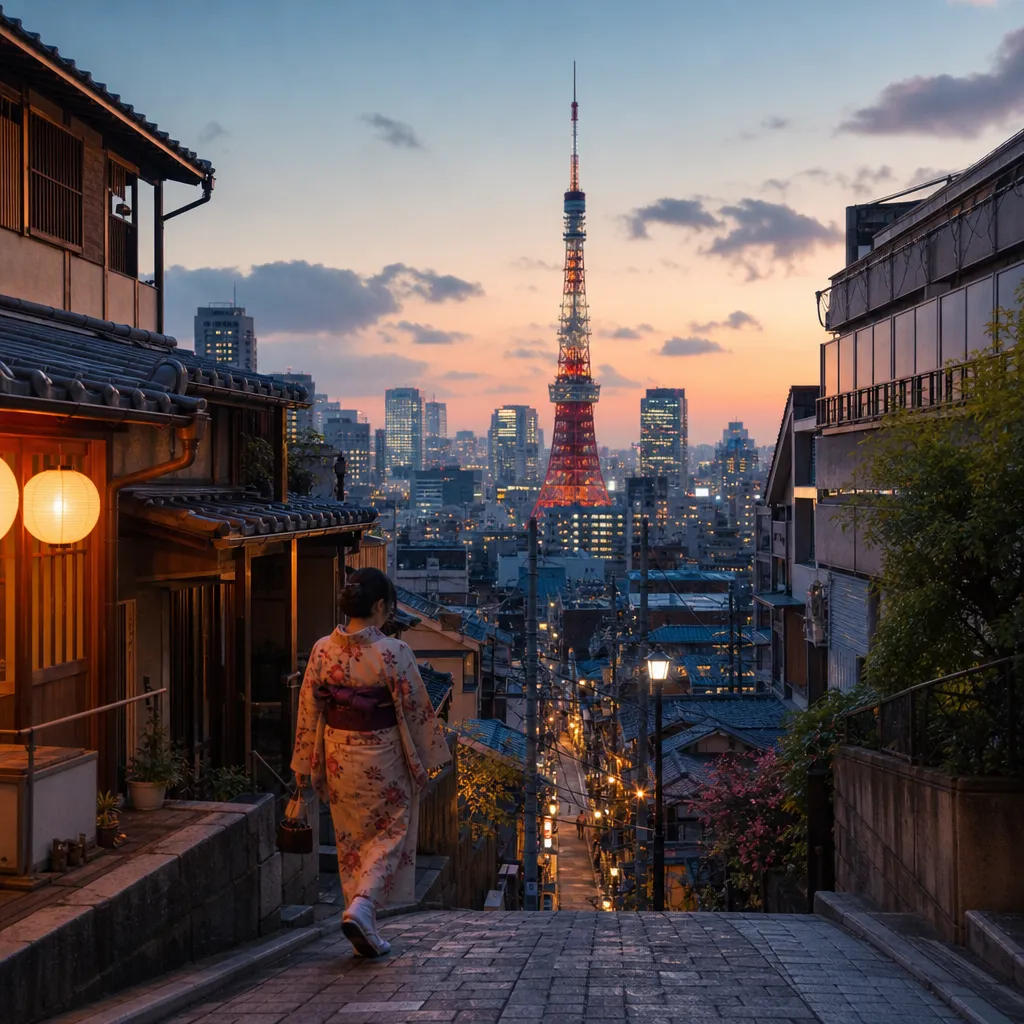
Tokyo can feel overwhelming on a first trip because the city does not unfold like a single historic center. It is a collection of districts with very different rhythms: temple precincts and department-store basements, quiet gardens and dense neon nightlife, polished museum zones and older shopping streets. For first-time visitors, the most useful approach is not trying to “see everything,” but choosing a handful of neighborhoods that show different sides of the city and are easy to connect by train. The places below are all well-established, practical to reach, and worth building into a first itinerary.
How to think about Tokyo on a first visit
If this is your first time, divide the city into a few broad zones rather than chasing a long checklist.
- Eastern Tokyo: Asakusa and Ueno are the easiest places to connect with older Tokyo, temple culture, traditional shopping streets, and several major museums.
- Central Tokyo: Ginza, Marunouchi, and the Imperial Palace area are useful for department stores, polished city walks, architecture, and transport convenience around Tokyo Station.
- Western hubs: Shibuya, Harajuku, and Shinjuku show the city’s modern energy, fashion streets, nightlife, and major commercial districts.
- Bay and contemporary Tokyo: teamLab Planets in Toyosu and the Odaiba area appeal to visitors looking for digital art, waterfront views, and family-friendly indoor attractions.
For most first-time stays, areas near Tokyo Station, Ginza, Ueno, Shibuya, or Shinjuku make logistics easier. All have strong rail connections, and each works differently depending on whether you want museums, shopping, old-town atmosphere, or nightlife.
Best first-visit areas at a glance
| Area | Part of Tokyo | Best For | Character | Useful Station Context |
|---|---|---|---|---|
| Asakusa | East | First cultural stop, temple visit, river views | Historic, busy, visitor-friendly | Asakusa Station area |
| Ueno | East/Northeast | Museums, park, market streets | Practical, varied, less polished than Ginza | Ueno Station |
| Ginza | Central | Shopping, food halls, refined city walking | Upscale, orderly, convenient | Ginza and nearby Tokyo Station area |
| Shibuya | West | Night views, shopping, youthful energy | Fast-moving, crowded, modern | Shibuya Station |
| Harajuku/Omotesando | West | Meiji Jingu, design, fashion streets | From shrine forest to luxury boulevard | Harajuku or Omotesando area |
| Shinjuku | West | Transport hub, nightlife, city views | Dense, entertaining, intense | Shinjuku Station |
Start with Asakusa if you want an easy cultural introduction
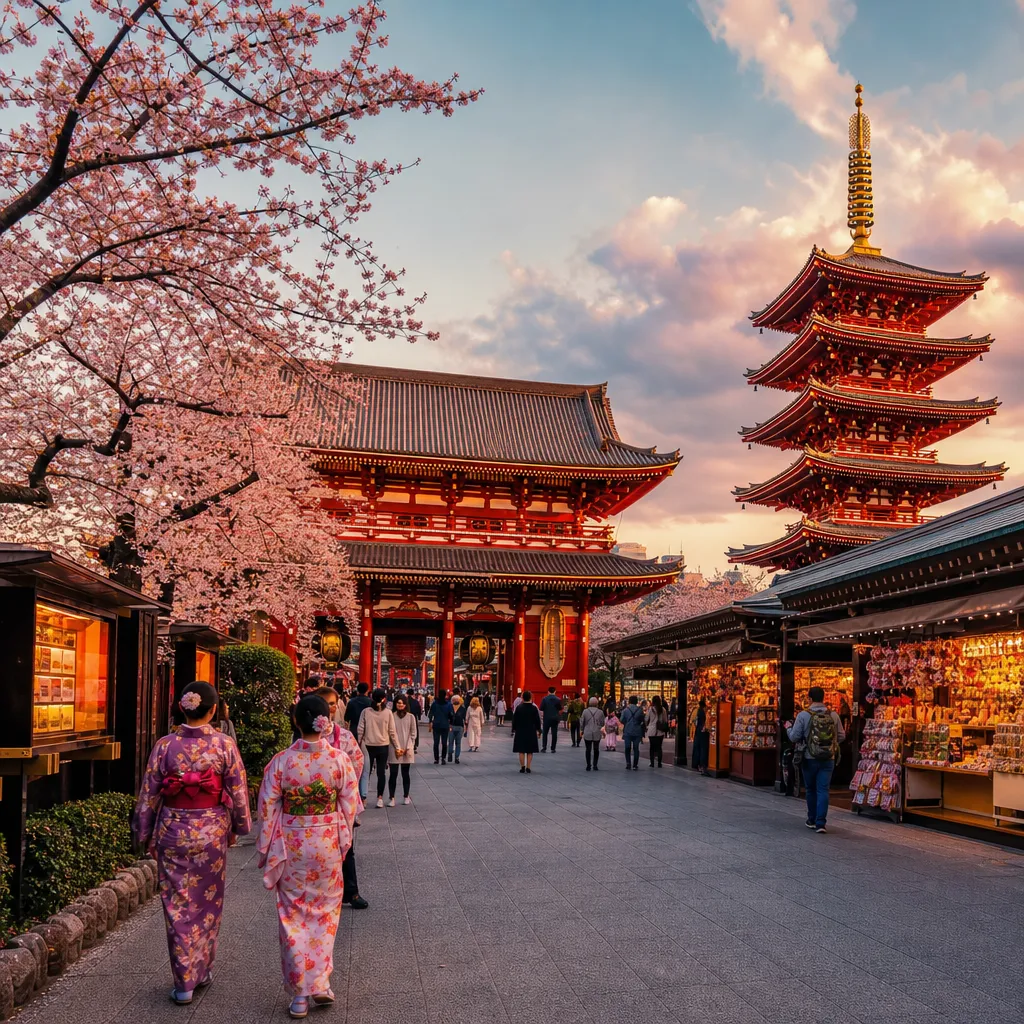
Asakusa, in Taito ward on the eastern side of the city, is one of the most reliable first stops because it gives visitors an immediate sense of place. The center of the district is Senso-ji, Tokyo’s best-known Buddhist temple, approached through the Kaminarimon gate and Nakamise shopping street.
This is not a quiet secret corner; it is busy, commercial, and heavily visited. That is precisely why it works well on a first trip. You can learn basic temple etiquette, browse snack stalls and souvenir shops, and see how traditional motifs survive inside a modern city.
Go early in the morning if you want softer light, fewer crowds, and better photography around the main hall and side lanes. Evening can also be rewarding after day-trippers leave, with the temple grounds illuminated and the surrounding streets calmer.
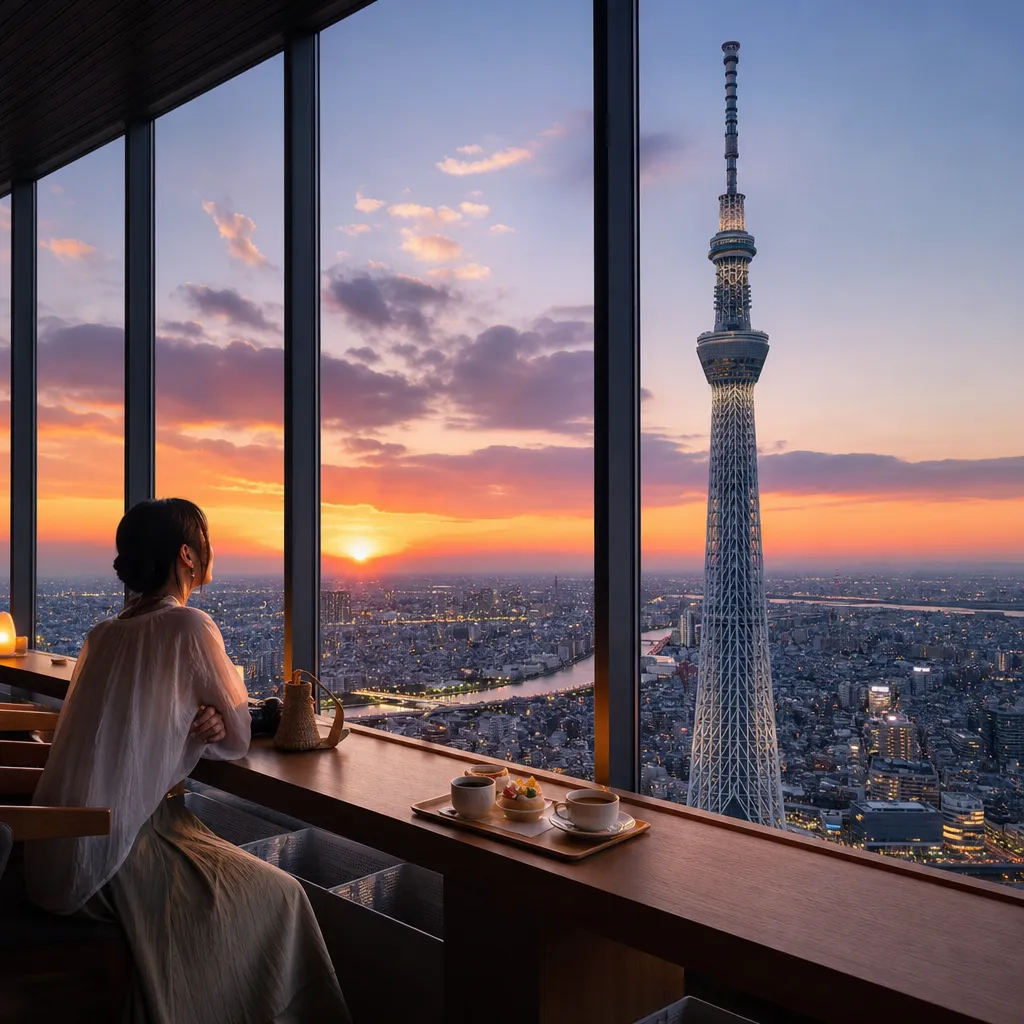
Practical notes matter here. Senso-ji is a Buddhist temple, so visitors should behave respectfully: avoid blocking worshippers, keep voices low near prayer areas, and follow signs regarding photography where applicable. The surrounding district also works well for a first river walk toward the Sumida River, with occasional views toward Tokyo Skytree in the wider area.
Use Ueno for museums, park space, and market streets
Ueno, also in Taito ward, is one of the most practical districts for visitors who want both major museums and a less formal everyday atmosphere. Around Ueno Park you will find several of the city’s strongest museum options, including the Tokyo National Museum and the National Museum of Western Art.
The Tokyo National Museum is the best single museum stop for first-time visitors interested in Japanese art, historical objects, folding screens, ceramics, armor, and changing exhibitions drawn from a serious national collection. It rewards even a short visit, but if you enjoy museums, plan enough time to avoid rushing.
The National Museum of Western Art, near Ueno Station, adds a different layer: European works and an important building by Le Corbusier. For architecture-minded travelers, that matters as much as the collection.
Outside the park, Ameya-Yokocho, often called Ameyoko, offers a very different atmosphere. This market street area near Ueno and Okachimachi is crowded, noisy, and casual, with discount shops, food stalls, and a more rough-edged character than central luxury districts. It is good for people-watching and inexpensive snacking rather than careful, polished browsing.
If you are traveling with family, Ueno is especially useful because the park breaks up the density of the city. If you are traveling solo, it is one of the easiest districts to explore without a rigid plan.
Choose Ginza and Marunouchi for comfort, food halls, and central access
For first-time visitors who want convenience, polish, and easy onward transport, Ginza and nearby Marunouchi are hard to beat. They sit in central Tokyo close to Tokyo Station, which is one of the city’s most useful rail hubs for airport transfers, intercity trains, and local lines.
Ginza is best approached not as a place where you need to buy luxury goods, but as a district where Tokyo’s department-store culture and urban refinement are easy to understand. Visit one or two depachika food halls in major department stores for beautifully presented sweets, prepared foods, and bento. This is one of the easiest ways for first-time visitors to sample high-quality food without committing to a formal restaurant booking.
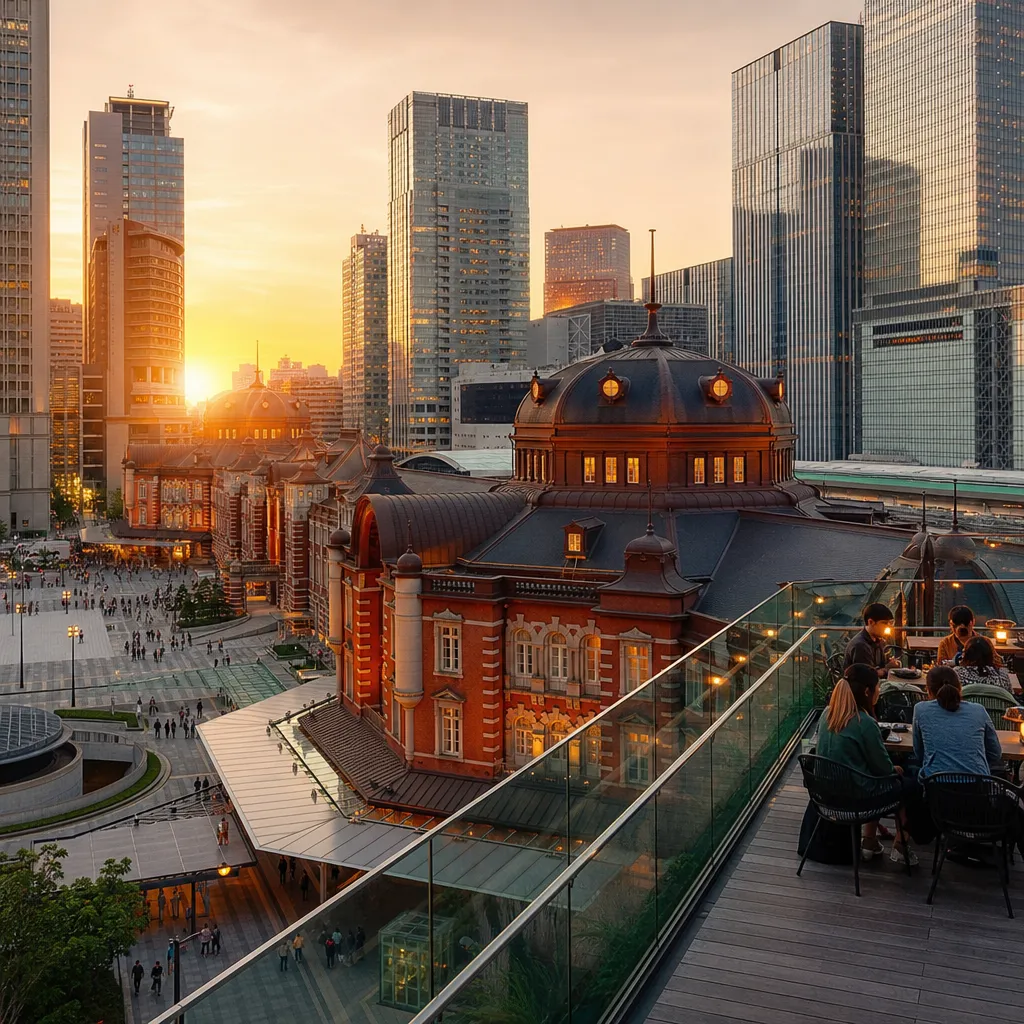
Nearby Marunouchi, on the Tokyo Station side, feels more businesslike and architectural. The restored red-brick Tokyo Station Marunouchi Building is worth seeing even if you are not taking a train. The surrounding streets also work well for an evening walk if you want a cleaner, quieter contrast to the sensory overload of western districts.
This area suits travelers who prioritize transport efficiency, couples who want a more refined base, and visitors who are nervous about navigating Tokyo on day one.
See modern Tokyo in Shibuya and Harajuku
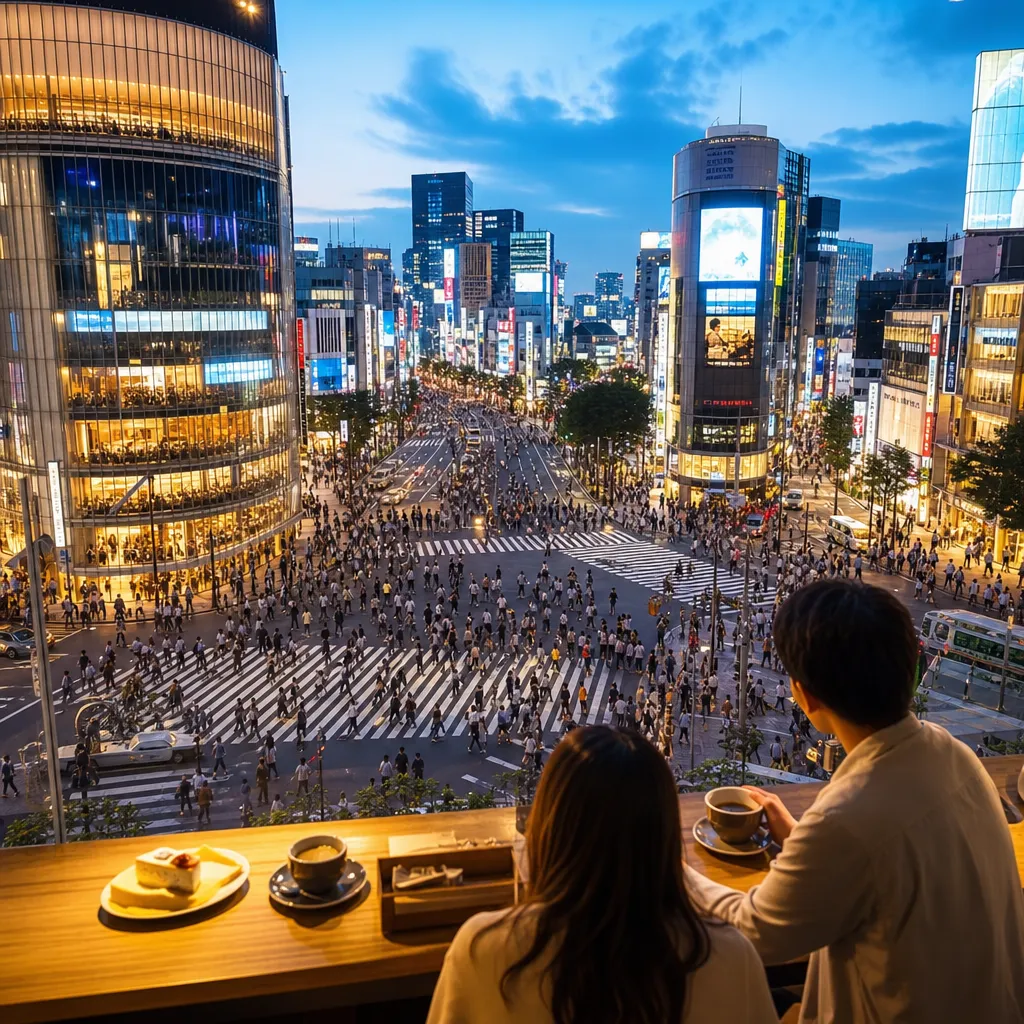
Shibuya is one of the city’s major symbols for a reason: it is busy, highly connected, visually dense, and full of changing retail and entertainment spaces. For a first-time visitor, the area around Shibuya Station is useful for understanding the pace of the modern city.
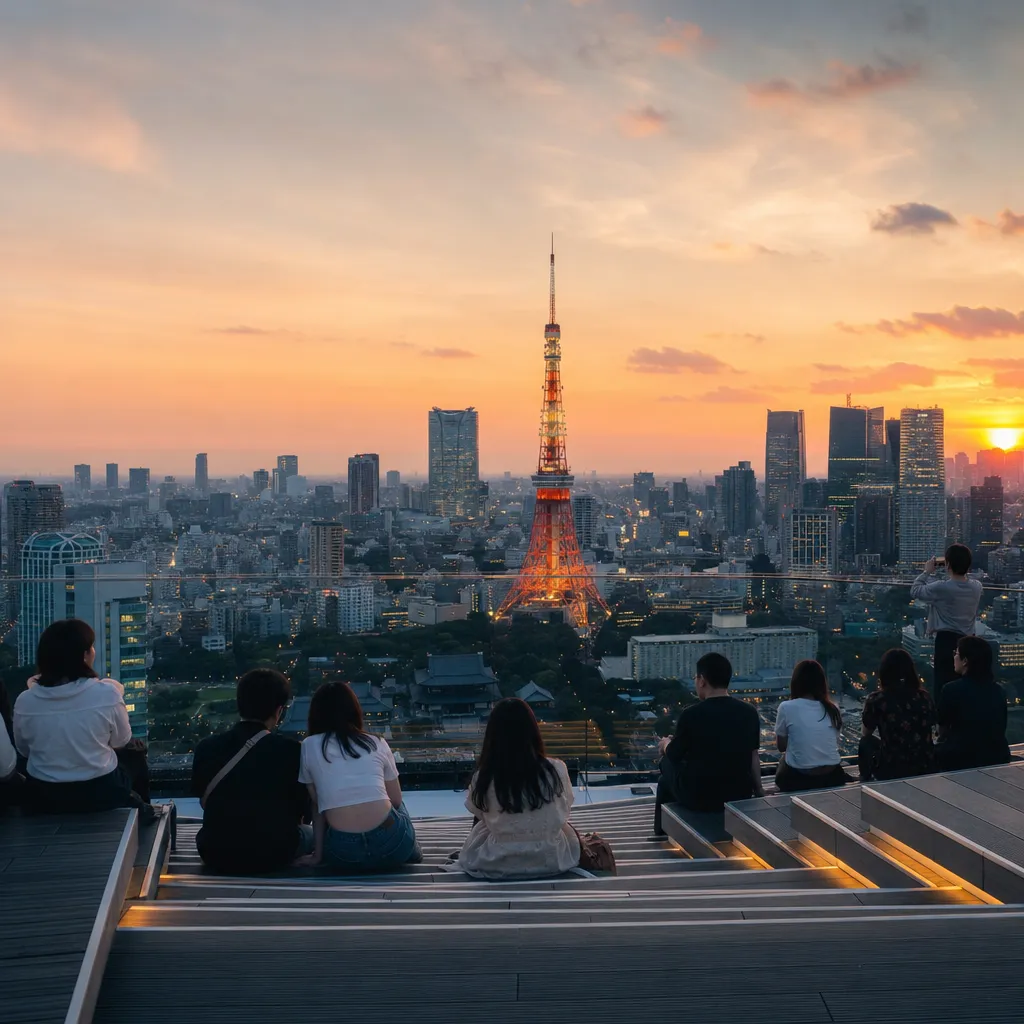
The famous crossing is only a small part of the district. More rewarding is to combine it with a look at newer vertical developments such as Shibuya Scramble Square, whose observation deck, Shibuya Sky, is one of the strongest viewpoints for orientation. From here you get a broad urban panorama that helps the city’s scale make sense. Sunset and early evening are popular, so advance booking is wise when available.
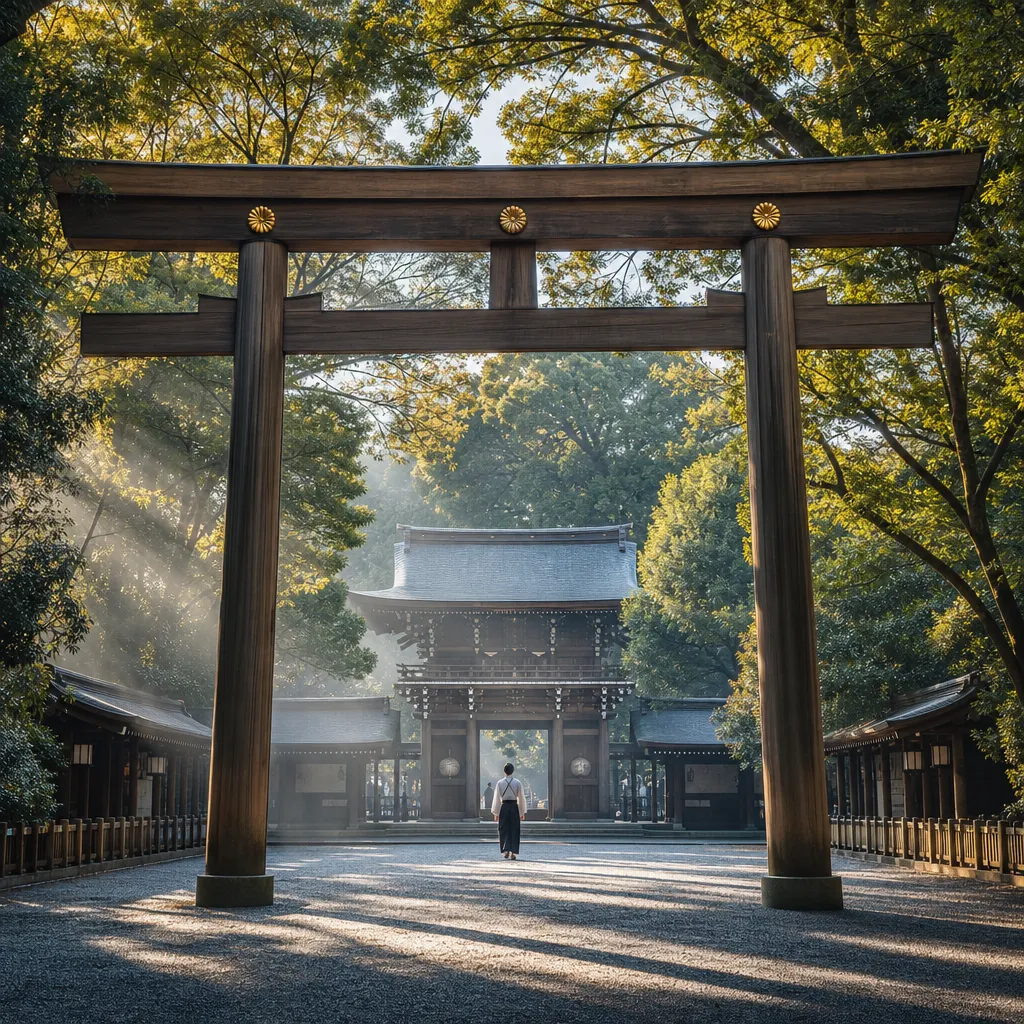
Close by, Harajuku and Omotesando offer an entirely different texture. Meiji Jingu, near Harajuku, gives first-time visitors a substantial Shinto shrine experience inside a wooded precinct. This is a Shinto shrine, not a Buddhist temple, and the atmosphere is more spacious and processional than the tighter temple setting of Asakusa.
After the shrine, walk toward Omotesando for high-end retail architecture and then dip into smaller side streets if fashion and design interest you. This pairing works very well because it compresses several versions of Tokyo into one manageable outing: forested shrine grounds, youth-oriented streets, and sophisticated boulevard shopping.
Use Shinjuku for city views, transport links, and evening energy
Shinjuku, in western Tokyo, is less graceful than some neighborhoods but extremely useful. It is one of the main transport hubs in the city and often makes sense for visitors who want broad rail access plus lots of dining choices.
For a first panoramic view without committing to a paid observation deck, the Tokyo Metropolitan Government Building in the Nishi-Shinjuku area is often worth considering. It gives you an elevated sense of the city’s spread, and on very clear days distant views can open up more than visitors expect. Check current visitor information before going, as entry procedures and hours can change.
At street level, Shinjuku shifts dramatically depending on which side of the station you are on. West Shinjuku is business-oriented and full of taller buildings. East Shinjuku is brighter, denser, and more nightlife-driven. Shinjuku Gyoen, nearby but calmer, is one of the city’s best large gardens and a smart reset if your itinerary has been heavy on crowds and shopping.
For first-timers, nighttime in Shinjuku is best enjoyed with realistic expectations. It is energetic and interesting, but some tiny bars and specialized dining spots can be difficult without reservations or basic Japanese. Larger restaurants, department-store dining floors, and more straightforward chains are easier for a low-stress first evening.
Add one major contemporary attraction rather than too many minor stops
One common first-trip mistake is trying to stack too many small attractions across the city. A better approach is to choose one major contemporary experience that contrasts with the historic districts.
teamLab Planets TOKYO DMM in Toyosu is one of the clearest examples. It is in the bay-side part of the city, away from older central neighborhoods, and works best for visitors who enjoy immersive digital art and photo-friendly installations. Because it has timed entry and strong international demand, advance booking is usually advisable.
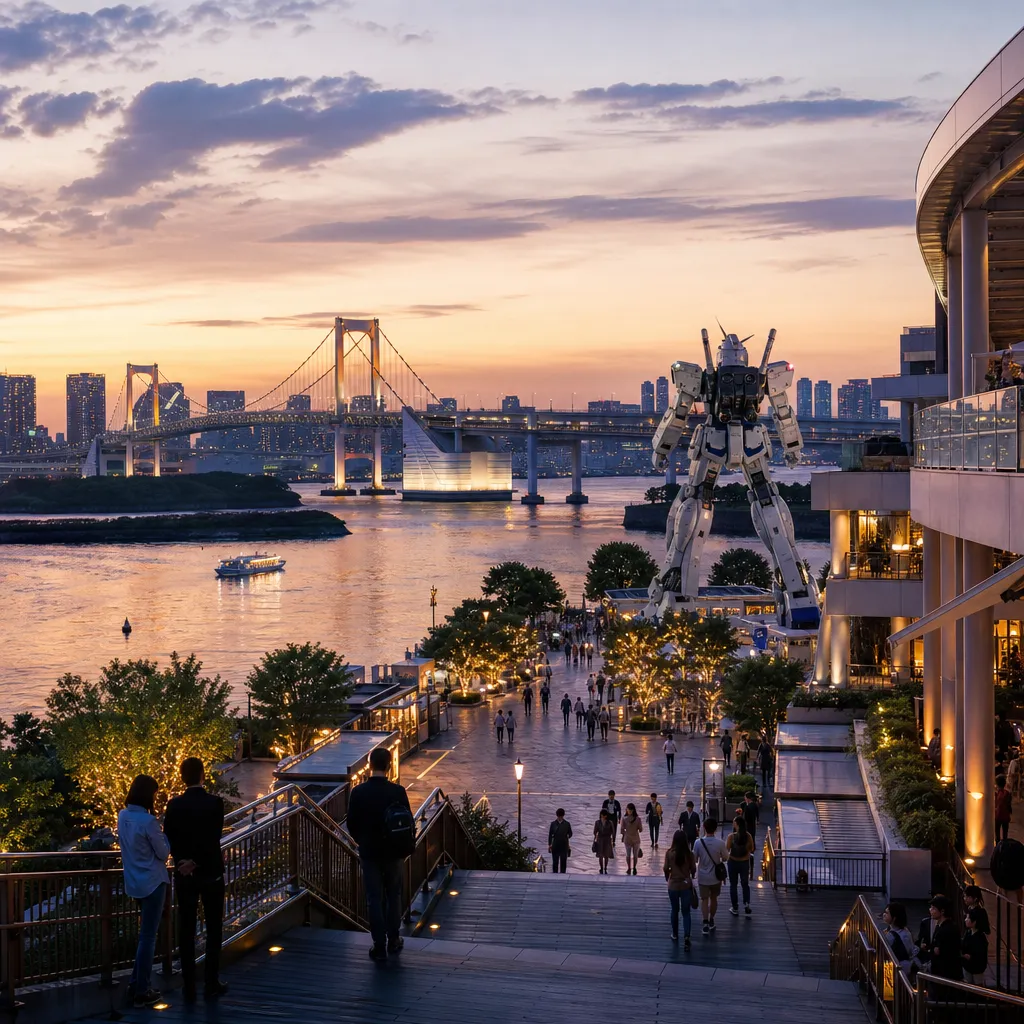
This stop is especially good for families with older children, couples, and visitors who want a visually memorable indoor experience that does not depend on language. It also pairs logically with the wider Tokyo Bay area if you want a more contemporary, spacious side of the city after the density of Shibuya or Shinjuku.
If digital art is not your priority, use that time instead for a deeper museum visit in Ueno or a slower neighborhood walk. On a short first trip, depth usually beats volume.
Food strategies that work well for first-time visitors
You do not need to chase only famous restaurants to eat well. In fact, for a short visit, some of the easiest wins come from understanding how Tokyo dining is structured.
- Department-store food halls: Best in Ginza and around Tokyo Station for high-quality takeaway meals, sweets, and easy browsing.
- Station-adjacent restaurant floors: Useful in major hubs like Shinjuku, Shibuya, and Tokyo Station when you want variety without intense planning.
- Asakusa snack stops: Better for grazing and trying traditional-style sweets or street snacks than for a formal destination meal.
- Ueno and Ameyoko: Good for casual, lower-pressure eating in a busy market environment.
If you want sushi, ramen, tempura, or yakitori, decide whether your priority is convenience or a special meal. For highly regarded small restaurants in popular districts, reservations can be important, especially at dinner. For casual ramen shops and larger chain-friendly venues, walk-ins are more realistic.
Cashless payment is common in many places, but not universal. It is sensible to carry some cash, especially for older shops or simpler eateries.
A practical first-time itinerary shape
Rather than ordering neighborhoods by fame, build your days by mood and geography.
- Old Tokyo day: Asakusa in the morning, river walk or nearby cafés, then Ueno museums or Ameyoko later.
- Central city day: Tokyo Station/Marunouchi architecture, Imperial Palace area exterior walks, then Ginza shopping and food halls.
- Modern west-side day: Meiji Jingu and Harajuku, then Omotesando, then Shibuya for evening views.
- Shinjuku day or night: Garden or observation deck by day, dinner and city atmosphere after dark.
- Optional contemporary addition: Toyosu or the bay area for teamLab Planets and a different urban feel.
This kind of structure reduces time spent crossing the city unnecessarily. It also gives your trip a better rhythm: old and new, quiet and crowded, indoor and outdoor.
Common first-time mistakes to avoid
- Overpacking the schedule: Distances look short on a map, but stations are large and neighborhoods are dense.
- Treating every district as interchangeable: They are not. Choose areas for a reason.
- Ignoring reservations for key attractions: Observation decks and immersive art venues may book heavily.
- Only visiting at peak afternoon hours: Early mornings and evenings often show the city at its best.
- Assuming all cultural sites work the same way: Shinto shrines and Buddhist temples have different histories and atmospheres.
What area should first-time visitors stay in?
Tokyo Station/Marunouchi and Ginza are excellent for convenience and transport. Ueno is strong for museums and often practical on budget and rail access. Shibuya and Shinjuku suit visitors who want nightlife and major shopping close at hand.
How many neighborhoods can I realistically cover in one day?
Usually two, sometimes three if they are adjacent and your plan is light. Trying to do more often turns the day into station navigation rather than sightseeing.
Do I need reservations for major attractions?
For places such as teamLab Planets and popular observation decks, booking ahead is often the safest approach. Museums may be easier to visit flexibly, but special exhibitions can have separate systems.
Is Asakusa too touristy for a first visit?
It is heavily visited, but still worthwhile. The district works well because it is legible, atmospheric, and culturally significant, especially if you go early or stay into the evening.
What is the best first museum in Tokyo?
The Tokyo National Museum in Ueno is one of the strongest first choices because it gives a broad introduction to Japanese art and history in a single place.
Can I get around easily without speaking Japanese?
Yes, especially in major visitor districts and on main rail lines. Signage is generally strong, but restaurant nuances, tiny bars, and some local shops can still be easier with translation tools and patience.
What is the best time of day for city views?
Late afternoon into early evening is often the most rewarding because you can see the city in daylight and after lights come on. Clear mornings can also be excellent for longer-distance visibility.
What should I check before visiting?
Check current opening information, booking requirements, and any temporary closures for museums, observation decks, and popular attractions. Seasonal events and exhibition schedules can change.
Sources
- GO TOKYO (Tokyo Convention & Visitors Bureau)
- Japan National Tourism Organization
- Tokyo National Museum official website