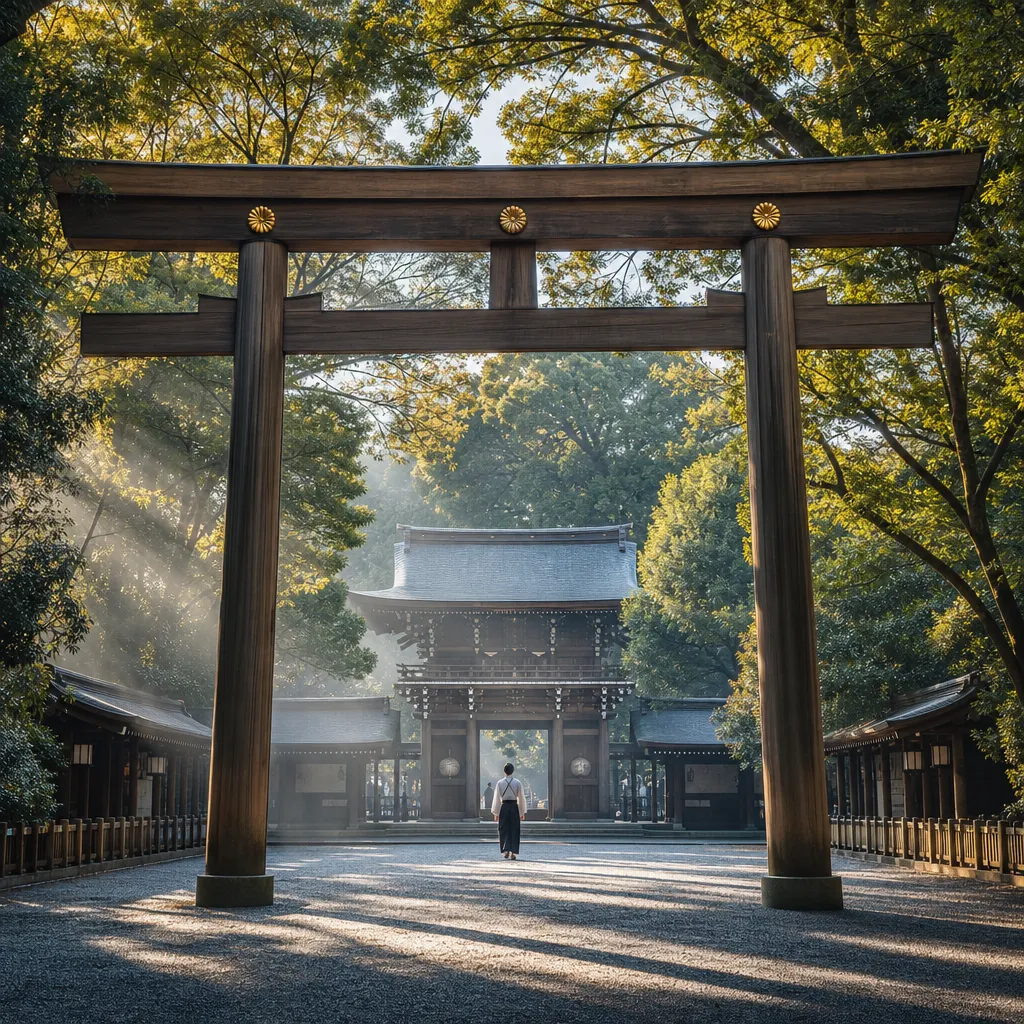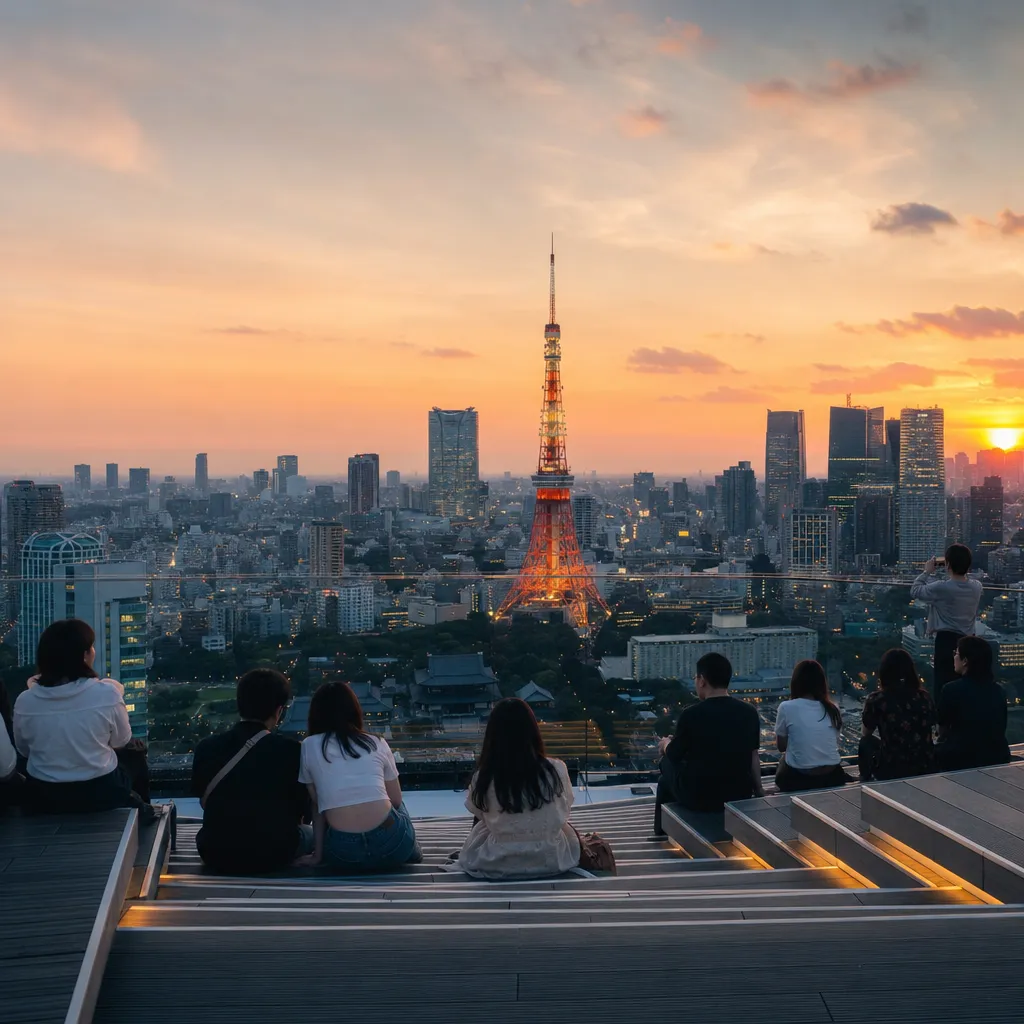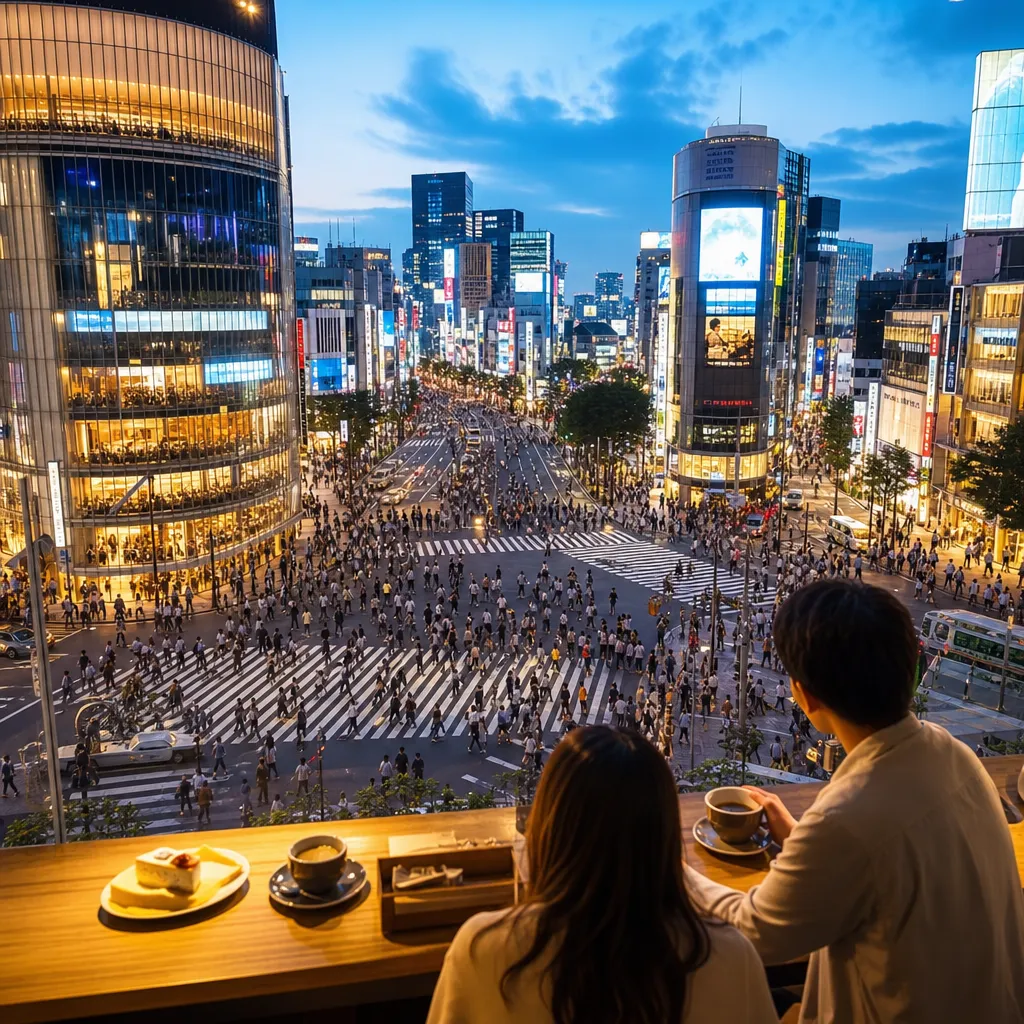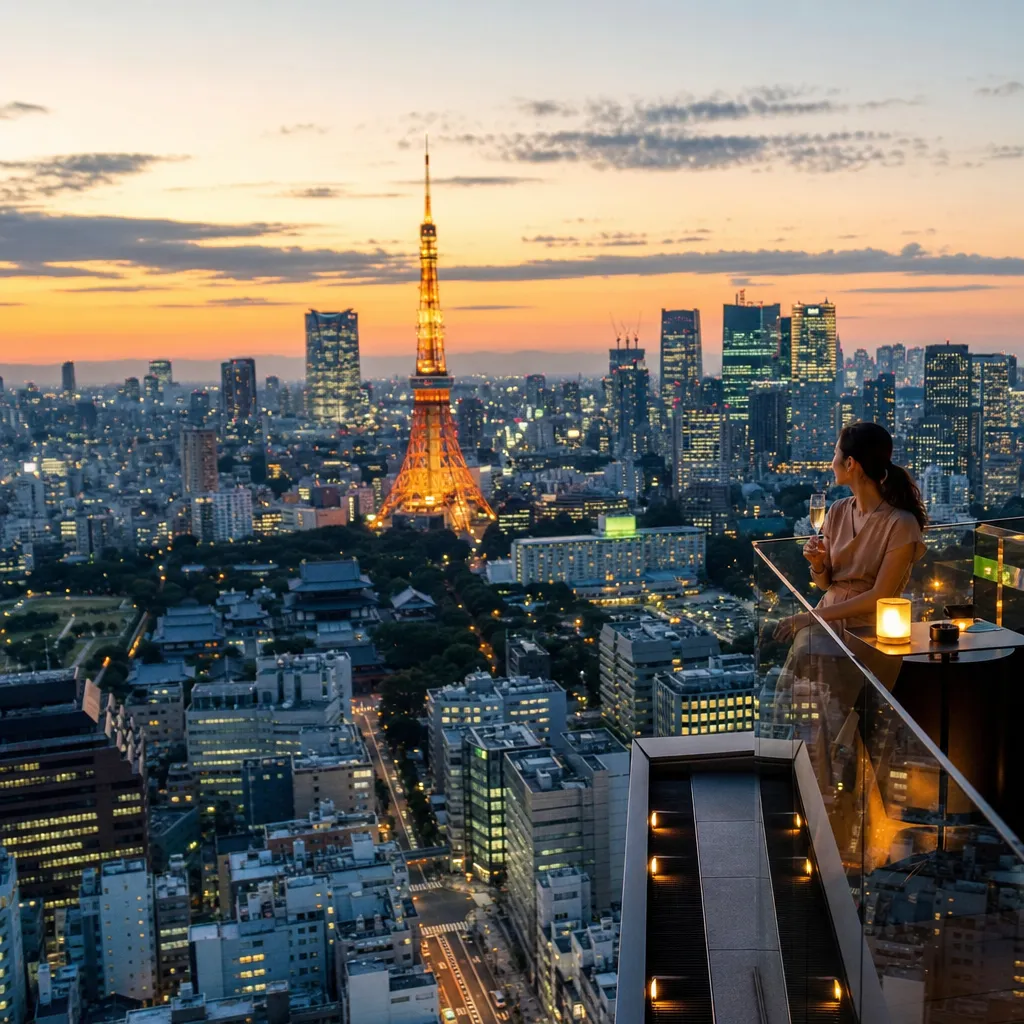
Tokyo’s most famous sights are easy to list, but the city becomes far more memorable when you mix major landmarks with experiences that feel specific to particular neighborhoods. The best “unique” things to do here are not always obscure; often they are places where architecture, local culture, food, and urban life overlap in a way that could only happen in Tokyo. This guide focuses on real places that are practical to visit and distinct enough to shape an itinerary. It is designed for travelers who want clear location context, realistic expectations, and ideas that work across first visits and return trips.
Unique Tokyo Experiences at a Glance
| Place | Area | Best For | Time of Day | Why It Stands Out |
|---|---|---|---|---|
| teamLab Borderless | Azabudai Hills, Minato | Immersive digital art | Daytime or evening | Large-scale, walk-through art environment rather than a conventional museum |
| Senso-ji at night | Asakusa, Taito | Atmosphere and photography | Evening | The temple grounds feel very different after daytime crowds thin out |
| Toyosu Market | Koto | Market culture and seafood meals | Morning | A modern wholesale market with public observation areas and serious sushi options |
| Yanaka Ginza and Yanesen walk | Yanaka/Nezu/Sendagi, Taito/Bunkyo | Old-town streetscape | Late morning or afternoon | A low-rise, lived-in part of the city that contrasts sharply with central business districts |
| Kiyosumi Gardens and museum pairing | Kiyosumi-Shirakawa, Koto | Quiet culture day | Daytime | Traditional landscape garden near one of the city’s strongest coffee and gallery districts |
| Tokyo Station Gallery and Marunouchi architecture walk | Marunouchi, Chiyoda | Architecture and rail heritage | Daytime to early evening | Historic station interiors combined with a polished business district streetscape |
| Golden Gai | Kabukicho area, Shinjuku | Small-bar nightlife | Night | A dense cluster of tiny bars unlike standard big-city nightlife districts |
| Gotokuji | Setagaya | Temple visit with a specific visual motif | Daytime | Known for its many beckoning cat figures and quieter residential setting |
See Tokyo Through Immersive Art at teamLab Borderless
teamLab Borderless, in Azabudai Hills in Minato, is one of the city’s strongest choices if you want an experience that feels contemporary and highly specific to Tokyo’s taste for design, technology, and spectacle. It is not a museum in the traditional sense of looking at works from a distance. You move through dark rooms, mirrored spaces, shifting projections, and installations that change as people move through them.
The surrounding area matters. Azabudai Hills is a new large-scale urban development in central Tokyo, not far from the Roppongi and Toranomon side of the city, so the visit pairs easily with modern architecture, upscale dining, and city views elsewhere in Minato. This is a good pick for couples, solo travelers, older children, and anyone interested in photography, though low-light conditions can make perfect shots tricky.
Advance booking is often wise for major digital-art attractions in Tokyo. Expect a timed-entry format or visitor management measures depending on demand, and check official information before going. Wear comfortable shoes and allow time to move slowly rather than rushing from room to room.
Visit Senso-ji After Dark Instead of Only in the Daytime
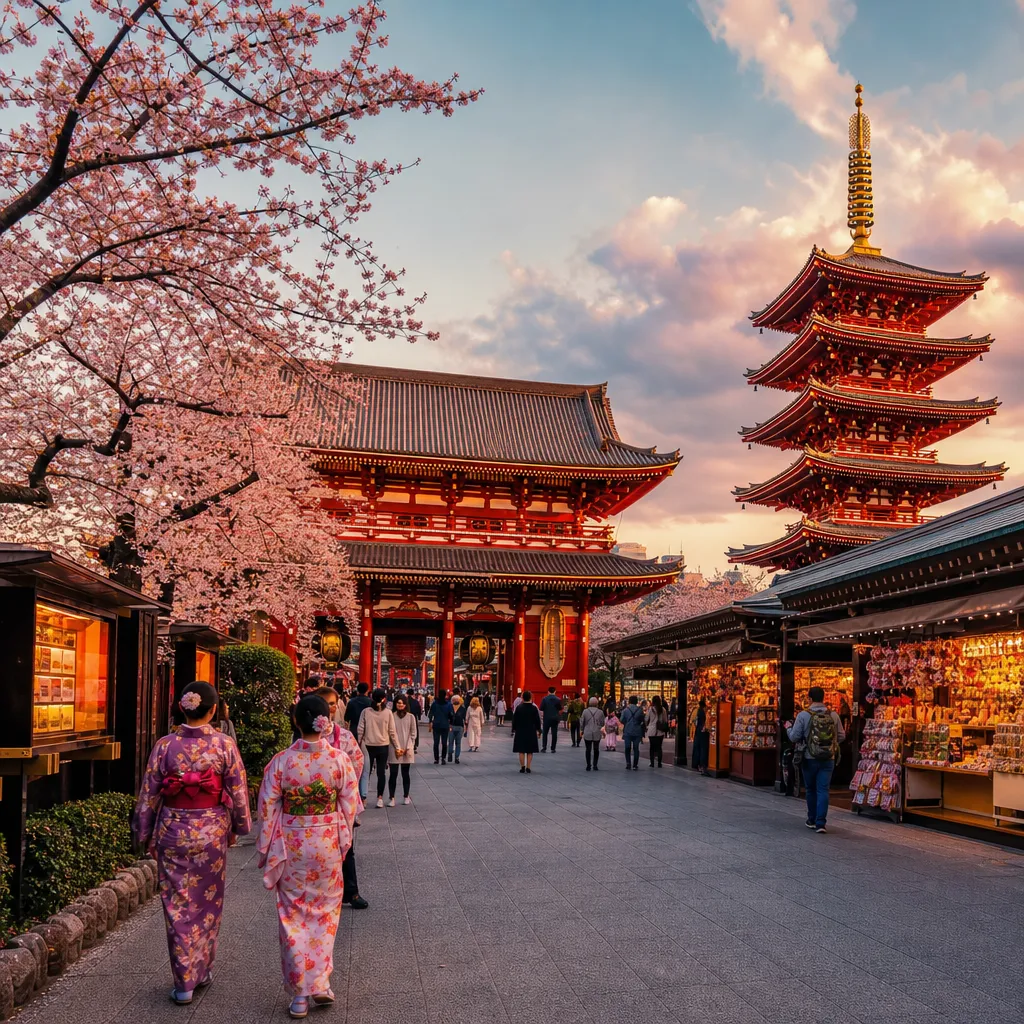
Many travelers go to Senso-ji in Asakusa during the busiest part of the day, when Nakamise shopping street is packed and the temple grounds can feel more commercial than reflective. A more distinctive experience is returning in the evening, when the main hall, gate, and pagoda are illuminated and the atmosphere becomes calmer.
Asakusa is in Taito ward, in eastern Tokyo, and remains one of the best areas for combining traditional streets, casual food, and easy sightseeing. By night, you can focus less on souvenir browsing and more on the architectural presence of the temple complex itself. This is especially rewarding for photographers, couples, and visitors who want a temple visit that feels more spacious.
Remember that Senso-ji is a Buddhist temple, not just a backdrop. Keep voices down around worshippers and avoid obstructing access in front of the main hall. The area around Asakusa Station remains convenient in the evening, so it is easy to combine with dinner or a walk toward the Sumida River.
Start Early at Toyosu Market for a Different Side of the City
Toyosu Market in Koto ward shows a side of Tokyo that feels more infrastructural than picturesque, and that is part of the appeal. This is the city’s major wholesale market complex, replacing Tsukiji’s inner market functions, and it offers observation areas where visitors can watch parts of the professional market environment from above.
The setting is farther east on the bay side, in a modern reclaimed-land area that feels very different from older neighborhoods. It works best as a morning activity. Go early, have breakfast or an early lunch focused on seafood, and then continue to nearby waterfront districts if you want a fuller day in this part of the city.
This is ideal for food-focused travelers who want to understand market culture rather than simply eat sushi in a tourist district. Because restaurant popularity and operating times can vary, it is sensible to check current market and dining information before visiting. Expect a more functional atmosphere than at street markets aimed mainly at tourists.
Walk the Yanesen Area for an Older, Low-Rise Tokyo
If your idea of a unique experience is seeing a part of the city that still feels residential and layered rather than glossy, spend time in the wider Yanesen area: Yanaka, Nezu, and Sendagi. These neighborhoods spread across parts of Taito and Bunkyo and are often visited via Nippori, Sendagi, or Nezu stations depending on your route.
Yanaka Ginza is the best-known shopping street here, but the real pleasure is wandering side streets, small temples, stairways, local snack shops, and old wooden buildings where they survive. The pace is slower than in districts such as Shibuya or Shinjuku. It suits solo travelers, photographers, and repeat visitors who want a more everyday urban landscape.
This area is especially good in late morning or afternoon. Pair it with a café stop, a traditional sweets shop, or a cemetery-edge walk near Yanaka Cemetery during cherry blossom season. Do not expect monumental attractions; the appeal lies in the street texture and neighborhood continuity.
Combine Kiyosumi Gardens with Kiyosumi-Shirakawa’s Coffee Scene
Kiyosumi-Shirakawa, in Koto ward, offers one of the city’s most satisfying combinations of calm and contemporary culture. Kiyosumi Gardens is a traditional Japanese landscape garden with ponds, stones, and carefully composed walking paths. Nearby streets, meanwhile, have become known for specialty coffee, galleries, and converted warehouse-style spaces.
This pairing works well because it gives you two different Tokyos within one neighborhood: historical garden design and a modern, understated café district. It is a strong option for travelers who want a quieter day that still feels stylish and current. Families, couples, and remote workers taking a day off from central sightseeing all tend to enjoy this area.
The district is not as relentlessly busy as western-core neighborhoods, which makes it practical for a half-day visit. Coffee shops can become busy on weekends, and individual café policies vary, so check current information if you have a particular place in mind. The neighborhood is best explored on foot after arriving by train.
Explore Tokyo Station Beyond Transit
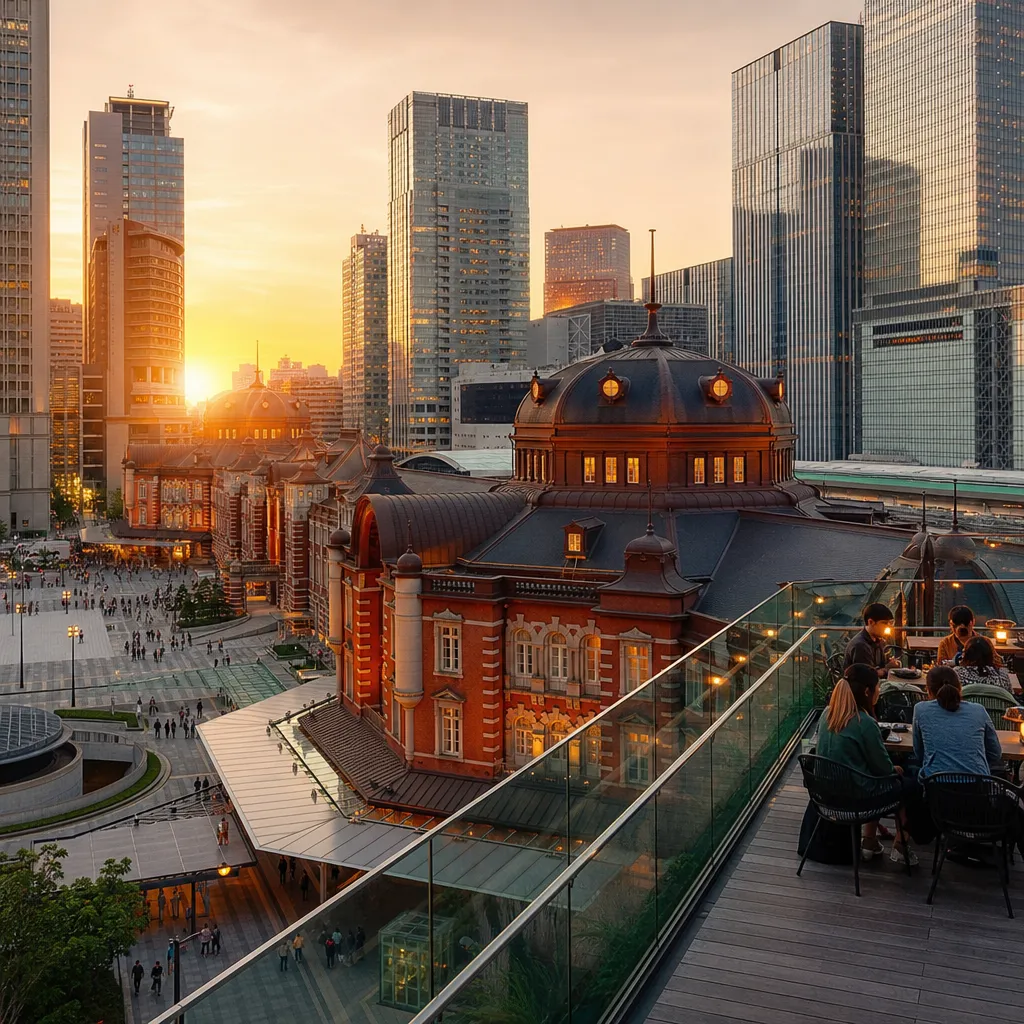
Tokyo Station is often treated as a place to pass through, but the station itself and the surrounding Marunouchi area make for a surprisingly distinctive outing. The red-brick Marunouchi building is one of the city’s most important early 20th-century architectural landmarks, and the Tokyo Station Gallery inside the station building adds a cultural stop without requiring a huge time commitment.
Marunouchi, in Chiyoda ward, is central Tokyo at its most polished: broad streets, office towers, restored historic details, and easy access to the Imperial Palace area. What makes this unique is the contrast between rail infrastructure, preserved architecture, and high-end urban redevelopment all in one compact zone.
This is a good choice in bad weather, for first-time visitors with limited time, or for architecture-focused travelers. You can combine the gallery with the station’s food and shopping areas, then continue on foot toward Nijubashi-facing palace approaches or nearby commercial complexes. As with any museum, check current exhibitions and access details before visiting.
Try Tokyo’s Tiny-Bar Culture in Golden Gai
Golden Gai, in the Kabukicho side of Shinjuku, is one of the city’s most recognizable nightlife environments but still feels unusual even by Tokyo standards. Rather than large bars or clubs, it is a compact network of very small establishments, many with room for only a handful of customers. The value of coming here is not just drinking; it is seeing a form of nightlife that preserves an older spatial scale within one of the city’s busiest entertainment areas.
This experience suits night owls, solo travelers comfortable in intimate settings, and visitors curious about bar culture rather than loud party venues. Some bars welcome first-time visitors easily, while others maintain regular customer culture or charge cover fees. Menus, seating, and house rules vary from place to place, so read the sign outside carefully and be respectful if a venue appears full or not open to newcomers.
Go in the evening or later at night, but not with expectations of a single standardized experience. If you prefer a more relaxed bar crawl, consider starting with dinner elsewhere in Shinjuku and then having one or two drinks here rather than making it the entire night.
Visit Gotokuji for a Residential Temple Trip
Gotokuji, in Setagaya, is a worthwhile choice if you want to leave the densest central areas and visit a temple with a distinctive visual identity. It is widely associated with the maneki-neko, or beckoning cat, and many visitors come to see the rows of cat figures dedicated on the grounds.
What makes the visit special is not just the motif but the location. Setagaya is a large residential ward, and reaching Gotokuji feels more like entering everyday Tokyo than checking off a central tourist stop. That gives the outing a quieter rhythm and makes it a good fit for travelers interested in neighborhood exploration.
This is best done in daytime, ideally combined with a local train ride and a wander through the surrounding residential-commercial streets. Because it is an active Buddhist temple, basic etiquette matters: dress and behave respectfully, avoid treating worship areas as props, and be mindful of others coming to pray.
Practical Tips for Planning These Experiences
- Group east-side activities together: Asakusa, Toyosu, and Kiyosumi-Shirakawa can fit into broader itineraries focused on eastern Tokyo.
- Book major attractions ahead when possible: This is especially useful for high-demand digital art venues.
- Use neighborhood logic rather than crossing the city repeatedly: Tokyo is efficient, but itineraries become tiring when you zigzag too much.
- Expect different etiquette by venue type: Temples, museums, and tiny bars all have different norms.
- Check current operating details: Museum exhibitions, market access arrangements, restaurant availability, and bar policies can change.
FAQ
What area of Tokyo is best for unique cultural experiences?
Asakusa and Yanesen are especially strong if you want traditional streets, temples, and older urban character. For a more modern cultural angle, Minato and Marunouchi offer design, architecture, and major art spaces.
Do I need reservations for these experiences?
Reservations are most important for high-demand ticketed attractions such as teamLab Borderless. For places like temples, gardens, and neighborhood walks, reservations are generally not part of the experience. Small nightlife venues in Golden Gai usually work differently from standard reservations, so flexibility helps.
Which of these is best for families?
teamLab Borderless, Senso-ji, Kiyosumi Gardens, and Toyosu Market are generally the easiest options for families. Golden Gai is more suitable for adults, especially later at night.
What is the best time of year for these activities?
Spring and autumn are the easiest seasons for walking neighborhoods and gardens comfortably. Summer can be rewarding but hot and humid, while winter often brings crisp weather that works well for architecture walks and clear daytime outings.
Can I do these experiences without speaking Japanese?
Yes. Major attractions and transport hubs are manageable for international visitors, and visual experiences such as gardens, architecture, and digital art do not depend heavily on language. In tiny bars or neighborhood businesses, communication may be more limited, so courtesy and patience matter.
Are these experiences suitable for photographers?
Yes, especially Senso-ji at night, Yanesen streets, Marunouchi architecture, and selected parts of teamLab Borderless. Always check whether photography is restricted inside museums or worship spaces, and avoid blocking pathways.
How should I get around for this kind of itinerary?
Rail is the most practical option. Build each day around one or two nearby districts rather than trying to cover all these places at once. For residential areas such as Gotokuji, local train lines are part of the experience.
What should I check before visiting?
Confirm current ticketing, exhibition information, market access rules, and venue policies, especially for digital attractions, museums, and small nightlife spots. Seasonal events and crowd levels can also affect how enjoyable a visit feels.
Sources
- GO TOKYO (Tokyo Convention & Visitors Bureau)
- Japan National Tourism Organization
- Official websites of teamLab Borderless, Senso-ji, and Tokyo Station Gallery