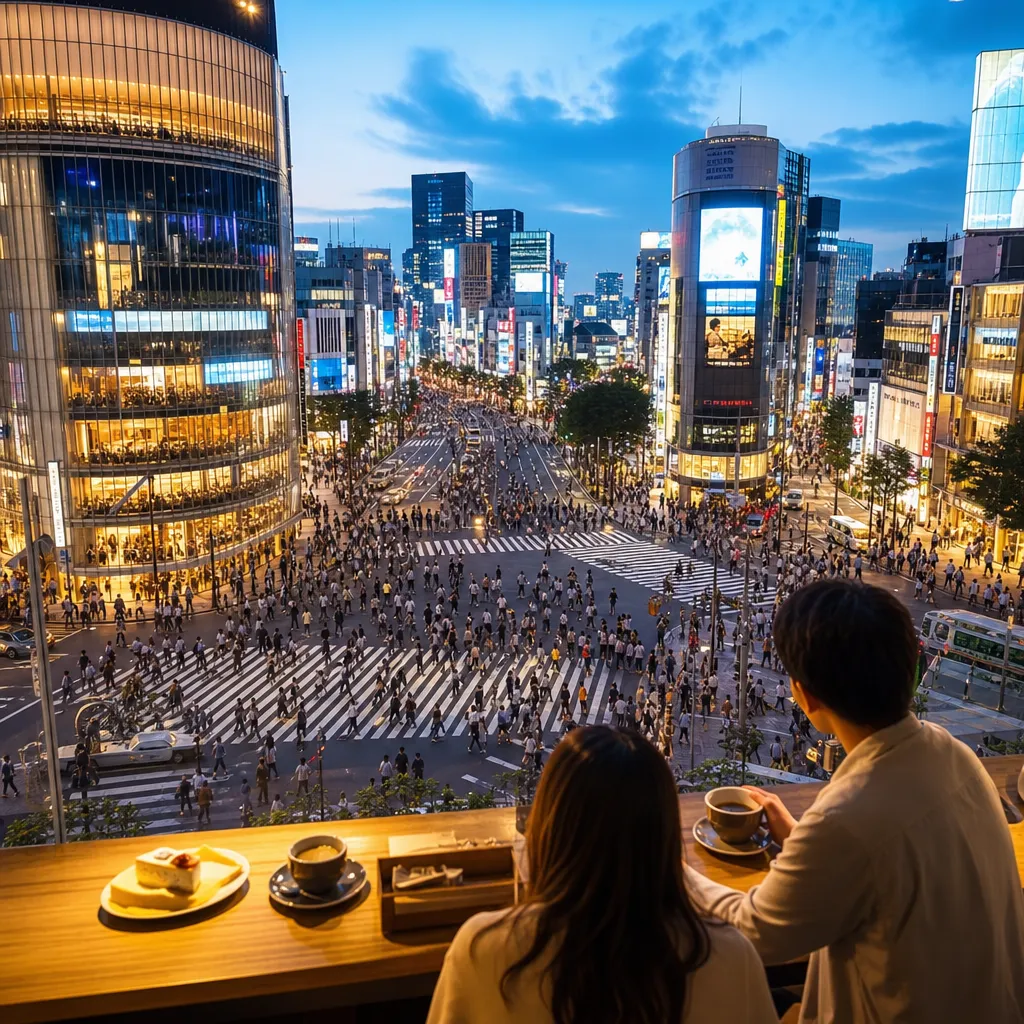
Shibuya Crossing is not a single attraction so much as a whole piece of city theater: giant screens, rushing pedestrians, train lines, department stores, and side streets full of places to eat, shop, and photograph. If you are planning to see it properly, timing and positioning matter more than most first-time visitors expect. The crossing sits immediately outside Shibuya Station in central Tokyo, in one of the city’s busiest commercial districts, and it works best when you treat it as part viewpoint, part transport hub, and part neighborhood walk. This guide focuses on where to stand, what to combine it with nearby, and how to make the visit practical rather than chaotic.
What Shibuya Crossing actually is
Shibuya Crossing is the large scramble intersection outside Shibuya Station, centered around the area near the Hachiko side of the station. It is in Shibuya ward, on the southwest side of central Tokyo, and it is one of the easiest major city landmarks to reach by public transport.
Unlike an isolated monument, the crossing is woven into everyday city movement. Commuters, shoppers, students, and visitors all move through it, especially from late afternoon into the evening. That means the experience changes depending on when you go: daytime is clearer for architecture and orientation, while after dark is better for neon, screens, and the full visual density people usually imagine.
The surrounding area is intensely urban. Around the crossing you will find department stores, fashion buildings, chain cafés, restaurants, pedestrianized shopping lanes such as Center-gai, and newer large-scale developments including Shibuya Scramble Square and Shibuya Stream within the wider station district.
How to get there and which station area to use
The practical answer is simple: use Shibuya Station. It is one of Tokyo’s biggest rail hubs, served by JR lines and multiple private railway and subway connections. For most visitors, following station signs toward Hachiko is the most useful approach if your priority is the crossing itself.
Because Shibuya Station is large and multi-level, meeting people “at Shibuya Station” can be vague. If you want a clear landmark, use the Hachiko statue area outside the station on the crossing side. It is crowded, but it is still the most recognizable rendezvous point.
If you are arriving from other major visitor areas:
- From Shinjuku: Shibuya is straightforward by JR or private railway and is one of the easiest same-day combinations.
- From Harajuku or Omotesando: Shibuya is very close and easy to pair with a walk, train ride, or short transfer.
- From Ginza, Tokyo Station, or Asakusa: the trip is longer but still simple via Tokyo’s rail network.
Inside the station, expect ongoing redevelopment, changing passageways, and a lot of foot traffic. Give yourself extra time if you are navigating with luggage, strollers, or a strict schedule.
Best places to see and photograph Shibuya Crossing
There are two main ways to experience the crossing: from ground level and from above. Both are worth doing because they feel completely different.
1. Ground level: walk the scramble itself
The simplest experience is to wait at one of the corners and cross when the lights change. This is the most immediate way to feel the scale of the intersection. It suits first-time visitors, solo travelers, and anyone who wants the classic “in the middle of it” experience.
For photos, ground level works best if you are interested in street energy rather than a full overview. Wide-angle shots can capture the lines of people moving across the painted crossings. Evening is usually best for signs and screens, while daytime gives cleaner detail and easier visibility.
2. Shibuya Scramble Square
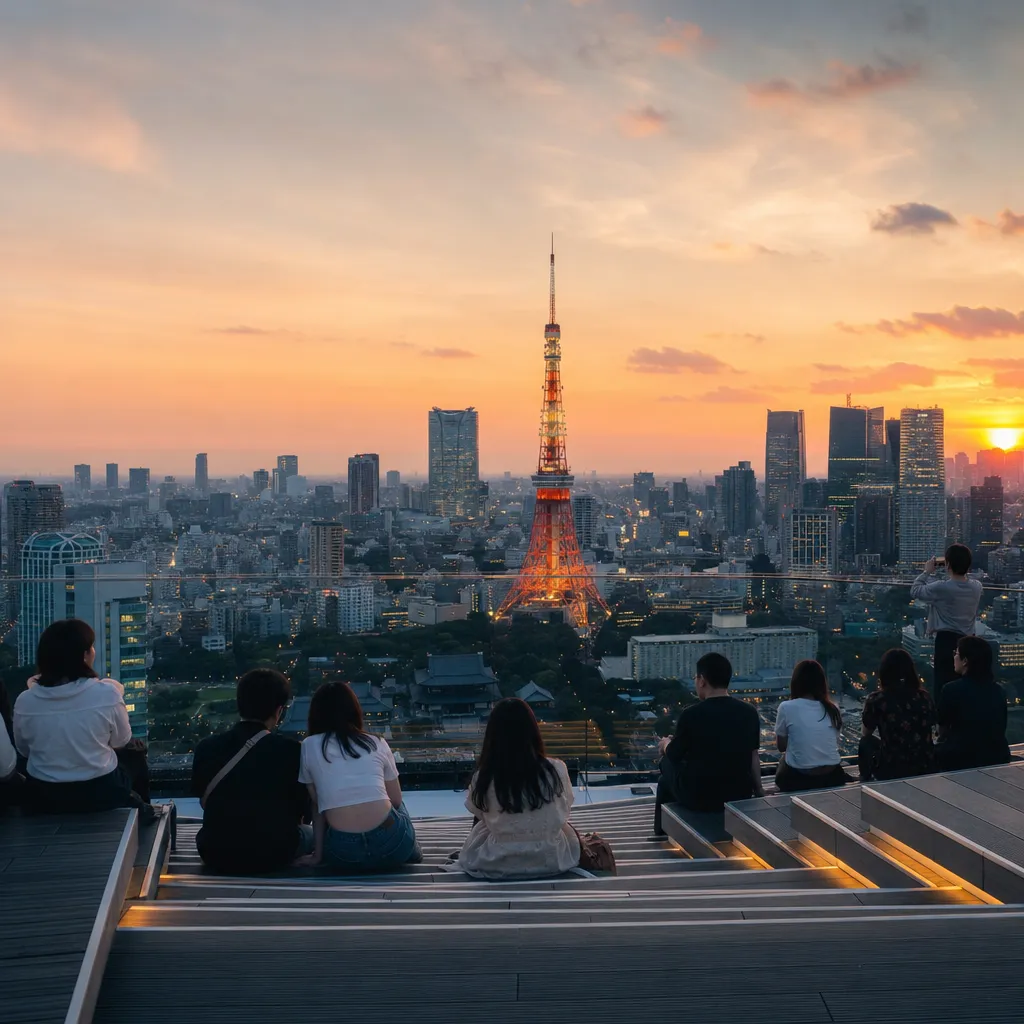
Shibuya Scramble Square, directly connected to Shibuya Station, is one of the most practical places to combine a general city view with a visit to the crossing area. Its observation facility, Shibuya Sky, is not positioned solely over the crossing, but it gives a strong elevated sense of the wider Shibuya cityscape.
This is a good choice for visitors who want a major viewpoint, especially around late afternoon into evening. Because it is a popular observation attraction, advance planning is often wise. Check current ticketing and weather-related information before you go, especially if you want the outdoor rooftop section.
3. Magnet by Shibuya109
MAGNET by SHIBUYA109 is one of the better-known places for a direct elevated view over the scramble. If your priority is photographing the crossing itself from above, this is often the most targeted option in the immediate area.
It suits photographers, couples, and first-time visitors who want the recognizable overhead composition. Conditions are usually more striking after dark, but daytime can be better if you want to avoid reflections and shoot street patterns more clearly.
4. Station-side and street-corner perspectives
You do not need paid access to get worthwhile images. The edges around the crossing, including the station-side frontage and nearby street corners, can produce strong urban compositions with trains, signage, and pedestrian flow layered together.
If you plan to photograph, be patient. The area is crowded, and the best shots often come from waiting through several signal cycles rather than rushing.
| Viewpoint | Area | Best For | Type | Key Feature |
|---|---|---|---|---|
| Ground-level crossing | Outside Shibuya Station | Feeling the movement firsthand | Street experience | Classic scramble walk |
| Shibuya Sky | Shibuya Scramble Square | Wider skyline views | Observation deck | Large-scale perspective over Shibuya |
| MAGNET by SHIBUYA109 | Directly by the crossing | Overhead crossing photos | Building viewpoint | Direct visual angle on the scramble |
| Street corners near Hachiko side | Station frontage | Free quick photos | Public street | Good signage and pedestrian-layer compositions |
Best time to visit
If you want the classic image of Shibuya Crossing, early evening to night is usually the most rewarding. The digital screens are brighter, traffic lights reflect on the street in wet weather, and the atmosphere is at its densest.
If you prefer a more manageable visit, go in late morning or early afternoon. You will still see the crossing in action, but navigation is easier and photos are less obstructed.
Useful timing rules:
- Daytime: better for orientation, families, and first visits.
- Sunset into evening: best balance of visibility and atmosphere.
- Late evening: strongest neon mood, but also more crowding around popular corners and viewpoints.
- Rainy conditions: often excellent for photography if you do not mind the weather, thanks to reflections and umbrellas.
Weekends and holidays can feel much denser than weekdays. If crowd levels matter, avoid treating the crossing as a quick stop just before a fixed reservation elsewhere.
What to combine with Shibuya Crossing nearby
The crossing itself is brief. Most visitors get more value by folding it into a broader Shibuya plan.
Hachiko statue
The Hachiko statue is right by the station on the same side as the crossing and is one of the area’s most familiar landmarks. It is historically significant and easy to combine with a first look at the intersection. It is crowded, so it works better as a quick stop than a long visit.
Center-gai
Center-gai is the busy pedestrian-oriented entertainment and shopping street extending deeper into Shibuya. It gives you the youth-culture side of the district: bright signage, casual dining, game centers, and constant movement. This is good for visitors who want atmosphere more than quiet browsing.
Shibuya Scramble Square and Shibuya Hikarie
These larger complexes suit travelers who want shopping, food floors, and a cleaner, more contemporary side of the neighborhood. They also make practical indoor stops in bad weather.
Shibuya Stream
On the opposite side of the station area, Shibuya Stream offers a more modern mixed-use environment with restaurants and a slightly less chaotic atmosphere than the crossing zone itself. It is useful if you want to stay in Shibuya but step away from the heaviest foot traffic.
Walk toward Harajuku or Omotesando
If you have half a day rather than one hour, combining Shibuya with Harajuku and Omotesando makes sense. The character changes noticeably: from Shibuya’s screen-heavy urban density to fashion streets, broader avenues, and more architecture-focused walking.
Where to eat and drink around the crossing
The immediate crossing area is convenient rather than intimate. You will find department store dining floors, casual restaurants, chain cafés, izakaya-style spots, and plenty of quick meal options. This is one of the easiest places in the city to eat without detailed planning, but the trade-off is that the most obvious places can be busy.
For a practical visit:
- Quick coffee or rest: choose a café in a larger building near the station if you need seating and a pause between sightseeing.
- Casual lunch: the wider station area has many dependable ramen, curry, tonkatsu, and set-meal choices.
- Dinner with less chaos: consider moving slightly away from the crossing itself toward Shibuya Stream, Sakuragaoka, or quieter upper-floor restaurant spaces in commercial buildings.
- Drinks: Shibuya has abundant bars and izakaya options, but evening demand can be heavy, especially on weekends.
If you want a destination restaurant, reserve in advance where possible. If your goal is just to eat nearby after seeing the crossing, walk-ins are often realistic in the broader district, especially if you avoid peak dinner time.
Practical tips for a smoother visit
Shibuya is easy to reach but not always easy to navigate calmly. A little preparation helps.
- Use a specific meeting point. “Near Hachiko” is clearer than “outside the station.”
- Do the crossing more than once. One pass rarely gives the full impression; crossing from different corners changes the perspective.
- Keep bags compact. Large luggage makes the station and crossing less comfortable, especially at busy times.
- Do viewpoints before or after peak rushes. You will spend less time queueing or maneuvering through crowds.
- Expect weather to affect the experience. Rain can improve photos but also increases congestion under covered areas.
- Watch for pedestrian flow. Stopping abruptly in the middle of the scramble for photos is bad etiquette and can be unsafe.
The area is suitable for solo travelers, couples, and older children who are comfortable in crowds. Families with small children or strollers can visit, but daytime is simpler than evening. Visitors sensitive to noise and density may prefer to view the crossing from above rather than staying at street level for long.
Common mistakes first-time visitors make
Staying only five minutes. The crossing is iconic, but the surrounding district is what gives it context. Even one or two extra nearby stops make the visit richer.
Going only for a photo. Street-level photos are not always as cinematic as people expect unless you also seek an elevated angle or evening light.
Underestimating the station. Shibuya Station can be confusing, especially if you switch lines or exit on the wrong side.
Scheduling a tight connection afterward. The area around the crossing can slow you down more than a map suggests.
Ignoring indoor alternatives. If the weather turns bad or crowds feel tiring, nearby shopping and observation facilities make it easy to adapt the plan.
FAQ
What is the best time of day to see Shibuya Crossing?
Evening is usually best if you want the classic illuminated atmosphere. Daytime is better for easier movement, family visits, and clearer orientation.
Where is the best free place to view Shibuya Crossing?
The street corners around the intersection and the Hachiko side of Shibuya Station give the easiest free views. For a fuller overhead composition, you will generally need to use a building viewpoint.
Is Shibuya Crossing worth visiting in the rain?
Yes, especially for photography. Reflections, umbrellas, and illuminated signs can make the scene more visually interesting, though it will also feel more crowded under shelter.
How long should I plan for Shibuya Crossing?
For the crossing alone, 20 to 40 minutes is enough. For a fuller Shibuya visit with a viewpoint, meal, and neighborhood walk, allow at least half a day.
Is Shibuya Crossing suitable for families?
Yes, but daytime is easier than late evening. The area is busy and noisy, so families with small children may prefer a shorter stop and an elevated viewpoint rather than long time at street level.
Do I need to book anything in advance?
You do not need reservations to walk the crossing. For observation facilities such as Shibuya Sky, check current booking arrangements before visiting.
Can I visit without speaking Japanese?
Yes. Shibuya is one of the easiest parts of Tokyo for international visitors, with extensive signage and plenty of services aimed at travelers and shoppers.
What should I check before visiting?
Check current weather, station routing if you are meeting someone, and current information for any paid viewpoint or restaurant you plan to use.
Sources
- GO TOKYO (Tokyo Convention & Visitors Bureau)
- Shibuya Scramble Square / SHIBUYA SKY official website
- JR East official station information