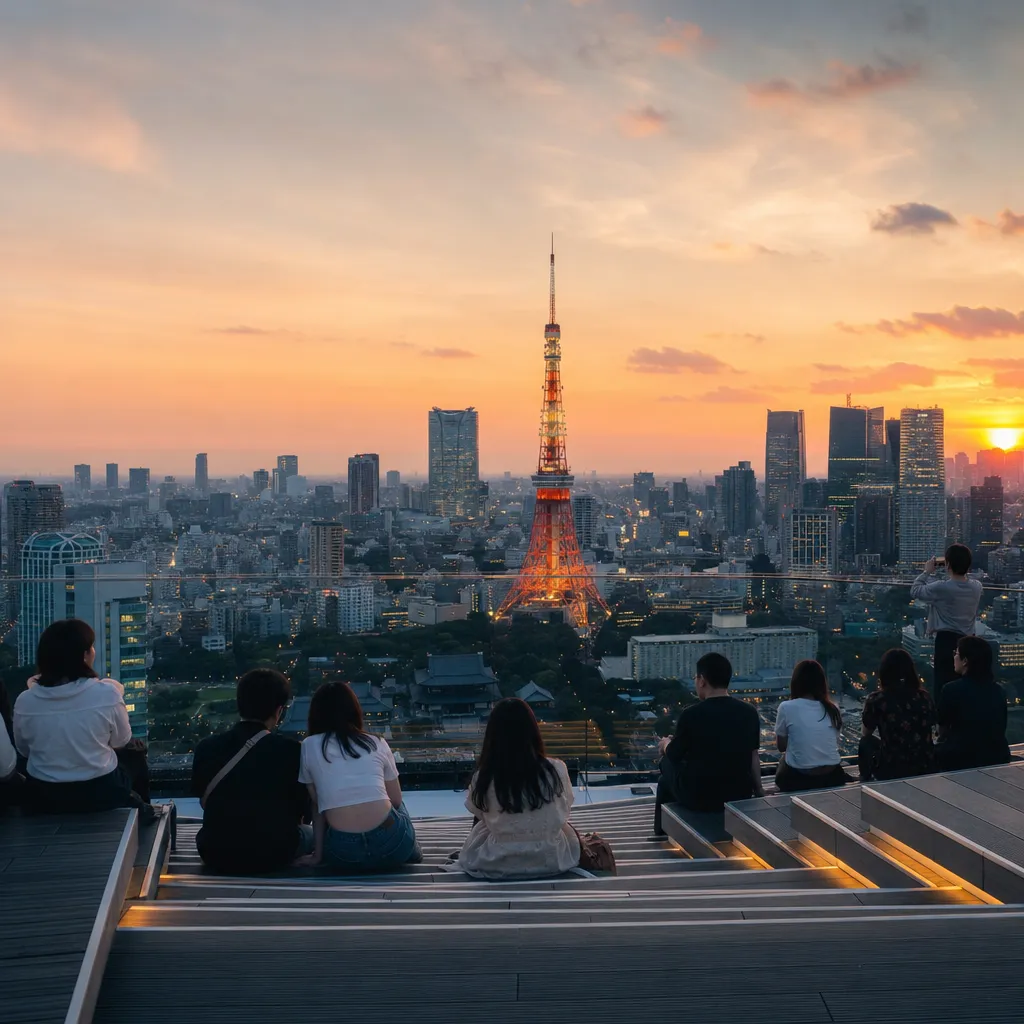
Shibuya Sky is one of the most useful viewpoints in Tokyo for first-time visitors and repeat travelers alike because it combines a highly central location, a broad open-air panorama, and easy access from one of the city’s biggest transport hubs. Set on top of Shibuya Scramble Square, it gives you a clear sense of how Shibuya connects to Harajuku, Omotesando, Roppongi, Shinjuku, and the wider western side of central Tokyo. It is also a practical visit rather than a remote excursion: you can pair it with shopping, food, architecture, or photography in the same part of the city. The key to enjoying it is timing, weather awareness, and knowing how the indoor and outdoor areas work before you go.
What Shibuya Sky is and why it stands out
Shibuya Sky is the observation facility at the top of Shibuya Scramble Square, directly connected to the Shibuya Station area in central Tokyo. Unlike older enclosed observatories, its appeal comes from the combination of an indoor transition space and an open-air rooftop observation deck, which makes the experience feel far more immediate.
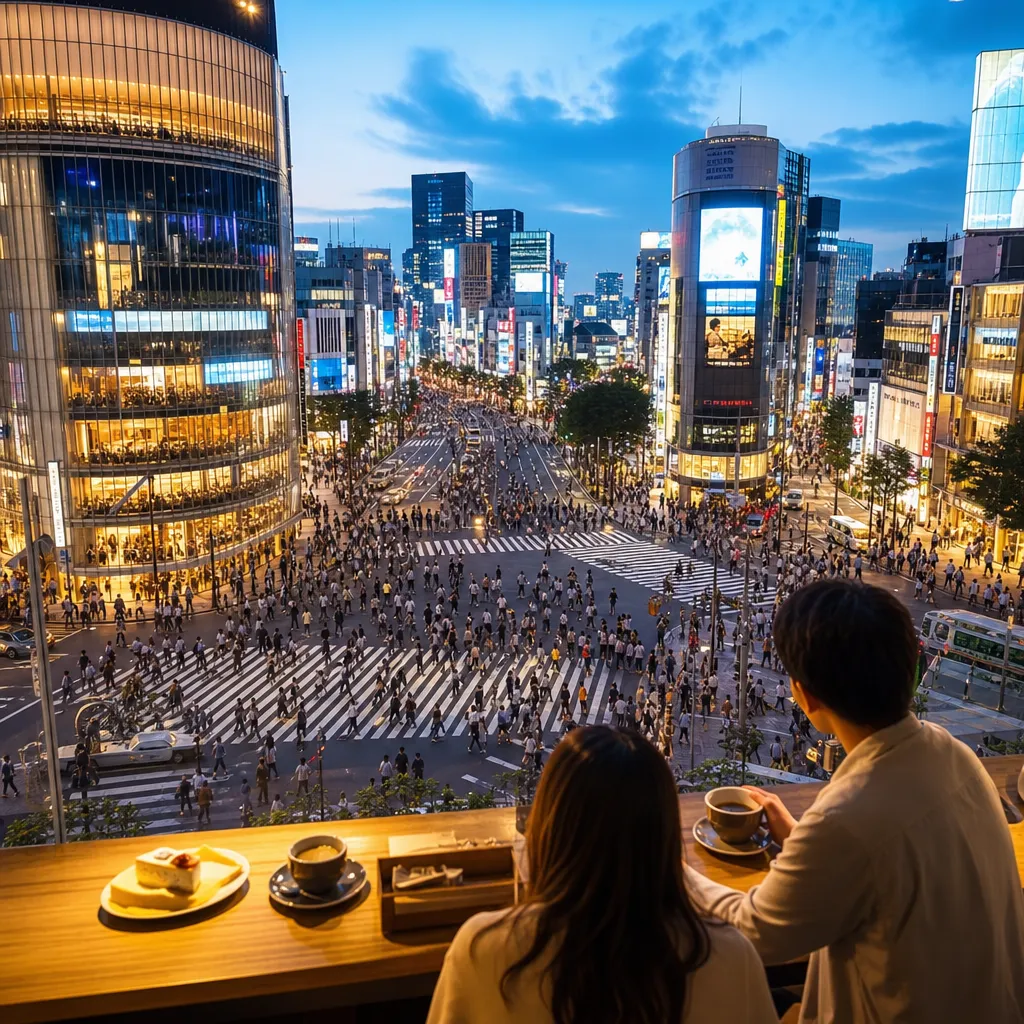
The biggest advantage is orientation. From here, you are looking out over one of the densest and most recognizable urban landscapes in Japan: the Shibuya scramble crossing below, the mid-rise and high-rise neighborhoods spreading toward Shinjuku, and on clear days a very wide horizon. Because the site is so central, it works well even for travelers with limited time.
It suits several types of visitors:
- First-time visitors who want a skyline overview early in their trip.
- Photographers interested in city layers, sunset, blue hour, and night lights.
- Couples looking for an evening viewpoint in a lively area.
- Solo travelers who want a straightforward, easy-to-access attraction.
- Families with older children who can appreciate the height and city views.
Where it is and how to get there
Shibuya Sky is in the Shibuya district of Shibuya Ward, on top of Shibuya Scramble Square. This is firmly in central Tokyo, and the surrounding area is one of the busiest commercial and transport zones in the city.
The most useful transport point is Shibuya Station, which is served by multiple major rail and subway lines, including JR, Tokyo Metro, Tokyu, and Keio services. That makes the observatory easy to reach from areas such as Shinjuku, Ginza, Asakusa, Ueno, Roppongi, Ikebukuro, and Yokohama without complicated transfers.
The surrounding area is intensely urban: department stores, fashion retail, dining floors, office towers, and major pedestrian flows. If you want a quieter street atmosphere before or after your visit, nearby neighborhoods such as Omotesando, Daikanyama, or the backstreets toward Harajuku offer a different pace, but the tower itself is in the heart of busy Shibuya.
When planning your arrival, allow extra time to navigate the station complex if this is your first time in Shibuya. The station area is large and frequently updated, so it is better to think in terms of “inside or directly connected to Shibuya Scramble Square” than to depend on memorizing a specific exit.
What you can see from the top
The main reason to visit is the 360-degree city view. Shibuya Sky is high enough to give strong skyline separation while still leaving you close enough to the streets to recognize neighborhoods and landmarks.
Typical highlights include:
- Shibuya Crossing and the station area directly below.
- Shinjuku’s skyscraper cluster to the northwest in clear conditions.
- Roppongi and central high-rise districts toward the east and southeast.
- Harajuku and Yoyogi Park as greener contrast points in the urban landscape.
- Long-distance horizon views on especially clear days.
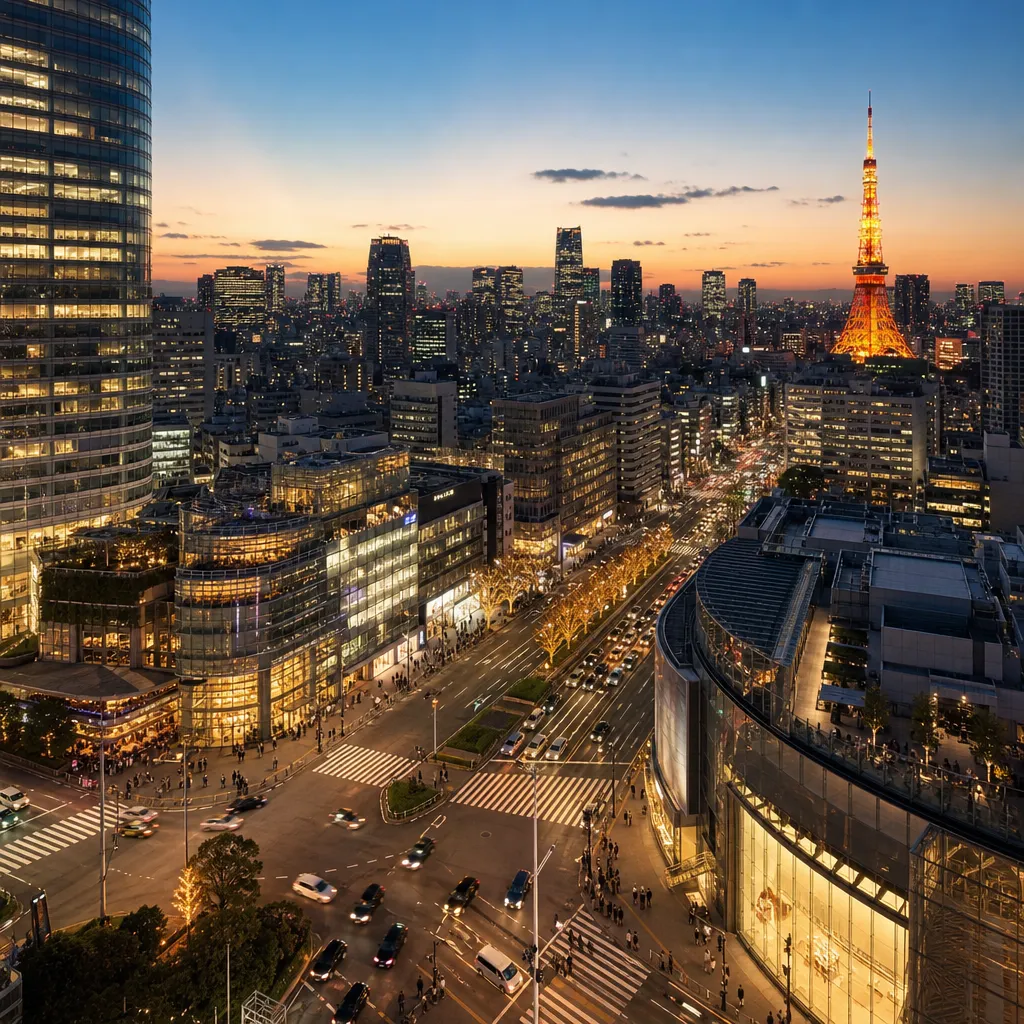
The experience changes significantly with weather and light. Daytime gives you the best urban geography and long-range visibility. Sunset is popular because the city shifts from daylight detail to illuminated streets and towers. After dark, the emphasis becomes patterns of traffic, signage, and dense city lighting rather than distant landmarks.
Because this is an open-air rooftop, wind, haze, rain, and seasonal conditions all matter more than they do at indoor observatories. A bright but slightly hazy afternoon can still be enjoyable, but for photographers chasing cleaner visibility, crisp winter days often produce the sharpest results.
Best time to visit
If you are choosing only one visit window, late afternoon into evening is usually the most rewarding. You can see the city in daylight, stay for sunset, and continue into blue hour and night views without changing locations.
That said, the best time depends on your priorities:
| Time of Day | Best For | What to Expect | Notes |
|---|---|---|---|
| Morning | Clearer air, lighter crowds on some days | Sharper building detail and easier movement | Good if you prefer a calmer start before exploring Shibuya |
| Afternoon | City orientation and general sightseeing | Strong visibility of neighborhoods and landmarks | Useful for first-day visitors |
| Sunset | Photography, couples, dramatic light | Changing sky color and transition into night | Usually the most popular period |
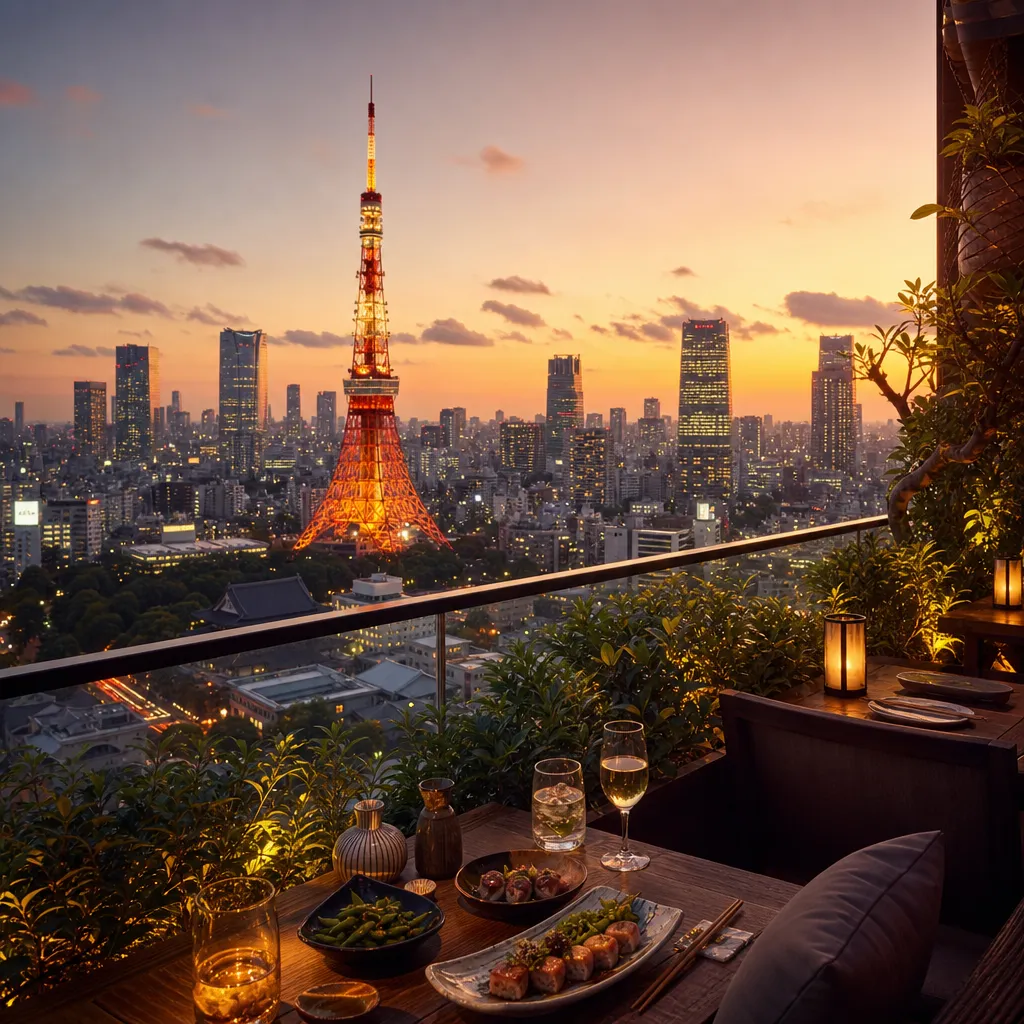
| Night | City lights and atmosphere | Dense urban illumination and more mood than distance detail | Best paired with dinner or bars in Shibuya |
Weekends, holidays, and clear sunset periods are often the busiest. If your schedule is flexible, a weekday visit is usually easier. It is sensible to check the current ticketing system, admission slots, and weather on the official site before you go.
Tickets, entry flow, and practical restrictions
Shibuya Sky is popular enough that advance booking is often the safest approach, especially for sunset. Same-day entry may be possible depending on demand, but it should not be assumed during peak travel periods, weekends, or holiday seasons.
The visit typically involves moving through the building and passing through controlled entry areas before you reach the rooftop. Because the top deck is open-air, there are usually practical rules about what can be carried outside. Items such as loose belongings, tripods, or large bags may face restrictions or need to be stored, and procedures can change. Check the current official guidance shortly before your visit.
A few practical points matter:
- Dress for wind and temperature, especially outside summer.
- Travel light if possible, since rooftop rules can be stricter than at indoor observatories.
- Do not rely on casual walk-in timing at sunset during busy periods.
- Check weather conditions, because rooftop access or the quality of the experience can be affected by rain or strong wind.
If you dislike crowds or queuing, go earlier in the day or choose a non-sunset weekday slot. If the rooftop is the main reason for your visit, avoid going on a day with poor weather unless Shibuya is already central to your plans.
Photography tips for Shibuya Sky
For photography, Shibuya Sky is best approached as a cityscape platform rather than just a lookout. The major strengths are layered urban density, recognizable landmarks, and the open-air deck, which reduces some of the reflection problems found at indoor viewpoints.
Useful general strategies include:
- Arrive before the light you want rather than at the exact sunset moment.
- Shoot in multiple directions; the obvious crossing view is not the only strong composition.
- Look for depth created by rail lines, road corridors, rooftop clusters, and towers on the horizon.
- Stay through blue hour if conditions allow, since city lights become more defined while some sky color remains.
If you are primarily interested in photographing Shibuya Crossing itself from above, note that there are other elevated indoor viewpoints in the district as well, but Shibuya Sky offers the broader skyline context. For street-level crossing shots, you may want to combine the observatory with time around the scramble area below.
Tripod and equipment rules should be checked in advance. Even where professional-style gear is restricted, handheld photography can still be excellent here due to the expansive view and strong urban lighting after dark.
How long to spend and what to combine it with nearby
Most visitors will find that 45 to 90 minutes is enough, depending on crowd levels, weather, and whether you are waiting for changing light. If you are a dedicated photographer, you may want longer, especially around sunset.
One reason Shibuya Sky is so practical is that it combines easily with other nearby experiences:
- Shibuya Scramble Crossing for iconic street scenes before or after your visit.
- Shibuya Hikarie for shopping, dining, and design-oriented retail on the east side of the station area.
- Miyashita Park for a more contemporary mixed-use stop with shops and food options.
- Cat Street toward the Shibuya-Harajuku side for a more walkable fashion and café route.
- Nonbei Yokocho and nearby small bar areas for an atmospheric evening continuation, more suitable for adults than families.
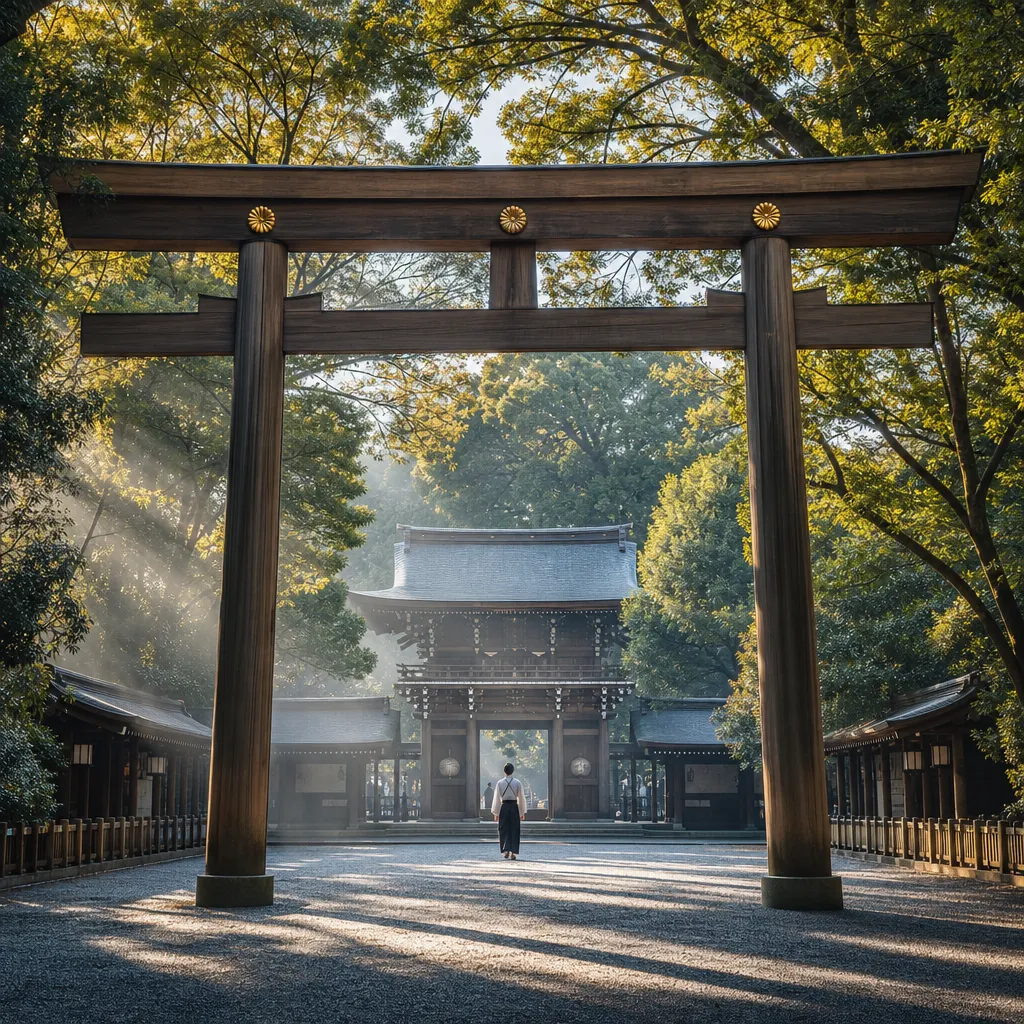
If your goal is efficient sightseeing, Shibuya Sky works especially well on a day that also includes Harajuku, Omotesando, and possibly Meiji Jingu. If your focus is nightlife, place it before dinner and drinks in Shibuya.
Who should visit and when it may not be the best fit
Shibuya Sky is a strong choice for visitors who want a central, modern, high-impact observation deck without leaving the city core. It is especially suitable for:
- Short-stay travelers who need something easy to access.
- Urban photographers who value open-air views.
- Couples planning a sunset or evening outing.
- Friends or solo travelers exploring Shibuya on foot.
It may be less ideal if you strongly prefer quiet, contemplative attractions, dislike crowds, or are traveling on a day with poor weather and cannot adjust your schedule. Travelers with very young children may find the logistics less relaxing than a park or museum visit, though families do still visit.
If you are deciding between observatories, the main case for choosing Shibuya Sky is not simply height; it is the combination of location, outdoor atmosphere, and immediate urban context. You feel embedded in the city rather than separated from it.
Planning tips for a smoother visit
- Book ahead if sunset matters. Those slots are the hardest to leave to chance.
- Check the forecast on the day. Clear conditions make a major difference.
- Keep your bag simple. Rooftop procedures are easier with fewer loose items.
- Arrive with time to navigate the station complex. Shibuya is convenient but not always intuitive on a first visit.
- Combine it with nearby food or shopping. The location is too central to treat as a standalone detour unless you are very short on time.
- Stay for changing light if possible. The transition from day to night is one of the main reasons to choose this observatory.
FAQ
Do I need to book Shibuya Sky in advance?
It is highly recommended if you want a specific time, especially around sunset, weekends, or holiday periods. Same-day availability can vary, so checking the official site is the safest approach.
Is Shibuya Sky better during the day or at night?
For most visitors, late afternoon into night is the best balance. Daylight helps with city orientation, while evening adds atmosphere and illuminated views.
How do I get to Shibuya Sky by public transport?
Use Shibuya Station, one of the biggest transport hubs in Tokyo. Shibuya Sky is part of Shibuya Scramble Square, directly connected to the station area.
Is Shibuya Sky suitable for families?
Yes, especially for families with older children who can enjoy the skyline. For very young children, the crowds and rooftop logistics may require more planning.
How much time should I allow for a visit?
A visit often takes around 45 to 90 minutes, though photographers and sunset visitors may want longer.
Can I take photos on the rooftop?
Yes, photography is a major reason people visit, but equipment restrictions may apply. Check the current rules for tripods, large cameras, and loose accessories before going.
What should I check before visiting?
Check the current ticketing system, admission availability, weather conditions, and rooftop rules on the official Shibuya Sky website shortly before your visit.
What area should I combine with Shibuya Sky on the same day?
Good combinations include central Shibuya itself, Harajuku, Omotesando, and nearby shopping or dining complexes around the station.
Sources
- SHIBUYA SKY Official Website
- GO TOKYO (Tokyo Convention & Visitors Bureau)
- Shibuya Scramble Square Official Website