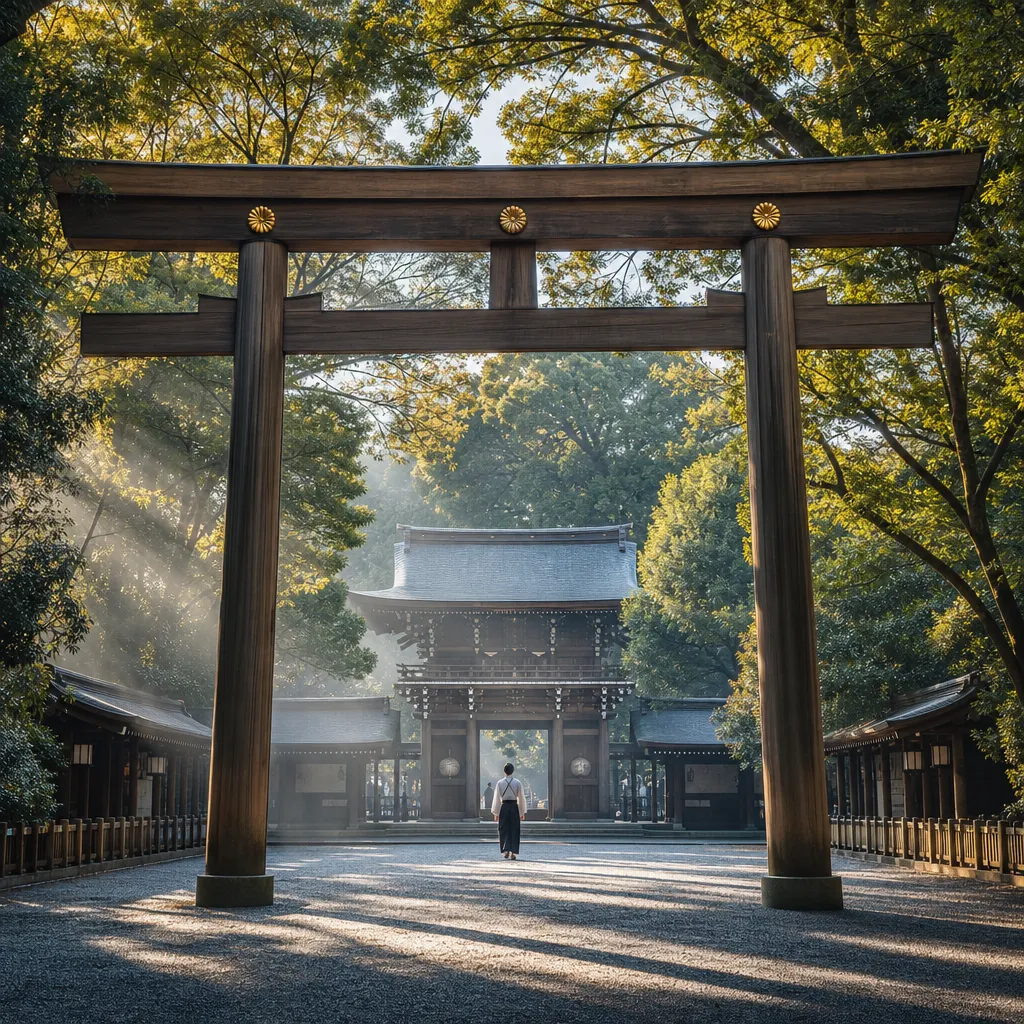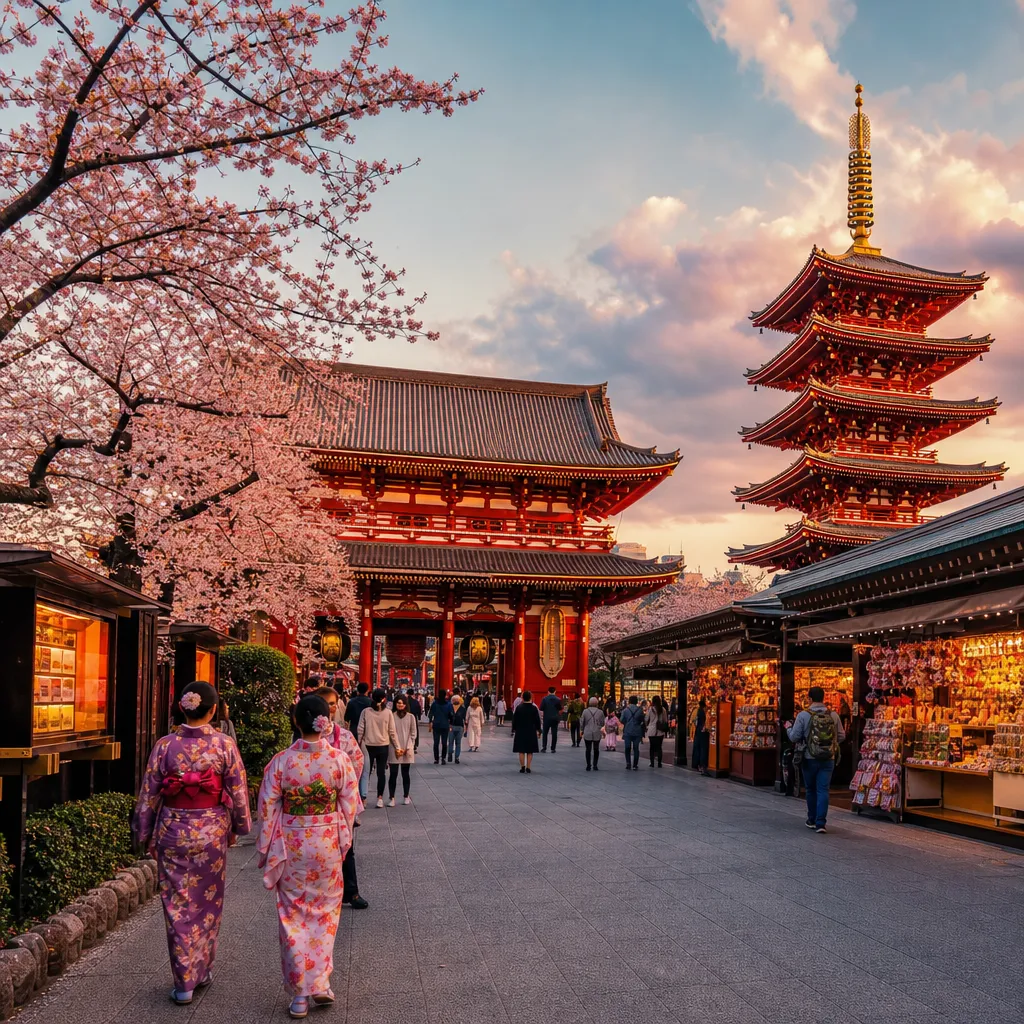
Sensoji Temple is Tokyo’s most famous Buddhist temple, but it is not just a single hall to tick off on a sightseeing list. It sits at the heart of Asakusa in Taito City, in the older eastern side of central Tokyo, where temple grounds, shopping streets, riverfront walks, and long-established local businesses all connect naturally. A good visit depends on understanding the layout, the best times to go, and how to balance the landmark itself with the surrounding neighborhood. This guide focuses on exactly that: where to enter, what to look for, how to behave, and how to plan a visit that feels practical rather than rushed.
What Sensoji Temple Is and Why It Matters
Sensoji is a Buddhist temple in Asakusa, widely regarded as Tokyo’s oldest temple. It belongs to the city’s cultural core, not only because of the buildings themselves but because the approach to the temple still functions as a living district rather than an isolated monument.
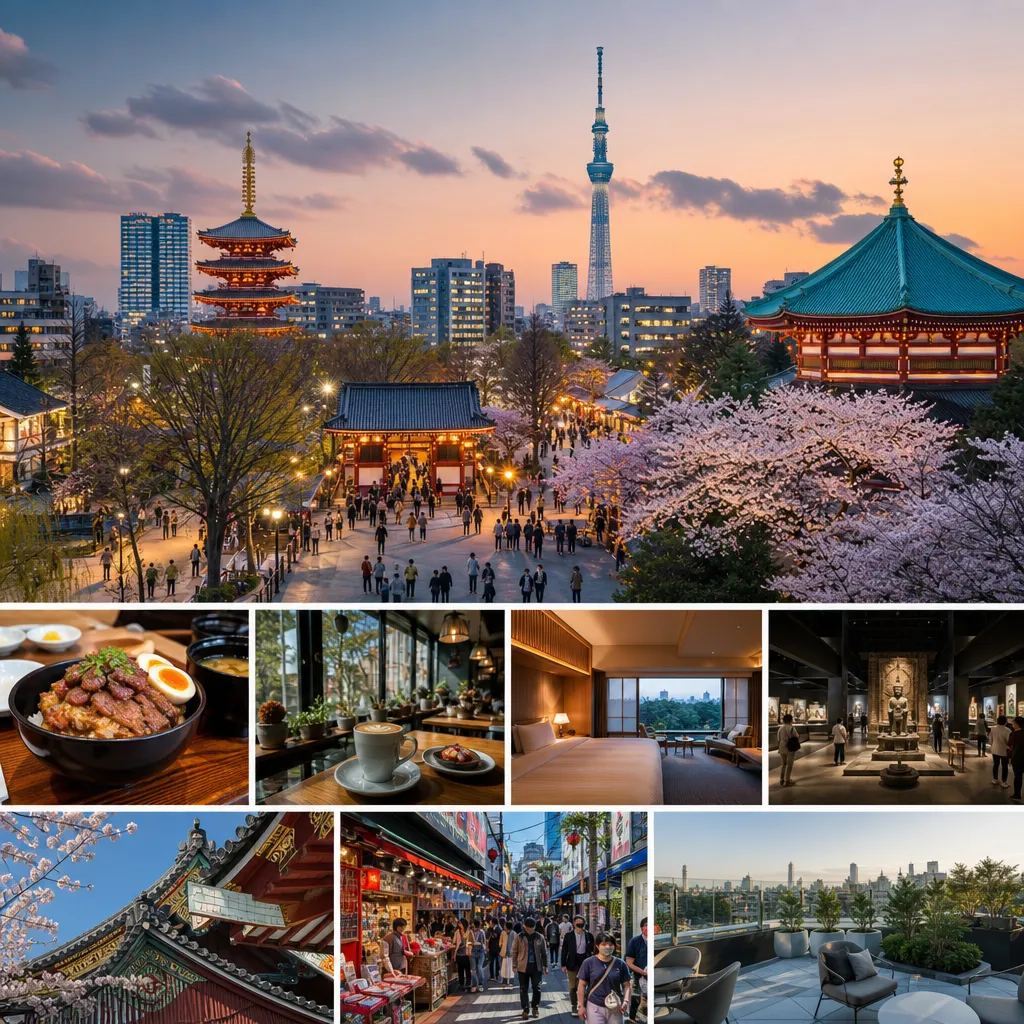
The most recognizable parts are the large red Kaminarimon gate, the Nakamise shopping street behind it, the inner Hozomon gate, and the main hall. These elements create one of the clearest traditional urban sequences in Tokyo: gate, market street, temple precinct, and worship hall.
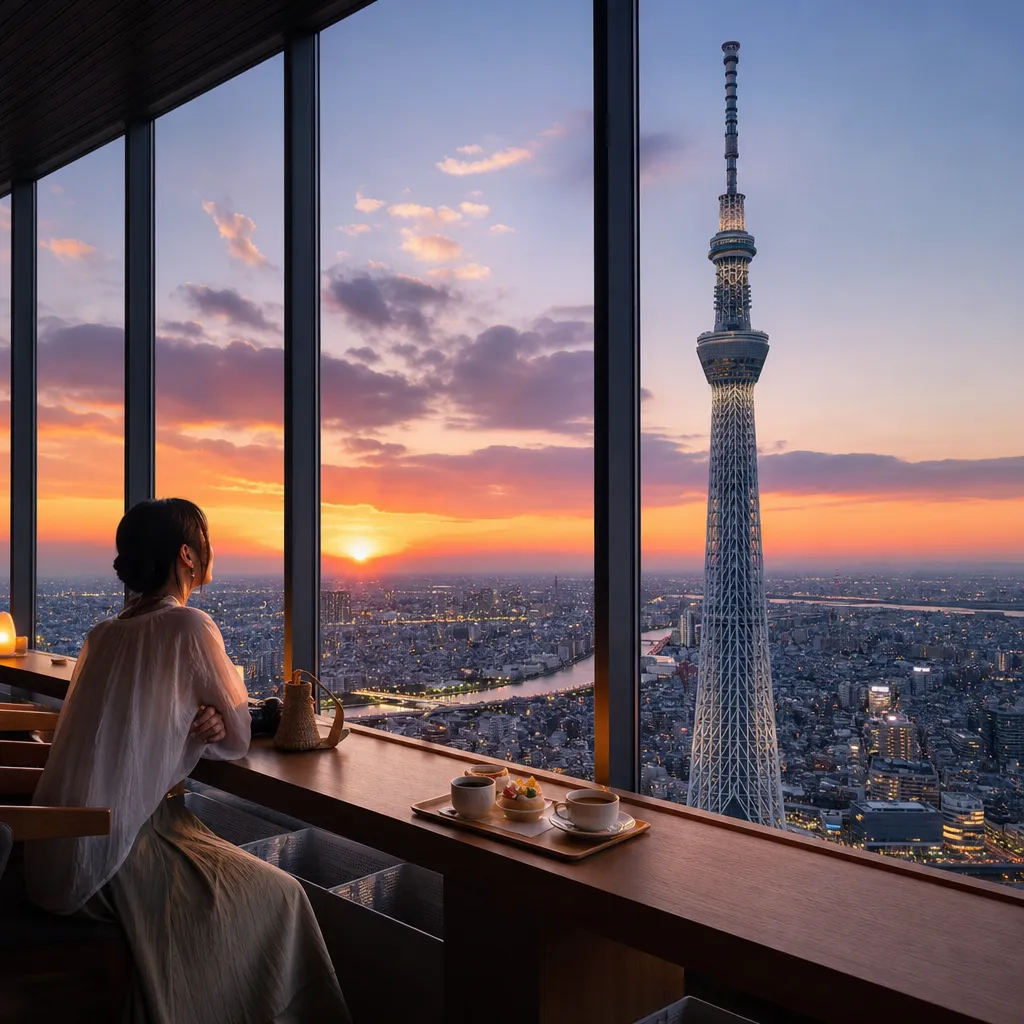
For visitors, Sensoji works well whether you have 45 minutes or half a day. It suits first-time visitors, photographers, families, and anyone interested in architecture, ritual, or old Tokyo streetscapes. It is also easy to combine with nearby Sumida River walks, Kappabashi kitchenware shopping, or views from the Tokyo Skytree area across the river.
Where Sensoji Is and How to Get There
Sensoji is in Asakusa, in Taito City, on the northeastern side of central Tokyo. The most useful transport hub is Asakusa Station, though several rail operators use that name in the wider area, so it helps to think in terms of the neighborhood rather than a single station building.
The temple is most commonly approached from the Kaminarimon side, which places you immediately on Nakamise-dori, the traditional shopping street leading toward the main grounds. This is the classic first-time route and the easiest one to understand visually.
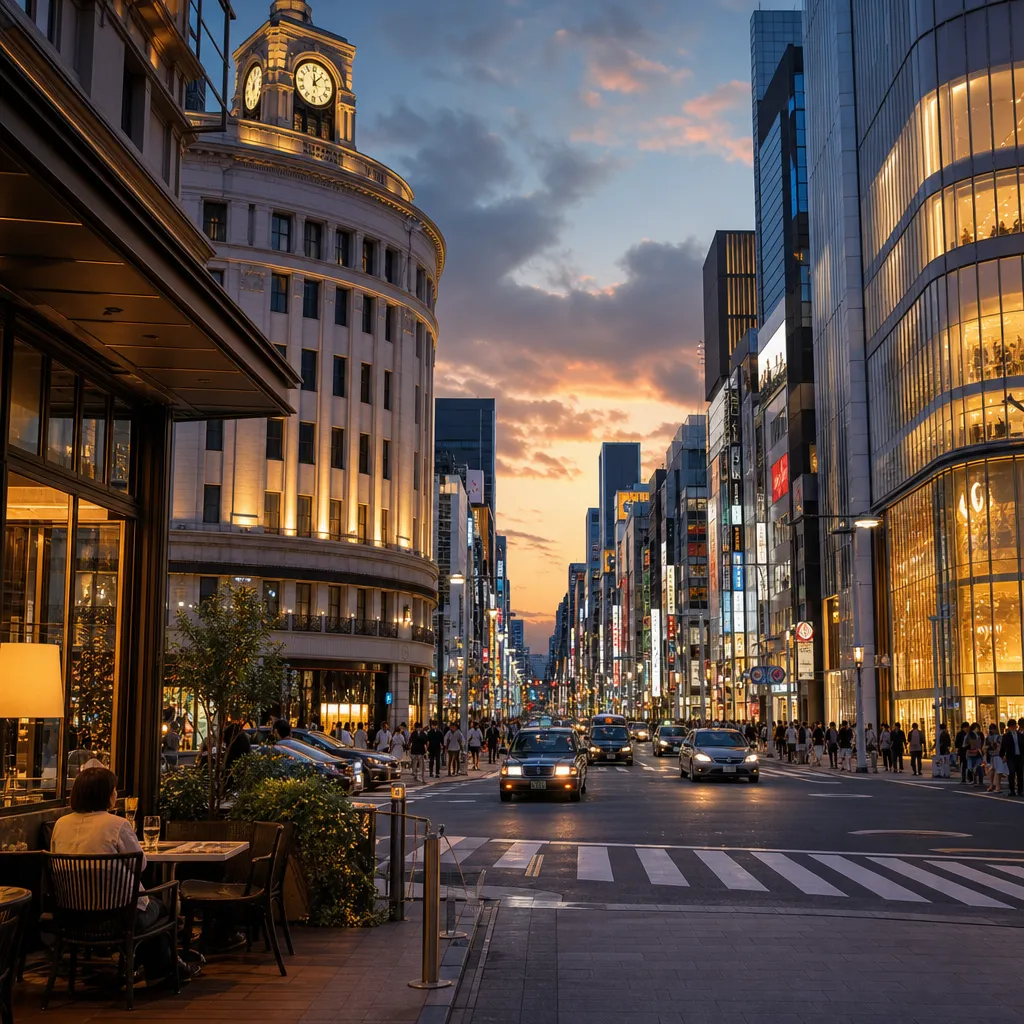
Asakusa connects well from major visitor areas such as Ueno, Ginza, Nihombashi, and parts of eastern Tokyo. If you are coming from the Tokyo Skytree side, you can also combine the visit with a walk across or along the Sumida River area, depending on your route for the day.
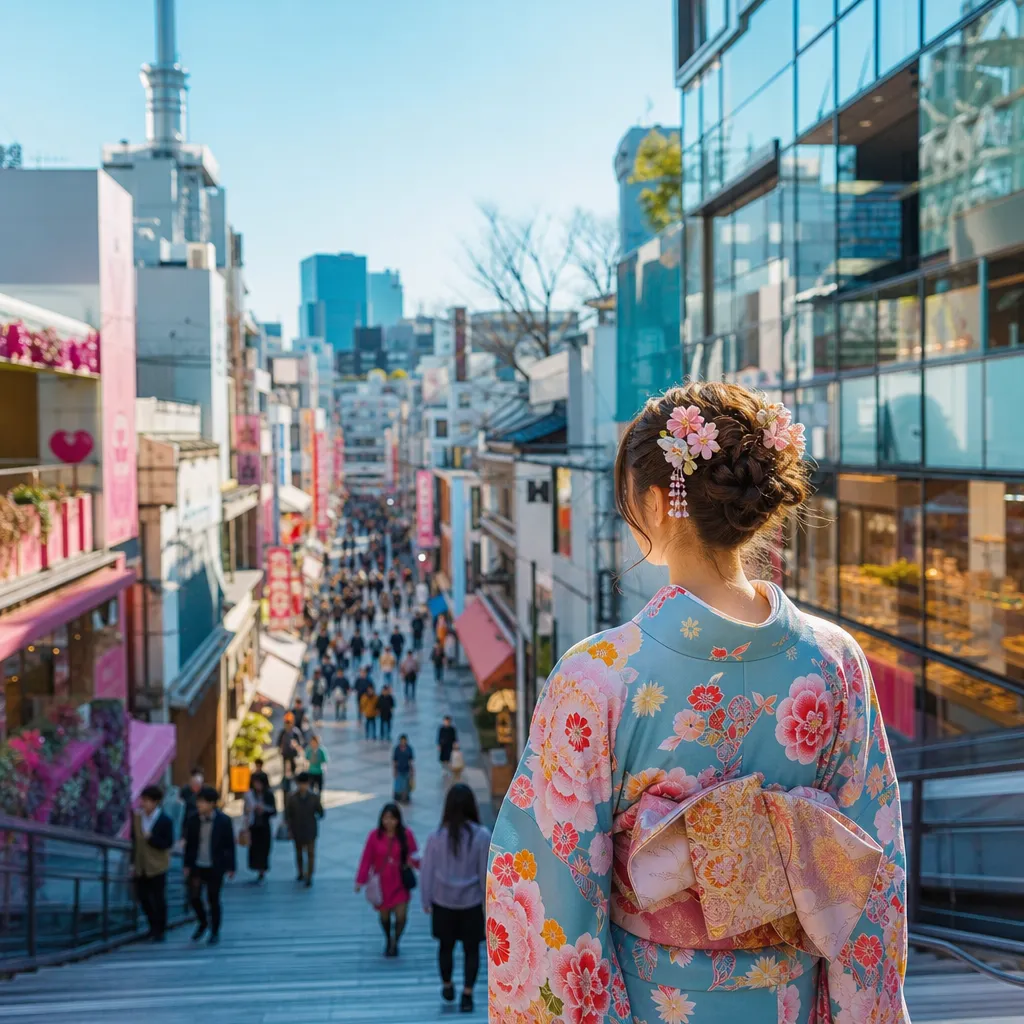
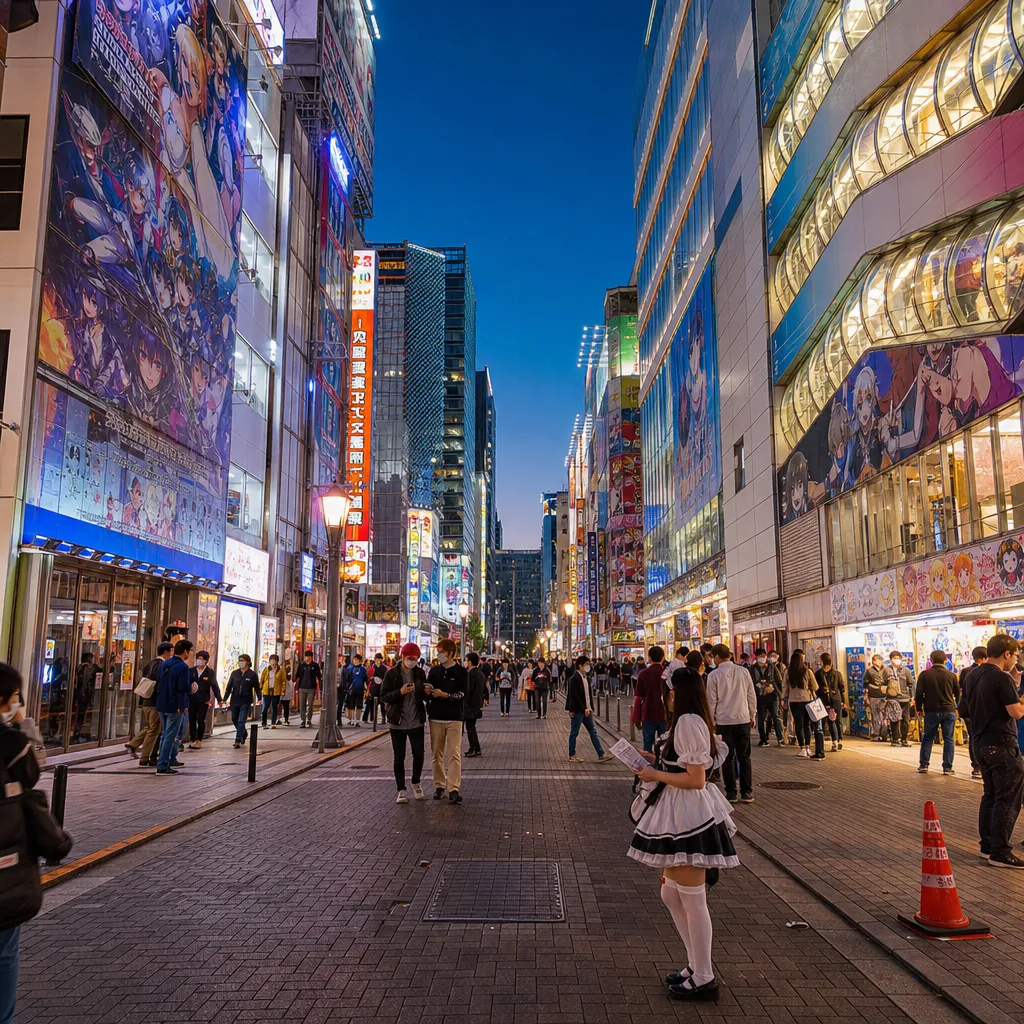
The surrounding district has a different character from western Tokyo hubs like Shibuya or Shinjuku. Asakusa feels lower-rise, more historic in atmosphere, and more oriented toward temples, traditional sweets, street snacks, and day-to-evening strolling rather than nightlife.
| Part of Visit | Area | Best For | What to Expect |
|---|---|---|---|
| Kaminarimon Gate | Outer approach, Asakusa | First impressions, iconic photos | Crowded entrance area with the famous lantern and busy pedestrian flow |
| Nakamise-dori | Between outer and inner gates | Snacks, souvenirs, atmosphere | Traditional shopping street with food stalls and gift shops |
| Hozomon Gate | Inner temple precinct | Architecture and transition into temple space | Large gate marking the quieter religious core beyond the shopping street |
| Main Hall | Central temple grounds | Prayer, ritual observation, core visit | Active place of worship with incense, offerings, and formal temple atmosphere |
| Five-story pagoda and side grounds | Within the precinct | Photography, quieter angles | Good for stepping away from the main pedestrian flow |
How to Walk Through the Temple Grounds
The standard route begins at Kaminarimon, the outer gate with the giant red lantern. This is often the busiest point because many visitors stop here immediately for photos. If you want a cleaner view, it helps to pause, let a group pass, and then frame the gate straight on rather than rushing into the crowd.
From there, continue along Nakamise-dori. This is not just a souvenir corridor; it is part of the historical approach to the temple. You will find traditional snacks, sweets, and small gifts, though it is usually busiest in the middle of the day. If shopping is not your priority, walk through once and save serious browsing for after visiting the main hall.
Next comes Hozomon, the inner gate, which marks a clear shift from shopping street to temple precinct. Beyond it, the grounds open up and the main hall comes into full view. This is where the visit becomes more spacious, even though it can still be crowded.
At the main hall, visitors often stop at the incense burner, offer a prayer, and observe others quietly. Even if you are not participating religiously, this is an active temple rather than a museum set. Stand to the side if you want to watch the ritual flow without blocking people approaching the hall.
Before leaving, walk around the side areas instead of immediately exiting the same way. The pagoda, secondary spaces, and slightly offset viewpoints often feel calmer and can improve both your understanding of the complex and your photographs.
Best Times to Visit
Sensoji is worth visiting at almost any time of year, but timing makes a major difference to the experience. Early morning is usually the best option if you want a calmer atmosphere, clearer photos, and more room to observe the architecture without constant pedestrian traffic.
Late morning to mid-afternoon is the busiest period, especially on weekends, holidays, and during peak travel seasons. This is the liveliest time for Nakamise and surrounding Asakusa streets, so it works well if you want snacks, shopping, and energy rather than quiet reflection.
Evening can be surprisingly rewarding. The crowds often thin compared with midday, and the illuminated temple buildings create a different mood. If your main interest is photography or atmosphere rather than browsing shops, later in the day can be a strong choice.
Seasonally, New Year is especially important at Japanese temples and shrines, and visitor numbers can become extremely high. Festival periods and major domestic holiday dates can also change the feel of the area completely, so check current local event schedules if crowd levels matter to you.
Etiquette and Cultural Basics
Sensoji is a Buddhist temple, so basic courtesy matters. Speak quietly in front of the main hall, avoid blocking worshippers, and do not treat the central prayer space as only a photo backdrop.
You may see people purifying themselves at a water pavilion before prayer. Watch first if you are unfamiliar with the process. It is fine not to participate. The most important point is to avoid treating ritual spaces casually or climbing into areas meant only for symbolic use.
Photography is generally straightforward outdoors in the temple precinct, but always pay attention to posted signs, especially near interior spaces or special areas. Even where photos are allowed, avoid intrusive close-ups of people praying.
Eating while walking is common in some commercial streets in Japan but can be frowned upon in certain temple-adjacent settings, especially when the area is crowded. If you buy snacks on Nakamise or nearby side streets, it is often better to eat them neatly near the shop or in an appropriate spot rather than carrying food directly into the main worship area.
What to See Around Sensoji
The temple visit makes more sense when you treat it as part of a wider Asakusa walk. Just outside the main grounds, the district offers older shopping streets, small eateries, rickshaw traffic, and a layered mix of domestic tourism and local everyday life.
Asakusa Shrine stands adjacent to Sensoji but is a Shinto shrine, not part of the Buddhist temple itself. Visiting both is useful if you want to see how shrine and temple spaces differ in design and atmosphere. Be careful not to describe them as the same institution.
The Sumida River is close enough to add a riverfront stroll, especially in the late afternoon or evening. This gives you a broader sense of eastern Tokyo and can pair well with boat rides or a walk toward bridge viewpoints.
Kappabashi Dougu Street, in the wider Asakusa area, is a strong addition if you are interested in kitchenware, Japanese knives, ceramics, or restaurant display culture. It is not inside the temple precinct, but it fits naturally into the same half-day itinerary.
If you want a larger skyline contrast after traditional architecture, the Tokyo Skytree area across the river can also be added on the same day, though it changes the mood from historic district to contemporary commercial complex.
How Long to Spend and Who It Suits
A basic temple visit can take under an hour, but most travelers benefit from allowing at least a half-day in Asakusa. That gives you enough time for the full approach, temple grounds, a snack stop, and one nearby extension such as the river or Kappabashi.
Sensoji is especially good for:
- First-time visitors who want an anchor landmark that is easy to reach and culturally significant.
- Photographers interested in temple gates, lanterns, pagoda views, and street scenes.
- Families, because the area is walkable and visually engaging, though midday crowds can be tiring with strollers.
- Solo travelers, since it is straightforward to navigate and rewarding even without a guided tour.
- Couples, especially in the early evening when the district feels less hectic.
It is less ideal for travelers seeking a quiet, isolated temple experience. Because of its fame, Sensoji is almost always busy by Tokyo standards. If serenity is your top priority, visit early or combine Sensoji with a less crowded temple elsewhere on another day.
Practical Planning Tips
Start at Kaminarimon if this is your first visit, but do not leave immediately after the main hall. The side areas are often the difference between a rushed checklist stop and a well-rounded visit.
Wear shoes suitable for long city walking. Even if the temple itself is manageable, Asakusa tends to lead naturally into a larger neighborhood walk.
If you want food nearby, Asakusa is a good area for tempura, soba, traditional sweets, melon pan, and casual snack stops. Exact restaurant choices change and queues can be long, so it is smarter to identify a few backup options in the area than to rely on one famous shop.
For transport planning, Asakusa works particularly well on the same day as Ueno, Akihabara, the Ryogoku area, or Tokyo Skytree. Pairing it with far-western districts is possible, but it creates a less efficient route if you are trying to avoid excessive train time.
If weather is poor, the temple remains visitable, but the atmosphere changes. Rain can actually improve certain photos by thinning crowds and adding reflections, though Nakamise and the main approach will feel tighter under umbrellas.
Sample Visit Plans
Short first visit
Enter through Kaminarimon, walk Nakamise, visit the main hall, circle the side grounds, and finish with a quick snack in Asakusa. This works well if you only have a limited morning or afternoon.
Half-day cultural walk
Visit Sensoji early, continue to Asakusa Shrine, explore nearby backstreets, stop for lunch, then walk toward the Sumida River. This is the most balanced plan for travelers who want both the landmark and the neighborhood.
Photography-focused visit
Arrive early for lower crowds at Kaminarimon and the main approach, then return around dusk or evening for lit architecture and different atmosphere. If you have time, include river views and side streets rather than only the central axis.
What is the best time of day to visit Sensoji Temple?
Early morning is usually best for lighter crowds and cleaner photos. Late afternoon and evening can also be rewarding if you want atmosphere and illumination rather than shopping.
How do I get to Sensoji Temple by public transport?
The practical destination is the Asakusa area, with Asakusa Station as the main transport hub. Multiple rail operators serve the neighborhood, so check which Asakusa route fits your larger itinerary.
How much time should I allow for Sensoji and Asakusa?
Allow at least one to two hours for a basic visit. A half-day is better if you want to include food, nearby streets, Asakusa Shrine, or the riverfront.
Is Sensoji Temple free to visit?
The temple grounds are generally visited as an open public religious site. Check official information for any special areas or temporary restrictions.
Is Sensoji suitable for families with children?
Yes. The area is visually engaging and easy to navigate, but weekends and holidays can be very crowded, so earlier visits are usually more comfortable for families.
Can I take photos at Sensoji Temple?
Outdoor photography is a major part of the visit for many travelers, but you should always follow posted rules and avoid intrusive photography around worshippers or restricted spaces.
Do I need a reservation or ticket?
No reservation is normally associated with a standard visit to the temple grounds. You only need to plan transport and choose a good time of day.
What should I check before visiting?
Check official information for current access details, seasonal events, and any temporary changes affecting the grounds or surrounding approach streets.
Sources
- Sensoji Temple Official Website
- GO TOKYO (Tokyo Convention & Visitors Bureau)
- Japan National Tourism Organization