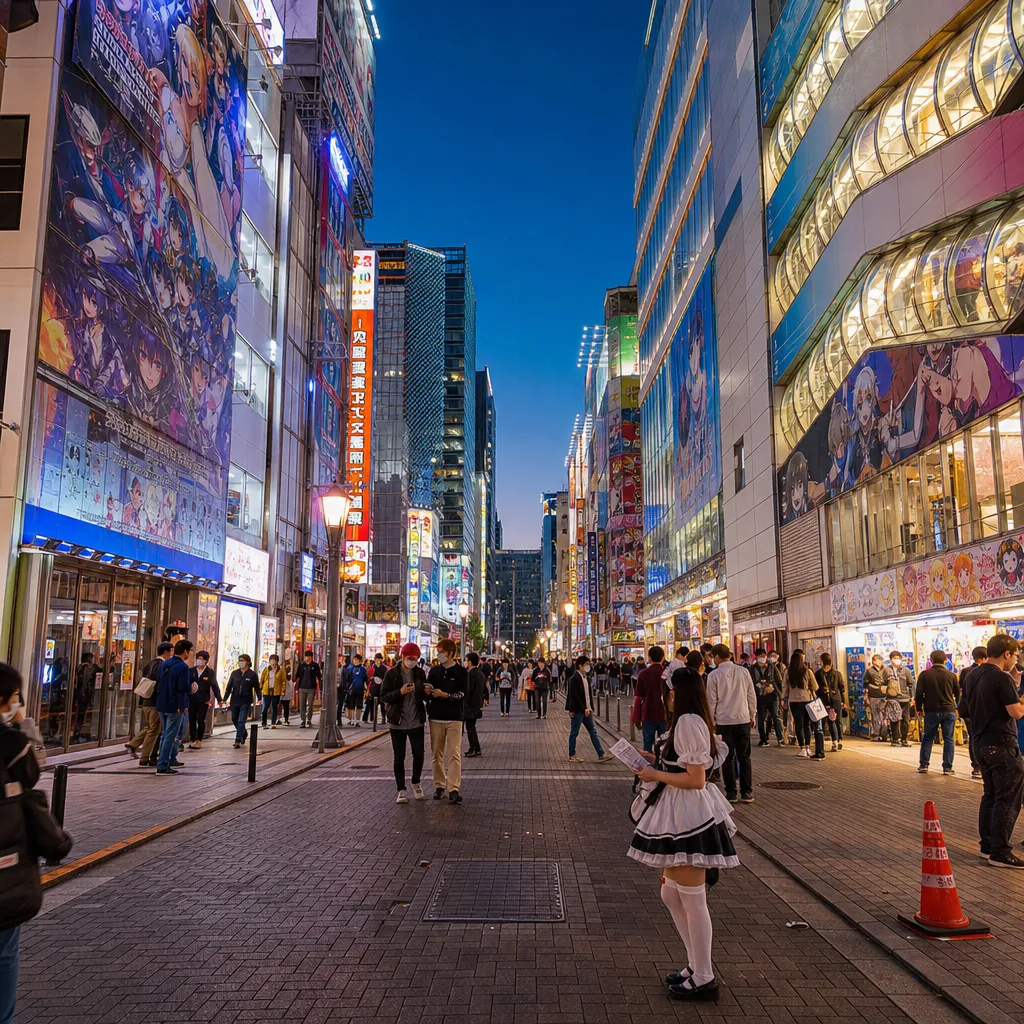
Akihabara is one of the easiest parts of Tokyo to misunderstand if you only know its stereotypes. Yes, it is still a major center for electronics, anime, games, and hobby culture, but it is also a practical base for visitors who want good rail connections, late-opening shops, arcades, niche museums, and compact walking access to nearby districts like Kanda, Ochanomizu, and Ueno. The area sits mainly in Chiyoda ward, with Akihabara Station as the obvious transport hub, and it works best when approached as a cluster of sub-areas rather than a single street. If you plan your time well, you can combine shopping, indoor attractions, casual eating, and evening atmosphere in one day without crossing the city.
Why Akihabara is worth visiting
Akihabara is most famous for postwar electronics retail and its later transformation into a center of gaming, anime, manga, figures, trading cards, and hobby subcultures. For international visitors, what makes it especially useful is density: many of the area’s most interesting experiences are concentrated around Akihabara Station and along Chuo-dori, with multistory stores that let you compare options quickly.
The district is in central Tokyo and is very well connected. JR lines link it directly to major parts of the city, and the Tokyo Metro Hibiya Line and Tsukuba Express make it easy to reach from other neighborhoods. Because of that, Akihabara works well both as a half-day stop and as an evening add-on after Ueno, Asakusa, Tokyo Station, or Ginza.
The atmosphere changes by street. Around the station and main avenues, it feels busy, bright, and commercial. Step into side streets and upper floors, and the area becomes more specialized, with card shops, retro game stores, niche cafés, and hobby retailers aimed at repeat enthusiasts rather than first-time sightseers.
Akihabara at a glance
| Place | Area | Best For | Type | Key Feature |
|---|---|---|---|---|
| Radio Kaikan | Near Akihabara Station | Figures, collectibles, hobby shopping | Shopping complex | Multi-floor concentration of specialist stores |
| Yodobashi Akiba | By Akihabara Station | Electronics and practical shopping | Large retail complex | Accessible one-stop electronics shopping |
| Super Potato | Akihabara backstreets | Retro game fans | Specialist shop | Classic console software and nostalgic atmosphere |
| Kanda Myojin | Near Ochanomizu/Suehirocho side | Culture and a quieter break | Shinto shrine | Historic shrine closely linked with the area’s identity |
| 2k540 AKI-OKA ARTISAN | Between Akihabara and Okachimachi | Design shopping and crafts | Artisan retail zone | Independent makers under the railway tracks |
| mAAch ecute Kanda Manseibashi | Manseibashi/Kanda side | Architecture, café stop, quieter walking | Restored station building | Historic brick setting beside active rail lines |
Best things to do in Akihabara
Explore the main shopping spine around Chuo-dori
If it is your first visit, start with the streets around Akihabara Station and Chuo-dori. This is where the district’s visual identity is strongest: giant signs, electronics chains, hobby stores, arcades, and upper-floor specialty shops. It is good for orientation even if you do not plan to buy anything.
The main practical point is that many stores occupy several floors, and categories are often separated vertically. Look carefully at building directories before going in. A store’s best section may be on the fifth or sixth floor rather than the ground level.
Visit Radio Kaikan for collectibles and hobby culture
Radio Kaikan, near the station, is one of the most efficient introductions to modern Akihabara shopping. It is especially relevant for figures, character goods, model-related items, dolls, collectibles, and hobby browsing. Compared with larger general retail buildings, it feels more focused and enthusiast-oriented.
This is a good stop for solo travelers, dedicated collectors, and visitors who want the Akihabara experience without walking too far between stores. Even if you are not buying, it helps explain how specialized the district has become.
Use Yodobashi Akiba for mainstream electronics
Yodobashi Akiba sits right by Akihabara Station and is the most straightforward option for practical electronics shopping. It is more accessible to general visitors than many niche electronic parts shops and is useful if you need cameras, headphones, travel accessories, or household tech rather than collector culture.
Because it is so convenient, it can also serve as a fallback if weather is bad. Families and less specialized shoppers often find it easier than navigating smaller backstreet stores.
Browse retro gaming at Super Potato and similar specialist shops
For visitors interested in earlier generations of Japanese gaming, Super Potato is one of the best-known names in Akihabara. It is in the broader Akihabara backstreet shopping zone rather than a fully polished mall environment, which suits the retro-gaming theme. Expect cartridges, discs, older consoles, and a strongly nostalgic presentation.
Condition and pricing vary, so this is better approached as specialist browsing than guaranteed bargain hunting. If retro games are your main interest, leave time to compare several shops in the area rather than buying from the first shelf you see.
Try the arcade scene while it still exists
Akihabara remains one of the most important places in Tokyo to experience multi-floor Japanese arcades, even though the scene has changed over time. Rhythm games, crane games, fighting games, and photo-friendly machine rows are still a core part of the district’s identity.
This is a particularly good evening activity, and it works well for groups. Upper floors may be quieter than the loud and bright ground floors. If you are visiting with children, daytime tends to be easier and less overwhelming.
Where to shop beyond anime and electronics
2k540 AKI-OKA ARTISAN
Between Akihabara and Okachimachi, under the elevated railway tracks, 2k540 AKI-OKA ARTISAN offers a very different side of the area. Instead of mass retail and character goods, you will find design-led craft shops, workshops, accessories, leather goods, ceramics, and other maker-focused businesses.
This is one of the best nearby options if your group has mixed interests. Someone can get their Akihabara fix, then walk to a calmer, more design-oriented setting. It suits couples, shoppers looking for gifts, and visitors who prefer independent retail over chain stores.
Akihabara’s small specialist stores
Some of the district’s most interesting shopping is in narrow buildings and upper floors. Depending on your interests, that might mean trading cards, model kits, railway goods, surplus electronics, or used media. Akihabara is still one of the best places in Tokyo for deep-category shopping rather than broad lifestyle shopping.
The practical approach is to keep your schedule flexible. If you are hunting for something specific, you may spend much longer in one building than expected. If your priority is variety, keep moving and treat the area as a series of concentrated micro-markets.
Food and café stops that make sense in Akihabara
Akihabara is not one of Tokyo’s great destination dining districts in the way that parts of Ginza, Nihonbashi, or Ebisu are, but it is very easy to eat well here. The area is strongest for convenient casual meals, ramen, curry, chain cafés, upper-floor restaurants, and theme-oriented experiences tied to district culture.
Gyukatsu Motomura Akihabara
The Akihabara branch of Gyukatsu Motomura is a well-known option for breaded beef cutlet served with a small grill for finishing pieces at your table. It suits visitors who want a recognizable Tokyo casual dining stop in the area rather than a highly local neighborhood specialist. Expect possible queues at busy times.
This works best as an early lunch or early dinner strategy if you want to avoid peak waiting. It is a solid choice for first-time visitors, solo diners, and small groups.
Curry and ramen options
Akihabara has long had a practical everyday-food side, especially in curry and ramen. You will find everything from quick counters to more polished chain branches around the station area and nearby Kanda side streets. Rather than fixing your trip around one famous bowl, it is often smarter to choose based on queue length, energy level, and whether you want a fast meal between shops.
If you are sensitive to strong flavors or narrow seating, remember that ramen shops here can be compact and busy. For families or larger groups, department-store-style restaurant floors and larger station-area buildings are usually easier.
Maid cafés and themed dining
Akihabara is the district most associated with maid cafés, and they remain part of its cultural identity. These are less about food quality than performance, atmosphere, scripted hospitality, and a subculture experience that some visitors specifically want to try once. They are usually most relevant to visitors curious about contemporary pop-culture tourism rather than conventional café standards.
If you go, check the house rules before entering. Many venues have policies about photography, table charges, or performance interactions. This is one area where it is especially important to confirm current details directly.
Cultural and quieter sights near Akihabara
Kanda Myojin
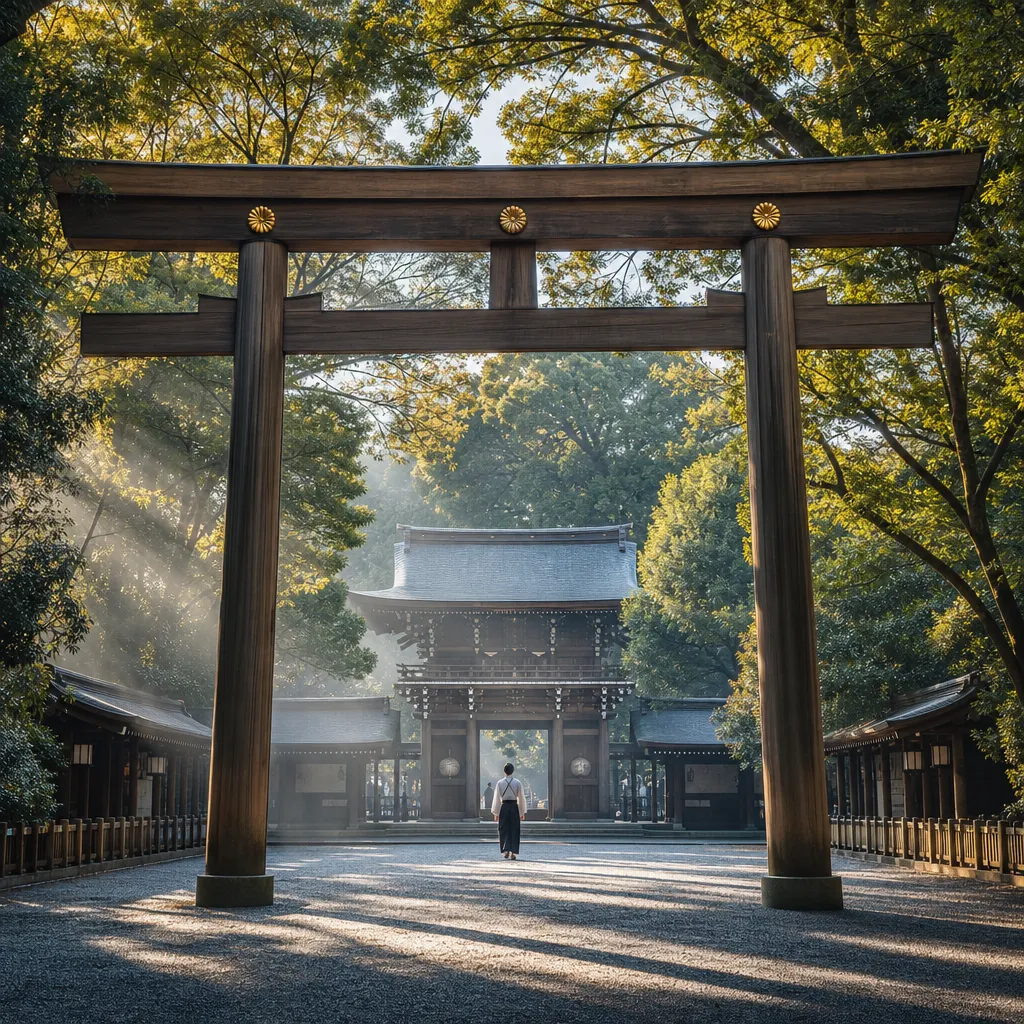
Kanda Myojin is one of the most worthwhile cultural stops near Akihabara. The shrine is in the wider Ochanomizu-Suehirocho side of the district cluster and gives you a break from screens and retail without requiring a major detour. It is a Shinto shrine with a long history and is closely associated with commerce, prosperity, and the surrounding neighborhoods.
It is also notable for the way it intersects with contemporary Akihabara culture. That overlap can be interesting for visitors trying to understand how old and new Tokyo coexist rather than sit in separate zones. Visit respectfully: keep voices down in worship areas, do not obstruct worshippers for photos, and check what photography is appropriate.
mAAch ecute Kanda Manseibashi
On the Kanda side of Akihabara, mAAch ecute Kanda Manseibashi is a restored historical railway structure with shops and dining spaces built into the remains of the old Manseibashi Station. It is one of the most interesting architectural stops in the area, especially if you enjoy adaptive reuse and urban rail infrastructure.
The mood here is much calmer than central Akihabara. It works well as a short break, coffee stop, or transition point if you are walking toward Kanda or Ochanomizu. Rail fans and photographers usually find it especially rewarding.
Photography and atmosphere: where Akihabara looks best
Akihabara is less about one perfect landmark shot and more about street texture. Good subjects include layered signage, elevated tracks, arcade façades, intersections filled with commercial graphics, and side streets with dense hobby storefronts. Late afternoon into evening is generally the most visually rewarding time because signs are lit but the streets still have movement.
For a cleaner contrast to the main district, photograph 2k540’s under-track design spaces or the brick-and-steel environment of mAAch ecute Kanda Manseibashi. If you prefer people-light scenes, arrive in the morning. If you want atmosphere, twilight and early evening are better.
Be careful with photography inside shops and themed cafés. Policies vary, and some stores prohibit photos altogether, especially of displays, staff, or other customers.
How to plan your visit
Best time of day
Late morning through evening is the most practical window. Many visitors arrive too early and find the district visually active but not fully open. If shopping is your priority, a lunch-to-evening schedule makes more sense than sunrise sightseeing.
How long to spend
For a general look, half a day is enough. For active shopping, gaming, and a meal, allow most of a day. Dedicated collectors and retro-game hunters can easily spend longer, especially if comparing stock between stores.
Who Akihabara suits best
- Solo travelers: Excellent, especially for browsing and casual eating.
- Couples: Good if interests align, or if paired with 2k540 or nearby cultural stops.
- Families: Possible, especially with arcades and major retail, though some subculture venues are better suited to adults.
- Photographers: Strong for street scenes, signage, and rail-adjacent urban detail.
- Serious shoppers: One of Tokyo’s best districts for niche buying.
Useful combinations nearby
Akihabara combines very naturally with Ueno, Ameyoko, Ochanomizu, Kanda, and even Asakusa if you are comfortable using trains. That makes it easy to build a broader day with museums, food, more traditional sights, and specialist shopping in one itinerary.
FAQ
What part of Tokyo is Akihabara in?
Akihabara is mainly in Chiyoda ward in central Tokyo, centered on Akihabara Station. It is close to Kanda, Ochanomizu, Okachimachi, and Ueno.
How do I get to Akihabara by public transport?
Akihabara Station is served by major JR lines as well as the Tokyo Metro Hibiya Line and Tsukuba Express. For nearby spots such as Kanda Myojin or 2k540, stations like Suehirocho, Ochanomizu, or Okachimachi may also be useful depending on your route.
How much time should I allow for Akihabara?
Plan on half a day for a general visit and closer to a full day if you want to shop seriously, play in arcades, and stop for meals or cafés.
Is Akihabara only for anime and gaming fans?
No. Those are major reasons people visit, but the area also works for electronics shopping, rail and architecture photography, casual dining, shrine visits, and craft shopping nearby at 2k540.
Are reservations needed for restaurants or cafés in Akihabara?
Usually not for everyday casual meals, though queues are common at popular places. For themed cafés or more specific dining experiences, checking current reservation or entry rules in advance is sensible.
Is Akihabara suitable for families with children?
Yes, in many parts of the district. Large electronics stores, arcades, capsule-toy shopping, and bright pedestrian-friendly areas can work well, but some venues are clearly aimed at older teens or adults, so a little filtering helps.
Is photography allowed in Akihabara?
Street photography is generally straightforward if done respectfully, but interior policies vary a lot. Many shops and themed venues restrict photography, so always check before taking pictures indoors.
What should I check before visiting Akihabara?
Check current opening days and hours for specific stores, cafés, and attractions you care about most. This matters especially for themed venues, specialist shops, and places with event-based operations.
Sources
- GO TOKYO (Tokyo Convention & Visitors Bureau)
- JR East
- Kanda Myojin Official Website