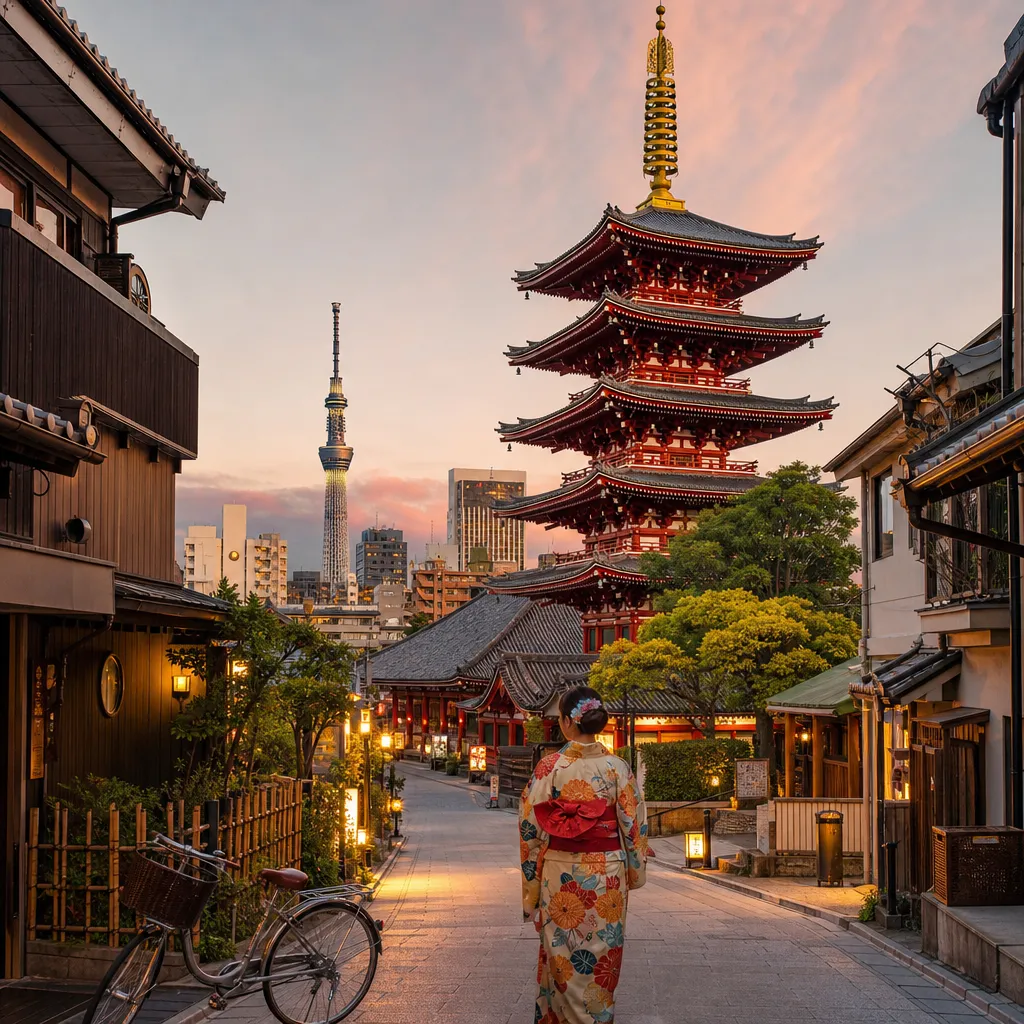
Asakusa is one of the easiest parts of Tokyo to enjoy on a first trip, but it also rewards slower, more local exploration. The district is centered on Senso-ji, the city’s most famous Buddhist temple, yet the surrounding streets offer far more than a quick temple stop: old shopping arcades, river views, traditional sweets, craft shops, and good access to neighboring areas such as Ueno and Tokyo Skytree. It sits in Taito City on the east side of central Tokyo, with useful access from Asakusa Station on different railway and subway lines. The atmosphere shifts noticeably by time of day, from busy daytime sightseeing to far quieter evenings once many day-trippers leave.
This guide focuses on how to use Asakusa well: what to prioritize, where each experience fits geographically, and what practical details matter if you want more than a rushed photo stop. It is especially useful for travelers interested in culture, food, walkable streets, and older layers of the city.
Why stay or spend time in Asakusa
Asakusa is one of the clearest places in Tokyo for visitors who want a sense of historic urban character without leaving the city. The area around Senso-ji still has a low-rise feel in parts, with traditional storefronts, long-established sweet shops, casual eateries, and streets that feel very different from the office towers of Marunouchi or the nightlife-heavy lanes of Shinjuku.
It is also practical. You have direct or convenient rail access toward Ueno, Ginza, Nihonbashi, Tokyo Skytree, and parts of eastern Tokyo. If you land here as a base, you can combine major sightseeing with a neighborhood atmosphere that works well for morning walks and early-evening strolling.
The trade-off is that Asakusa can become congested, especially around Nakamise and the temple approach in late morning and early afternoon. If you want the district at its best, go out early, return again at dusk, and use the side streets rather than only the main approach.
Essential places to visit in Asakusa
Senso-ji
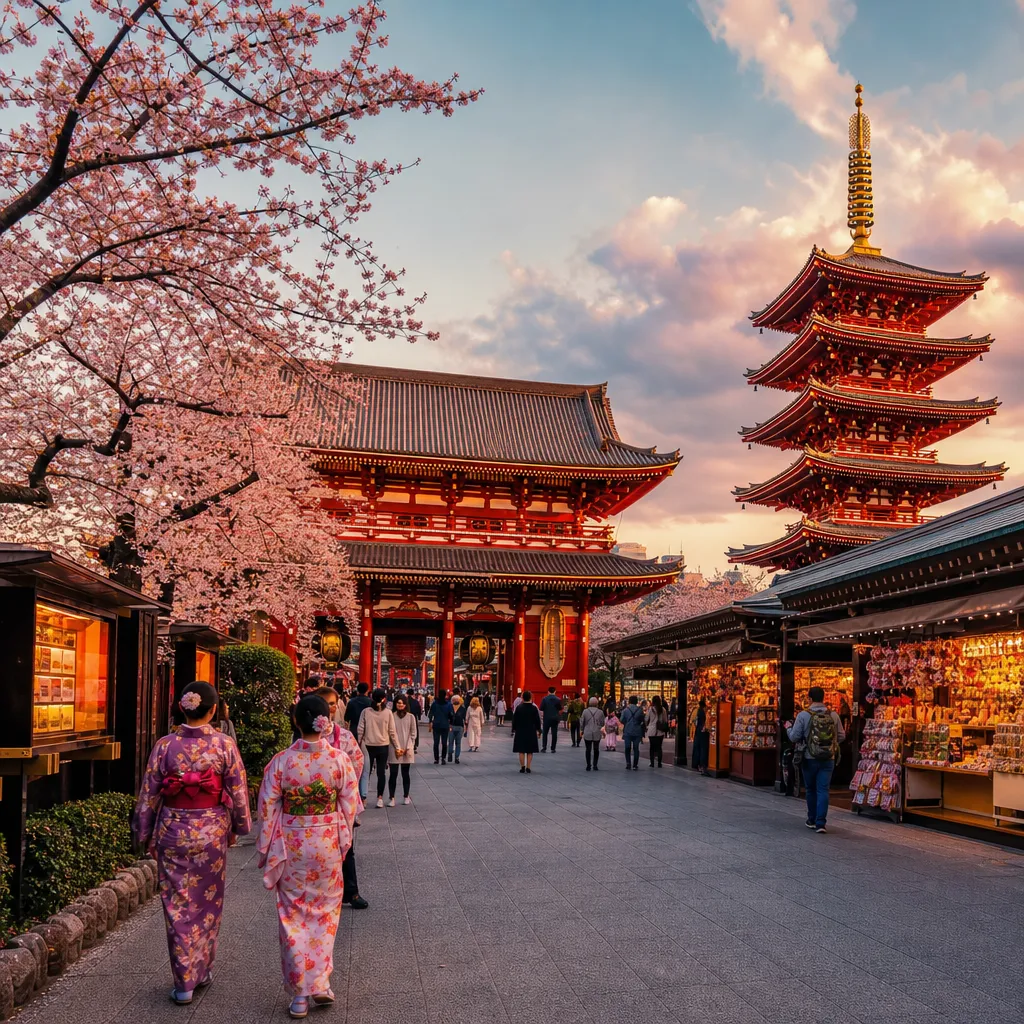
Senso-ji is the defining landmark of Asakusa and one of Tokyo’s most important Buddhist temples. It is in the center of the district, a short walk from the various Asakusa stations, and approached through Kaminarimon and Nakamise-dori. This is the place to understand before anything else: the giant lantern gate, main hall, incense burner, and five-story pagoda create the classic Asakusa streetscape most visitors come for.
It is best visited either early in the morning or in the evening. Mornings bring softer light and fewer crowds. Evenings are especially good if you want a calmer atmosphere and illuminated temple buildings. As this is an active religious site, visitors should behave respectfully, avoid blocking worshippers, and keep noise down near prayer areas.
Kaminarimon
Kaminarimon, the famous “Thunder Gate,” marks the symbolic entrance to the Senso-ji approach. It is not a separate long visit, but it is worth understanding as more than a photo point. This is where many visitors arrive from the station side, and it connects directly to Nakamise-dori. If you want your photos without large crowds, early morning is far better than midday.
Nakamise-dori
Nakamise-dori is the historic shopping street between Kaminarimon and the temple precinct. It is lined with snack stalls and souvenir shops selling traditional sweets, folding fans, crafts, and small gifts. It is convenient and iconic, but the practical advice is to treat it as a quick browse rather than the only shopping in the district. The side streets around the temple often feel more relaxed and can be more enjoyable.
Asakusa Shrine
Next to Senso-ji stands Asakusa Shrine, which is a Shinto shrine rather than a Buddhist temple. It is smaller and often much quieter than the main temple complex. If you want to see the distinction between two major Japanese religious traditions in one place, this is one of the easiest spots in the city to do so. During festival periods, this area becomes especially significant.
Sumida River waterfront
West and south of the main temple area, the Sumida River adds a very different side of Asakusa. The river walk opens views toward bridges and, across the river, the Tokyo Skytree area. This is a good place for a break after crowded temple streets, and it works particularly well in the late afternoon. River cruises also connect Asakusa with other waterside parts of Tokyo, though schedules should be checked in advance.
| Place | Area | Best For | Type | Key Feature |
|---|---|---|---|---|
| Senso-ji | Central Asakusa | First-time visits, culture, evening walks | Buddhist temple | Historic temple complex and pagoda |
| Kaminarimon | Temple approach | Photography, first arrival | Gate landmark | Large red lantern and classic streetscape |
| Nakamise-dori | Between gate and temple | Snacks and souvenirs | Historic shopping street | Traditional atmosphere and easy browsing |
| Asakusa Shrine | Beside Senso-ji | Quiet stop, shrine culture | Shinto shrine | More subdued atmosphere next to the temple |
| Sumida River waterfront | Riverside edge of Asakusa | Scenic walks, river views | Outdoor promenade | Open views and cruise connections |
Where to eat and drink in the area
Asakusa is better for traditional snacks, long-established casual dining, and classic neighborhood eating than for trend-driven destination dining. You can eat well here without overplanning, but it helps to know what the district is known for.
Daikokuya Tempura
Daikokuya is one of Asakusa’s well-known traditional tempura names. It suits visitors who want an old-style setting and a dish tied closely to the area’s culinary identity. Expect a more classic, heavier Edo-style tempura impression than the ultra-light style some visitors may know elsewhere. Because it is famous, queues are common, especially around lunch.
Namiki Yabusoba
Near the Asakusa station area, Namiki Yabusoba is an important stop for soba lovers. It is known for a classic Tokyo soba style and is particularly relevant if you want a meal that feels rooted in older Tokyo rather than modern chain dining. This is a better fit for travelers interested in culinary tradition than for large groups seeking a relaxed long meal.
Asakusa Mugitoro
Close to the Sumida River, Asakusa Mugitoro is associated with mugitoro, a traditional combination of barley rice and grated yam. It is one of the better-known options if you want something distinctly Japanese but not as heavy as tempura. The riverside part of Asakusa gives this meal a slightly calmer context than the busiest temple lanes.
Suzukien Asakusa
For matcha lovers, Suzukien is one of the district’s best-known sweet stops. It is especially relevant if you want Japanese tea-flavored desserts rather than only standard souvenir snacks. Go outside peak hours if possible, as popular dessert shops in Asakusa can become crowded.
Kappabashi Kitchen Town
Technically a separate shopping stretch northwest of the temple area rather than a single restaurant destination, Kappabashi is still useful for food-minded travelers. This street is known for kitchenware, knives, tableware, and food sample displays. It is not the place for one iconic meal; it is the place to browse culinary tools and cooking culture. If you enjoy restaurants as much as cooking, it is worth the detour.
For drinking, Asakusa is generally more low-key than Shinjuku or Ebisu. You will find izakaya and casual bars around the station area and in backstreets, but the district is more about a relaxed evening after walking than about late-night bar-hopping.
Best streets for walking, shopping, and atmosphere
Nakamise and the temple approaches
This is the busiest but most iconic stretch. Good for first-time atmosphere, quick snacks, and traditional souvenir browsing. Less good if you dislike crowds or want quiet photography.
Shin-Nakamise Shopping Street
Running through the wider Asakusa commercial area, Shin-Nakamise feels more local and practical than the tourist-heavy temple approach. It mixes everyday shopping with casual food options and gives a better sense of how the district functions beyond sightseeing.
Denboin-dori and nearby side streets
These smaller streets near the temple area often feel more manageable than Nakamise itself. You still get the old-town aesthetic, but with more room to pause, look into specialty shops, and appreciate the architecture and signage.
Kappabashi Dougu Street
Northwest of the core Asakusa sightseeing zone, Kappabashi is worth the walk if you like ceramics, knives, restaurant supply stores, or Japanese tableware. It is one of the most distinctive retail streets in Tokyo and one of the few where shopping feels truly specific to Japanese food culture rather than generic souvenir retail.
Photography and viewpoints
Asakusa photographs best when you combine landmark shots with quieter context. The obvious image is Kaminarimon facing inward toward the temple approach, but the district is more rewarding if you also look for side angles, street compression, and river perspectives.
Early morning around Senso-ji
This is the most practical time for clean compositions without dense crowds. The temple grounds, pagoda, incense burner area, and gate all become easier to frame. Morning light is also gentler on the red architectural details.
Sumida River and bridge views
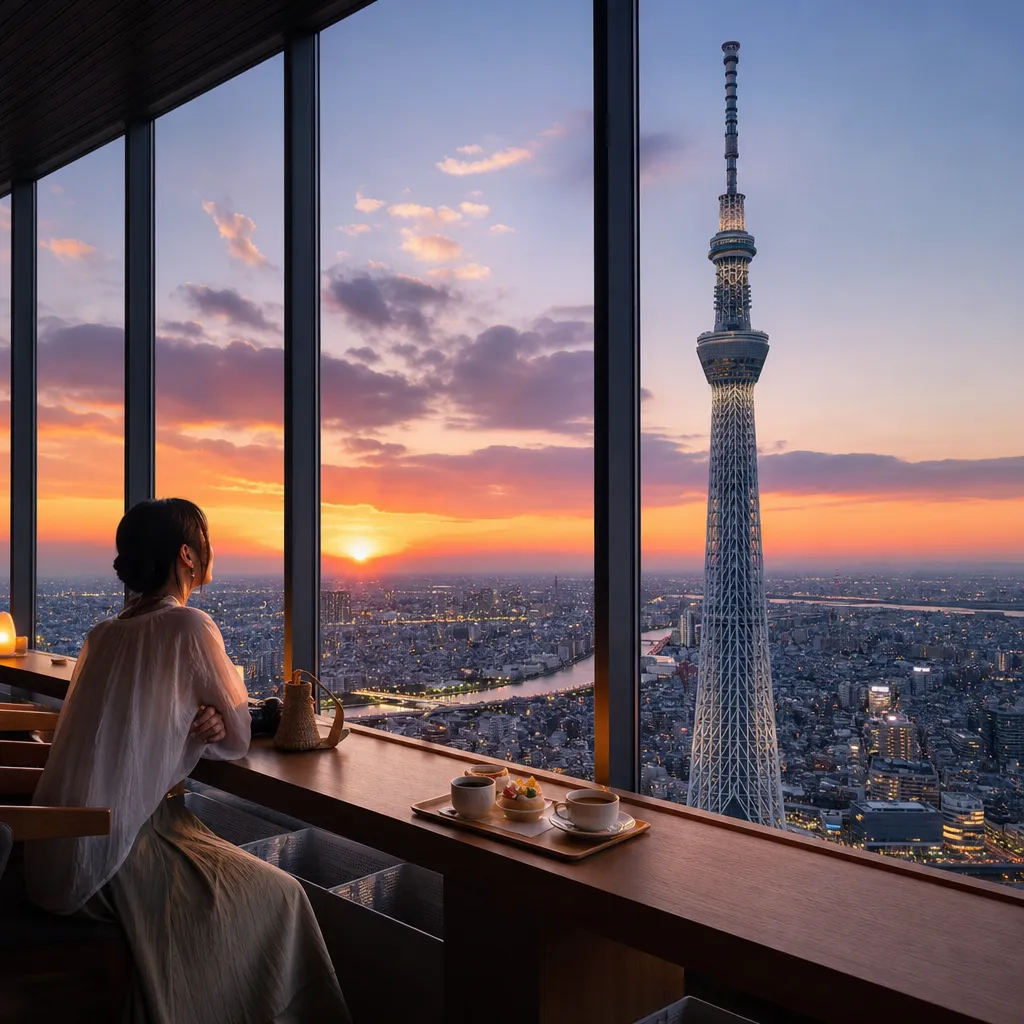
The riverside gives you wider compositions than the enclosed temple streets. From parts of the riverfront, you can build images that contrast old Asakusa with the modern skyline across the water, including the broader Tokyo Skytree area. Late afternoon into blue hour works well here.
Asakusa Culture Tourist Information Center
Near Kaminarimon, the Asakusa Culture Tourist Information Center is useful not only for maps and local guidance but also for its observation point. It offers a practical elevated view over the gate area and toward Senso-ji. This is one of the easiest overview shots in the district and is especially helpful if you want orientation before walking deeper into the neighborhood.
As always in temple and shrine spaces, photograph respectfully and avoid obstructing worship or crowd flow.
Hotels and ryokan-style stays
Asakusa is a strong base for travelers who prefer a neighborhood feel over a corporate business district atmosphere. It suits families, couples, solo travelers, and repeat visitors who want mornings and evenings in a walkable area rather than a transit-only hotel zone.
Ryokan Kamogawa Asakusa
This is one of the better-known ryokan-style options in the district. It appeals to travelers who want tatami and a more traditional lodging feel while staying in a practical urban location near major sights. Book early if traveling in popular seasons, since smaller character properties can fill faster than large chain hotels.
Asakusa View Hotel
In the wider Asakusa area, Asakusa View Hotel is a prominent choice for travelers who want a full-service hotel rather than a small inn. It is useful for visitors who value hotel infrastructure and access to both the sightseeing core and surrounding commercial streets.
The Gate Hotel Kaminarimon by Hulic
Close to the central sightseeing area, this hotel appeals to travelers who want a more contemporary stay while remaining in the heart of Asakusa. It is especially convenient if your plan involves early or late exploration around Senso-ji without long cross-city travel.
When choosing where to stay, note that the different Asakusa stations serve different lines. If you are planning frequent trips to airports, western Tokyo, or other specific districts, check rail connections first rather than choosing only by hotel style.
Suggested one-day and half-day itineraries
Half-day classic Asakusa
- Arrive early at Asakusa Station area.
- Photograph Kaminarimon before the biggest crowds.
- Walk Nakamise-dori while shops are opening.
- Visit Senso-ji and then Asakusa Shrine.
- Take a break at a tea or dessert shop.
- Finish with a riverside walk along the Sumida River.
Full-day slower Asakusa
- Start at the Asakusa Culture Tourist Information Center for orientation.
- Visit Kaminarimon, Nakamise, Senso-ji, and Asakusa Shrine.
- Eat a traditional lunch such as tempura or soba.
- Walk the side streets and Shin-Nakamise area.
- Continue to Kappabashi for kitchenware and ceramics browsing.
- Return toward the river in late afternoon.
- Come back to the temple area after dusk for a quieter atmosphere.
If you want to connect Asakusa with another destination on the same day, Ueno and Tokyo Skytree are among the easiest pairings.
Practical tips before you go
- Go early: The single best improvement you can make to an Asakusa visit is arriving in the morning.
- Use multiple station options: “Asakusa Station” can refer to different operators and lines, so confirm which one suits your route.
- Do not limit yourself to Nakamise: Some of the district’s best atmosphere is on side streets and around the river.
- Check seasonal events separately: Major festivals such as Sanja Matsuri draw huge crowds, and schedules can change.
- Dress for walking: The district works best on foot, including the extension to Kappabashi.
- Plan meals strategically: Famous long-established restaurants may have queues, especially at lunch.
- Be respectful at religious sites: Senso-ji is a temple, Asakusa Shrine is a shrine, and both are active places of worship.
FAQ
What is the best time of day to visit Asakusa?
Early morning is usually the best for lighter crowds, easier photography, and a calmer temple atmosphere. Evening is also rewarding, especially around Senso-ji when the area becomes quieter.
How do I get to Asakusa by public transport?
Asakusa is served by several rail and subway operators, including Tokyo Metro, Toei, Tobu, and Tsukuba Express in the wider area. Check which Asakusa station and line match your starting point, because the most convenient route varies.
Is Asakusa suitable for families?
Yes. The area is flat, walkable, visually interesting, and easy to enjoy without a tightly structured schedule. Families usually do well with a morning temple visit, snack stops, and time by the river.
Do I need restaurant reservations in Asakusa?
For casual eating, walk-ins are often realistic, but well-known traditional restaurants can attract queues. If a particular long-established place matters to your trip, check current reservation policies directly.
Can I see Asakusa in one half-day?
Yes, for the main sights. A half-day is enough for Kaminarimon, Nakamise, Senso-ji, Asakusa Shrine, and a short riverside walk. Add more time if you want Kappabashi, a sit-down meal, or a relaxed pace.
Is Asakusa good for shopping?
Yes, but not in the luxury or fashion sense. It is strongest for traditional souvenirs, food gifts, tableware, kitchen tools, and old-style shopping streets rather than department-store retail.
Is photography allowed at Senso-ji and Asakusa Shrine?
General photography is common outdoors, but visitors should be respectful, avoid obstructing people worshipping, and follow any posted instructions in specific areas.
What should I check before visiting?
Check current transport information, weather, and any festival-related crowd impact. If you plan a specific restaurant, river cruise, or observation point visit, confirm its current operating information in advance.
Sources
- GO TOKYO (Tokyo Convention & Visitors Bureau)
- Senso-ji Temple official website
- Asakusa Culture Tourist Information Center